It reads like the opening of a thriller, but it’s real. A man is found dead on Somerton Beach, a scrap torn from a book of poems that said “Tamám Shud” in his pocket. Seventy-odd years on, people are still wondering why.
— Nick
Between Gulf St Vincent and the Mount Lofty Ranges lies Adelaide, the capital of South Australia, founded in 1836 as the planned capital of a freely settled British colony. From a surveyor’s disputed site to a film that rewrote a pianist’s childhood, the tales take in a future saint put out of the Church, a cricket captain struck over the heart, and an unknown man on a beach.
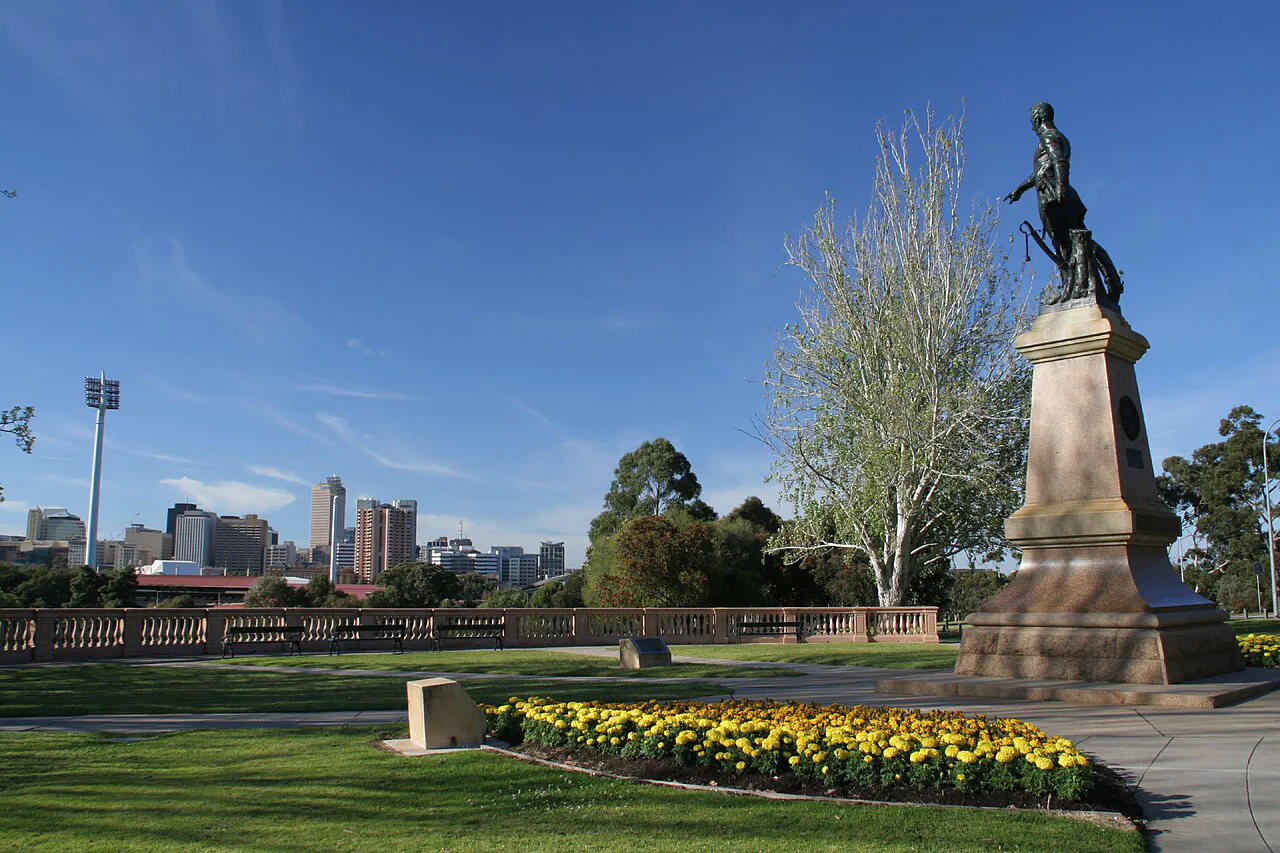
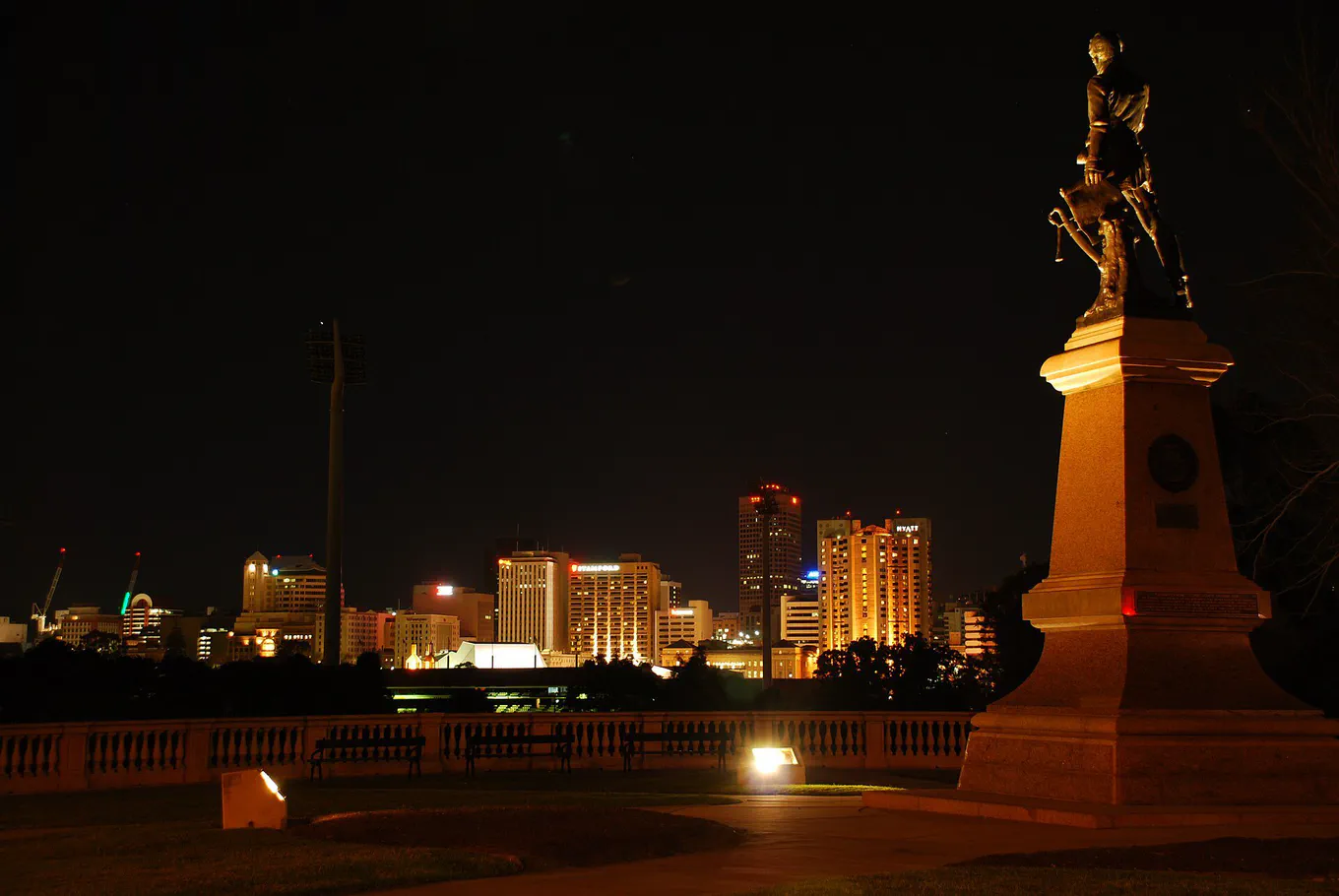
Colonel William Light, South Australia’s first Surveyor-General, chose the capital’s site on the River Torrens and ringed it with park land. Governor Hindmarsh wanted it near the River Murray’s mouth; some settlers said the port was too far. Told to survey 150 square miles within a week, Light resigned rather than skimp. In January 1839, a fire blamed on arson burned the survey office. Ill with tuberculosis, he wrote that he left it to posterity, not his enemies, to judge him. He died that October. Posterity put up a statue.
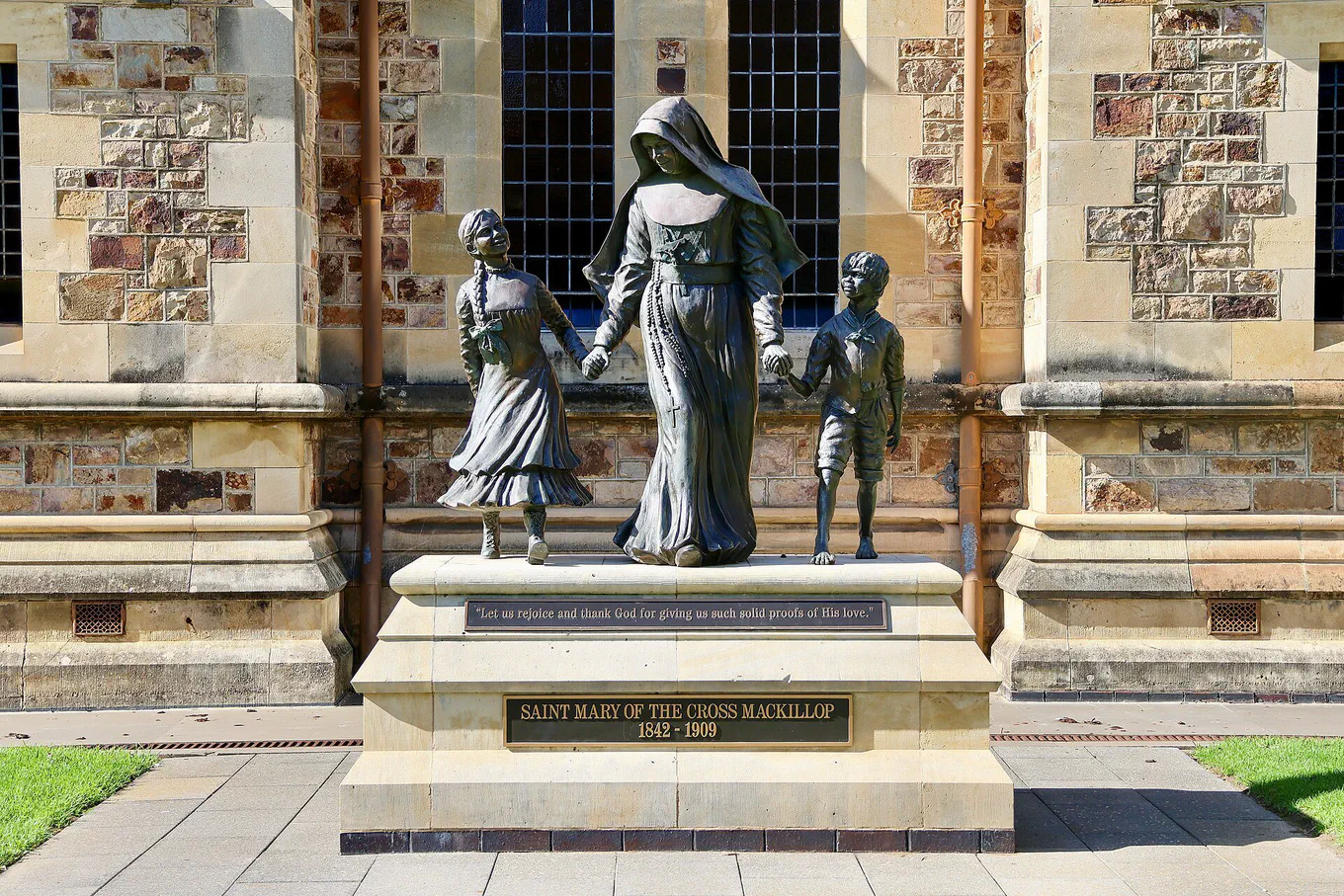
2 Mary MacKillop, Australia’s first saint, excommunicated in Adelaide
Stand here. Kensington, in Adelaide’s east, where her order acquired its Mother House in 1872. A museum there has a bronze bust of her.
Australia’s first saint, Mary MacKillop, was thrown out of the Catholic Church in Adelaide. She had co-founded the Sisters of St Joseph, and the Sisters exposed a priest committing sexual offences in the confessional. He was sent back to Ireland, and one of his fellow priests swore vengeance. In September 1871, Bishop Sheil excommunicated her, citing insubordination, and turned the Sisters out of their convent. A Jewish merchant let them use two houses, rent-free. On his deathbed, Sheil told the priest who had sworn vengeance to lift the sentence.
3 Bodyline and the captain struck at Adelaide Oval
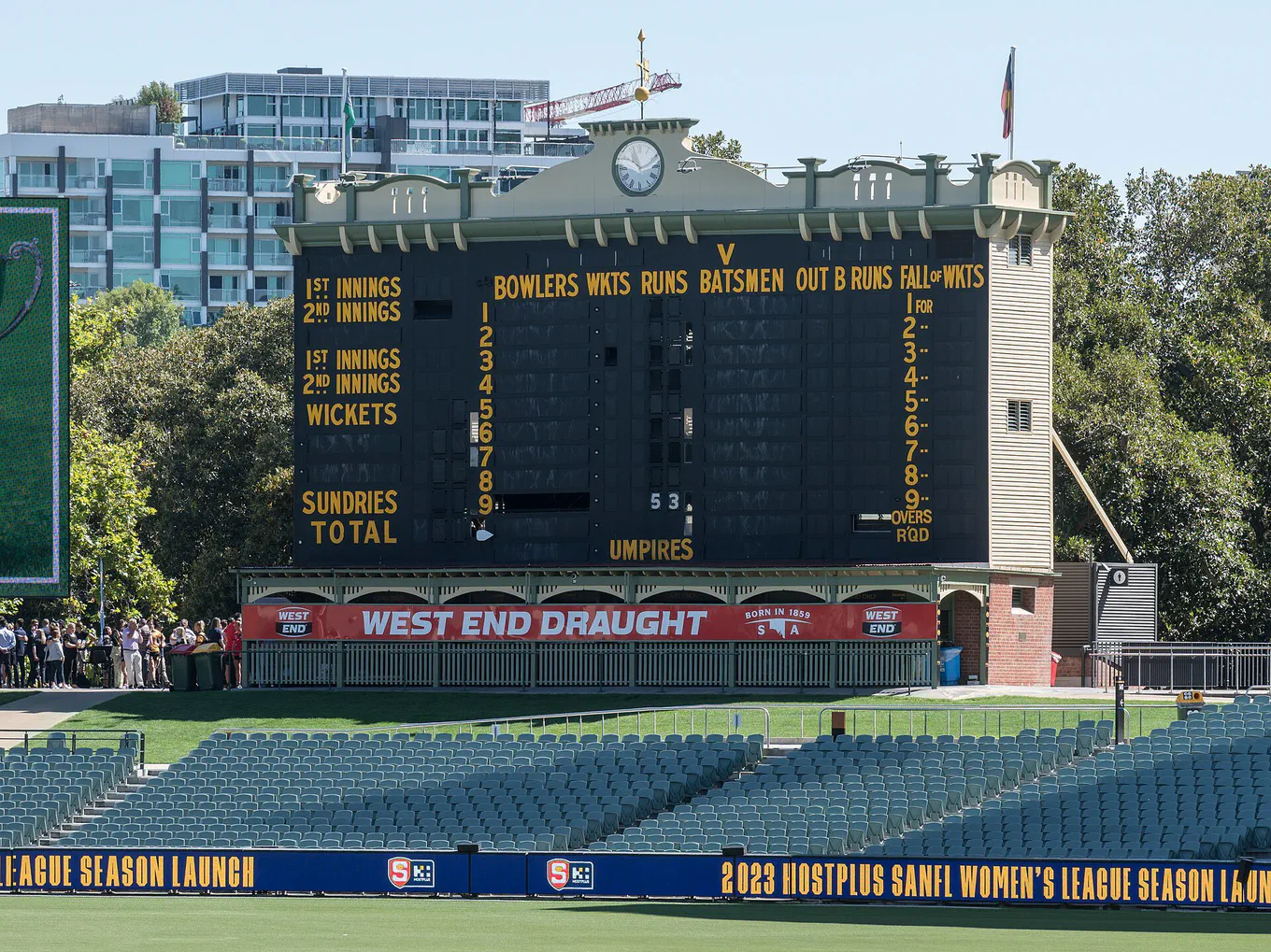
Stand here. Adelaide Oval, where the manual scoreboard is the only one still working at a major Australasian cricket ground.
Relations between the Bodyline teams hit bottom at Adelaide Oval. On Saturday 14 January 1933, before 50,962 people, Harold Larwood’s last ball of an over pitched short and struck Australia’s captain, Bill Woodfull, over the heart. England’s captain called “Well bowled, Harold!”, and the fielders moved into bodyline positions. Woodfull batted on and made 73 not out. When England’s joint manager, Pelham Warner, came to see him, Woodfull said, by Warner’s own account, “There are two teams out there. One is trying to play cricket and the other is not.”
4 The Somerton Man and the scrap that said “Tamám Shud”
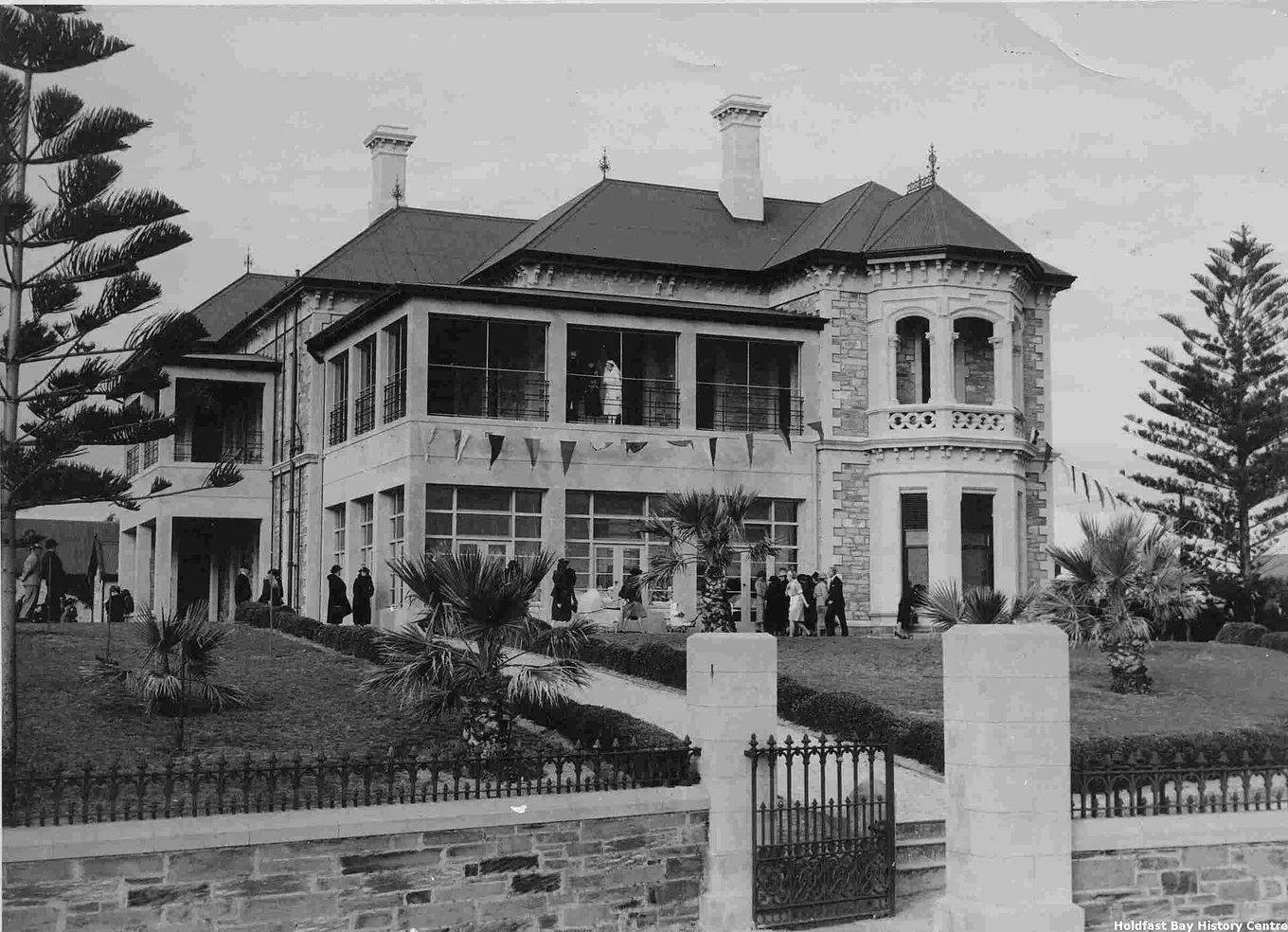
Stand here. Somerton Beach, where the man lay on the sand across from the Crippled Children’s Home.
At the heart of the Somerton Man mystery is a book of poems, the Rubáiyat of Omar Khayyám. On 1 December 1948, police were called to a man lying dead on this sand. Months later, a scrap of paper turned up in the fob pocket of his trousers, torn from the last page of a copy of the book. It read “Tamám Shud”. He was buried as an unknown man. In 2022, researchers named him Carl “Charles” Webb, an engineer born in 1905. Police have yet to confirm it.
5 Shine and the pianist Scott Hicks saw in Adelaide
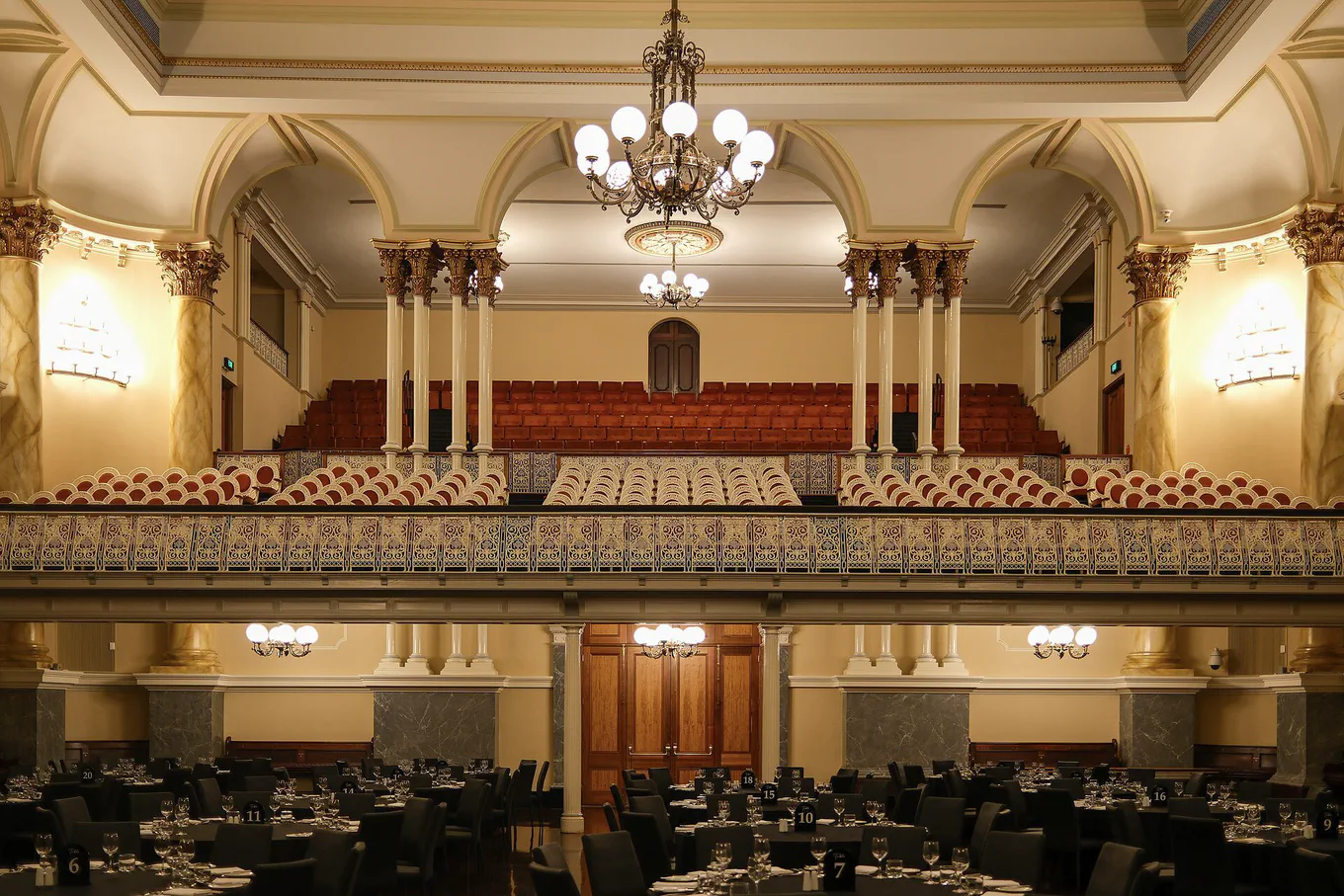
Stand here. Adelaide Town Hall. Shine was filmed here, in North Adelaide, and in the Botanic Gardens.
Shine won Geoffrey Rush the Oscar for Best Actor as the pianist David Helfgott. The director, Scott Hicks, decided to make it after seeing Helfgott perform in Adelaide in 1985. On screen, David grows up in suburban Adelaide, plays Rachmaninoff’s Third Piano Concerto, wins a competition with it, and breaks down. The real Helfgott was born in Melbourne and raised in Perth. His brother called parts of the film lies. His sister said their father was not the abusive tyrant it shows.
Pack nothing. Leave Friday.
Every Friday, I write a free letter, Journey, that takes us on a trip through places, stories, and ideas.
Murder on North Terrace(Lainie Anderson, 2025). A novel. It opens with a body found inside the Art Gallery of South Australia, on North Terrace.
The Unknown Man: A Suspicious Death at Somerton Beach(G. M. Feltus, 2010). A history of the body found on Somerton Beach on 1 December 1948.
Mix Tape(Jane Sanderson, 2020). A novel that runs from Sheffield to Adelaide, through North Adelaide, the Exeter Hotel, and the ABC’s Collinswood studios.
Films to watch before you visit Adelaide
Bodyline(Kennedy Miller, 1984). A television miniseries. It shows the Third Test at Adelaide as the low point in relations between the two teams.
Shine(Scott Hicks, 1996). A film. Geoffrey Rush plays the pianist David Helfgott, in scenes shot at Adelaide Town Hall, in North Adelaide, and in the Botanic Gardens.
Hey Hey It’s Esther Blueburger(Cathy Randall, 2008). A film. St Peter’s College plays Esther’s school, and Marryatville High School plays Sunni’s.
Questions
Can you tour Adelaide Oval?
Yes. Volunteers lead 90-minute guided walking tours of the ground, children included. The Bradman Collection is on show in a purpose-built museum in the Riverbank Stand, on loan from the State Library of South Australia. Bringing it to the Oval was Sir Donald Bradman’s own wish.
What are the Adelaide Park Lands?
A green belt of open space, laid out in a figure of eight on both banks of the River Torrens. They began with Colonel Light’s plan, which surrounded the city with park land. They’re on Australia’s National Heritage List, and UNESCO World Heritage status could still be a decade away.
Why is Adelaide called the City of Churches?
Colonial Adelaide became known as the City of Churches because of the diversity of faiths among its people. The name stuck, and churches are still dotted all across the city, which was founded in 1836 as the planned capital of a freely settled British colony.