Proof that life is stranger than fiction. A $100 million diamond heist was solved, in part, because of a half-eaten salami sandwich dumped in the woods. If I wrote that into a Jon Kaine book, readers would call it unbelievable. Sometimes, real life rules.
— Nick
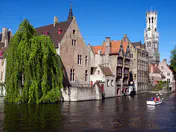
Antwerp is a Belgian city in Flanders, on the river Scheldt, about 40 km north of Brussels. In the 16th century, it was the richest city in Europe, and today its port is second in Europe only to Rotterdam. Its stories here are Rubens coming home too late, a fictional boy and his dog, a stolen Olympic flag, Einstein giving up Germany, and a diamond heist and a salami sandwich.
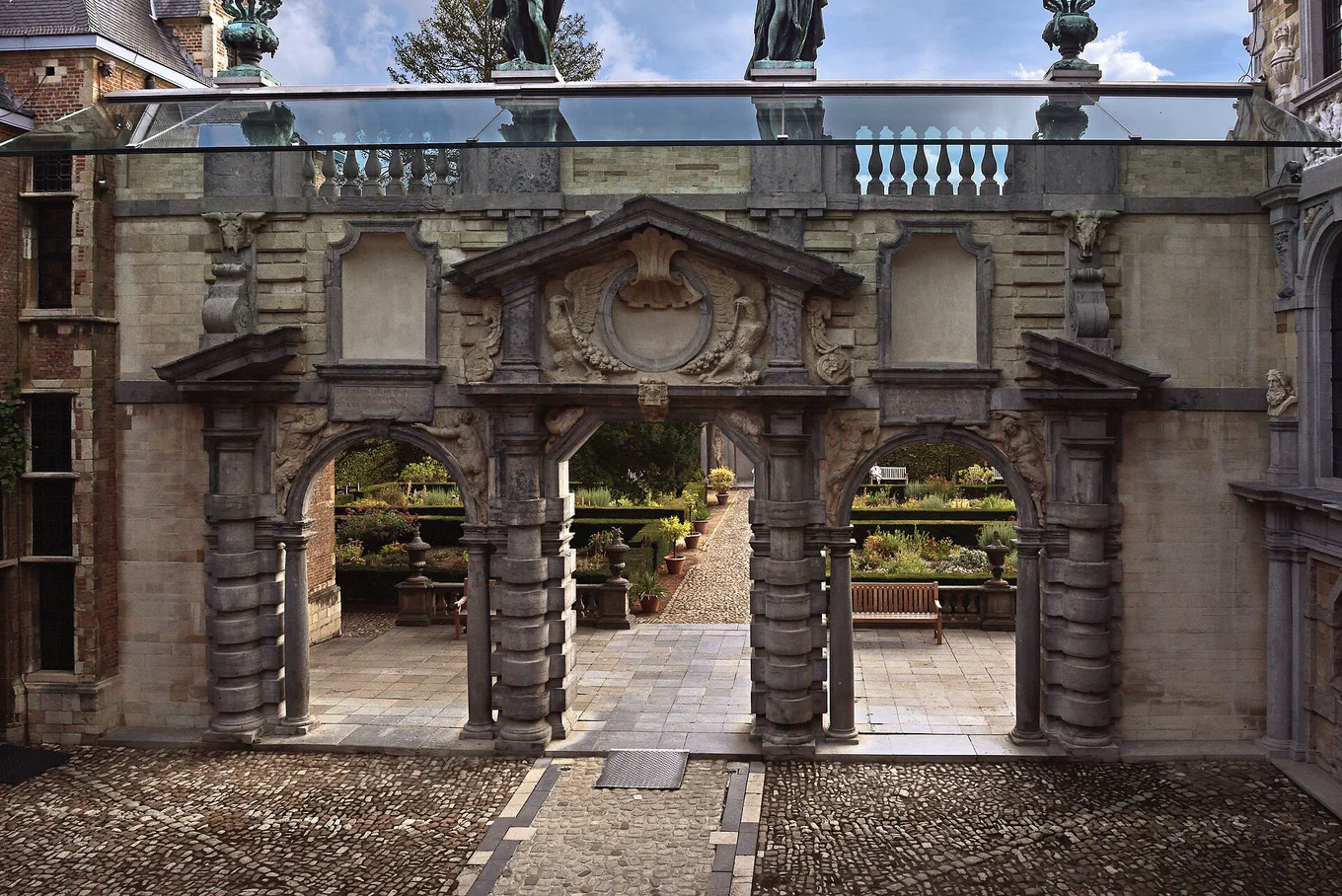
Peter Paul Rubens had spent eight years in Italy when, in 1608, word came that his mother was ill. He set out for home in Antwerp, but she died before he arrived. He stayed anyway, and soon he was court painter to the rulers of the Spanish Netherlands. He bought a Flemish townhouse and remade it to his own designs as an Italian palazzo, with a studio, a portico, and a Baroque garden. He had come home too late, and he spent most of his life in that house.
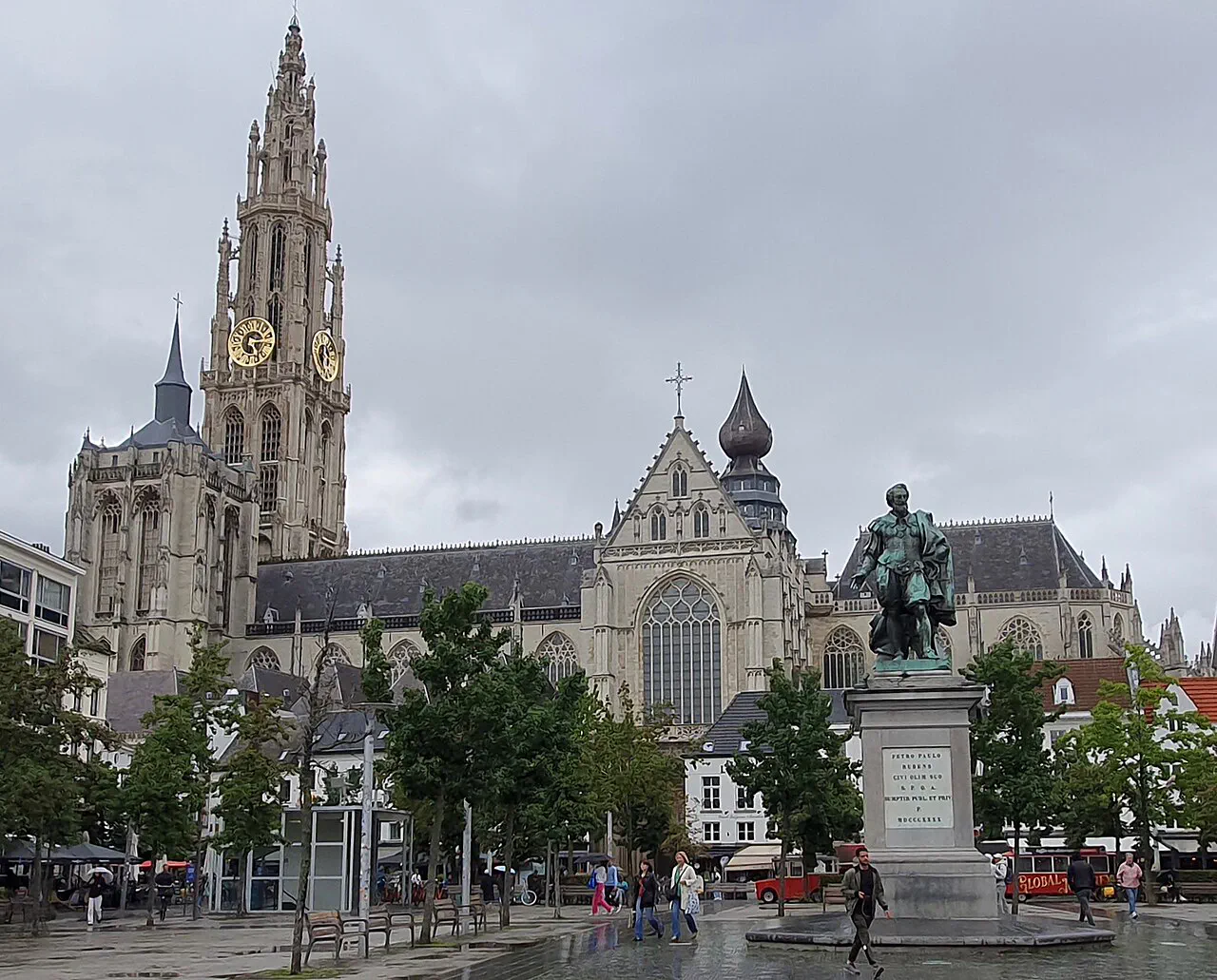
2A Dog of Flanders and the Rubens paintings in the cathedral
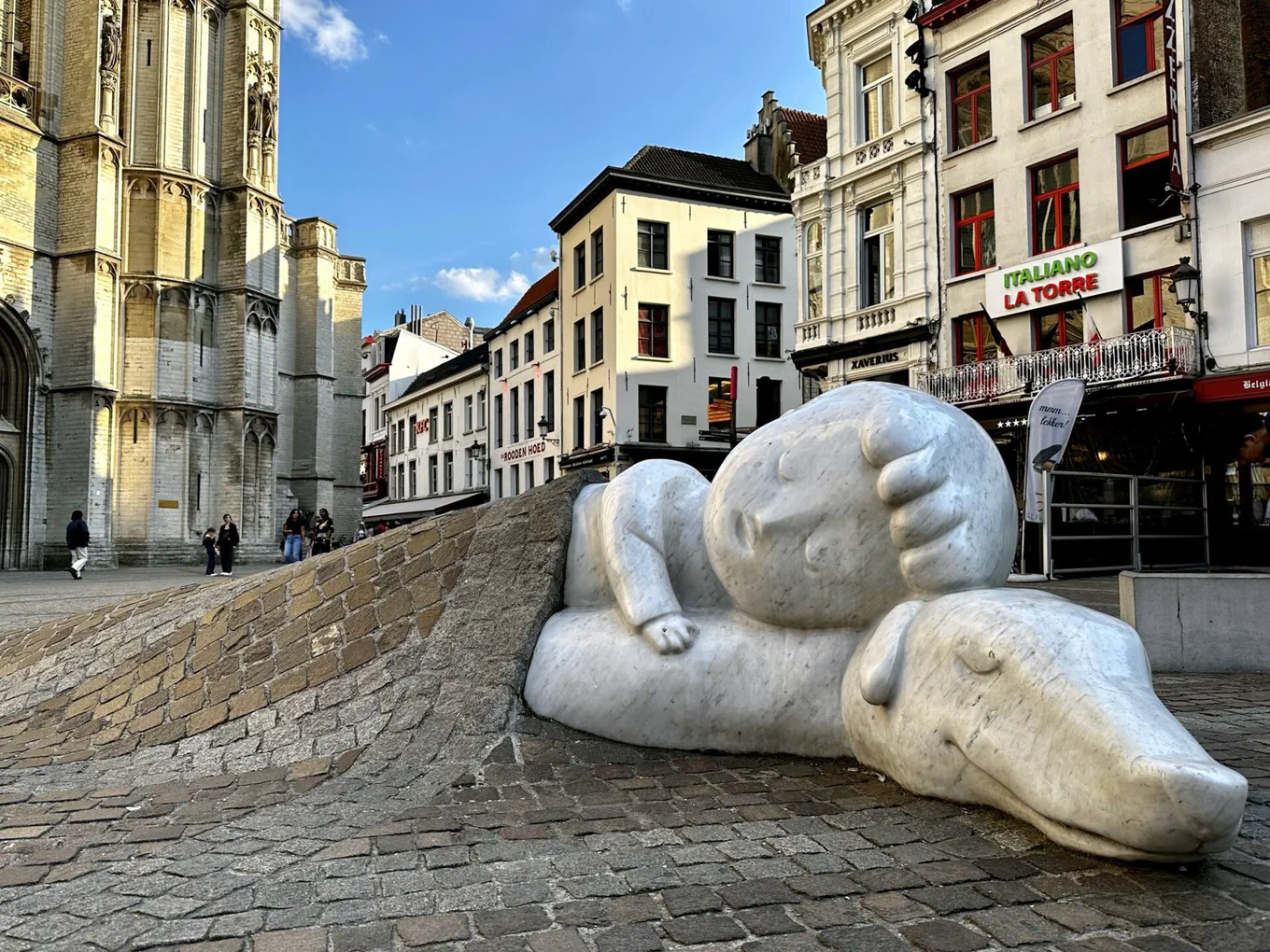
Stand here. The Cathedral of Our Lady. Both Rubens paintings hang inside. Since 2016, a marble statue has shown the boy and dog asleep under a blanket of cobblestones.
In Ouida’s 1872 novel A Dog of Flanders, Nello is an orphan who longs to see the Rubens paintings in Antwerp’s cathedral, but only paying visitors may look. On Christmas Eve, he learns he has lost a drawing contest. That night, the cathedral door is unlocked and moonlight lights the paintings. Next morning, Nello and his dog, Patrasche, are found dead of cold before them. East Asia loved the book. Belgium barely knew it. In 1985, Antwerp found out and began raising monuments to a boy who never lived.
3 The diver who stole Antwerp’s Olympic flag
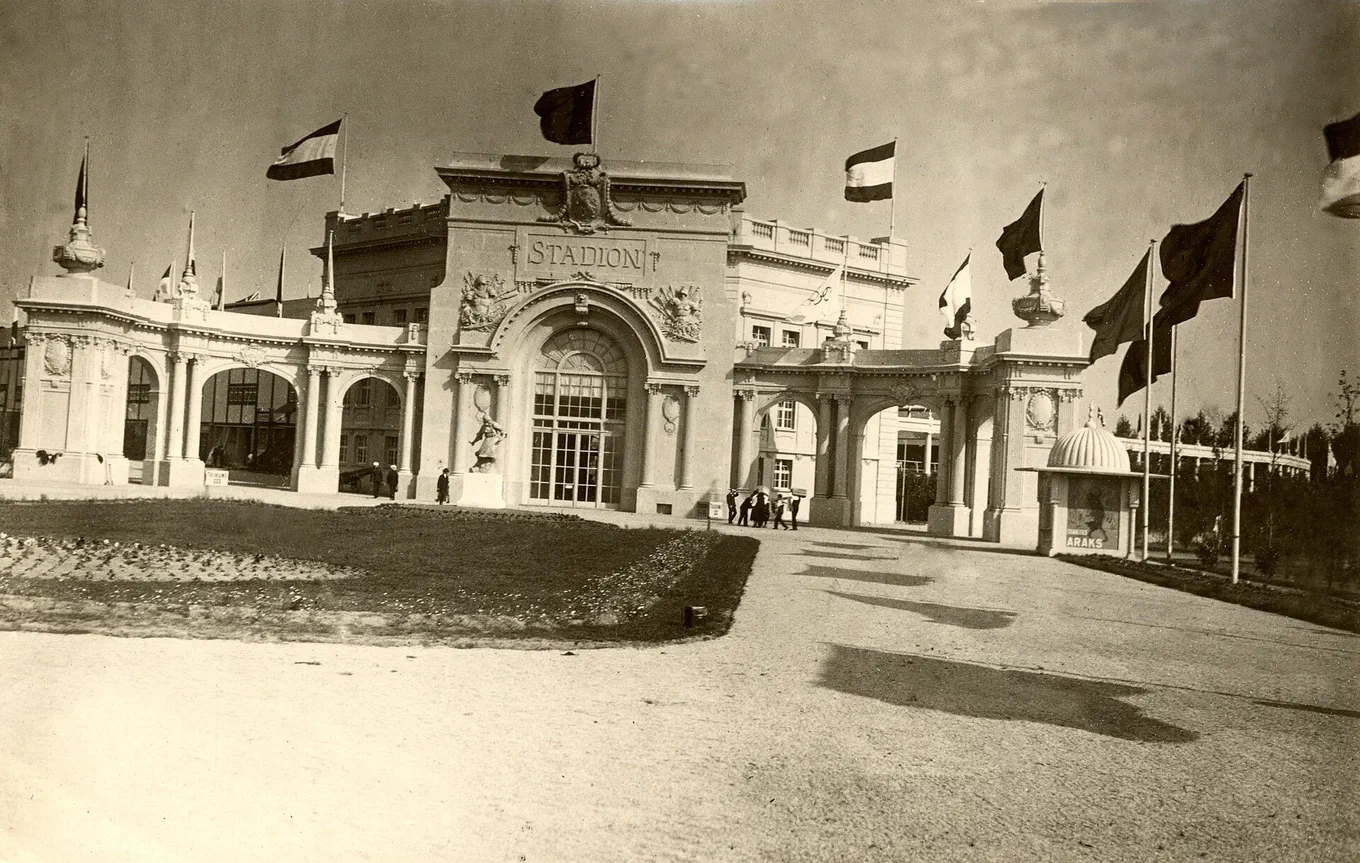
Stand here. The Olympisch Stadion, built for the 1920 Games. It is now a football ground, home to K Beerschot VA, with no trace of the Olympic track.
The entrance to Antwerp’s Olympisch Stadion, hung with flags for the 1920 Olympic Games.Unknown / Public domain.
Antwerp’s 1920 Games were the first Olympics to fly the five-ring flag. Spurred on by his teammate Duke Kahanamoku, Hal Prieste, an American diver who won bronze, climbed a flagpole and took the flag as a prank. When the Games ended, the flag couldn’t be found. It lay in the bottom of his suitcase for 77 years, until a reporter at a banquet mentioned it. “I can help you with that,” Prieste said. “It’s in my suitcase.” He handed it back at the Sydney Games, aged 103.
4 Einstein gives up his German passport in Antwerp
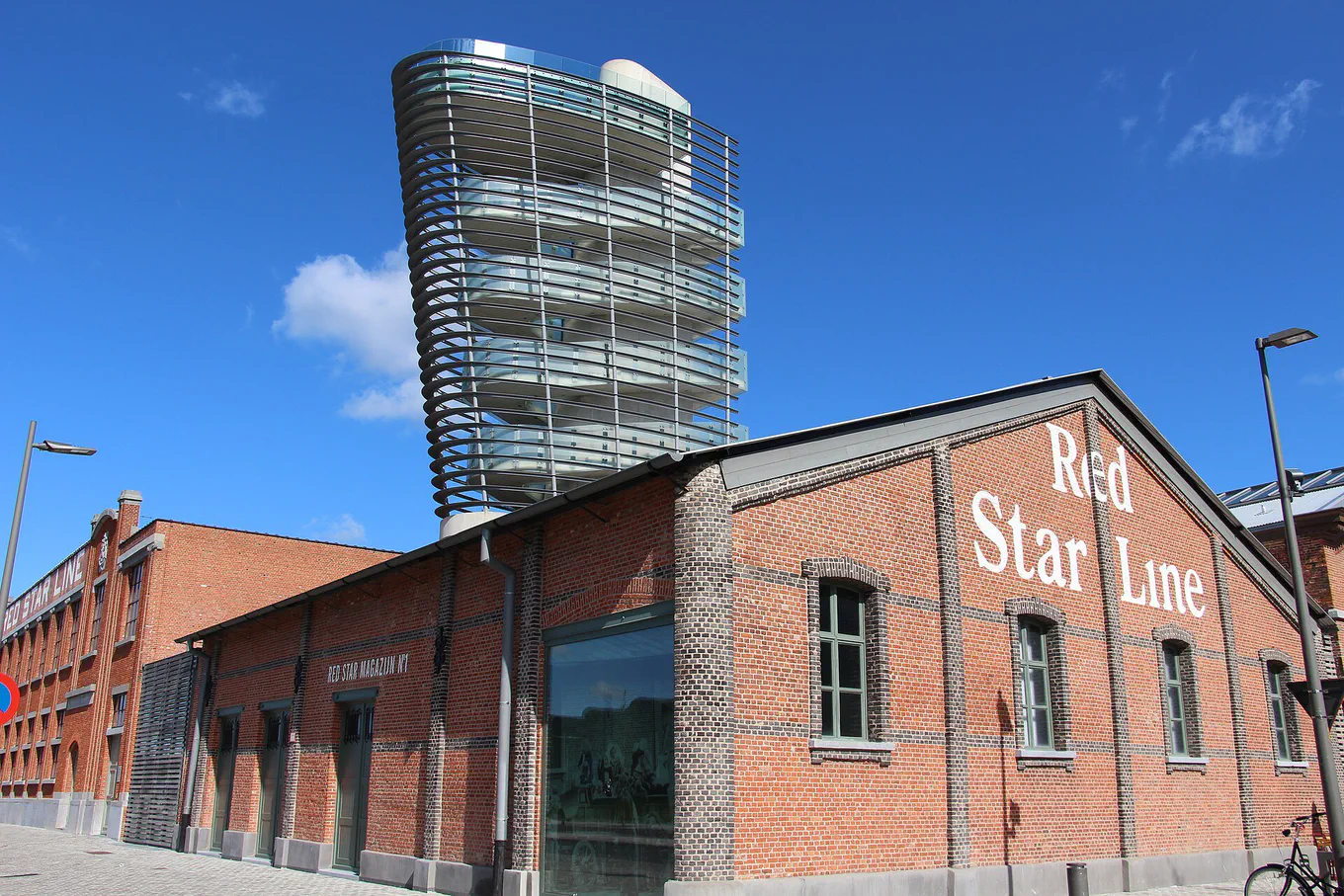
Stand here. The Red Star Line Museum, in the line’s own buildings on the Rijnkaai. Its exhibit includes a letter Einstein wrote on Red Star Line stationery.
When Albert Einstein sailed from New York in March 1933, on the Red Star Line’s flagship, the Belgenland, he meant to go home to Germany. At sea, news came that the Nazis had raided his summer house. He also learned the Reichstag had made Hitler’s government a dictatorship in all but name, and Berlin was closed to him. As soon as the ship reached Antwerp, Einstein went to the German consulate, surrendered his passport, and renounced his citizenship. He had, he said, “no intention of ever returning to Germany”.
5 The half-eaten salami sandwich in Antwerp’s diamond heist
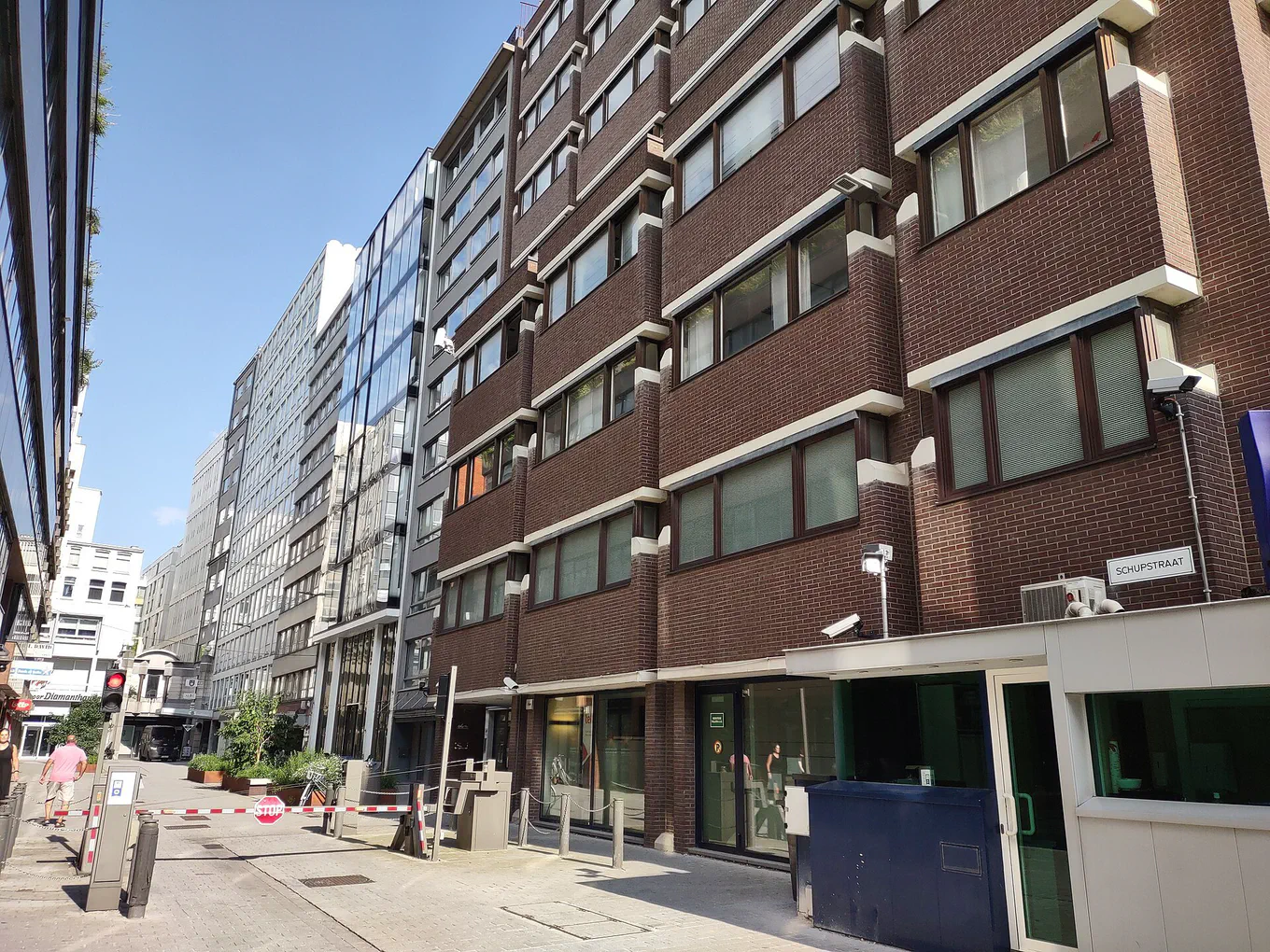
Stand here. The Antwerp Diamond Center, 9/11 Schupstraat, in the diamond district beside Antwerp Central Station. Its vault lies two floors below the main floor.
The “heist of the century” took one weekend in February 2003. Leonardo Notarbartolo, a professional thief, had rented an office in the Diamond Center and spent over two years preparing. His gang broke open 109 of the vault’s 189 boxes and took diamonds and jewellery worth more than $100 million. But an accomplice scattered their rubbish in woods beside a motorway. The landowner called the police, and in the rubbish was a half-eaten salami sandwich. DNA from it was among the evidence. Most of the diamonds have never been found.
Pack nothing. Leave Friday.
Every Friday, I write a free letter, Journey, that takes us on a trip through places, stories, and ideas.
A Dog of Flanders(Ouida, 1872). A novel. An orphan boy longs to see the Rubens paintings in the Cathedral of Our Lady, where the story ends.
Austerlitz(W. G. Sebald, 2001). A novel. In the 1960s, the narrator meets the architectural historian Austerlitz in Antwerp Central Station, in its restaurant.
Cheese(Willem Elsschot, 1933). A novella about Frans Laarmans, a clerk at the General Marine and Shipbuilding Company in Antwerp, and an enormous quantity of Edam cheese that hardly wants to diminish.
Films to watch before you visit Antwerp
Loft(Erik Van Looy, 2008). A film. Five married men share an upmarket loft in a building beside the Scheldt.
Gangsta(Patser) (Adil El Arbi and Bilall Fallah, 2018). A film. A cocaine shipment comes in through the port of Antwerp and ends up dumped in the Scheldt.
Any Way the Wind Blows(Tom Barman, 2003). A film set in Antwerp on a sunny Friday in the beginning of June, where eight people dream of having a different life.
Questions
Can you see the Rubens paintings from A Dog of Flanders?
Yes. Both paintings Nello longs to see, The Elevation of the Cross and The Descent from the Cross, hang in Antwerp’s Cathedral of Our Lady. French troops took them to the Louvre in 1794, and they came back after the Napoleonic Wars.
Where is the 1920 Olympic flag now?
In Antwerp. Hal Prieste handed it back at the Sydney Games in 2000, and it reached Antwerp in 2004, where it hung in the city hall. In 2017, while the city hall was renovated, it went into the collection of the MAS museum. Historians doubt it is the flag from the opening ceremony, which was much larger.
Why is Antwerp called Antwerp?
Legend says a hero, Silvius Brabo, killed a giant who cut off the hands of boatmen who wouldn’t pay his toll, and threw the giant’s hand into the Scheldt, so handwerpen, “hand-throwing”. The Brabo Fountain on the Grote Markt shows the moment. Historians think the name more likely means a wharf, or land thrown up at the riverbank.