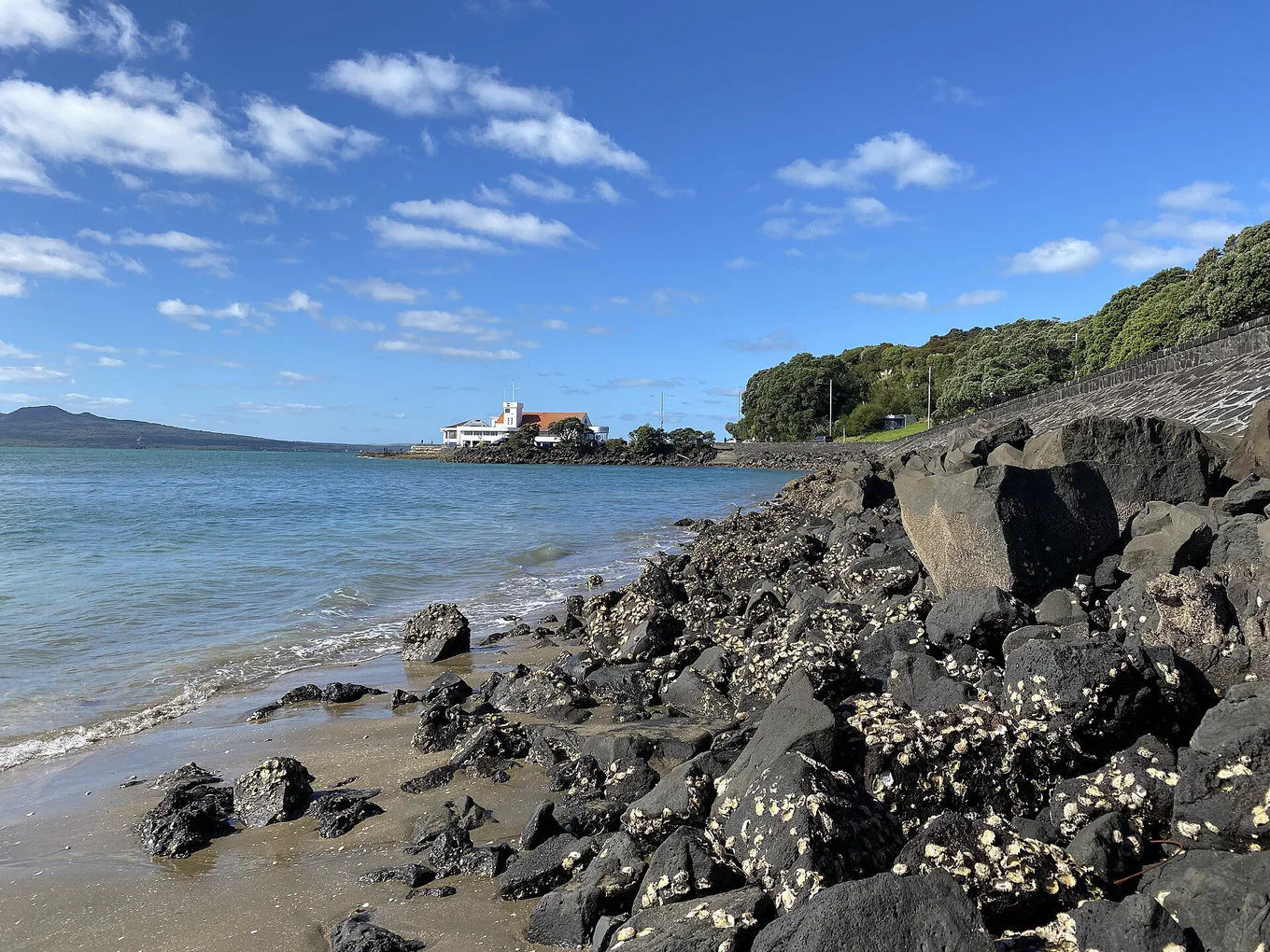
Amazon’s Rings of Power is shot around Auckland here. After a disappointing first season… where everyone seems to say exactly what they are thinking… seasons 2 and 3 picked up for me… when I began to care about the characters.
— Nick
Auckland sits on a narrow isthmus between two harbours in New Zealand’s North Island, the Manukau on the Tasman Sea and the Waitematā on the Pacific. Founded in 1840, it was the capital until 1865 and is now the country’s most populous city. Its stories here are a bombed Greenpeace ship, the friend behind a U2 song, a novelist in a borrowed hut, a governor’s grave, and a 506-day occupation.
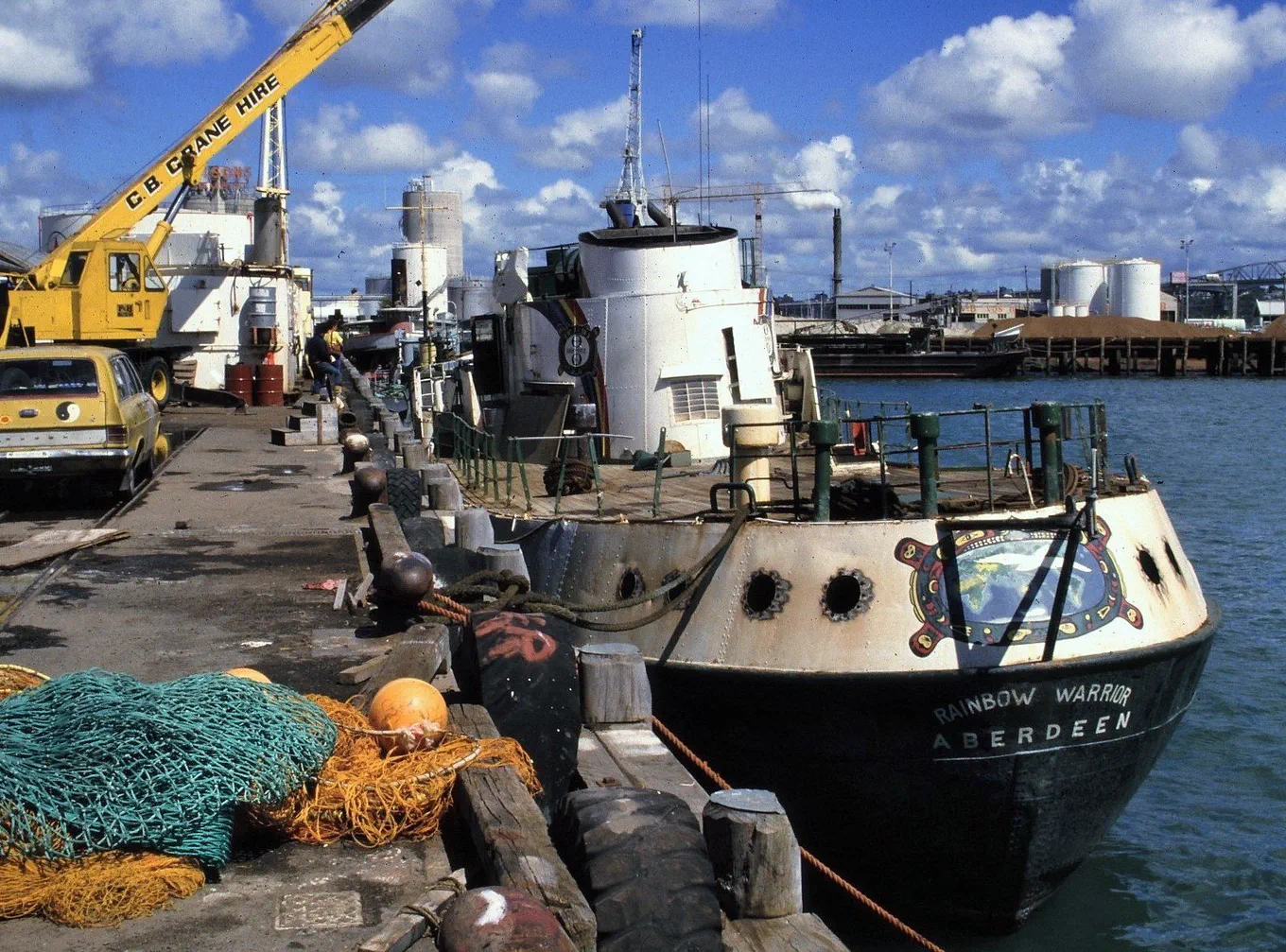
On 10 July 1985, Greenpeace’s Rainbow Warrior was berthed at Marsden Wharf, on her way to protest a French nuclear test at Moruroa. Two French agents had fixed two limpet mines to her. The first went off at 23:38, and Fernando Pereira, a photographer aboard, went below for his cameras. Seven minutes later the second exploded, and he drowned as the ship flooded. That September, France’s prime minister read a statement to journalists. “Agents of the French secret service sank this boat,” it said. “They were acting on orders.”
2 Bono, Greg Carroll and U2’s One Tree Hill
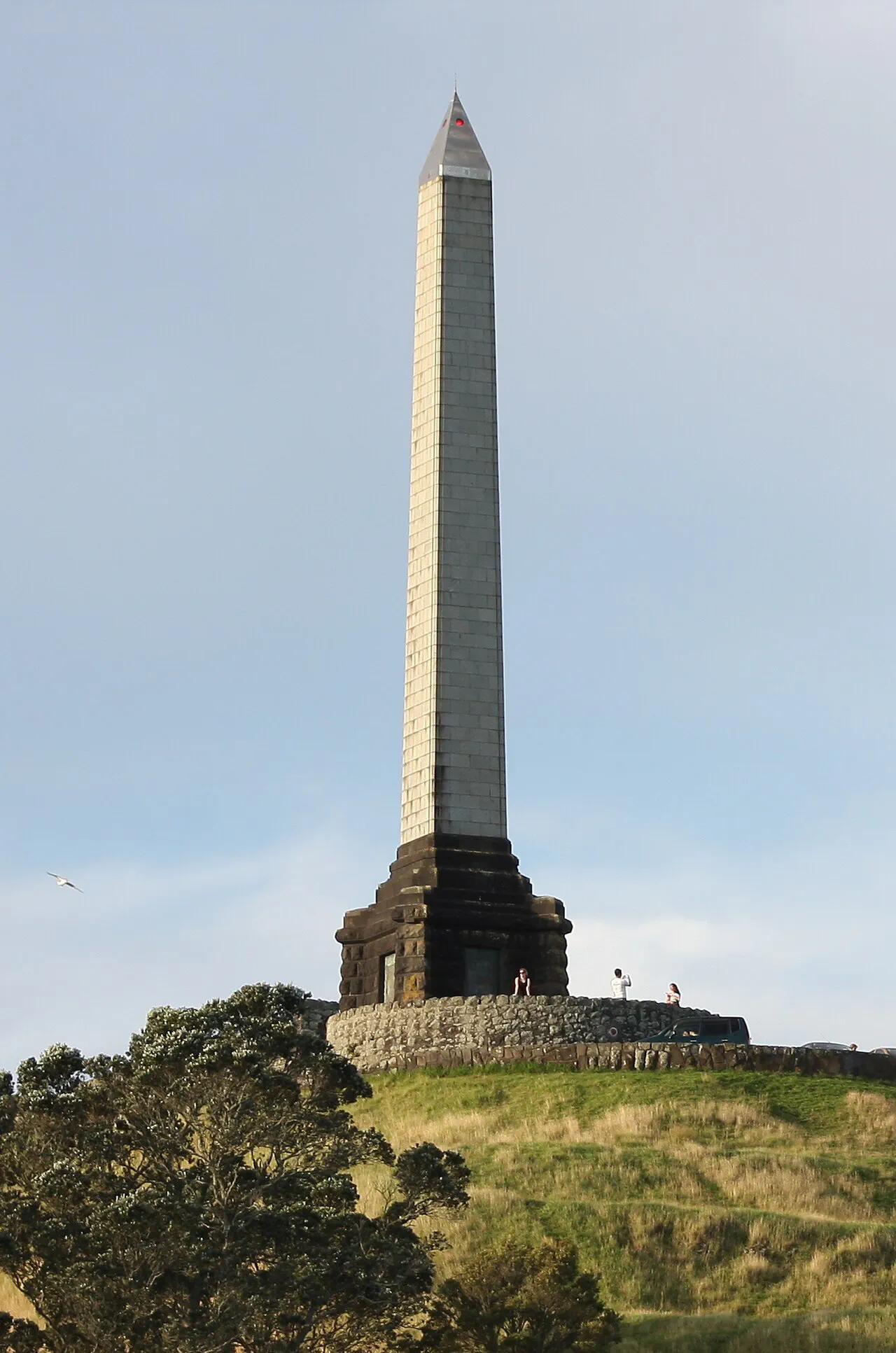
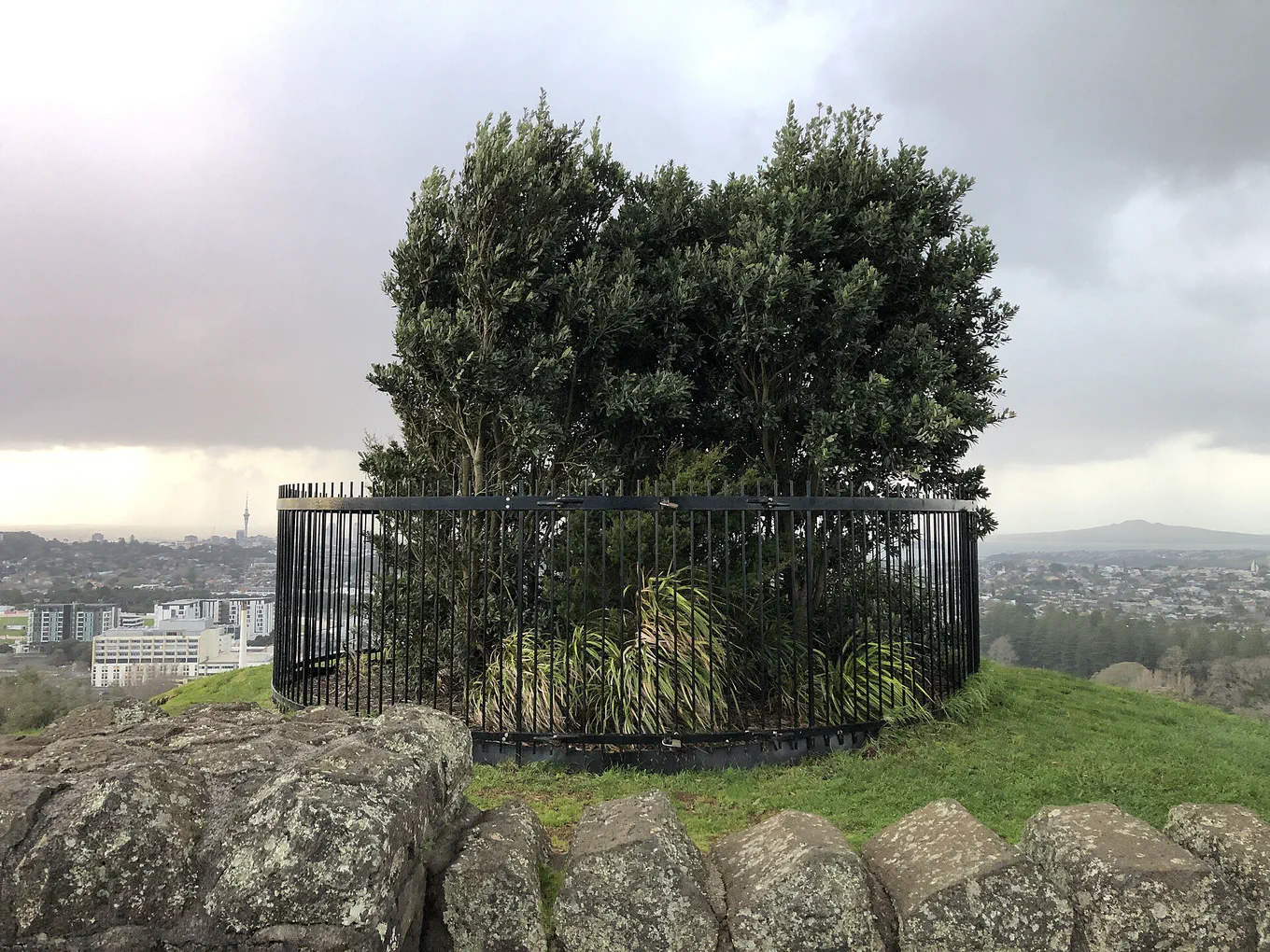
Stand here. The summit of Maungakiekie / One Tree Hill. Its lone pine is gone, and nine young tōtara and pōhutukawa were planted in 2016.
U2’s “One Tree Hill”, on The Joshua Tree, is for one of the friends who brought Bono up here. On U2’s 1984 tour, Bono left his hotel in Auckland one night and met some people who showed him round, Greg Carroll among them. They ended up on this summit, under its single tree. Carroll became Bono’s assistant. In July 1986, he was killed in Dublin, taking Bono’s motorbike home in the rain. “He was doing me a favour,” Bono said. After Carroll’s funeral in New Zealand, Bono wrote the words.
3 Janet Frame in Frank Sargeson’s army hut, Takapuna
Stand here. Frank Sargeson’s house at 14 Esmonde Road, Takapuna, now a literary museum open by appointment. The army hut behind it is gone.
Janet Frame, whose autobiography became Jane Campion’s film An Angel at My Table, spent eight years in and out of psychiatric hospitals. She was booked for a lobotomy, but days before it her first book of stories won a national prize, and the operation was cancelled. In April 1955, the writer Frank Sargeson invited her to live in the old army hut behind his house. There she wrote her first novel, Owls Do Cry. The patchwork quilt she made in the hut still lies on Sargeson’s bed.
4 William Hobson’s capital and his grave in Symonds Street
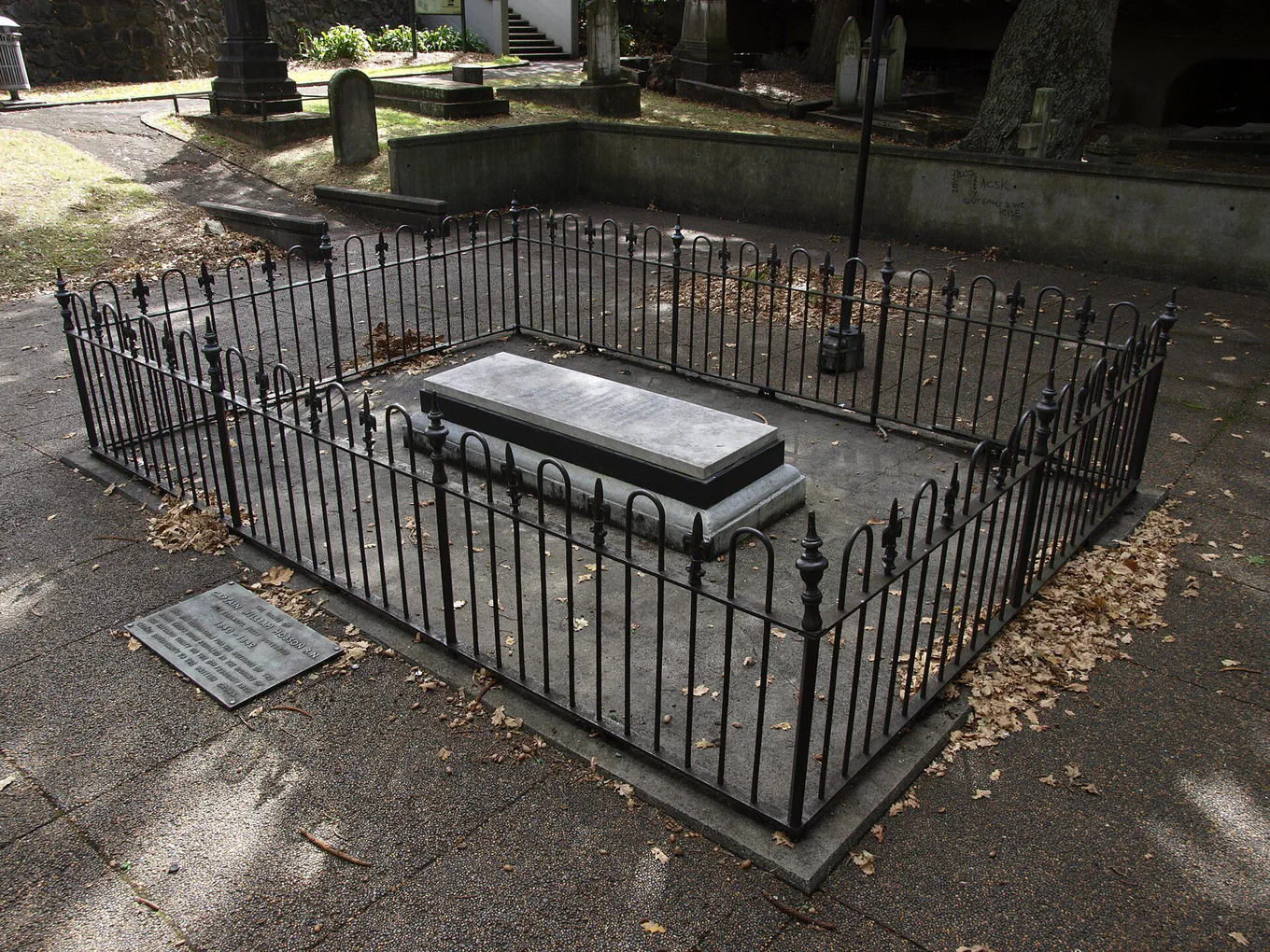
Stand here. Hobson’s grave in Symonds Street Cemetery, by the corner with Karangahape Road. Auckland’s first official cemetery is now a park crossed by Grafton Bridge.
Auckland takes its name from George Eden, Earl of Auckland, who had once given William Hobson a naval commission. In 1840, Hobson, co-author of the Treaty of Waitangi, chose a site on the Waitematā for the new capital, on land Ngāti Whātua Ōrākei gave him. Even then, Port Nicholson, nearer the South Island, was seen as the better choice. Within two years, a second stroke killed Hobson, and many Māori came to his funeral. In 1865, the capital went to Wellington. Auckland kept growing anyway.
5 Joe Hawke and the 506 days at Bastion Point
Stand here. Bastion Point, or Takaparawhau, in Ōrākei. The headland holds the private Ōrākei Marae, the Michael Joseph Savage Memorial, and reserve land open to the public.
The Crown planned to sell this headland to the highest bidder, for high-income housing, leaving Joe Hawke’s people, Ngāti Whātua Ōrākei, with less than a hectare. In January 1977, two days before building was due to start, Hawke led an occupation. It held for 506 days. On 25 May 1978, 800 police and soldiers removed the occupiers, destroyed their buildings, and arrested 222 people. Ten years later, the government agreed to give the land back. When Hawke died in 2022, he was buried on it.
Pack nothing. Leave Friday.
Every Friday, I write a free letter, Journey, that takes us on a trip through places, stories, and ideas.
Under the Mountain(Maurice Gee, 1979). A science-fiction novel. Eleven-year-old twins in Auckland find aliens under the volcanic Lake Pupuke.
Going West(Maurice Gee, 1992). A novel. Its fictional town of Loomis has much in common with Henderson, in West Auckland, where Gee grew up.
An Angel at My Table(Janet Frame, 1984). A memoir, from Frame’s three-volume autobiography. She writes about her time in Frank Sargeson’s army hut in Takapuna.
Films to watch before you visit Auckland
Once Were Warriors(Lee Tamahori, 1994). A film, from Alan Duff’s 1990 novel. An urban Māori family in South Auckland, shot at a state house on O’Connor Street, Ōtara.
An Angel at My Table(Jane Campion, 1990). A biographical film. Kerry Fox plays Frame, and Martyn Sanderson plays Frank Sargeson, the writer she stays with after hospital.
No. 2(Toa Fraser, 2006). A film. Nanna Maria, matriarch of a Fijian extended family in an Auckland suburb, feels her clan has lost its heart. It was shot in Mount Roskill.
Questions
Is Auckland the capital of New Zealand?
No. Auckland was founded in 1840 and declared the capital in 1841, but Wellington, nearer the South Island, replaced it in 1865. Auckland is still the country’s most populous city, with about 1.5 million people in its urban area.
Is there still a tree on One Tree Hill?
Not the famous one. The lone Monterey pine, planted in 1875, was attacked with chainsaws in 1994 and again in 2000, and Auckland Council took it down the following year. In June 2016, nine young tōtara and pōhutukawa were planted on the summit. The strongest will eventually be the one tree left standing.
Can you visit Frank Sargeson’s house in Takapuna?
Yes, by appointment. The house at 14 Esmonde Road is a literary museum preserved by the Frank Sargeson Trust, and visits are booked through Auckland Libraries and made with a staff member. The army hut where Janet Frame wrote is gone, but the quilt she made there is still on Sargeson’s bed.