Twitter took off at South by Southwest in Austin in 2007, then became X in 2023. I loved it once, but time moves on.
— Nick
Its site chosen in 1839 and its name taken from Stephen F. Austin, the “Father of Texas”, Austin is the capital of Texas, on the Colorado River. The city calls itself the Live Music Capital of the World. A TV pilot with Willie Nelson kicks things off, ahead of a woman with a cannon, a bank teller on the run, the bats under a bridge, and Matthew McConaughey’s catchphrase.
Stand here. Studio 6A, in Communications Building B on the University of Texas campus, home to the show until 2011. A plaque stands near the entrance.
Austin City Limits began with Willie Nelson, before he was an icon. Three men at the city’s PBS station wanted a show for Austin’s mix of country, blues, folk, and psychedelia. Their first taping was judged unusable. The next night, 17 October 1974, they taped Nelson, who was notoriously shy of television but liked the show’s plain look and careful sound. The pilot’s success in PBS’s 1975 pledge drive made it a series. The plaque calls it the “longest running music show in the history of American television”.
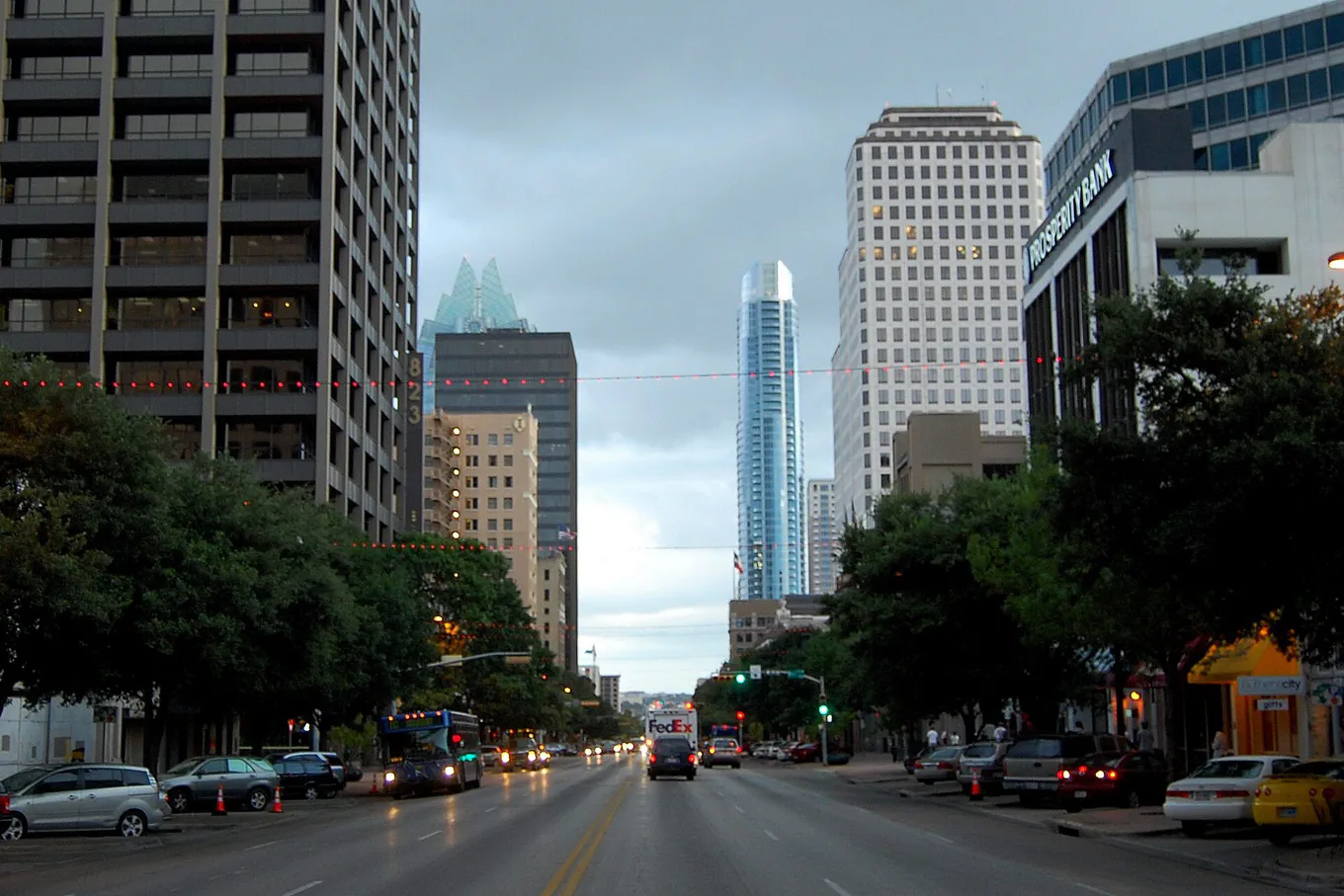
2 Angelina Eberly fires a cannon on Congress Avenue
Stand here. Congress Avenue, downtown. A bronze statue of Angelina Eberly, placed in 2004, stands near where she fired the cannon.
In 1842, Sam Houston, President of the Republic of Texas, wanted the capital out of Austin, and privately sent men for its archives. On 30 December, they drove three wagons into town and loaded the papers. They were almost done when Angelina Eberly, who kept a boarding house, saw them. She ran to a small cannon on Congress Avenue and fired it at the General Land Office. The wagons got 18 miles before stopping for the night, and pursuers reached them in the middle of the night. On the morning of 31 December, the archives were returned to Austin.
3 O. Henry, the Austin bank teller who fled to Honduras
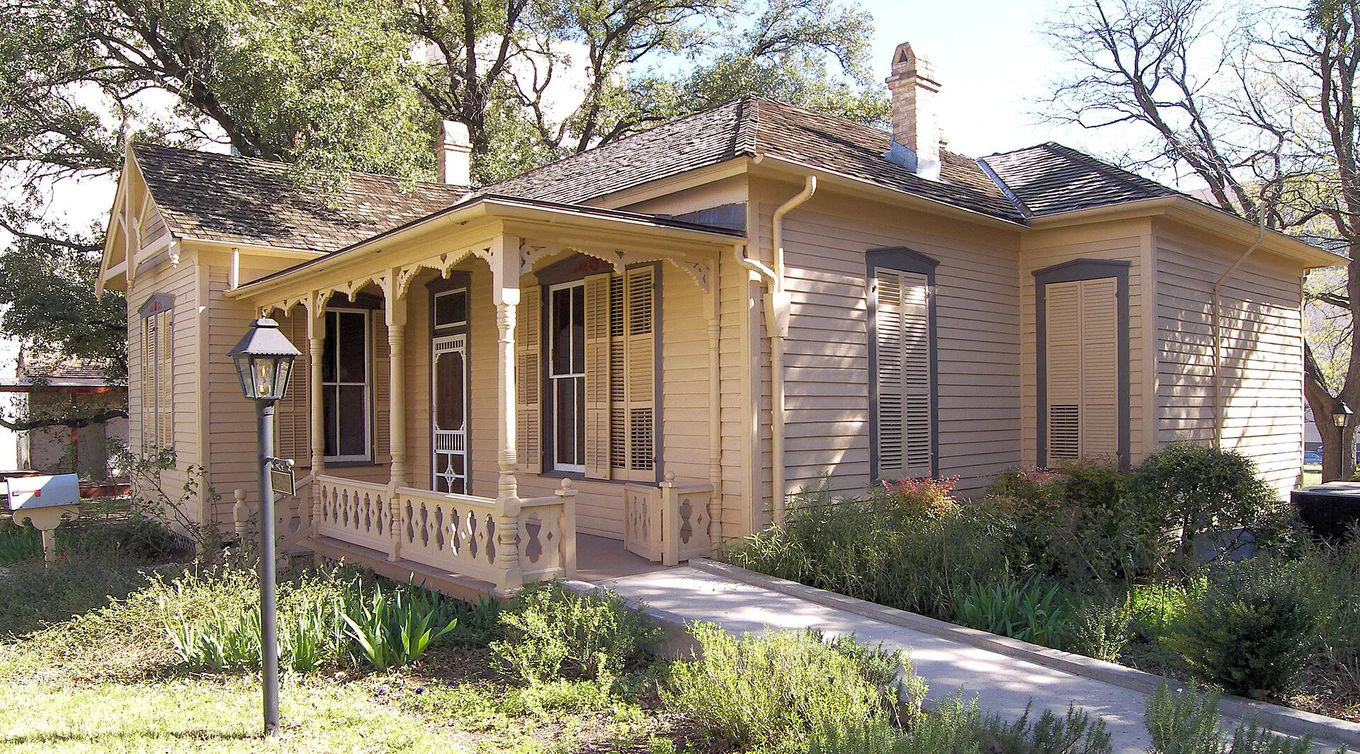
Stand here. The O. Henry Museum, 409 East 5th Street in Brush Square. His family’s rented cottage was moved here in 1930 and is free to visit.
Before he was O. Henry, William Sydney Porter was an Austin bank teller accused of embezzlement. The day before his trial in 1896, changing trains on the way to court, he took fright. He fled to Honduras, which had no extradition treaty with the United States. Then he learned his wife, Athol, was dying. He came back to Austin and gave himself up, and she died of tuberculosis months later. In prison in Ohio, he published stories under several names. One of them was O. Henry.
4 Merlin Tuttle and the bats under the Congress Avenue Bridge
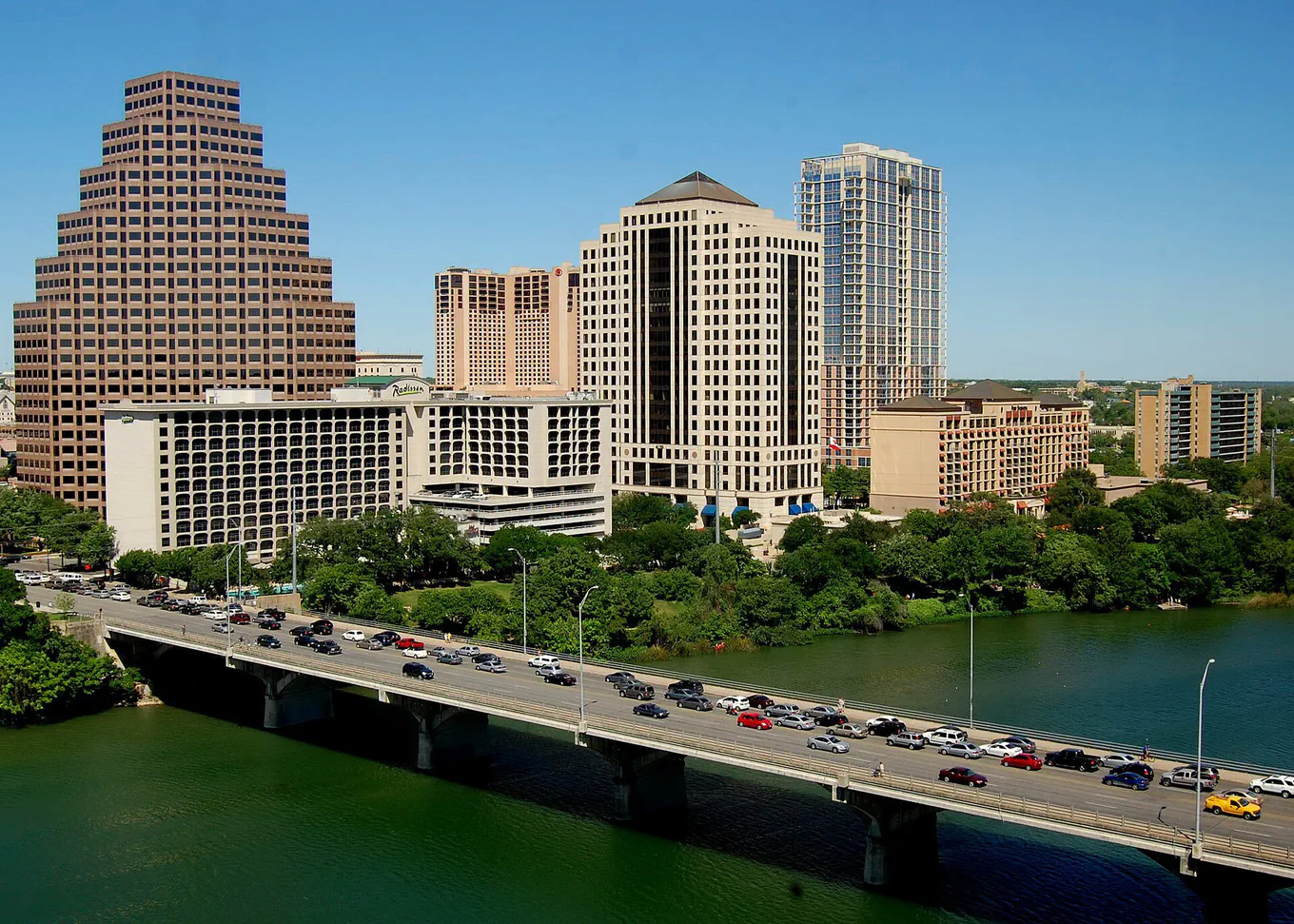
Stand here. The Ann W. Richards Congress Avenue Bridge, over Lady Bird Lake. The Austin American-Statesman’s Bat Observation Center is a grassy area at its southeast side.
When the Congress Avenue Bridge was rebuilt, nobody realised its crevices would make ideal roosts for Mexican free-tailed bats. A mild hysteria spread, and one group wanted them wiped out. In 1986, Merlin Tuttle, a bat ecologist, moved his young conservation organisation to Austin. His campaign to save them met scepticism and won him Texas Monthly’s Bum Steer Award. He kept explaining, and the city came round. Now up to 1.5 million bats spend the summer there, and as many as 100,000 people a year come to watch them.
5 Matthew McConaughey’s first scene at Top Notch Hamburgers
Stand here. Top Notch Hamburgers, on Burnet Road, is still trading as a drive-in burger joint.
Matthew McConaughey wasn’t meant to be in Dazed and Confused, Richard Linklater’s 1993 film. He was a University of Texas film student who approached the casting director in a hotel bar. The part he got, Wooderson, was small and meant for a local actor. But much of it was improvised or written on the spot, and it grew. His first scene, shot here, has Wooderson inviting the nerds to a keg party. McConaughey improvised a line that became his catchphrase: “All right, all right, all right.”
Pack nothing. Leave Friday.
Every Friday, I write a free letter, Journey, that takes us on a trip through places, stories, and ideas.
The Gay Place(Billy Lee Brammer, 1961). A novel. Much of it happens at the Dearly Beloved Beer and Garden Party, modelled on Austin’s Scholz Garten.
A Sniper in the Tower(Gary M. Lavergne, 1997). A history. On 1 August 1966, Charles Whitman climbed the University of Texas Tower and shot people inside and around it until two Austin police officers killed him.
Films to watch before you visit Austin
Dazed and Confused(Richard Linklater, 1993). A film. Teenagers on the last day of school in 1976, shot partly at Top Notch on Burnet Road.
Slacker(Richard Linklater, 1990). A film. One day among Austin’s eccentrics and misfits, filmed around the city and first shown at the Dobie Theater.
A Scanner Darkly(Richard Linklater, 2006). A film. The house of its character Arctor was on Eric Circle, in Southeast Austin.
Office Space(Mike Judge, 1999). A film. The Alligator Grill on South Lamar Boulevard played the inside of Chotchkie’s, the restaurant where Joanna works.
Friday Night Lights(developed by Peter Berg, 2006–2011). A TV series. Filmed in Austin and Pflugerville, with Gregory Gym at the University of Texas as fictional Oklahoma Tech.
Questions
When can you see the Congress Avenue Bridge bats?
From late March to early autumn, when Mexican free-tailed bats roost under the Ann W. Richards Congress Avenue Bridge. Arrive at least half an hour before sunset. Watch from the bridge facing east, from the Statesman Bat Observation Center at its southeast side, or from Lady Bird Lake below.
Where was Dazed and Confused filmed in Austin?
Around the city. Bedichek Middle School played the high school, the keg party was shot at Walter E. Long Metropolitan Park, and Matthew McConaughey’s first scene was filmed at Top Notch Hamburgers on Burnet Road, where he improvised “all right, all right, all right”.
Can you tour the Texas State Capitol?
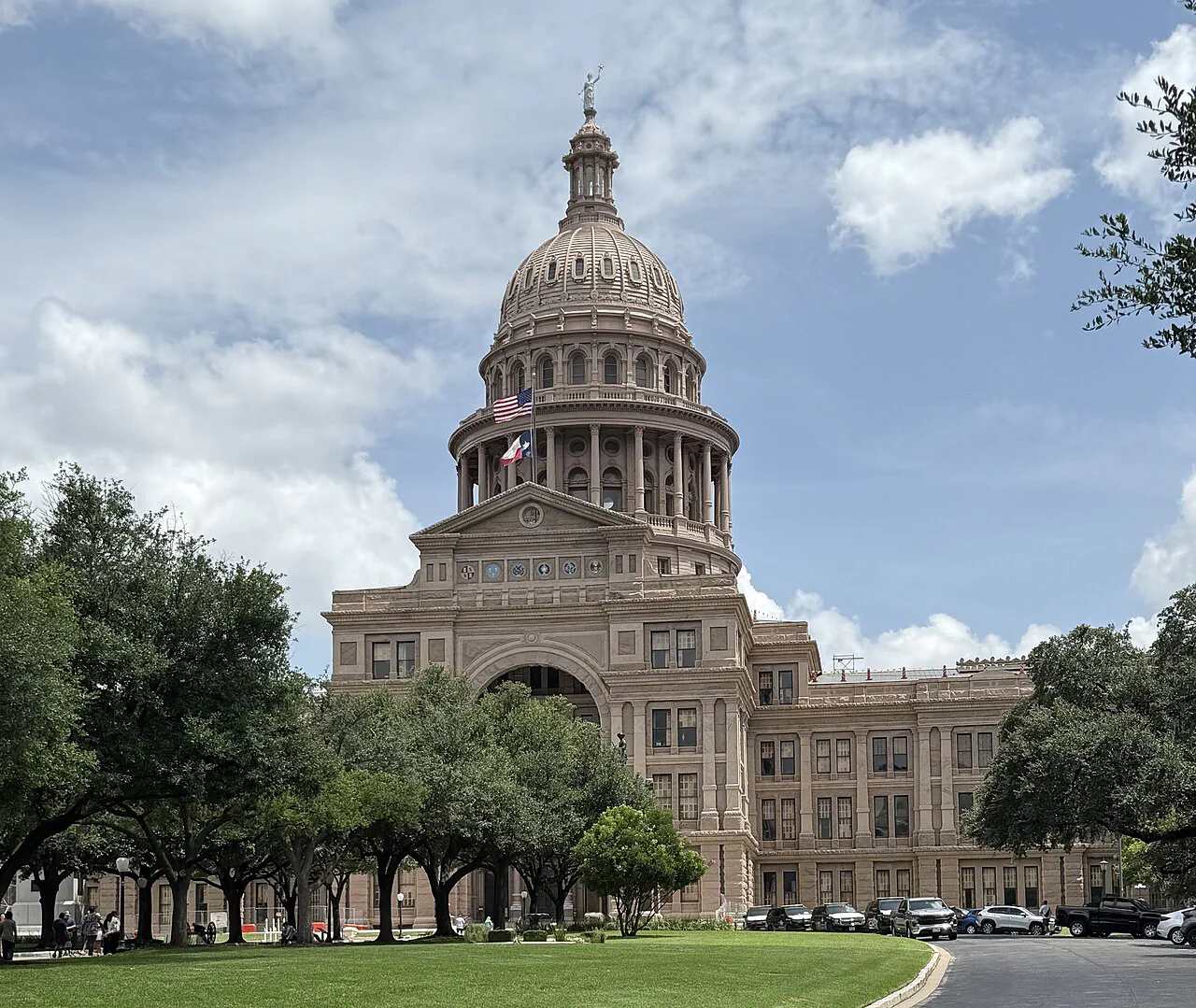
Yes, on a guided tour. The building, finished in 1888 and clad in local red granite, is taller than the US Capitol.