Wish I was this brave. Robert Nobel was sent to Baku with 25,000 roubles and instructions to buy walnut wood. Robert didn’t just tinker with the brief; he spent the lot on an oil refinery instead… about 12% of the money behind the Nobel Prizes came from this brilliant act of rule-breaking. How self-confident would you have to be to do that?
— Nick
Baku is the capital of Azerbaijan, on the southern shore of the Absheron Peninsula, along the Bay of Baku on the Caspian Sea. Its Old City became a UNESCO World Heritage Site in 2000. The stories here are a Nobel brother sent to buy walnut, a princess in a tower, a school for Muslim girls, an opera whose heroine was a waiter, and a novel nobody can sign.
The Nobel Prizes owe part of their money to a shopping trip that went astray. In 1873, Ludvig Nobel sent his eldest brother, Robert, to the Caucasus with 25,000 roubles to buy walnut wood. In Baku, Robert spent the lot on a small oil refinery instead. Two years later, he bought much of the Balakhani oil field. When their brother Alfred left his fortune to found the prizes, about 12% of it came from his shares in the brothers’ oil company, Branobel.
2 The princess who leapt from Baku’s Maiden Tower
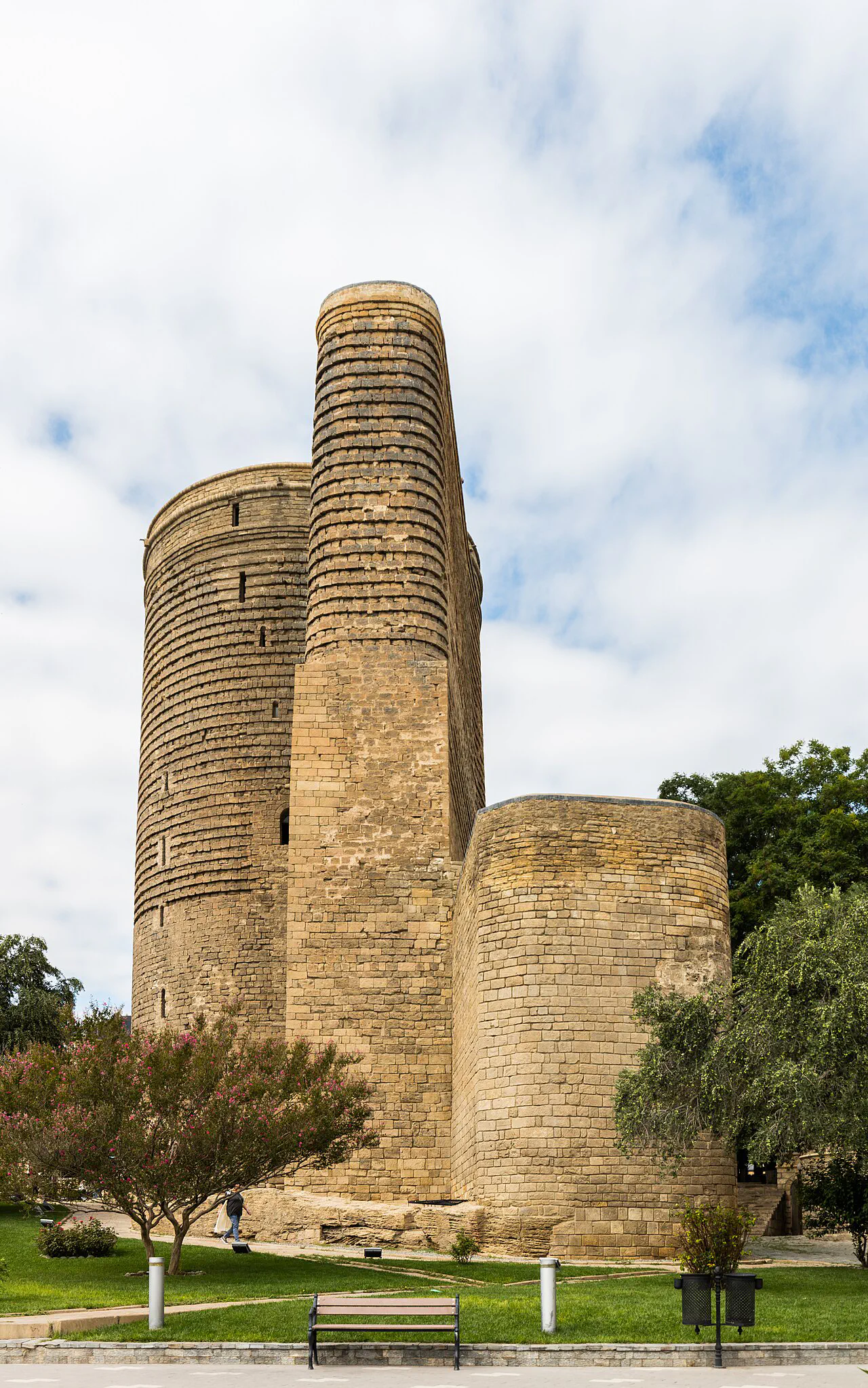
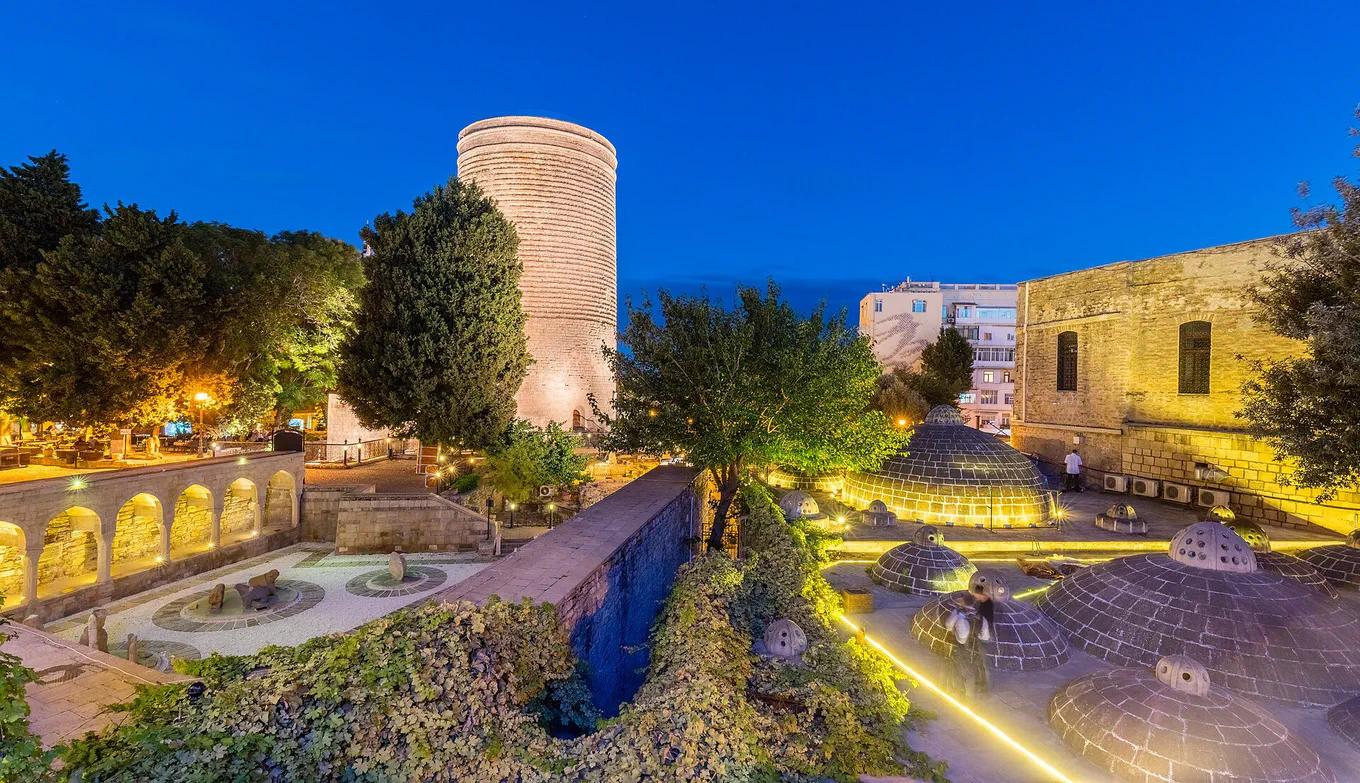
Stand here. The Maiden Tower, on a rock sloping towards the sea in the south-east of the Old City. It now holds a museum of Baku’s history.
Much of Baku’s Maiden Tower is generally dated to the 12th century, and it has gathered many legends. In one, a king tried to force his daughter to marry a man she did not love. She asked him first to build her a tower, then jumped from the top of it. The original ballet of the story is darker. There the Khan wants Princess Gulyanag for himself, and when her tower is finished, he locks her inside. She throws herself from its window into the sea.
3 Taghiyev’s school for Muslim girls in Baku
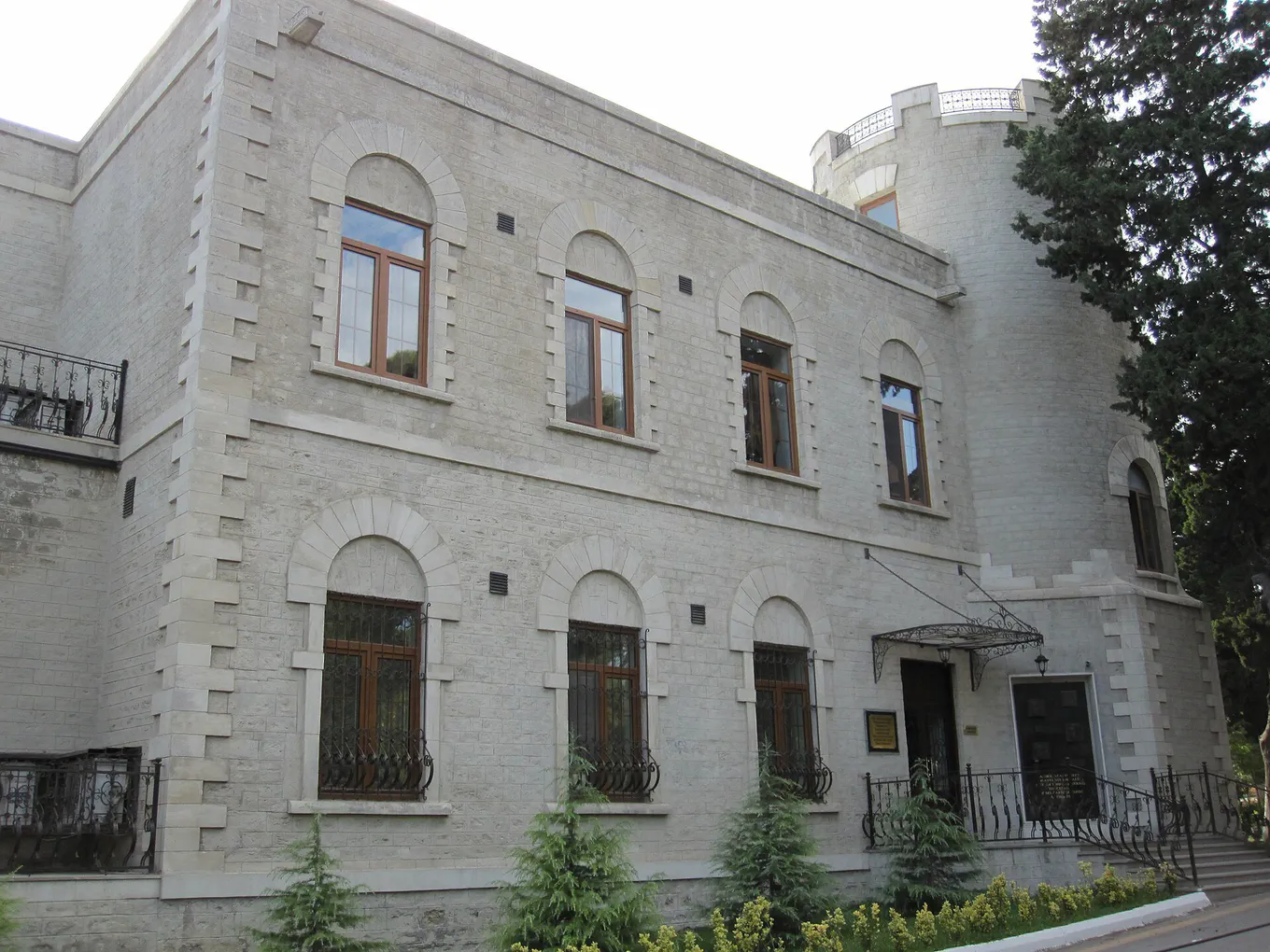
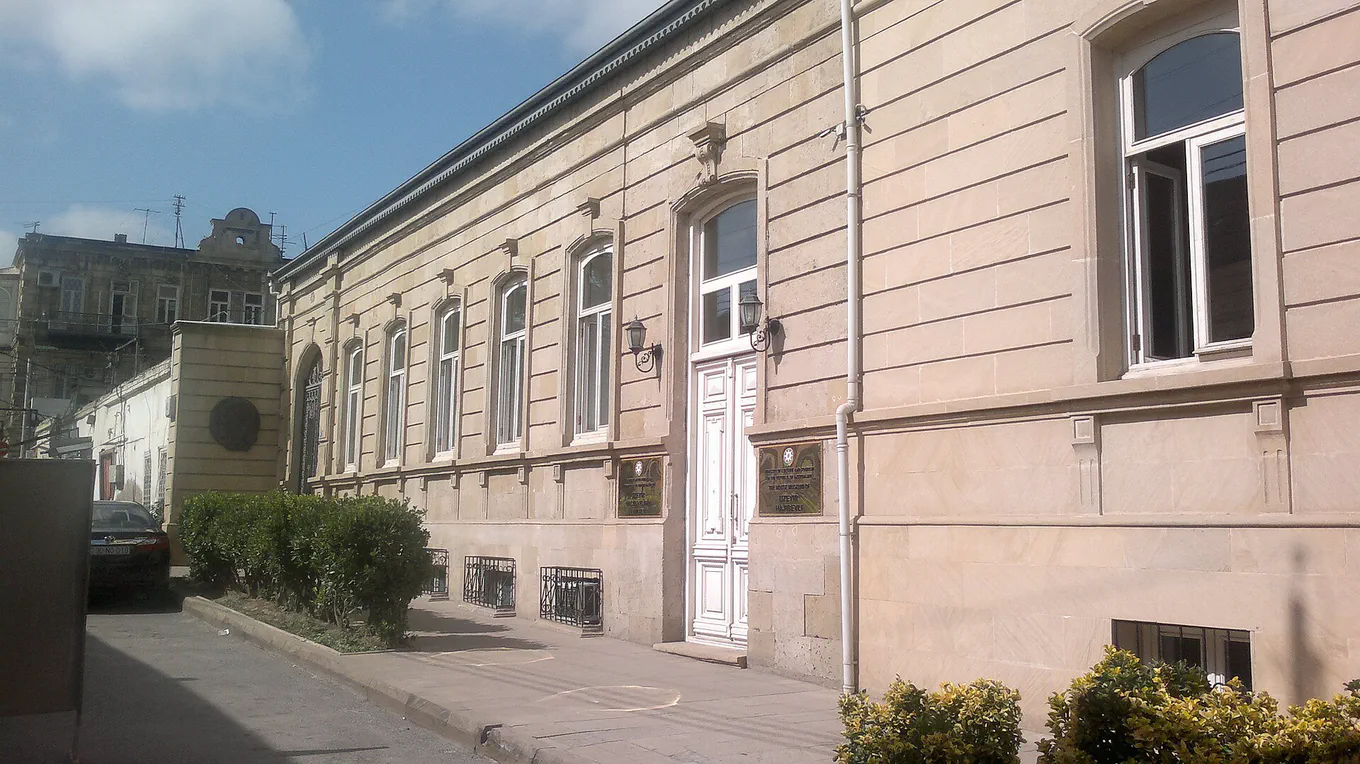
Stand here. The former girls’ school on Istiglaliyyat Street. The building now houses the Institute of Manuscripts.
Zeynalabdin Taghiyev was a shoemaker’s son who learned masonry to help provide for his family. Striking oil made him one of the richest men in the Russian Empire, and he spent 184,000 roubles building the first secular Muslim school for girls in the Middle East. He still needed permission, so he went to the top, writing to Empress Alexandra himself. When the school was founded in 1901, it bore her name, the Empress Alexandra Russian Muslim Boarding School for Girls.
4 Hajibeyov’s opera in Baku and the waiter who sang Leyli
Stand here. Uzeyir Hajibeyov’s House Museum, the house where the composer lived from 1915 to 1942.
Uzeyir Hajibeyov composed the music of the national anthem of the Azerbaijan Democratic Republic. In 1908, he was 22, had very little formal musical training, and had written a full-length opera. Leyli and Majnun, considered the first opera of the Muslim East, opened that January at Taghiyev’s theatre. But Muslim women could not appear on stage, so who would sing Leyli? The answer was the waiter who brought the opera’s makers their tea. Abdurrahim Farajov dressed as a woman and became Azerbaijan’s first Leyli.
5 Ali and Nino, the Baku love story nobody can sign
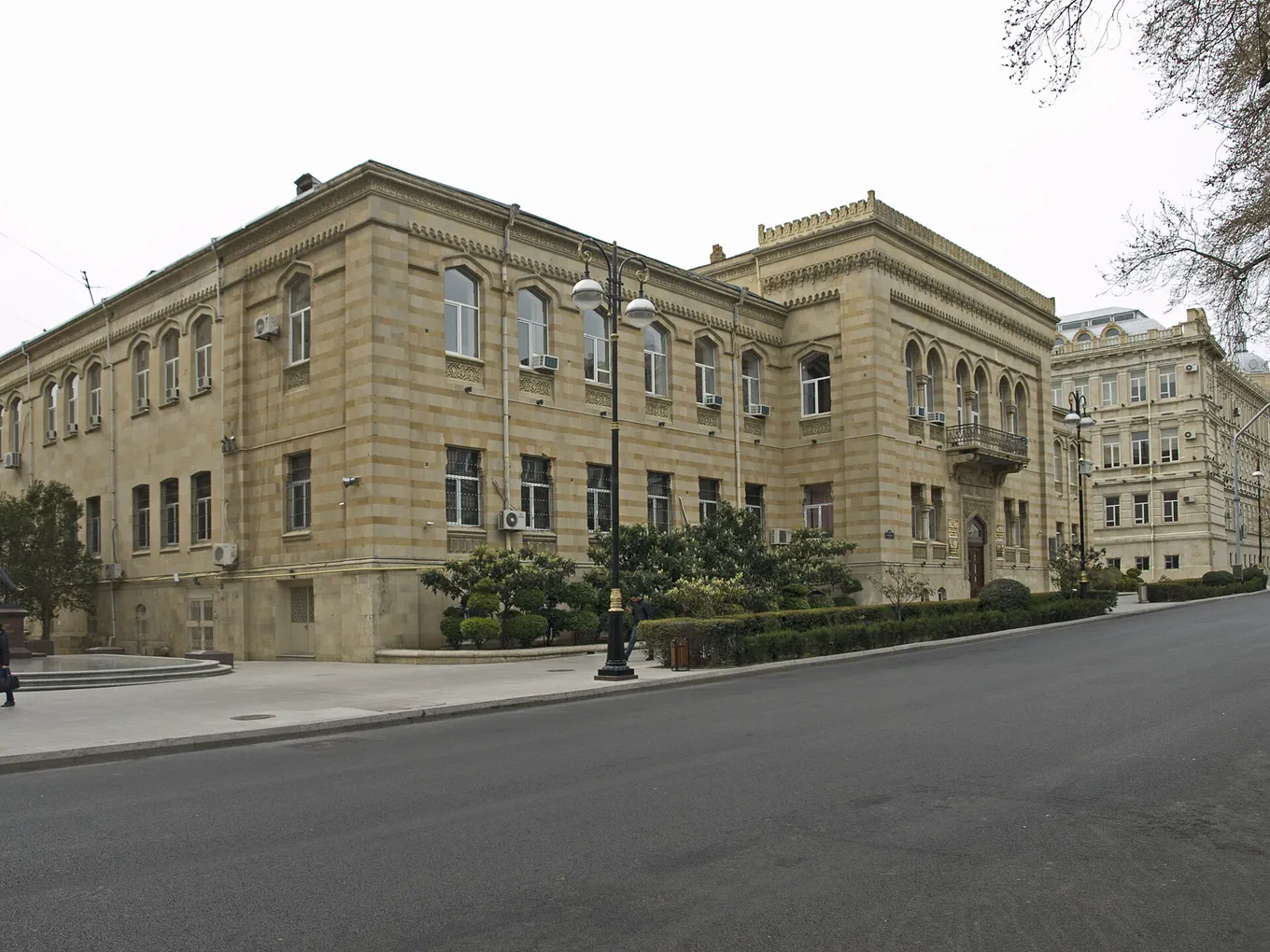
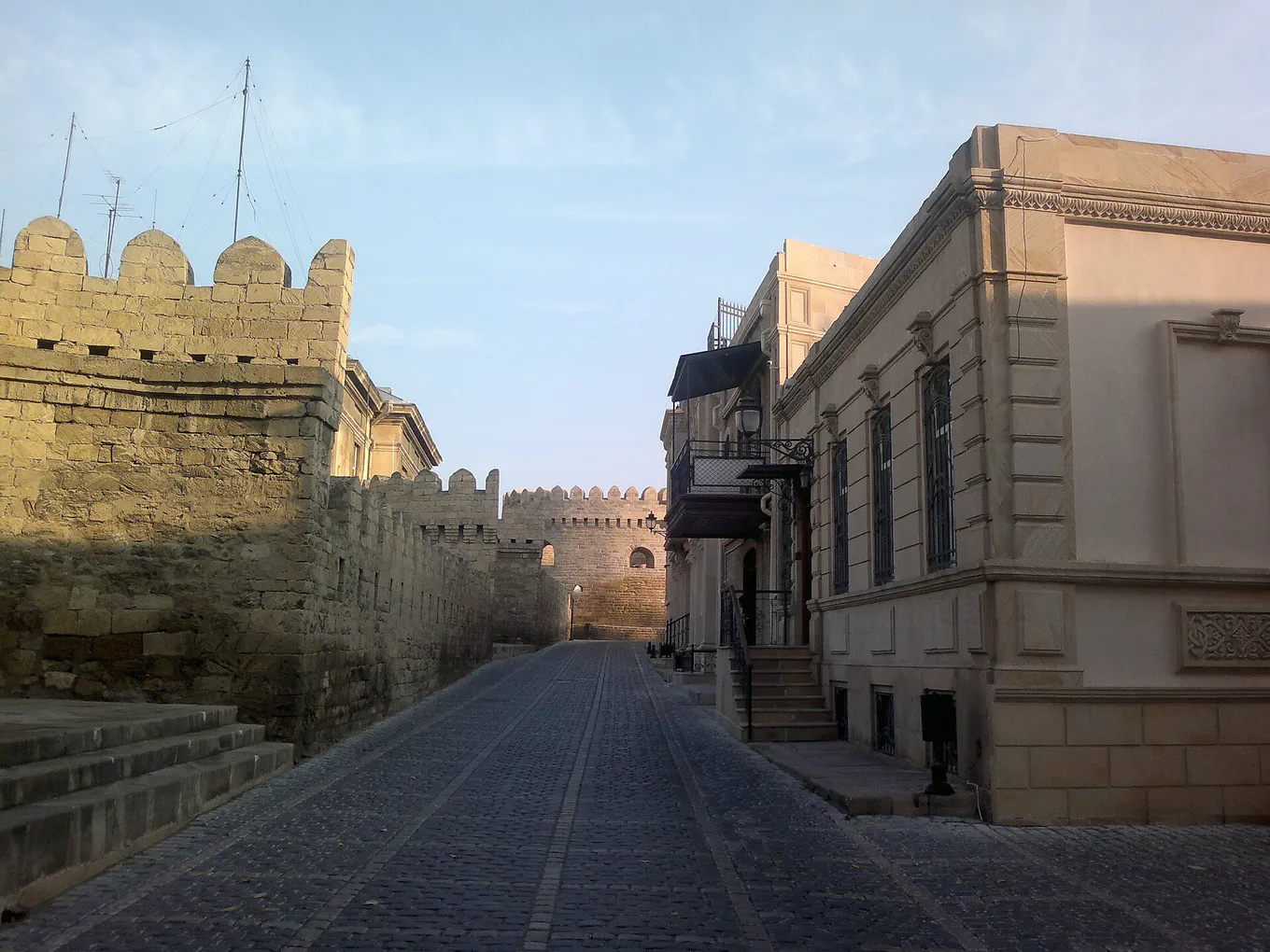
Stand here. Kichik Gala Street, inside the Old City walls behind the Ismayiliyya Building, where the Ali and Nino walking tour places Ali’s house.
Ali and Nino, the novel Asif Kapadia filmed, is a Baku love story between a Muslim Azerbaijani boy and a Christian Georgian girl. It came out in Vienna in 1937 under a pen name, Kurban Said, and nobody agrees who wrote it. A thorough case has been made for Lev Nussimbaum, whose family fled Baku when the Bolsheviks took it in 1920. Supporters of the Azerbaijani writer Yusif Vazir Chamanzaminli reply, “Anyone can say they are Kurban Said, but they can’t tell you how they met Nino in Nikolay Street.”
Pack nothing. Leave Friday.
Every Friday, I write a free letter, Journey, that takes us on a trip through places, stories, and ideas.
Days in the Caucasus(Banine, 1945). A memoir. Banine recalls her birth in Baku in 1905, her upbringing in the oil-boom city, and later living in its medieval walled city.
Solar Plexus: A Baku Saga in Four Parts(Rustam Ibragimbekov, 1996). A novel. It follows four Baku residents across three generations, from the post-Second World War era to the fall of the Soviet Union.
Ali and Nino(Kurban Said, 1937). A novel of romance in Baku between a Muslim Azerbaijani boy and a Christian Georgian girl. It opens at Baku Realni School, which now houses the University of Economics.
Films to watch before you visit Baku
Vidaamuyarchi(Magizh Thirumeni, 2025). A Tamil-language action thriller film about Arjun and Kayal, a Tamil couple in Baku on the brink of divorce. Its climax was shot in the city.
Questions
Is there a Nobel museum in Baku?
Yes. The Nobel Brothers Museum is at Villa Petrolea, the Nobels’ company town at the eastern end of the industrial Black City, in today’s Keshla municipality. It opened on 25 April 2008, the first Nobel museum outside Sweden.
Can you climb the Maiden Tower in Baku?
Yes. The tower houses a museum of the history of Baku, a staircase against its circular wall connects all its floors, and the view from the roof takes in the alleys and minarets of the Old City.
Is Baku below sea level?
Yes. Baku lies 28 metres below sea level, which makes it the lowest-lying national capital in the world. It sits on the southern shore of the Absheron Peninsula, along the Bay of Baku, and is the largest city on the Caspian Sea.