Am I right in thinking that Hannibal Lecter’s asylum was set in Baltimore? “Quid pro quo, Clarice.”
— Nick
Founded in 1729 as a town on the north side of the Patapsco River, Baltimore is now the most populous city in Maryland, in the United States. Besides a lawyer watching a fort through the night, there are a young man escaping slavery by train, a poet found delirious in a tavern, a woman whose cells outlived her, and the TV dance show that became Hairspray.
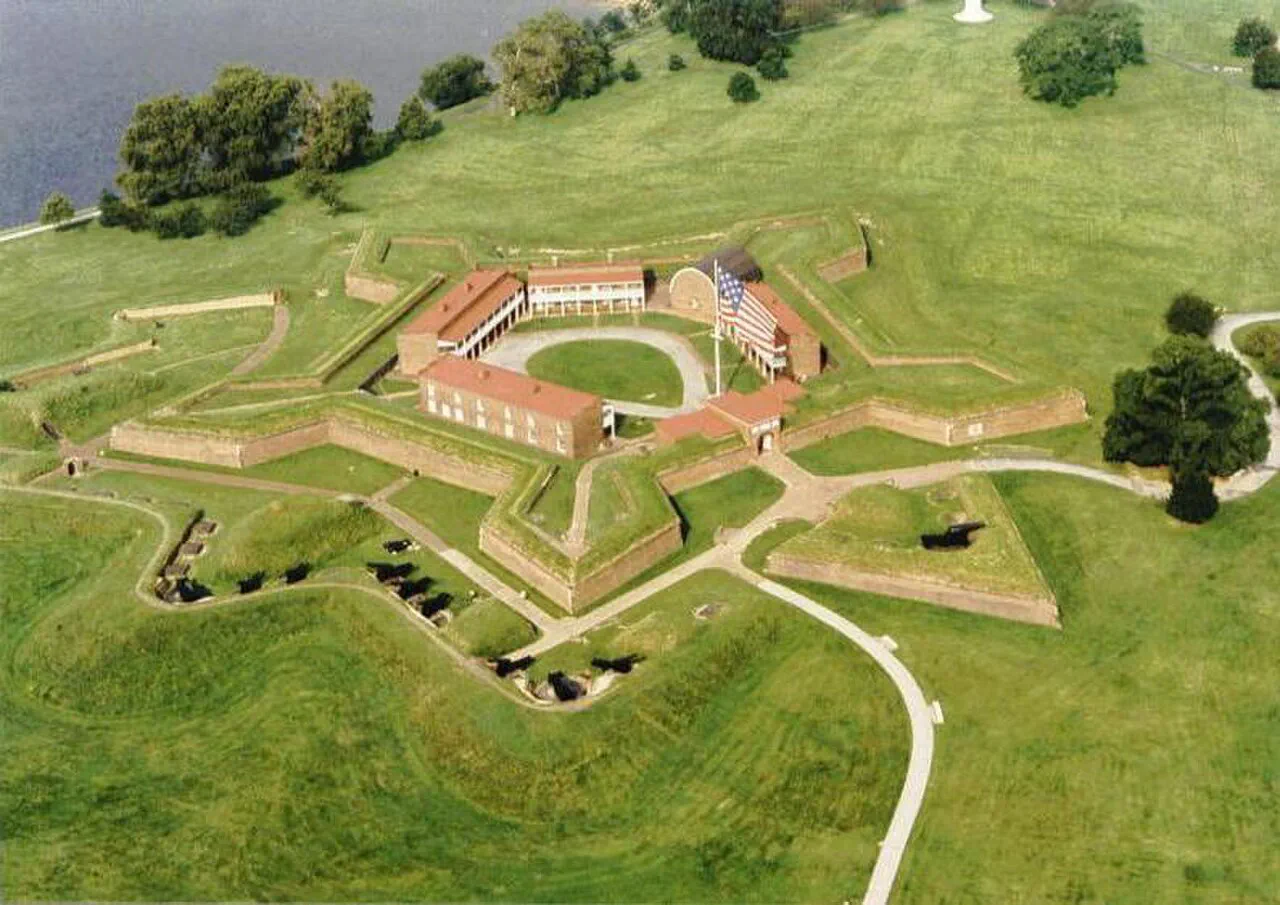
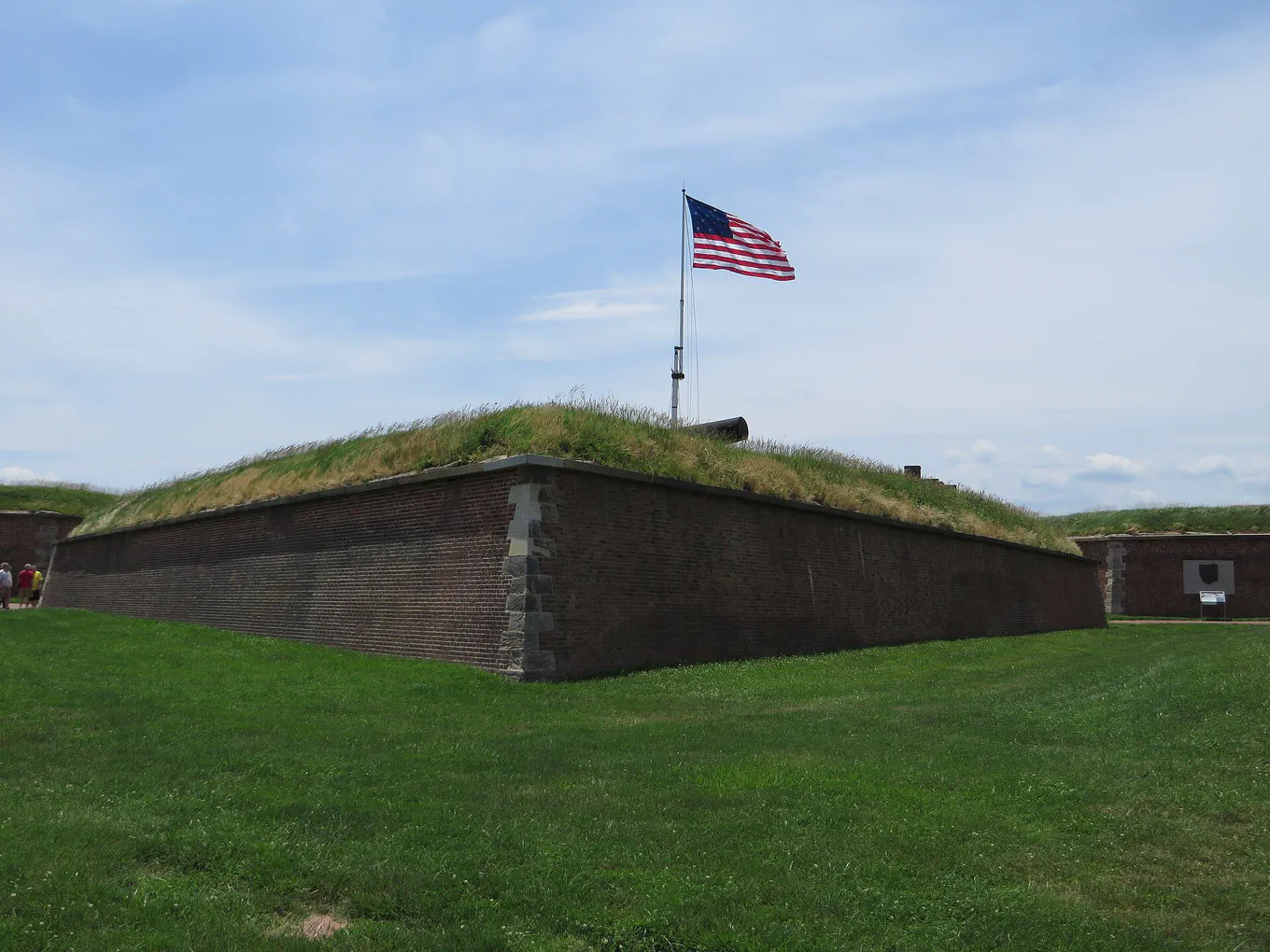
“The Star-Spangled Banner”, the US national anthem, began as a poem about this fort. Francis Scott Key, a lawyer from Frederick, Maryland, had boarded the British fleet to plead for a friend they had taken prisoner. Having seen the strength and position of their forces, he wasn’t allowed ashore. So when British warships began shelling Fort McHenry on 13 September 1814, Key could only watch from a truce ship, for 25 hours, in heavy rain. At dawn, he saw a large American flag still waving over the fort.
2 Frederick Douglass and Anna Murray on the Fells Point docks
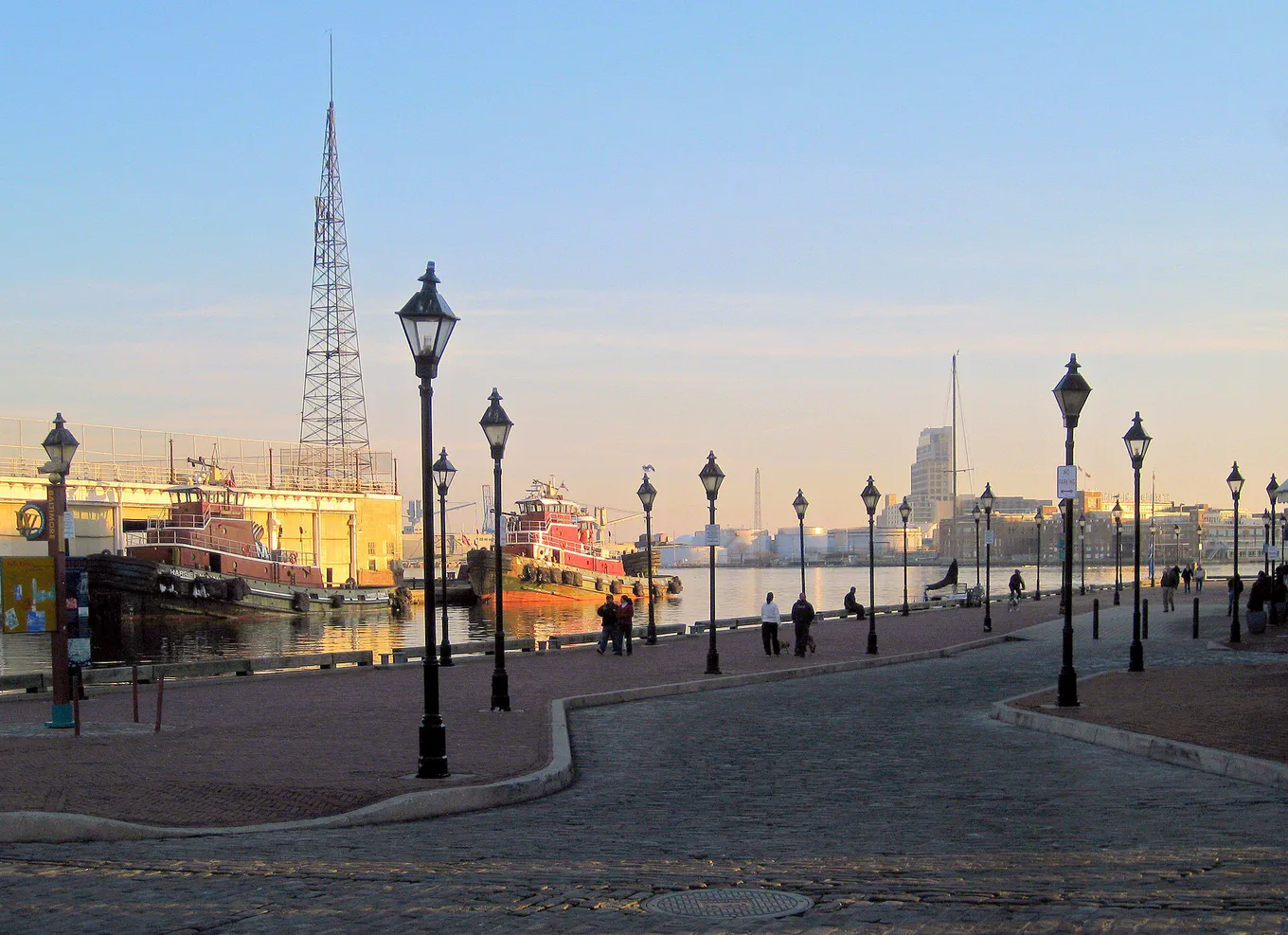
Stand here. The Frederick Douglass-Isaac Myers Maritime Park, in one of the city’s oldest waterfront industrial buildings. It tells the story of his life in Baltimore.
Before he was a famous abolitionist and writer, Frederick Douglass was enslaved in Baltimore, hired out to a Fells Point shipyard as a ship caulker. He met Anna Murray, a free Black woman whose laundry work brought her to the docks. She gave him sailor’s clothes and part of her savings, selling a feather bed to add to it. On 3 September 1838, carrying a free Black seaman’s papers, he boarded a northbound train, and within 24 hours he was in New York. Twelve days later, they married.
3 Edgar Allan Poe’s last days in Baltimore
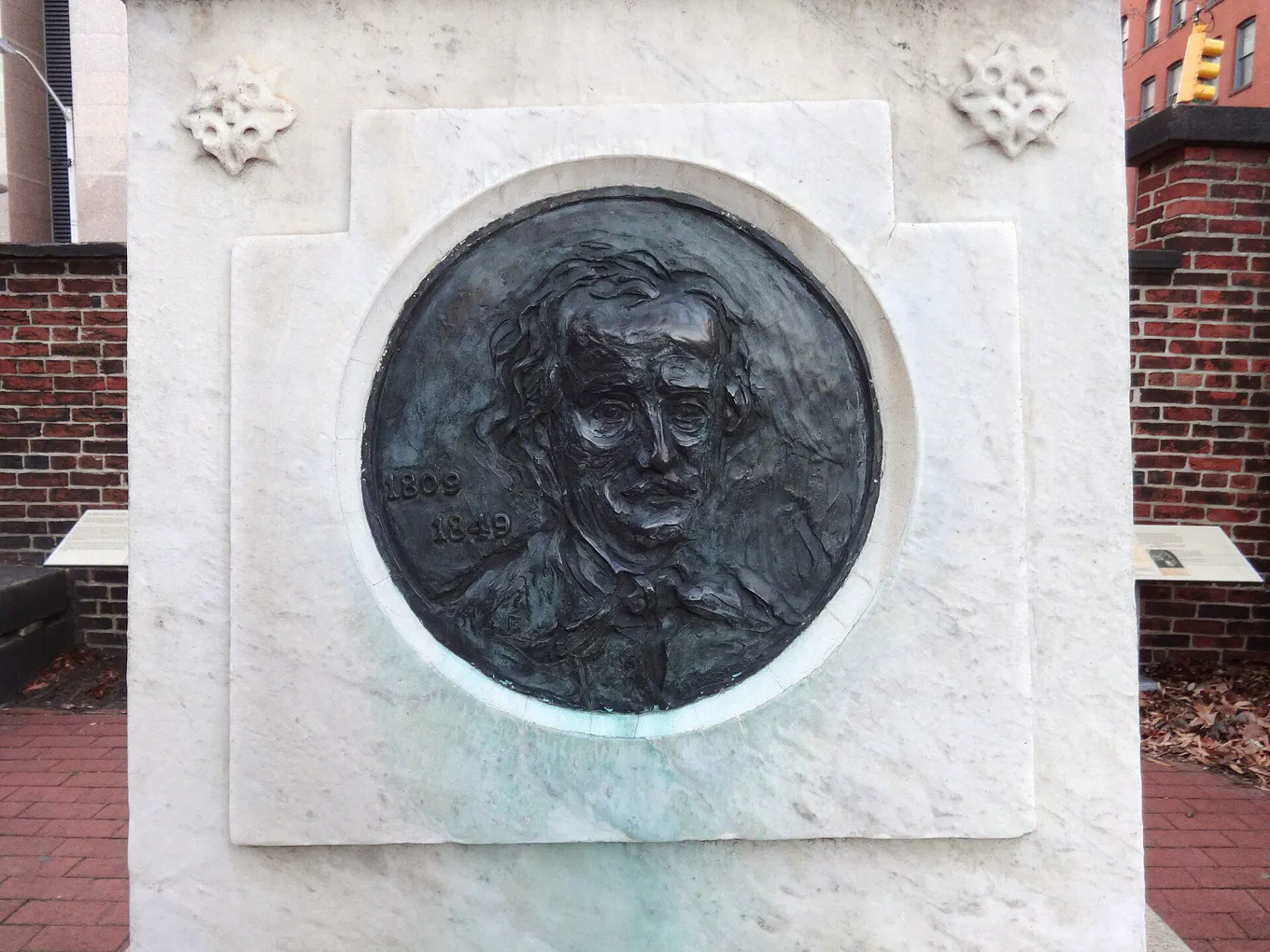
Stand here. Westminster Hall and Burying Ground, on West Fayette Street. Poe’s 1875 monument stands near the front, and a marker shows his first grave.
Edgar Allan Poe, whose poem “The Raven” inspired the Baltimore Ravens’ name, left for New York in September 1849, to take an editor’s job and remarry. On 3 October, he was found delirious at Ryan’s Tavern, a polling place, in clothes believed not to be his own. Because it was election day, one theory is that an election gang had abducted him. Poe was never coherent long enough to explain. He died four days later. His medical records, even his death certificate, have been lost, if they ever existed.
4 Henrietta Lacks and the cells taken at Johns Hopkins
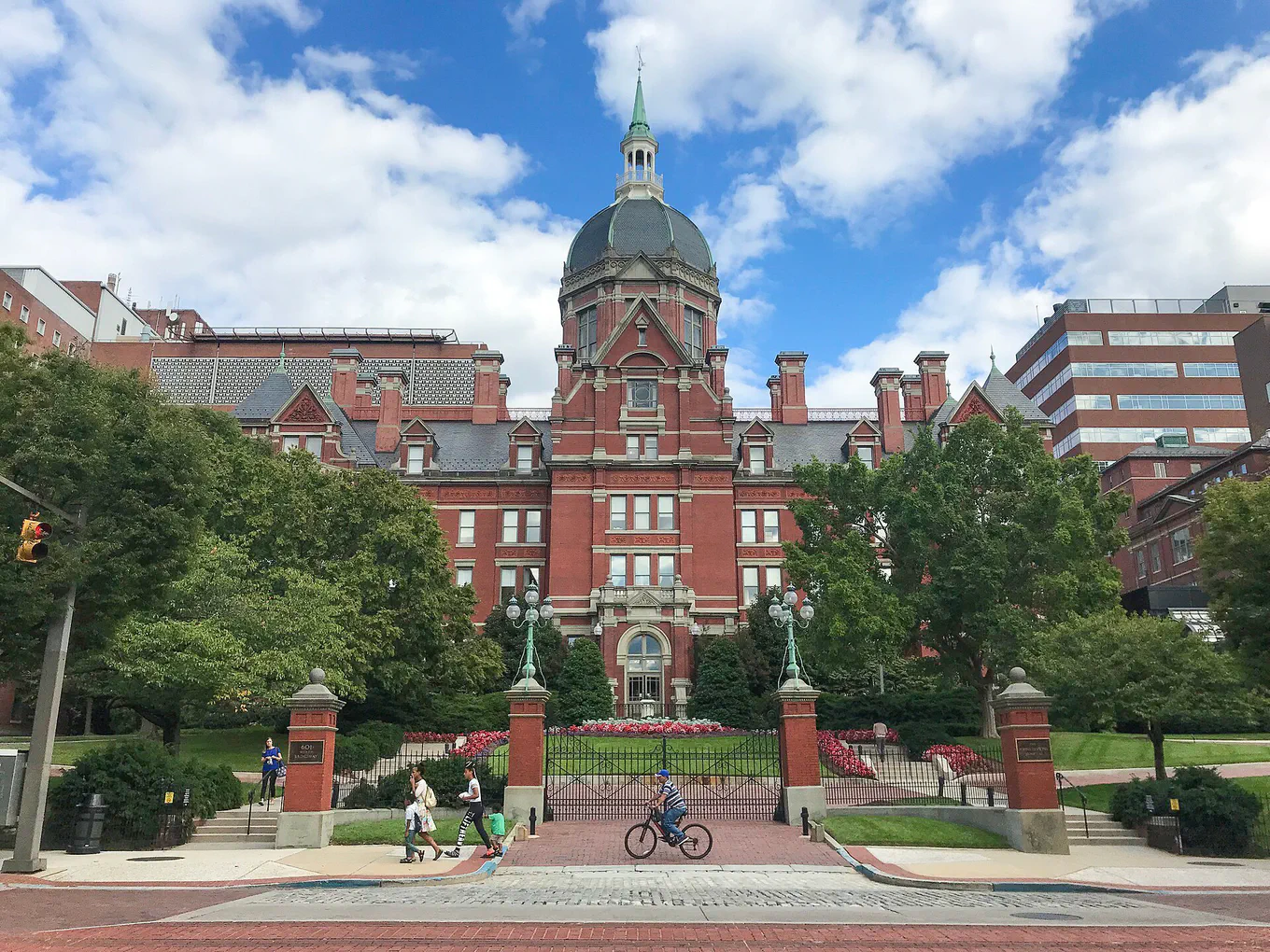
Stand here. Johns Hopkins Hospital, in Baltimore. Johns Hopkins established an annual lecture series in her memory.
The domed Billings Administration Building, the historic front of Johns Hopkins Hospital on North Broadway, Baltimore.Baltimore Heritage / CC0.
In January 1951, Henrietta Lacks, whose story Rebecca Skloot told in The Immortal Life of Henrietta Lacks, came here because she felt a “knot” in her womb. She was treated for cancer, and two samples were taken from her cervix without her knowledge. No consent was needed then. Her cells became the first seen to divide again and again without dying. She died that October. By 1954, Jonas Salk was using her cells to develop the polio vaccine. Her family wasn’t told the cells existed until 1975.
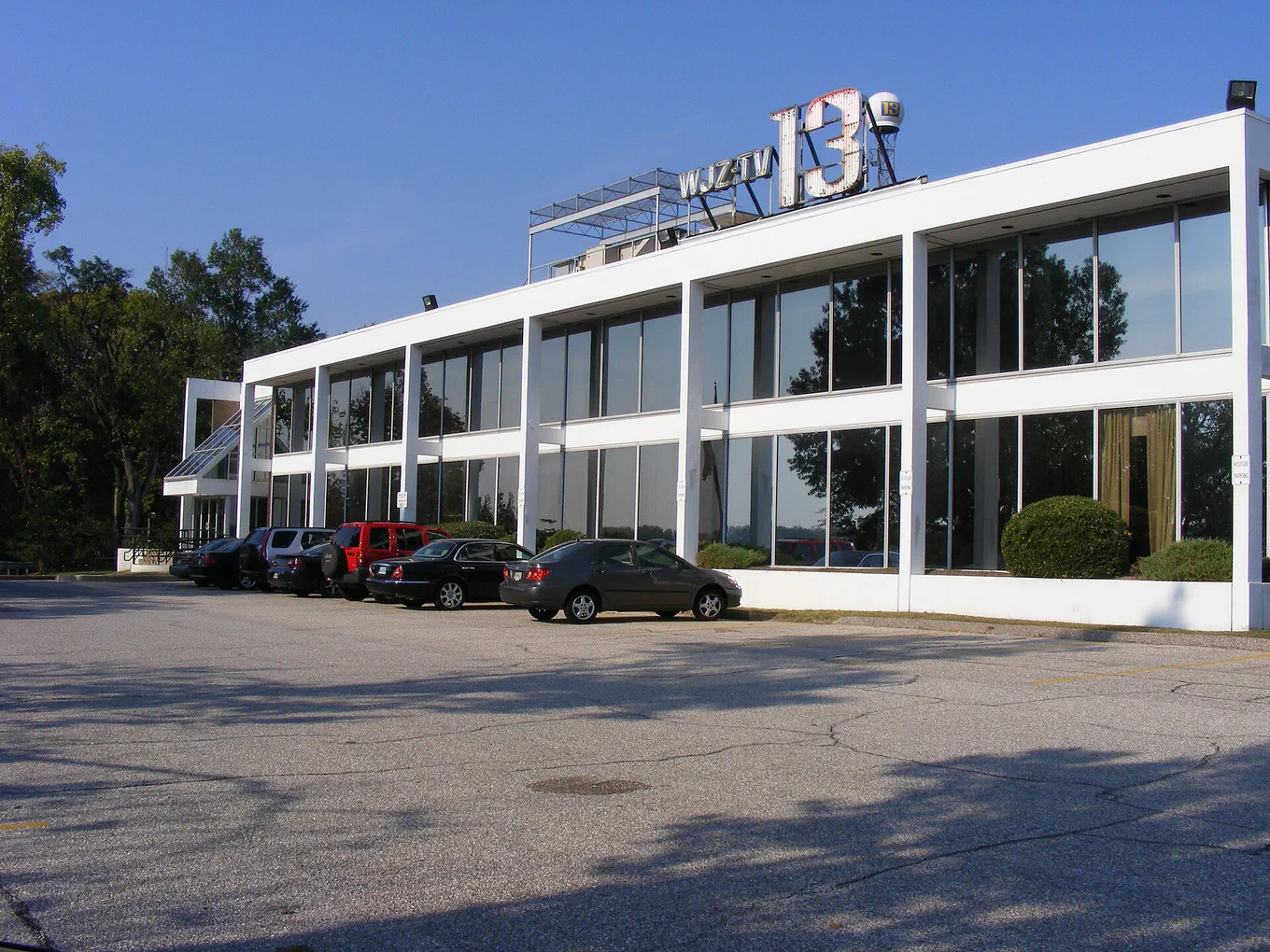
Stand here. WJZ-TV’s studios on Television Hill, near Druid Hill Park, in Woodberry. Its building was the first in Baltimore designed for television.
The WJZ-TV studio building on Television Hill in Baltimore, with the station’s “13” sign on its roof.Marylandstater / Public domain.
John Waters based the dance show in Hairspray on a real one, The Buddy Deane Show, where he and a friend were removed for dancing the “dirty boogie”. Its dancers were white, except every other Friday, kept for Black teenagers. When WJZ-TV insisted on integrated line-ups, the host, Buddy Deane, complied until segregationists protested. In 1964, after a feud over integration, his show came off the air, though the station blamed falling ratings. As Deane put it, “You’re in trouble if you do and in trouble if you don’t.”
Pack nothing. Leave Friday.
Every Friday, I write a free letter, Journey, that takes us on a trip through places, stories, and ideas.
Narrative of the Life of Frederick Douglass, an American Slave(Frederick Douglass, 1845). A memoir. Sent back to Baltimore, Douglass becomes an apprentice in a Fells Point shipyard.
The Accidental Tourist(Anne Tyler, 1985). A novel. Macon Leary, a Baltimore writer of travel guides, becomes an entirely different person in “the foreign country that was Singleton Street”.
The Immortal Life of Henrietta Lacks(Rebecca Skloot, 2010). Non-fiction. The life of the woman whose cells were taken at Johns Hopkins Hospital in 1951.
Films to watch before you visit Baltimore
Diner(Barry Levinson, 1982). A film. In 1959 Baltimore, a group of friends end their nights at their usual late-night haunt, the Fells Point Diner.
Hairspray(John Waters, 1988). A film, set in 1962 Baltimore, about “pleasantly plump” Tracy Turnblad. The school scenes were shot at Perry Hall High School.
Homicide: Life on the Street(created by Paul Attanasio from David Simon’s book, 1993–1999). A TV series. The police department scenes were shot at the City Recreation Pier in Fells Point.
The Wire(David Simon, 2002–2008). A TV series. The Barksdale organisation operates in the police’s Western district.
Questions
Where is the original Star-Spangled Banner flag?
At the Smithsonian. The flag sewn in 1813 by Mary Young Pickersgill, a Baltimore flagmaker, was given to the Smithsonian in 1912. It is on show at the Smithsonian’s National Museum of American History. It once measured 30 by 42 feet, and now measures 30 by 34.
Where is Edgar Allan Poe buried?
In Westminster Hall and Burying Ground, on West Fayette Street. He was first buried at the back, then reburied near the front of the church in 1875. Until 2009, a visitor known as the Poe Toaster came to the marker of his first grave early on 19 January, his birthday, to raise a glass of cognac and leave three red roses.
Who is Baltimore named after?
Cecil Calvert, 2nd Baron Baltimore, an English politician and lawyer who was a founding proprietor of the Province of Maryland. The town itself was founded on 8 August 1729, when Maryland’s governor signed an act allowing “the building of a Town on the North side of the Patapsco River”.