Churchill served as a cavalry officer here and allegedly left an unpaid club bill behind him. I suppose we can forgive him for that. He also invented the jump suit.
— Nick
Kempe Gowda I, a chieftain, founded Bangalore with a mud fort in 1537. Officially Bengaluru since 2014, it is the capital of Karnataka, in southern India, and now India’s largest hub for IT services. Churchill’s unpaid club bill sits alongside Tipu Sultan’s teak palace, a dish invented when rice ran short, a legislature built to answer a question, and a Nobel physicist’s last wish.
1 Winston Churchill’s unpaid bill at the Bangalore Club
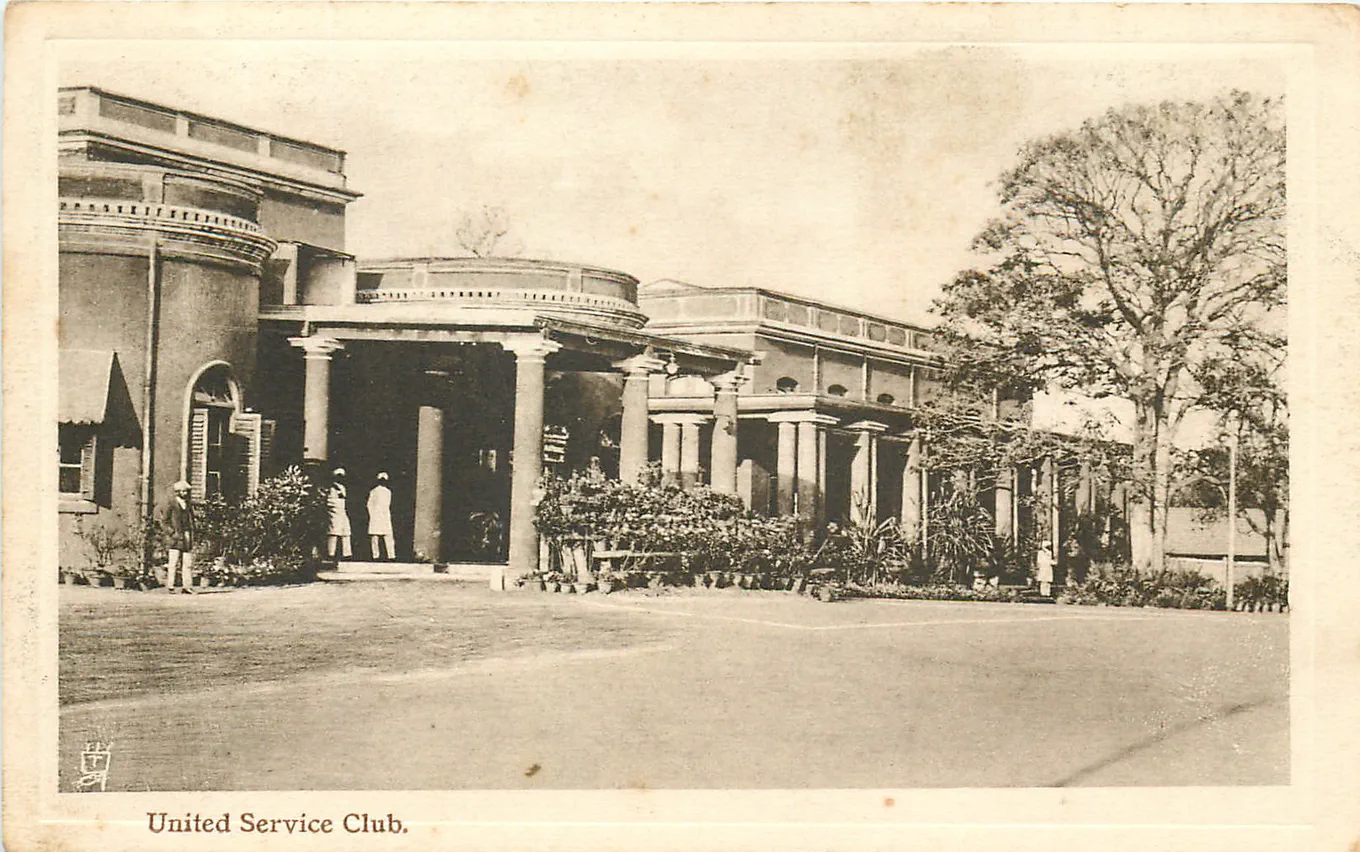
Stand here. The Bangalore Club, on Cariappa Road near Richmond Circle. It is a private members’ club that keeps a ledger on display in its main building.
In 1896, Winston Churchill arrived in Bangalore as a young army officer. He called India a “godless land of snobs and bores”, and set about educating himself, reading Gibbon, Macaulay, Darwin, and Plato in books his mother sent. When he left to fight on the North-West Frontier, not every account was settled. A Bangalore Club ledger of June 1899 names “Lt WLS Churchill” among 17 defaulters, owing 13 rupees. The club wrote the debt off, and a ledger on display in its main building is open at a page of “irrecoverable debts”, Churchill’s 13 rupees among them.
2 Tipu Sultan’s teak palace and the fall of Bangalore Fort
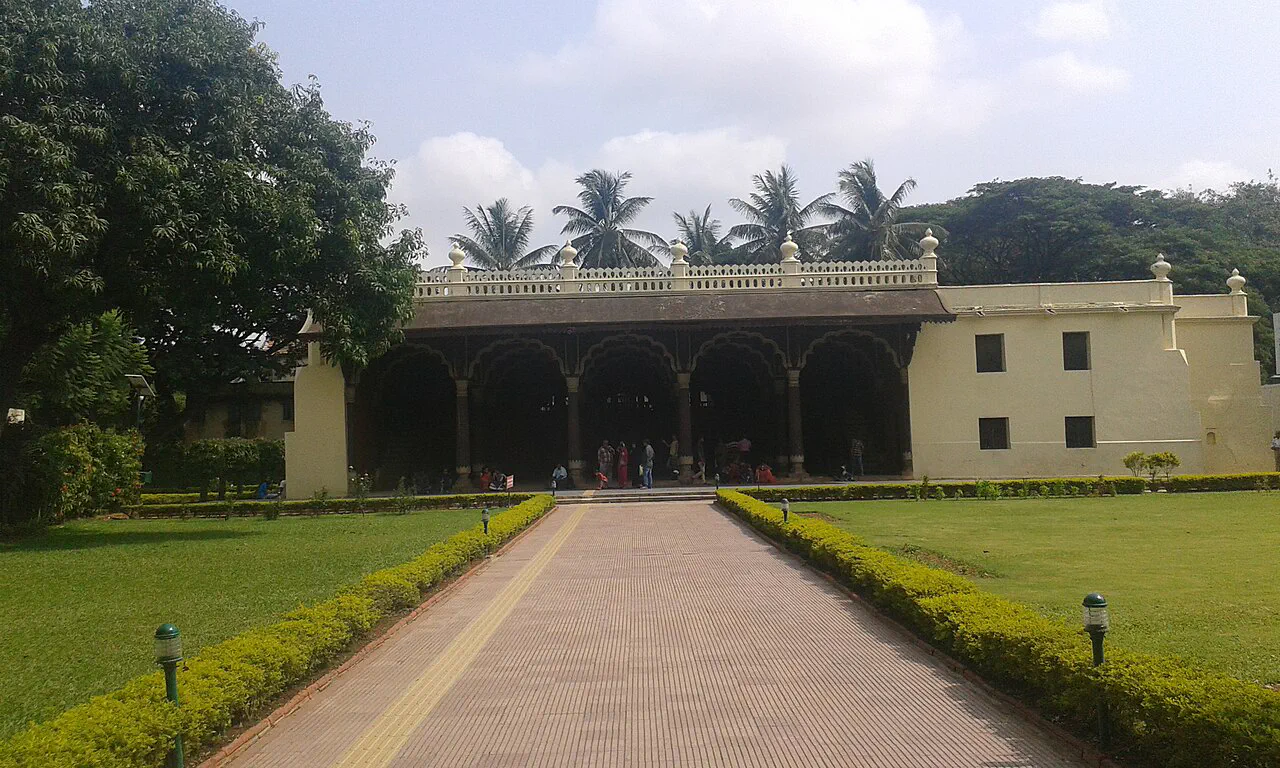
Stand here. Tipu Sultan’s Summer Palace, near the Kalasipalya bus stand in Old Bangalore. Its ground floor is now a small museum about Tipu Sultan.
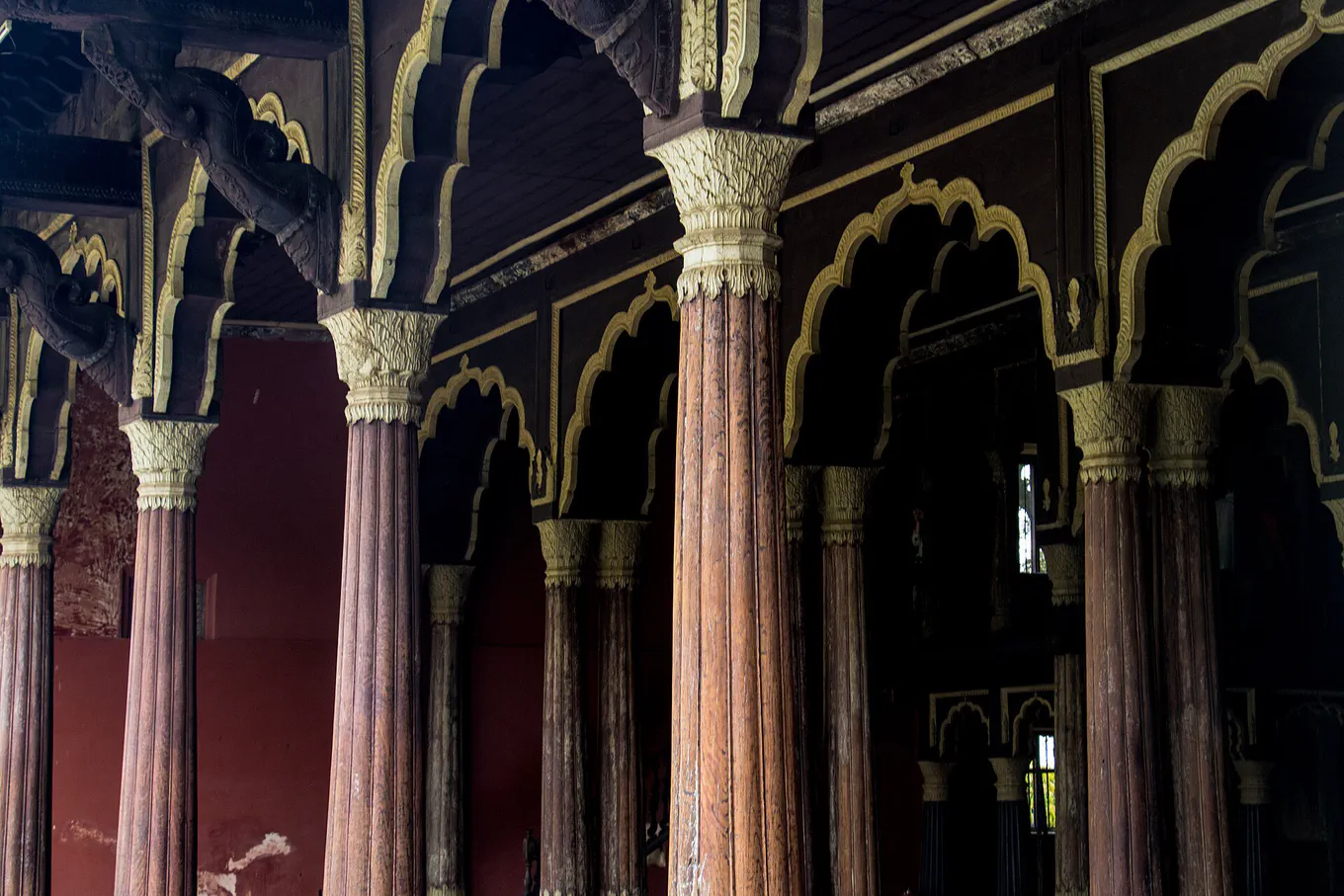
Tipu Sultan, the “Tiger of Mysore”, finished his teak palace inside Bangalore Fort in 1791, ten years after his father began it. Its inscription calls it “a house of happiness” and says, “Doubtless it is envied by heaven.” But that same year, Lord Cornwallis, the general who had surrendered at Yorktown, stormed the fort by night, and a thousand defenders died in the fighting. Tipu was killed defending Seringapatam in 1799, and the British moved their offices into his house of happiness.
3 How a wartime rice shortage gave Bangalore rava idli
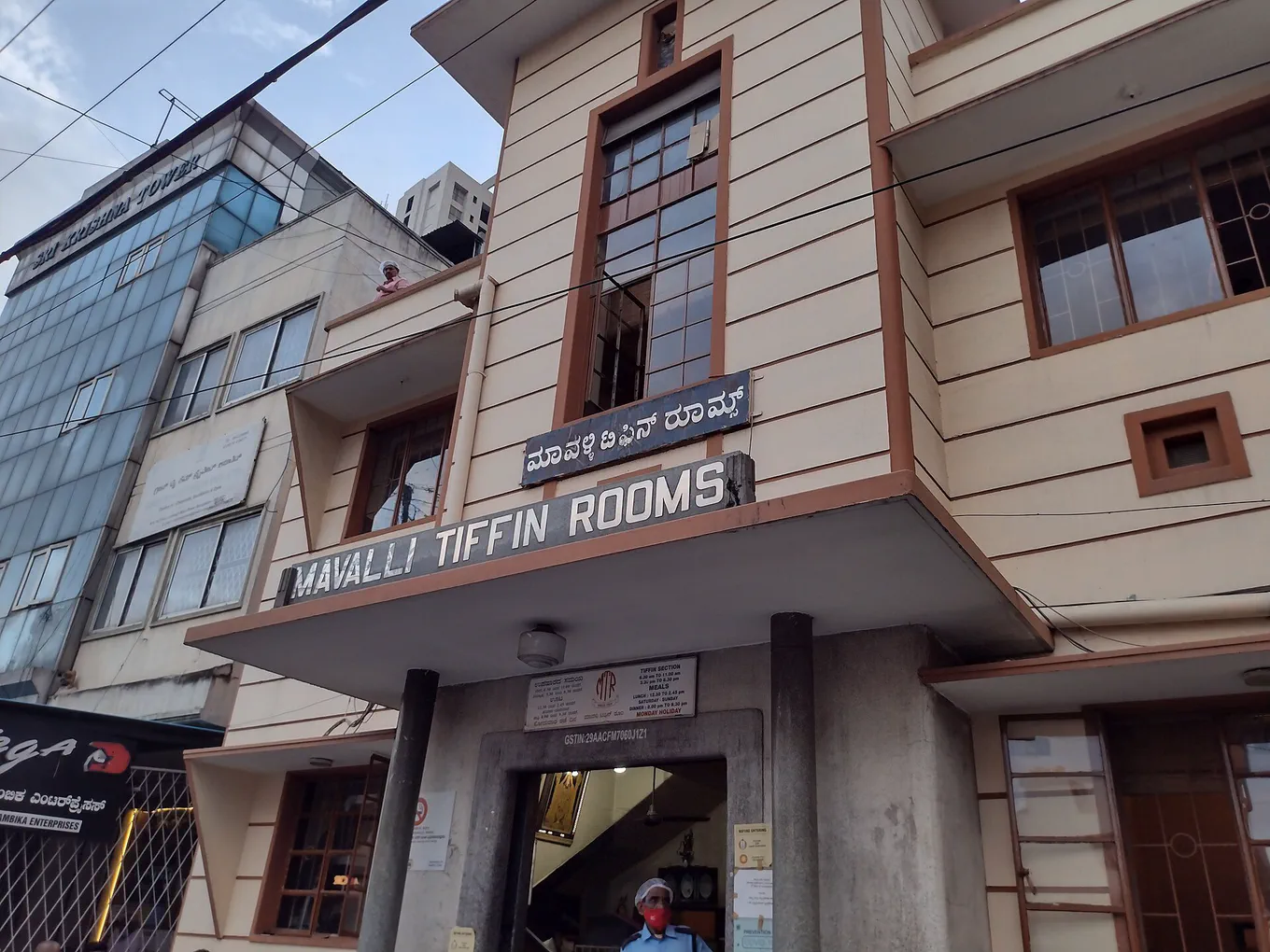
Stand here. Mavalli Tiffin Rooms, or MTR, on Lalbagh Road. It is in an Art Deco building, and the third generation of the Maiya family runs it.
Two brothers from Udupi founded MTR in 1924. Its staple was idli, made from rice. But during the Second World War, rice ran short, and MTR could no longer make it. A third brother, Yagnanarayana Maiya, experimented with semolina and sour curd, and invented rava idli. In the 1970s, a food-control law made serving meals unprofitable, and the restaurant closed. To save jobs, MTR began selling spices and flour mixes. The restaurant reopened, and the mixes grew into MTR Foods.
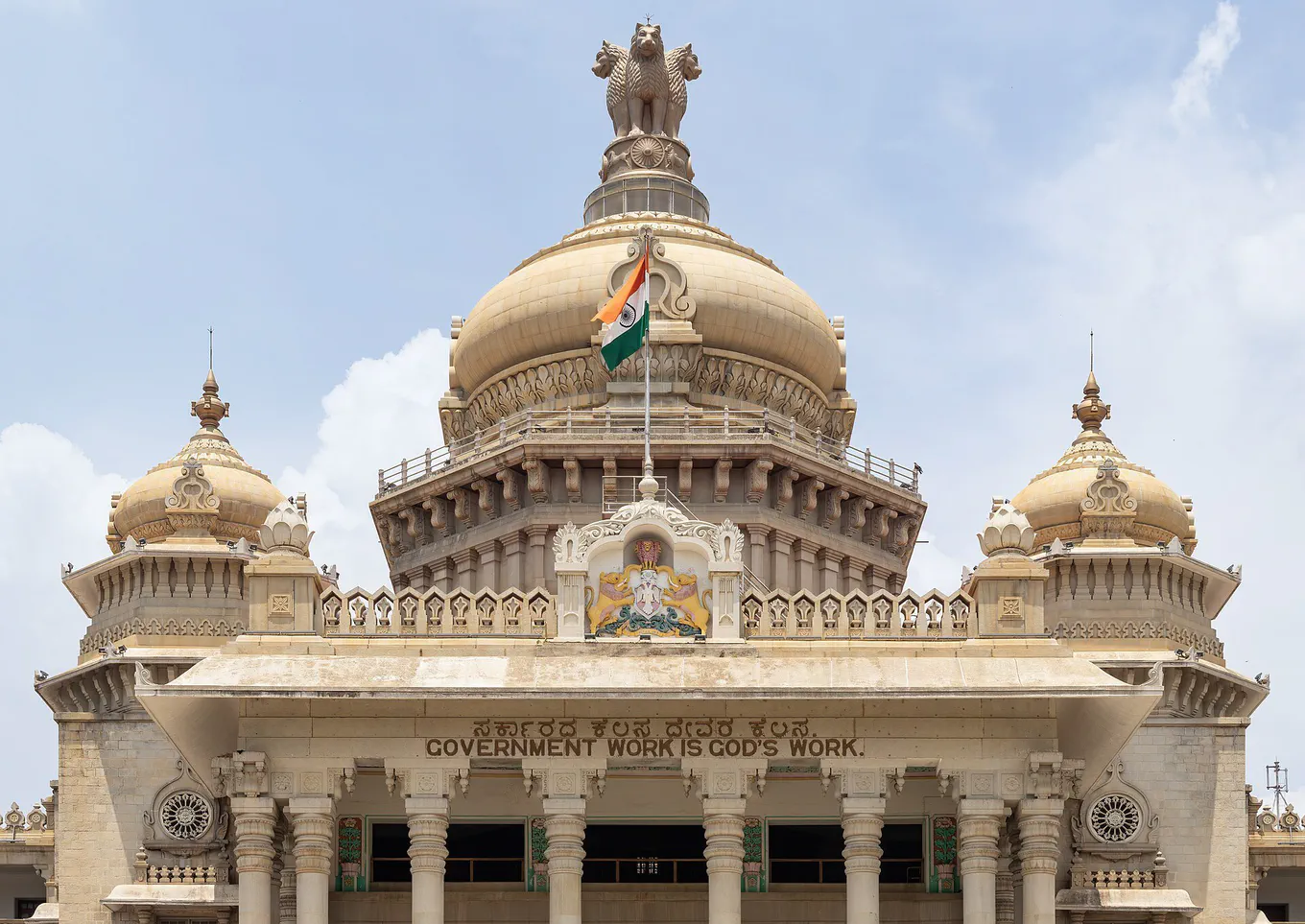
4 Vidhana Soudha and a question from Russian visitors
Stand here. Vidhana Soudha, beside Cubbon Park, is the seat of Karnataka’s legislature. Guided tours of parts of its interior began in 2025.
In the early 1950s, Kengal Hanumanthaiah, who led Mysore State, now Karnataka, from 1952 to 1956, showed a Russian delegation round Bangalore. By his own account, they kept asking, “Have you no architecture of your own? They are all European buildings.” Stung, he vowed to build a monument in Karnataka’s own style. More than 5,000 people built Vidhana Soudha, some of them prisoners released when it was finished. The opposition accused the government of excessive spending. Carved above its columns is the line “Government Work is God’s Work”.
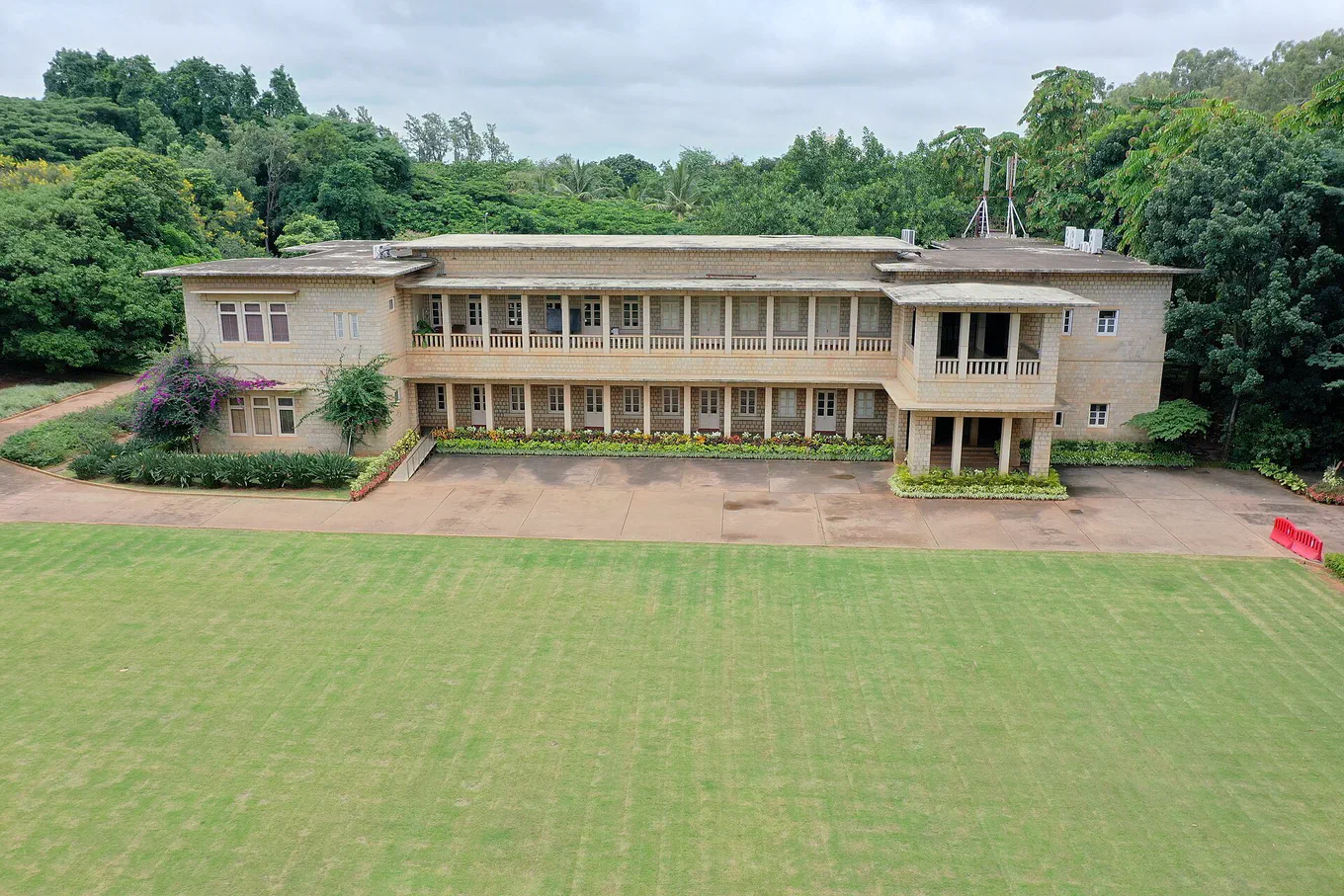
5 C. V. Raman’s last days at his Bangalore institute
Stand here. The Raman Research Institute, on C. V. Raman Avenue in Sadashivanagar. Still a working institute, it takes visitors by prior appointment only.
The physicist C. V. Raman won the 1930 Nobel Prize. After retiring from the Indian Institute of Science in Bangalore, he founded an institute of his own and funded it himself, helped by private donors. In the 1960s, he was studying the colours of flowers. But at the end of October 1970, he collapsed in his laboratory. He asked to stay in the institute’s gardens, among his followers, and died that November. He wanted no rituals: “Just a clean and simple cremation for me, no mumbo-jumbo please.”
Pack nothing. Leave Friday.
Every Friday, I write a free letter, Journey, that takes us on a trip through places, stories, and ideas.
The White Tiger(Aravind Adiga, 2008). A novel. Its central character, Balram, moves to Bangalore and bribes the police to help him start his own taxi business.
A Cut-Like Wound(Anita Nair, 2011). A novel. At Shivaji Nagar, in the heart of Bangalore, a young male prostitute is killed and burnt alive.
The Bangalore Detectives Club(Harini Nagendra, 2022). A crime novel set in 1920s Bangalore, first in a series, that turns on a party at the Century Club.
Films to watch before you visit Bangalore
Lucia(Pawan Kumar, 2013). A film. Nikki works as an usher, or “torch-shiner”, at a Bangalore cinema.
Bangalore Days(Anjali Menon, 2014). A film about three cousins from Kerala who move to Bangalore. It was shot partly in Bangalore.
Questions
Can you visit Tipu Sultan’s Summer Palace?
Yes. The Archaeological Survey of India maintains the teak palace, near the Kalasipalya bus stand in Old Bangalore, and its ground-floor rooms are a small museum about Tipu Sultan. Entry is ₹20 for Indian citizens and ₹200 for foreign visitors.
Is it Bangalore or Bengaluru?
Both. Bengaluru is the official name, and the city is also known as Bangalore, its official name until 1 November 2014. The Government of Karnataka accepted a proposal to rename the city in December 2005. The earliest known mention of “Bengaluru” is a ninth-century hero stone found at Begur, which records a battle in 890 CE.
Can you go inside Vidhana Soudha?
In part. In 2025, the Government of Karnataka began guided tours of designated spaces inside Vidhana Soudha, the seat of the state legislature.