My Dad spent his teenage years in beautiful Bath. I never understood why he couldn’t ride a bike until I visited. Side note: My Dad played rugby for his school and county, including games at the legendary Bath Rugby ground. Bridgerton was filmed here, which gives you a sense of the place.
— Nick
The baths the Romans built around 60 AD gave Bath its name. It lies in the valley of the River Avon in Somerset, 97 miles west of London, and became a popular spa in the Georgian era. A teenager writing Frankenstein and a musician who found a planet keep company with a singer fleeing the Royal Crescent, an emperor in exile, and a Roman bather cursing a thief.
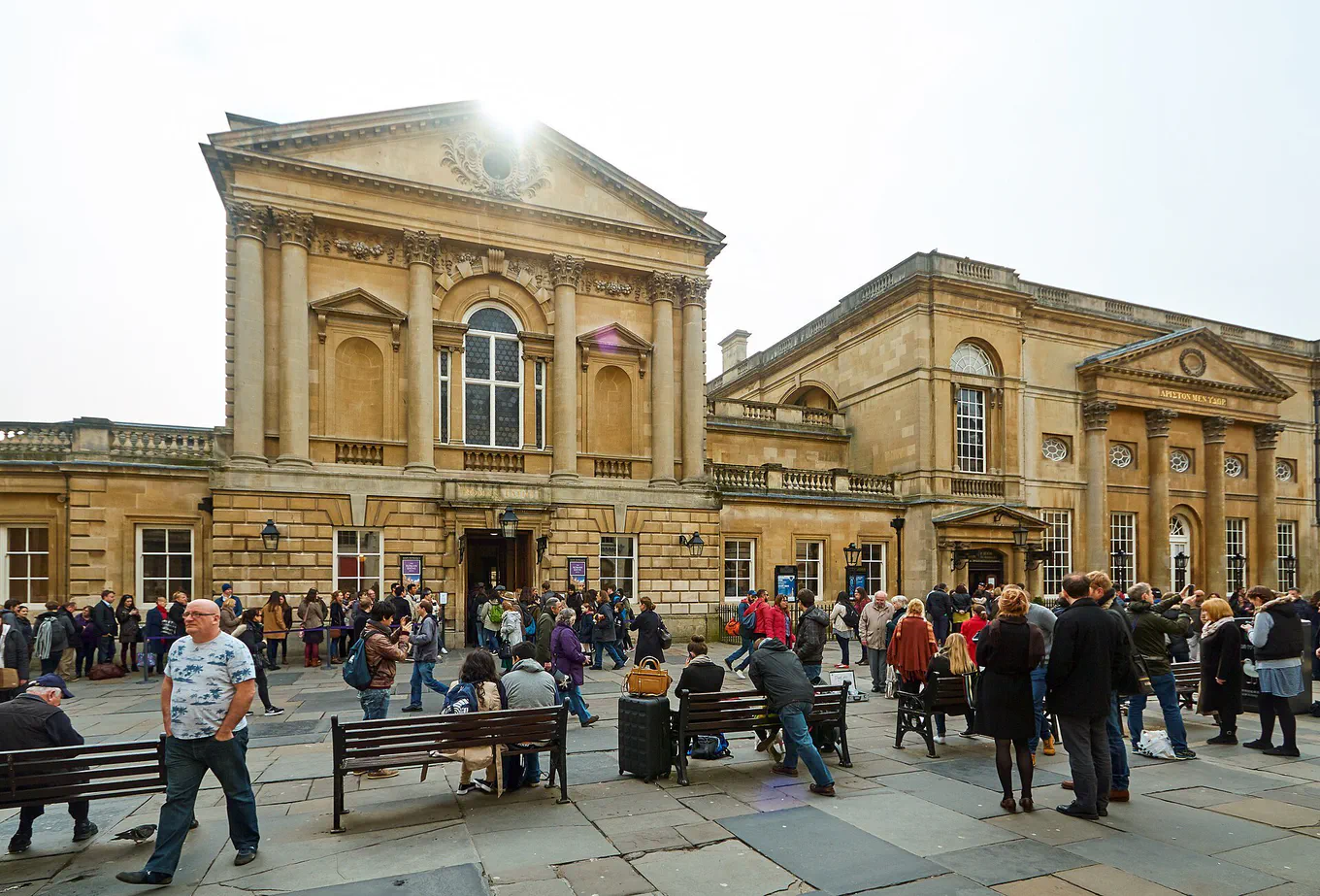
Mary Shelley wrote much of Frankenstein in rooms that stood here, next door to the Pump Room. She arrived in September 1816 so her stepsister Claire, pregnant by Lord Byron, could give birth in seclusion. But that autumn, Mary’s half-sister killed herself, and in December Percy Shelley’s wife was found drowned. Within three weeks, Mary and Percy were married. She kept writing. The plaque records that she heard a lecturer nearby suggest electricity might one day bring lifeless matter to life. An electricity sub-station now sits directly beneath the spot.
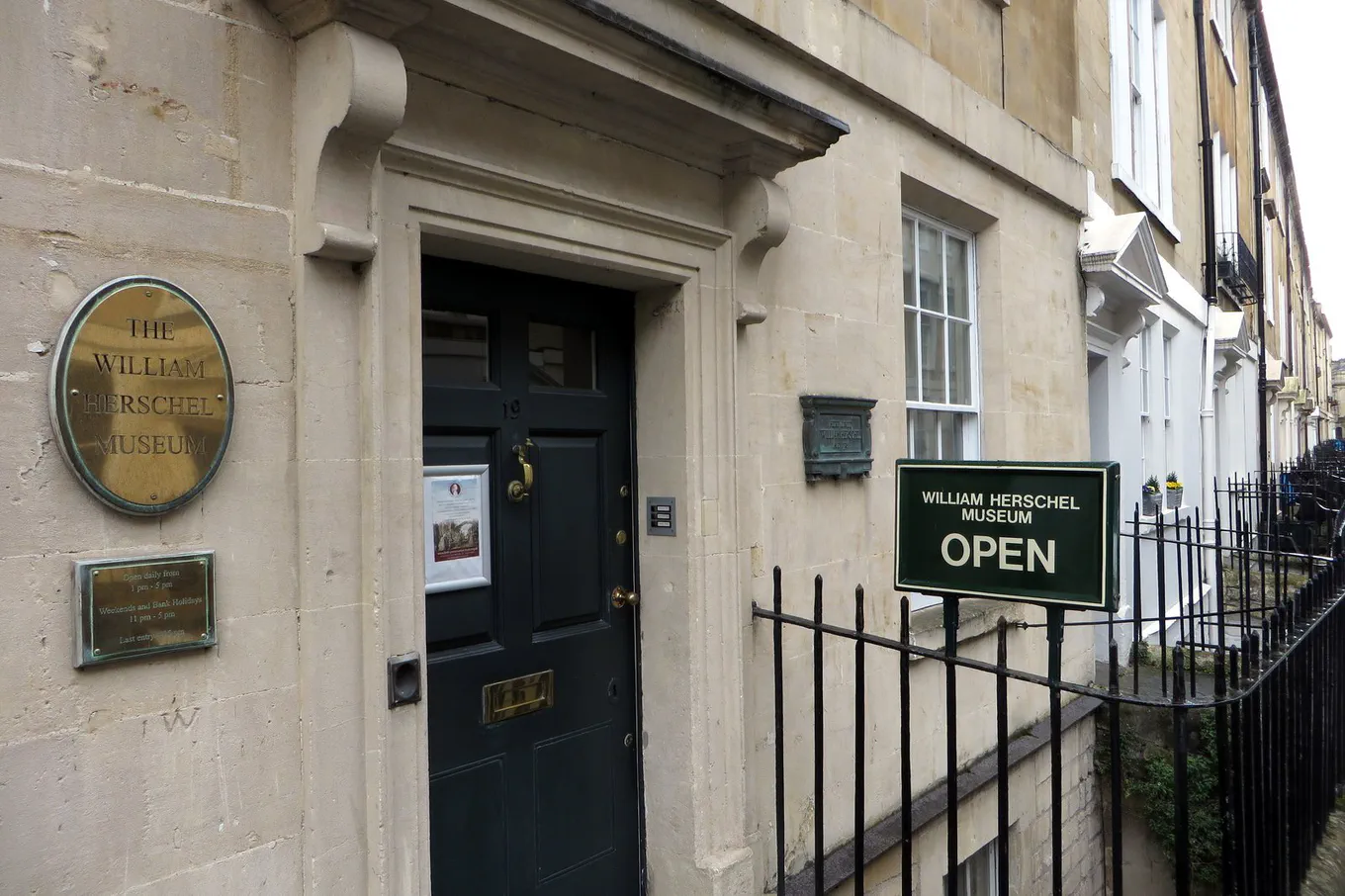
Uranus was found from a garden in Bath by a chapel organist. William Herschel, a musician from Hanover, ground his own telescope mirrors for up to sixteen hours a day, and his sister Caroline fed him by putting food into his mouth. On 13 March 1781, he noted a new object in Gemini and took it for a comet. But its nearly circular orbit suggested it was a planet. He named it the Georgian star, after King George III, who made him the King’s Astronomer. The name didn’t stick.
3 Elizabeth Linley escapes the Royal Crescent with Sheridan
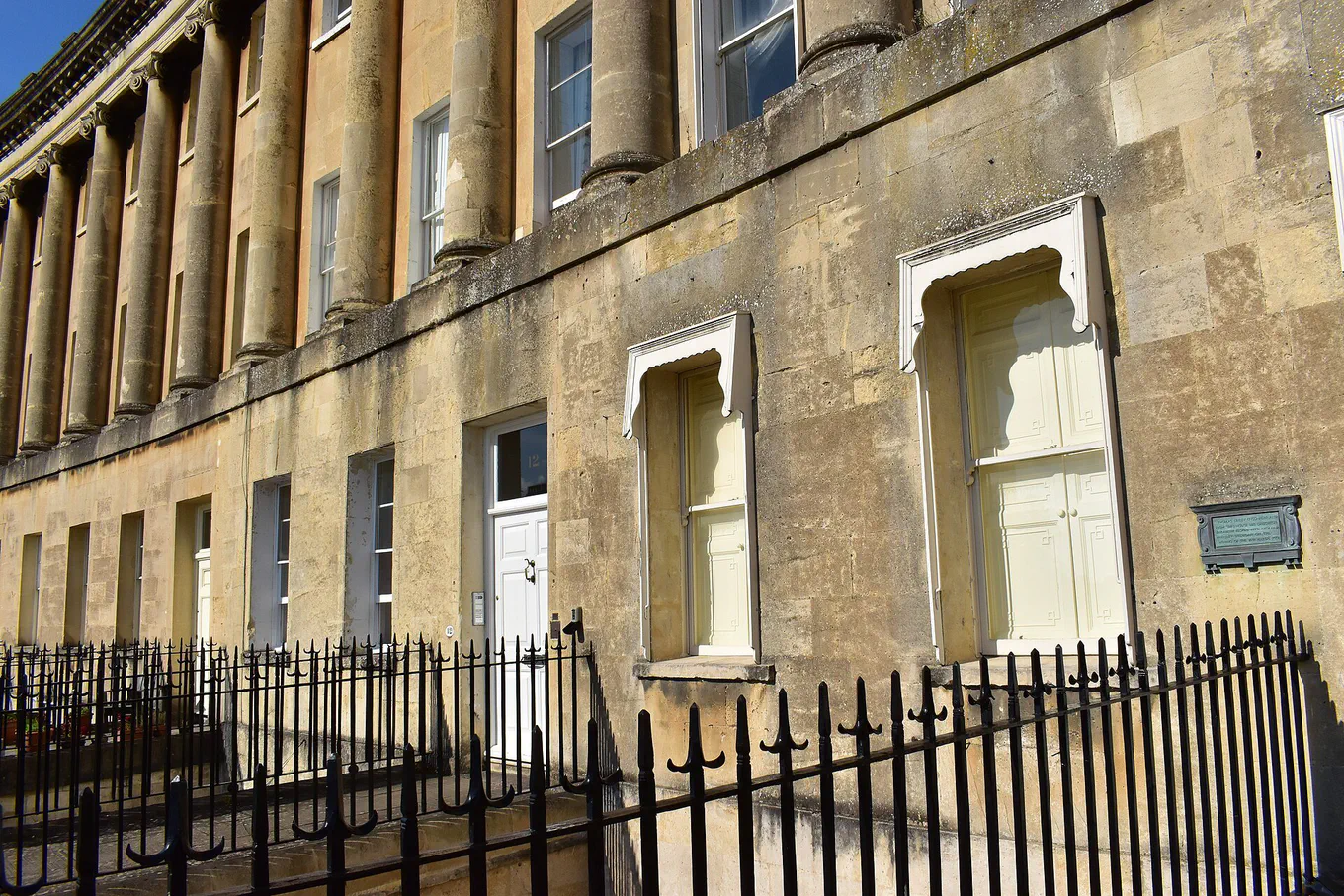
Stand here. 11 Royal Crescent, once the Linley family home. A plaque unveiled in 1956 records the evening she left.
Before he wrote The Rivals, his Bath comedy, Richard Brinsley Sheridan ran off with Elizabeth Linley, one of the most noted sopranos of her day. A married man had been harassing her and threatening to rape her. On 18 March 1772, Sheridan took her from this house to France. The escape cost him two duels with her harasser, and in the second, near Bath, both men broke their swords and fought on. Sheridan survived, and they married officially the next year. Then her husband discouraged her from singing in public.
4 Haile Selassie waits out his exile at Fairfield House
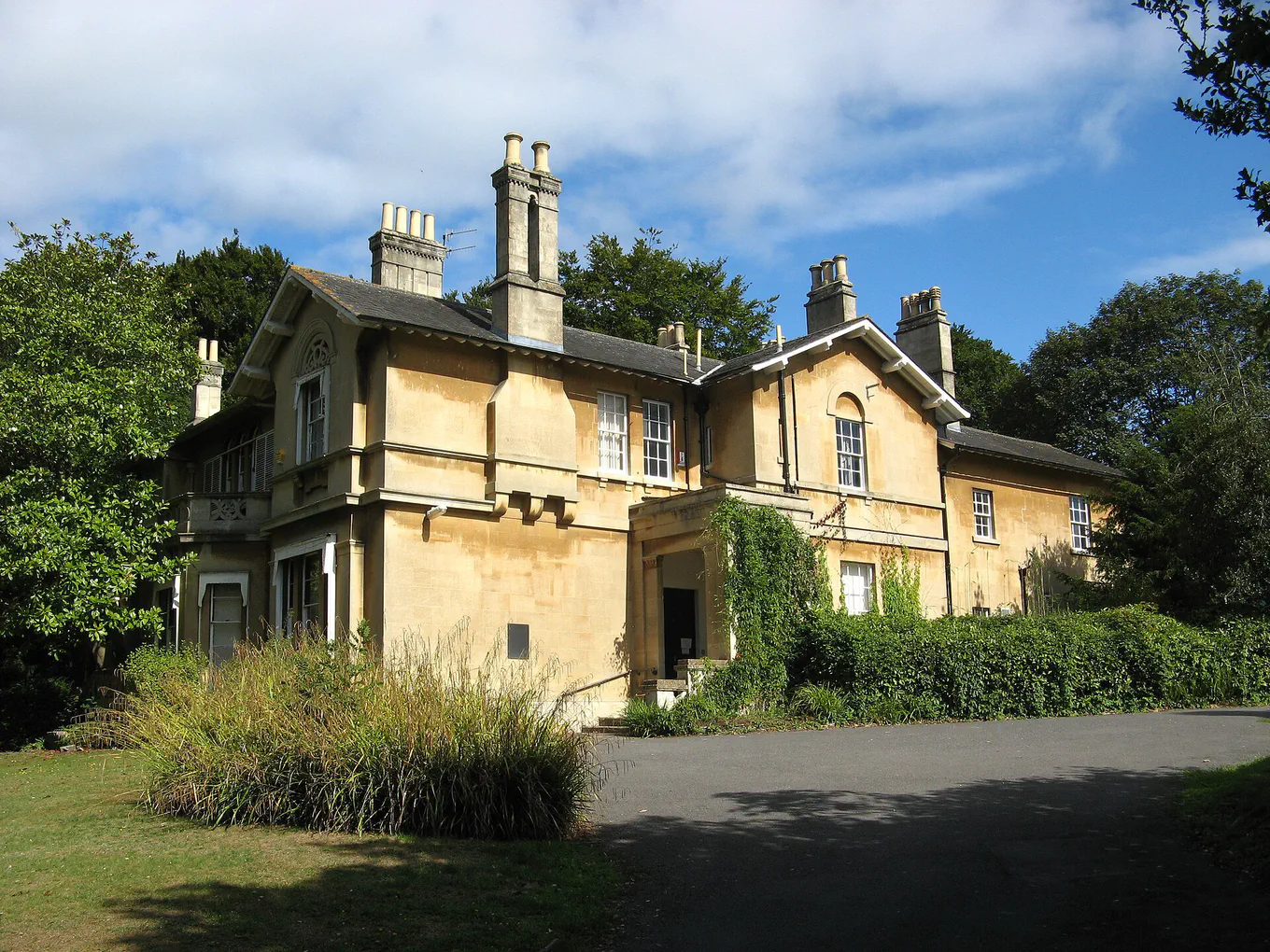
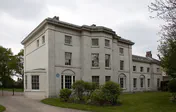
Stand here. Fairfield House, 2 Kelston Road, a listed villa now run as a community hub, open for guided tours on Sundays.
In May 1936, Italian troops entered Addis Ababa, and Haile Selassie, Emperor of Ethiopia, chose exile. He condemned Italy before the League of Nations in Geneva, to jeers from Italian journalists, and made his home in Bath, in this fourteen-room villa. Money was short. He was often seen on daily walks to the River Avon. But on 5 May 1941, five years to the day after the Italians, he entered Addis Ababa again. Years later, he gave Fairfield House to the city, and it became an old people’s home.
5 Solinus curses a cloak thief at the Sacred Spring
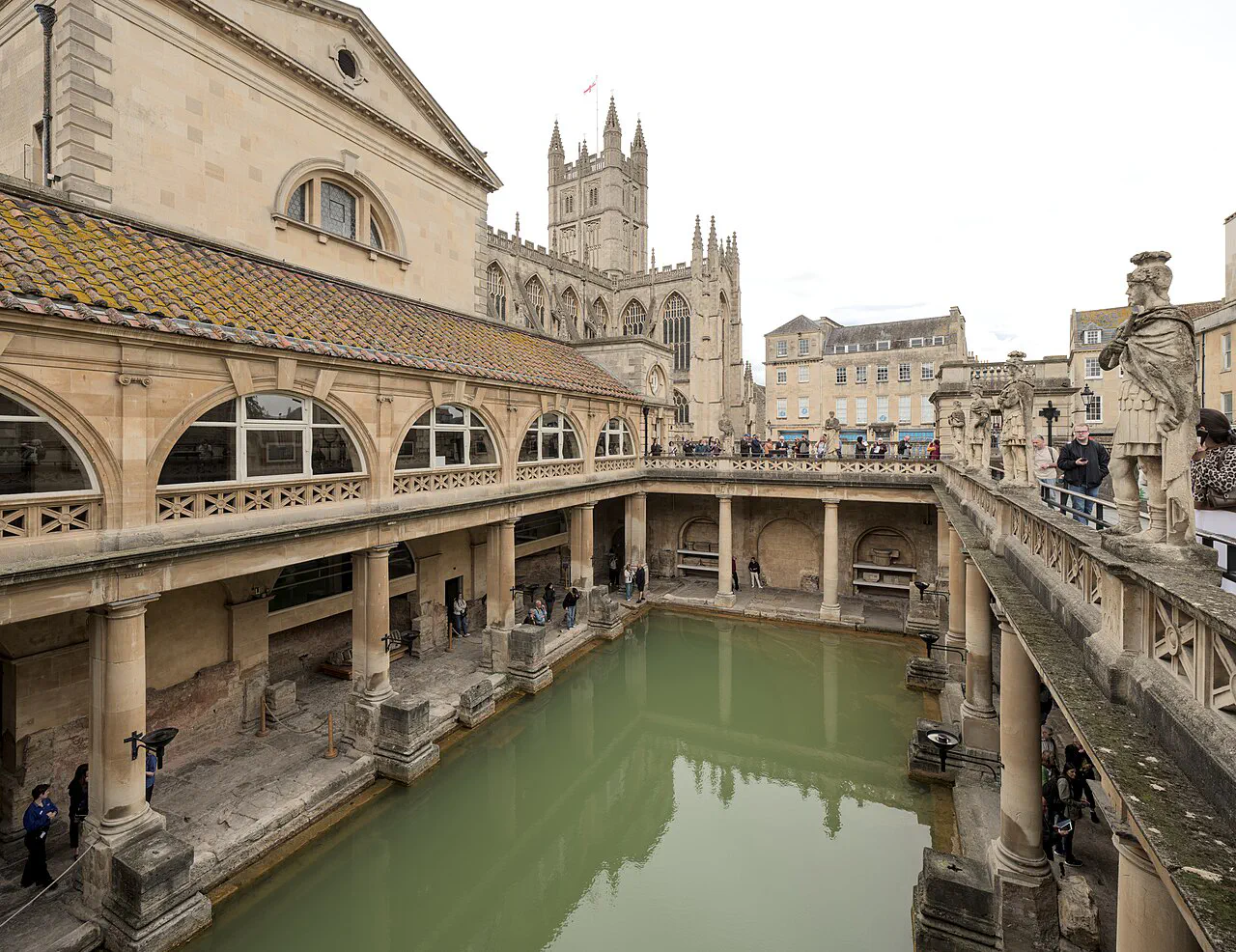
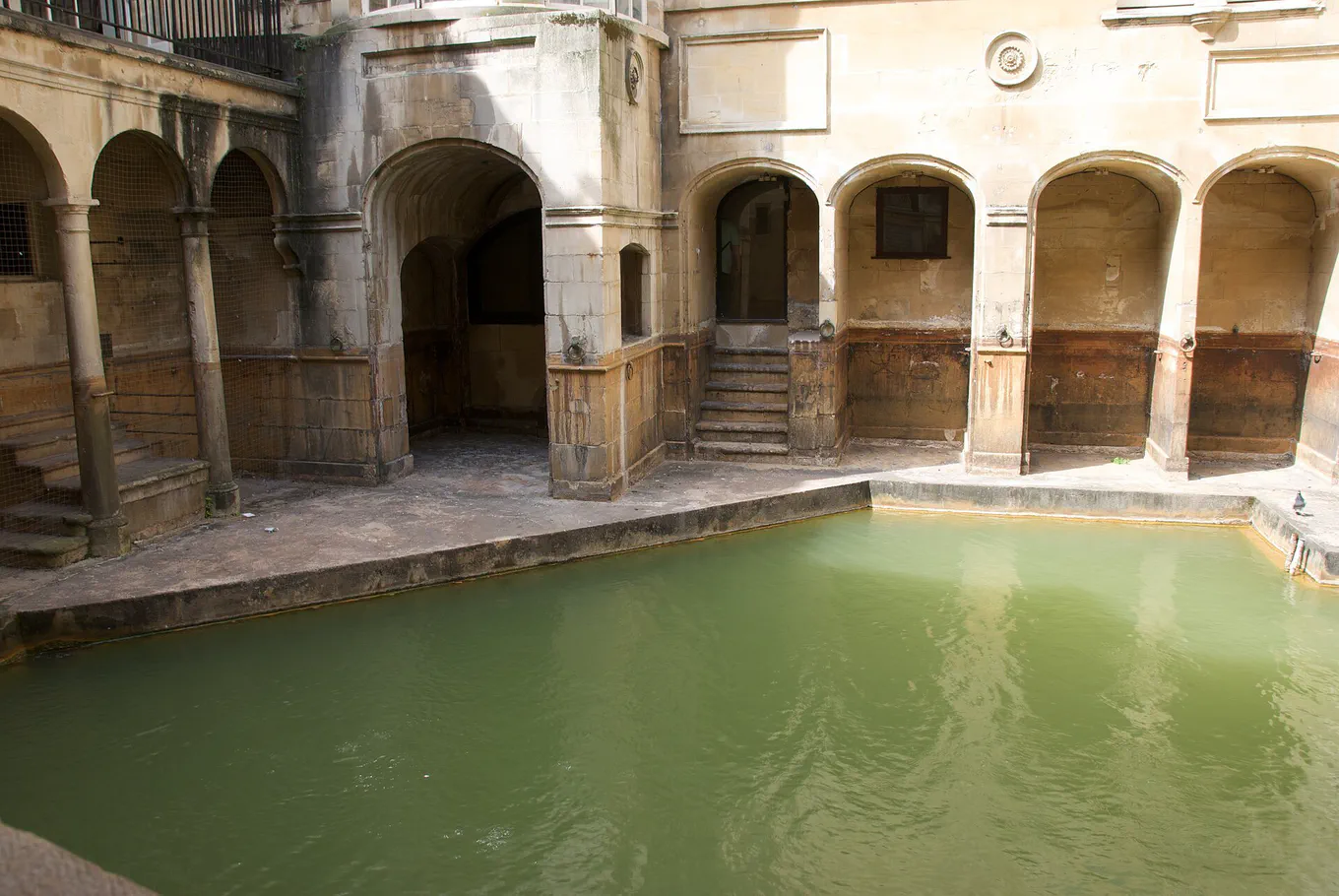
Stand here. The Sacred Spring at the Roman Baths, where water still rises at 46°C. Some curses are on show in the museum’s Temple Worship area.
A thief in Roman Bath made off with Solinus’s bathing tunic and cloak. He had no idea who had taken them, so he handed the problem to a goddess. On a tablet, he gave the clothes to Sulis Minerva and asked her to deny the thief sleep and health, “whether man or woman, whether slave or free”, until they were brought to her temple. His tablet was one of about 130 curses found in her spring in 1979. Most want revenge, again and again for stolen clothes.
Pack nothing. Leave Friday.
Every Friday, I write a free letter, Journey, that takes us on a trip through places, stories, and ideas.
Northanger Abbey(Jane Austen, 1817). A novel. Catherine Morland lodges in Pulteney Street and looks for her dance partner in the Pump Room.
Persuasion(Jane Austen, 1817). A novel. Sir Walter Elliot takes “a very good house in Camden Place”.
The Rivals(Richard Brinsley Sheridan, 1775). A play. A comedy set in 18th-century Bath, with scenes on the North Parade, the South Parade, and King’s Mead Fields.
The Pickwick Papers(Charles Dickens, 1836–37). A novel. Mr Winkle is left outside on the steps of a Royal Crescent house when the door blows shut.
The Expedition of Humphry Clinker(Tobias Smollett, 1771). A novel. In it, the Circus is “a pretty bauble, contrived for shew”, and looks like “Vespasian’s amphitheatre turned outside in”.
Films to watch before you visit Bath
Persuasion(Roger Michell, 1995). A film of Austen’s novel, much of it shot in Bath, in locations such as Bath Street.
Bridgerton(Netflix, 2020–). A TV series set in London. The front of the Holburne Museum plays Lady Danbury’s house.
Questions
Can you swim in Bath’s hot springs?
Not in the Roman Baths, where the Great Bath’s water is untreated and unsafe even to touch. Thermae Bath Spa uses the same water, treated to make it safe, and has an open-air rooftop pool. The water rises at 46°C and holds 43 minerals.
Did Jane Austen live in Bath?
Yes, from 1801, when her family moved to 4 Sydney Place. Her father died in Bath in January 1805, leaving Jane, her sister Cassandra, and their mother short of money, and in 1806 they left. Two years later, she remembered leaving Bath “with what happy feelings of escape!”
Why is Bath a World Heritage Site?
Bath was first inscribed in 1987, for qualities that include its Roman archaeology and its Georgian architecture and town planning. Its hot springs are the only ones in Britain. On 24 July 2021, it was inscribed a second time, as one of eleven Great Spa Towns of Europe in seven countries.