I read “The Memory Palace of Matteo Ricci” years ago after it was referenced in one of Thomas Harris’ books. Ricci was a Jesuit Monk who taught Chinese scholars about memory palaces in the 1500s. I found the book a little dull, but then again, my memory palace is an island.
— Nick
Under the Ming dynasty in 1403, Beijing, once spelled Peking, took its name, meaning “Northern Capital”. It is the capital of China, and Hebei Province surrounds most of it. A Jesuit who never met his emperor, a palace burned in revenge and an empress’s Marble Boat sit with a last emperor given three hours to leave and fossils lost in a war.
1 Matteo Ricci and the Beijing grave an emperor granted
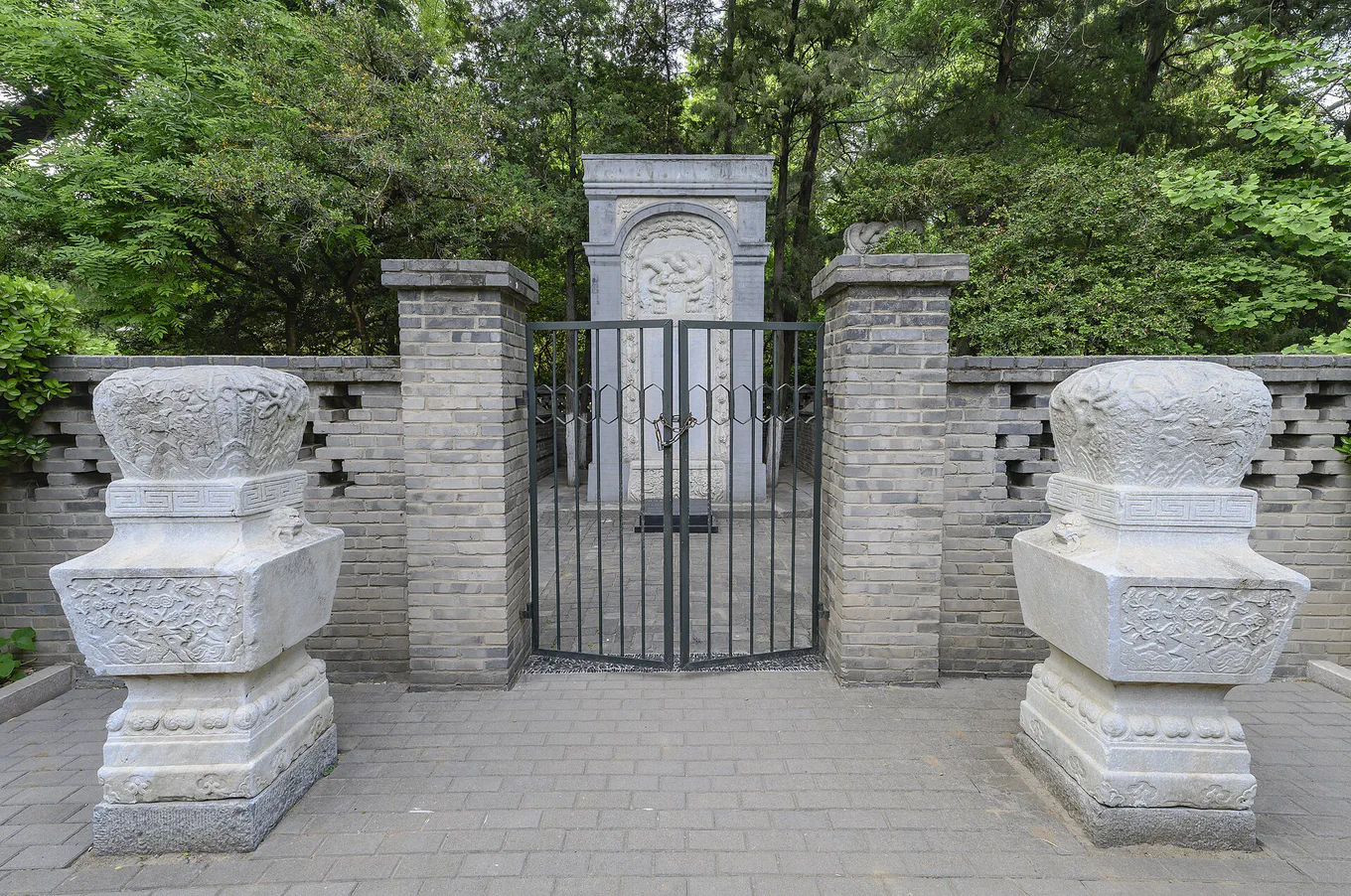
Stand here. Zhalan Cemetery, China’s oldest Christian cemetery, on the campus of the Beijing Administrative College in Xicheng District. Ricci’s grave was restored in the late 1970s.
Matteo Ricci, an Italian Jesuit, wanted to reach the emperor’s court. His first try got him only as far as the city, and after two months he left. In 1601, invited by the Wanli Emperor, Ricci became the first European to enter the Forbidden City. He had free access to the palace, but the reclusive emperor never met him. When he died, Ming law said a foreigner must be buried in Macau. Ricci had wished to lie in Beijing, and the emperor who had never met him granted it.
2 Lord Elgin’s order to burn the Old Summer Palace
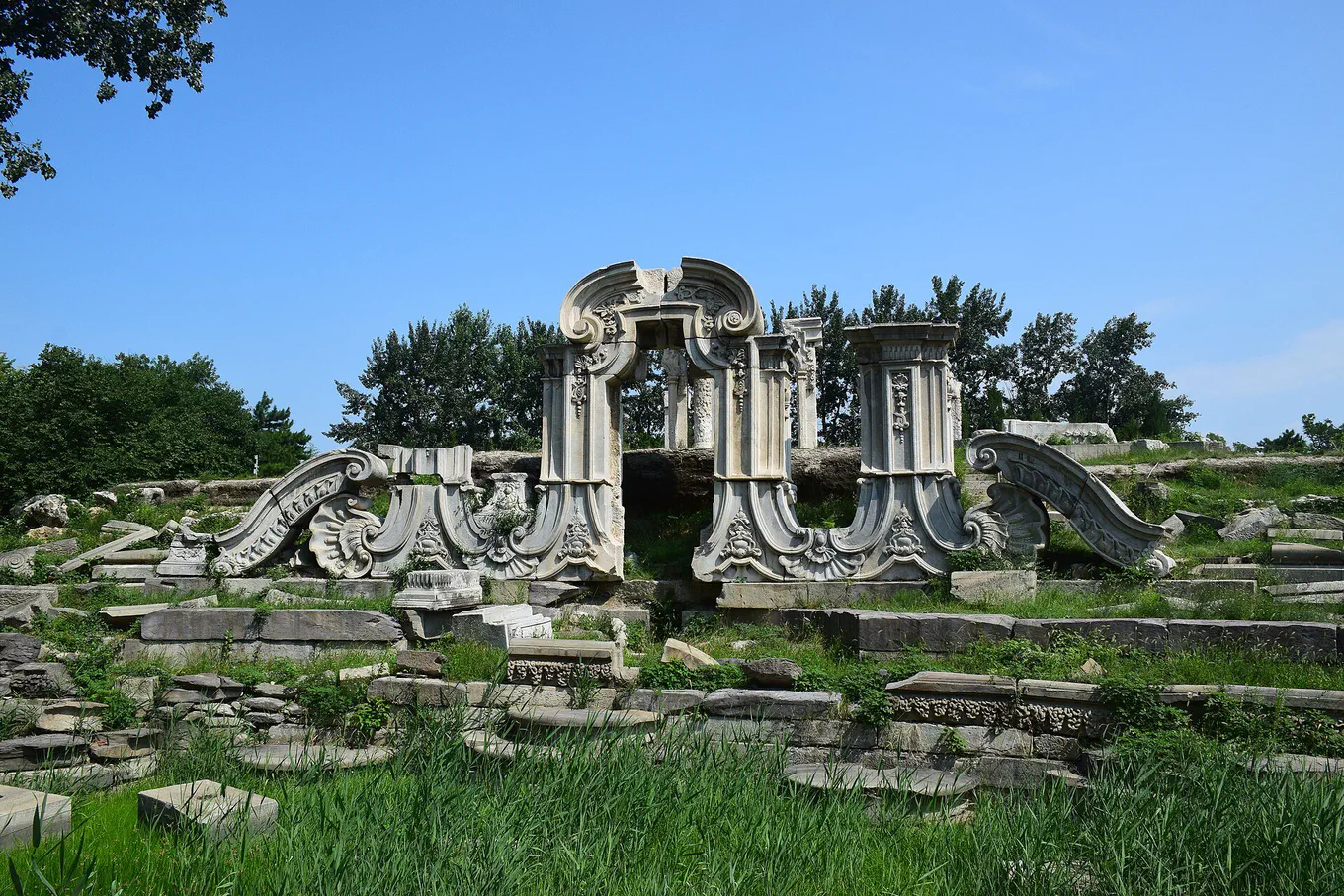
Stand here. The ruins of the Old Summer Palace, in Haidian District. The most visible remains are of the Xiyang Lou, its European-style palaces.
Lord Elgin’s father was the earl who acquired the Elgin Marbles. In 1860, the son was Britain’s High Commissioner to China. Two envoys went ahead under a flag of truce and were tortured, and nineteen British, French, and Indian captives died. French and British troops looted the emperor’s palace and gardens here. Then Elgin, wanting revenge that spared the capital, ordered them burned. The fire lasted three days. Victor Hugo summed it up: “Two robbers breaking into a museum. One has looted, the other has burnt.”
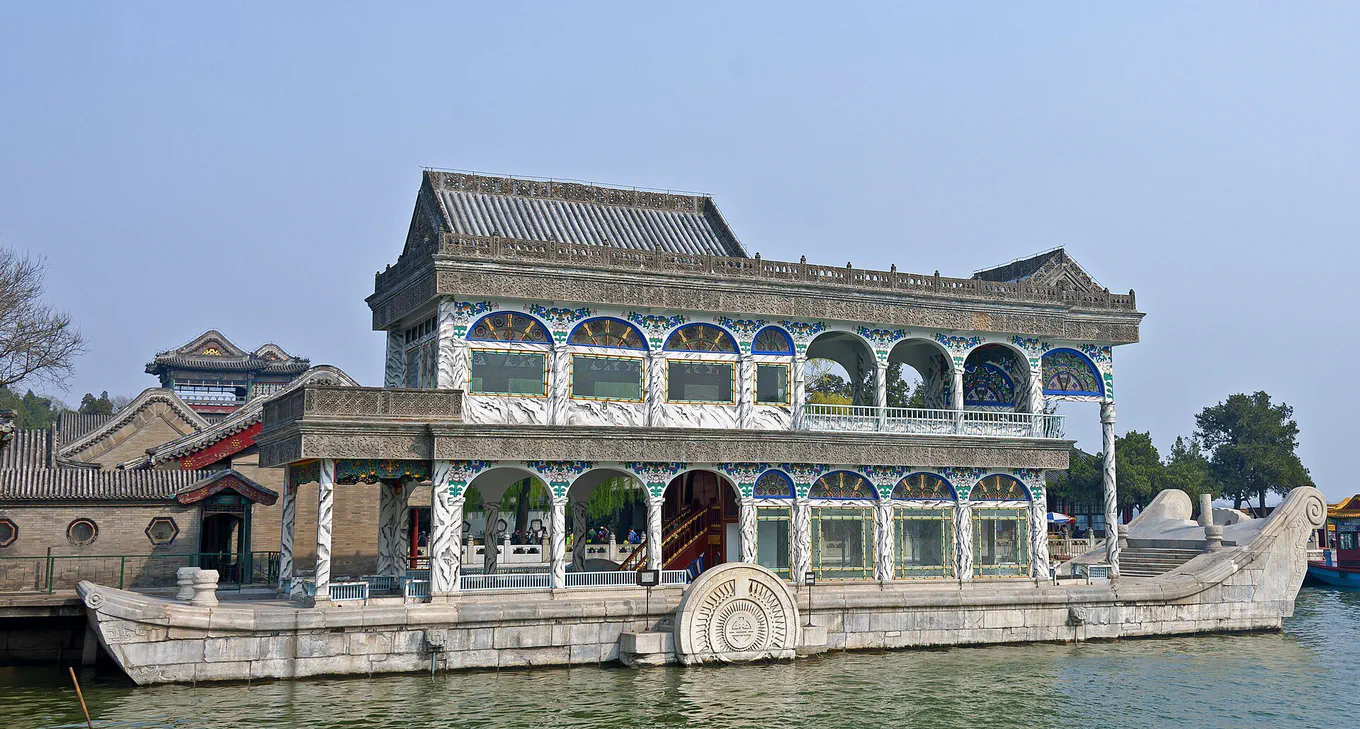
The Empress Dowager Cixi, once an emperor’s concubine, ran the Qing government on and off for decades. The Marble Boat in the Summer Palace had burned on Lord Elgin’s orders, and in 1893 she had it restored, in wood painted to look like marble, with imitation paddlewheels like a steamer’s. A year later, in war with Japan, China’s Beiyang Fleet was virtually destroyed. Many blamed Cixi, saying she had spent the navy’s money on the palace. Chinese historians now doubt she was to blame. The boat still says she was.
4 The last emperor’s three hours to leave the Forbidden City
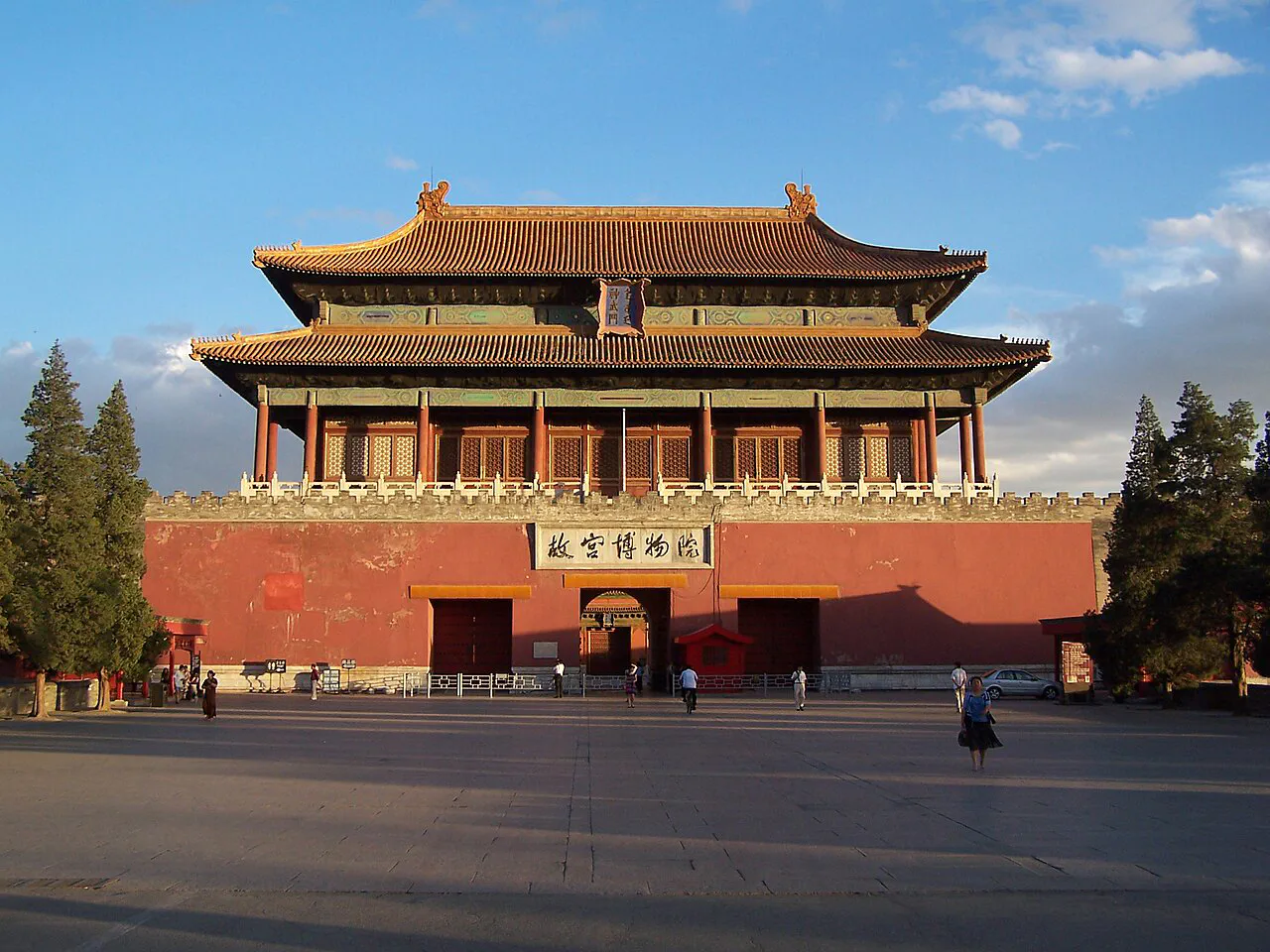
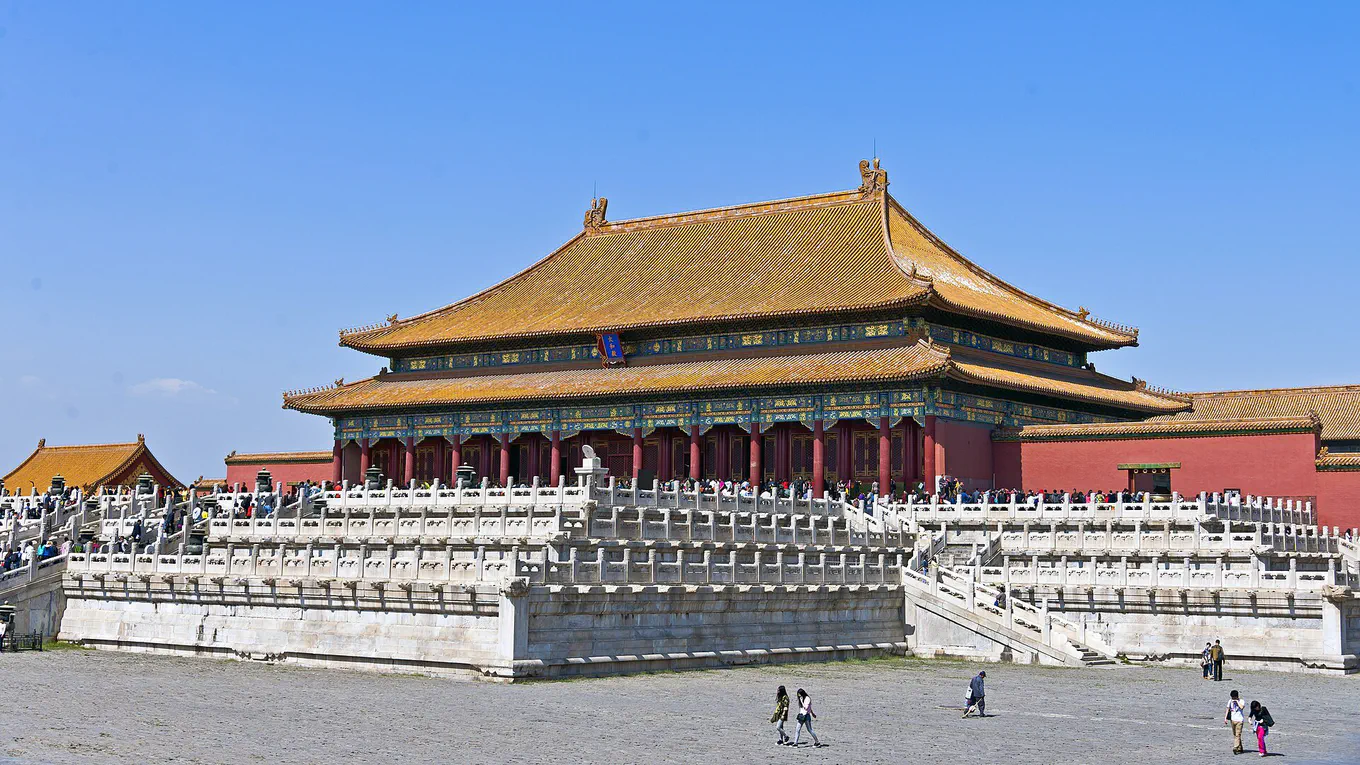
Stand here. The Forbidden City, the imperial palace, run by the Palace Museum since 1925.
In The Last Emperor, Bernardo Bertolucci’s film, the dying Cixi summons a toddler to the Forbidden City to be emperor. In life, Puyi took the throne in 1908 aged two, and by his own account threw her sweets on the floor. After he abdicated, he was allowed to keep the palace’s northern half. He raced bicycles through it with his wife and phoned people in the city at random, just to hear their voices. Then, in 1924, a warlord expelled him and gave him three hours to leave.
5 Peking Man and the footlockers that vanished in 1941
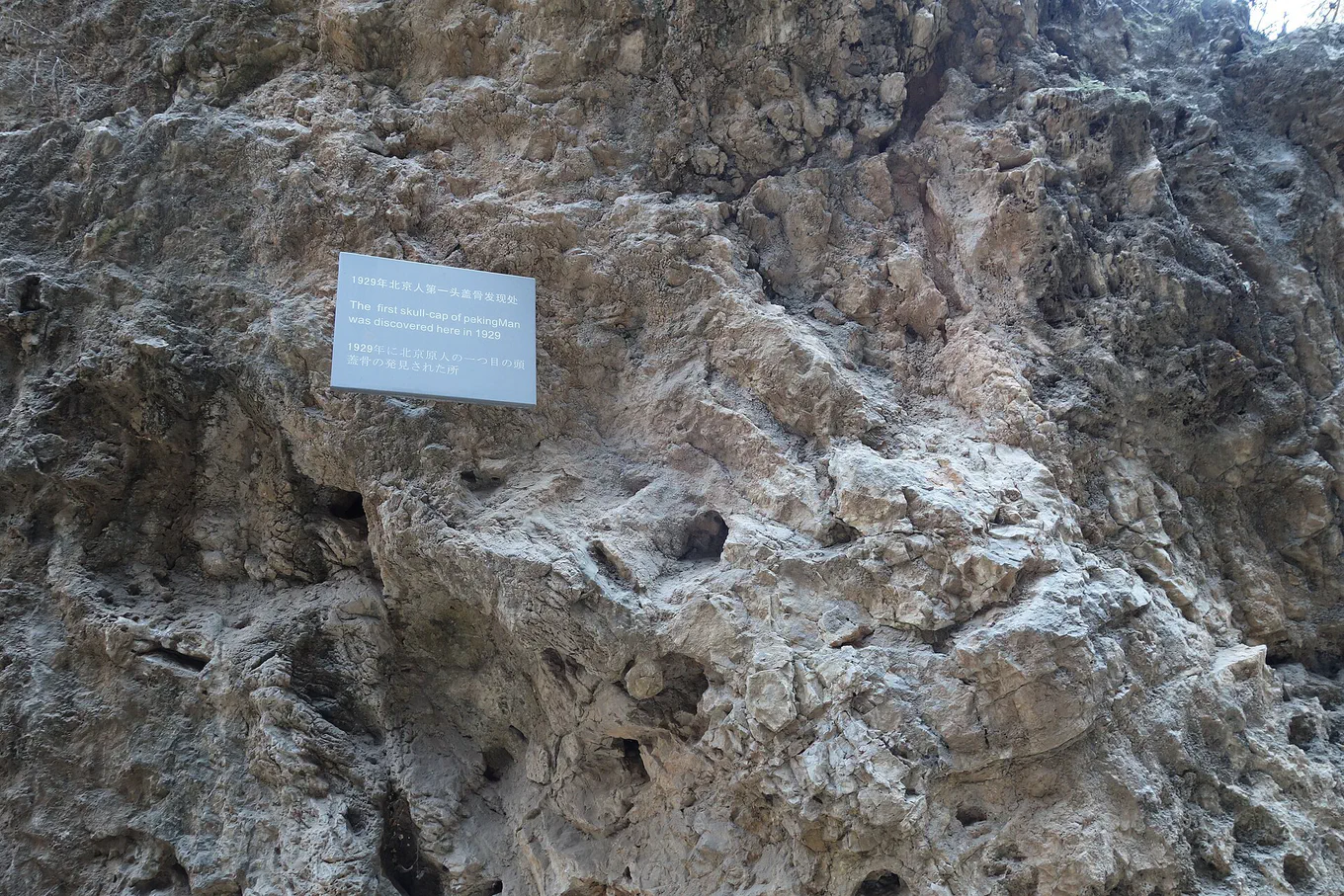
Stand here. The Zhoukoudian Peking Man Site, caves in Fangshan District about 50 km south-west of central Beijing, and a UNESCO World Heritage Site.
Peking Man’s fossils were found in a cave here, in deposits up to 800,000 years old. In 1929, the Chinese anthropologist Pei Wenzhong found a fairly complete skullcap. Twelve years later, to keep them safe from Japanese forces, the fossils were packed into two wooden footlockers for the US Marines to carry to the United States. The footlockers left the Peking Union Medical College on 4 December 1941. Despite many searches and large cash rewards, no one knows what happened to them.
Pack nothing. Leave Friday.
Every Friday, I write a free letter, Journey, that takes us on a trip through places, stories, and ideas.
Twilight in the Forbidden City(Reginald Johnston, 1934). A memoir. Puyi’s tutor, the man who got him onto a bicycle, writes about the last emperor as an eyewitness.
Midnight in Peking(Paul French, 2011). A true-crime history. The 1937 murder of nineteen-year-old Pamela Werner, whose father, a retired British diplomat, lived in the Legation Quarter.
Films to watch before you visit Beijing
The Last Emperor(Bernardo Bertolucci, 1987). A film. The story of Puyi, and the first Western feature film China allowed to shoot inside the Forbidden City.
55 Days at Peking(Nicholas Ray, 1963). A film. The Boxers’ siege of the foreign legations, the diplomats’ quarter of Beijing, though it was shot on location in Las Matas.
Questions
Can you go inside the Forbidden City?
Yes. The Forbidden City, once the imperial palace, has been run by the Palace Museum since 1925 and has been a UNESCO World Heritage Site since 1987. Since 2012, it has averaged about 14 million visitors a year.
Where was Peking Man found?
In a cave at Zhoukoudian, in Fangshan District, about 50 km south-west of central Beijing. The site has been a UNESCO World Heritage Site since 1987. The original fossils vanished in 1941, but Franz Weidenreich had made plaster casts, which he took to the American Museum of Natural History in New York.
What is a hutong?
It’s an alley. In Beijing, hutongs are the alleys formed by lines of siheyuan, traditional houses built around a courtyard. Many of the city’s hutongs were demolished in the thirty years between 1989 and 2019.