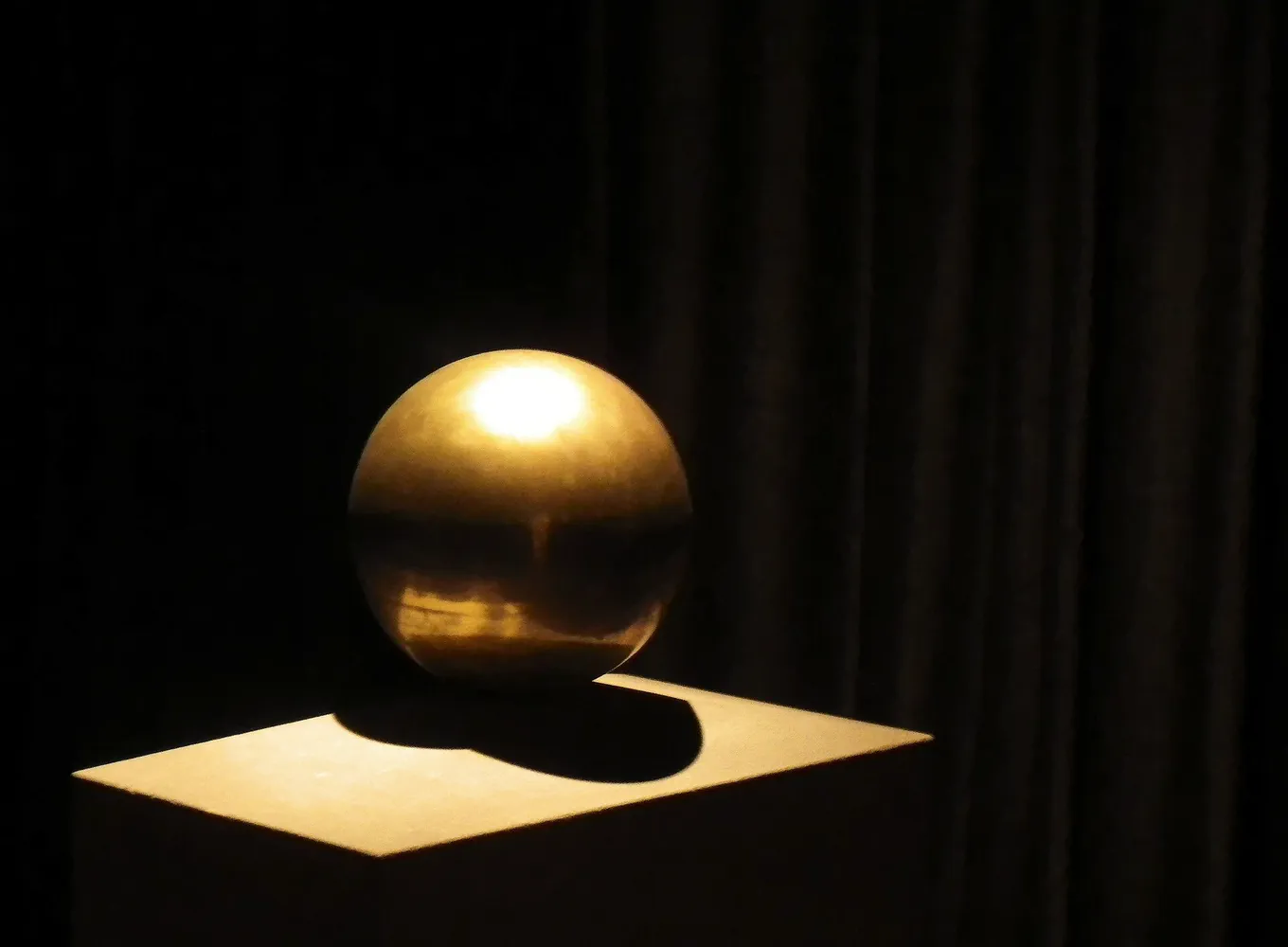
Nikola Tesla’s ashes are here in a gold-plated sphere. As a lover of the classic 90s video game series, Command and Conquer… I love that. From memory, Tesla spheres turned up in the Red Alert versions of the game.
— Nick
Belgrade, Serbia’s capital, stands where the Sava meets the Danube. It was the Roman town of Singidunum in the 1st century AD, and has been fought over in 115 wars. Its stories here are a siege that set church bells ringing, Tesla’s ashes, Gavrilo Princip’s target practice, a tavern named with a question mark, and a statue too naked for the city centre.
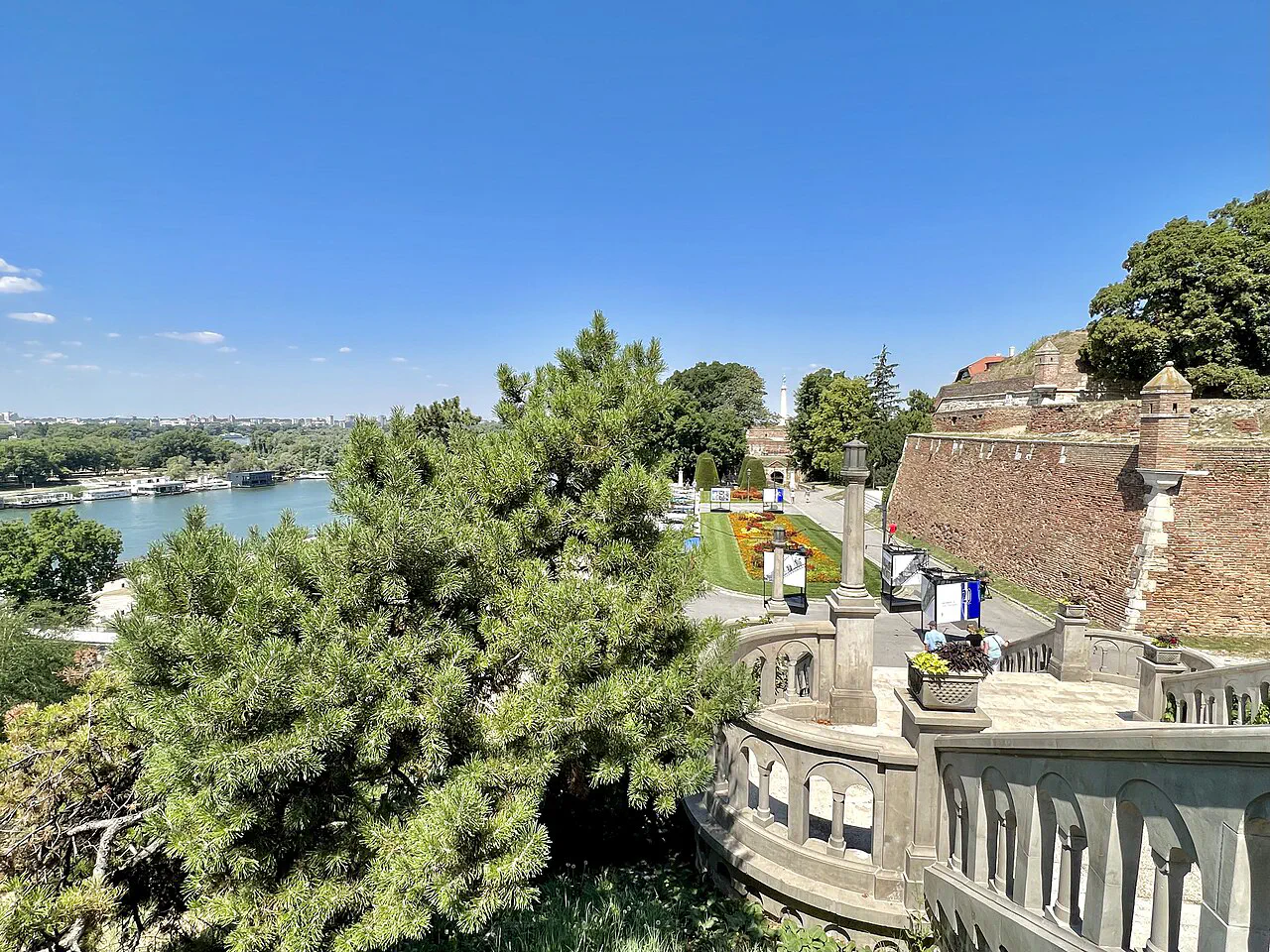
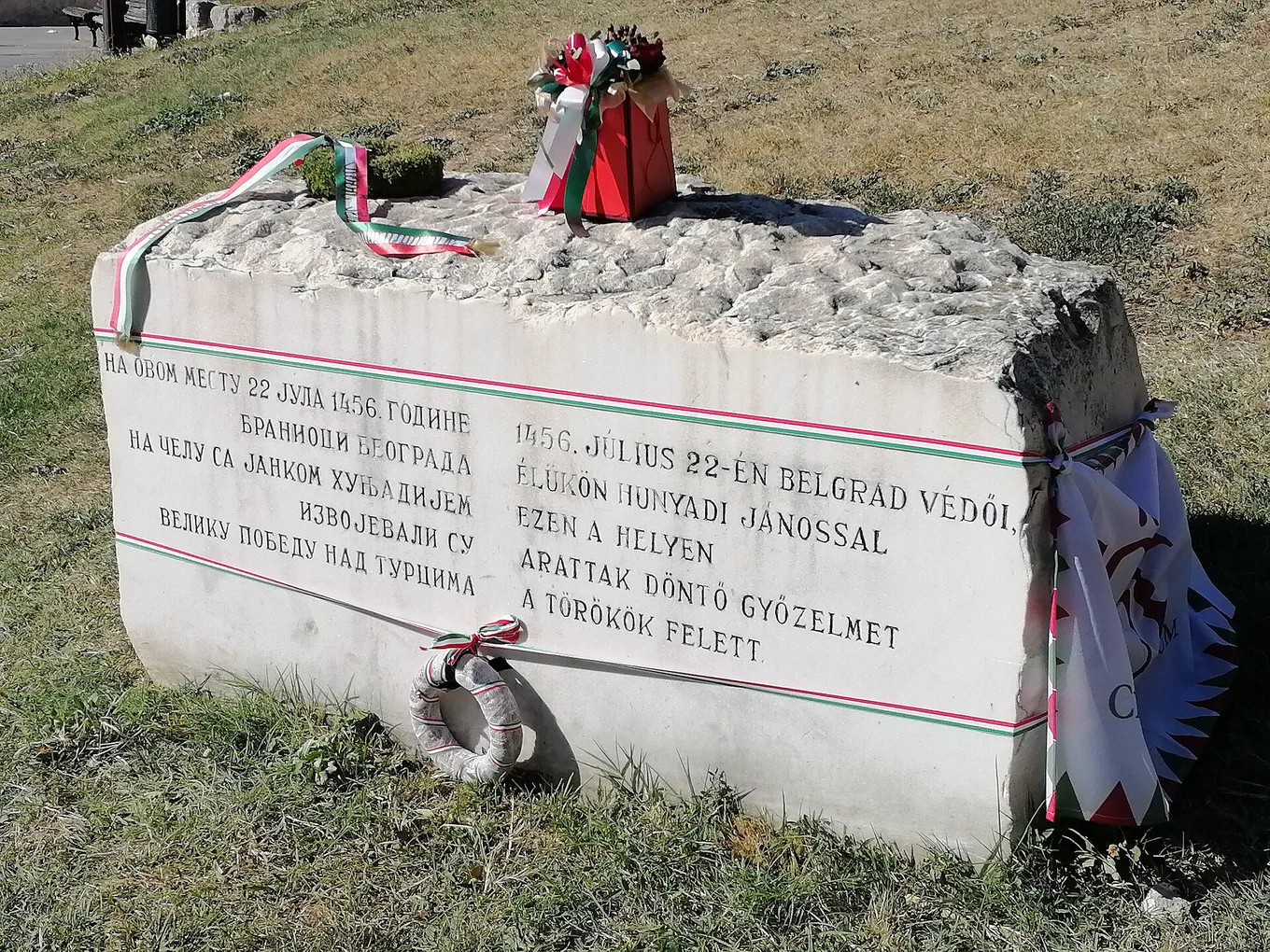
Many churches still ring a bell at noon because of this fortress. In July 1456, Sultan Mehmed II besieged Belgrade, which John Hunyadi, Hungary’s captain-in-chief, had strengthened at his own expense. Pope Callixtus III ordered Europe’s church bells rung every noon, a call to pray for the defenders. On 22 July, the wounded Sultan retreated. In England and the Spanish kingdoms, news of the victory arrived before the Pope’s order, so the noon bell became a commemoration of the victory. But plague broke out in the camp, and three weeks after his victory, Hunyadi was dead.
2 Nikola Tesla’s ashes in a golden sphere on Krunska Street
Stand here. The Nikola Tesla Museum, in a villa of 1927 at Krunska 51. His ashes are on show in a gold-plated sphere.
Nikola Tesla, the AC electricity pioneer, died alone at the Hotel New Yorker in 1943. His belongings were to go to his nephew, Sava Kosanović, an exiled Yugoslav politician, so the FBI had them seized, in case plans for a purported beam weapon reached America’s enemies. Kosanović pressed until the estate went to Belgrade, and the ashes came to this museum. In 2014, a plan to move them to the Saint Sava cathedral drew over 36,000 people to a Facebook group called ‘Leave Tesla alone’. The ashes are still here.
3 Gavrilo Princip’s target practice in Topčider forest
Stand here. Topčider, a forest park five kilometres south of central Belgrade, and today one of the city’s main places for picnics.
Before Gavrilo Princip shot Archduke Franz Ferdinand, heir to the throne of Austria-Hungary, in Sarajevo, he practised in this forest. In 1912, wanting Bosnia free of Austrian rule, he walked 280 kilometres to Belgrade, and the commander of the Komite units turned him away for being too small and looking too weak. In May 1914, he and two other young Bosnians were given pistols and grenades and brought here to train. The boy who looked too weak proved the best shot.
4 The kafana on King Peter Street called ‘?’
Stand here. 6 Kralja Petra Street, in a building of 1823. Still a working kafana, it is the oldest in Belgrade.
In 1892, Ivan Pavlović took over a kafana, a traditional tavern, near Belgrade’s cathedral, and planned to rename it Kod Saborne crkve, ‘By the Cathedral Church’. The church authorities protested hard, because they did not want their cathedral in a tavern’s name. So, as a temporary fix, Pavlović put a question mark on the door, and the question mark soon became the official name. For a while, smoking was banned inside, out of respect for the church. The temporary fix is still its name.
5 Meštrović’s naked Victor, banished to Belgrade Fortress
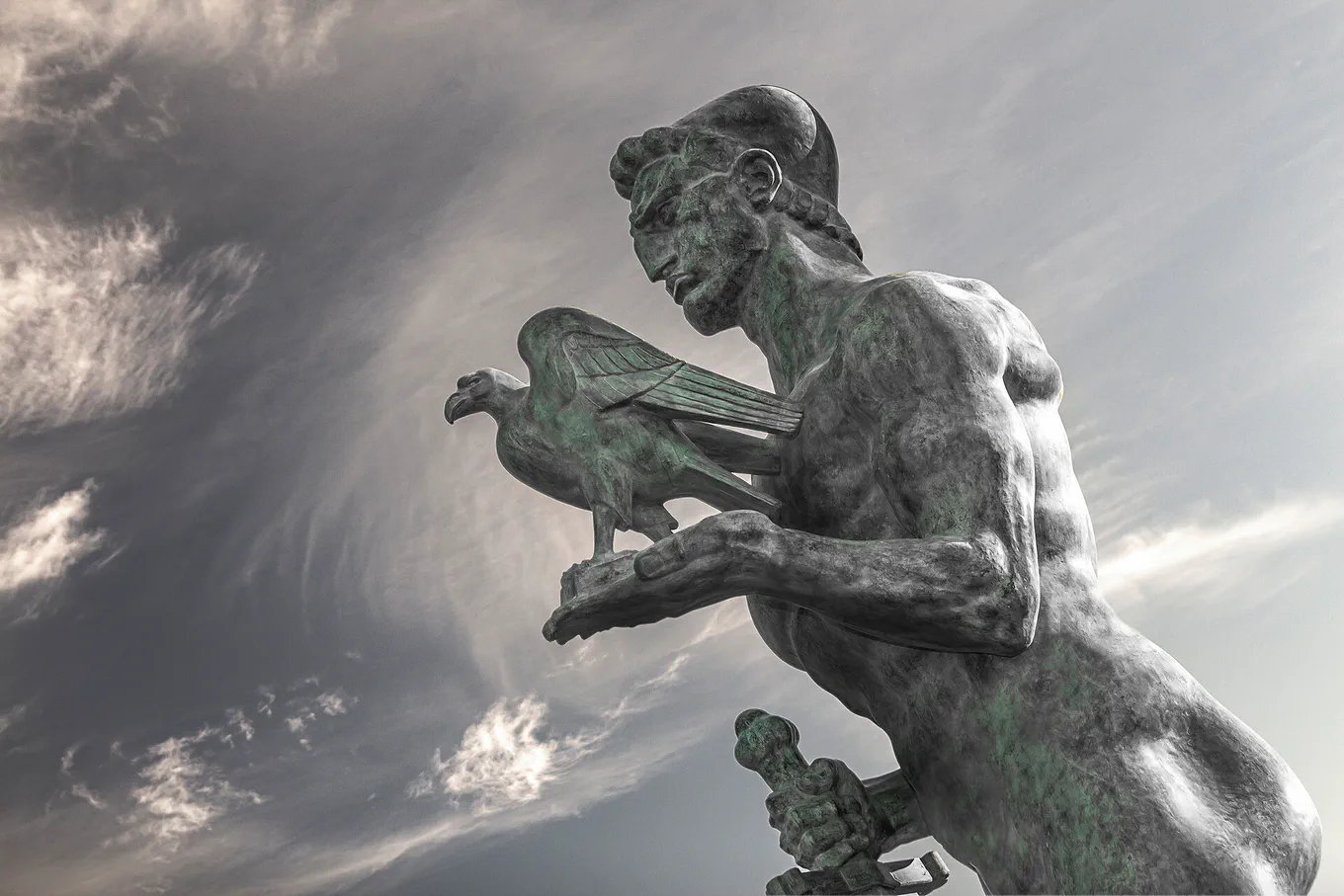
Stand here. The Victor, perhaps Belgrade’s best-known symbol, on the Upper Town of the fortress, looking out over the meeting of the Sava and Danube.
The Croatian sculptor Ivan Meštrović made the Victor, and Belgrade planned to stand him on a column in the middle of a fountain on Terazije, in the city centre. But the Victor is naked, and the public called a nude man there ‘rude’. So the council sent him to the fortress ridge, where he was unveiled in 1928, a sword in one hand and a falcon in the other. Art historians tend to believe he was set facing away from the city ‘not to be seen better, but to be seen less’.
Pack nothing. Leave Friday.
Every Friday, I write a free letter, Journey, that takes us on a trip through places, stories, and ideas.
Leeches(David Albahari, 2006, in English 2011). A novel. A nameless journalist sees a man slap a woman on the Danube bank, as anti-Semitic attacks rise in Zemun.
In the Hold(Vladimir Arsenijević, 1994). An anti-war novel of autumn 1991, the time of the Battle of Vukovar, told from the side of people living in Belgrade.
Götz and Meyer(David Albahari, 1998). A novel. Its narrator investigates the wartime genocide of Belgrade’s Jews, who were interned at the Sajmište camp in 1942.
Films to watch before you visit Belgrade
Underground(Emir Kusturica, 1995). A film, winner of the Palme d’Or. It opens on the morning of 6 April 1941, as two friends pass through Kalemegdan, calling out to a keeper at Belgrade Zoo.
The Wounds(Srđan Dragojević, 1998). A Serbian drama film whose characters live in a block of flats in Paviljoni, a neighbourhood of New Belgrade.
Who’s Singin’ Over There?(Slobodan Šijan, 1980). A film. A busload of passengers heads for Belgrade in 1941, and reaches it early on Sunday 6 April, amid rumours of war.
Montevideo, God Bless You!(Dragan Bjelogrlić, 2010). A film. In 1930, eleven gifted, mostly unknown footballers come together from the cobbled streets of Belgrade’s poor neighbourhoods.
Questions
Can you see Nikola Tesla’s ashes in Belgrade?
Yes. They are in a gold-plated sphere on a marble pedestal at the Nikola Tesla Museum, Krunska 51.
Where is the Victor statue in Belgrade?
On the Upper Town of Belgrade Fortress, looking out over the meeting of the Sava and the Danube. Ivan Meštrović’s 14-metre monument was cast in 1913 and unveiled there in 1928, after objections to a nude statue on Terazije, in the city centre.
What does the name Belgrade mean?
White City. The Serbian name is Beograd. The first record of the name, as Belograd, is in a letter from the Pope to the Bulgarian ruler Boris I, dated 16 April 878.