Bhopal is the capital of the Indian state of Madhya Pradesh. Its Upper Lake dates from the 11th century, and from 1819 to 1926 Bhopal was ruled by four women, the Begums. Its stories are a king’s cure, a widow’s veil, a princess who gave up a throne, and a station master on the night of the 1984 gas leak.
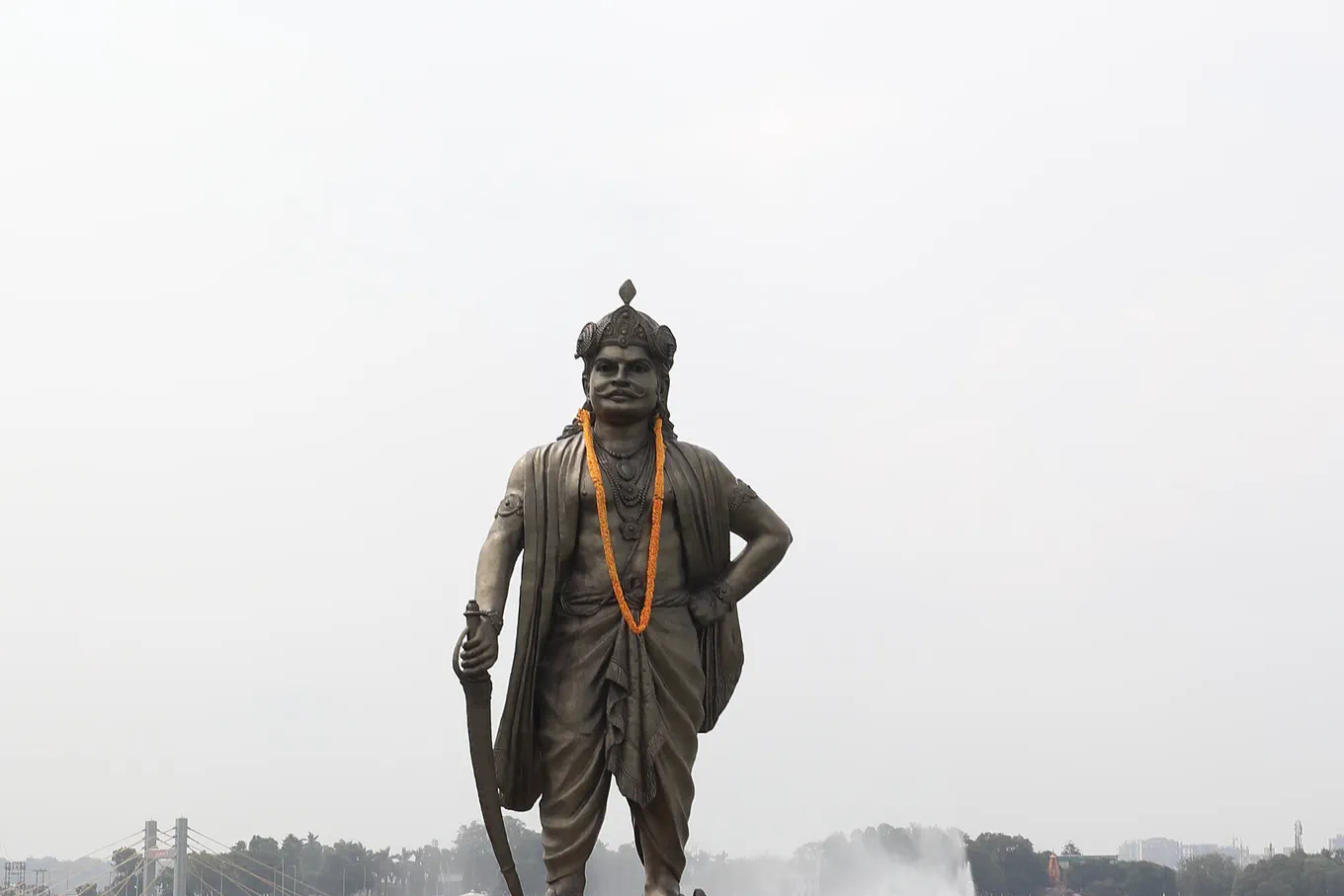
Legend says that Raja Bhoj, king of Malwa in the 11th century, had a skin disease no doctor could cure. A saint told him to build a tank, or reservoir, that gathered 365 streams, and to bathe in it. A site was found, but it had only 359. Kalia, a commander from the Gond people, made up the shortfall. He knew of an invisible river, and its streams brought the count to 365. An earthen dam across the Kolans River made the lake, and Bhopal still drinks from it.
2 Qudsia Begum, the widow who began Bhopal’s rule of women
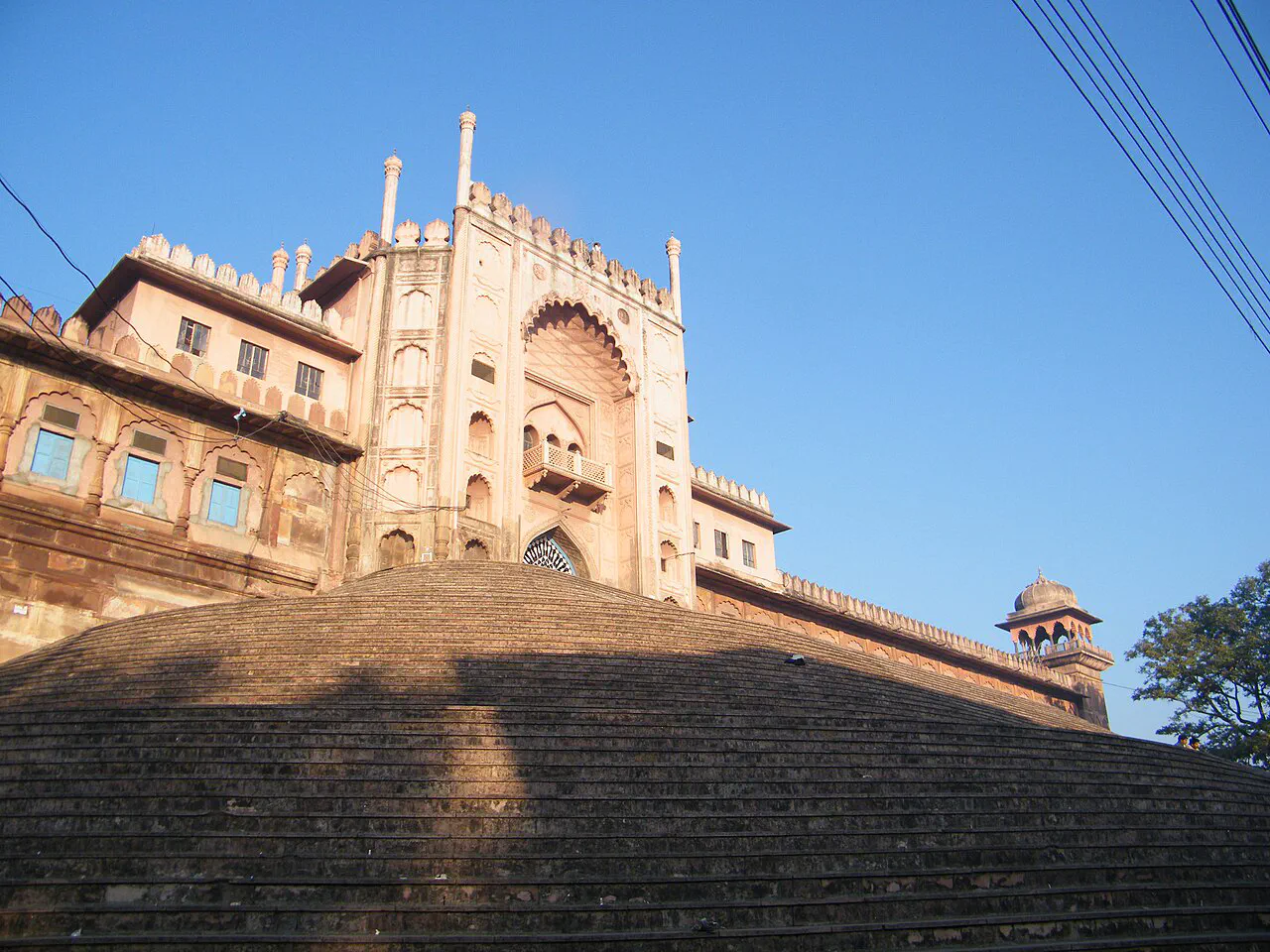
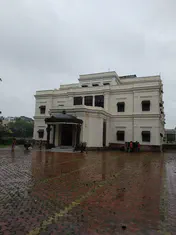
Stand here. Gohar Mahal, the palace Qudsia built on the Upper Lake in 1820, blends Hindu and Mughal styles and hosts art exhibitions and fairs.
In 1819, Nazar Mohammad Khan, the Nawab of Bhopal, died after a shot rang out at a family picnic. He left a nineteen-year-old widow, Qudsia, and a daughter, Sikandar. That November, a gathering met to decide what came next. Qudsia took off her veil and addressed them as Nazar’s widow. The gathering made Sikandar the ruler, with Qudsia as regent. Four women would rule Bhopal for the next 107 years.
3 Abida Sultan, the Bhopal heir who gave up the throne
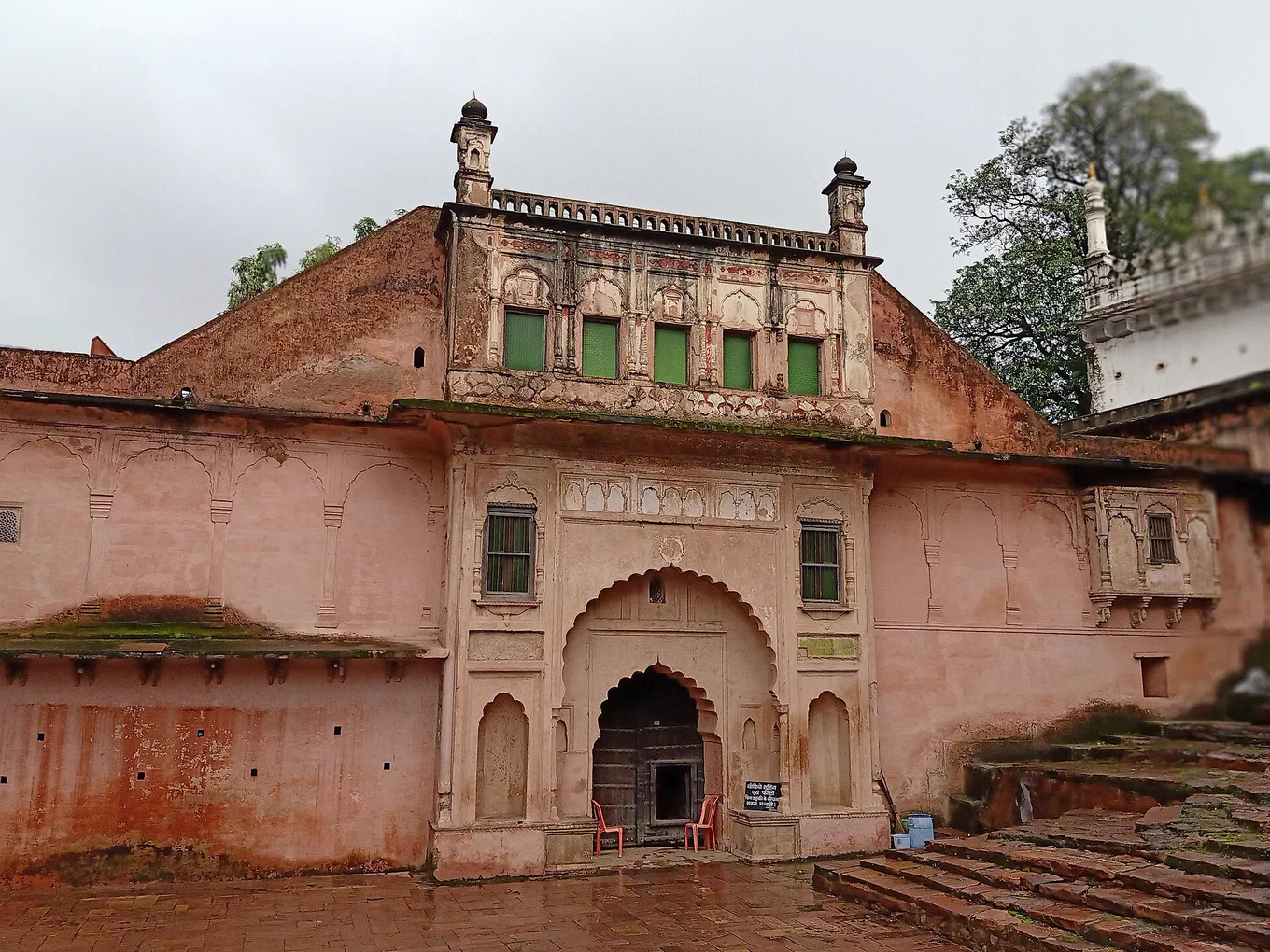
Stand here. Noor-us-Sabah, “Light of Dawn”, the palace her father built for her in the 1920s. It is now a heritage hotel.
Saif Ali Khan, the Bollywood actor, is the grandson of Sajida Sultan, who inherited Bhopal’s throne only because her elder sister gave it up. That sister, Abida Sultan, had been named heir. She flew aeroplanes, played polo, and wore her hair short. Aged 37, she moved to the new Pakistan with her young son and renounced her right to the throne. When their father, the last Nawab, died in 1960, Abida went to court to contest the succession. Sajida succeeded all the same.
4 Ghulam Dastagir and the trains at Bhopal Junction
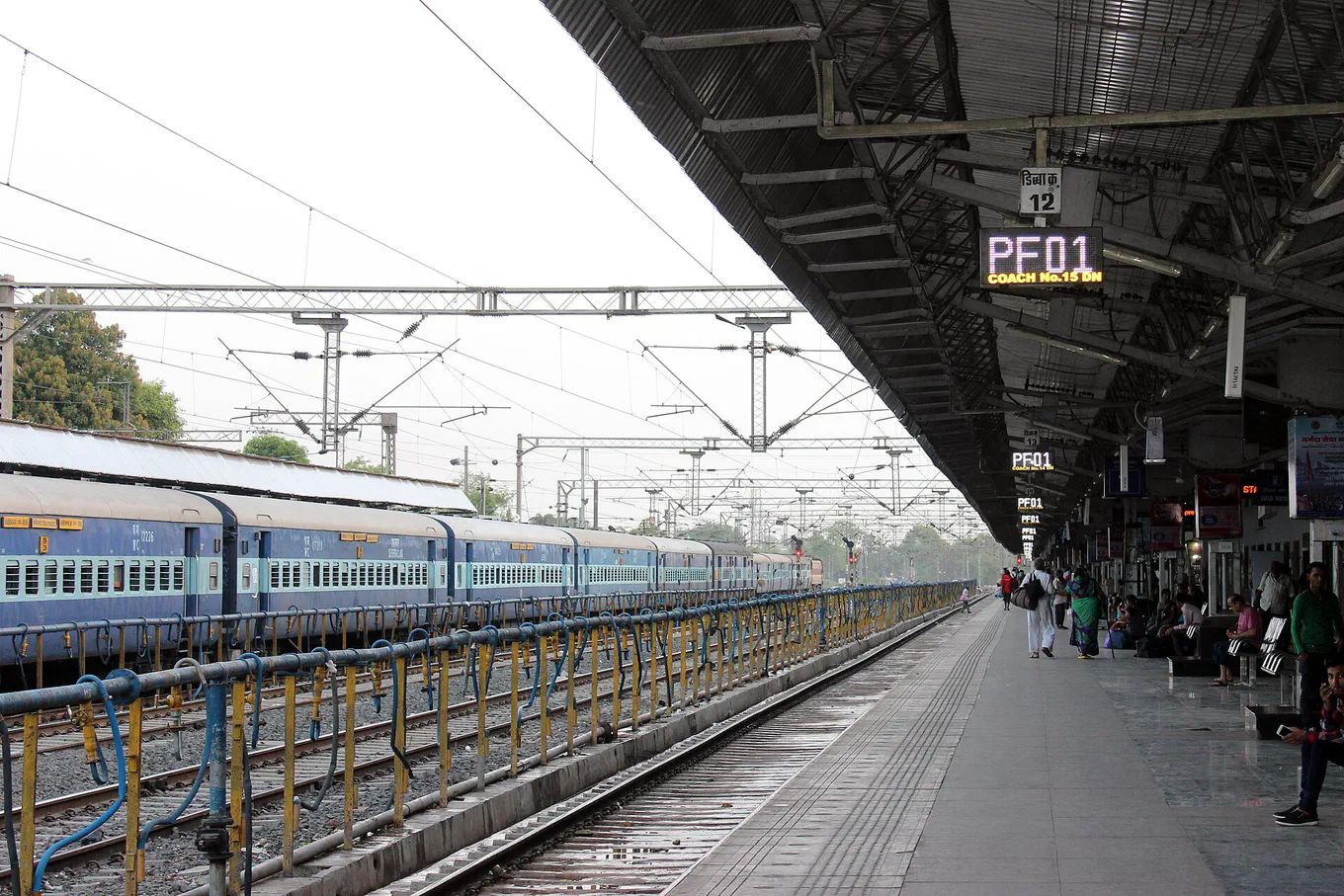
Stand here. Platform 1 at Bhopal Junction. Its memorial honours railway staff who died on duty in the gas leak, but not Dastagir, who died later.
The Netflix series The Railway Men is inspired by Ghulam Dastagir, deputy station superintendent at Bhopal on the night of 2 December 1984. Stepping on to the platform after 1am, he felt his eyes burn. Gas had leaked from the Union Carbide plant. He had Vidisha, Itarsi, and other stations stop all trains to Bhopal, and broke the rules to send an express out early. He stayed at his post, helping victims, and lost a son that night. The gas killed him in 2003, after nineteen years in and out of hospital.
Pack nothing. Leave Friday.
Every Friday, I write a free letter, Journey, that takes us on a trip through places, stories, and ideas.
Five Past Midnight in Bhopal(Dominique Lapierre and Javier Moro, 1997). A history of the gas leak, from the factory to the railway station, where a warden tried to stop a train halting.
Animal’s People(Indra Sinha, 2007). A novel. Its fictional town, Khaufpur, is based on Bhopal, and its factory stands untouched and overgrown.
Memoirs of a Rebel Princess(Abida Sultan). A memoir by the heir who gave up Bhopal’s throne and moved to Pakistan.
Films to watch before you visit Bhopal
The Railway Men(Shiv Rawail, 2023). A Netflix miniseries. Kay Kay Menon plays the station master at Bhopal Junction, a character inspired by Ghulam Dastagir.
Bhopal: A Prayer for Rain(Ravi Kumar, 2014). A drama film. Martin Sheen plays Warren Anderson, head of Union Carbide, and Hyderabad stands in for Bhopal.
Satyagraha(Prakash Jha, 2013). A film. A political drama starring Amitabh Bachchan, based on the activist Anna Hazare, shot mainly in Bhopal and New Delhi, including at Bhopal’s 19th-century Benazir Palace.
Questions
Where is Bhopal?
Bhopal is the capital of the Indian state of Madhya Pradesh. Its Upper Lake was made in the 11th century by an earthen dam across the Kolans River, and it is still a major source of the city’s drinking water.
Is there a memorial to the gas leak at Bhopal railway station?
Yes. A memorial on platform 1 of Bhopal Junction honours the railway staff who died on duty on the night of the leak. Ghulam Dastagir, the deputy station superintendent who stopped trains coming in, isn’t named on it, because he died later, in 2003.
How many people died in the Bhopal gas disaster?
Estimates vary widely. On the night of 2–3 December 1984, about 30 tonnes of methyl isocyanate escaped from the Union Carbide plant within an hour. The official count of immediate deaths was 2,259. Other estimates put deaths from gas-related disease at 8,000 or more, and one report puts the overall toll at up to 25,000.