I spent a long stretch reading a massive book about Montaigne, and what gets me is how human he is. Bordeaux elected him mayor while he was at the baths in Italy. He said no. The king said yes. Some things about work haven’t changed much in 400 years.
— Nick
Bordeaux is a port city on the river Garonne in south-western France, capital of the Nouvelle-Aquitaine region and a world capital of wine. In 2007, UNESCO listed its historic centre, the Port of the Moon. Its stories here are Goya’s missing skull, a consul who defied his government, a thirteen-year-old duchess’s wedding, a mayor who stayed away from the plague, and an enslaved woman’s statue on the quay.
1 Goya’s last home in Bordeaux, and his missing skull
Stand here. 57 cours de l’Intendance, Goya’s last home, an 18th-century building that now houses the Instituto Cervantes and its permanent exhibition, Goya à Bordeaux.
Francisco Goya, deaf and, like many liberals, disillusioned with Spain’s restored monarchy, settled in Bordeaux in 1824, cared for by Leocadia Weiss, his younger companion. He died after a stroke four years later and was buried in the Chartreuse cemetery. Sixty years on, the tomb was opened to send him home to Spain, and his skull was not among the bones. The Spanish consul told Madrid, which wired back, “Send Goya, with or without head.” He lies in Madrid, under a dome he had painted. The head has never been found.
2 Aristides de Sousa Mendes and the visas of Bordeaux
Stand here. A plaque at 14 quai Louis XVIII marks the Portuguese consulate’s address. A bust of the consul stands on the Esplanade Charles de Gaulle.
Salvador Dalí and H. A. and Margret Rey, the authors of Curious George, all got visas from Aristides de Sousa Mendes, Portugal’s consul-general in Bordeaux. His government had banned visas for refugees, Jews among them. In mid-June 1940, he decided to give visas to everyone. One biographer counts thousands issued in three days. Salazar recalled him, and he was tried and forced to retire. He died poor and disgraced in Lisbon in 1954, and was buried in a Franciscan tunic, because he had no suitable clothes of his own.
3 Eleanor of Aquitaine’s wedding in Bordeaux Cathedral
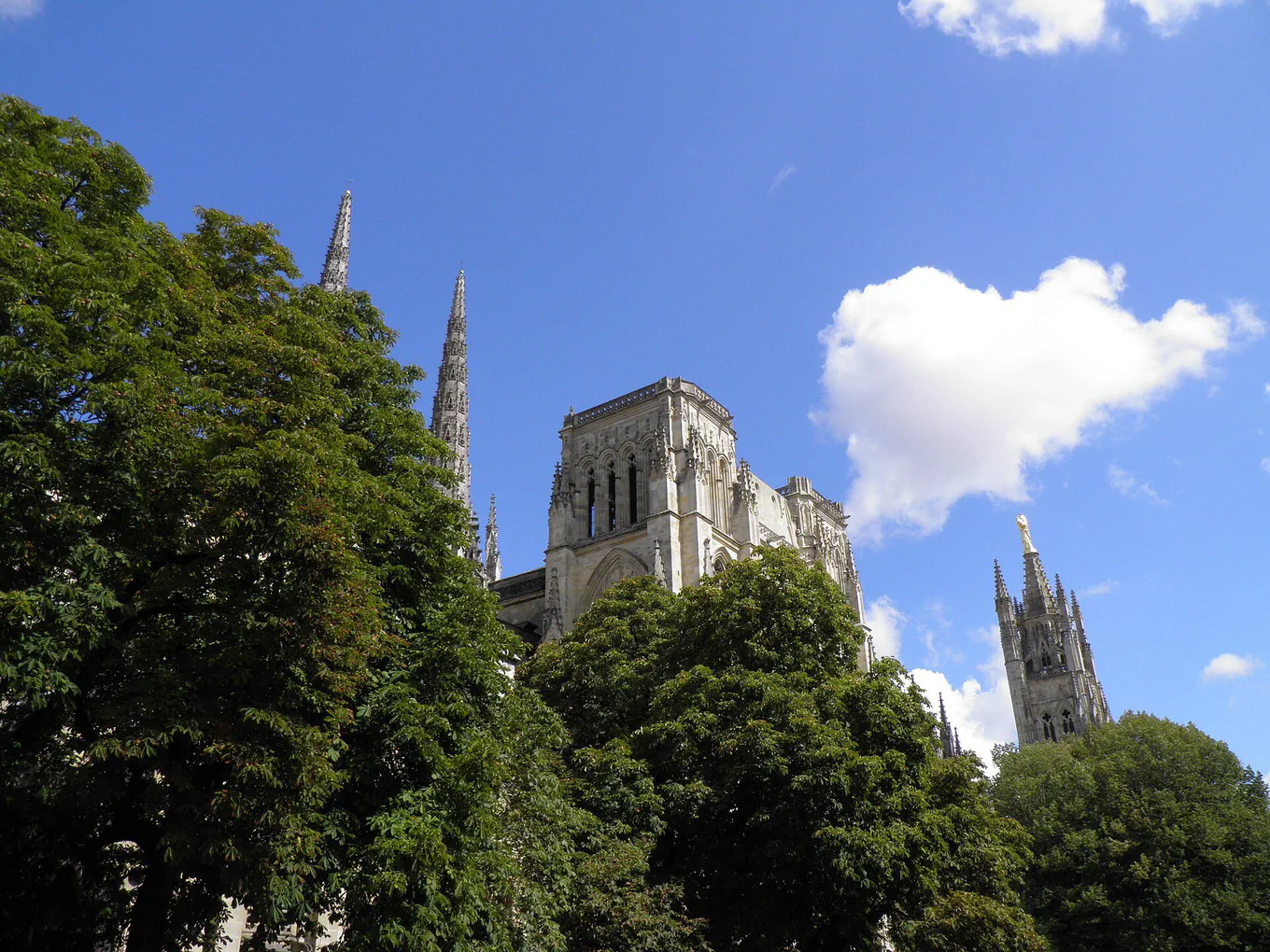
Stand here. The Cathédrale Saint-André, still the seat of the Archbishop of Bordeaux. Its separate bell tower went up between 1440 and 1500.
Katharine Hepburn won an Oscar as Eleanor of Aquitaine in The Lion in Winter. When her father died in 1137, Eleanor, aged thirteen, became duchess of Aquitaine and one of Europe’s richest heiresses. That July, she married Louis, the French king’s son, in this cathedral, and within a week the king was dead and she was queen of France. After fifteen years and no son, the marriage was annulled. Eight weeks later, she married Henry of Normandy, and Aquitaine went with her. In 1154, she was queen of England.
4 Montaigne, the reluctant mayor of Bordeaux
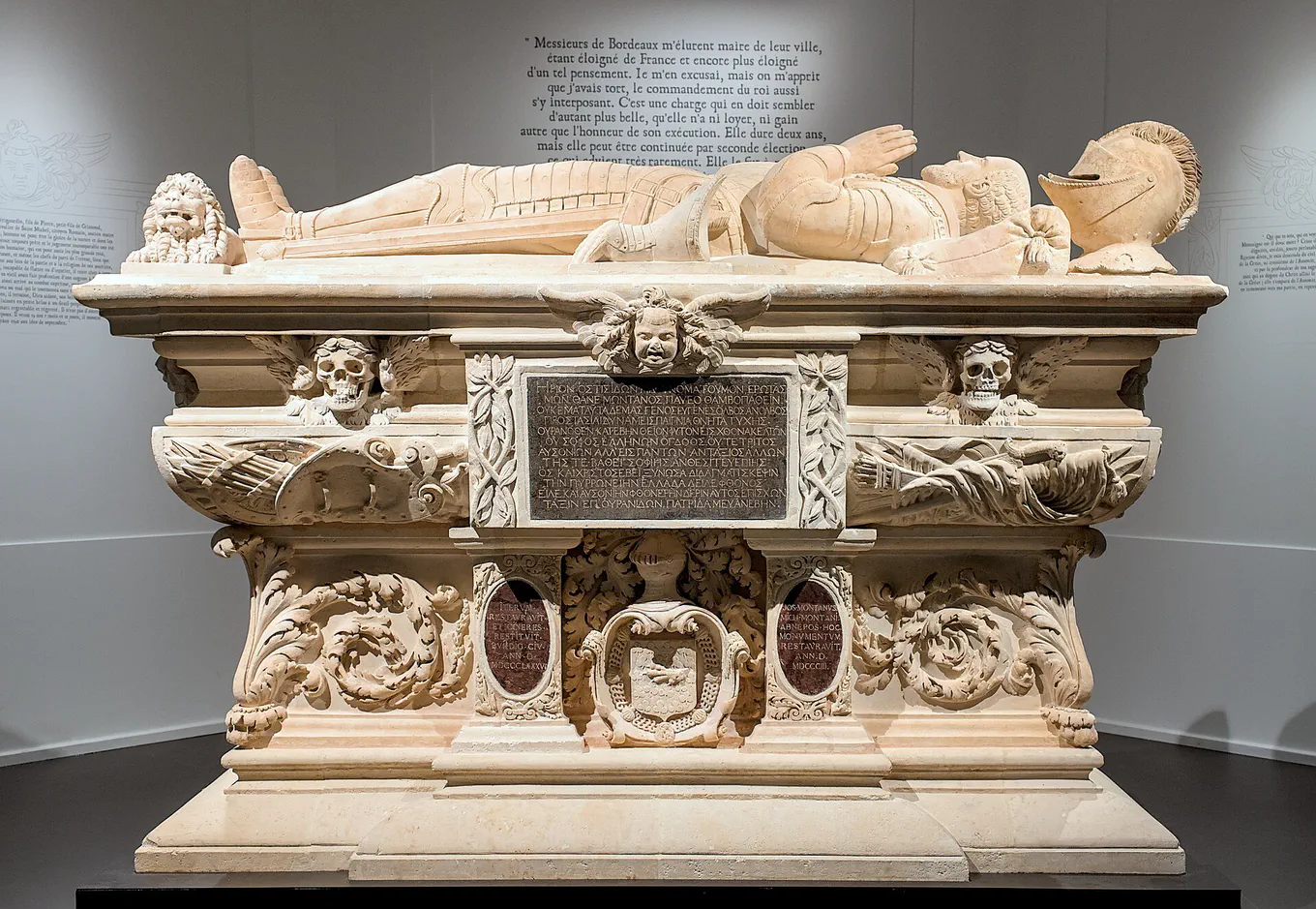
Stand here. The Musée d’Aquitaine, where Montaigne’s cenotaph, an empty tomb his widow commissioned in 1593, shows him in armour, praying.
Montaigne’s cenotaph in the Musée d’Aquitaine, Bordeaux, carved by Pierre Prieur and Jacques Guillermain.Romainbehar / Public domain.
In 1581, at the baths of Lucca in Italy, Michel de Montaigne, who popularised the essay, heard that Bordeaux had elected him mayor. He refused, but at his château a letter from King Henri III told him to take office without delay. He served two terms. Six weeks before the second ended, in 1585, plague broke out, and it killed about fourteen thousand people. Montaigne was away, and didn’t come back to hand over to his successor. In a letter, he admitted without embarrassment that he feared the contagion.
5 Modeste Testas, and her statue on the Bordeaux quay
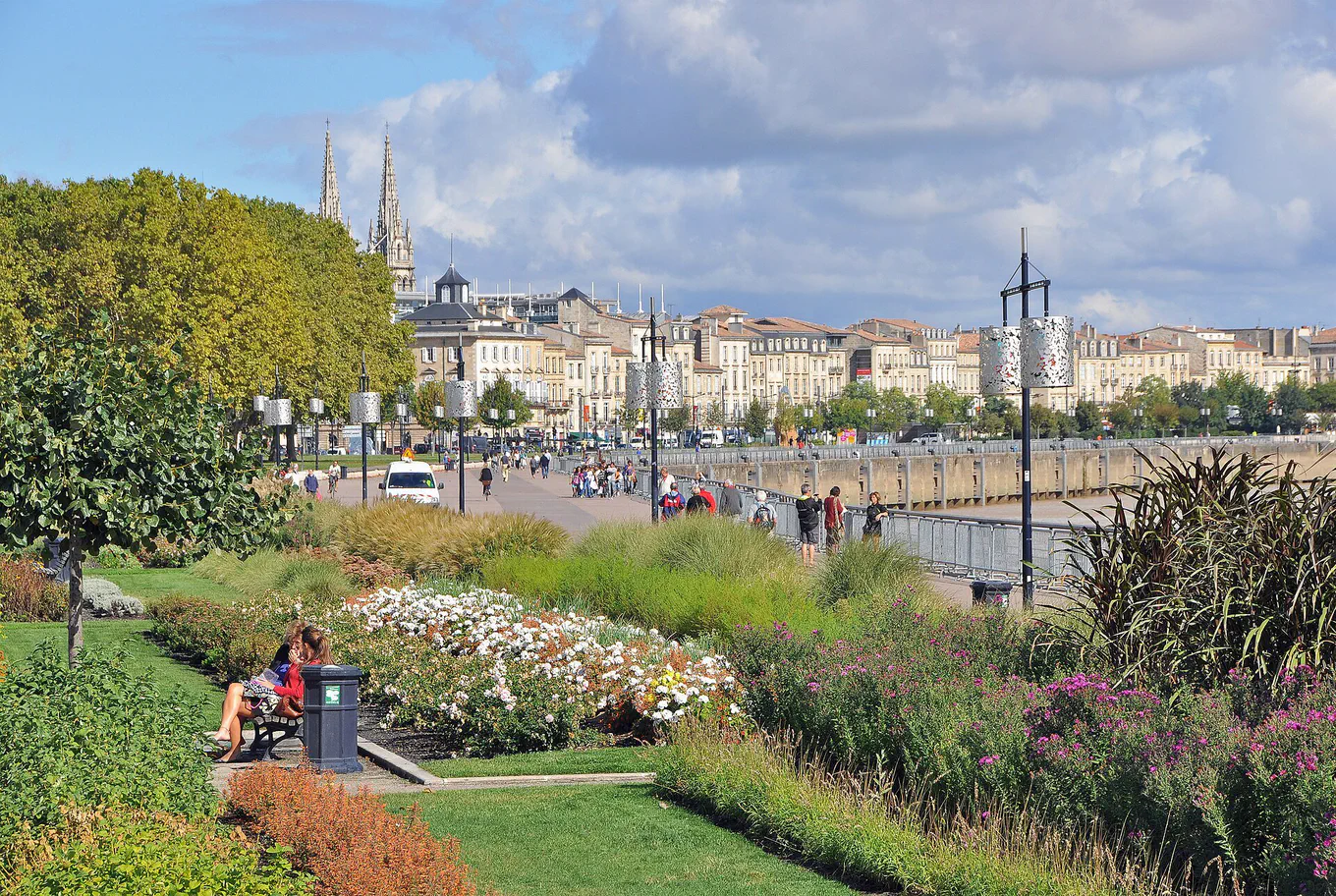
Stand here. The bronze statue of Modeste Testas, by the Haitian sculptor Woodly Caymitte, on quai Louis XVIII, facing the Bourse maritime.
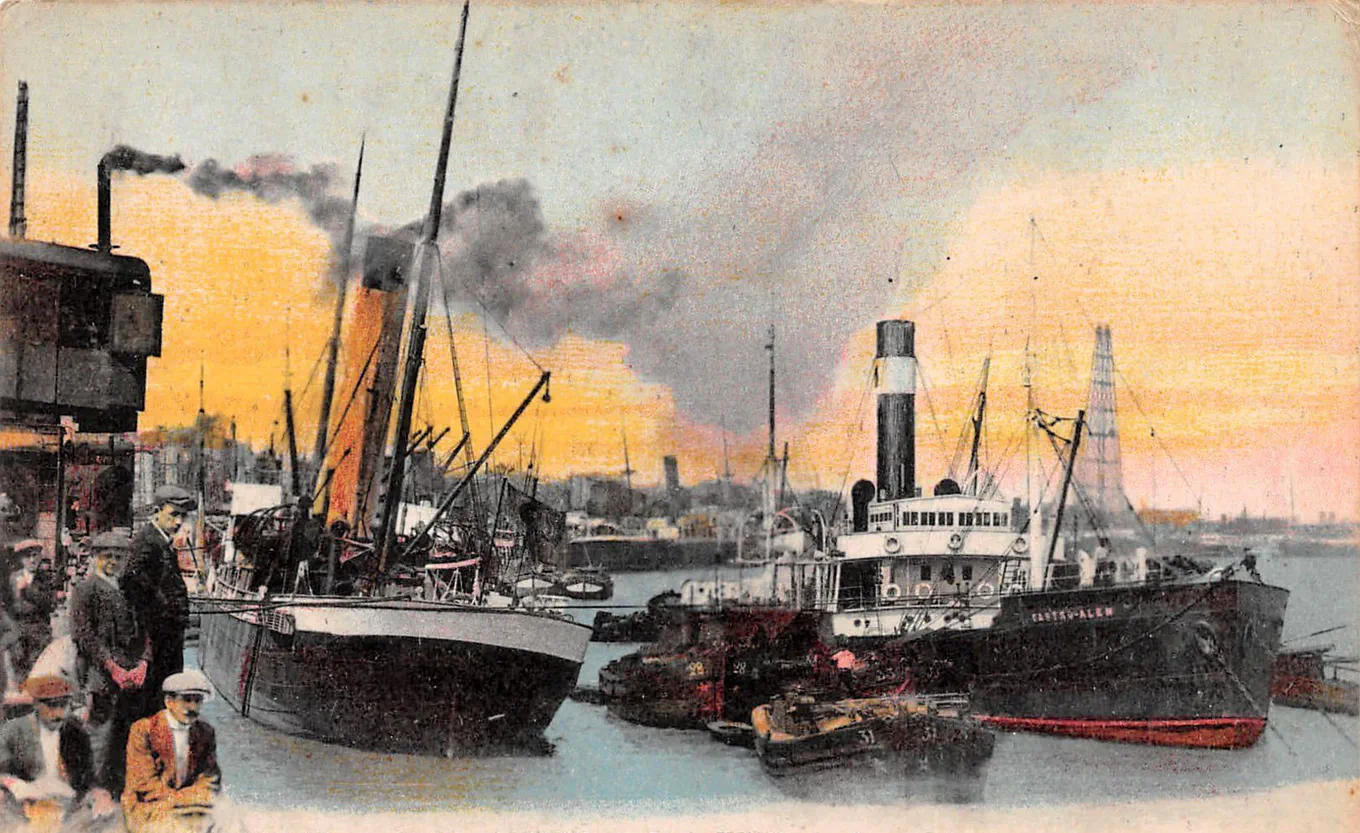
The quai Louis XVIII on the Bordeaux riverfront, the Garonne quay of the old port, on a Léon & Lévy postcard.Léon & Lévy / Public domain.
She was born Al Pouessi and came from Ethiopia, and was bought by two Bordeaux merchants and slave traders, Pierre and François Testas. She was taken with François to their plantation in Saint-Domingue, now Haiti, and had two children by him, in circumstances nobody knows. When he died, in Philadelphia, his will freed her, on condition that she marry. She lived to about 105. In 2019, Bordeaux, whose shipowners ran 480 slaving voyages, put her statue on its quay. Even the name she is remembered by, Testas, was her owners’.
Pack nothing. Leave Friday.
Every Friday, I write a free letter, Journey, that takes us on a trip through places, stories, and ideas.
Préséances(François Mauriac, 1921). A novel. Its mockery of the “cork aristocracy” of the Chartrons, the wine merchants’ quarter, earned Mauriac Bordeaux’s long hostility.
Thérèse Desqueyroux(François Mauriac, 1927). A novel inspired by a real case, the Canaby affair, also called the Chartrons affair after the Bordeaux quarter where the couple lived.
Le Mystère Frontenac(François Mauriac, 1933). A novel of the three Frontenac sons, set in the 1910s during the Belle Époque, between their houses in Bordeaux and Bourideys.
Films to watch before you visit Bordeaux
Goya in Bordeaux(Carlos Saura, 1999). A film. The old, sick Goya lives out his exile in Bordeaux.
Bon Voyage(Jean-Paul Rappeneau, 2003). A film. It was filmed partly outside the Grand Théâtre and in the Jardin public.
The Consul of Bordeaux(Francisco Manso and João Correa, 2012). A film. Vítor Norte plays Aristides de Sousa Mendes, in a drama shot partly in Bordeaux.
Un flic(Jean-Pierre Melville, 1972). A film. Melville shot some of its scenes at the Gare de Bordeaux-Saint-Jean.
Questions
Can you visit Goya’s house in Bordeaux?
Yes. Goya’s last home, an 18th-century building at 57 cours de l’Intendance, now houses the Instituto Cervantes, which runs a permanent exhibition, Goya à Bordeaux, on his life and work in the city. His body lies in Madrid, but a monument to him stands in the Chartreuse cemetery.
Where is Montaigne buried?
Nobody knows for sure. His monument, a cenotaph his widow commissioned in 1593, is in the Musée d’Aquitaine, but a cenotaph holds no body. In 2019, the museum announced that human remains found in its basement might be his. The analysis points that way, but the identification can’t be certain.
When did Bordeaux become a UNESCO World Heritage Site?
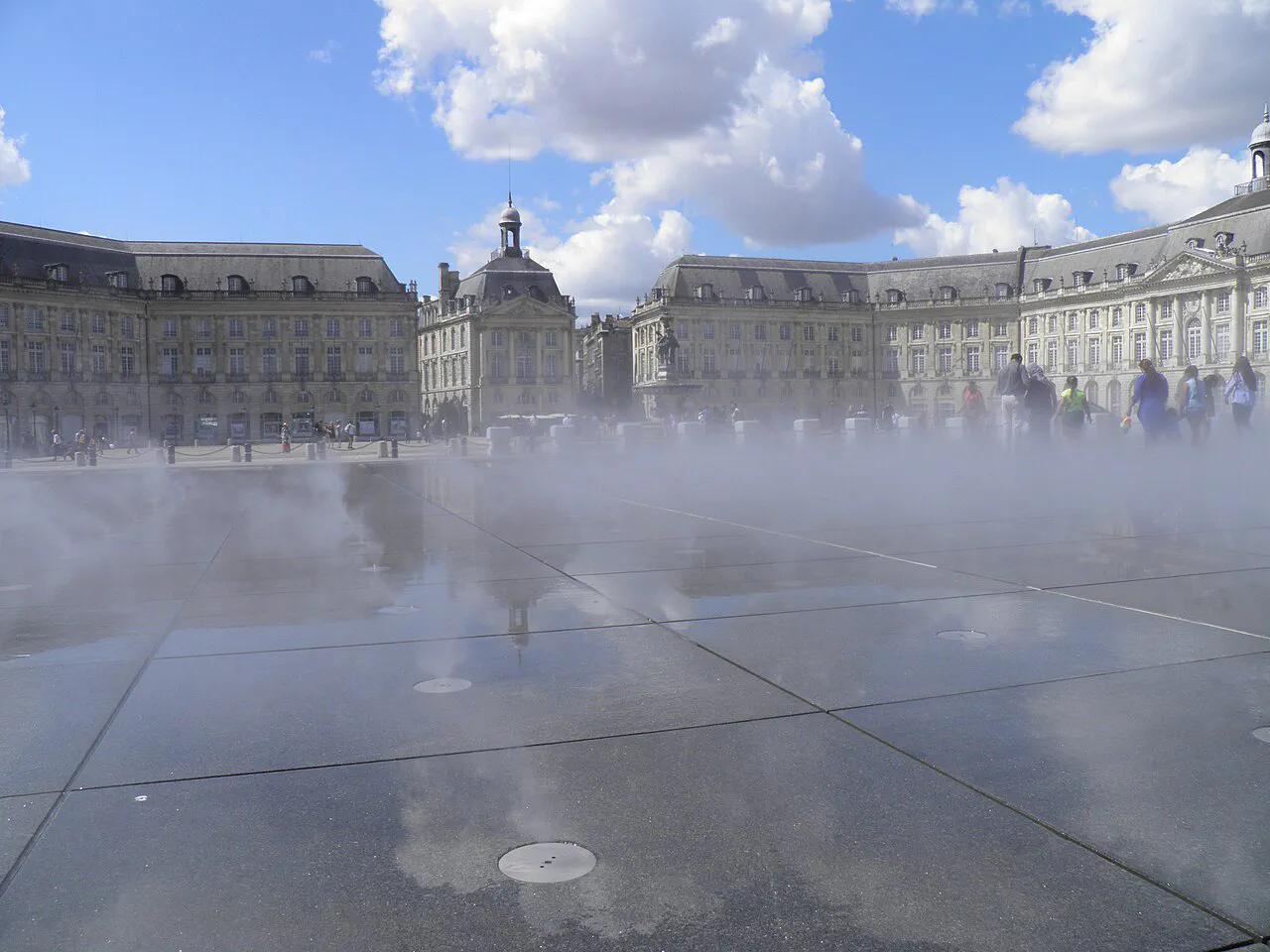
In 2007, UNESCO listed the historic centre, the Port of the Moon, which takes in 40% of the city. Bordeaux has more protected buildings than any other French city except Paris. Its Place de la Bourse was built along the Garonne from 1730 to 1775.