Bradford lies in West Yorkshire, in the eastern foothills of the Pennines, about 9 miles west of Leeds. It grew into the wool capital of the world, became a city in 1897, and in 2009 was named the world’s first UNESCO City of Film. Its stories are a Brontë’s failed studio, a wool merchant’s son in Florida, an actor’s last night, two cousins’ fairies, and the rescue of Salts Mill.
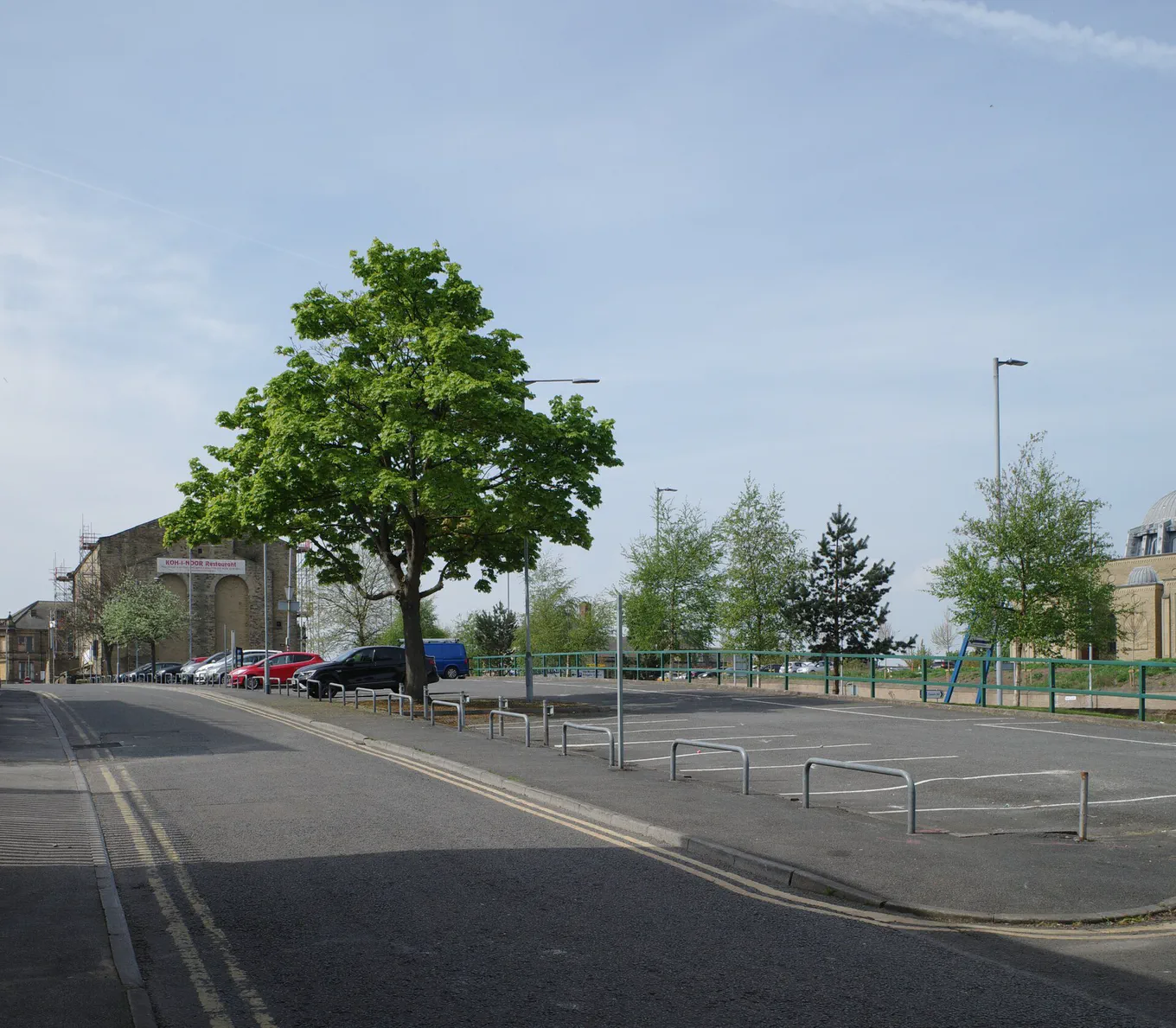
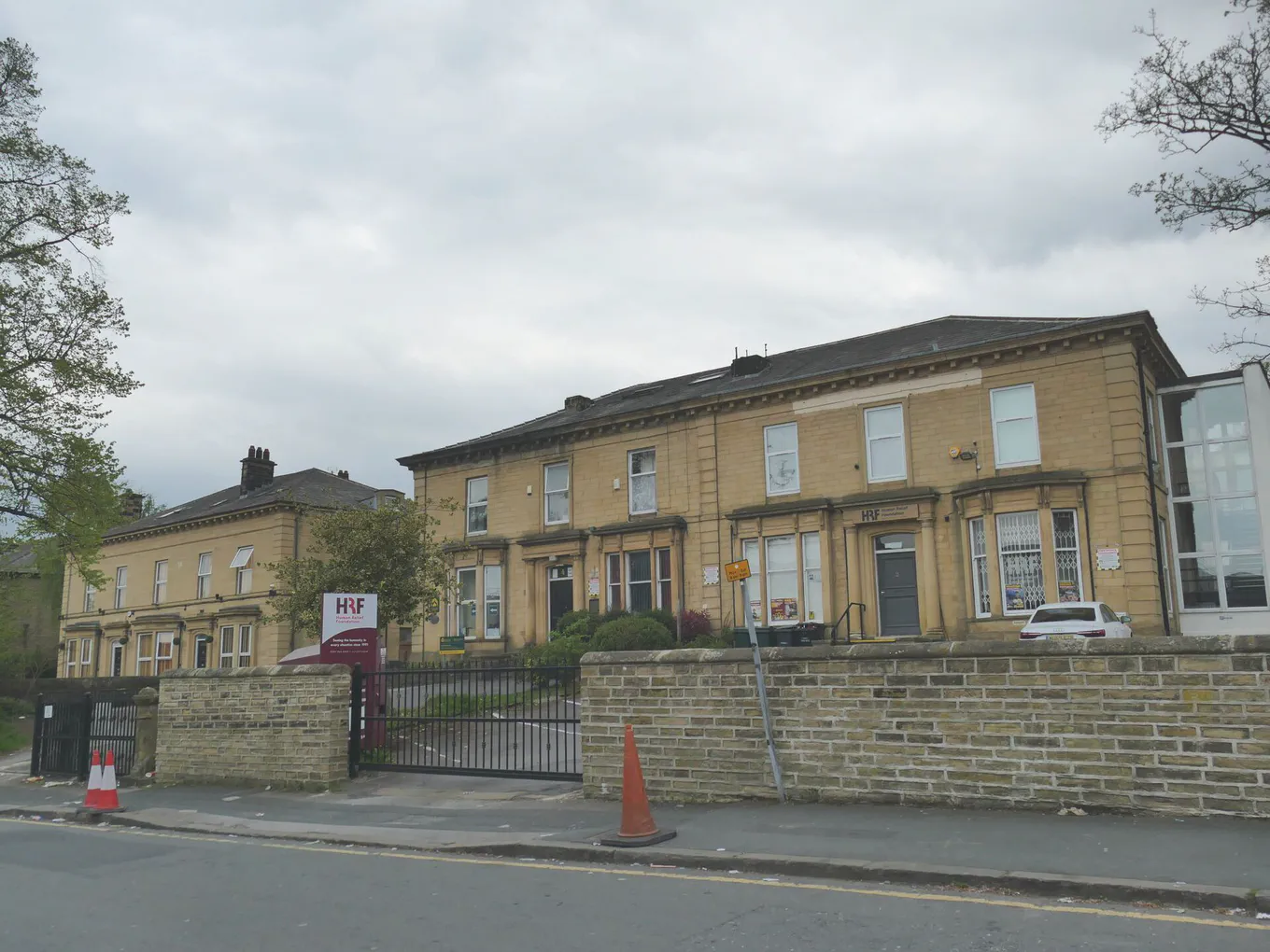
Charlotte, Emily, and Anne Brontë had one brother, Branwell, and in 1838 he came to Bradford to be a portrait painter. He took lodgings and a studio at 3 Fountain Street, in the Kirbys’ house. But he couldn’t earn a living from painting. Mrs Kirby badgered him to finish her portrait, and he paid another painter to finish it. After less than a year, he gave up and went home to Haworth. In the portrait, Daphne du Maurier wrote, Mrs Kirby “stares from her frame in disapproval”.
Frederick Delius was born in Bradford, and his father assumed he would join the family wool business. But Frederick wanted music, and neglected the wool trade for trips to Germany’s major musical centres. In 1884, he went to Florida to manage his father’s orange plantation. In Jacksonville, the African-American waiters in the hotels doubled as singers, and Delius never forgot their singing, day or night. There, too, he met Thomas Ward, who taught him counterpoint and composition, the only useful music instruction, Delius said, he ever had.
3 Sir Henry Irving’s last night at the Midland Hotel
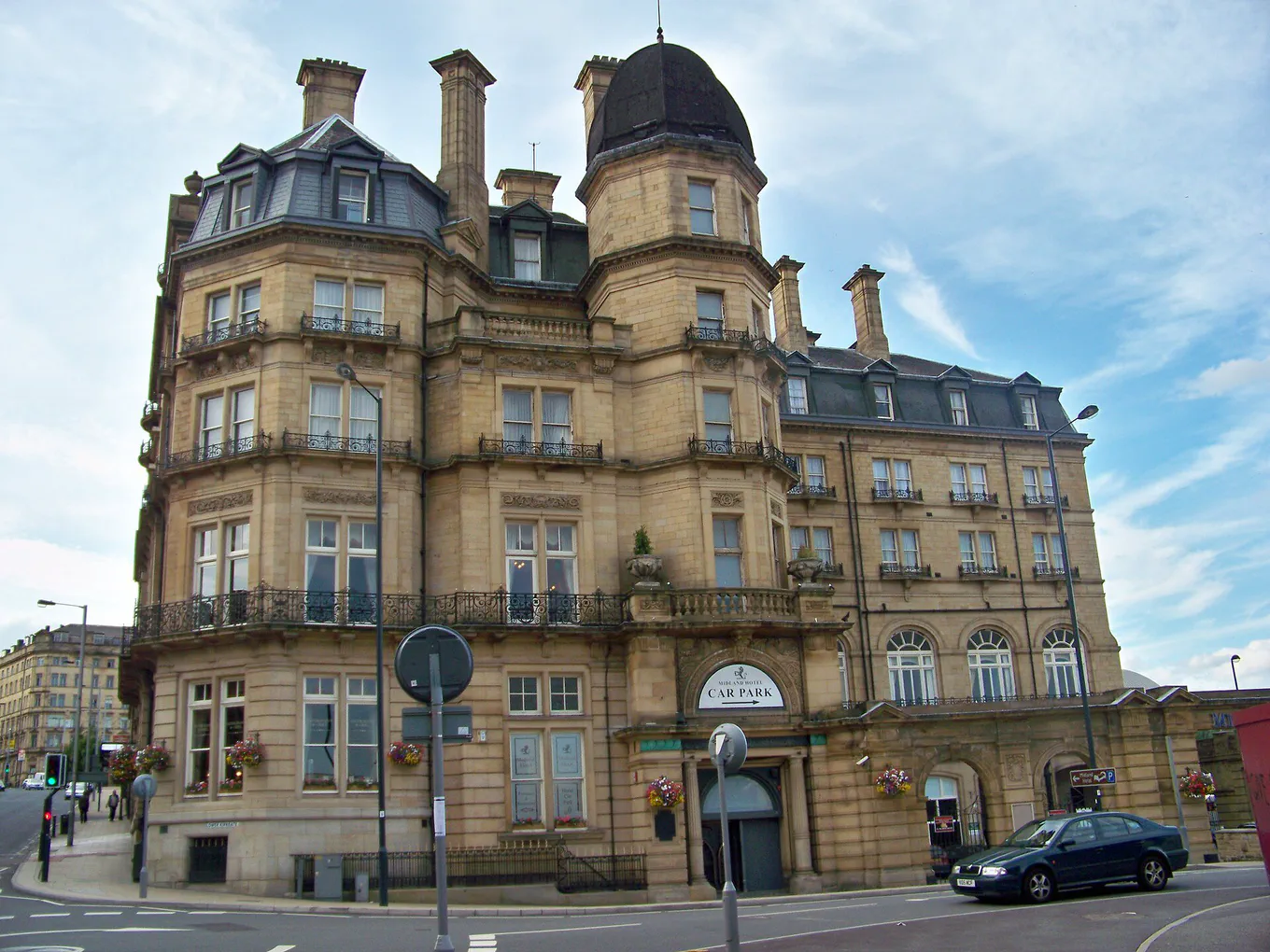
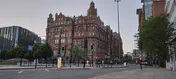
Stand here. The Midland Hotel on Cheapside, built as part of the original Forster Square station. A plaque says Irving died here.
While Bram Stoker was writing Dracula, he was acting manager to Henry Irving at London’s Lyceum Theatre. Irving ran the Lyceum for 24 years and was the first actor to be knighted. In 1905, on his final tour of the provinces, he reached Bradford. On 13 October, at the Theatre Royal, he played the lead in Tennyson’s Becket. That night, he collapsed in his hotel and died, after a stroke. A week later, his ashes were buried in Poets’ Corner, in Westminster Abbey.
In 1917, two cousins in Cottingley, near Bradford, took photographs that would fool Sherlock Holmes’s creator, Sir Arthur Conan Doyle. Elsie Wright, 16, and Frances Griffiths, 9, said they went down to the beck, or stream, only to see the fairies. Elsie borrowed her father’s camera, and he called the second picture a prank. But Conan Doyle, a prominent spiritualist, published the pictures in The Strand and built a book on them. In 1983, the cousins admitted they had faked the photographs. Both still said they had really seen fairies.
5 Jonathan Silver, David Hockney, and the rescue of Salts Mill
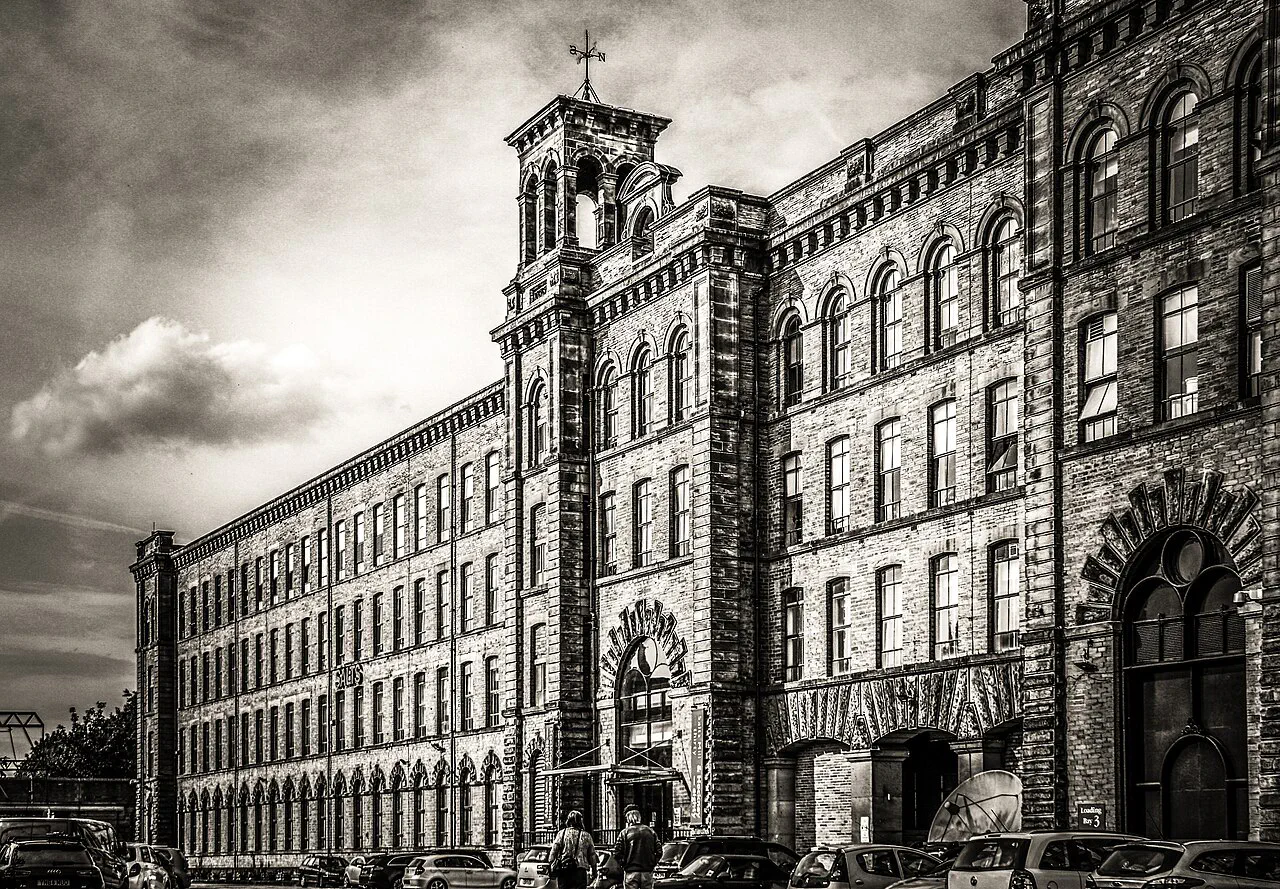
Stand here. The 1853 Gallery in Salts Mill, at Saltaire near Shipley, which shows Hockney’s paintings, etchings, and drawings.
At his father’s burger bar, a schoolboy called Jonathan Silver met Bradford-born David Hockney, who agreed to design a cover for the school magazine. In 1987, Silver bought Salts Mill, Titus Salt’s textile mill at Saltaire, once the world’s largest industrial building by floor area. It was dilapidated, but Silver saw what it could be. He built the 1853 Gallery, named after the year the mill opened. Then, terminally ill, he encouraged Hockney to capture the local surroundings. Silver died in 1997, aged 47.
Pack nothing. Leave Friday.
Every Friday, I write a free letter, Journey, that takes us on a trip through places, stories, and ideas.
Streets of Darkness(A. A. Dhand, 2016). A crime novel. The first Detective Harry Virdee novel, set in Bradford, where a body is found while Virdee is suspended from work.
Black Teeth and a Brilliant Smile(Adelle Stripe, 2017). A novel mixing fiction and biography to recount the brief life of the playwright Andrea Dunbar, raised on the Buttershaw council estate in Bradford.
Films to watch before you visit Bradford
Rita, Sue and Bob Too(Alan Clarke, 1987). A comedy-drama film, shot on the Buttershaw estate in Bradford, with scenes at the estate’s pub, The Beacon.
The Arbor(Clio Barnard, 2010). A film about the playwright Andrea Dunbar, shot on Brafferton Arbor, her Buttershaw street, with actors lip-synching to interviews with Dunbar and her family.
FairyTale: A True Story(Charles Sturridge, 1997). A film loosely based on the Cottingley Fairies, with Peter O’Toole as Conan Doyle, shot largely in Cottingley, Bingley, and Keighley.
The Railway Children(Lionel Jeffries, 1970). A film made on the Keighley & Worth Valley Railway, with location scenes at Oakworth station.
Questions
Where are the Cottingley Fairies photographs now?
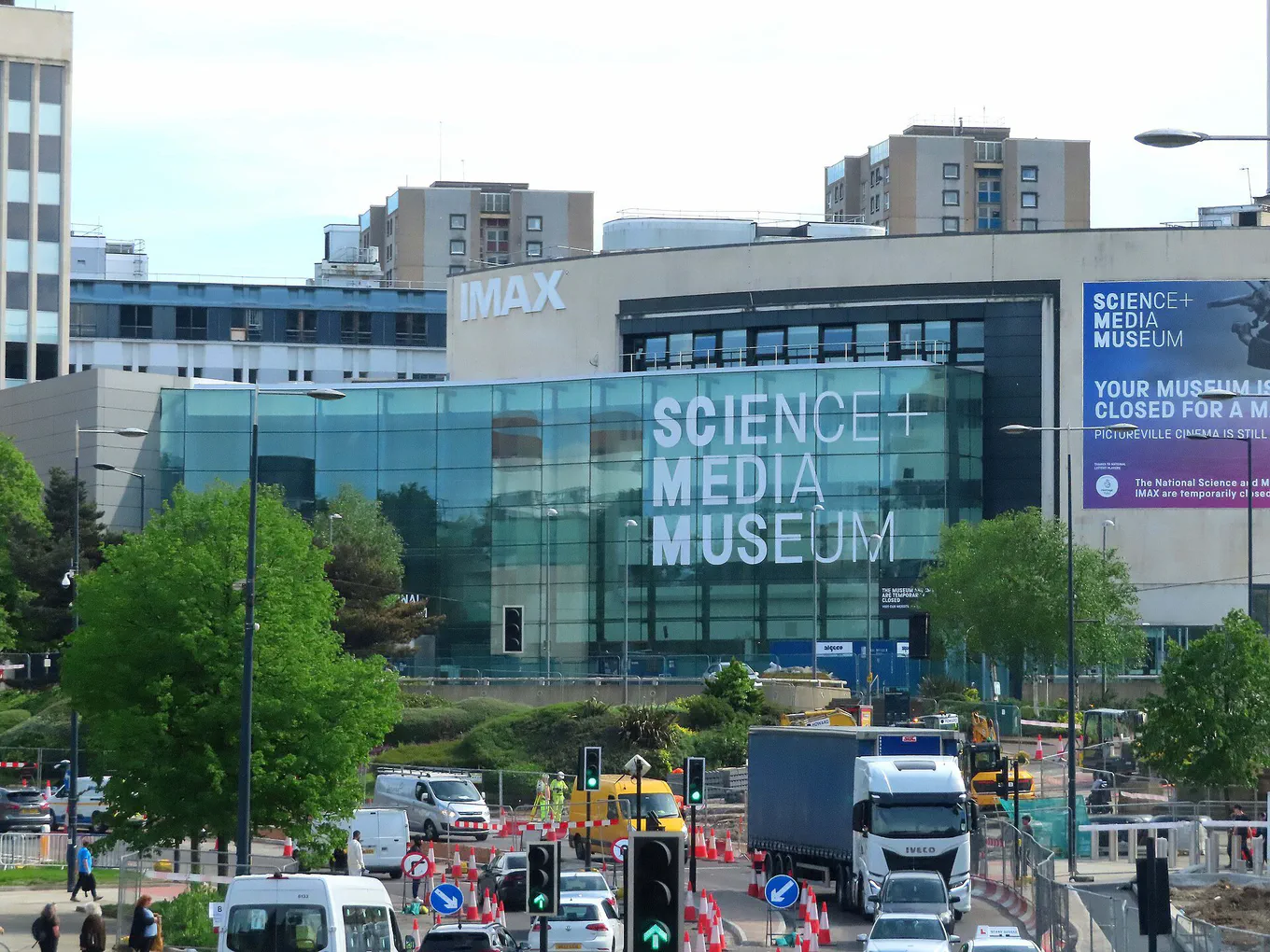
They are in the collections of the National Science and Media Museum in Bradford, along with the cameras the cousins used. Elsie Wright and Frances Griffiths admitted in 1983 that the photographs were faked, though Frances insisted that the fifth was genuine. Frances died in 1986 and Elsie in 1988.
Where did Sir Henry Irving die?
In the Midland Hotel on Cheapside, Bradford, on 13 October 1905, after playing the lead in Tennyson’s Becket at the Theatre Royal. The Midland Railway Company built the hotel as part of the original Forster Square station, and a plaque on Cheapside records that he died there.
Where were the Brontë sisters born?
In a house on Market Street in Thornton, near Bradford. Charlotte, Emily, Anne, and their brother Branwell were all born there between 1816 and 1820. The family lived in the house until 1820, when their father, Patrick, was appointed curate at Haworth.