Here’s a question. Is it better to see the pyramids as they are today, or just imagine them in the theatre of imagination? A friend I met on the Peru trip apparently bribed a guard into letting him climb up one of them. Went well until another guard turned up and threatened to shoot him.
— Nick
More than 22 million people live in Greater Cairo. The capital of Egypt, founded in 969, sits at the junction of the Nile Valley and the Delta. A sultana who hid her husband’s death, a lost book in a synagogue storeroom and an Irish collector’s house in a Bond film appear, as do a singer whose mourners took her coffin and a Nobel novelist’s medieval street.
1 Shajar al-Durr’s tomb, and the sultan’s secret death
Stand here. Her tomb on al-Khalifa Street, south-east of the Citadel, now restored. Its mosaic shows a tree with pearl-like fruit, after her name, “Tree of Pearls”.
In 1249, with the crusaders of Louis IX of France attacking Egypt, its sultan, as-Salih Ayyub, died. His death was kept secret, and his wife, Shajar al-Durr, went on having food taken to his tent. The next May, she became sultana, but the caliph in Baghdad refused to recognise her: “If you do not have men there tell us so we can send you men.” So Aybak was made sultan, and she married him. Later she had him murdered in his bath. She was beaten to death with clogs.
2 Solomon Schechter and the hoard in the Ben Ezra Synagogue
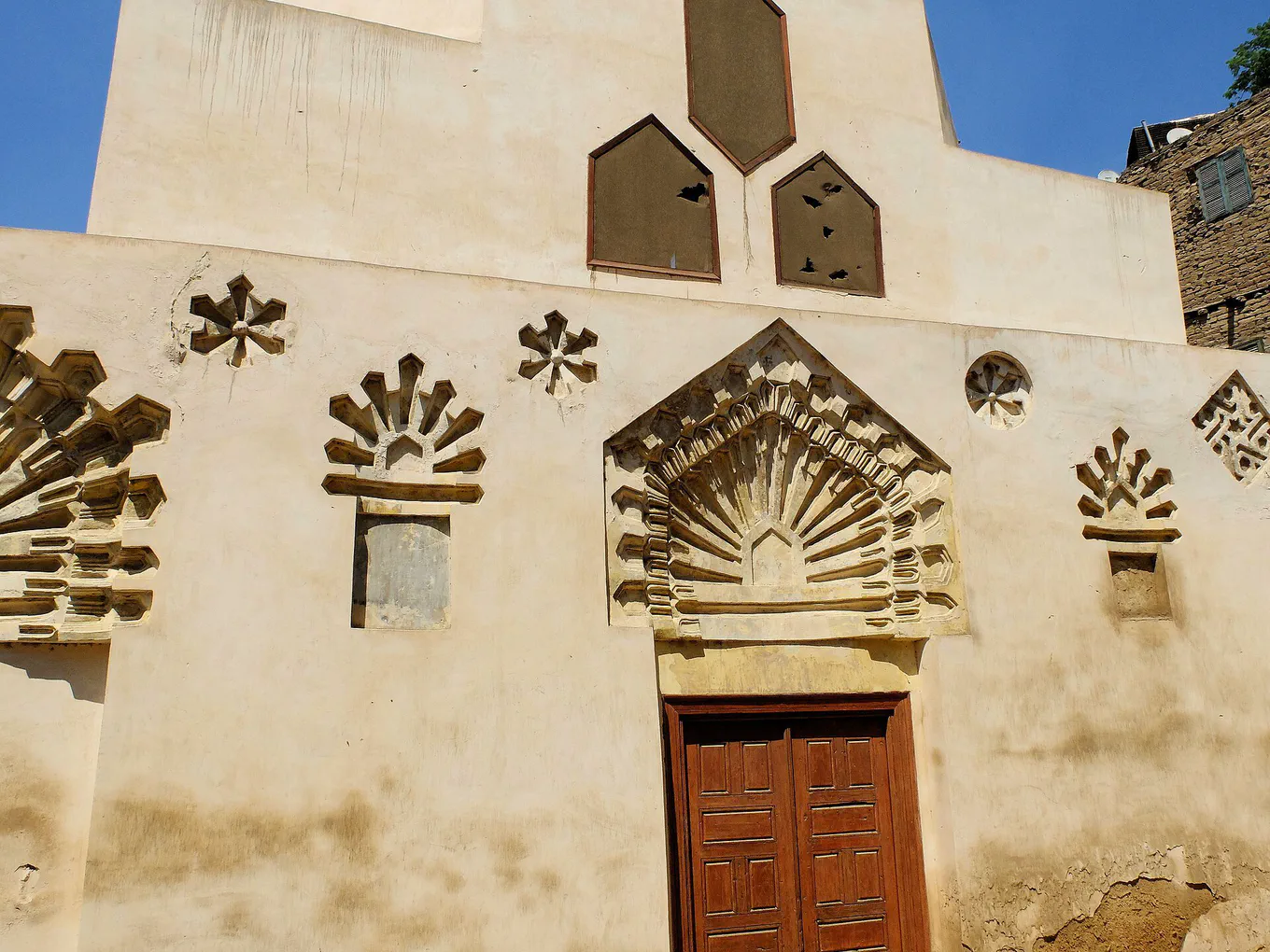
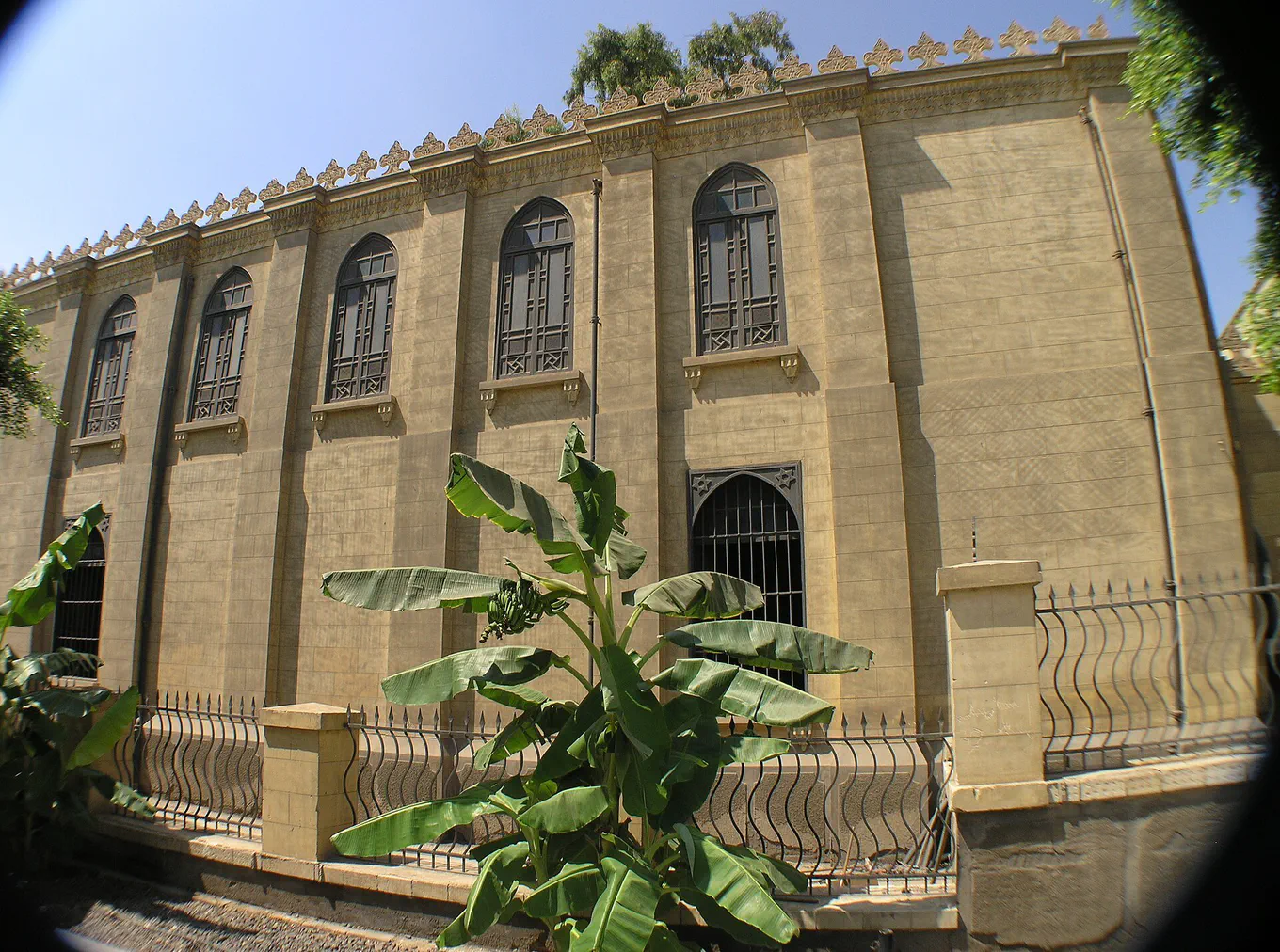
Stand here. The Ben Ezra Synagogue, in Fustat, Old Cairo, rebuilt between 1889 and 1892. It is now a Jewish museum, reopened in 2023.
Two Scottish twin sisters came back from Egypt in 1896 with manuscript fragments and showed them to Solomon Schechter at Cambridge. One was the lost Hebrew original of Ben Sira, a book known for centuries only in Greek and Latin. Schechter went to Cairo to find the source, and found it in the genizah, or storeroom, of the Ben Ezra Synagogue. He brought almost 200,000 manuscripts back to Cambridge. A few years earlier, while the synagogue was rebuilt, they had lain in an enormous pile in the open.
3 John Gayer-Anderson’s house by the Mosque of Ibn Tulun
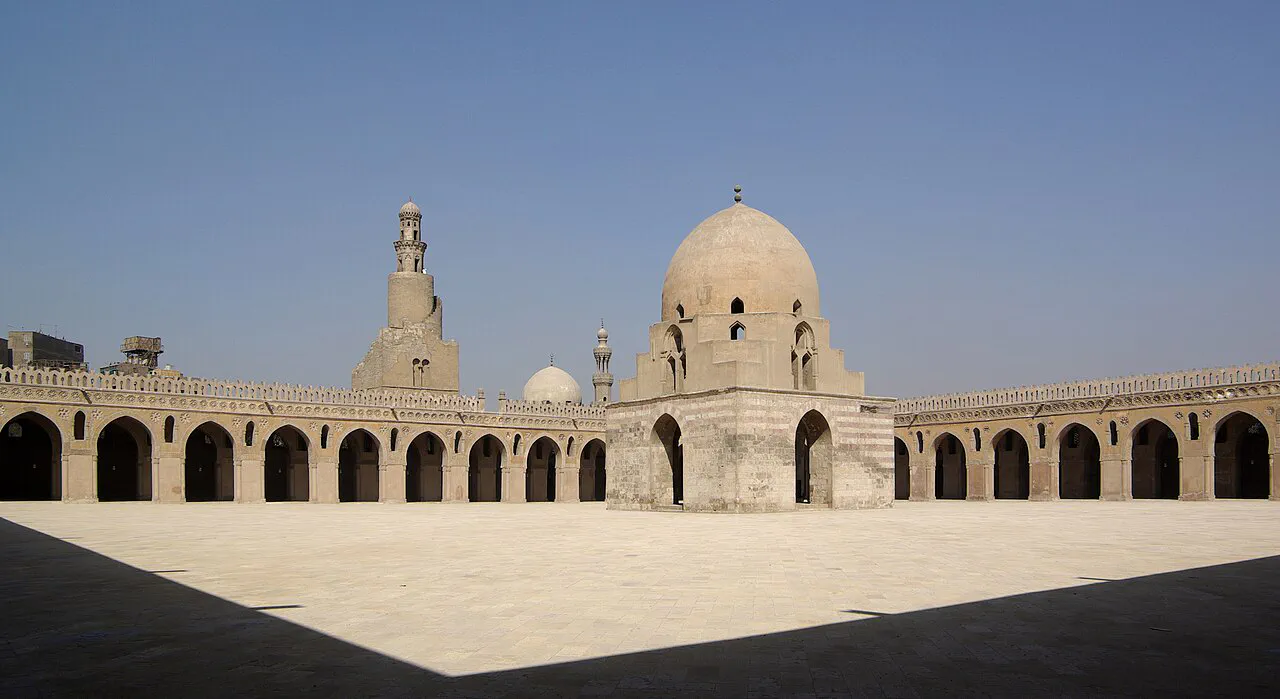
Stand here. The Gayer-Anderson Museum, two 16th- and 17th-century houses built against the outer wall of the Mosque of Ibn Tulun, in Sayyida Zeinab.
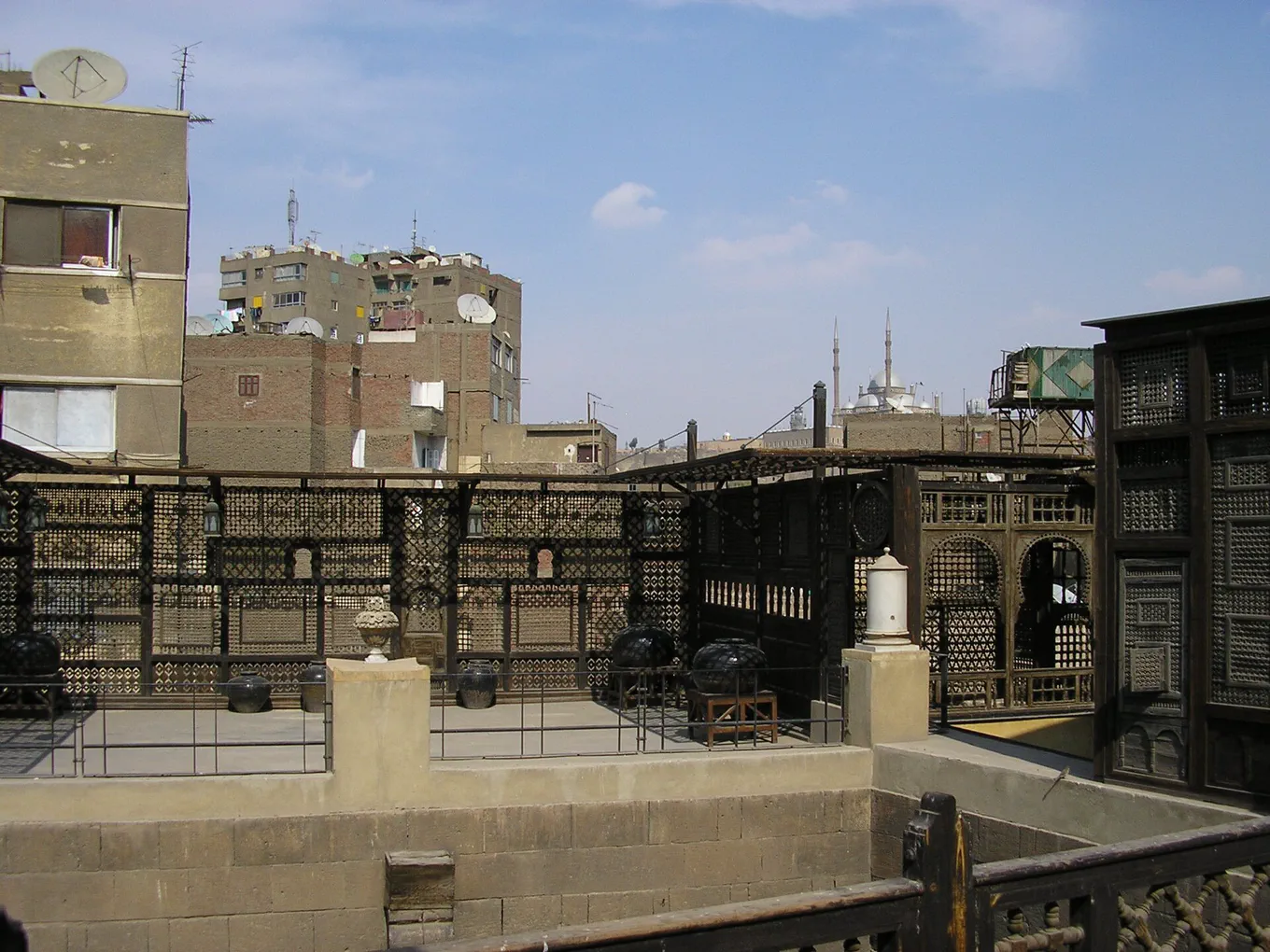
Roger Moore’s favourite of his Bond films, The Spy Who Loved Me, was partly shot in this house, in the reception hall and on the roof terrace. In 1935, an Irish army surgeon and collector, John Gayer-Anderson, secured a lifetime lease on it, the House of the Cretan Woman, after a wealthy woman from Crete who owned it. But ill health drove him out of Egypt after seven years. He gave the lease, and everything in the house, to the Egyptian nation. The lease had been for life.
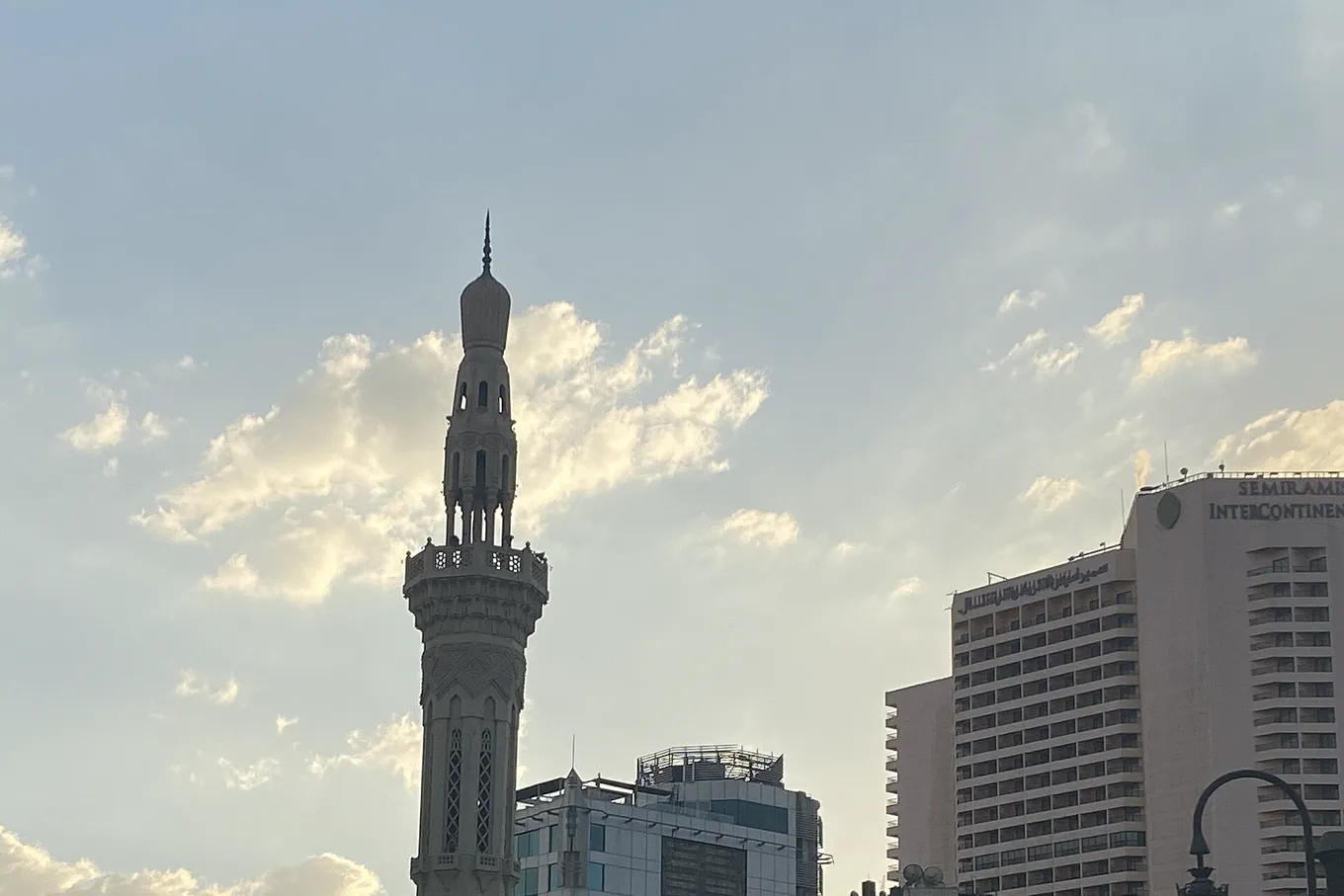
4 Umm Kulthum’s funeral at the Omar Makram Mosque
Stand here. The Omar Makram Mosque, beyond the statue of Omar Makram on Tahrir Square. Her museum is on Roda Island, at the Manasterly Palace.
For forty years, Umm Kulthum gave a concert on the first Thursday of every month, broadcast from 9.30 at night into the early hours of Friday. As a village girl, she had sung hymns dressed in boys’ clothes, because singing was unacceptable for girls in the countryside. She died in 1975. Her funeral procession was held at the Omar Makram Mosque, and more than four million people came, Egypt’s largest gathering ever. Then the mourners took the coffin from its bearers’ shoulders and forced the procession to change direction.
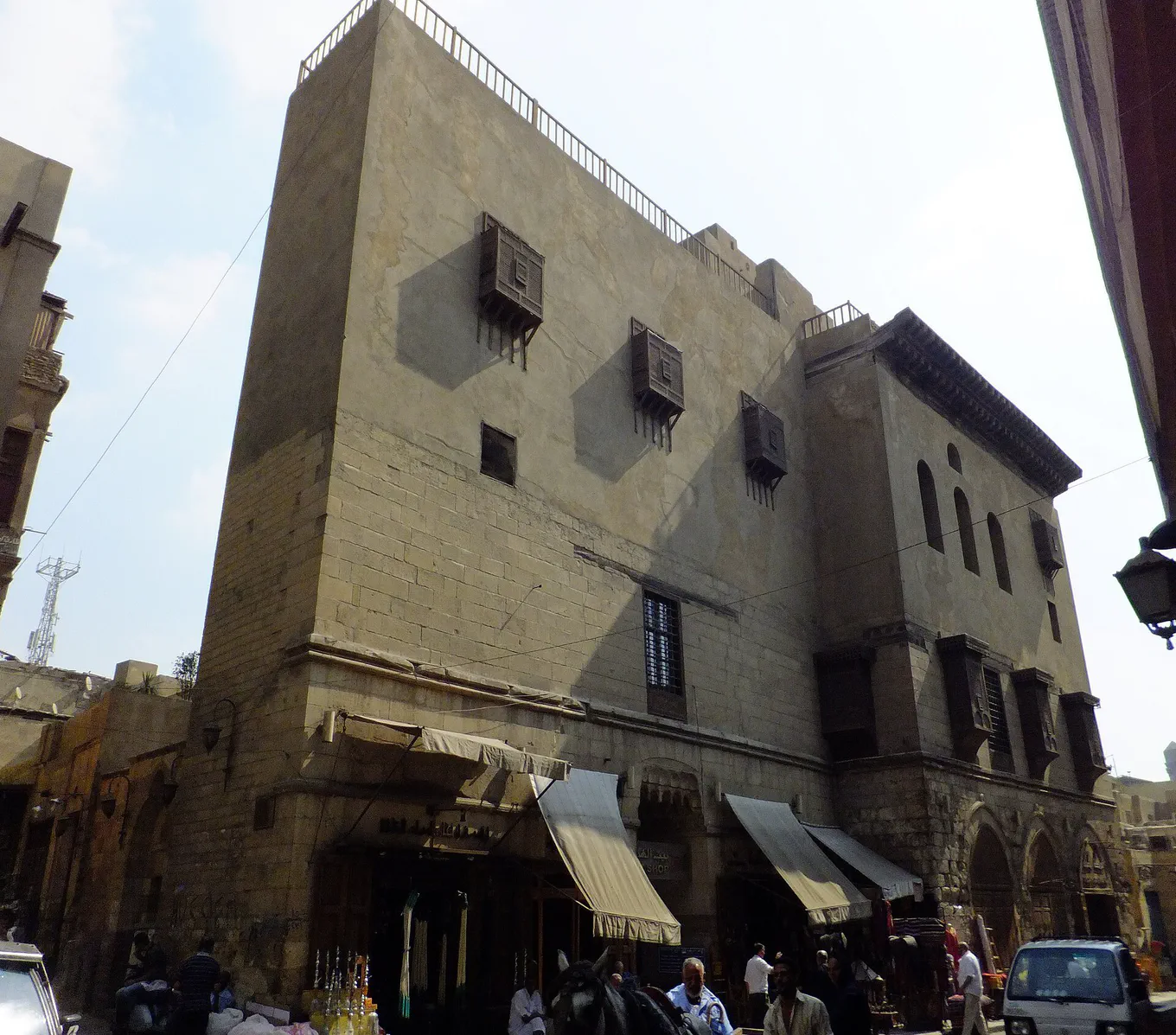
5 Naguib Mahfouz and Palace Walk’s street between two palaces
Stand here. Bayn al-Qasrayn, on al-Muizz Street in Gamaliya, where the 14th-century Beshtak Palace is now a museum. The Naguib Mahfouz Museum is nearby.
Naguib Mahfouz, the only Arab writer to win the Nobel Prize in Literature, gave the first novel of his Cairo Trilogy this street’s name, Bayn al-Qasrayn, “Between the Two Palaces”, known in English as Palace Walk. Its family’s house is set on the exact site of the Beshtak Palace. But another novel, Children of Gebelawi, was banned for alleged blasphemy, and death threats followed. In 1994, an extremist stabbed him in the neck outside his home. He survived, but afterwards he could write for only a few minutes a day.
Pack nothing. Leave Friday.
Every Friday, I write a free letter, Journey, that takes us on a trip through places, stories, and ideas.
Palace Walk(Naguib Mahfouz, 1956). A novel. A Cairo family from 1917 to 1919, in a house on the site of the Beshtak Palace, Bayn al-Qasrayn.
Midaq Alley(Naguib Mahfouz, 1947). A novel. A teeming back street in Khan el-Khalili, the historic bazaar, drawn as a whole world in miniature.
The Yacoubian Building(Alaa Al Aswany, 2002). A novel. The real building still stands at 34 Talaat Harb Street, downtown, where the author, a dentist, had his first office.
Films to watch before you visit Cairo
Cairo Station(Youssef Chahine, 1958). A film. A crime drama in which a man is given a job selling newspapers in Cairo’s train station.
The Spy Who Loved Me(Eon Productions, 1977). A film. Roger Moore’s third as James Bond, shot partly in the Gayer-Anderson Museum and the Mosque of Ibn Tulun.
The Square(Jehane Noujaim, 2013). A documentary. Egypt’s revolution of 2011, starting in Tahrir Square. It was nominated for an Academy Award.
Questions
Where were the Cairo scenes in Raiders of the Lost Ark filmed?
Not in Cairo. Tunisia stood in for Egypt, and the city of Kairouan played Cairo. Because the film is set in 1936, the television antennas on the houses had to come down, and a day of filming was lost removing more than 300 of them.
Can you visit the Ben Ezra Synagogue?
Yes. It is no longer an active synagogue, but it is a tourist site and Jewish museum in Fustat, part of Old Cairo. It reopened on 31 August 2023 after a decade-long renovation. Local folklore says it stands where the baby Moses was found, and a Well of Moses lies in a courtyard behind it.
When was Cairo founded?
Cairo was founded in 969 and became the capital of the Fatimid Caliphate in 973. An earlier settlement, Fustat, founded in 641 or early 642, is now part of Old Cairo. The city’s historic centre has been a UNESCO World Heritage Site since 1979.