In my head, Cape Town is most famous because it’s where Elizabeth II broadcast her 1947 message of service. “I declare before you all that my whole life, whether it be long or short, shall be devoted to your service.” A few seconds to say, a literal lifetime to fulfil. I remember my school all trooping out to see her and wave our flags in 1977. By then, she’d already been fulfilling her vow for 30 years. And she was only just over a third done. What an example.
— Nick
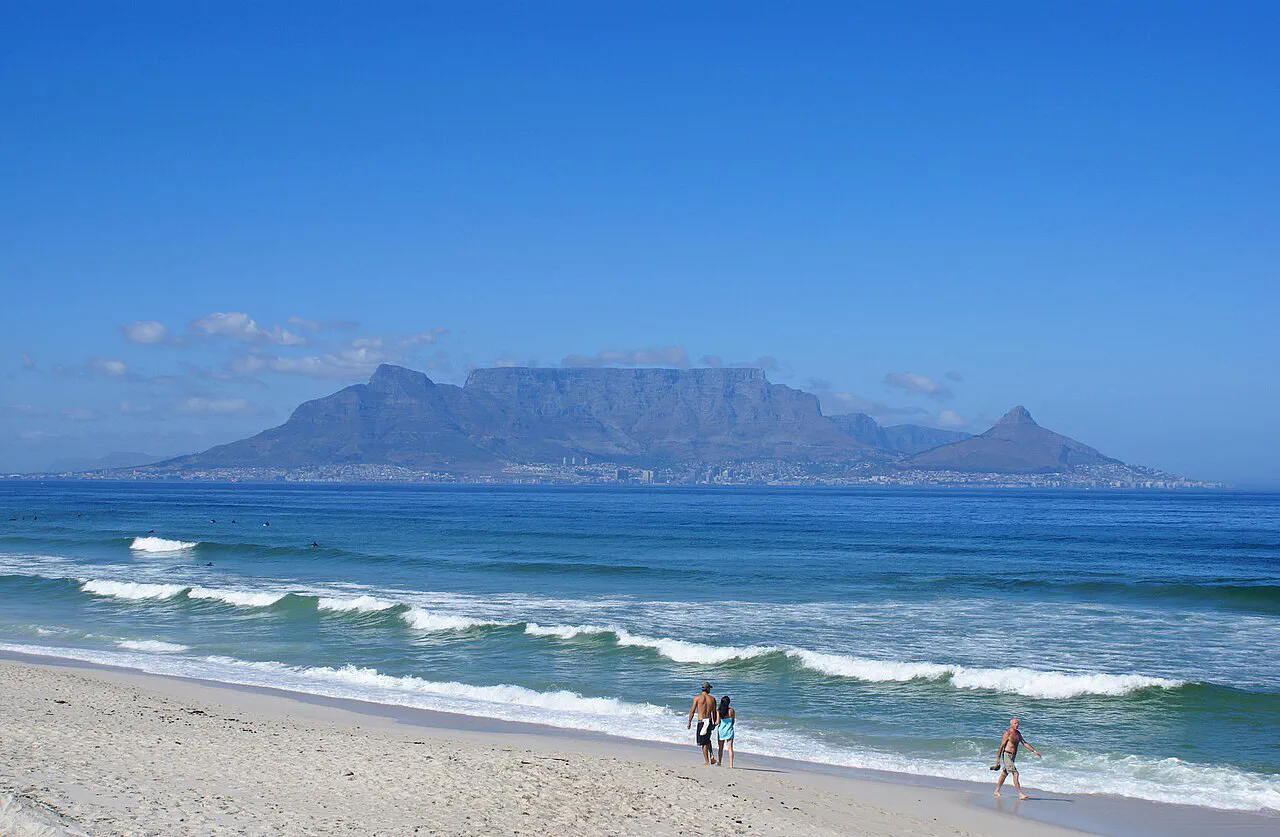
In 1652, Cape Town began as a Dutch way-station for ships bound for the East Indies. South Africa’s oldest city is capital of the Western Cape, on the shore of Table Bay. The world’s first heart transplant leads a list continuing with a memoir buried in a prison garden, a princess’s birthday promise, a Great Dane in the Royal Navy, and a smoking contest with the Devil.
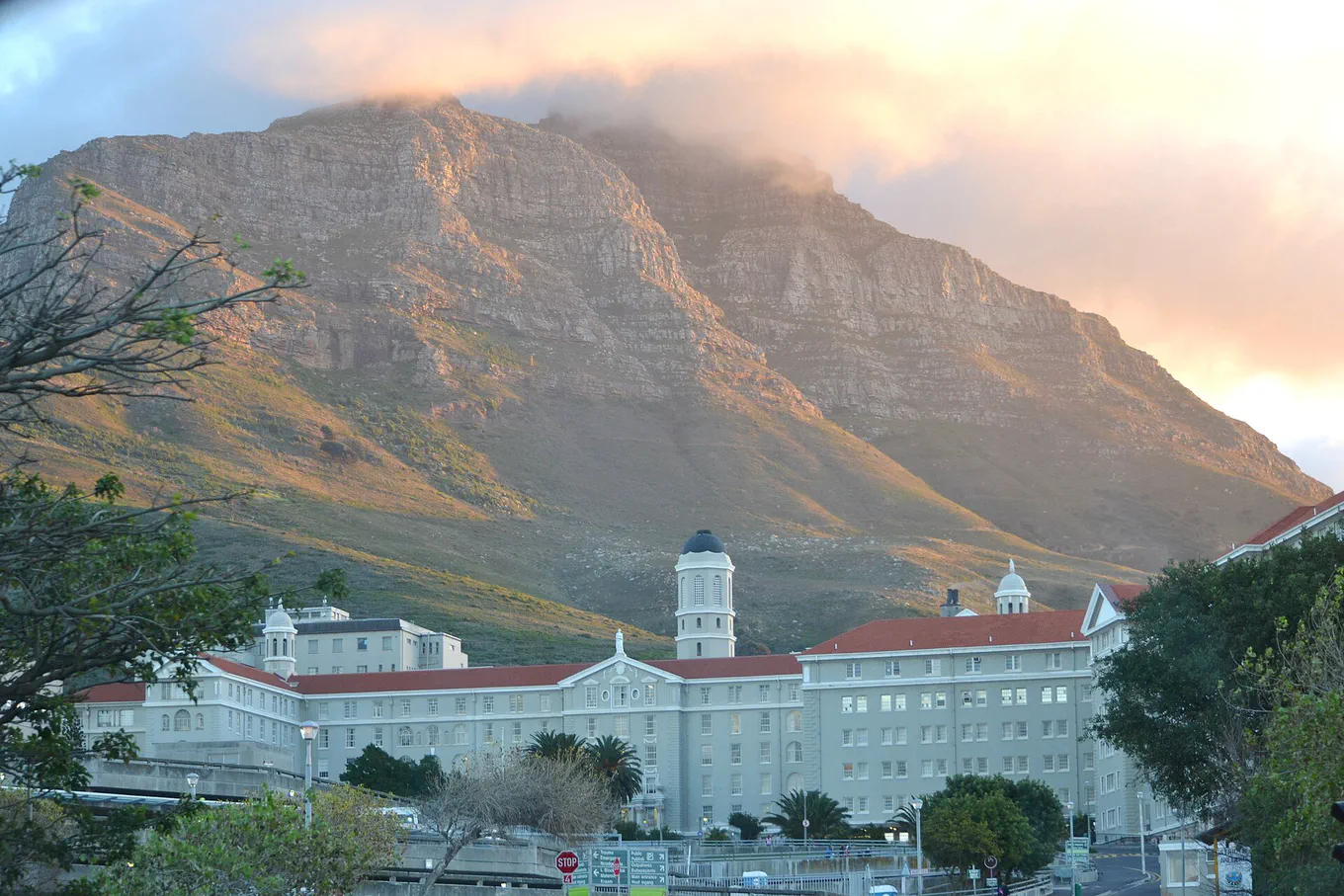
On 3 December 1967, Christiaan Barnard performed the world’s first human-to-human heart transplant here. His patient, Louis Washkansky, was a grocer with incurable heart disease. The donor, Denise Darvall, was 25, hit by a drunk driver as she crossed a busy street. Her father told the doctors that if they couldn’t save his daughter, they must try to save this man. Washkansky managed a smile and whispered, “I’m on top of the world.” He had 18 days, long enough to speak with his wife and reporters, before pneumonia took him.
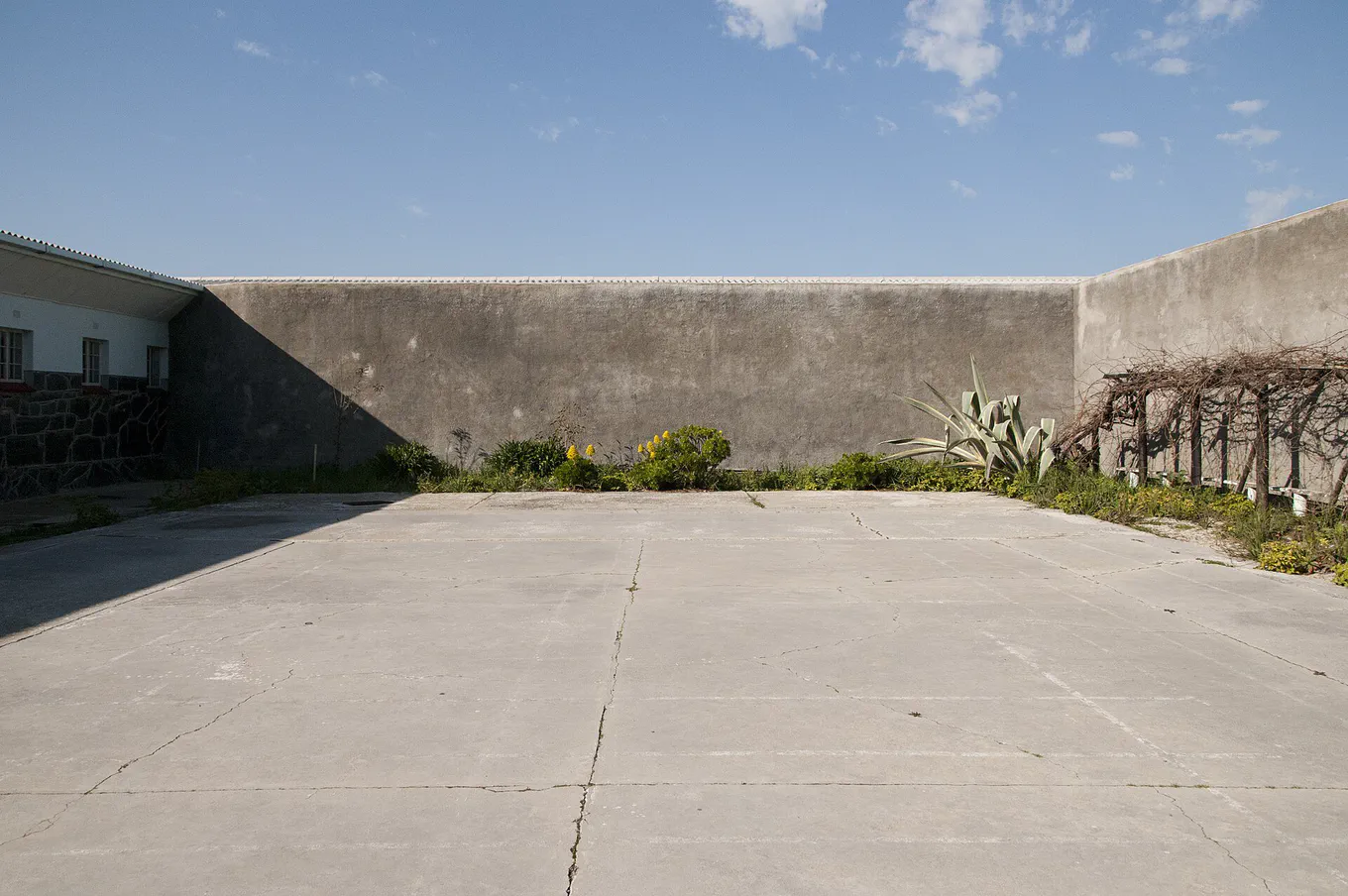
2 Mandela’s secret memoir, buried on Robben Island
Stand here. Robben Island, at the entrance to Table Bay, 11 km from Cape Town. Ferries leave the V&A Waterfront, and the tour ends at Mandela’s cell.
Nelson Mandela first wrote Long Walk to Freedom here, in secret, in the prison that held him for 18 years. He wrote only at night, 10 to 15 pages a night on average, and a fellow prisoner, Mac Maharaj, copied out parts in tiny handwriting. The original went into little containers buried in the prison garden, and prison officials found it. But Maharaj smuggled his copy out of the prison in 1976. “It had come out intact,” he said. The book was published in 1994, the year Mandela became president.
3 Princess Elizabeth’s lifelong pledge from Government House
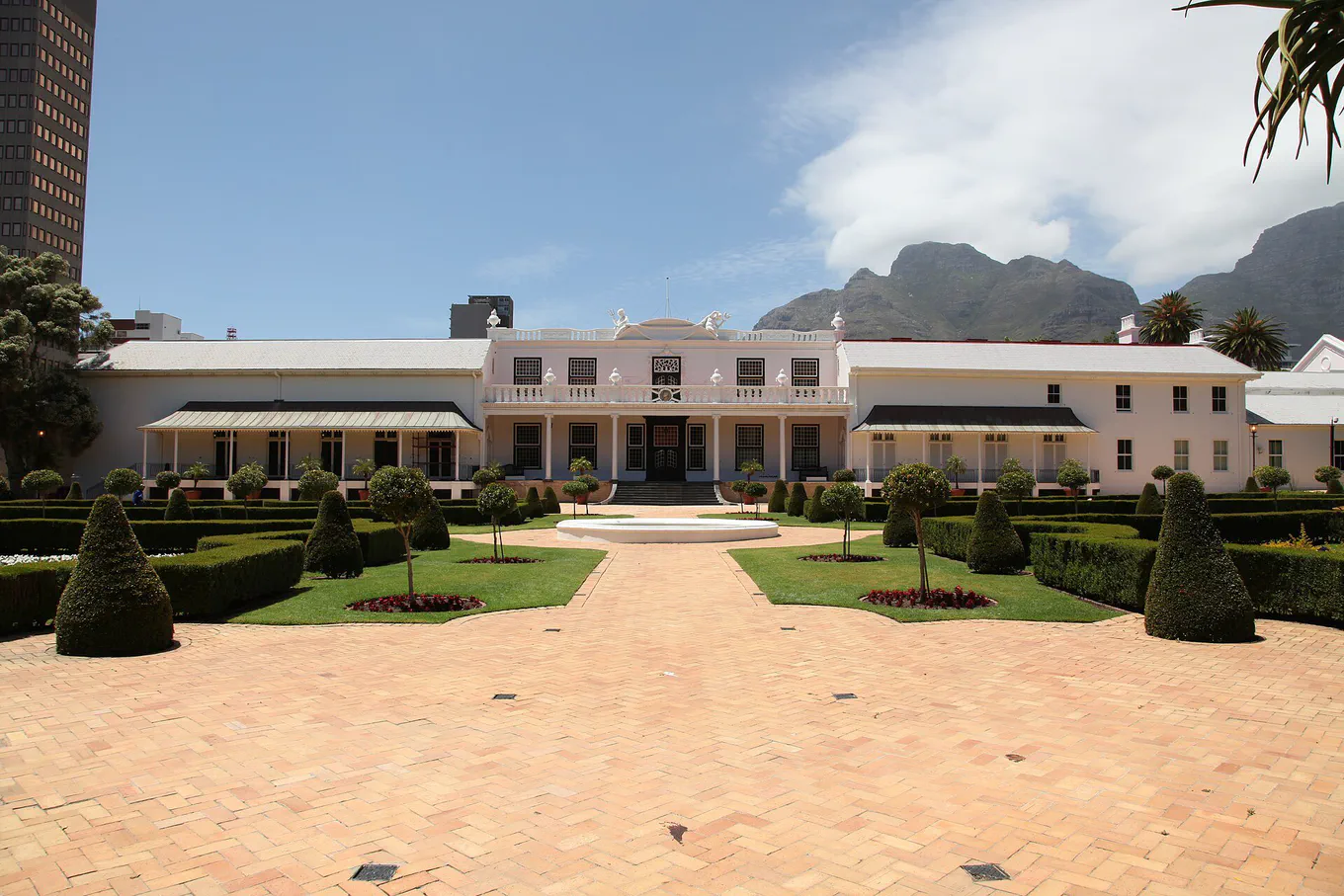
Stand here. De Tuynhuys, called Government House in 1947, beside the Company’s Garden. It is now the office of South Africa’s President.
De Tuynhuys, the Cape Dutch house beside the Company’s Garden in Cape Town, once known as Government House.Raymond Ellis / CC0.
Princess Elizabeth, the future Queen Elizabeth II, was staying here with her parents on her 21st birthday, 21 April 1947. The BBC broadcast her speech from this house, though she had recorded it at Victoria Falls. A Times journalist wrote it, and the draft made her cry. The King’s private secretary told her if it made her cry now, it would make 200 million other people cry. She promised that her whole life, “whether it be long or short”, would be devoted to their service. She reigned for 70 years.
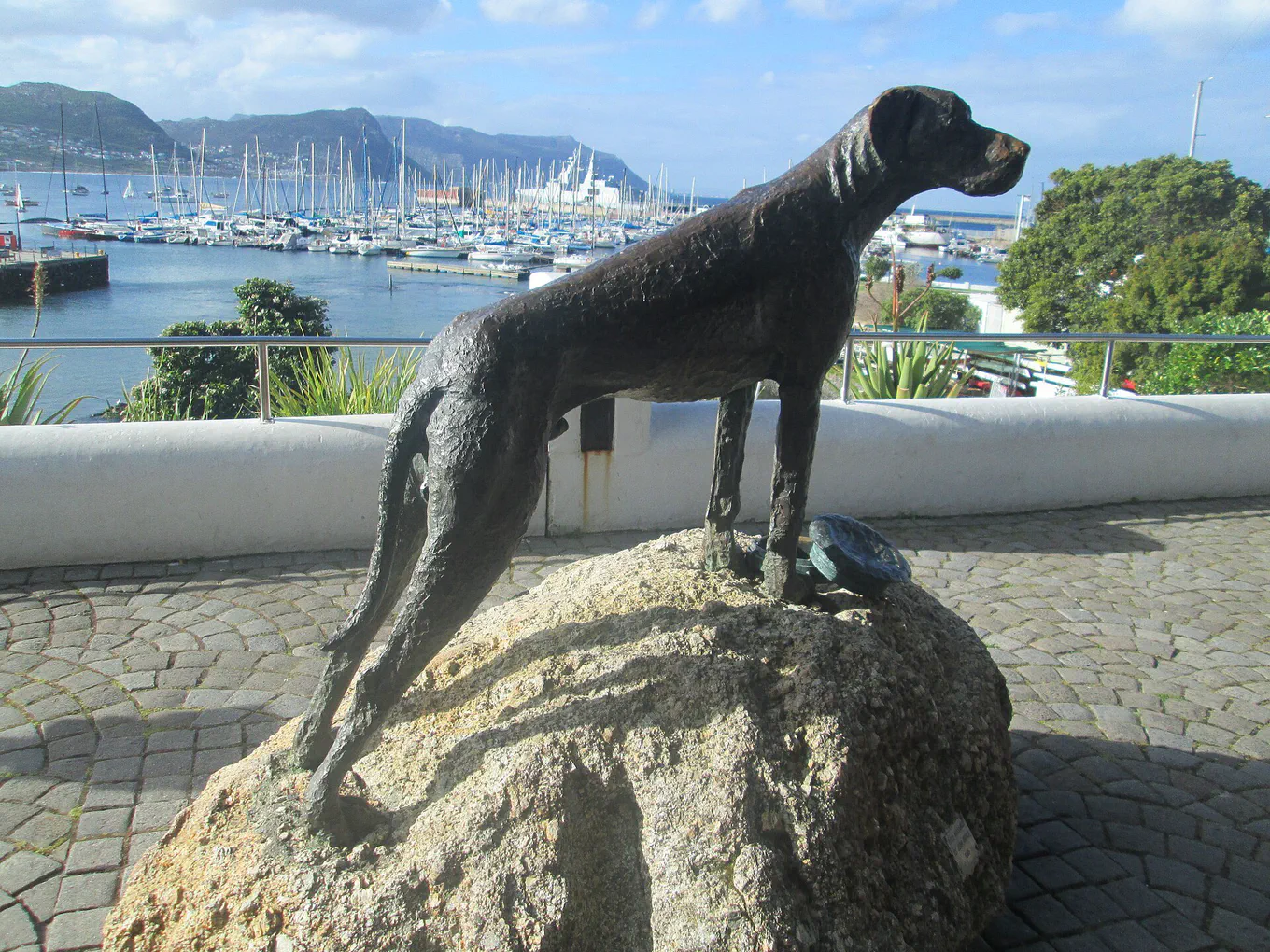
4 Just Nuisance, the Great Dane sailor of Simon’s Town
Stand here. Jubilee Square, in Simon’s Town, now a suburb of Cape Town. His statue has stood here since 1985.
Just Nuisance was a Great Dane at the Royal Navy base in Simon’s Town who took trips by train to Cape Town, 35 km away. The railway warned he would be put down unless he stayed off the trains or his fares were paid. So on 25 August 1939, the Navy enlisted him, because servicemen rode free. His trade was entered as Bonecrusher and his religion as Scrounger. In 1944, on the naval vet’s advice, he was put down and buried with full naval honours under the Navy’s White Ensign.
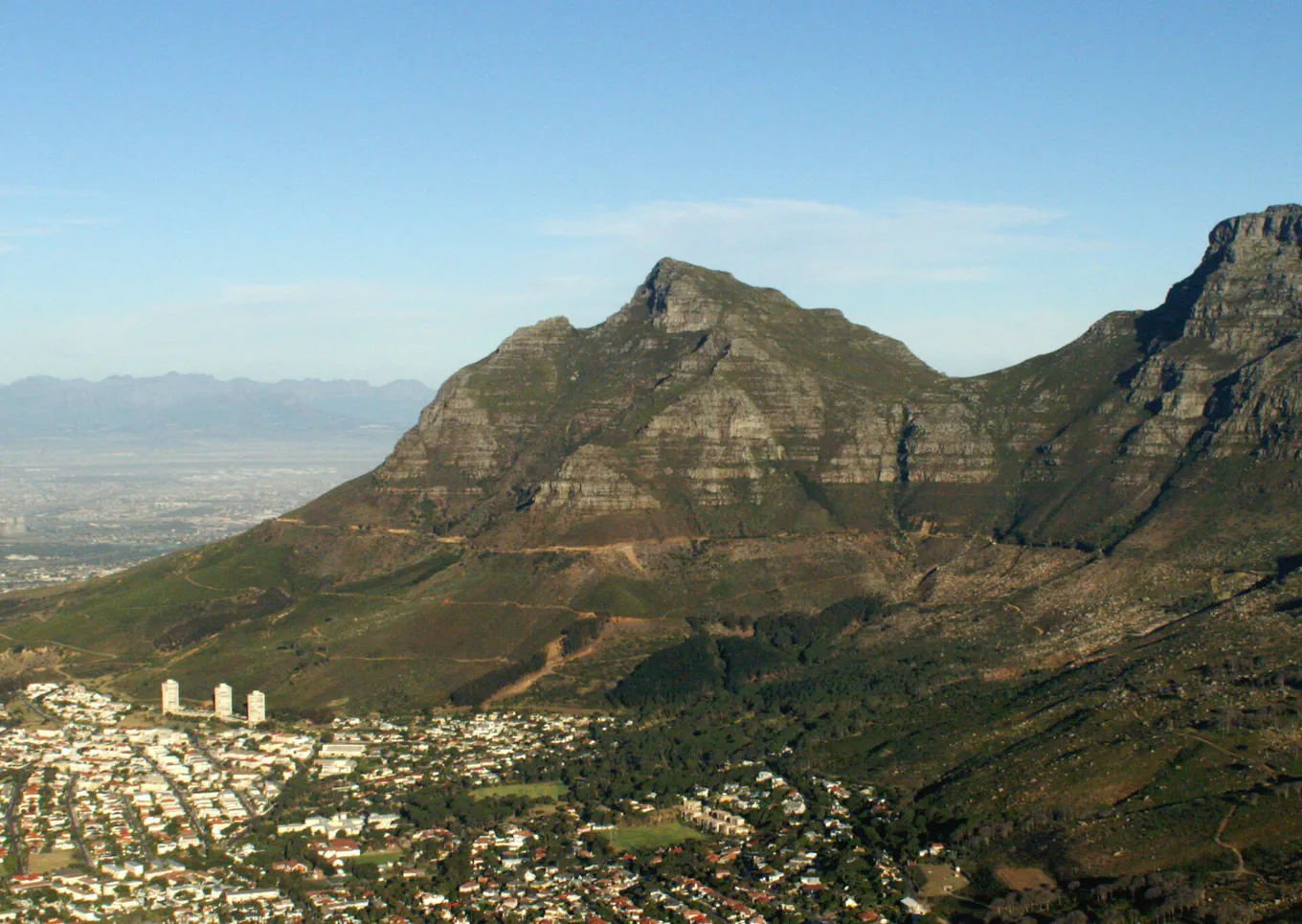
5 Jan van Hunks and the Devil on Devil’s Peak
Stand here. The slopes of Devil’s Peak, 1,000 metres high, beside Table Mountain. The “tablecloth” cloud still forms over the mountain.
Table Mountain’s “tablecloth” of cloud has a legend behind it. Around 1700, the story goes, a Dutchman called Jan van Hunks lived at the foot of the mountain. He smoked a great deal, and his wife made him leave the house whenever he lit his pipe. One day on these slopes, he met a stranger who smoked too. They bragged about how much they smoked, and the bragging became a contest. Van Hunks won, but not before their smoke had covered the mountain. The stranger was the Devil.
Pack nothing. Leave Friday.
Every Friday, I write a free letter, Journey, that takes us on a trip through places, stories, and ideas.
Long Walk to Freedom(Nelson Mandela, 1994). A memoir, first written in secret on Robben Island, where a fellow prisoner copied parts of it and smuggled them out in 1976.
Disgrace(J. M. Coetzee, 1999). A novel that won the Booker Prize. Its main character teaches romantic literature at a technical university in Cape Town after apartheid.
Age of Iron(J. M. Coetzee, 1990). A novel. Mrs Curren lives in Cape Town under apartheid, and drives a woman and her daughter out to Gugulethu.
Buckingham Palace, District Six(Richard Rive, 1986). A novel named for District Six, the Cape Town district where Rive was born. The Baxter Theatre turned it into a musical.
Thirteen Hours(Deon Meyer). A novel. Benny Griessel is called to St Martini, the Lutheran church at the top of Long Street, at 05:37, and his 13 hours begin.
Films to watch before you visit Cape Town
Safe House(Daniel Espinosa, 2012). A film, shot on location in Cape Town. Ryan Reynolds plays a CIA officer in charge of a safe house in the city, opposite Denzel Washington.
Blood & Water(Nosipho Dumisa, 2020). A Netflix teen crime drama TV series, set in Cape Town and filmed partly at the University of Cape Town, Cape Town City Hall, and the Sea Point promenade.
Four Corners(Ian Gabriel, 2013). A coming-of-age crime drama film set in Cape Town, where a London-trained doctor returns to her childhood home in the Cape Flats for her estranged father’s funeral.
Questions
Can you visit the theatre where the first heart transplant took place?
Yes. The Heart of Cape Town Museum, in the Charles Saint Theatre at Groote Schuur Hospital, keeps the original operating theatres laid out as they were for the transplant on 3 December 1967. Visits are by guided tour, and tours fill up quickly, so book ahead.
How do you get to Robben Island, and can you see Mandela’s cell?
Ferries leave from the Nelson Mandela Gateway at the V&A Waterfront. The tour takes three and a half hours, including the crossing there and back. The route passes the lime quarry and ends at Nelson Mandela’s cell, and many of the guides are former prisoners.
Is Cape Town the capital of South Africa?
It is South Africa’s legislative capital, and Parliament stands beside the Company’s Garden in the city centre. It is also the country’s oldest city, a Dutch way-station from 1652, and the capital of the Western Cape province.