On my 1992 trans-Atlantic sailing trip, I spent time with the crew of a “pirate” ship called Compeller. Pretty sure they were out of Charlotte… some of the nicest people I’ve ever met.
— Nick
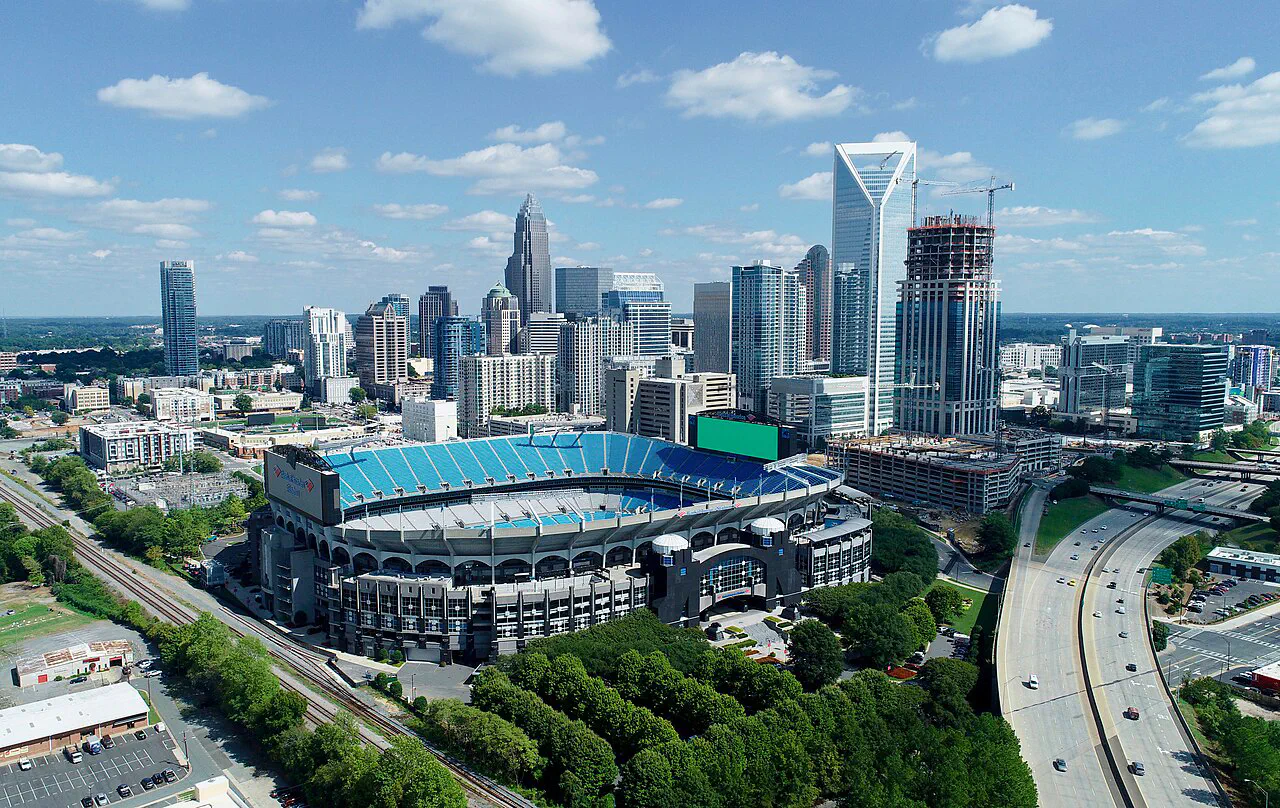
Charlotte, the seat of Mecklenburg County, is the most populous city in North Carolina and the second-largest banking centre in the US, after New York. It was incorporated in 1768 and named for Queen Charlotte, the wife of George III. Its stories here are a disputed declaration of independence, the news of Lincoln’s death, a mint saved from demolition, Billy Graham’s revival, and Dorothy Counts’s walk into Harding High.
North Carolina’s state flag carries a date, 20 May 1775, that belongs to this crossing. By a later account, Mecklenburg’s militia delegates met in the courthouse and, at about two in the morning, passed a declaration of independence. A young tavern owner, Captain James Jack, rode nearly 560 miles to carry their resolutions to Philadelphia, where the state’s congressmen told him independence was premature. The original papers later burned. When the text surfaced in 1819, Thomas Jefferson wrote, “I believe it spurious.” Most historians still doubt it. The flag doesn’t.
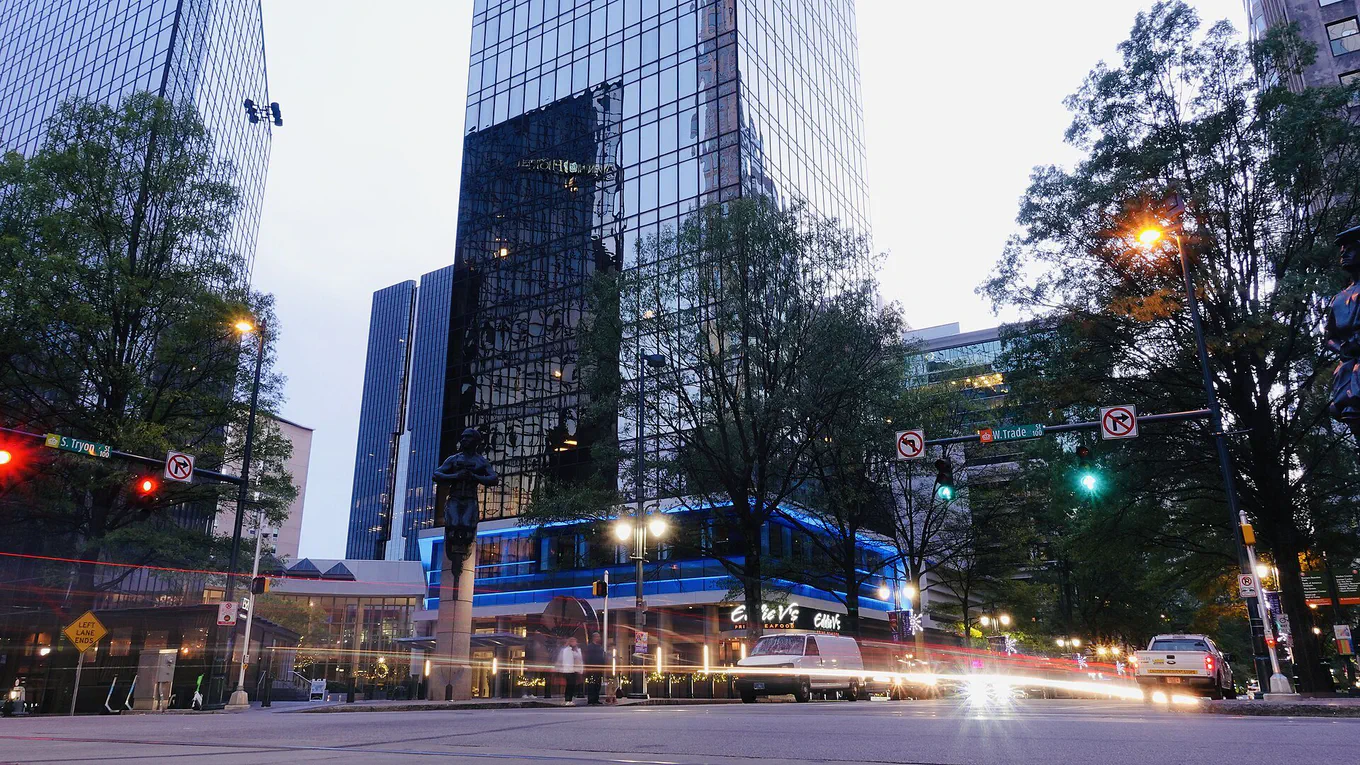
2 Jefferson Davis hears of Lincoln’s death on Tryon Street
Stand here. The corner of South Tryon and Fourth streets. The house of Lewis Bates, which stood here, is gone.
News of Abraham Lincoln’s assassination reached Jefferson Davis, president of the Confederacy, on this corner in April 1865. He was about to step into the Bates house when he was told. Davis is widely believed to have lamented Lincoln’s death, if only because it made Andrew Johnson president, and Davis thought Johnson disastrous for the South. For a week afterwards, the Confederate government met in Charlotte, in a bank and then in the Phifer House. Its meetings in the Phifer House were the last it ever held.
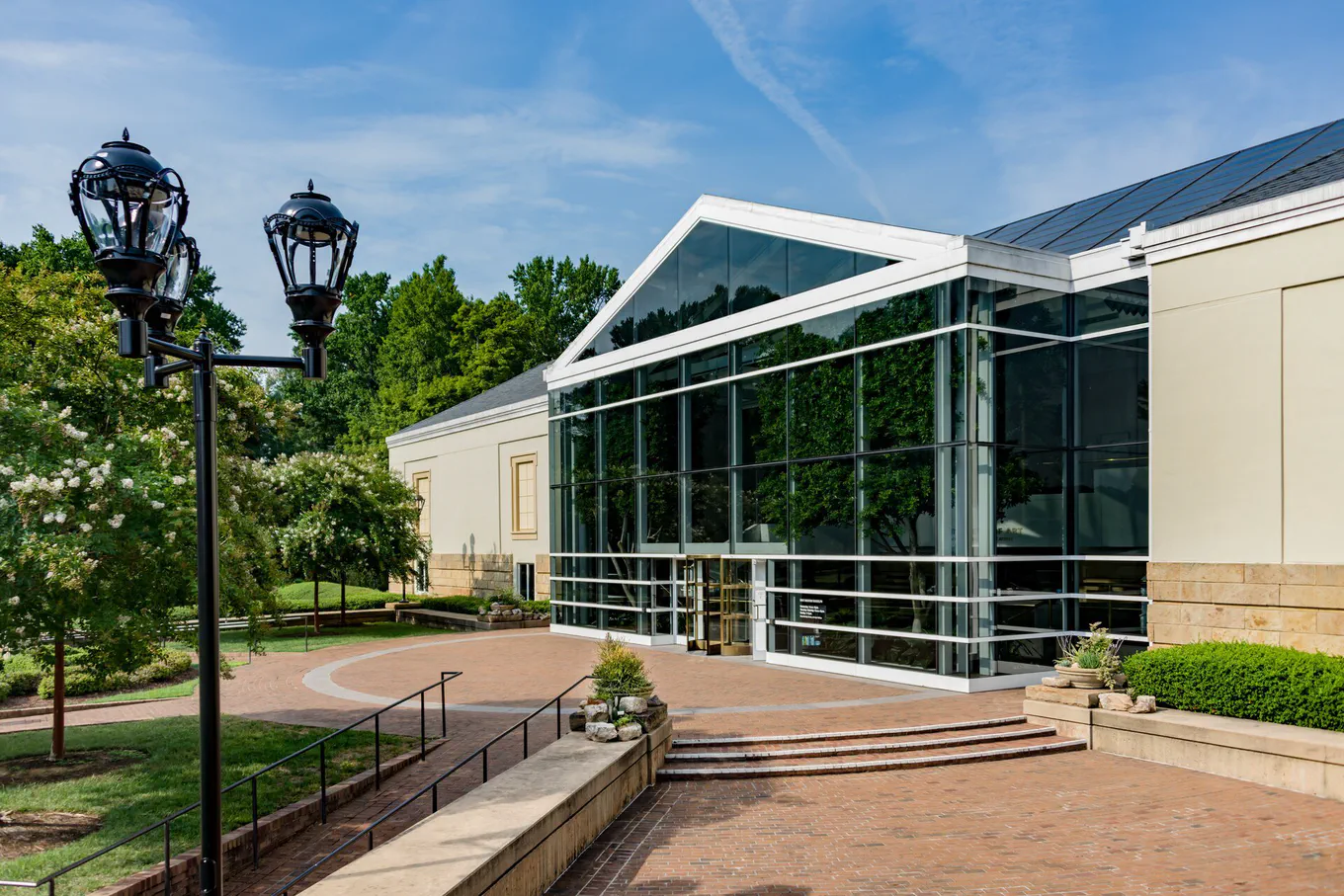
Charlotte’s branch of the US Mint opened on West Trade Street in 1837. Nearly a century later, it was condemned to make way for a new post office, and local protests stalled the demolition for three years. Mary Myers Dwelle, who chaired the Charlotte Woman’s Club art department, saw another use for it. Her group of citizens raised $950 in two days and paid the demolition contractor. The mint was taken down and rebuilt three miles east. In 1936, the old mint opened as North Carolina’s first art museum.
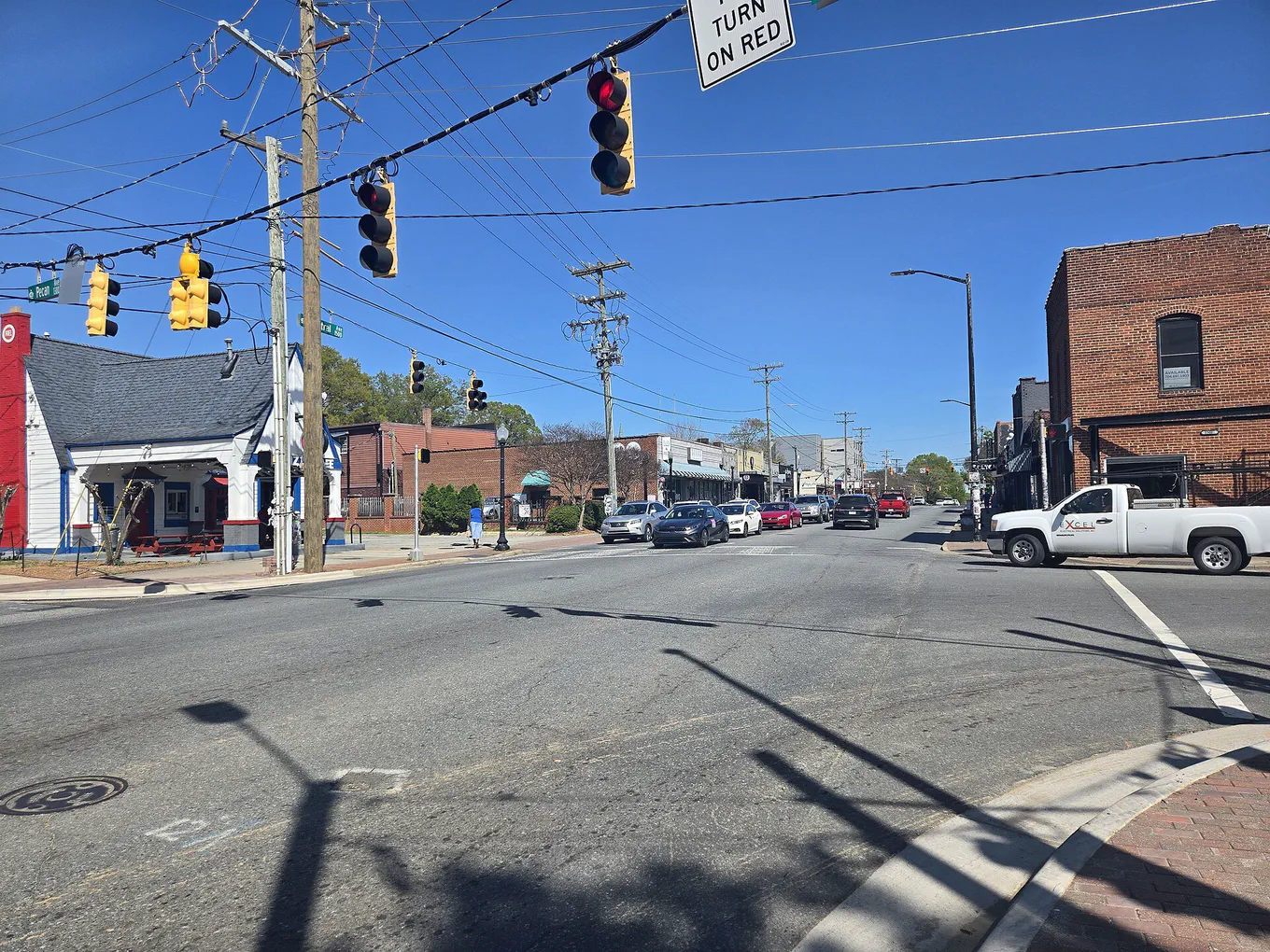
4 Billy Graham walks forward at a Plaza Midwood revival
Stand here. The corner of Central and Pecan avenues, in Plaza Midwood. The wooden revival building is long gone. A plaque was due in 2026.
Billy Graham wanted nothing to do with the evangelist preaching on this corner in 1934. To Graham, a dairy farmer’s son, the revival sounded like “a religious circus”. A worker on the family farm talked him into going. Businessmen had put up a temporary wooden building with a sawdust floor, and once Graham heard the preaching, he kept going back. On 1 November, during the last verse of the last song, he walked forward to make a decision for Christ. He was about a week short of sixteen.
5 Dorothy Counts’s four days at Harding High
Stand here. Harding High School on Irwin Avenue, now the Irwin Academic Center. The school moved in 1961, and its library carries her name.
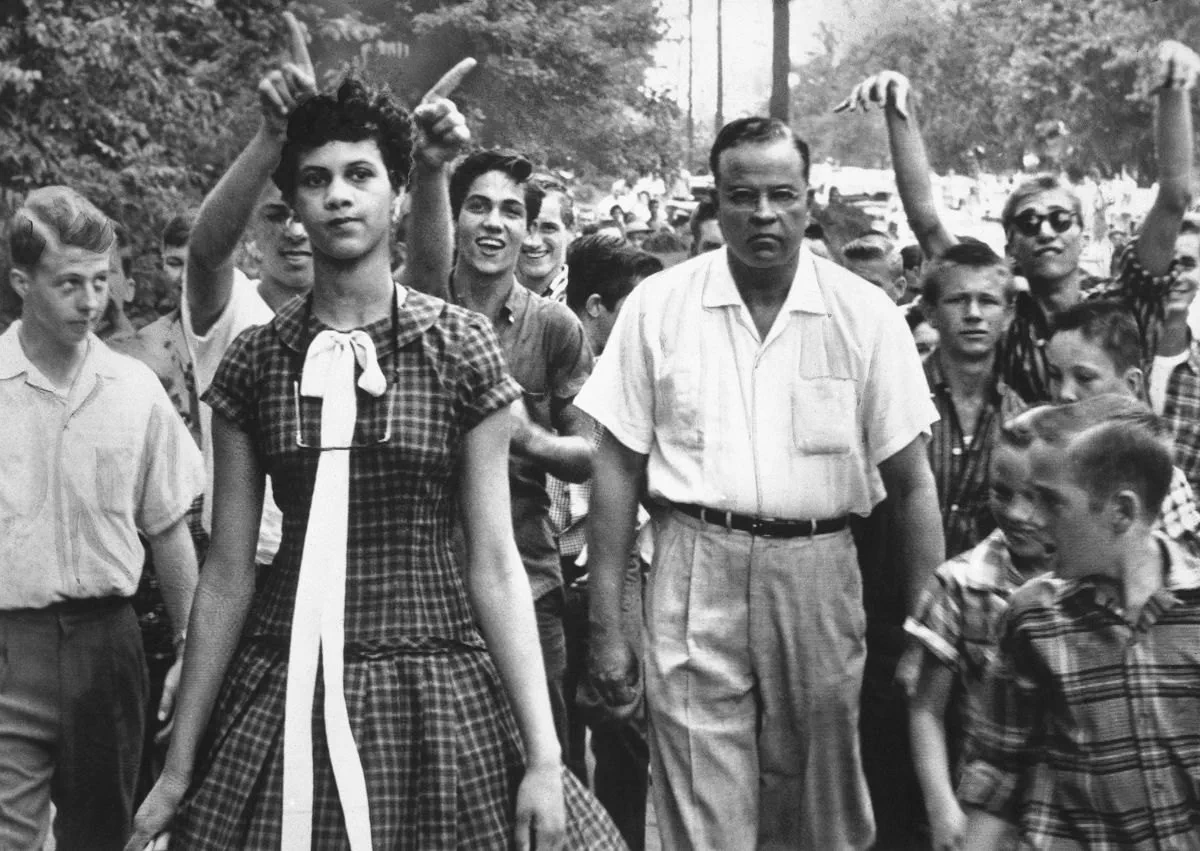
Dorothy Counts, aged 15, walking to Harding High School in Charlotte on her first day there.Douglas Martin / Public domain.
The photograph of Dorothy Counts walking into this school won the 1957 World Press Photo of the Year, and James Baldwin later wrote that it made him ashamed, and that it was time he went home. She was 15 when she walked in to integrate it, on 4 September 1957. A crowd of roughly 200 to 300 gathered, mostly students, and many people threw rocks at her. After four days, the police said they couldn’t guarantee her safety, and her parents took her out. She later moved back to Charlotte, to work with children from low-income families.
Pack nothing. Leave Friday.
Every Friday, I write a free letter, Journey, that takes us on a trip through places, stories, and ideas.
Lookaway, Lookaway(Wilton Barnhardt, 2013). A novel set in Charlotte, about the Jarvis-Johnston clan, a family of distinction with money, pedigree, and manners enough to keep secrets buried.
The Violin Conspiracy(Brendan Slocumb, 2022). A debut novel in which a classical musician tries to find his stolen violin, after it goes missing from his Charlotte house.
Devil Bones(Kathy Reichs, 2008). A novel, the eleventh starring forensic anthropologist Temperance Brennan, in which animal and human remains are found in a house under renovation in Charlotte.
Films to watch before you visit Charlotte
Homeland(Howard Gordon and Alex Gansa, 2011). A TV series. An espionage thriller filmed in and around Charlotte; the Brody family house is in Mountainbrook, a neighbourhood near SouthPark Mall.
Leatherheads(George Clooney, 2008). A film. A sports comedy whose opening and closing football game scenes were filmed at Memorial Stadium, near Central Piedmont Community College in Charlotte.
The Original Kings of Comedy(Spike Lee, 2000). A stand-up comedy film, shot before a live audience at the Charlotte Coliseum over the last two nights of the Kings of Comedy tour in February 2000.
Questions
Did Charlotte really declare independence before 1776?
Most historians think not. The Mecklenburg Declaration of 20 May 1775 is on the state flag, but its original papers burned in 1800, and professional historians consider the surviving text inaccurate. The Mecklenburg Resolves of 31 May 1775 are authentic, though they stopped short of declaring independence.
Why is Charlotte called the Queen City?
Because it’s named for a queen, Charlotte of Mecklenburg-Strelitz, who married King George III in 1761. The town was incorporated in 1768, and Mecklenburg County, whose seat it is, is named after her too.
Can you visit Billy Graham’s grave?
Yes. Graham died in 2018, aged 99, and is buried beside his wife in the Prayer Garden of the Billy Graham Library, at 4330 Westmont Drive. The library, built to look like a dairy barn, opened in 2007, and his boyhood home was moved to its grounds in 2006.