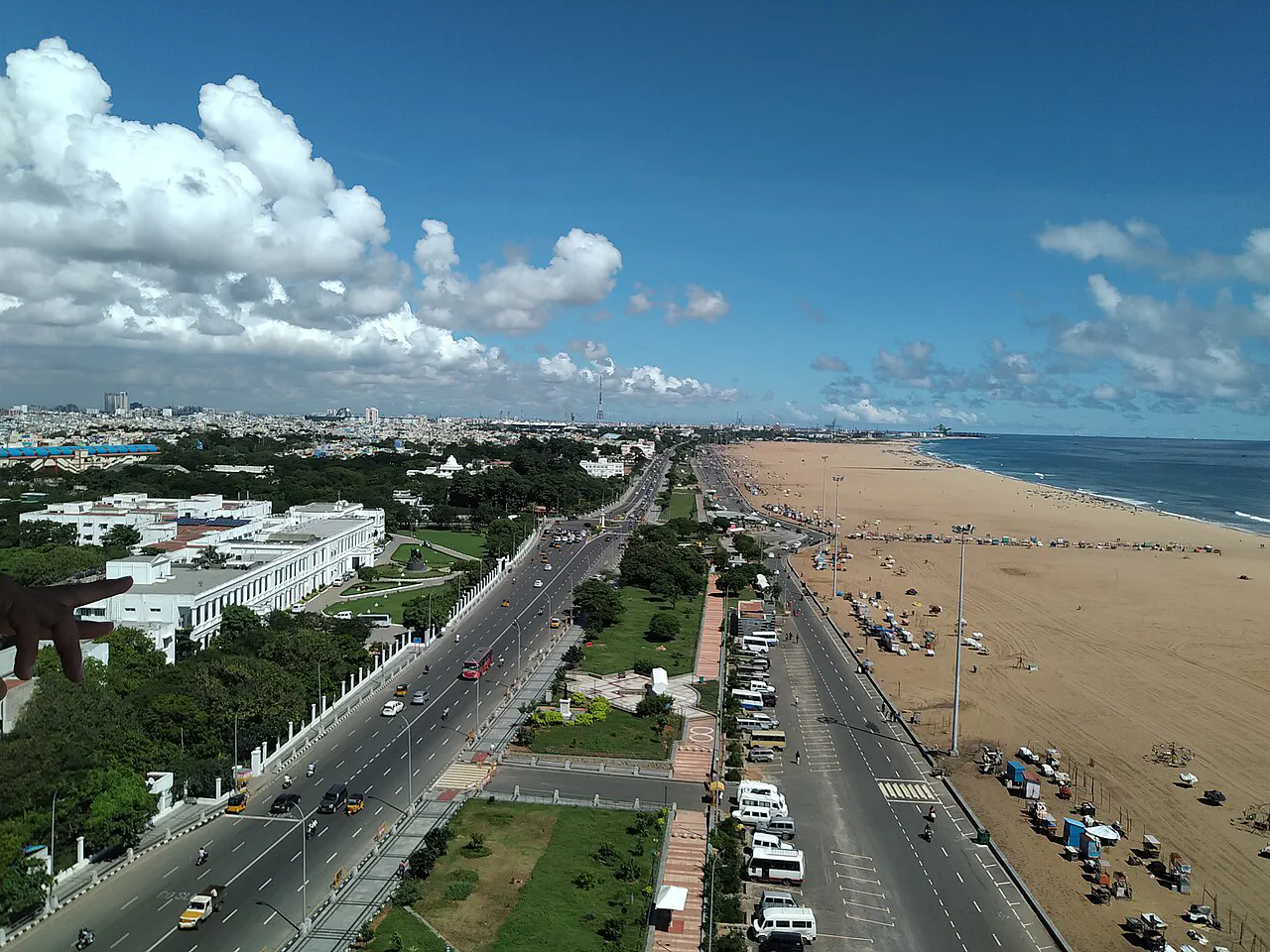
Officially Madras until 1996, Chennai is the capital of Tamil Nadu, India’s southernmost state, on the Bay of Bengal. In 1639 the East India Company was granted a strip of coast here, and its fort, Fort St George, was the first major English settlement in India. Doubting Thomas’s tomb and Elihu Yale’s wedding share the city with Clive’s misfired pistol, Krishnamurti on the beach, and Ramanujan’s letter to Cambridge.
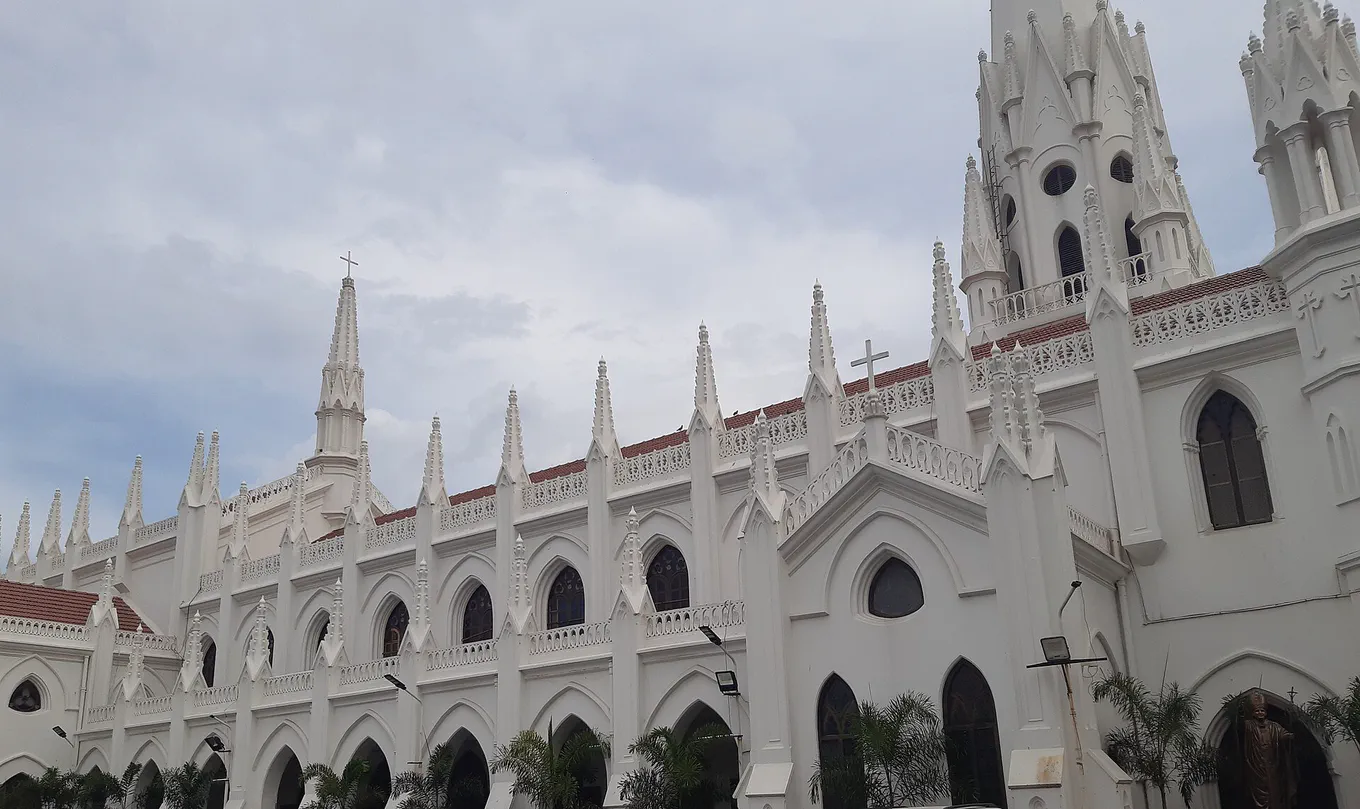
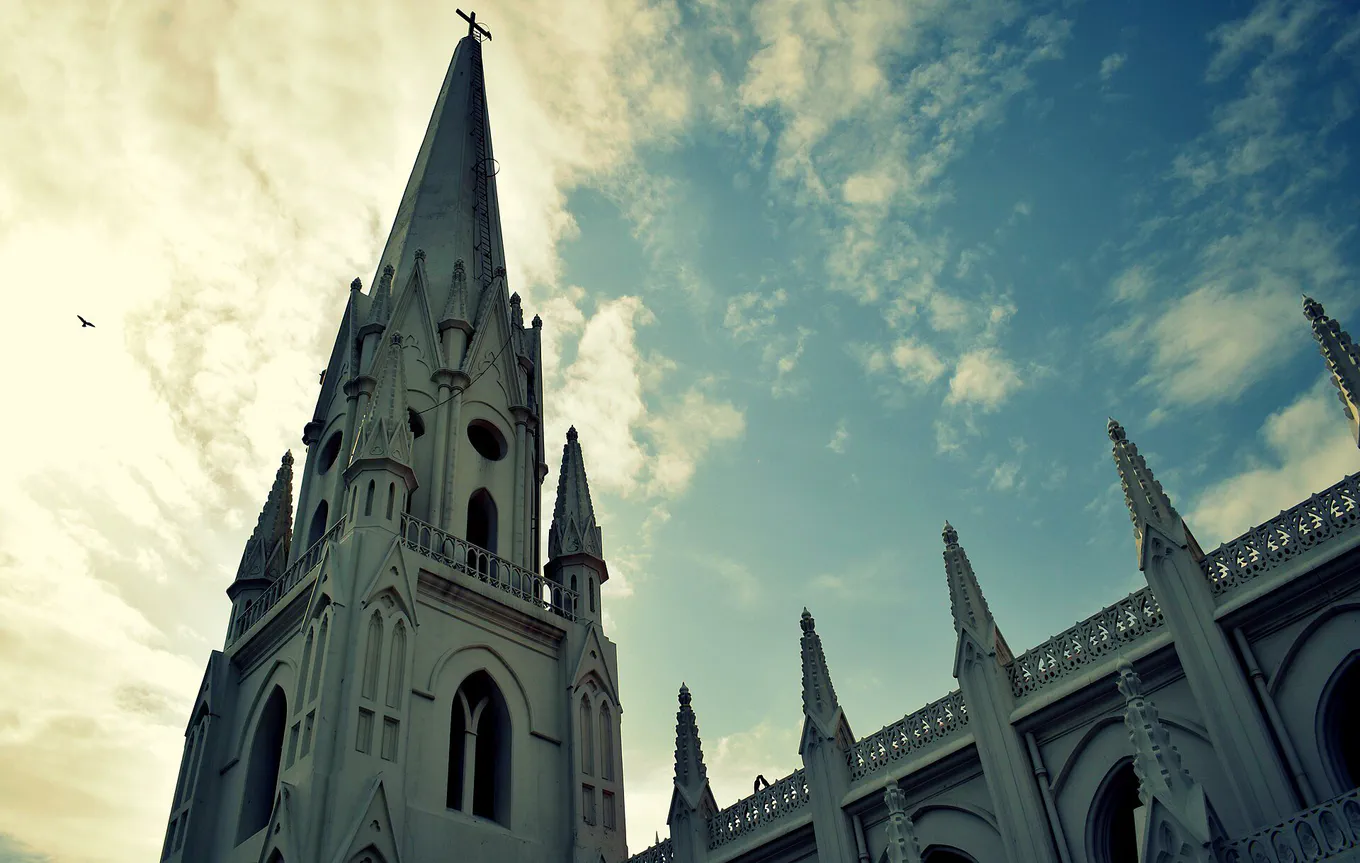
Doubting Thomas, the apostle who would not believe Jesus had risen until he was invited to touch the wounds, is said to lie here. Tradition says he landed on the Kerala coast and was killed with a spear in AD 72, on St Thomas Mount, a hill in the city. The Portuguese built a church over his tomb in 1523. Historians still argue over whether Thomas reached India at all. But the church holds what it says are his bones, and the spearhead it says killed him.
2 Elihu Yale’s wedding at St Mary’s Church, Fort St George
Stand here. St Mary’s Church, the oldest British building in India, inside Fort St George. Classmates of a US ambassador to India paid for improvements here and put up a plaque.
Yale University is named after Elihu Yale, a Company man whose wedding in 1680 was the first in this church’s register. His bride was a widow with capital. With it he learned the diamond trade. He rose to governor, until London removed him on corruption charges. In 1718, he was asked to help a school in Connecticut, and sent books, a portrait of the king, and nine bales of goods. The goods fetched £800. The school named its new building Yale, and in time the whole college took his name.
3 Robert Clive’s misfired pistol at Fort St George
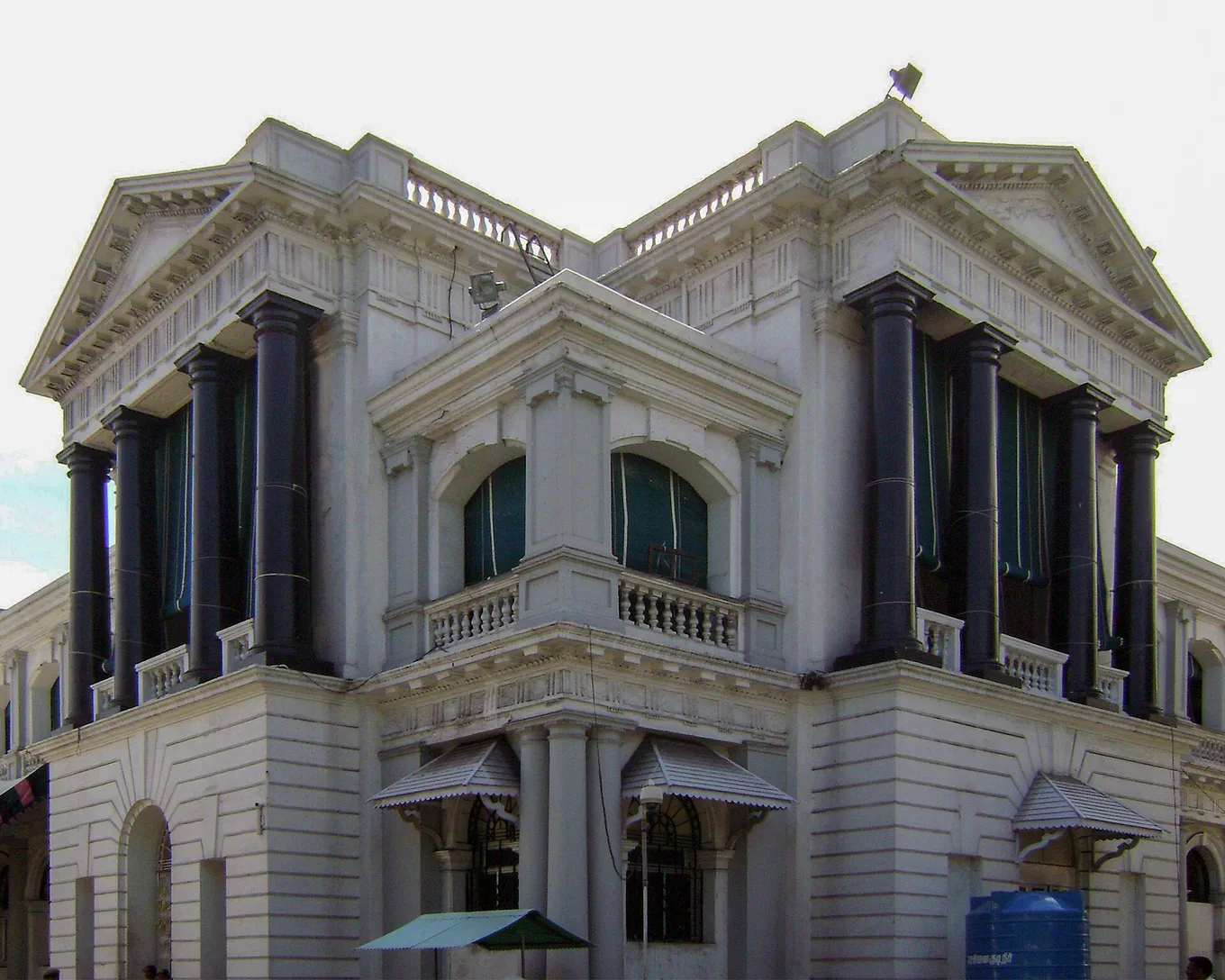
Stand here. Fort St George itself. It now holds Tamil Nadu’s legislative assembly and the Fort Museum, which has portraits of the governors of Madras.
Clive of India, the man credited with establishing Company rule in Bengal by winning the Battle of Plassey in 1757, began here as a “writer”, the word then used in India for an office clerk. He arrived at the fort in June 1744. Around the following February, the story goes, he tried to shoot himself, and the pistol misfired twice. After that, it seems, Clive was convinced that fate had greater things in store for him. He was nineteen, and twelve years from Plassey.
4 Krishnamurti, the boy picked out on the beach at Adyar
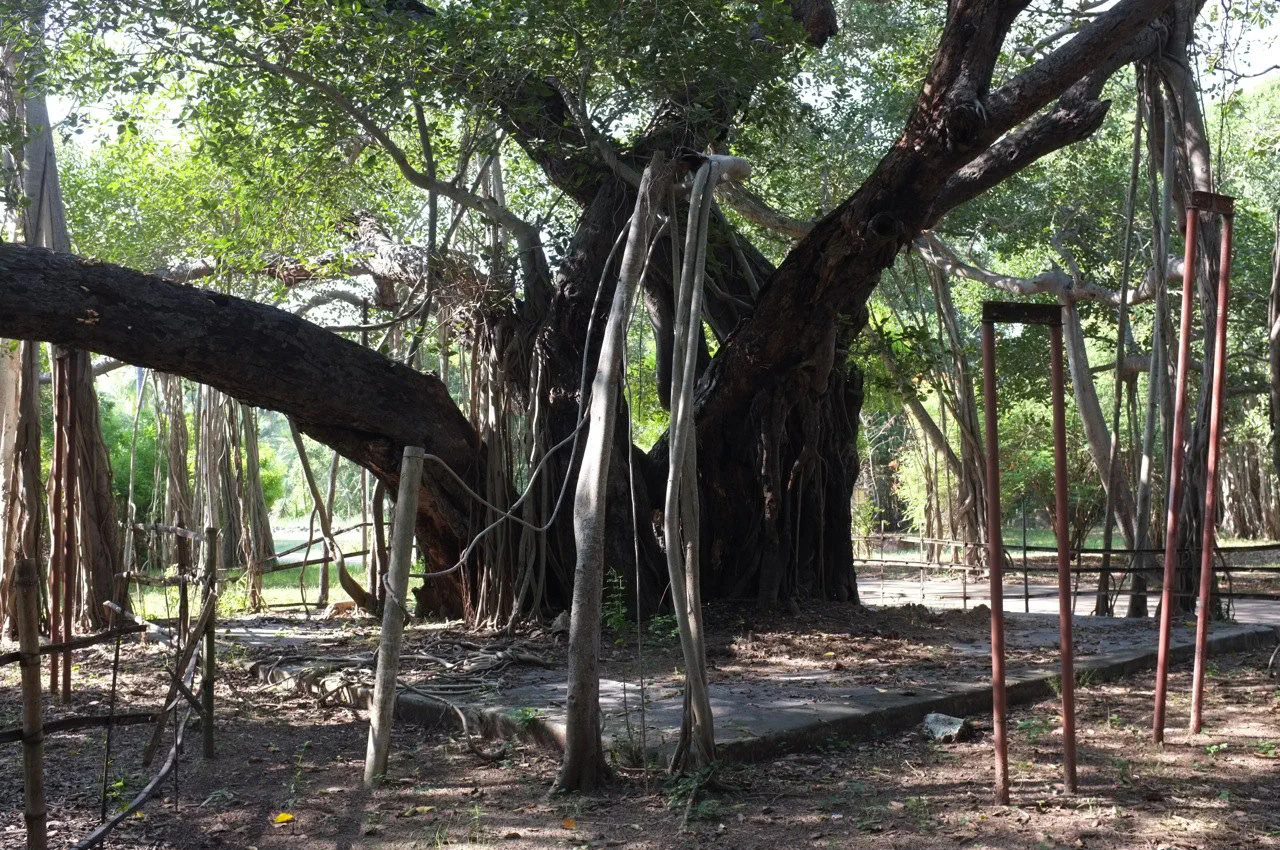
Stand here. The Theosophical Society’s 260-acre garden at Adyar, on the south bank of the Adyar River. Its banyan tree is about 450 years old.
Jiddu Krishnamurti, later a spiritual speaker, was fourteen when Charles Leadbeater, a Theosophical Society leader who claimed clairvoyance, noticed him on the Society’s beach in 1909. The Theosophists were expecting a World Teacher, and they began preparing the boy as the Teacher’s “vehicle”. Annie Besant, the Society’s president, took custody of him after a long legal battle with his father, and the Society made him head of a new order. In 1929, at a camp in the Netherlands, Krishnamurti dissolved it. “Truth is a pathless land,” he said.
5 Ramanujan, the Port Trust clerk who wrote to Cambridge
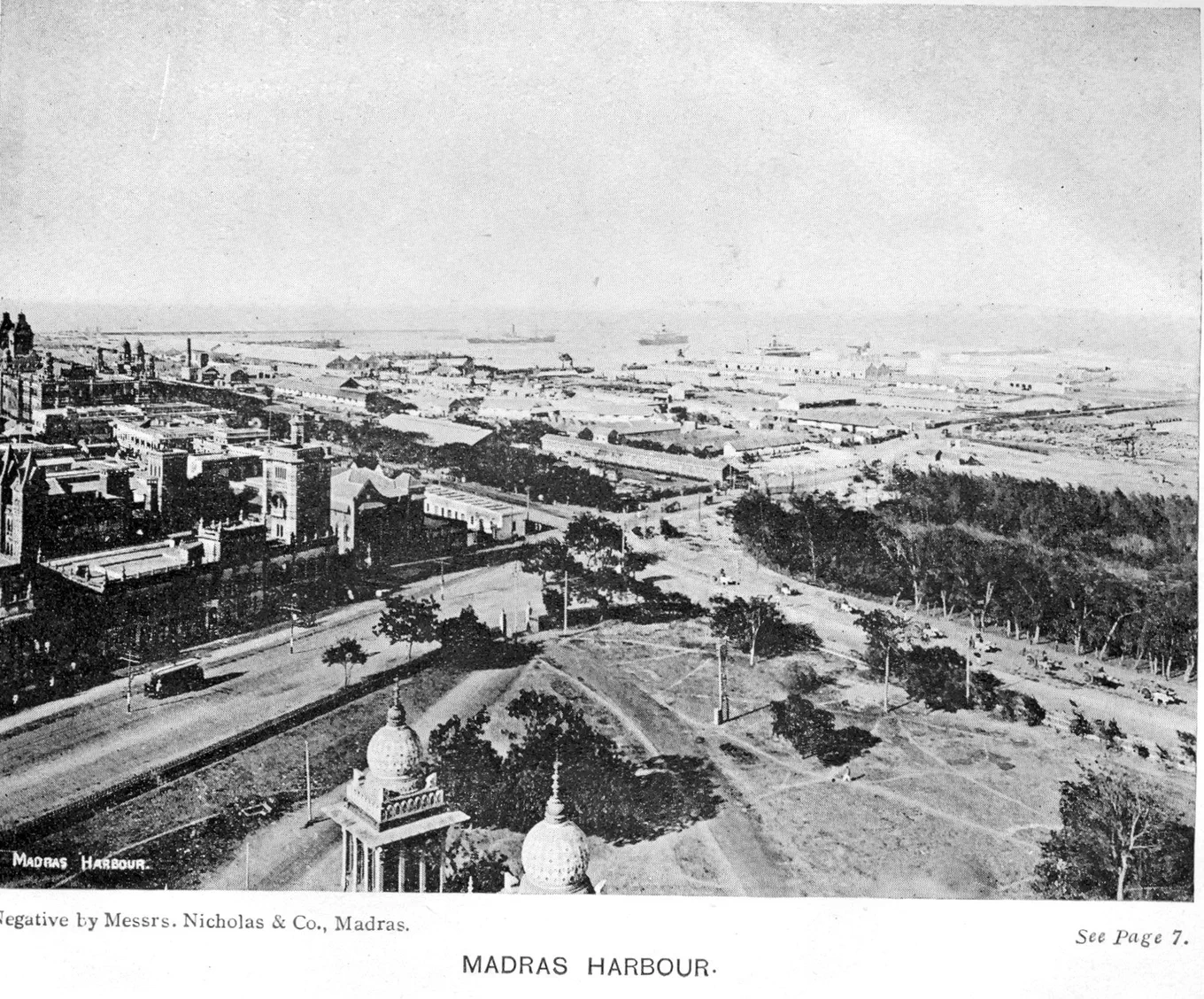
Stand here. Chennai Port, where Ramanujan clerked from 1912. The harbour office went up in 1916, after he had left Madras.
Madras Harbour, the forerunner of Chennai Port, photographed by Nicholas & Co of Madras.Nicholas & Co / Public domain.
In the film The Man Who Knew Infinity, Dev Patel plays Srinivasa Ramanujan, who became a clerk at the Madras Port Trust. Two Cambridge professors had returned his papers without comment. In January 1913, he tried a third, G. H. Hardy. Hardy at first suspected fraud, but said the theorems in the letter “must be true, because, if they were not true, no one would have the imagination to invent them”. When Ramanujan died at 32, the Port Trust gave his widow a pension for life.
Pack nothing. Leave Friday.
Every Friday, I write a free letter, Journey, that takes us on a trip through places, stories, and ideas.
Madras Discovered(S. Muthiah, 1981). A history of the city, built on the research he had done for its tourist guides.
Thanneer(Ashokamitran). A novel, its title meaning Water. Jamuna gets through her days in Madras during a water shortage.
Films to watch before you visit Chennai
Madras(Pa. Ranjith, 2014). A film. Two friends in the housing-board flats of Vyasarpadi, North Chennai, are caught in a political feud over a wall.
Alai Payuthey(Mani Ratnam, 2000). A film. A couple fall in love against the backdrop of Chennai and its suburban trains, against their parents’ wishes.
Vada Chennai(Vetrimaaran, 2018). A Tamil crime drama. Its title means North Chennai.
Questions
Where is the tomb of St Thomas in Chennai?
Under San Thome Basilica, in Mylapore, which was built over the believed tomb of the apostle. Since a restoration in 2004, the tomb has been in an underground chapel, and the church’s second spire marks its position. Historians still dispute that Thomas ever reached India.
What is inside Fort St George?
Fort St George, completed in 1644, was the first English fortress in India. It now houses the Tamil Nadu Legislative Assembly, the Fort Museum, with portraits of the governors of Madras, and St Mary’s Church, where both Elihu Yale and Robert Clive were married.
When did Madras become Chennai?
The city was officially renamed from Madras to Chennai on 17 July 1996. The name Madras had first been used officially in August 1639, in a deed selling land to Francis Day of the East India Company.