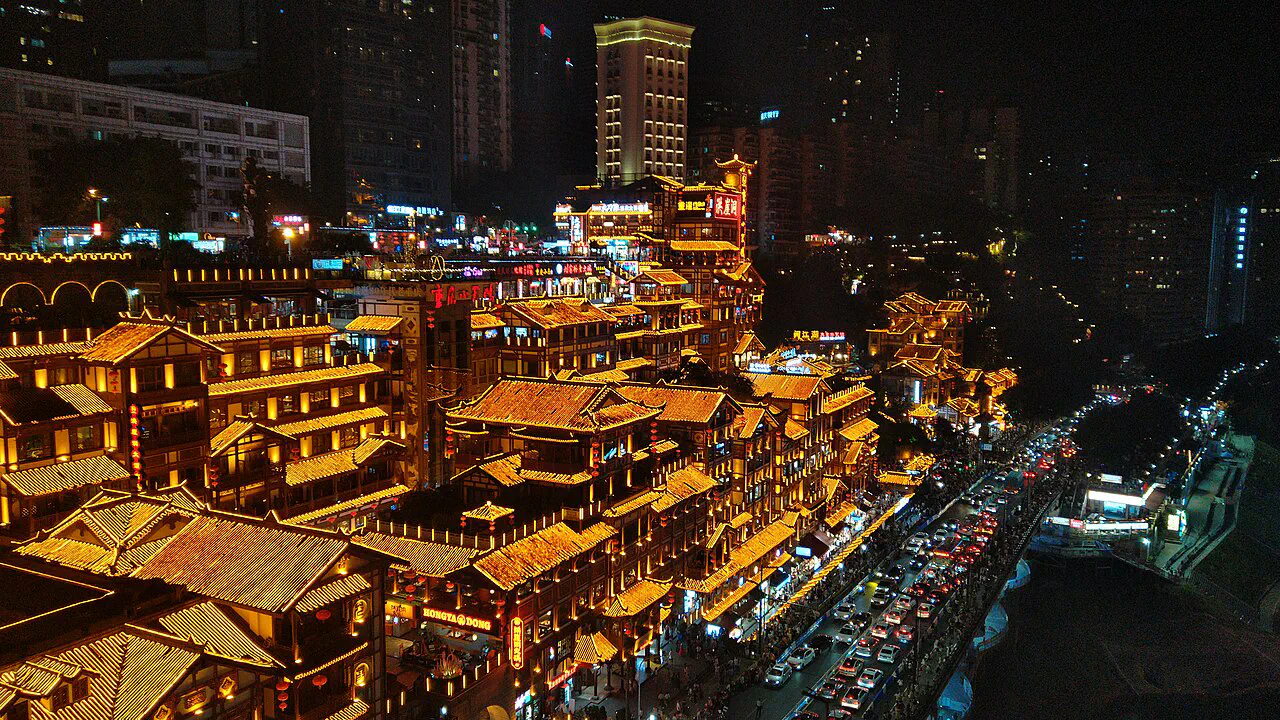
Apparently, the Chongqing monorail runs straight through a nineteen-storey block of flats, stopping between the sixth and eighth floors. It reminds me of the apartment block where a friend lived in Hong Kong. It had a hole in it so that the dragon could come down the mountain without being impeded. A monorail is less cool than a dragon, but maybe more useful if you can stand the noise.
— Nick
Split from Sichuan in 1997, Chongqing is a province-level municipality in southwest China. China’s capital during the war with Japan, it is known as the Fog City, with more than 100 days of fog a year. Genghis Khan’s grandson at his last siege heads a line-up with a deadly air-raid tunnel, Vinegar Joe Stilwell’s feud with Chiang Kai-shek, Mao’s 43 days of talks, and stone fish under the Yangtze.
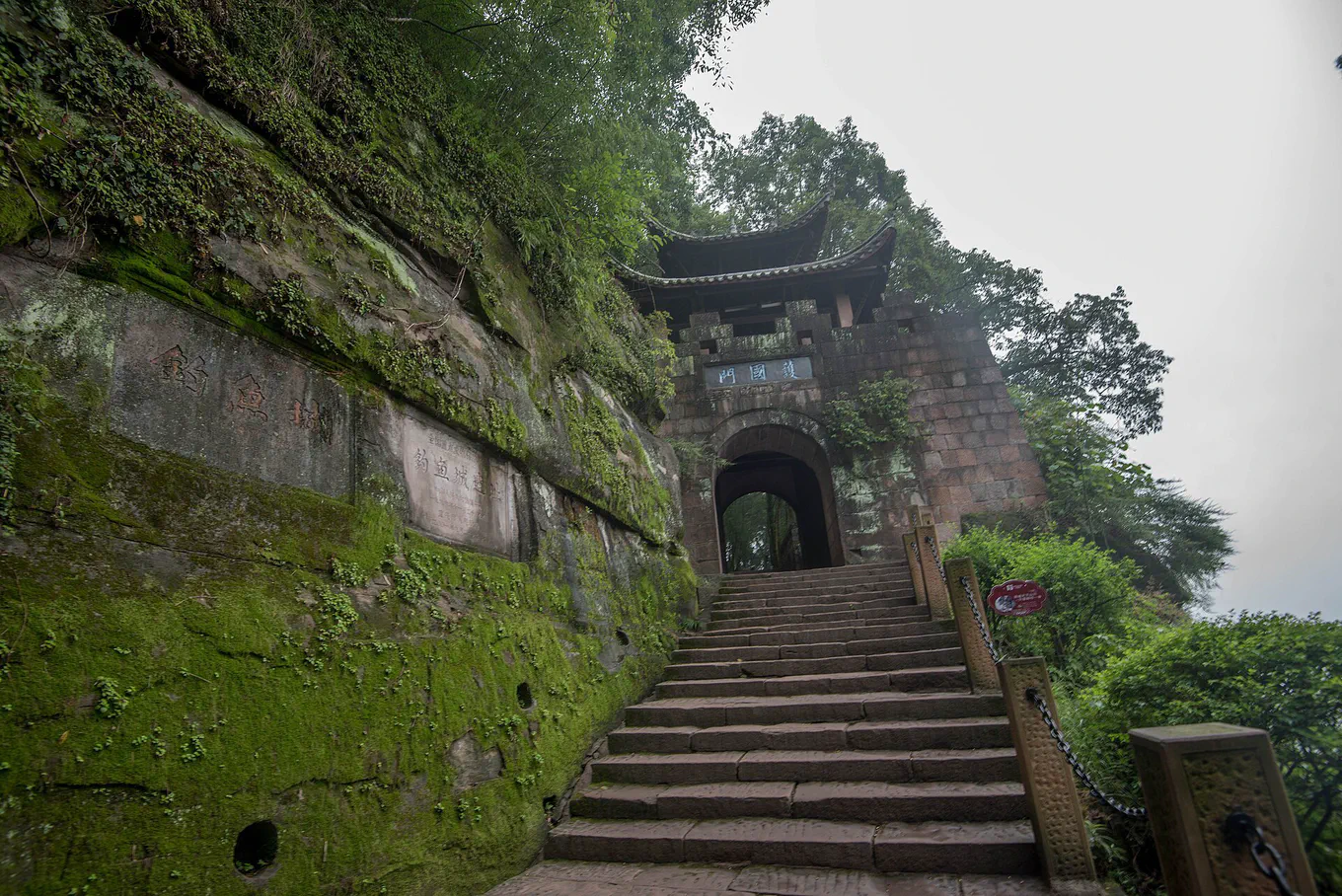
1 Genghis Khan’s grandson and the siege of Diaoyu Fortress
Stand here. Diaoyu Fortress, in Hechuan District. Now a national archaeological site park, it keeps its gates, walls, barracks, naval wharves, and temples.
Genghis Khan’s grandson Möngke ruled the Mongol Empire as Great Khan, and he put all his attention into conquering Song dynasty China. In 1259, he laid siege to Diaoyu Fortress. About five months in, he was dead, and the fortress still stood. Chinese accounts say artillery mortally wounded him, and Persian ones blame disease. His armies withdrew, and his brothers Kublai Khan and Ariq Böke fought a four-year civil war for his throne. In all, Diaoyu held out against the Mongols for 36 years.
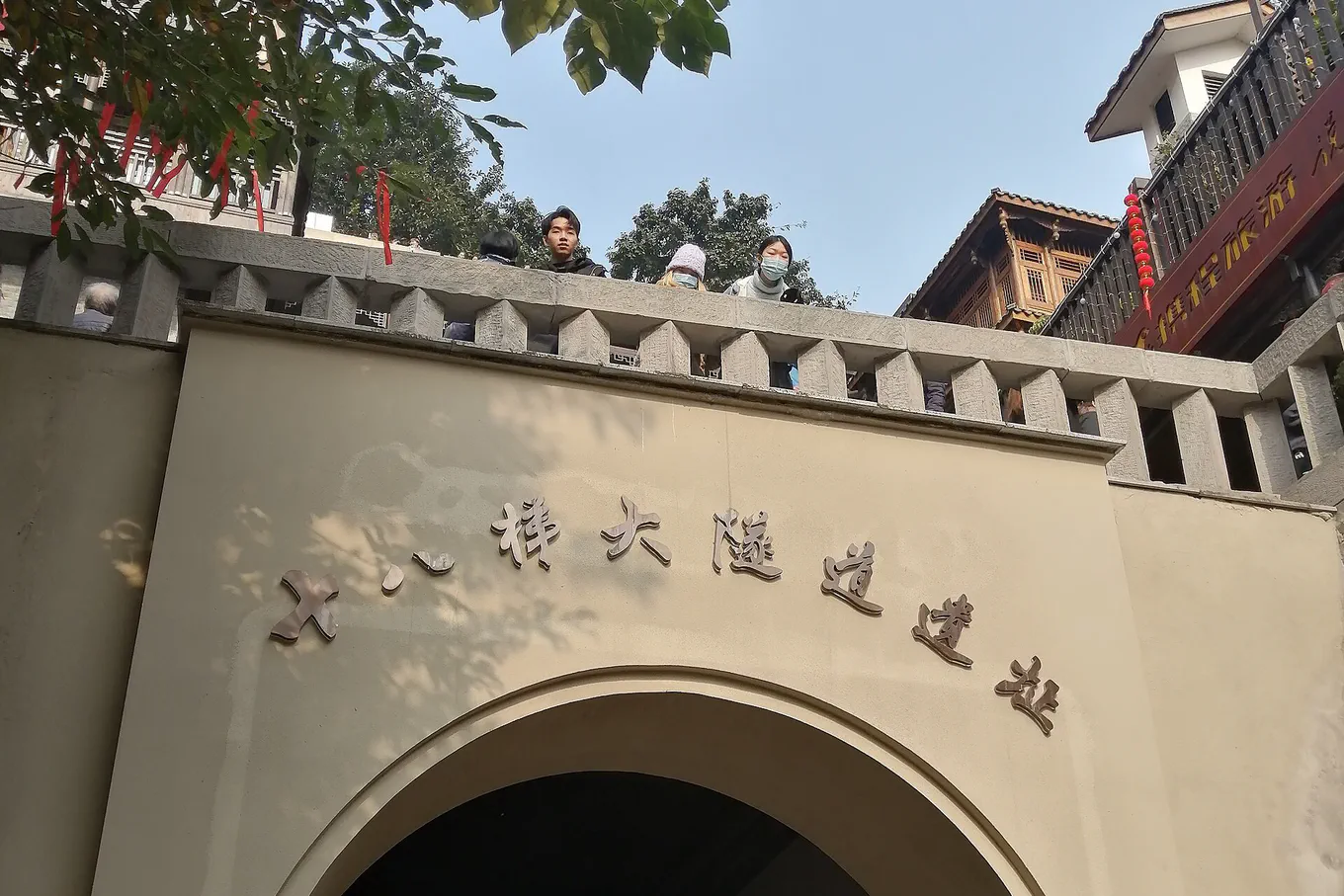
2 The air-raid tunnel at the Eighteen Stairs, 1941
Stand here. The former Great Tunnel site at the Eighteen Stairs, Shibati in Chinese, kept for remembrance. At memorial ceremonies, people lay flowers and light candles.
Japan bombed Chongqing, the wartime capital, for years, and Wu Guobing, the mayor’s elder brother, built almost all its public air-raid shelters. One was a tunnel at the Eighteen Stairs, in one of the city’s most crowded wards. On 5 June 1941, during a raid that lasted hours, people sheltering inside it suffocated. Three days later, the Nationalist leader, Chiang Kai-shek, dismissed the mayor and the air-defence commander. Chinese estimates of the dead range from 992 to 12,000. Every anniversary, the city sounds an air-raid siren.
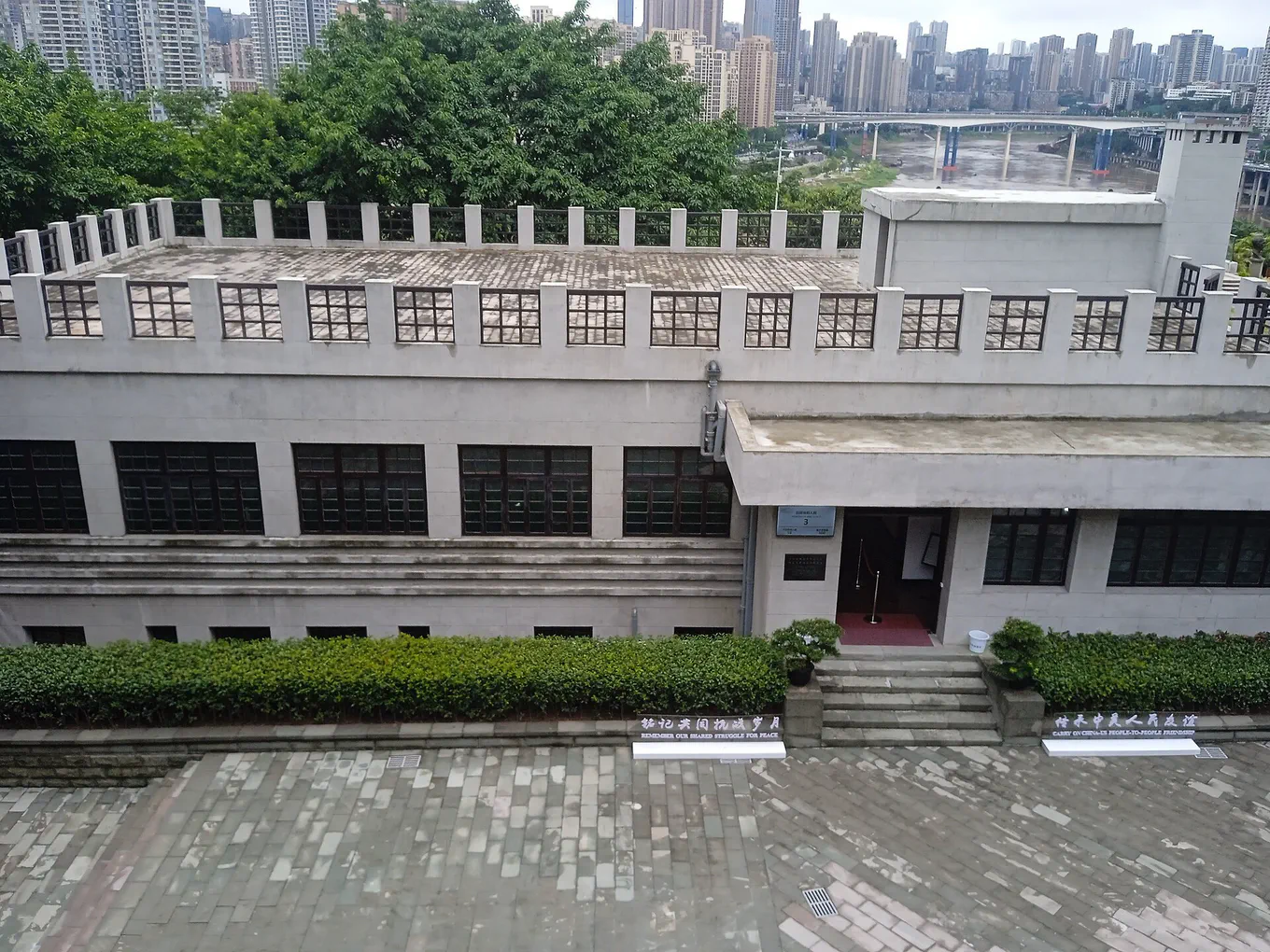
3 Vinegar Joe Stilwell’s house in wartime Chongqing
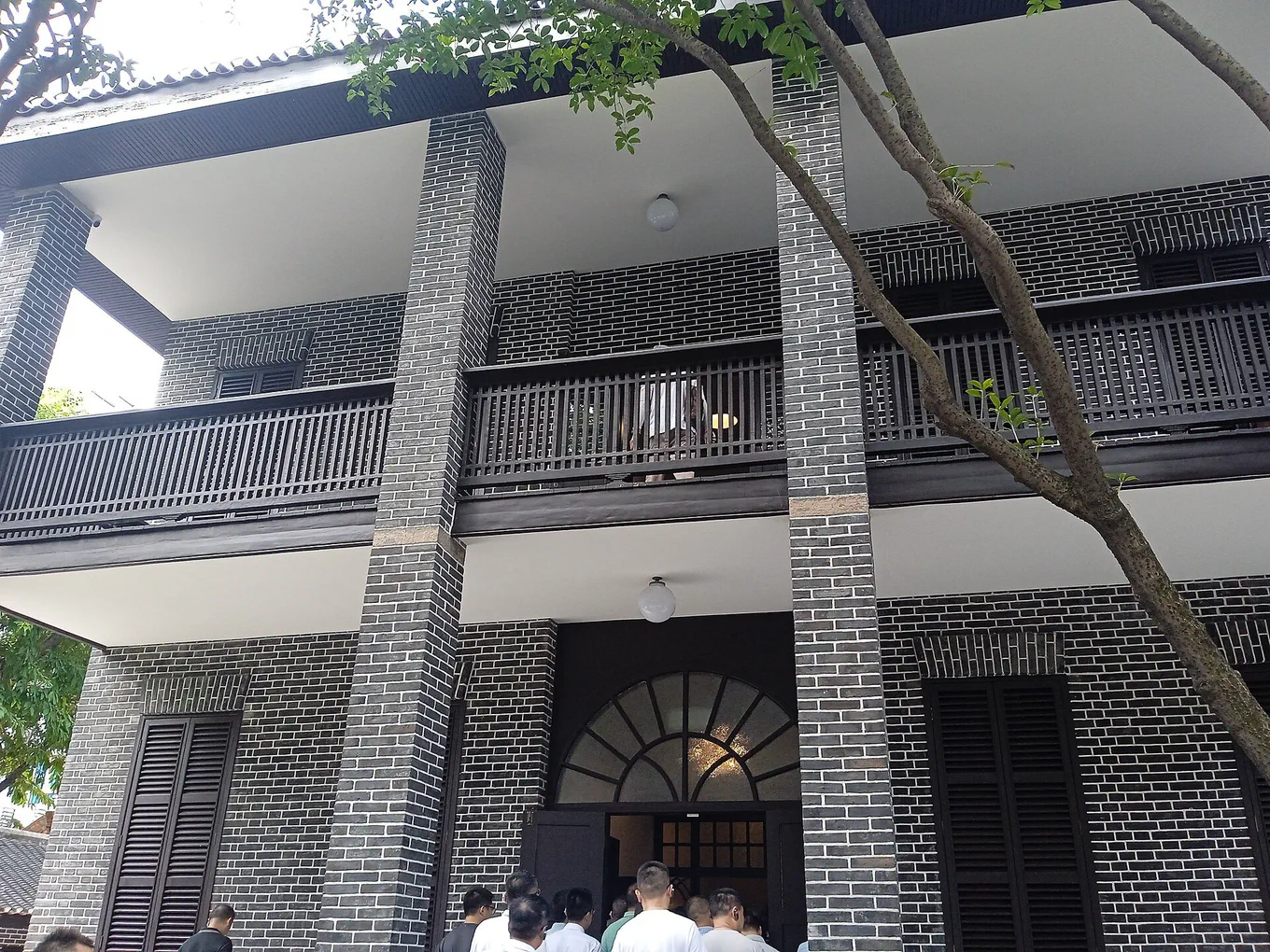
Stand here. The General Joseph W. Stilwell Museum, in Yuzhong District. His three-storey house is furnished in 1940s style, with a Roosevelt speech engraved in the courtyard.
The US general Joseph “Vinegar Joe” Stilwell lived here. In 1942, he came to wartime Chongqing as chief of staff to Chiang Kai-shek. In his reports to Washington, an outraged Stilwell called Chiang “the little dummy” or “Peanut”, and Chiang thought him reckless, insubordinate, and to blame for heavy Chinese losses. In August 1944, Stilwell was promoted to four-star general. In October, Roosevelt recalled him.
4 Mao and Chiang Kai-shek’s 43 days in Chongqing
Stand here. Guiyuan Garden, the villa General Zhang Zhizhong lent Mao for the talks, open to the public since 1977.
In August 1945, the Communist leader Mao Zedong flew to Chongqing to seek a settlement with his rival, Chiang Kai-shek. The two men dined together, and the talks went on for 43 days. By day, Mao and Zhou Enlai, who did most of the detailed negotiating, worked and received visitors in this garden. On 10 October, an agreement was signed, here by one account and at Red Rock Village by another. Mao went home to Yan’an the next day and called it “a mere scrap of paper”. In 1946, full civil war resumed.
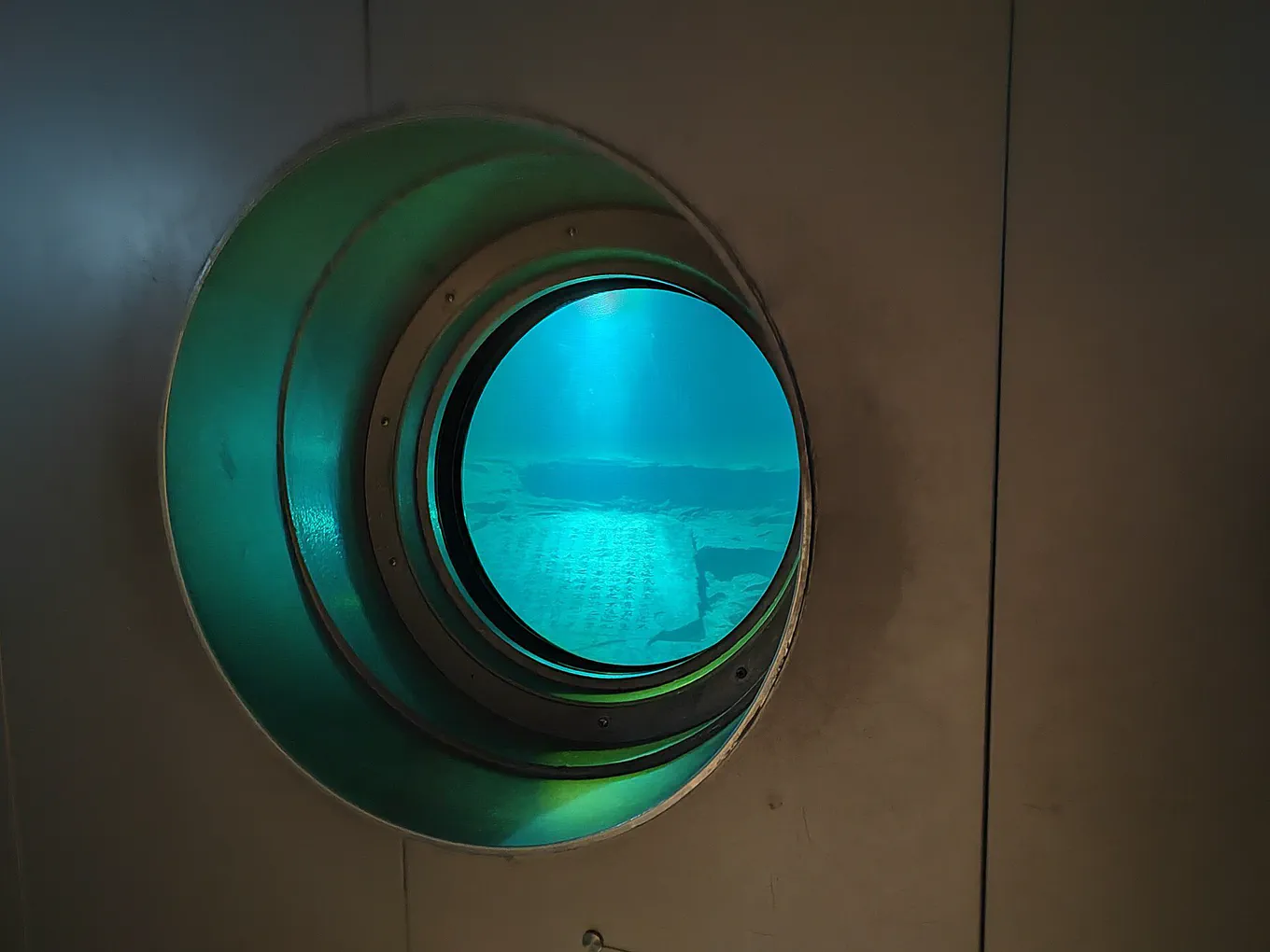
Stand here. The Baiheliang Underwater Museum, in Fuling District. A gallery inside a protective cover over the original ridge lets non-divers see the carvings.
The Three Gorges Dam was about to drown Baiheliang, a rock ridge running along the Yangtze at Fuling. For more than 1,200 years, the eyes of fish carved into its stone had marked the river’s lowest water. Once the reservoir filled, the ridge would lie more than 30 metres down. But Ge Xiurun, of the Chinese Academy of Engineering, designed a protective cover over the original site, with a circular gallery inside. Since the museum opened in 2009, visitors have looked at the stone fish without diving.
Pack nothing. Leave Friday.
Every Friday, I write a free letter, Journey, that takes us on a trip through places, stories, and ideas.
River Town: Two Years on the Yangtze(Peter Hessler, 2001). A memoir of his time as a Peace Corps volunteer at Fuling Teachers College, in Fuling District.
Thunder Out of China(Theodore H. White and Annalee Jacoby, 1946). A history by two American journalists. Its chapters cover the bombing of Chongqing and the government’s political conflicts.
Films to watch before you visit Chongqing
Still Life(Jia Zhangke, 2006). A film shot on location in Fengjie, a county upstream of the Three Gorges Dam, marked for flooding. It won the Golden Lion.
Better Days(Derek Tsang, 2019). A drama film, most of it shot on location in Chongqing.
Questions
Can you visit General Stilwell’s house in Chongqing?
Yes. His former residence in Yuzhong District is now the General Joseph W. Stilwell Museum, a three-storey house furnished in 1940s style, with an engraving of a Roosevelt speech in the courtyard. It was refurbished and reopened in August 2023.
Is Chungking Express set in Chongqing?
No. Wong Kar-wai’s 1994 film is a Hong Kong film. The “Chungking” in its title refers to Chungking Mansions, in Tsim Sha Tsui, Hong Kong, where much of the action in the film’s first story takes place.
Does a train really go through a building in Chongqing?
Yes. Liziba station, on monorail Line 2 in Yuzhong District, sits on the sixth to eighth floors of a 19-storey residential building. It opened in 2005 and uses special noise-reduction equipment to keep the station’s noise away from the flats around it.