Jesse Owens won four golds in Berlin, came home to a ticker-tape parade, then had to take the freight lift to his own reception. ‘Hitler didn’t snub me,’ he said, ‘it was our president who snubbed me.’ Some lines need no editing.
— Nick
Cleveland sits on the southern shore of Lake Erie, in Ohio. Surveyors founded it in 1796 near the mouth of the Cuyahoga River and named it after their leader, Moses Cleaveland. Its stories here are two friends inventing Superman, a Berlin champion snubbed at home, a crowd storming what is reckoned the first big rock and roll concert, a twenty-minute river fire, and a fan who bought a film’s house.
Stand here. The corner of Amor Avenue and Parkwood Drive, in Glenville. An Action Comics #1 fence stands in front of Shuster’s former home.
Superman began with two friends from Glenville High School in Cleveland. Jerry Siegel wrote and Joe Shuster drew, and Siegel said their first meeting was “like the right chemicals coming together”. Newspaper syndicates turned down their crime-fighting hero for years. Tired of rejections, they agreed to a comic book deal. They were paid $130 for the first story, and in early March 1938 they signed away the copyright for nothing. Superman appeared in Action Comics #1 that April, and the friends from Glenville no longer owned him.
2 Jesse Owens of Cleveland and his four Berlin golds
Stand here. Fort Huntington Park, at West Lakeside Avenue and West 3rd Street. A 1982 statue in its south-west corner shows Owens in his Ohio State track suit.
Jesse Owens, who won four gold medals at the 1936 Berlin Olympics, came to Cleveland from Alabama at nine as J. C. Owens. His new teacher heard “J. C.” in his strong Southern accent as “Jesse”, and the name stuck. After Berlin and a ticker-tape parade in Manhattan, he had to ride a freight elevator to his own reception at the Waldorf Astoria. President Roosevelt never invited him to the White House. As Owens put it, “Hitler didn’t snub me—it was our president who snubbed me.”
3 Alan Freed’s Moondog Coronation Ball at the Cleveland Arena
Stand here. 3717 Euclid Avenue. The Cleveland Arena was demolished in 1977, and the American Red Cross’s Cleveland Chapter now has its headquarters on the site.
What is generally reckoned rock and roll’s first major concert was the work of Alan Freed, the WJW disc jockey credited with popularising the term. On 21 March 1952, he brought fans of his Moondog show to the Cleveland Arena, but counterfeits and a printing error meant more tickets than it could hold. About 6,000 people outside knocked down four doors, and the police ended the night. A popular version has 20,000 people and one song. In 1986, Cleveland’s winning Rock and Roll Hall of Fame bid cited that night.
4 The Cuyahoga River fire with no known photograph
Stand here. The Cuyahoga at the foot of Campbell Road hill, in south-east Cleveland, where the fire burned under two wooden railway trestles.
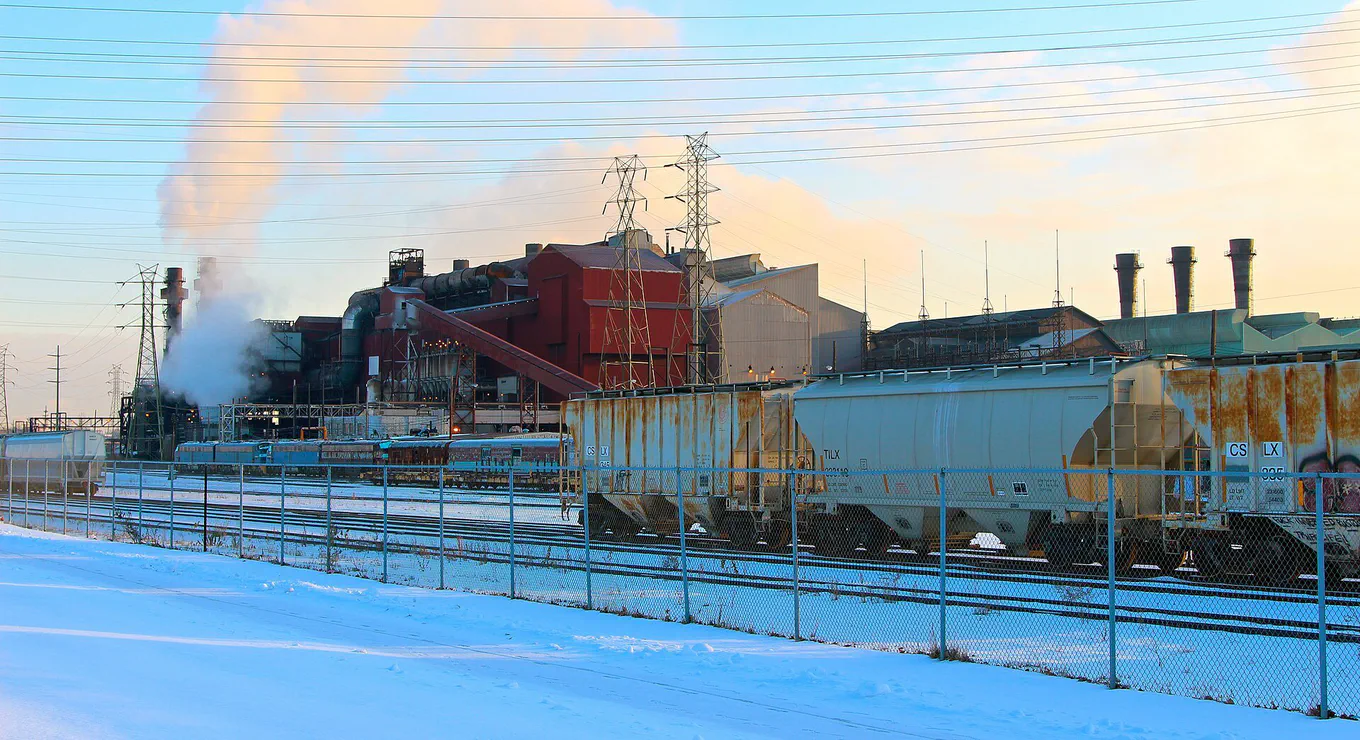
Randy Newman’s “Burn On” and R.E.M.’s “Cuyahoga” both refer to the river fire of 22 June 1969, yet it lasted about 20 minutes and wasn’t a major story in Cleveland’s media. No photograph of it is known. Time magazine ran a dramatic picture of a far bigger fire from 1952, and wrote of a river that “oozes rather than flows”. Carl Stokes, the mayor, had rallied voters behind $100 million for the rivers and taken reporters to the water. The coverage helped bring about the federal Environmental Protection Agency.
5 The leg-lamp seller who bought Ralphie’s house in Tremont
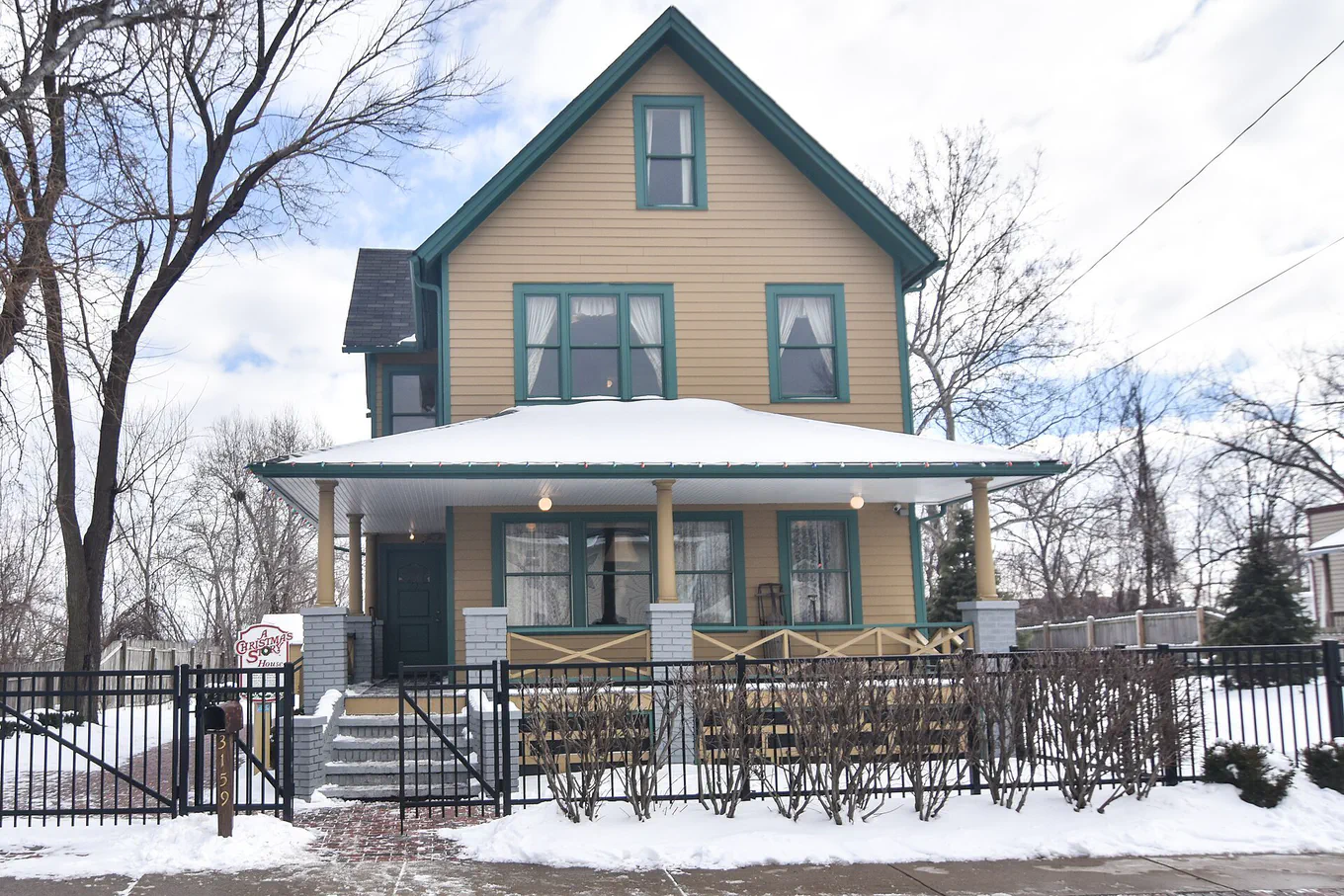
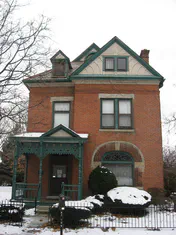
Stand here. 3159 West 11th Street, in Tremont. The house is restored to its look in the film, with tours, overnight stays, and a museum opposite.
A Christmas Story, the 1983 film of Ralphie and his Red Ryder rifle, is set in Indiana, but his house is in Cleveland. In 2004, Brian Jones, a fan, was selling replicas of the film’s leg lamp when his wife, deployed in the Middle East, told him the house was on eBay. He bought it for $150,000. Previous owners had fitted modern windows and covered the wood in blue vinyl, so Jones spent $240,000 turning it into a near-copy of the film set. More than a million people have toured it.
Pack nothing. Leave Friday.
Every Friday, I write a free letter, Journey, that takes us on a trip through places, stories, and ideas.
American Splendor(Harvey Pekar, 1976–2008). A memoir of Pekar’s daily life in Cleveland’s ageing neighbourhoods. Pekar Park, at the corner of Coventry Road and Euclid Heights Boulevard, is named for him.
Little Fires Everywhere(Celeste Ng, 2017). A novel set in Shaker Heights, Ohio, where Ng grew up.
Crooked River Burning(Mark Winegardner, 2001). A novel set in midcentury Cleveland, about the relationship between David Zielinsky, an engaged man from a union family, and affluent journalist Anne O’Connor.
Films to watch before you visit Cleveland
A Christmas Story(Bob Clark, 1983). A film, set in Indiana. Ralphie’s house is in Tremont, and the parade was filmed outside Higbee’s department store on Public Square.
The Deer Hunter(Michael Cimino, 1978). A film. Its wedding was shot at St Theodosius Russian Orthodox Cathedral in Tremont, and the reception at nearby Lemko Association Hall.
Welcome to Collinwood(Anthony and Joe Russo, 2002). A film about a group of small-time thieves and misfits from Cleveland’s Collinwood neighbourhood.
Major League(David S. Ward, 1989). A film set in Cleveland, though shot mostly in Milwaukee. It opens on one of the Guardians of Traffic on the Hope Memorial Bridge.
Stranger Than Paradise(Jim Jarmusch, 1984). A film. Its characters go to a pier on the frozen, snow-covered Lake Erie lakefront to take in the view.
Questions
Can you visit the A Christmas Story house in Cleveland?
Yes. The house from the 1983 film is at 3159 West 11th Street in Tremont, restored inside and out to look as it does in the film, and open for tours and overnight stays. A museum across the street opened with it on 25 November 2006.
Why is the Rock and Roll Hall of Fame in Cleveland?
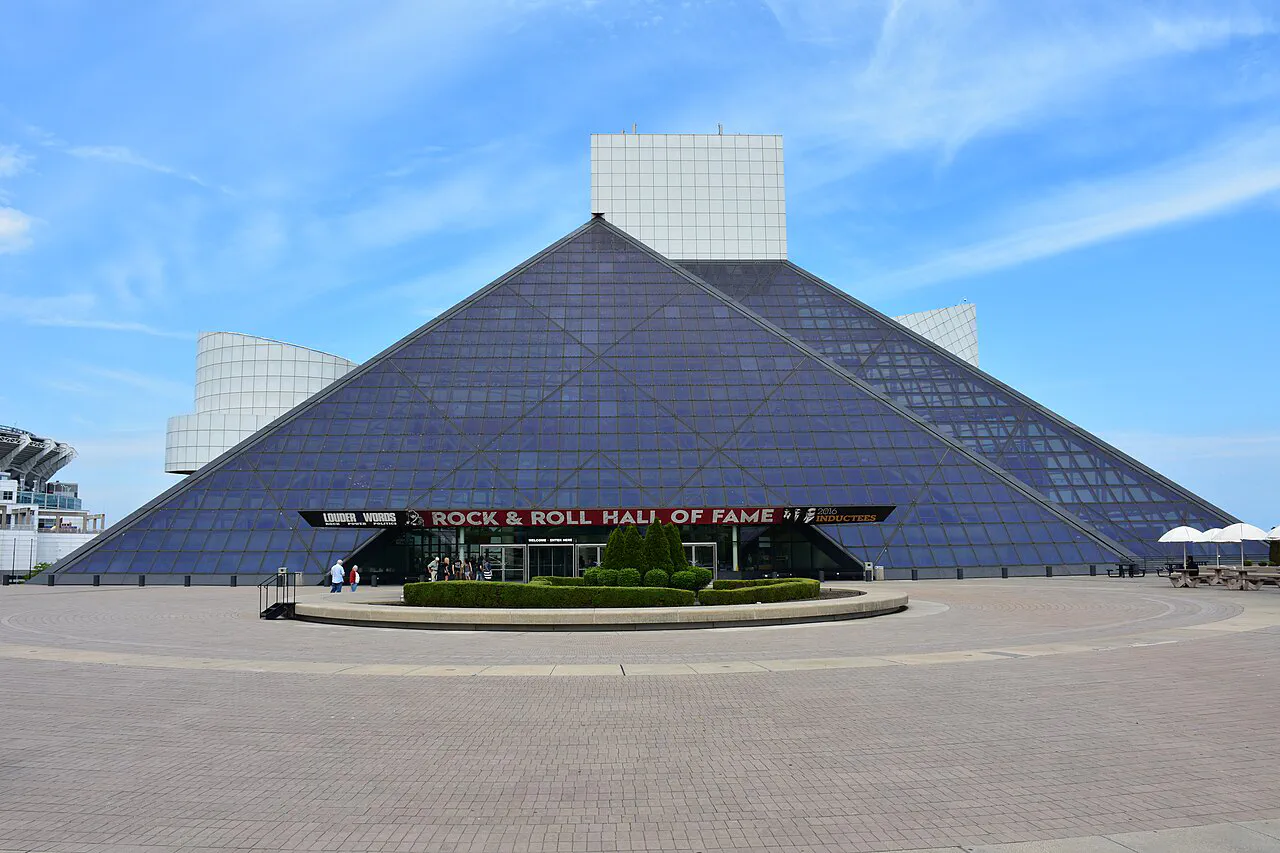
Cleveland was chosen in 1986, after a long search. Civic leaders pledged $65 million in public money and pointed to Alan Freed, the WJW disc jockey who popularised the term “rock and roll”, and his Moondog Coronation Ball. The museum, designed by I. M. Pei, stands on Lake Erie and was dedicated on 1 September 1995.
Did the Cuyahoga River really catch fire?
Yes, at least 13 times, the first in 1868. The largest fire, in 1952, did more than $1 million of damage. The famous one, on 22 June 1969, lasted about 20 minutes. Stretches of the river once without fish now hold 44 species, and in 2019 Ohio declared fish from the river safe to eat.