In Zombieland, Jesse Eisenberg’s character is called Columbus because that’s where he’s trying to get to. Rule number one is cardio… which I find a sobering thought these days.
— Nick
Columbus is the capital and most populous city of Ohio. It was founded in 1812 where the Scioto and Olentangy rivers meet, planned as the state capital for its central location, and named after Christopher Columbus. Its stories are the ghost James Thurber believed he heard, the girl Wendy’s was named after, Lincoln’s word that nothing was going wrong, the prisoner who became O. Henry, and Jack Nicklaus’s first nine holes.
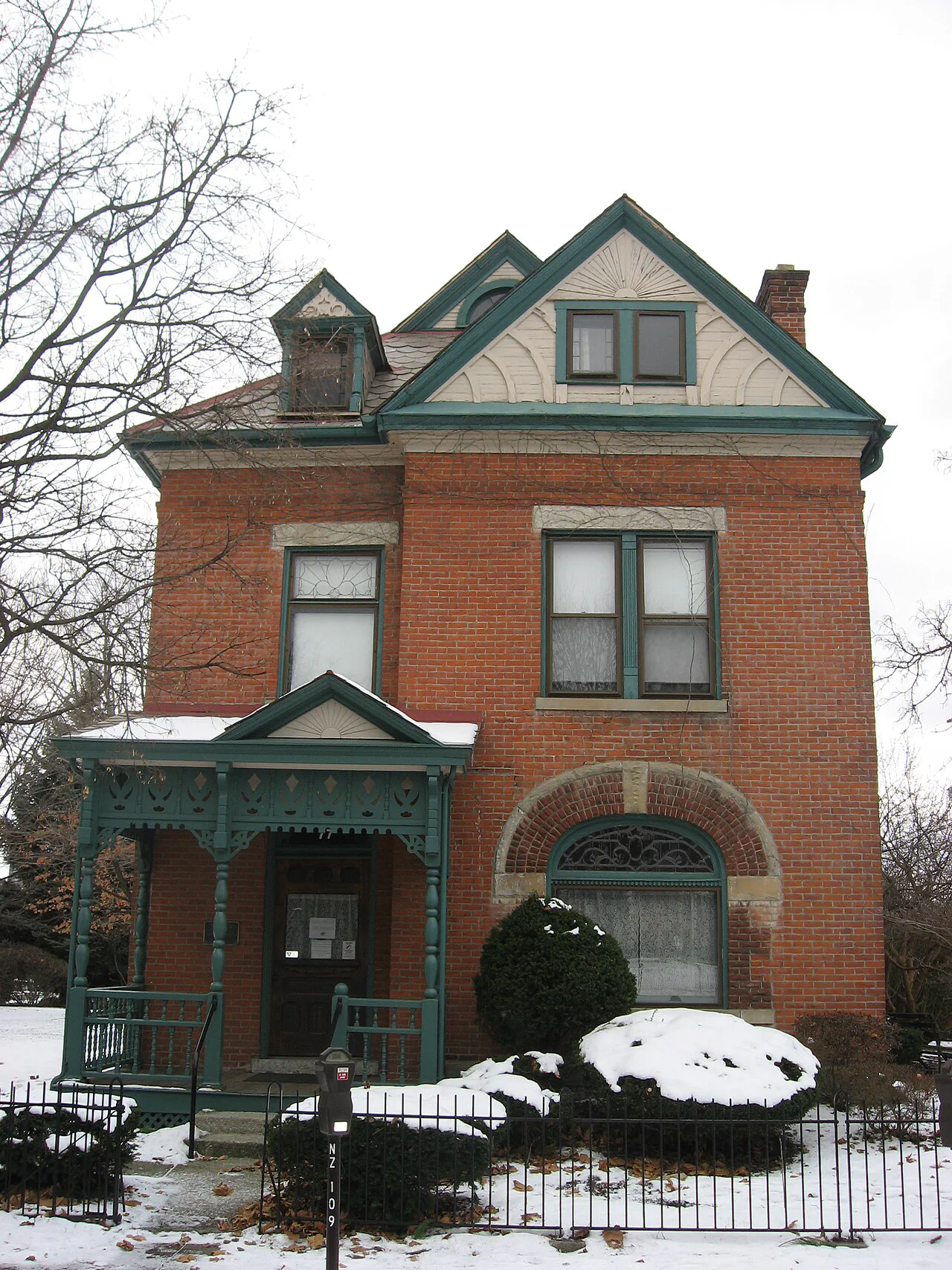
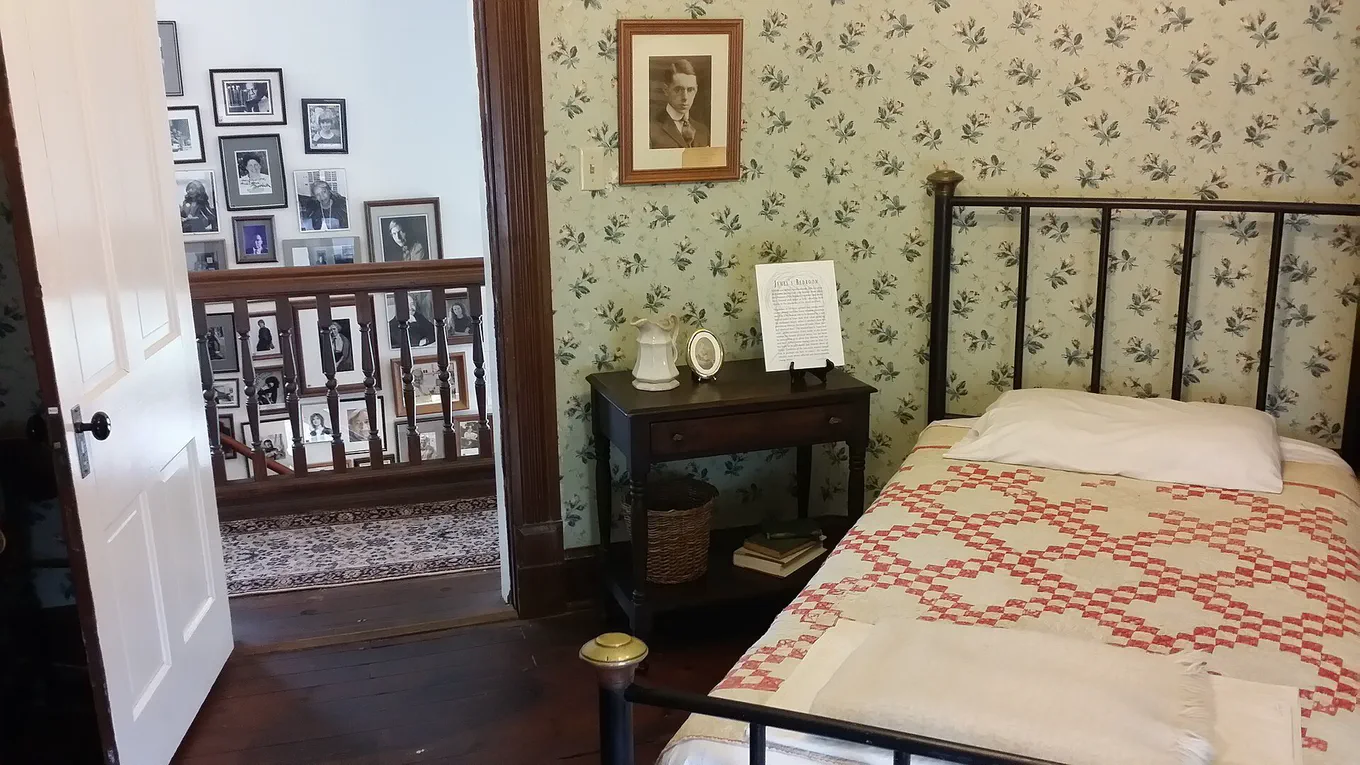
Long before “The Secret Life of Walter Mitty” became a Danny Kaye film, James Thurber was an Ohio State student living here, and in 1915 he heard footsteps circling the dining-room table. In his comic telling, “The Night the Ghost Got In”, his mother’s burglar scare brings police, and his grandfather, who thinks the Civil War is still on, shoots one in the shoulder. Thurber changed the address in print to avoid scaring the people then at number 77. He believed to his dying day the house was haunted.
2 Wendy Thomas and the first Wendy’s on Broad Street
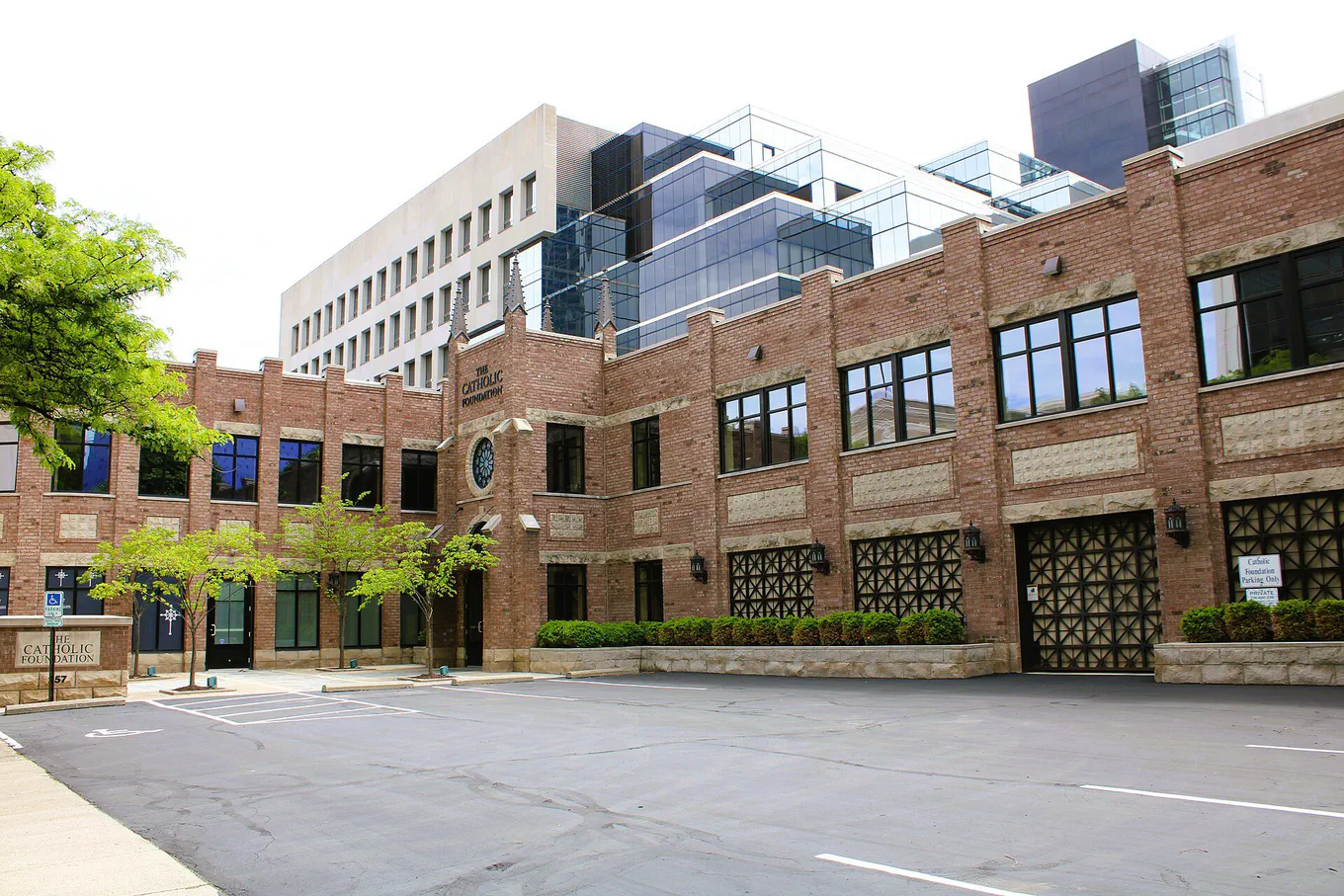
Stand here. 257 East Broad Street, downtown. The restaurant closed in 2007, but the building stands, now the Catholic Foundation’s headquarters, with a historical marker outside.
On 15 November 1969, Dave Thomas opened the first Wendy’s here, selling square burgers whose corners stuck out of the round bun, so the meat looked plentiful. He named it after his eight-year-old daughter, Melinda Lou, whose nickname was Wendy. As the chain grew into a fast-food empire, Thomas later wrote, she lost some of her privacy, because many people assumed she was its spokesperson. Before he died, Thomas said the name had put a lot of pressure on her. “I should’ve just named it after myself.”
3 Abraham Lincoln’s “nothing going wrong” speech at the Ohio Statehouse
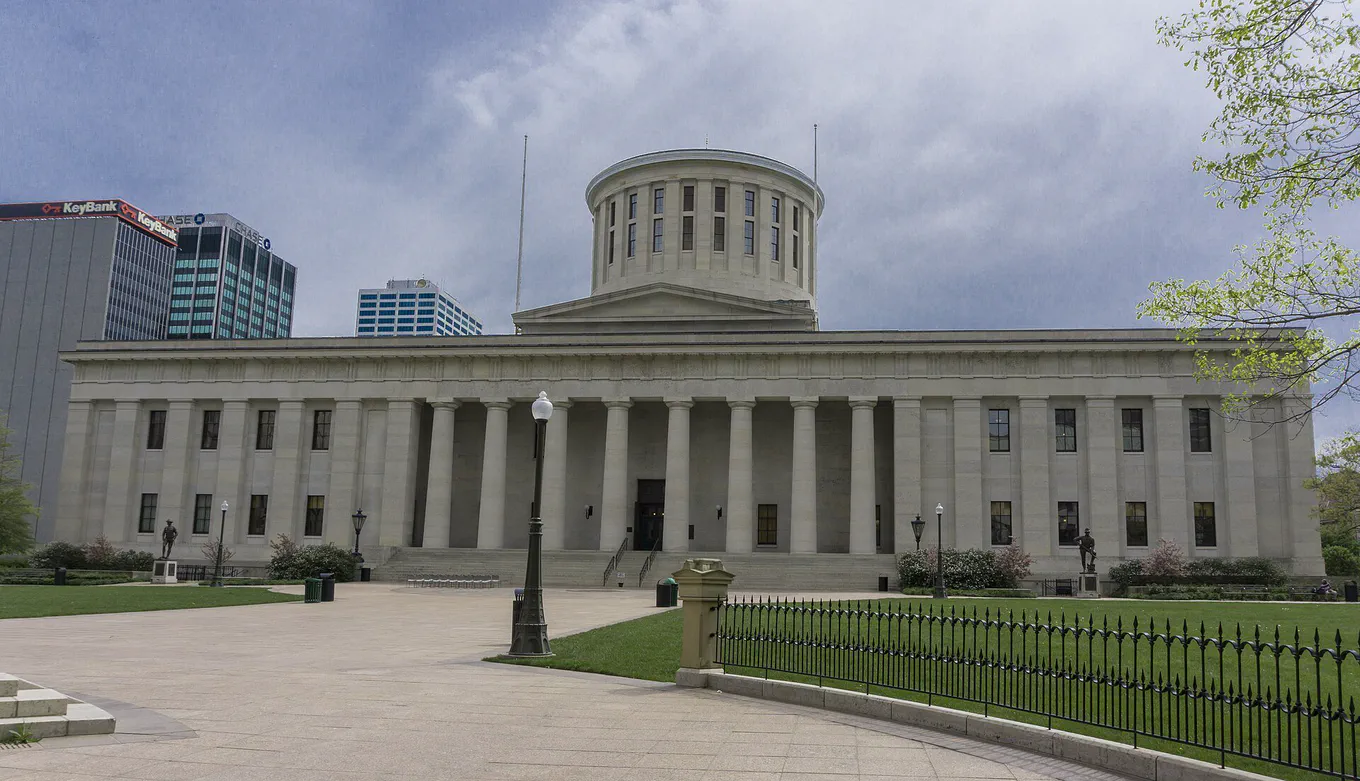
Stand here. The Ohio Statehouse, on Capitol Square. Still a working capitol, it houses the Ohio General Assembly and a marble bust of Lincoln.
Abraham Lincoln was president-elect, travelling to Washington, when he spoke here to a joint meeting of Ohio’s legislature on 13 February 1861. Five days earlier, seven states that had left the Union formed the Confederacy. Lincoln defended his silence on the crisis, speaking off the cuff. “It is a good thing that there is no more than anxiety,” he said, “for there is nothing going wrong.” Two months later, Confederate forces bombarded Fort Sumter, and the Civil War began. Four years on, Lincoln lay in state in this same building.
4 How a prisoner in the Ohio Penitentiary became O. Henry
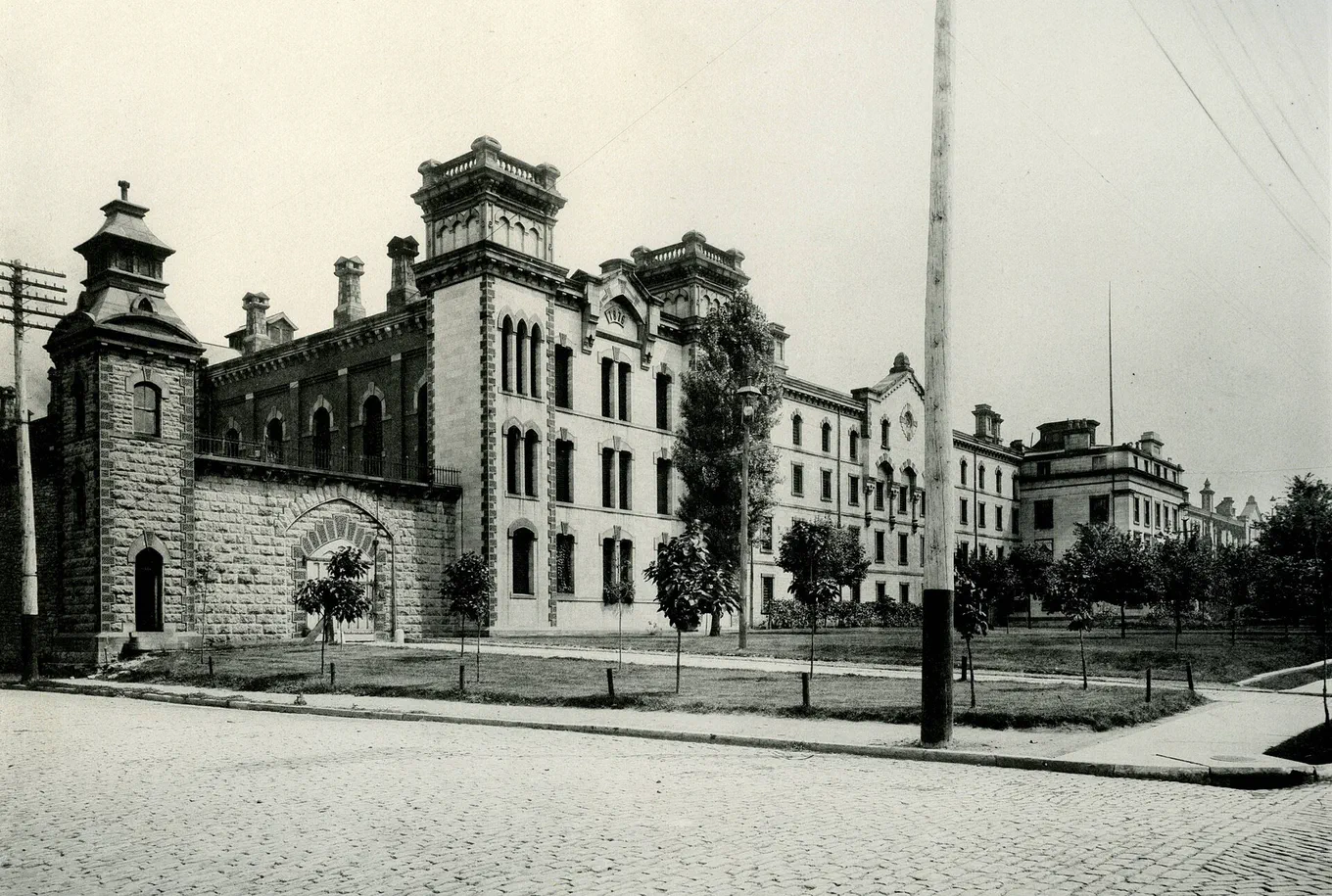
Stand here. The Ohio Penitentiary was demolished in 1997. Its site, in the Arena District, now holds McFerson Commons, condominiums, offices, and parking garages.
The old Ohio Penitentiary in Columbus, demolished in 1997, in a late-19th-century photograph.Unknown / Public domain.
The man who wrote “The Gift of the Magi” arrived here in 1898 as William Sydney Porter, a former Austin bank worker convicted of embezzling $854.08. He was a licensed pharmacist, so he worked nights as the prison hospital’s druggist, with his own room. From there he published 14 stories under a string of pen names, sent on by a friend so no publisher knew the author was a convict. In December 1899, readers of McClure’s Magazine met one of those names, O. Henry. He was prisoner number 30664.
5 Jack Nicklaus’s first nine holes at Scioto Country Club
Stand here. The Jack Nicklaus Museum, 2355 Olentangy River Road, on the Ohio State campus. It opened in 2002 with over 2,000 items from his career. Check it is open before you go.
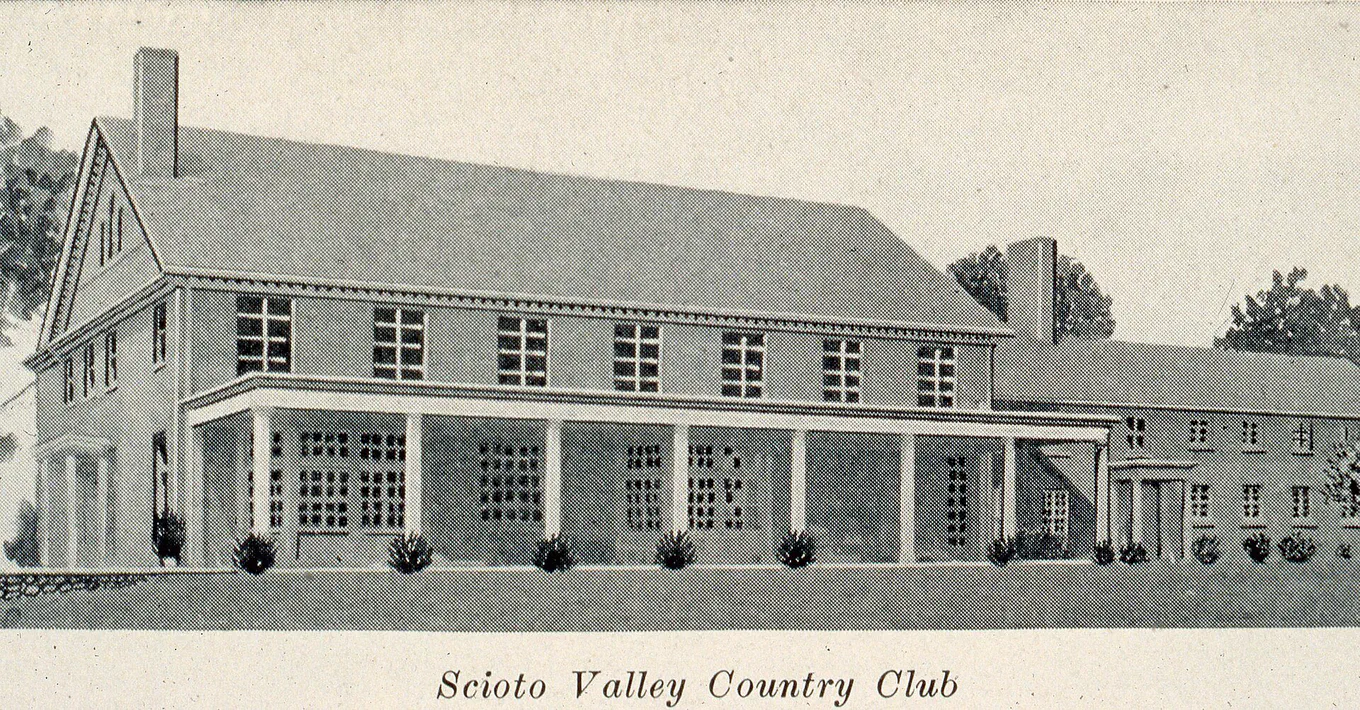
The clubhouse of Scioto Country Club in Upper Arlington, Columbus, in an early photograph.Unknown / Public domain.
Jack Nicklaus’s record 18 major championships began with his father’s volleyball injury. To help it heal, Charlie Nicklaus, a pharmacist, went back to golf and joined Scioto Country Club, in suburban Upper Arlington. That same year his son, aged ten, played his first nine holes there and scored 51. The club pro, Jack Grout, began coaching the boy and stayed his teacher for life. Bobby Jones had won the US Open at Scioto in 1926. His record of 13 majors was the one the boy would overtake.
Pack nothing. Leave Friday.
Every Friday, I write a free letter, Journey, that takes us on a trip through places, stories, and ideas.
My Life and Hard Times(James Thurber, 1933). A fictionalised memoir of his Columbus childhood. Several stories, including “The Night the Ghost Got In”, take place at Thurber House.
Columbus Noir(edited by Andrew Welsh-Huggins, 2020). Short stories, each set in a different neighbourhood or spot, from German Village and the Short North to the Ohio Statehouse.
Ohio State Murders(Adrienne Kennedy, 1991). A play focusing on Suzanne Alexander, a college student at Ohio State University from 1949 to 1950, and her trauma as a Black woman there.
Films to watch before you visit Columbus
I Am Wrath(2016). A film starring John Travolta, set and shot in Columbus, with scenes at Buckeye Donuts, the Short North, Bexley, and the Ohio Statehouse.
Poser(2021). A film, set and made in Columbus, with scenes at Used Kids Records, Cafe Bourbon Street, Comune Restaurant, and Buckeye Donuts.
Teachers(Arthur Hiller, 1984). A satirical black comedy-drama film set in a Columbus high school and shot mostly at the former Central High School.
Questions
Can you visit Thurber House?
Yes. Thurber House, at 77 Jefferson Avenue, is a nonprofit literary centre and James Thurber museum. Visitors can tour its first two floors. The third floor is an apartment for visiting writers.
Where was the first Wendy’s?
At 257 East Broad Street, in downtown Columbus, where Dave Thomas opened it on 15 November 1969. It closed on 2 March 2007, after 38 years, because of falling sales. The building is now the Catholic Foundation’s headquarters, and a commemorative sign stands outside.
Is Columbus, Ohio, named after Christopher Columbus?
Yes. The city, founded in 1812, was named in honour of the Italian explorer, and it is known for its Italian-American influence. A statue of Columbus, a gift from the citizens of Genoa, stood outside City Hall from 1955 until July 2020, when it was removed and stored after the George Floyd protests renewed calls to take it down.