Copenhagen, Denmark, Capital Region of Denmark, Europe
If you haven’t seen the original version of The Bridge, I’d recommend it. It opens with a body on the Øresund Bridge between Copenhagen and Malmö.
— Nick
Tradition dates Copenhagen’s founding to 1167, when Bishop Absalon built a fortress where Christiansborg Palace now stands. Denmark’s capital sits mostly on the island of Zealand, across the Øresund from Malmö in Sweden. A mermaid who lost her head leads on to a garden Walt Disney came to see, an admiral’s blind eye and a painter who found her name, ending on a visit two physicists never agreed on.
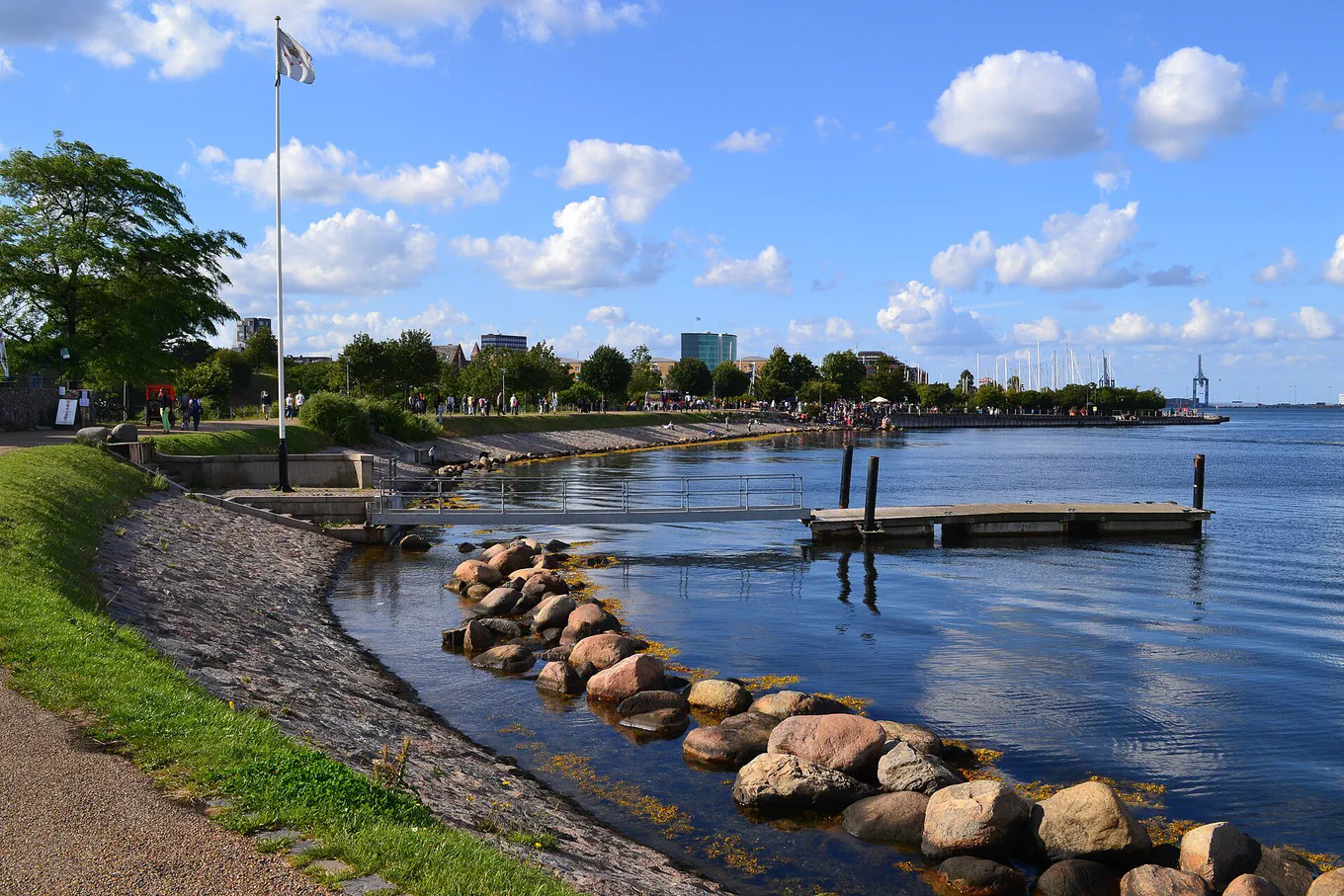
A ballet of Hans Christian Andersen’s The Little Mermaid, at the Royal Theatre, so fascinated the brewer Carl Jacobsen, son of Carlsberg’s founder, that he commissioned her in bronze. The sculptor Edvard Eriksen asked the ballerina who danced the mermaid, Ellen Price, to model, but she would not pose nude, so Eriksen’s wife, Eline, posed instead. The mermaid was unveiled in 1913. In 1964, Situationist artists, campaigning against consumer society, sawed off her head. It was never found. A new one was made.
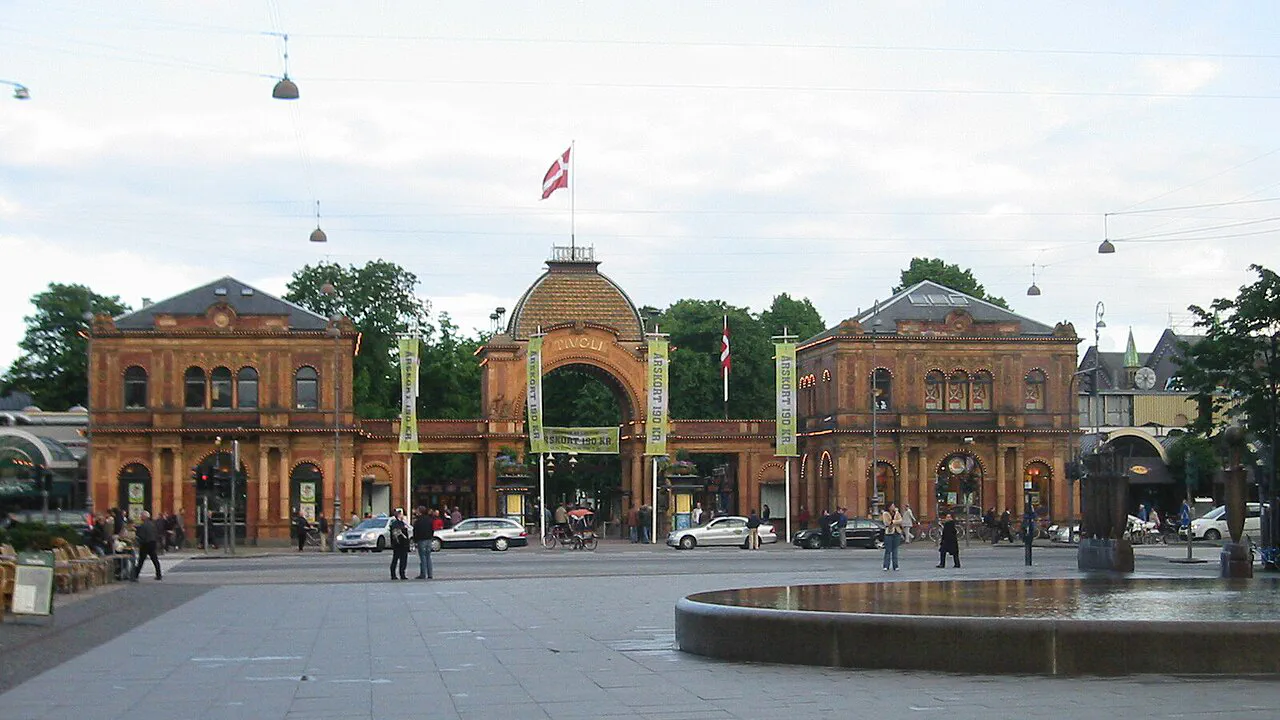
2 Georg Carstensen’s Tivoli, the garden Walt Disney came to see
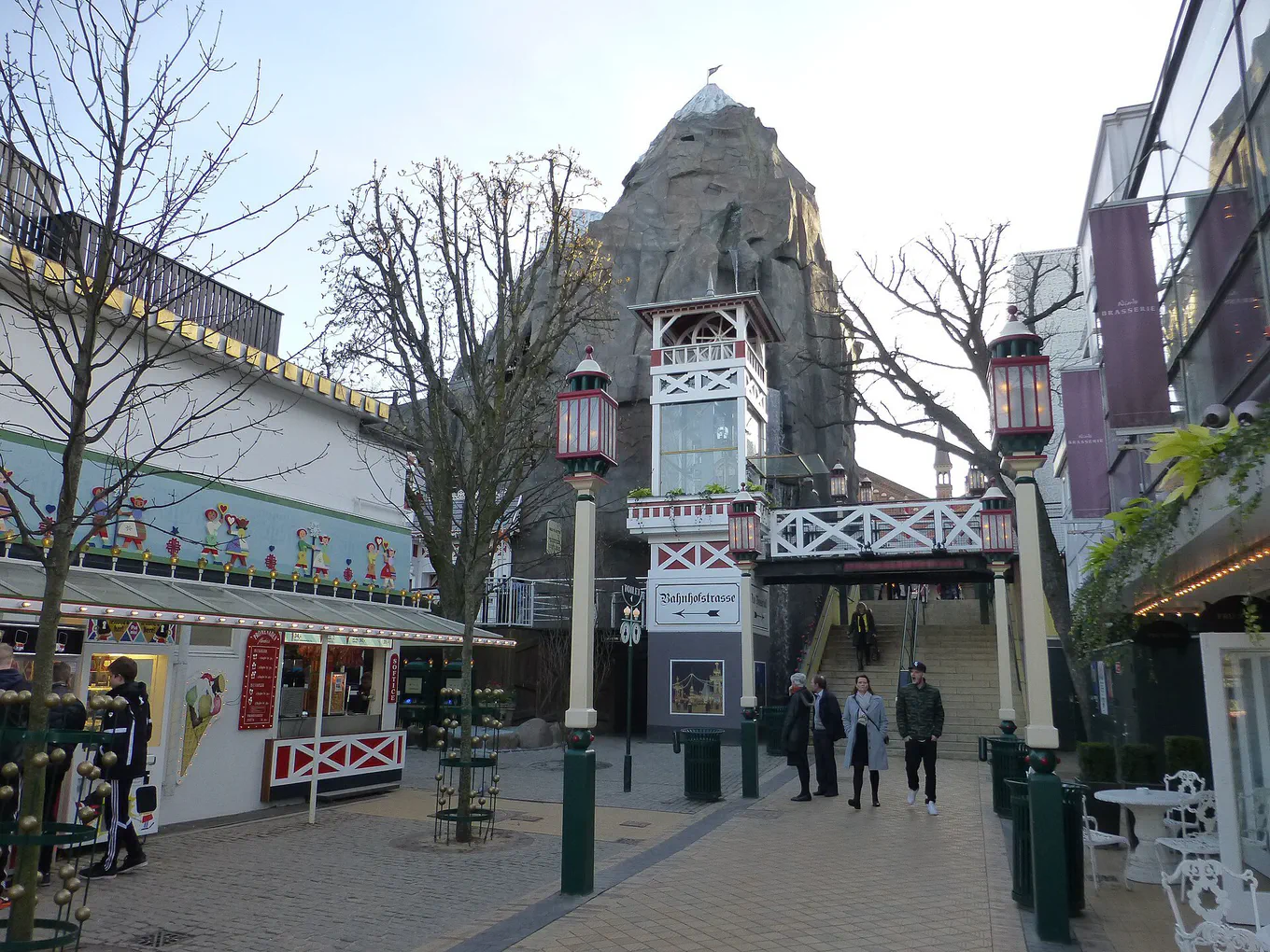
Stand here. Tivoli Gardens, next to Central Station. Still an amusement park, it runs one of the world’s oldest wooden roller coasters still operating.
Walt Disney visited Tivoli before and after Disneyland opened. He said Disneyland would never be completed, and Tivoli’s founder, Georg Carstensen, is reported to have said in 1844 that Tivoli would never, so to speak, be finished. Carstensen, an army officer, had won royal permission for a park like those he had seen abroad. But he was director for only five years. Then Tivoli’s board dismissed him for breach of contract. He came back to build a rival, and died at 44 with it unfinished.
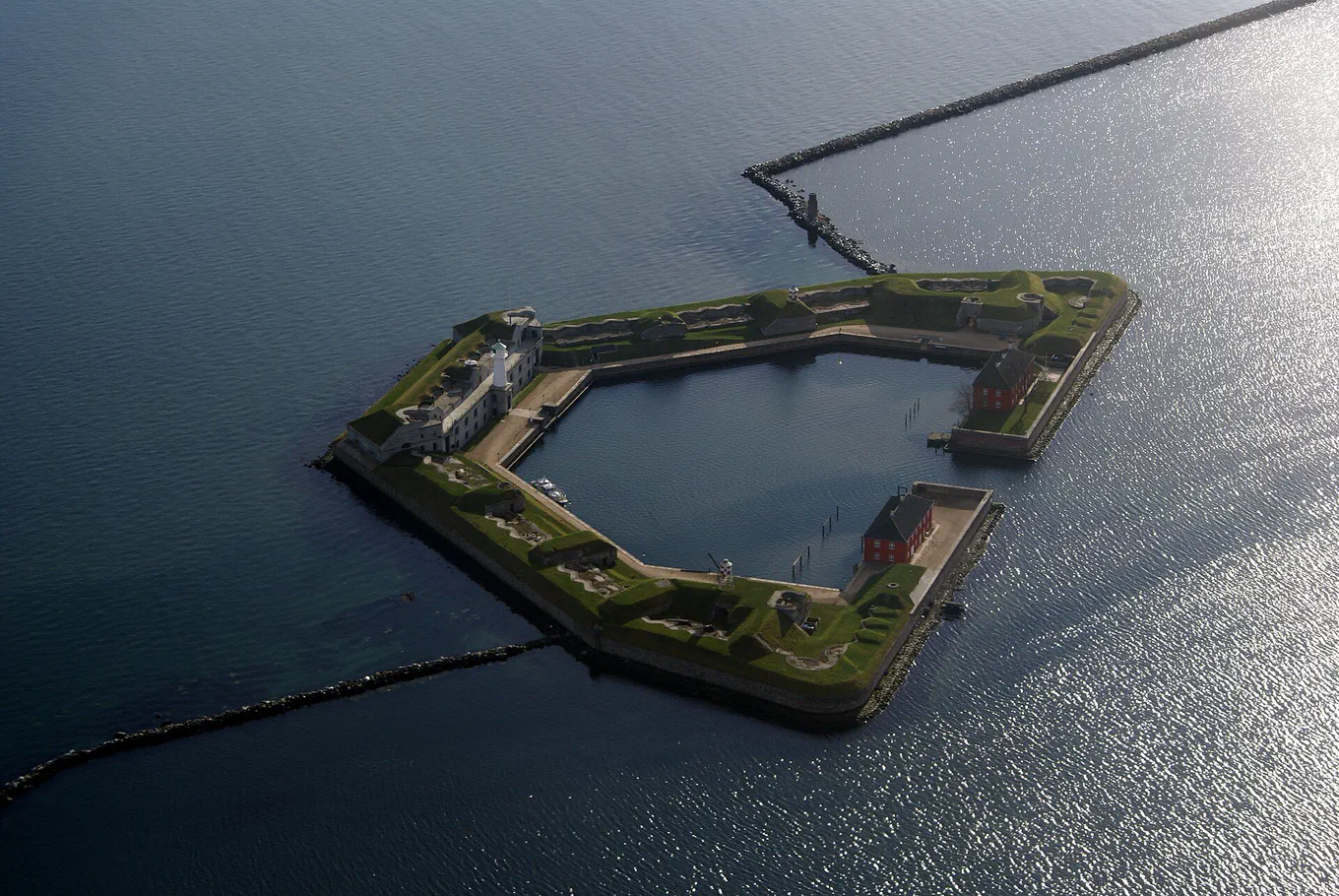
Horatio Nelson, blind in his right eye, was with the British fleet that attacked the Dano-Norwegian ships anchored off Copenhagen on 2 April 1801. He was second-in-command, and his commander, Sir Hyde Parker, signalled recall. The story goes that Nelson put his telescope to his blind eye and said, “I really do not see the signal!” The phrase “turn a blind eye” is a century older. The battle swung to the British, and Nelson said he had “fought contrary to orders”. Parker was recalled in disgrace, and Nelson took his place.
4 Lili Elbe, the Danish Girl, at Copenhagen’s art academy
Stand here. Charlottenborg Palace, on the corner of Kongens Nytorv and Nyhavn, still home to the Royal Danish Academy of Fine Arts.
The film The Danish Girl tells the story of Lili Elbe, a painter who met Gerda Gottlieb as students here and married her. One day Gerda’s model, the actress Anna Larssen, was late for a sitting, and Elbe filled in, in stockings and heels. She enjoyed them, and Larssen suggested the name Lili. Many of Gerda’s paintings of women with almond-shaped eyes were inspired by her. Lili went on to be one of the first people to have gender-affirming surgery. She died in 1931, three months after her fourth operation.
5 Heisenberg’s 1941 visit to Niels Bohr in Copenhagen
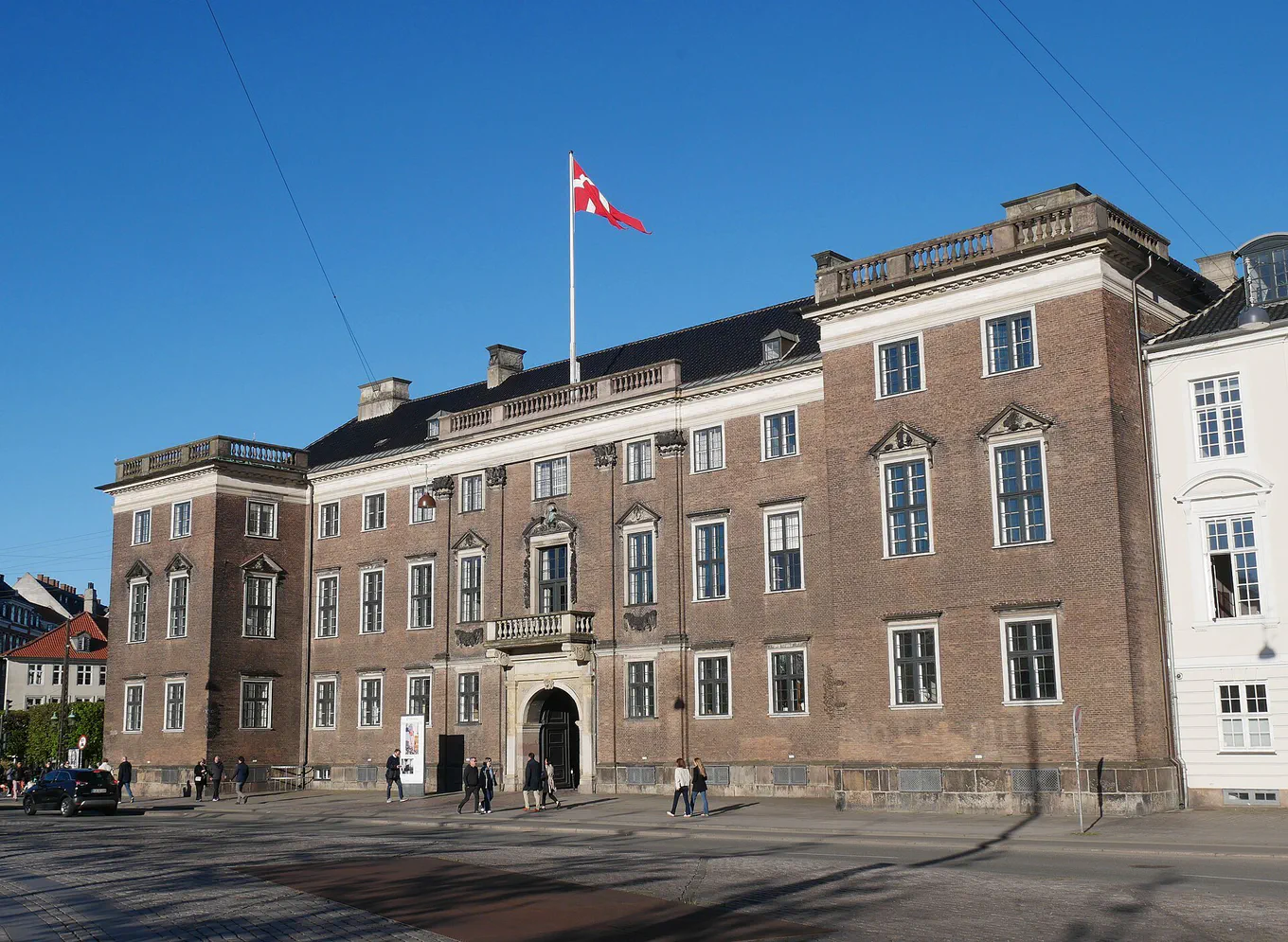
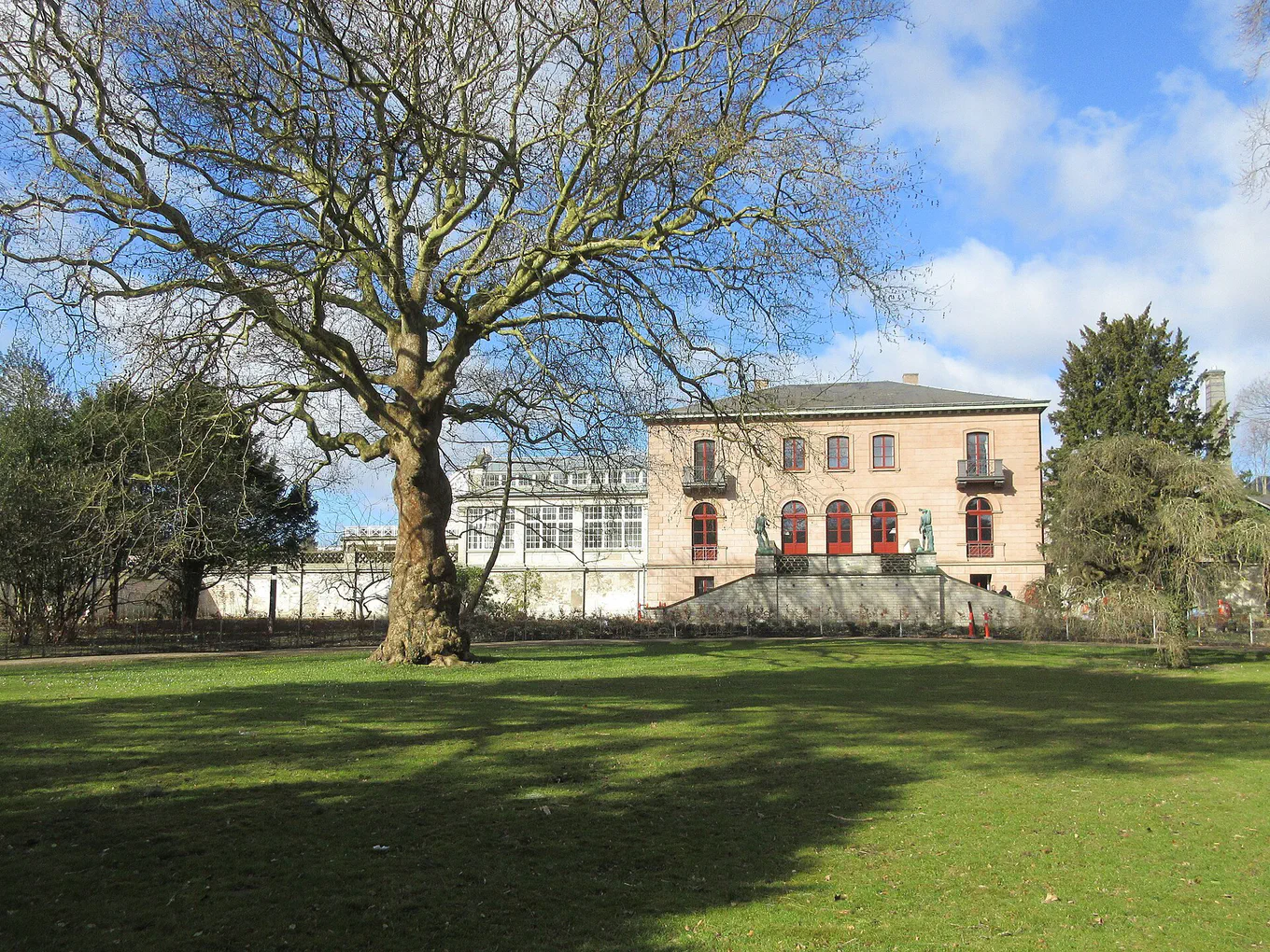
Stand here. The Carlsberg Academy, once the Carlsberg Honorary Residence. Bohr lived here from 1932 until he died here in 1962.
Michael Frayn’s play Copenhagen asks why Werner Heisenberg came to Copenhagen in September 1941. Heisenberg, now head of the German nuclear energy project, was visiting Niels Bohr, whose student he had been. The two men talked privately, and Bohr seems to have ended the conversation abruptly. Years later, Bohr drafted a letter saying he deeply disagreed with Heisenberg’s account of the meeting. He never sent it. It was found years after his death, in his own copy of a book.
Pack nothing. Leave Friday.
Every Friday, I write a free letter, Journey, that takes us on a trip through places, stories, and ideas.
Miss Smilla’s Feeling for Snow(Peter Høeg, 1992). A novel. Smilla lives alone in a dreary apartment complex in Christianshavn, and the story begins with a child’s fall from a snowy rooftop.
Smilla’s Sense of Snow(Peter Høeg, 1992). A novel. Smilla lives alone in an apartment complex in Christianshavn, where a child falls to his death from a snowy rooftop.
Copenhagen(Michael Frayn, 1998). A play, based on Niels Bohr and Werner Heisenberg’s meeting in Copenhagen in September 1941.
Films to watch before you visit Copenhagen
Borgen(Adam Price, 2010). A TV series. Its title is the everyday name for Christiansborg Palace, on Slotsholmen, and its heroine becomes Denmark’s first female prime minister.
The Bridge(Hans Rosenfeldt, 2011). A TV series, Bron/Broen. Its first season opens with a body found at the centre of the Øresund Bridge, exactly on the Danish–Swedish border.
The Killing(Søren Sveistrup, 2007). A TV series. Detective Inspector Sarah Lund works a Copenhagen case whose trail runs to a flat at Ryparken and to the Town Hall.
The Danish Girl(Tom Hooper, 2015). A film, from David Ebershoff’s novel. Nyhavn was dressed as 1930s Copenhagen, though the film’s ending departs from Lili and Gerda’s real lives.
Questions
Where is the Little Mermaid, and how big is she?
She sits on a rock by the water at the Langelinie promenade, about a 15-minute walk from Østerport Station. The bronze is 1.25 metres tall and weighs 175 kilograms. She was unveiled on 23 August 1913.
Is Tivoli older than Disneyland?
By more than a century. Tivoli opened on 15 August 1843, and it is the second-oldest operating amusement park in the world. Walt Disney visited it both before and after Disneyland opened in California in 1955.
Is Borgen a real building, and can you visit it?
Yes. Borgen, “the castle”, is the everyday name for Christiansborg Palace on Slotsholmen, which houses the Danish Parliament, the Prime Minister’s Office, and the Supreme Court. Several parts are open to the public, and the viewing platform in its tower, still the tallest in the city, is free after a security check.