Dehradun, the most populous city of Uttarakhand, in India, lies in the Doon Valley in the foothills of the Himalayas. It takes its name from a camp set up there in 1676. Its stories here are seven internees who marched out past the guards, the excommunicated son behind the name, a would-be doctor turned soldier, a god’s milk in a cave, and a school the man who envisioned it never saw open.
1 Heinrich Harrer’s walk out of the Dehradun internment camp
Stand here. Prem Nagar, in the Himalayan foothills, where the British held about 1,000 enemy aliens in the Central Internment Camp.
Seven Years in Tibet (1997) has Brad Pitt, as Heinrich Harrer, escaping from a prisoner-of-war camp in Dehradun. The real Harrer was an Austrian mountaineer, a Nazi Party member, and an SS sergeant, arrested by the British as an enemy alien and held here. He and Peter Aufschnaiter broke out several times and were caught. On 29 April 1944, Harrer and six others tried again, two dressed as British officers and the rest as a wire-repair gang. They marched out through the main gates. The guards presented arms. Harrer reached Lhasa in January 1946.
2 Ram Rai, the excommunicated son whose camp named Dehradun
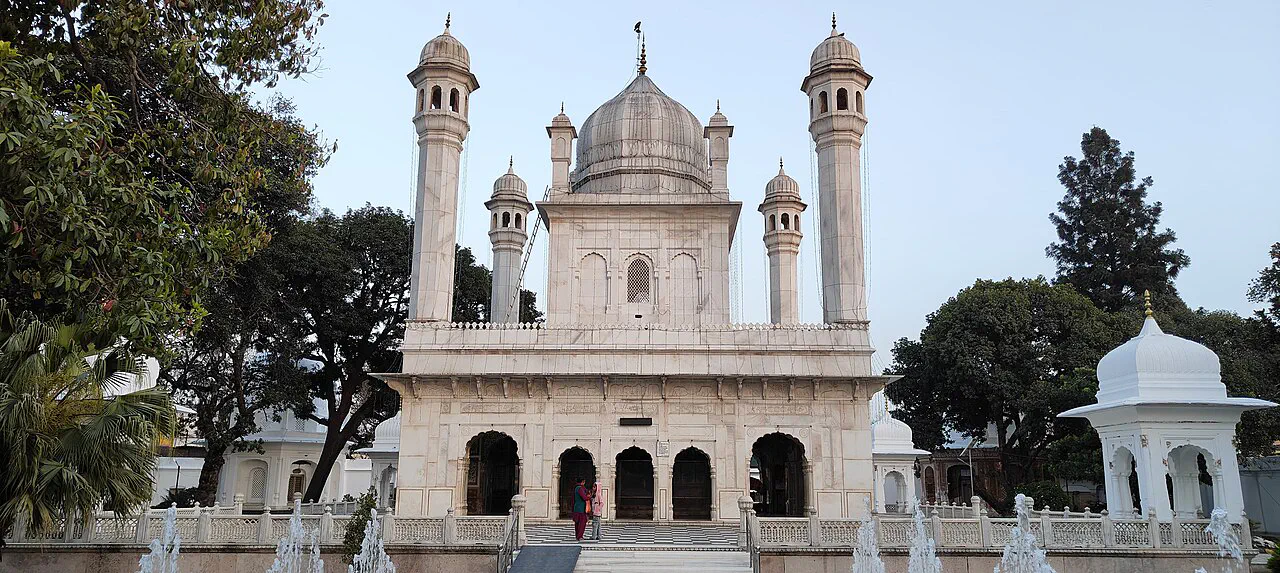
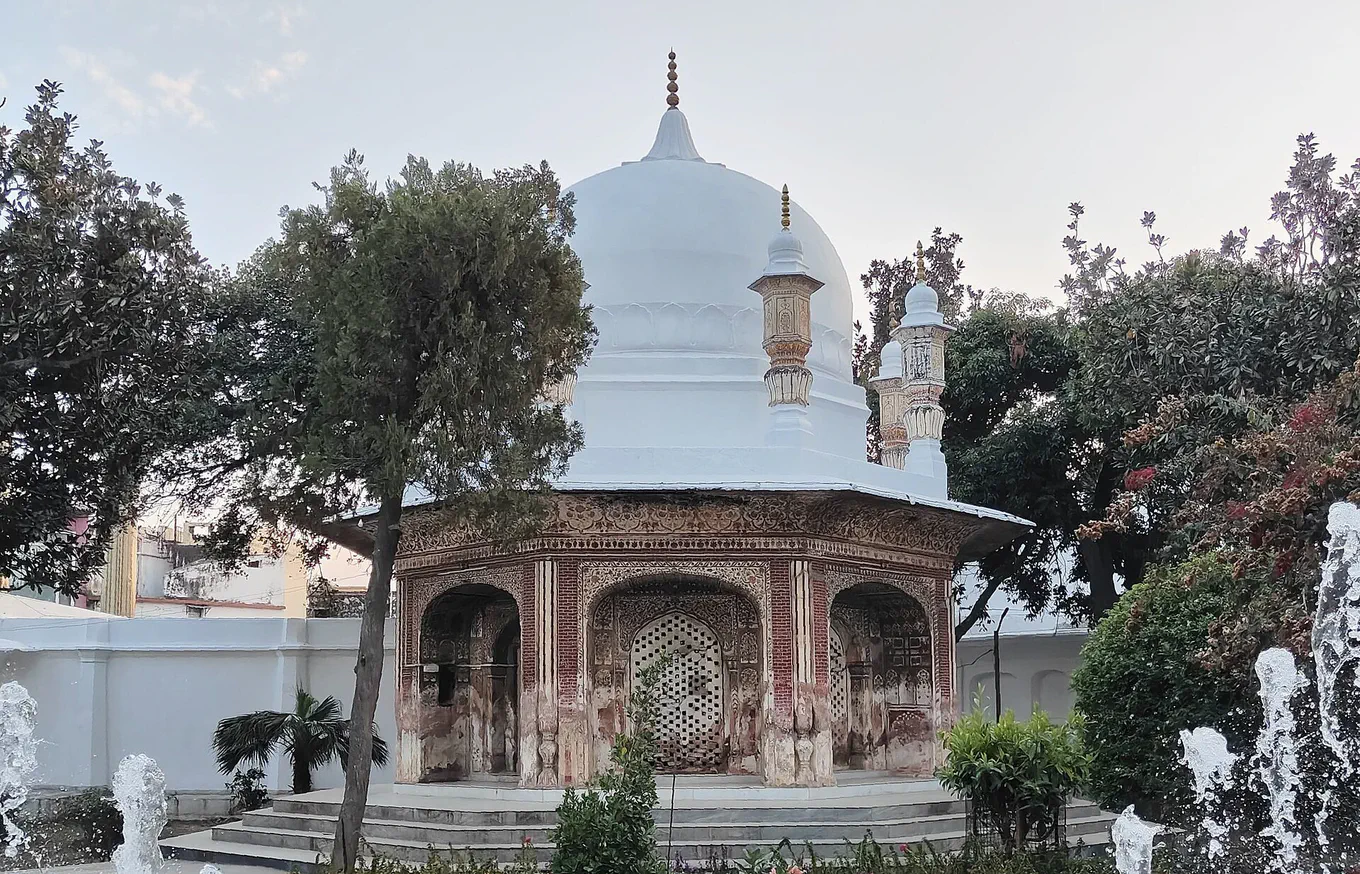
Stand here. Guru Ram Rai Darbar Sahib, in Dehradun. The Sikh shrine has a Mughal-style dome, minarets, and cenotaphs for his four wives.
Dehradun’s name began with a son his father excommunicated. At the emperor Aurangzeb’s court in Delhi, Ram Rai, eldest son of Har Rai, the seventh Sikh Guru, changed a word in a verse to avoid giving offence. He swapped “Mussalman”, meaning Muslim, for “faithless”. His father excommunicated him and named a younger son, Har Krishan, as the next Guru. Aurangzeb proposed land for a seat of Ram Rai’s own. In 1676, Ram Rai set up his dera, his camp, in the dun, the valley. The camp became a city.
3 Sam Manekshaw, the would-be doctor at the Indian Military Academy
Stand here. The Indian Military Academy, in the former Railway Staff College property. The Dehradun–Chakrata Road runs between its north and south campuses.
Sam Manekshaw, the soldier Vicky Kaushal plays in the 2023 biopic Sam Bahadur, wanted to be a doctor. He asked his father to send him to London to study medicine, and his father refused, because he was too young. In rebellion, Manekshaw applied to the new Indian Military Academy. On 1 October 1932, he was one of fifteen cadets chosen by open competition for its first batch. The cadet who wasn’t allowed to study medicine became the first Indian army officer promoted to field marshal.
4 Ashwatthama and the cave of milk at Tapkeshwar Temple
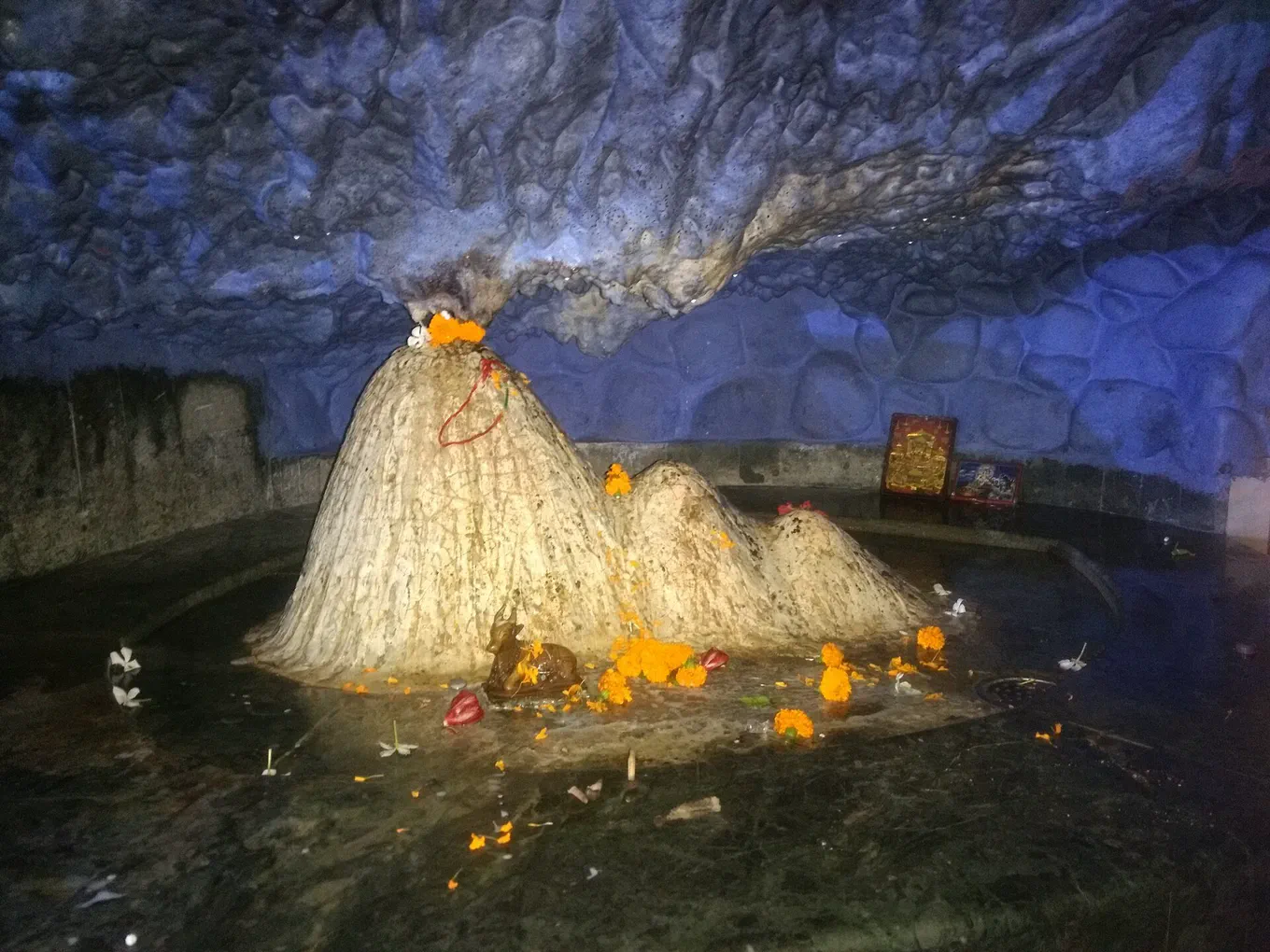
Stand here. Tapkeshwar Mahadev Temple, on the bank of the Tons River, built over the natural cave that holds its shivalinga.
In one telling, Ashwatthama, son of Drona, teacher of the Pandava and Kaurava princes, grows up poor. He weeps when he sees rich children drinking milk, and is given powdered rice mixed with water in its place. The story told at this cave is gentler. Here, Ashwatthama is a newborn, and his mother, Kalyani, cannot feed him. He prays to Shiva, and Shiva feeds him milk dripping from the shivalinga in the cave. The other telling gave him rice and water. The cave gave him milk.
5 Satish Ranjan Das and the Doon School he never saw
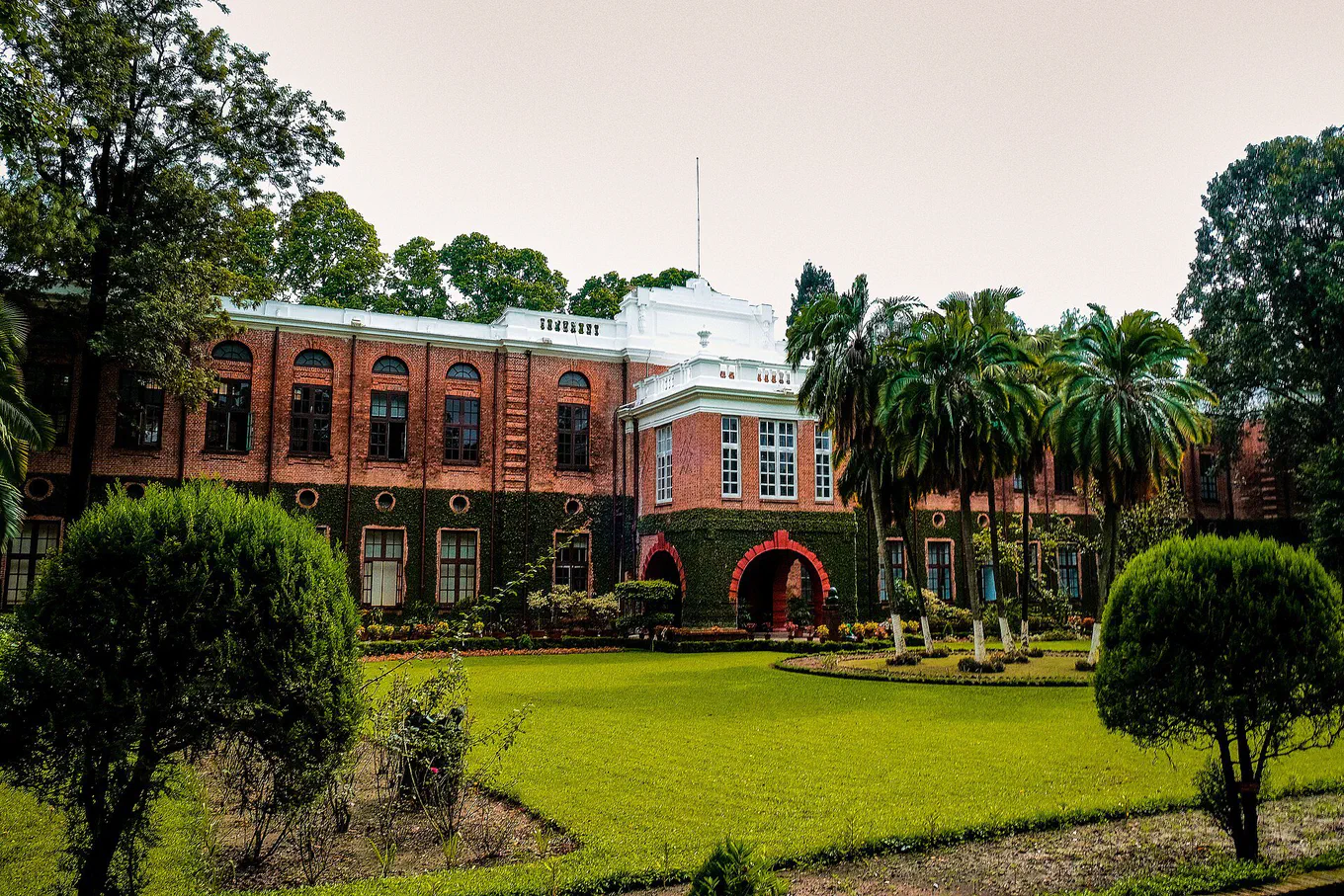
Stand here. The Doon School, on the Chandbagh estate between Chakrata Road and Mall Road, where the Forest Research Institute first stood.
The late Prime Minister Rajiv Gandhi was a pupil here, at a school the man who envisioned it never saw open. Satish Ranjan Das, a Calcutta lawyer, wanted a new kind of Indian public school, on British lines but Indian in outlook and open to all castes and communities. He set out to raise ₹40 million. When he died in 1928, he had ₹1 million, and a million more in promises. The Indian Public Schools’ Society acquired the Chandbagh estate anyway, and the school opened in 1935, seven years too late for him.
Pack nothing. Leave Friday.
Every Friday, I write a free letter, Journey, that takes us on a trip through places, stories, and ideas.
Seven Years in Tibet(Heinrich Harrer, 1952). An autobiographical travel book by the mountaineer who escaped from the British internment camp at Prem Nagar, in Dehradun.
The Room on the Roof(Ruskin Bond, 1956). A novel about Rusty, an orphaned Anglo-Indian boy of sixteen, partly based on Bond’s rented roof room in Dehradun.
Writing for My Life(Ruskin Bond). A memoir, in which Bond recalls taking the room on the roof in Dehradun, in a long, low building that housed several families.
Films to watch before you visit Dehradun
Seven Years in Tibet(Jean-Jacques Annaud, 1997). A film. Brad Pitt’s Harrer is held in a prisoner-of-war camp in Dehradun, though the film was shot in Argentina.
Student of the Year(Karan Johar, 2012). A film, shot mostly in Kashmir and at the Forest Research Institute in Dehradun.
Badhaai Do(Harshavardhan Kulkarni, 2022). A Hindi-language comedy-drama film. Shardul Thakur, a closeted police officer, is unhappily stationed at a women’s precinct in Dehradun, where principal photography began in January 2021.
Questions
How did Dehradun get its name?
From the camp of Ram Rai, eldest son of Guru Har Rai, the seventh Sikh Guru. In 1676, he set up his dera, or camp, in the dun, or valley, and the camp led to the founding of the city. The Guru Ram Rai Darbar Sahib, the shrine named after him, stands in Dehradun.
Where did Heinrich Harrer escape from in Dehradun?
From the Central Internment Camp at Prem Nagar, in the Himalayan foothills, where the British held about 1,000 enemy aliens. On 29 April 1944, he and six others marched out through the main gates, two of them disguised as British officers. Harrer and Aufschnaiter reached Lhasa on 15 January 1946.
Was Seven Years in Tibet filmed in Dehradun?
No. The 1997 film, with Brad Pitt as Heinrich Harrer, shows him held in a prisoner-of-war camp in Dehradun, in the Himalayan foothills. It was shot in Mendoza, Argentina, with other footage from Nepal, Austria, and Canada.