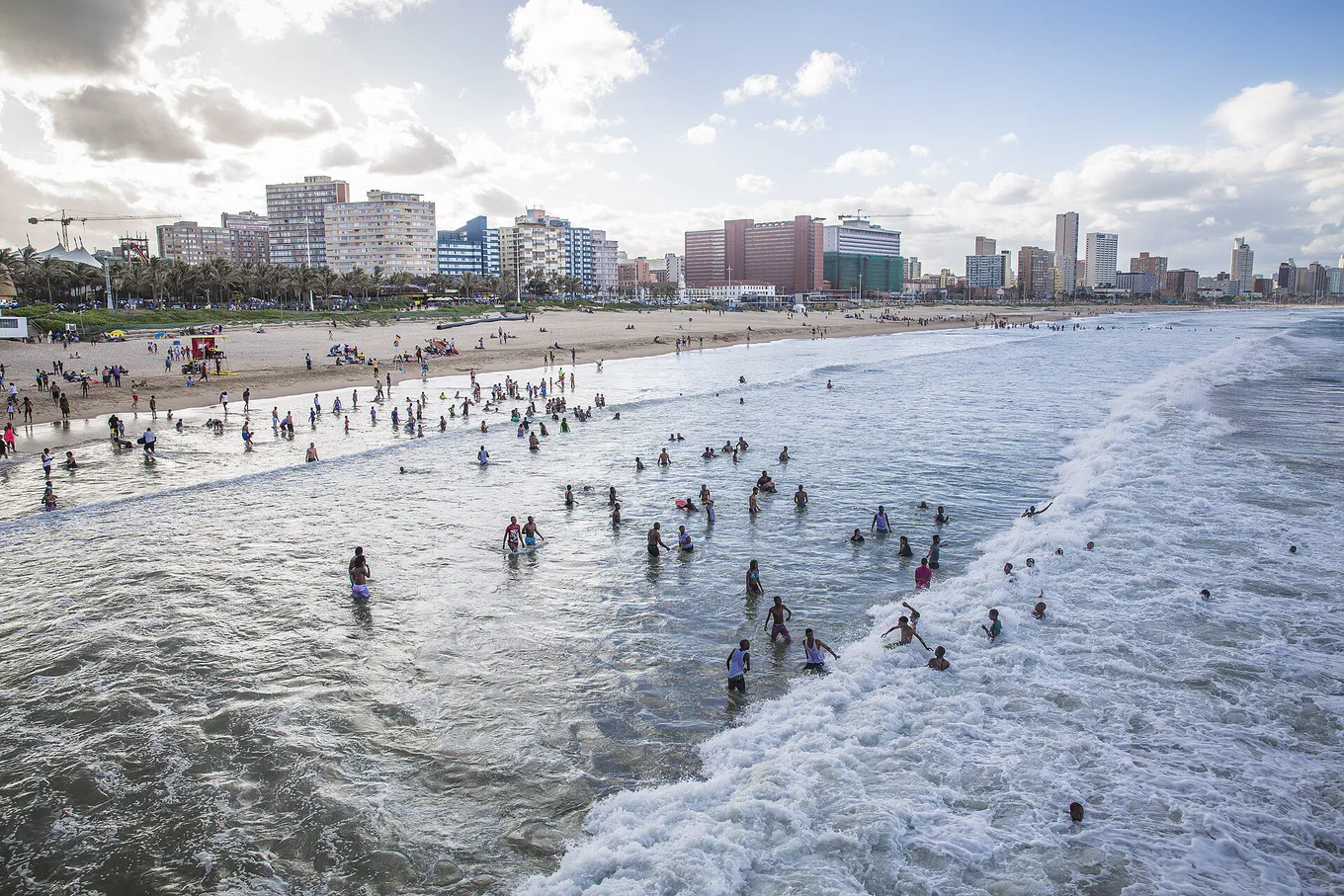
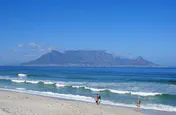
Durban sits on Natal Bay, on the Indian Ocean coast of South Africa. It is the largest city in KwaZulu-Natal, and in 1824, English traders from the Cape Colony set up a trading post here. Its stories here are Nelson Mandela’s first vote, Gandhi and a mob, a schoolboy poet, a singer on the pier, and a plant with no mate.
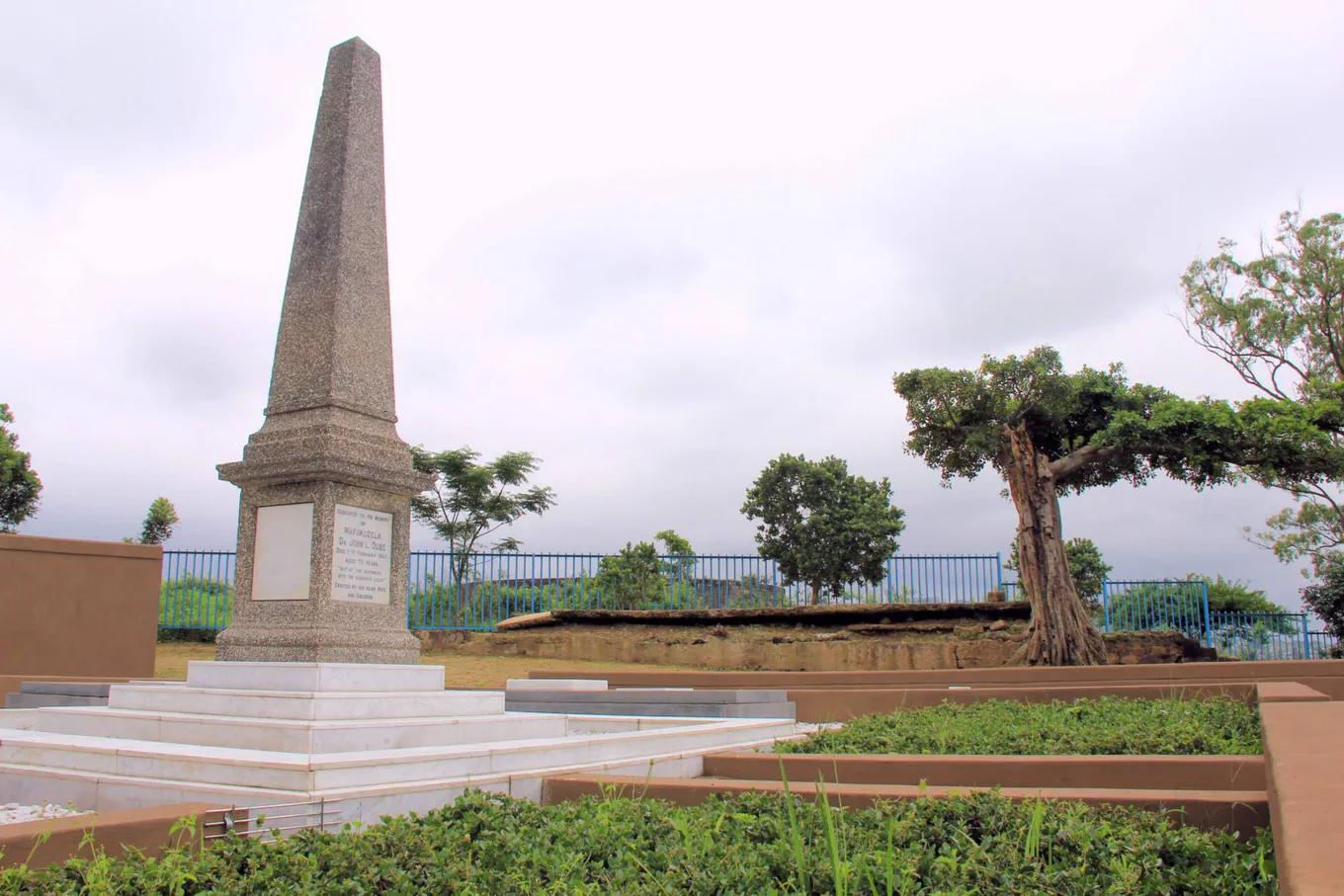
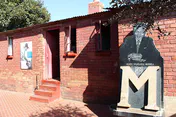
Nelson Mandela, who had spent 27 years in prison, cast his vote here on 27 April 1994, in South Africa’s first all-race election. John Dube had founded the school, the first in the country started by a black person, and was the first president of the congress that became the ANC. Dube’s grave lay behind the voting station, and Mandela wanted to lay a wreath on it. At the grave, he addressed the dead man as Mr President, and told him that South Africa was free.
2 Gandhi, the Durban mob, and the umbrella that saved him
Stand here. Phoenix Settlement, on the edge of Inanda, which Gandhi founded in 1903. Riots damaged it in 1985.
Mahatma Gandhi landed in Durban in January 1897, six years before he founded this settlement. A white mob believed he had condemned Natal’s whites while in India, and had brought two shiploads of Indians to swamp the colony. On the walk from the dock, they snatched his turban, kicked him, and pelted him with stones and rotten eggs. Then the Police Superintendent’s wife, who knew him, came by, opened her umbrella though there was no sun, and stood between him and the crowd. Afterwards, Gandhi refused to prosecute anyone.
3 Fernando Pessoa, the Portuguese poet who learned English in Durban
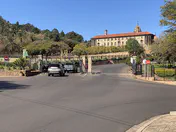
Stand here. Durban High School, 255 St Thomas Road, Musgrave, on the Berea. It is still a boys’ school, on the site it moved to in 1895.
The Portuguese poet Fernando Pessoa, who wrote under many names, learned his English at this school. He came to Durban as a boy, when his stepfather was made Portuguese consul here. In November 1903, out of 899 candidates, he won the new Queen Victoria Memorial Prize for the best paper in English, and a place at the University of the Cape of Good Hope. But family complications called him back to Portugal, where the prize-winning schoolboy became one of the twentieth century’s great writers.
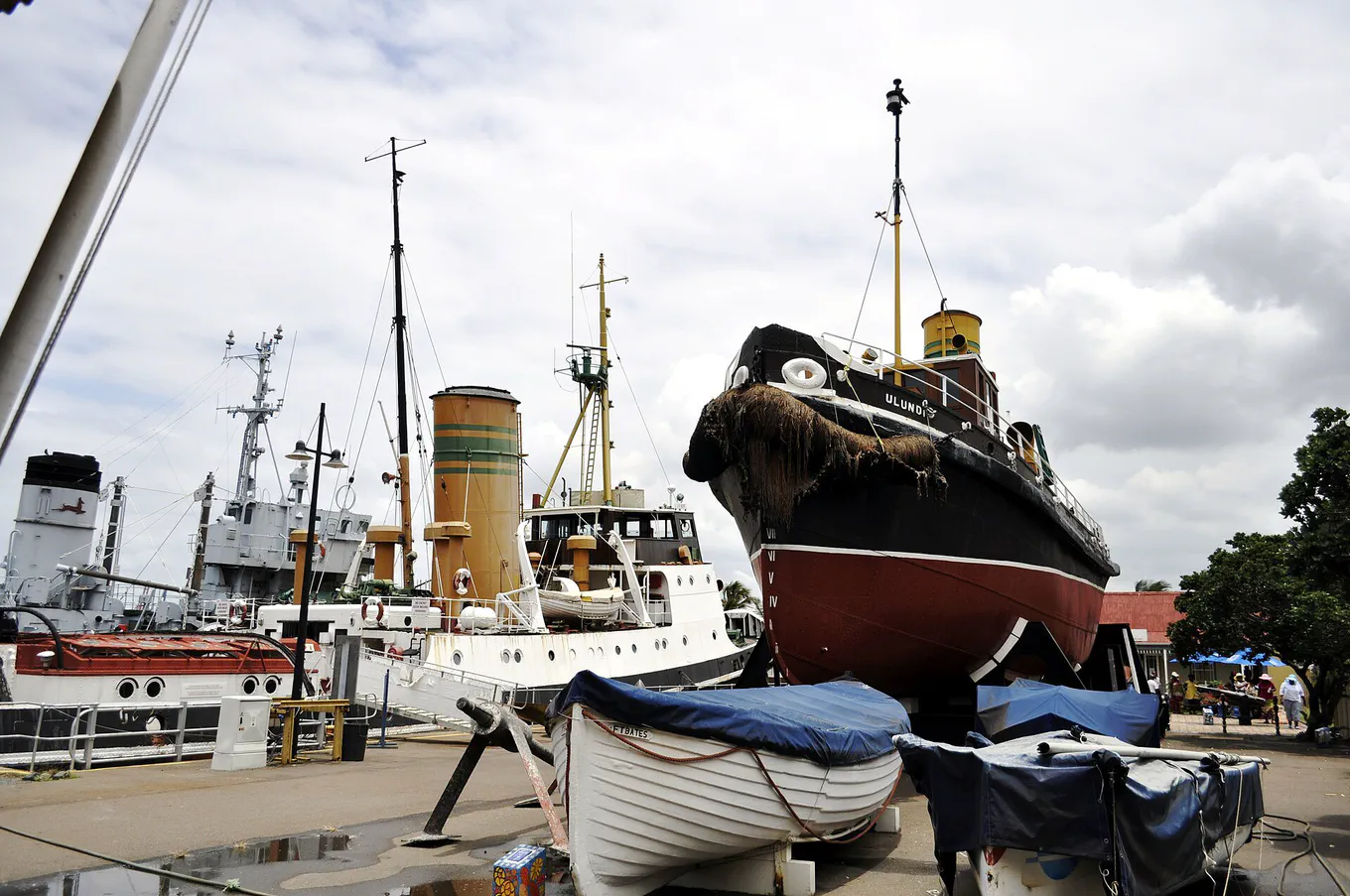
In April 1940, Perla Gibson, a Durban-born soprano, was seeing off a young Irish seaman when he called across the water for something Irish. From then on, she never missed a convoy. Alone on North Pier, in a white dress and a red hat, she sang to more than 5,000 ships through a megaphone off a torpedoed ship. In March 1944, her son Roy was killed in the fighting in Italy. She put the telegram away, drove to the harbour, and sang to the departing ships.
5 Wood’s cycad, the lonely plant in Durban Botanic Gardens
Stand here. Durban Botanic Gardens, Africa’s oldest surviving botanic garden, where two large trunks collected in 1907 still grow.
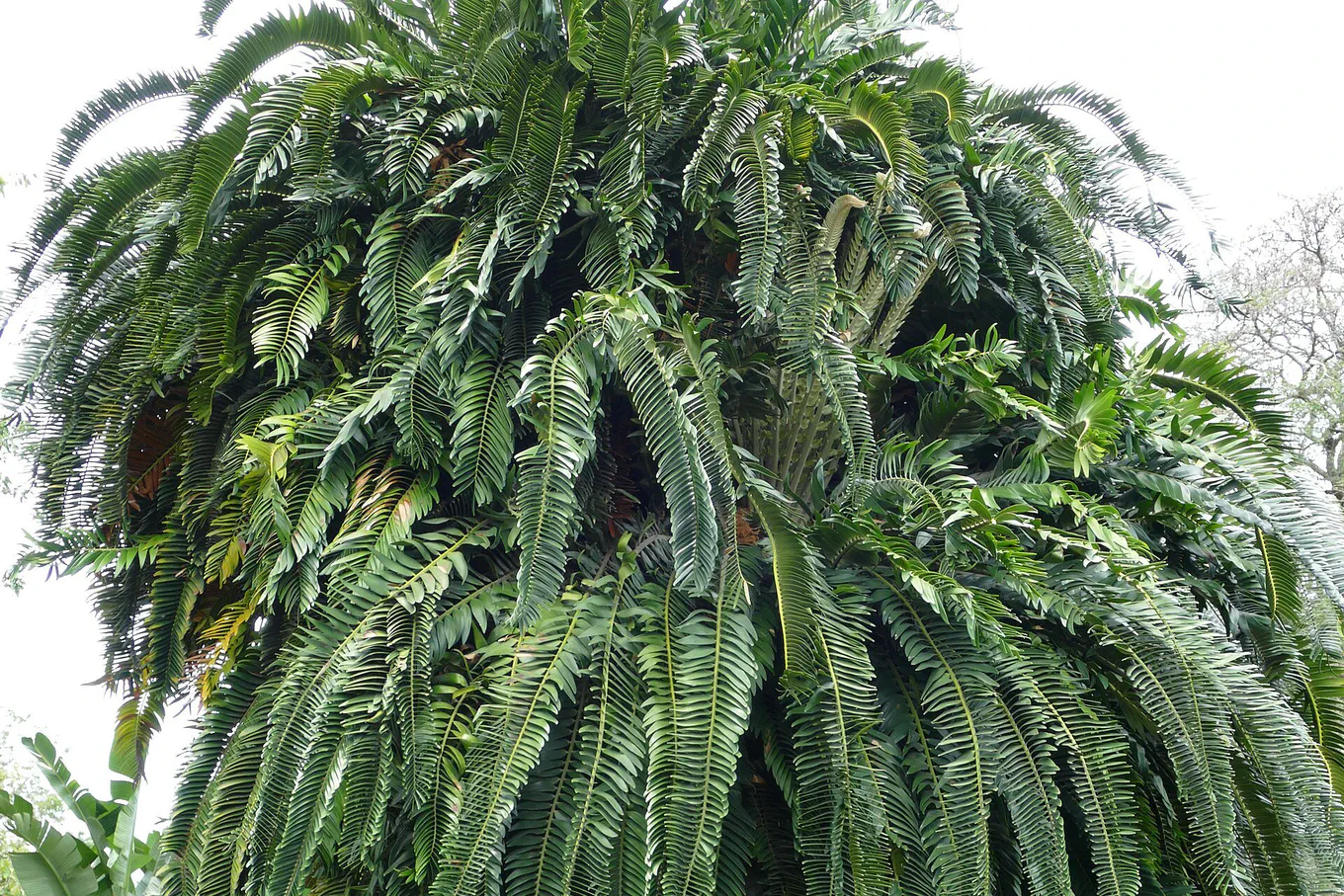
Every Wood’s cycad in the world is a clone of one male plant. John Medley Wood, curator of these gardens, found it in 1895 in a small patch of Ngoye Forest, and stems came back here. No other plant has ever been found, male or female. In 2022, a University of Southampton team, led from its Winchester School of Art, began flying drones over the forest, with AI trained to recognise plants by their shape. Over the first 195 of its 10,000 acres, the search found no female.
Pack nothing. Leave Friday.
Every Friday, I write a free letter, Journey, that takes us on a trip through places, stories, and ideas.
The Story of My Experiments with Truth(Mahatma Gandhi, 1927–29). An autobiography. Gandhi tells how, after his ship anchored at the port of Durban, he was pelted with stones, brickbats, and rotten eggs on landing.
Mating Birds(Lewis Nkosi, 1986). A novel. Its narrator, Ndi Sibiya, wanders Durban as a jobless youth and reaches the segregated beach, where he finds a white girl on the other side of the fence.
The Djinn Waits a Hundred Years(Shubnum Khan, 2024). A historical fantasy. Fifteen-year-old Sana and her father arrive at Akbar Manzil, a neglected Durban mansion home to a motley crew of tenants.
Films to watch before you visit Durban
Keeping Up with the Kandasamys(Jayan Moodley, 2017). A film. Set in Chatsworth and filmed at locations in Durban, including the beachfront, Wilson’s Wharf, and Bangladesh Market.
Durban Gen(Duma Ndlovu, 2020). A TV series. A medical drama telenovela following a newly qualified doctor through her final year of community service at Durban General Hospital.
Meet the Khumalos(Jayan Moodley, 2025). A romantic comedy film about Grace Khumalo, a successful woman living in Durban, filmed in locations around the city, including Umhlanga and KwaMashu.
Questions
Where did Nelson Mandela vote in 1994?
At Ohlange High School in Inanda, about 21 km north-west of Durban, on 27 April 1994. The school was founded by John Dube, the first president of the congress that became the ANC, and Mandela wanted to lay a wreath at Dube’s grave there.
Why is Durban called Durban, and what is eThekwini?
Vasco da Gama saw the coast and named it Natal, Portuguese for Christmas. In 1835, the settlement at Port Natal was named after Sir Benjamin D’Urban, then governor of the Cape Colony. Its Zulu name, eThekwini, comes from itheku, meaning bay or lagoon.
What is bunny chow, and where does it come from?
A hollowed-out loaf of white bread filled with curry, which began among Durban’s Indian South Africans. Its start is told two ways. One places it on the corner of Victoria and Albert Streets, and the other says it fed Indian golf caddies, who weren’t allowed to carry knives in public under apartheid.