Gothenburg is Sweden’s second-largest city, by the Kattegat on the country’s west coast. King Gustavus Adolphus founded it by royal charter in 1621 as a fortified, mainly Dutch trading colony. Its stories here are a king who died while his parliament sat, a ship that sank 900 metres from home, a statue cast three times, a Volvo that drove backwards, and a stadium that shook for Springsteen.
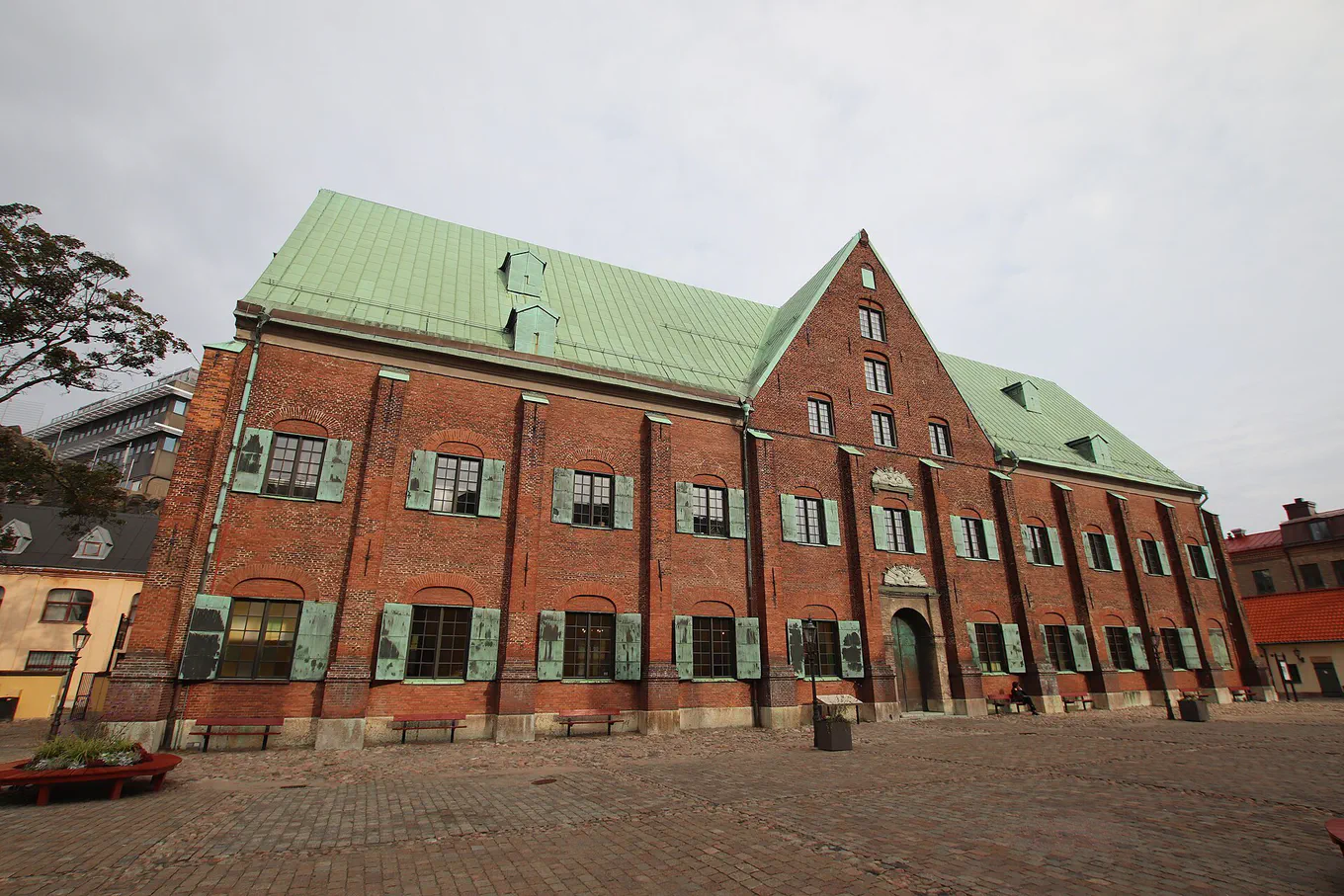
1 Charles X Gustav’s last parliament, at Gothenburg’s Kronhuset
Stand here. Kronhuset, built between 1643 and 1654 as an arsenal and granary. Bright yellow eighteenth-century buildings, Kronhusbodarna, ring its courtyard.
In January 1660, King Charles X Gustav called Sweden’s parliament to Gothenburg, and it met in this arsenal. He needed fresh taxes from his already impoverished subjects, to press Denmark with a winter campaign in Norway. Then he fell ill with what seemed a cold. It was pneumonia, which his physician took for scurvy, and it turned to sepsis. On 13 February, aged 37, he died in the city’s Torstenson Palace. The parliament he had called to pay for his campaign proclaimed his son king instead. The boy was four.
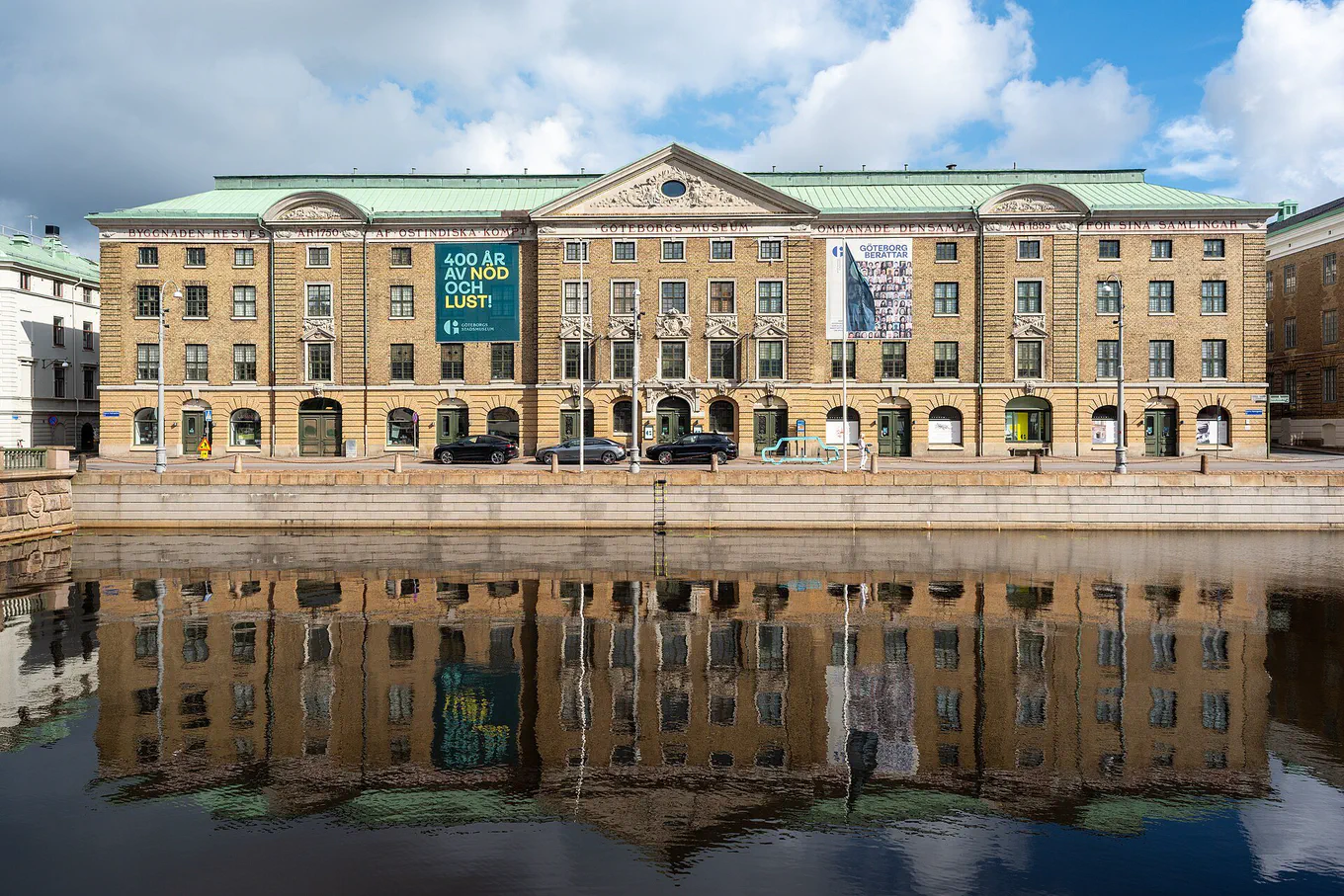
2 The East Indiaman Götheborg, sunk 900 metres from home
Stand here. East India House, built in 1762 as the Swedish East India Company’s offices, now the Museum of Gothenburg, with an exhibition on the company.
After 30 months at sea, the Götheborg was nearly home from her third voyage to China. On 12 September 1745, the day was fair and clear, and a very experienced pilot was aboard. With 900 metres to go, she suddenly veered onto an underwater rock, the Hunnebådan, so hard her bow rose 1.4 metres out of the water. Much of the cargo was saved. The ship was not.
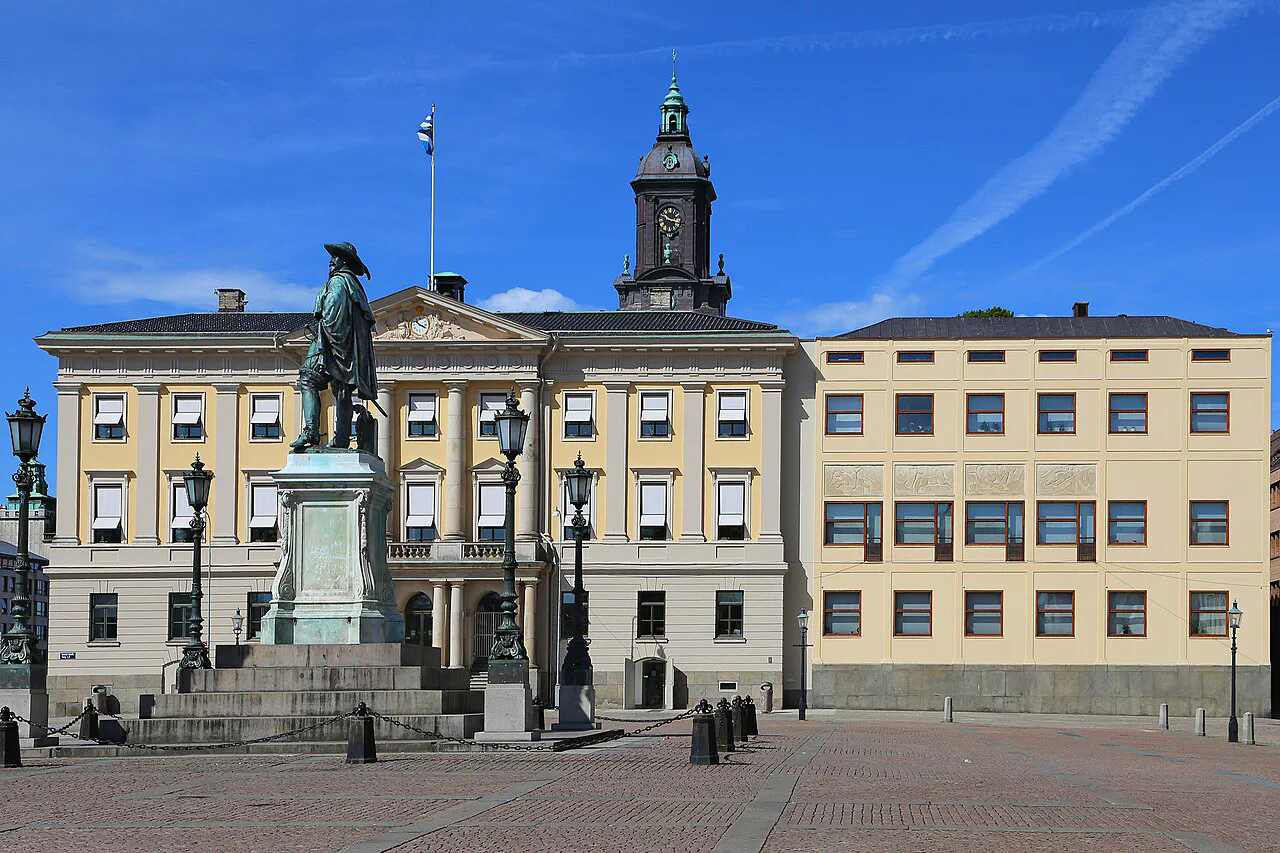
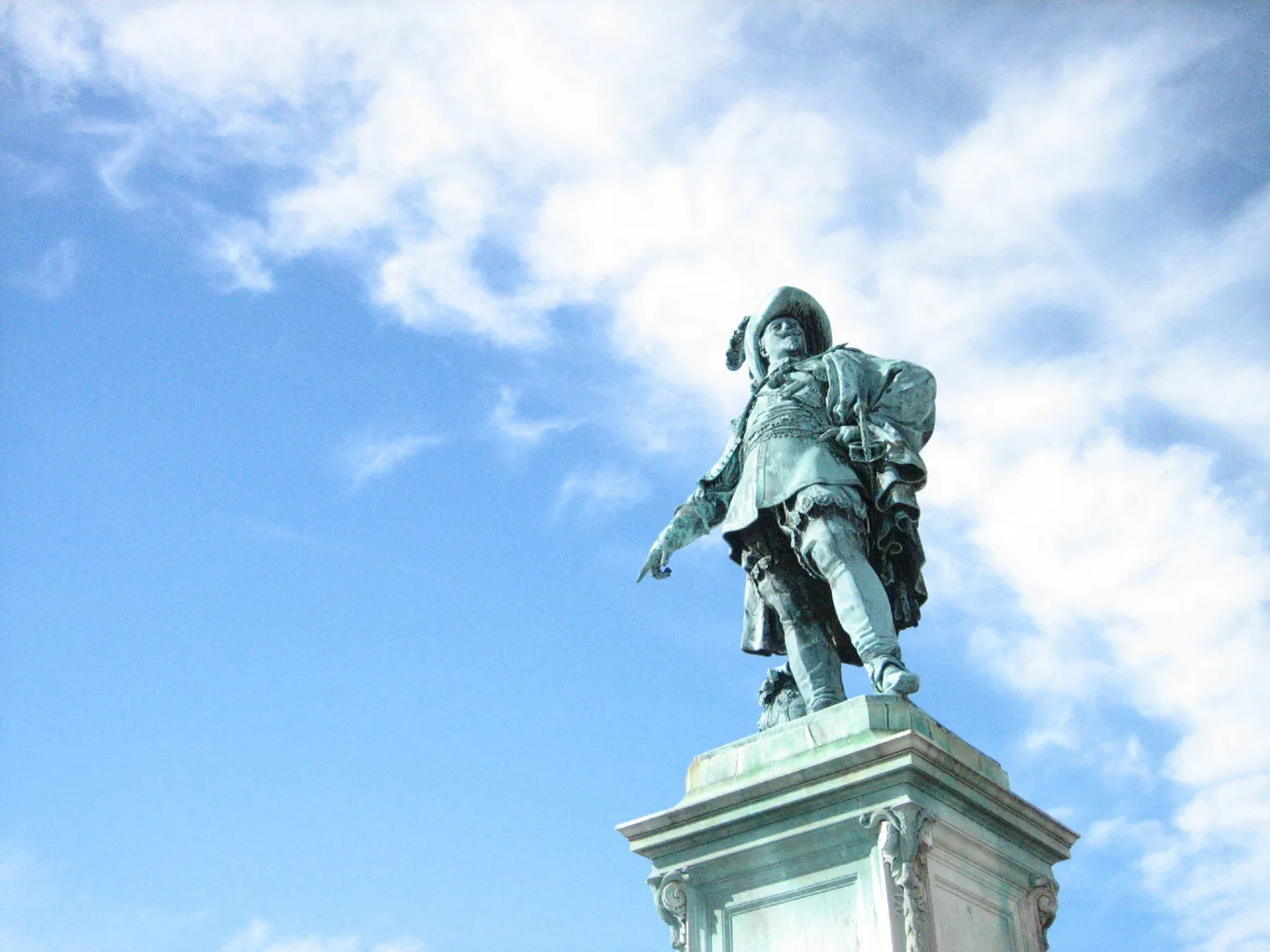
3 Gustavus Adolphus’s statue, cast three times for Gothenburg
Stand here. Gustaf Adolfs torg, by the main harbour canal. The king’s statue shows him making his legendary declaration, “Here shall the city lie!”
A sculptor born in Gothenburg, Bengt Erland Fogelberg, was asked to cast the city’s founder, King Gustavus Adolphus, in bronze. The first casting, in Rome, failed. The second, made in Munich, left Hamburg by sea and ran aground on a sandbank off Heligoland. Fishermen sold the stranded king to the citizens of Bremen. Fogelberg’s model had survived, so Munich cast a third, unveiled in this square in November 1854. Five weeks later, Fogelberg died suddenly in Trieste. In 1856, the king from the sandbank went up in Bremen.
4 The first Volvo, which drove backwards on Hisingen
Stand here. Hisingen, the island where the ball-bearing firm SKF gave Volvo its first factory. Volvo’s story is now told at World of Volvo, which opened near Liseberg in 2024.
Volvo, Latin for “I roll”, began by rolling the wrong way. By the company’s own account, its first series-built car, the ÖV4, was ready to drive out of the factory on Hisingen on the morning of 14 April 1927. But a gear in the rear axle had been fitted wrongly, and the car would only go in reverse, so the man at the wheel had to back it out. Gustaf Larson, one of Volvo’s two founders, said to the foreman, Fingal: “Now Fingal has harnessed behind the horse’s rear!”
5 Bruce Springsteen and the night Ullevi nearly fell
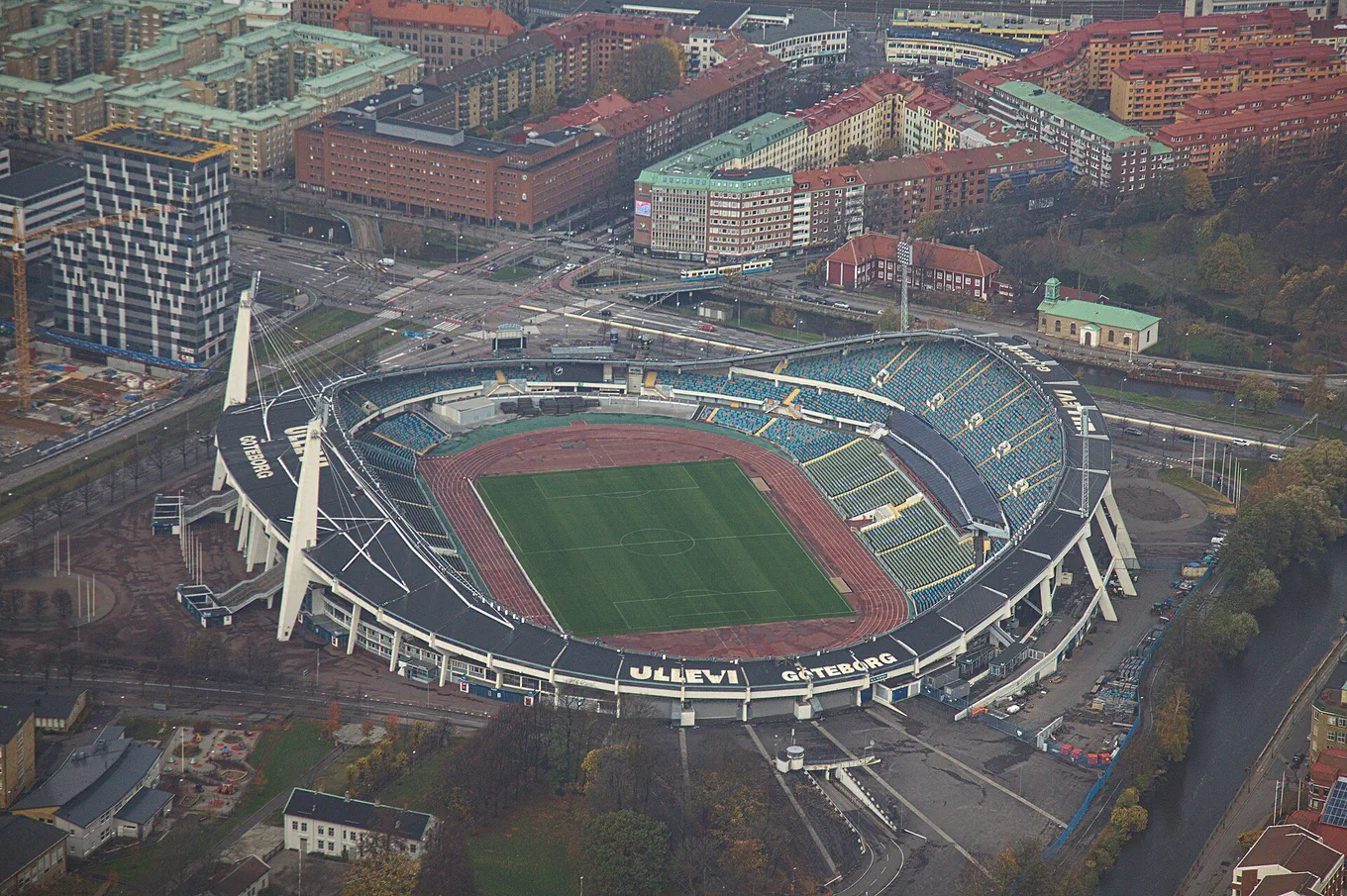
Stand here. Ullevi, the stadium built on clay soil for the 1958 World Cup.
Bruce Springsteen played two concerts at Ullevi in June 1985, and they set the Swedish audience record. On 8 June, as nearly 60,000 people jumped in unison to “Twist and Shout”, the stadium’s pylons swayed. The rhythm, on that clay, nearly brought Ullevi down. The damage ran into millions, and the concrete pillars were later extended to bedrock. Springsteen is reported to have said the stadium was “condemned and never used again”. It wasn’t. He has been back to play it on tour after tour.
Pack nothing. Leave Friday.
Every Friday, I write a free letter, Journey, that takes us on a trip through places, stories, and ideas.
Simon and the Oaks(Marianne Fredriksson, 1985). A novel set in Gothenburg, predominantly during the 1940s, with the persecution of Jewish people during World War II as a backdrop.
De kommer att drunkna i sina mödrars tårar(Johannes Anyuru, 2017). A novel about, among other things, a future Gothenburg where Muslims must sign a citizenship contract so as not to be called enemies of Sweden.
Samlade verk(Lydia Sandgren, 2020). A novel set in Gothenburg, Lydia Sandgren’s 700-page debut, which won her the August Prize for fiction in 2020.
Films to watch before you visit Gothenburg
Play(Ruben Östlund, 2011). A film. In Gothenburg, a gang of five Swedish-Somali teenage boys act out an elaborate scheme to take the belongings of three teenage boys.
Känn ingen sorg (Shed No Tears)(Måns Mårlind and Björn Stein, 2013). A film set in Gothenburg, known in English as Shed No Tears, with a plot based on the lyrics and music of Håkan Hellström.
Zero Tolerance (Noll tolerans)(Anders Nilsson, 1999). A film set in Gothenburg. Johan Falk, a Gothenburg police officer, gets involved in a shooting and saves a little girl’s life, but ends up the accused.
Questions
Did Bruce Springsteen really break Ullevi stadium?
Nearly. At his concert on 8 June 1985, tens of thousands of fans jumping in rhythm, on the clay soil beneath the stadium, almost brought it down. One estimate put the damage at nearly £3 million, and the concrete pillars were later extended to bedrock. Ullevi wasn’t condemned, though. Springsteen has played there again on later tours.
Who founded Gothenburg?
King Gustavus Adolphus, by royal charter in 1621, as a fortified trading town planned by Dutch builders. Legend says a dove fleeing an eagle landed at his feet, and he declared “Here shall the city lie!” It wasn’t the first Gothenburg. His father, Charles IX, had founded one in 1607, and a Danish-Norwegian force burnt it in 1611.
What is Kronhuset in Gothenburg?
It is Gothenburg’s joint-oldest secular building, put up between 1643 and 1654 as an arsenal for the garrison and a granary. In 1660, the Swedish parliament met there. After Charles X Gustav died in the city that February, the parliament proclaimed his four-year-old son king. Bright yellow eighteenth-century buildings ring its courtyard.