Harbin is the capital and largest city of Heilongjiang province, in northeast China, with its centre on the southern bank of the Songhua River. It was founded in 1898, when the Russian-built Chinese Eastern Railway arrived. Its stories are a shooting on the station platform, a doctor’s gauze mask, a hotelier’s kidnapped son, a resistance fighter’s letter, and a future prime minister at his grandfather’s grave.
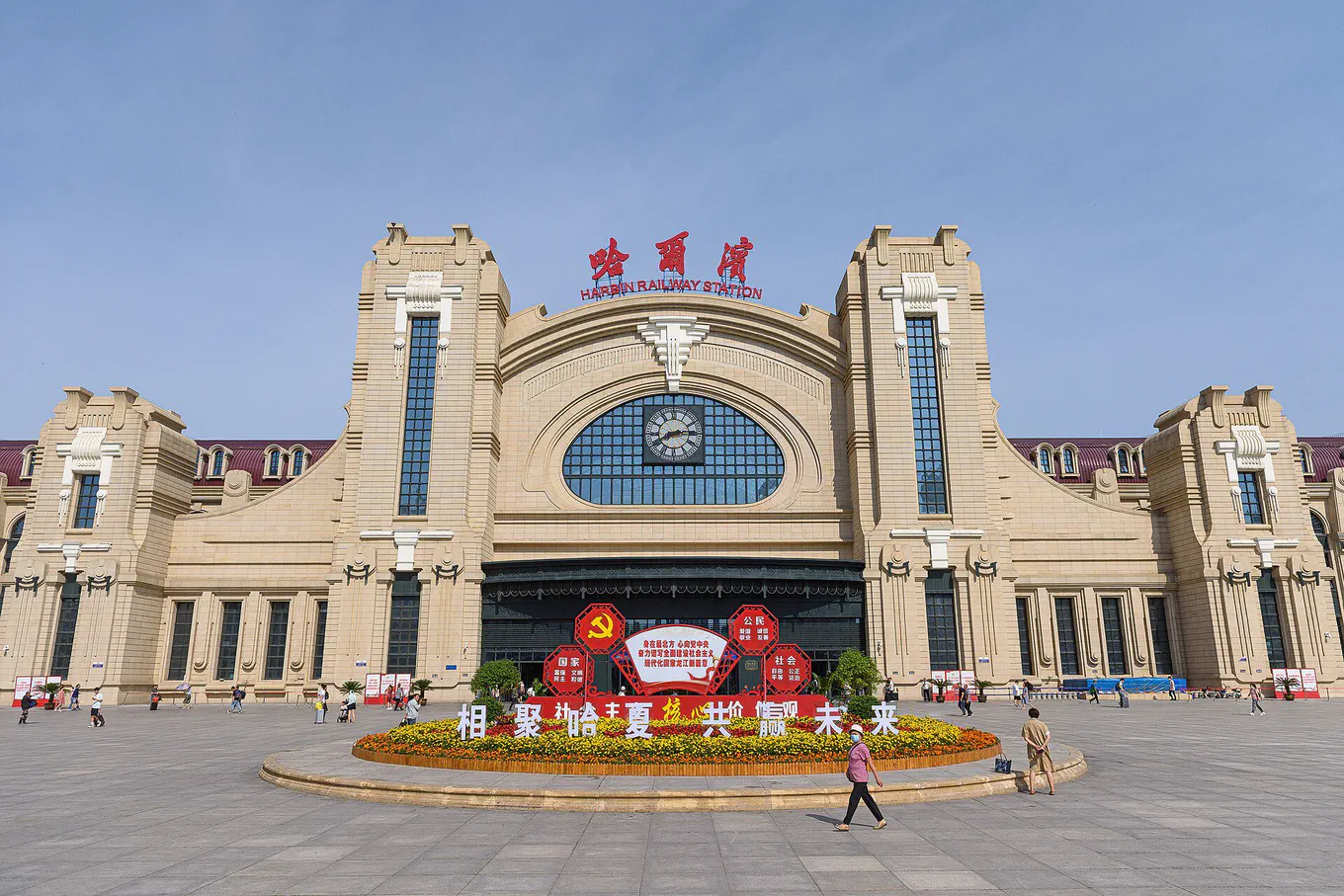
In the 2024 film Harbin, Ahn Jung-geun shoots Itō Hirobumi, shouting “Long live Korea!” in Russian. The real shots were fired on this platform on 26 October 1909. Ahn, a Korean independence activist, said Itō, Japan’s first prime minister and first Resident-General of Korea, had disturbed the peace of the Orient. Russian guards held Ahn for two days, then handed him to the Japanese. In 1910, he was hanged as a common criminal, and his grave has never been found.
2 Wu Lien-teh’s gauze mask and the Harbin plague
Stand here. Daowai district, once the town of Fujiadian, where the plague hit hardest. The Wu Lien-Teh Institute opened at Harbin Medical University in 2015.
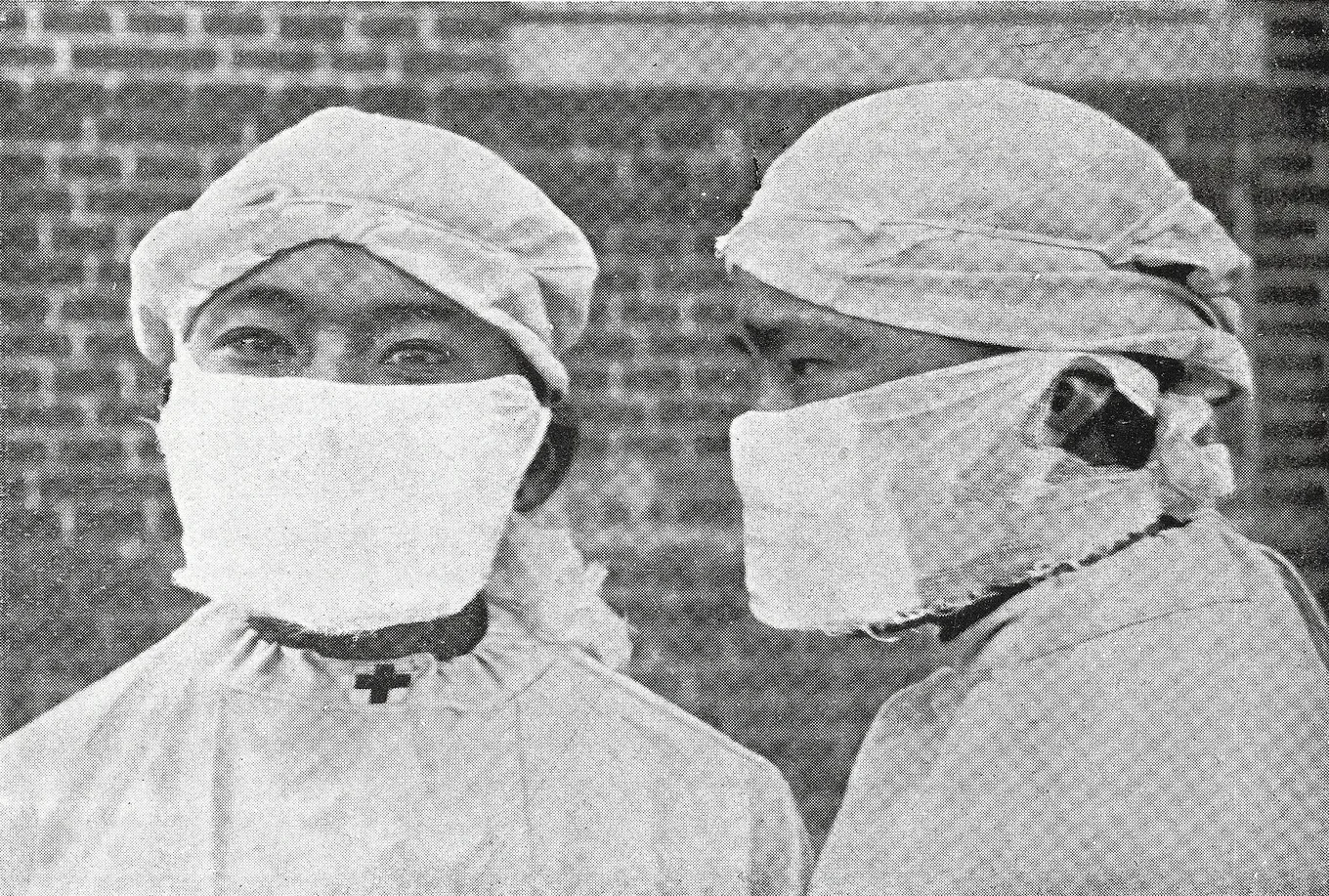
Before the N95 respirator, there was Wu Lien-teh’s mask, two layers of gauze and a piece of cotton. Wu, the first medical student of Chinese descent at Cambridge, came to Harbin with a microscope in his luggage. The plague killed 99.9% of its victims. The French doctor Gérald Mesny, who had experience with plague, refused the mask, visited patients without one, and was dead within the week. With thousands of bodies on the frozen ground, Wu sought an imperial edict, and on 31 January 1911 they were burned. From that day, deaths fell.
3 Simon Kaspé and Harbin’s Hotel Moderne
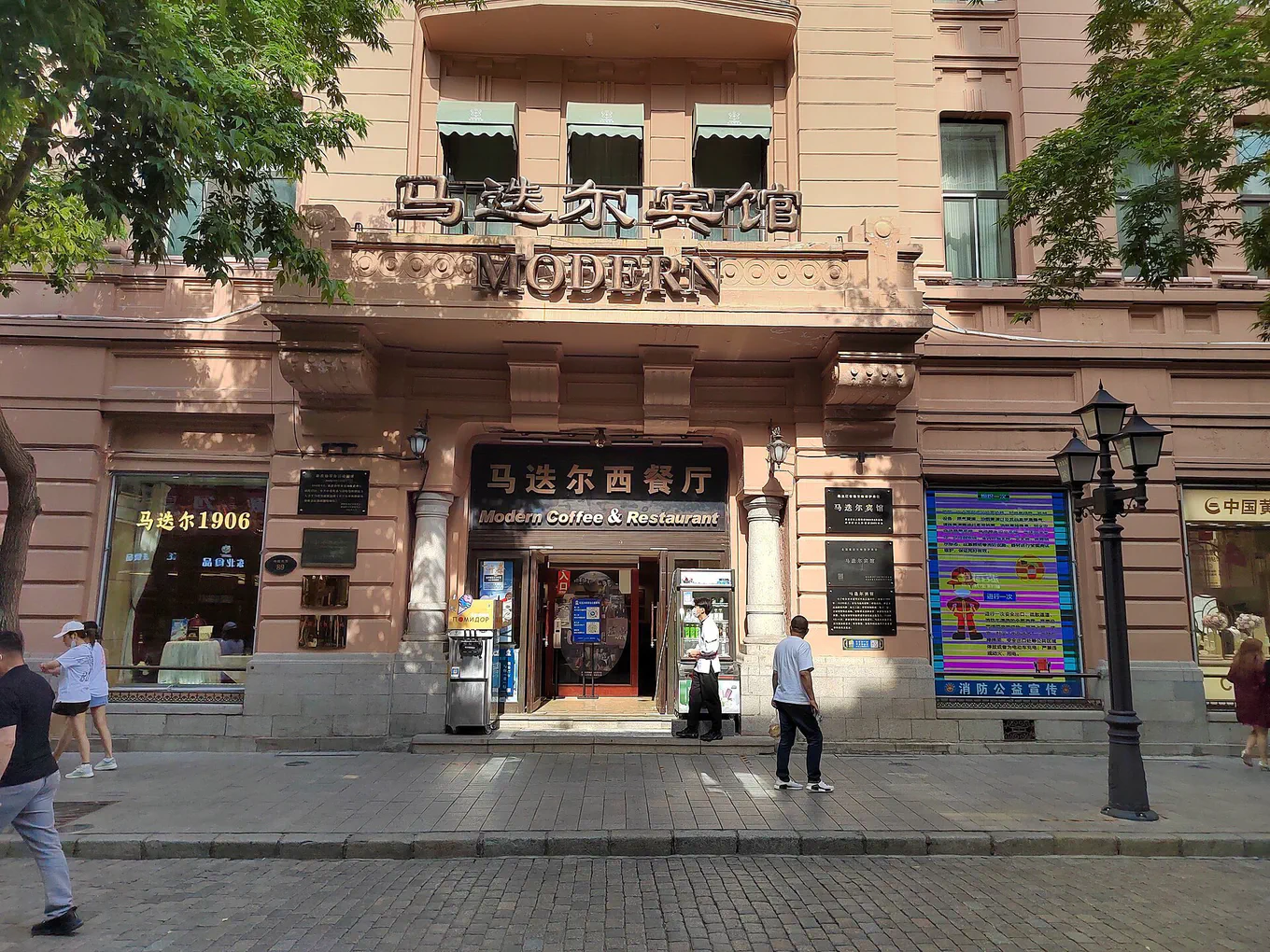
Stand here. The Hotel Moderne on Harbin’s main avenue. Built between 1913 and 1914, the Art Nouveau building still stands as the Modern Hotel.
Joseph Kaspé owned Harbin’s grandest hotel and had won French citizenship for his family. His son Simon, a pianist, studied at the Paris Conservatory. In 1933, Simon was kidnapped returning from an outing with his girlfriend. By one account, Russian Fascists working with the Japanese took him because his father rarely left the hotel. The ransom was $100,000. The French consul persuaded Joseph to wait. A month later, half a bloody ear arrived, and again he was told not to pay. After three months, Simon was murdered.
4 Zhao Yiman, the resistance fighter Harbin named a street after
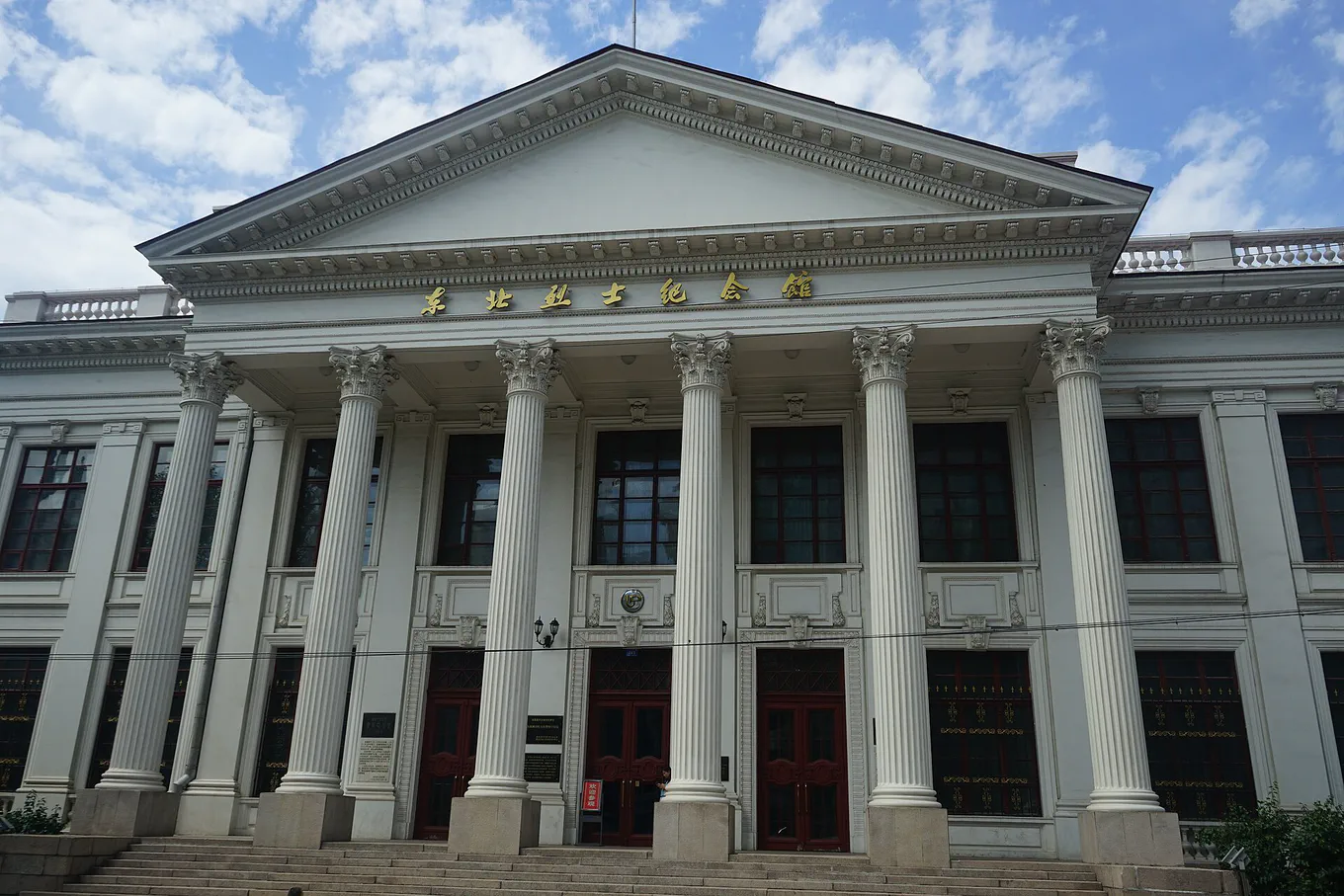
Stand here. The former Harbin police headquarters where Zhao was held, now the Northeast Martyrs Memorial Hall. Yiman Street is named after her.
Japanese-run newspapers described Zhao Yiman “with two guns and a white horse”. She fought the Japanese army in northeast China, and in Harbin she worked among women workers. A police report says officers surrounded a house in Zhuhe County on 22 November. Back in Harbin, at police headquarters, she was tortured, but she gave nothing away. Before she was executed in Zhuhe, she wrote to her son. “I hope you will not forget that your mother sacrificed herself for the nation.”
5 Ehud Olmert at his grandfather’s grave in Harbin’s Jewish cemetery
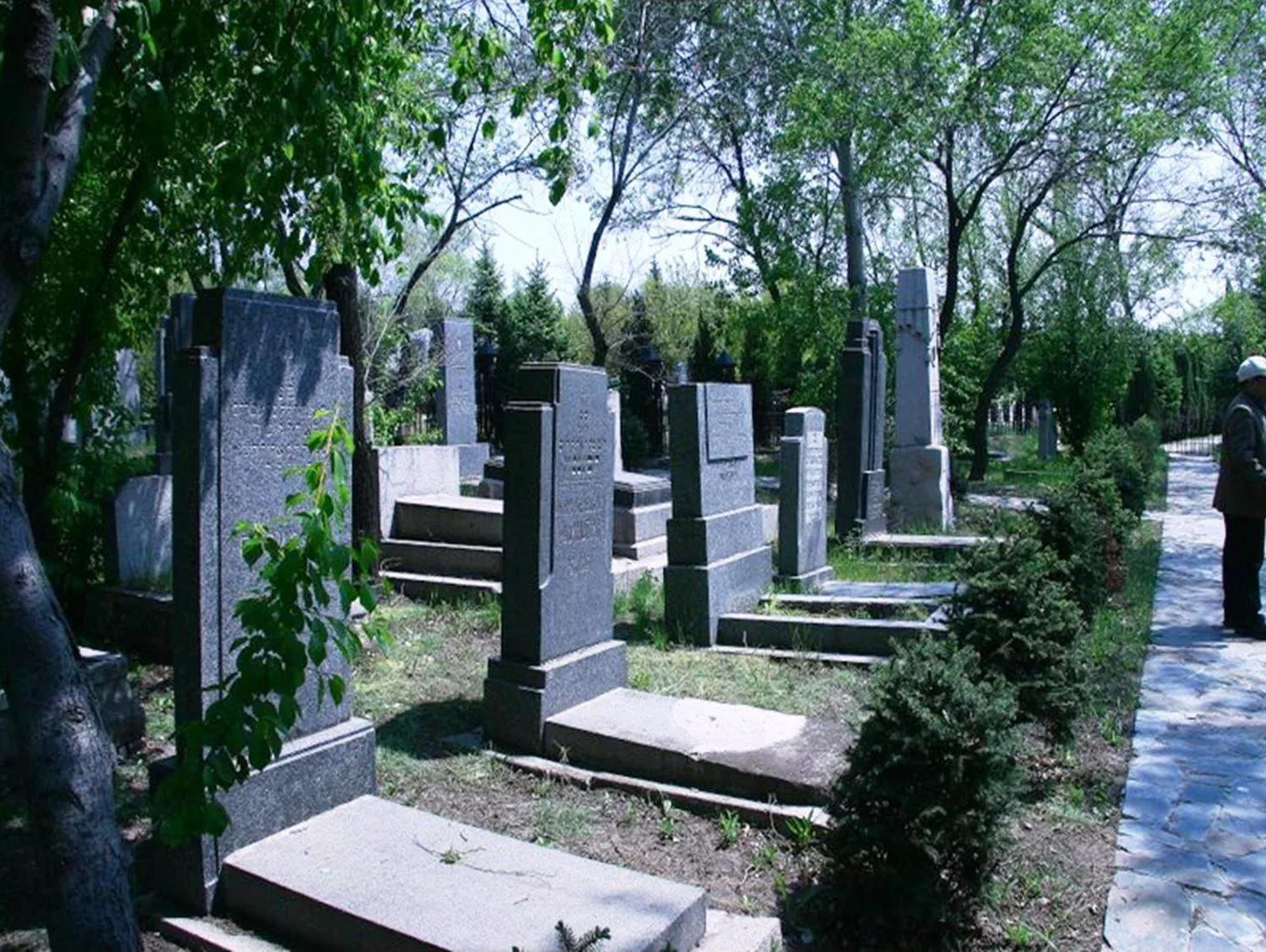
Stand here. Harbin Jewish Cemetery, refurbished and with a Jewish chapel, inside Huangshan Public Cemetery in an eastern suburb about 10 km from the centre.
The Jewish cemetery within Huangshan cemetery, in Harbin’s eastern suburbs.Jewbask / Public domain.
The parents of Ehud Olmert, Israel’s prime minister from 2006 to 2009, met in Harbin, both members of the city’s Betar movement. His grandfather, a Russian refugee, died here and was buried in the Jewish cemetery. In 1958, the city moved that cemetery out to Huangshan, and of about 3,000 graves, only 853 were transferred. In 2004, Olmert came to Harbin to unveil a new tombstone on his grandfather’s grave. A monument bearing his words thanks the city for sheltering his family.
Pack nothing. Leave Friday.
Every Friday, I write a free letter, Journey, that takes us on a trip through places, stories, and ideas.
Murder in Manchuria(Scott D. Seligman, 2023). A history. The kidnapping of Simon Kaspé, the pianist son of the man who built Harbin’s Hotel Moderne.
Secret Agent of Japan(Amleto Vespa, 1938). A memoir by a man who lived in Harbin. He tells of the finding of Simon Kaspé’s body outside the city.
Snow and Raven(白雪乌鸦, Chi Zijian, 2010). A novel set in Fujiadian, now Daowai district, during the plague of 1910 and 1911.
Films to watch before you visit Harbin
Harbin(Woo Min-ho, 2024). A film. Ahn Jung-geun shoots Itō Hirobumi at Harbin station, shouting “Long live Korea!” in Russian.
Cliff Walkers(Zhang Yimou, 2021). A spy thriller film. Four Chinese Communist Party agents parachute back into Harbin, in the Japanese puppet state of Manchukuo, in the early 1930s.
In the Name of the Brother(Zhang Li, 2024). A TV series. Set in Harbin under the puppet Manchukuo regime in 1944, it follows an underground party member disguised as a railway police officer.
Questions
Where was Itō Hirobumi shot in Harbin?
On the platform of Harbin railway station, on 26 October 1909, by the Korean independence activist Ahn Jung-geun. The station was rebuilt to the design of the original 1903 Art Nouveau building, with the work finished in 2017.
How old is Saint Sophia Cathedral in Harbin?
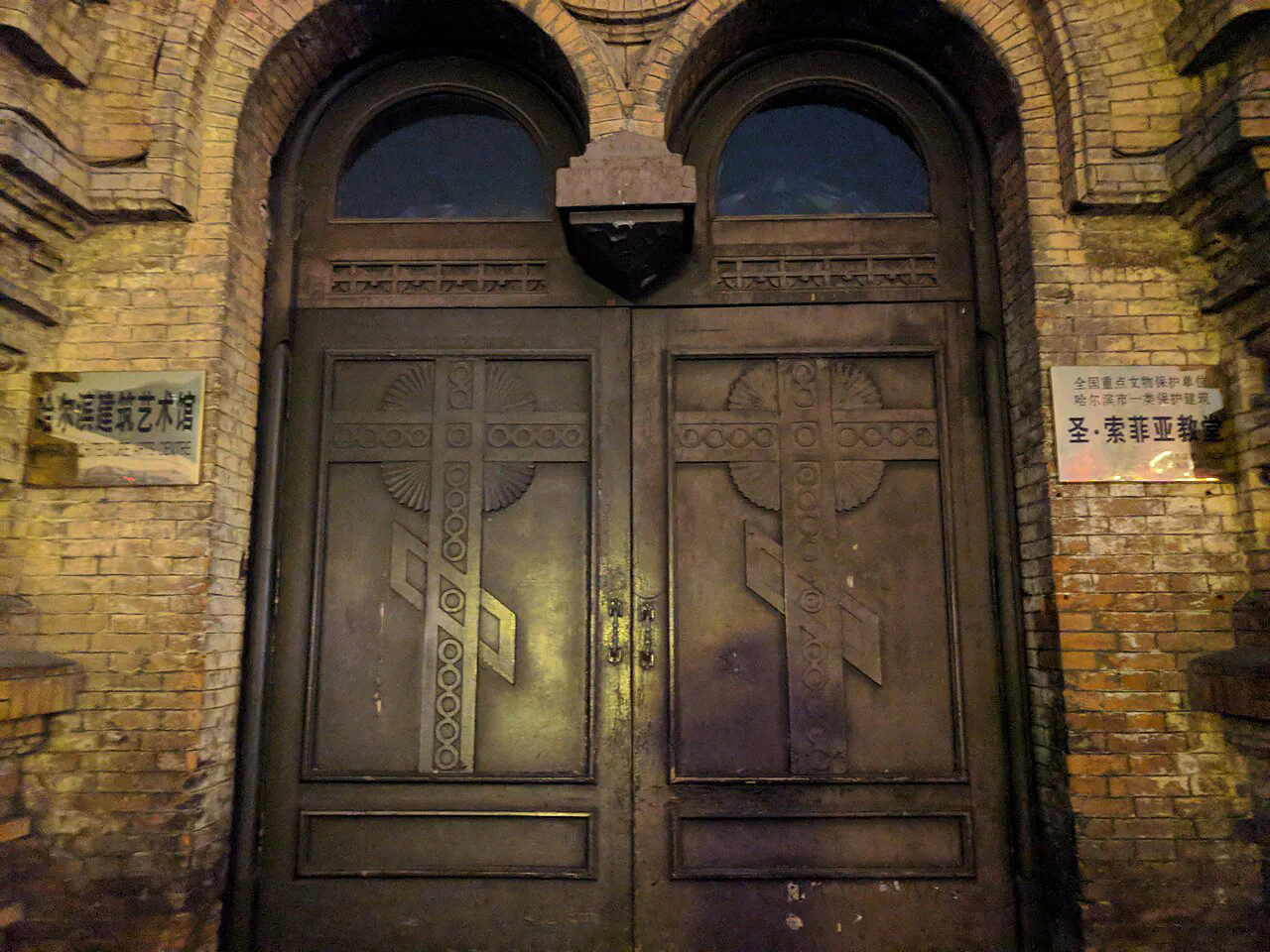
The first cathedral was built of timber and finished in March 1907. From 1923, it was expanded and renovated. Later, its empty shell became a warehouse for a nearby state-run department store. It now houses the Harbin Architectural Art Gallery, on the corner of Toulong Street and Zhaolin Street.
Where does the ice for the Harbin Ice Festival come from?
From the Songhua River, on whose southern bank the city centre sits. The Harbin International Ice and Snow Sculpture Festival grew out of the city’s traditional ice lantern show and garden party. It was interrupted for some years during the Cultural Revolution, and in 1985 it became an annual event at Zhaolin Park.