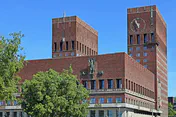
Helsinki, Finland’s capital and most populous city, stands on the Gulf of Finland. King Gustav I of Sweden founded it in 1550 as a trading town, and Emperor Alexander I of Russia made it Finland’s capital in 1812. Its stories are a cartoonist who mocked Hitler, a banned runner with the Olympic flame, Brezhnev at Finlandia Hall, a park that played Moscow, and the birth of Linux.
The Moomins began as a troll Tove Jansson drew beside her name in political cartoons. For the satirical magazine Garm, she drew Hitler as a crying baby in nappies and lampooned Stalin too, and the Finnish authorities censored her cartoons. The first Moomin book was written during the war and came out in 1945. Jansson counted her painting as equal to her writing, but it was the Moomins that made her famous. When she painted two frescoes for the City Hall, she hid a Moomin-like figure among the flowers.
2 Paavo Nurmi, the banned Flying Finn, and Helsinki’s Olympic flame
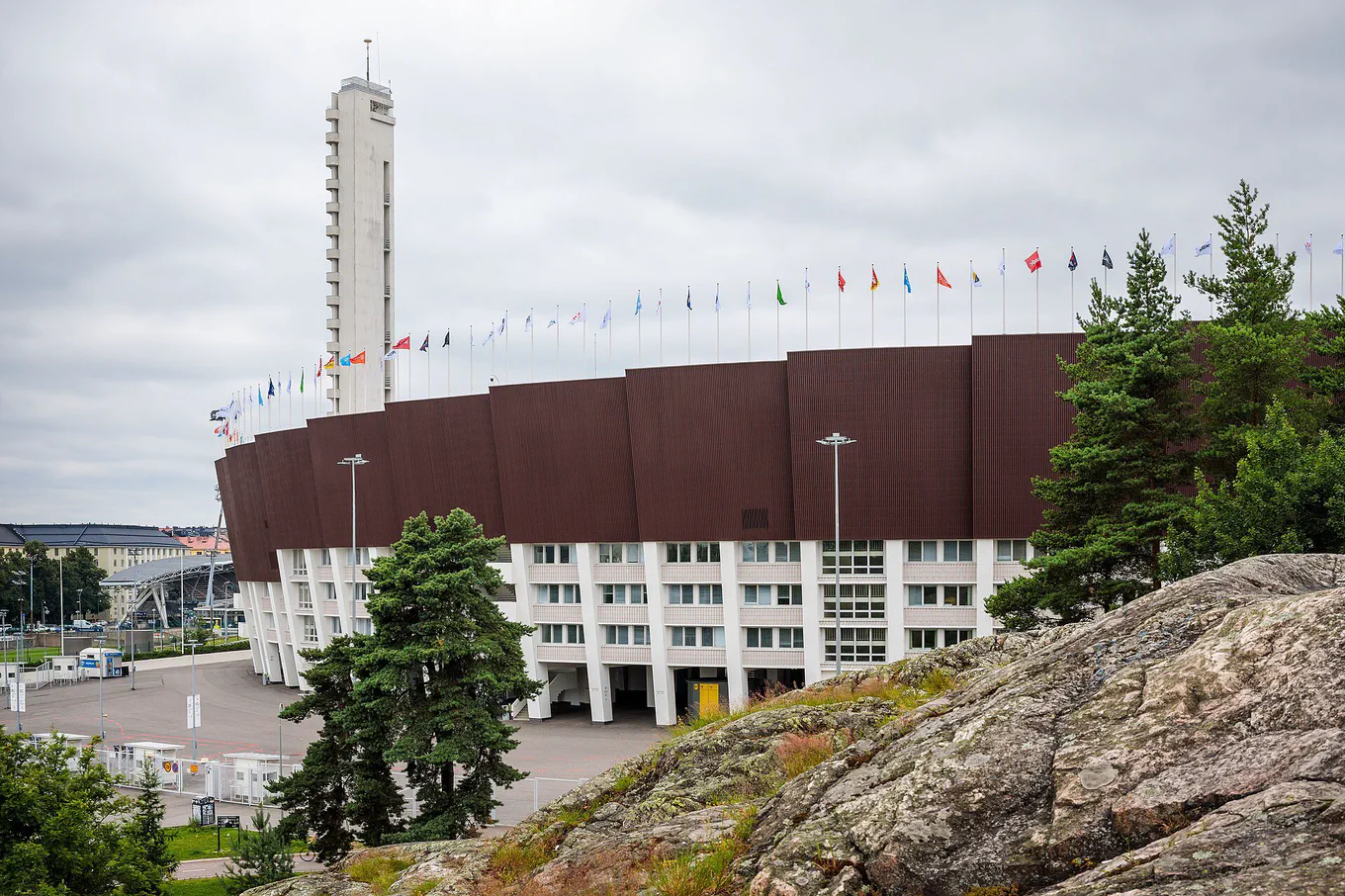
Stand here. The Helsinki Olympic Stadium. Nurmi’s bronze statue has stood on its front field since 1952, and its 72-metre tower is open to visitors.
Paavo Nurmi, the Flying Finn, won nine Olympic golds. He had set his heart on finishing with a marathon gold at Los Angeles in 1932, but less than three days before the 10,000 metres, athletics officials barred him, on sworn statements from German promoters that he had been paid to race. The ban became permanent, and he retired. Twenty years later, at the opening of the Helsinki Games, Nurmi carried the Olympic flame into the stadium. Athletes, Sports Illustrated wrote, broke ranks like excited schoolchildren to see him.
3 Brezhnev, Ford and the Helsinki Final Act at Finlandia Hall
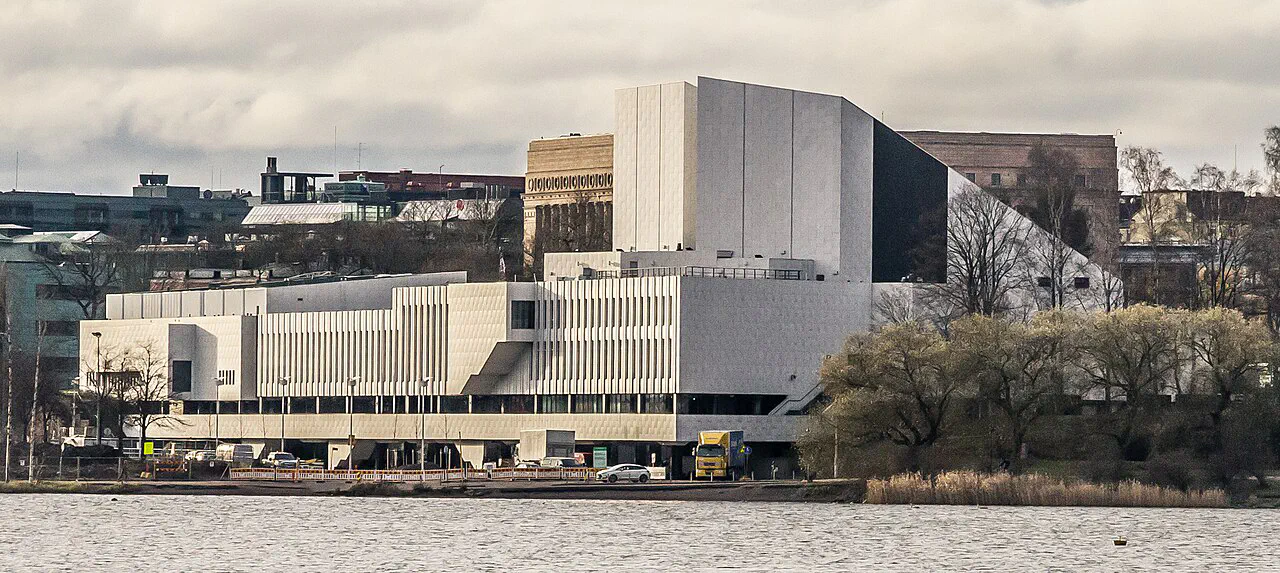
Stand here. Finlandia Hall, Alvar Aalto’s concert and congress hall on Töölönlahti Bay, reopened in 2025 and named a UNESCO World Heritage Site in 2026.
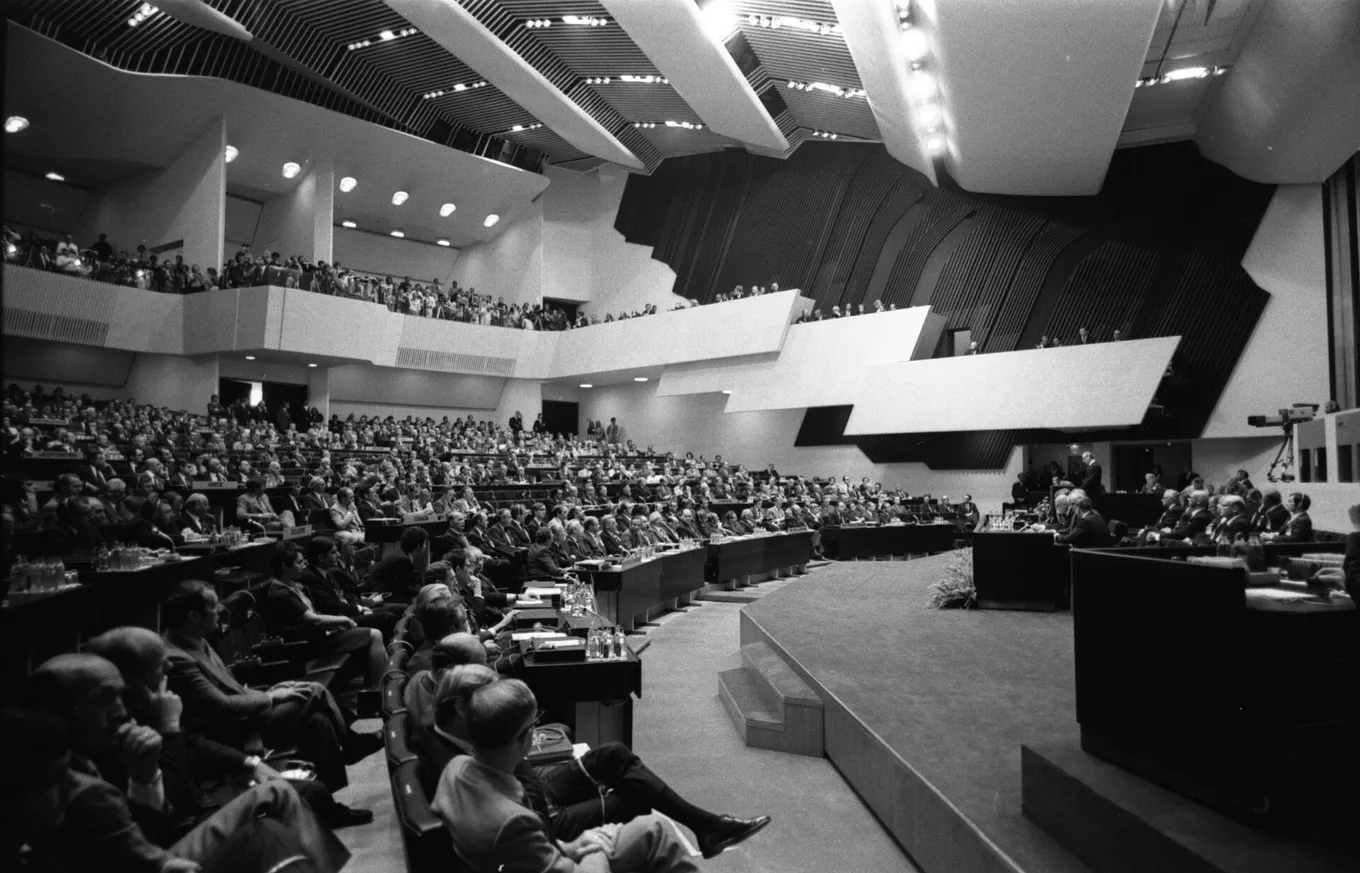
Delegates fill the main auditorium of Finlandia Hall at the opening of the Conference on Security and Cooperation in Europe.Unknown / Public domain.
On 1 August 1975, Leonid Brezhnev and Gerald Ford were among 35 world leaders at Finlandia Hall for the signing of the Helsinki Final Act. Its frontier clauses were seen to lock in Soviet gains from the Second World War, and Soviet propaganda hailed it as Brezhnev’s triumph. But among its principles was respect for human rights. Within a year, the physicist Yuri Orlov had set up the Moscow Helsinki Group to watch whether the Soviet Union kept its word. Its members paid with KGB threats, prison, and exile.
4 Gorky Park, the Moscow thriller filmed in Helsinki’s Kaisaniemi
Stand here. Kaisaniemi Park, in the Kluuvi area of central Helsinki. Still a popular public park, it holds the city’s oldest public memorial, the Freemason’s Grave.
If you’ve seen Gorky Park, the 1983 thriller with William Hurt and Lee Marvin, you’ve seen this park without knowing it. A Moscow detective, played by Hurt, is called to three bodies near the Gorky Park ice rink, their faces and fingertips removed. But the Soviet Communist Party condemned the film as anti-Soviet and refused Michael Apted’s crew access to Moscow. So Helsinki played Moscow, and Kaisaniemi played Gorky Park.
5 Linus Torvalds and the Helsinki student hobby that became Linux
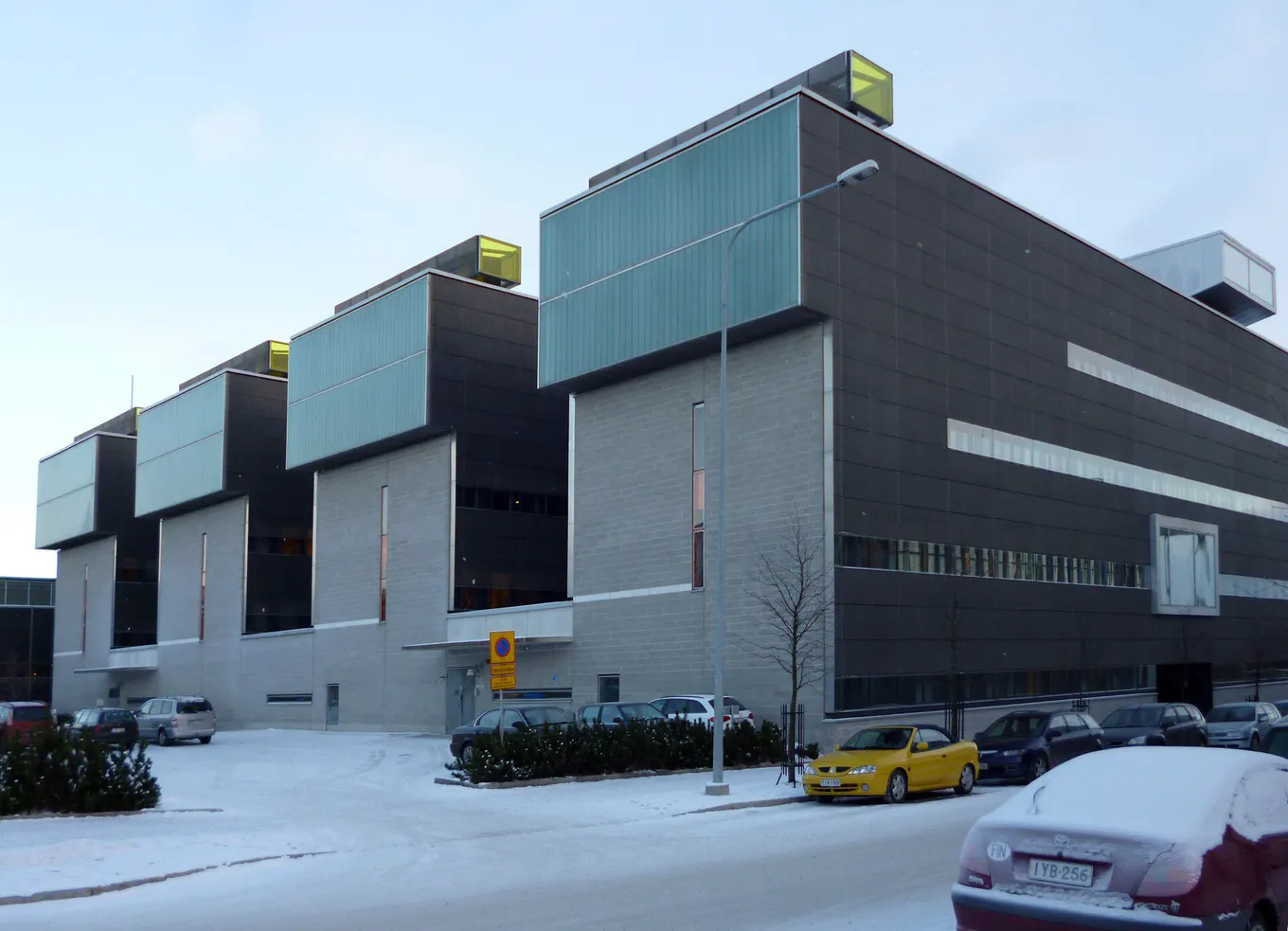
Stand here. The University of Helsinki’s Department of Computer Science, on the Kumpula campus four kilometres north of the centre. His computer is on display.
Android is built on Linux, and Linux started with a PC that Linus Torvalds, a University of Helsinki student, bought in January 1991. MINIX, the system he got, limited changes and sharing, so he started a free one. He announced the project online as “just a hobby, won’t be big and professional like gnu”. He meant to call it Freax, but when the files went up on a server, a volunteer administrator named the project Linux without asking him. By 2017, Linux ran all 500 of the world’s fastest supercomputers.
Pack nothing. Leave Friday.
Every Friday, I write a free letter, Journey, that takes us on a trip through places, stories, and ideas.
Helsinki Noir(edited by James Thompson, 2014). A short-story collection. Each crime story is set in a different part of the city, from Töölö to the Stockmann department store and the Central Train Station.
Där vi en gång gått(Kjell Westö, 2006). A historical novel by Finnish author and journalist Kjell Westö, set in Helsinki in the period from 1905 until 1944.
The Sculptor’s Daughter(Tove Jansson, 1968). An autobiographical collection of short stories describing Tove Jansson’s childhood in fictionalised form, set variously in Helsinki and in the Pellinki archipelago.
Films to watch before you visit Helsinki
Gorky Park(Michael Apted, 1983). A film. A Moscow murder mystery shot mainly in Helsinki, with Kaisaniemi Park standing in for the Gorky Park of the title.
Calamari Union(Aki Kaurismäki, 1985). A film. A gang tries to escape the Kallio district for seaside Eira, sneaking through dark alleys and the tunnels of the Helsinki metro.
Katariina ja Munkkiniemen kreivi(Ossi Elstelä, 1943). A film of Kaarina Viitainoja’s novel. In Helsinki in 1860, a farmhand’s daughter loves the Count of Munkkiniemi, and later moves to poorer Katajanokka.
Fallen Leaves(Aki Kaurismäki, 2023). A film. Ansa, a single woman, lives in Helsinki, and filming began in the city’s Kallio district.
Questions
Can you see Tove Jansson’s studio in Helsinki?
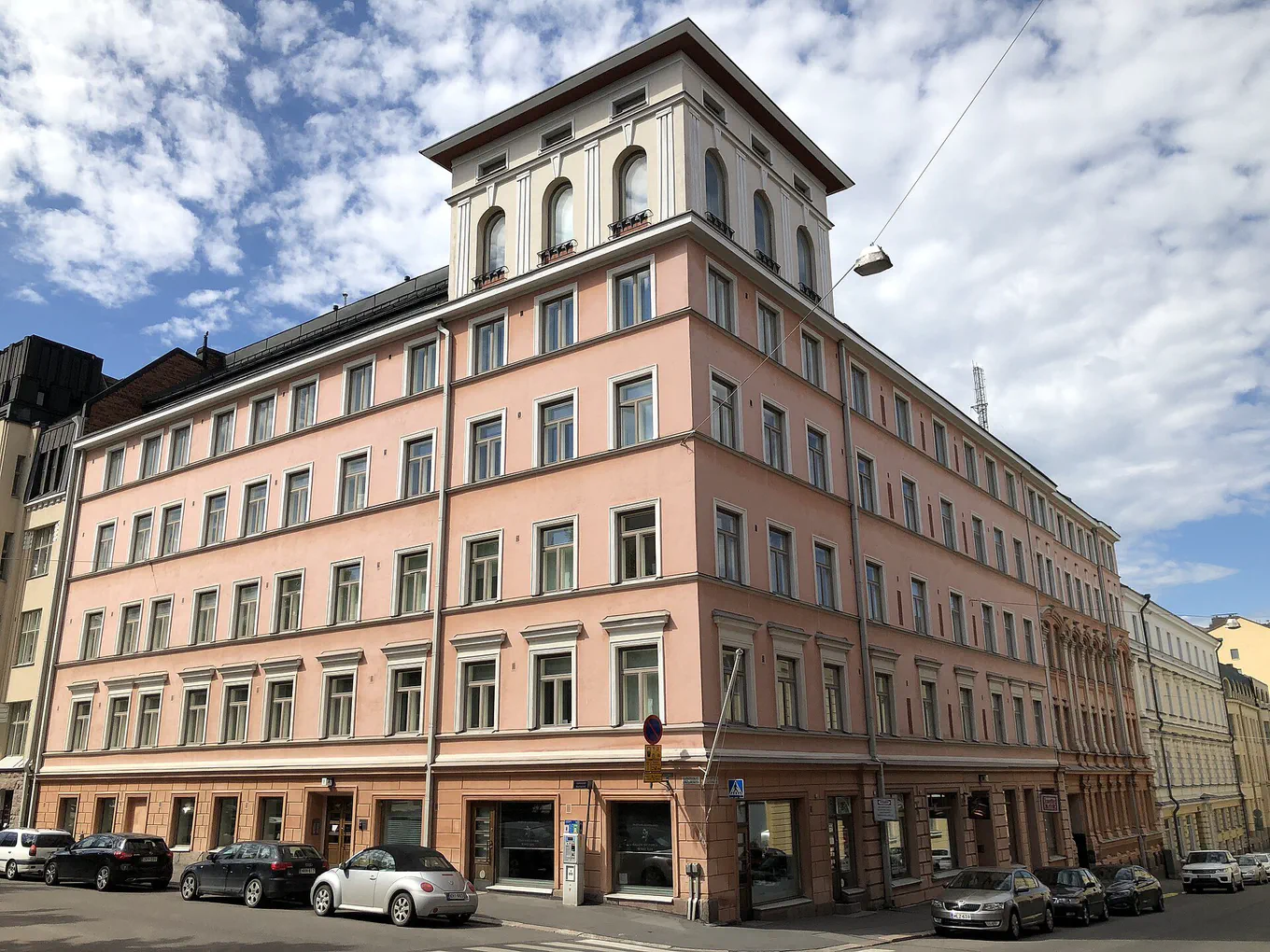
From outside, yes. You can see the windows of her tower studio at Ullanlinnankatu 1 from the street. She worked there from 1944 until her death in 2001, and the city has put a memorial plaque at her home on Ullanlinnankatu. Her two 1947 City Hall frescoes are on permanent display at HAM Helsinki Art Museum.
Where was Gorky Park filmed?
Mainly in Helsinki, and also in Stockholm, because the Soviet Communist Party refused the crew access to Moscow. Kaisaniemi Park, in central Helsinki, stood in for Moscow’s Gorky Park, and a mural of Lenin at Unioninkatu 45 was another location.
When did Helsinki become the capital of Finland?
In 1812. Russia had annexed Finland as an autonomous grand duchy in 1809, and on 8 April 1812, Emperor Alexander I moved the capital from Turku to Helsinki. King Gustav I of Sweden had founded the town in 1550, to rival Reval, now Tallinn, across the Gulf of Finland.