When we saw Oppenheimer, the scene that stayed with me was the cheering at Los Alamos, after the bomb fell and before anyone understood what it had done. Nolan took the sound away. What was done to the people who lived here is the other side of that silence.
— Nick
Hiroshima, the capital of Hiroshima Prefecture in Japan, was founded in 1589 as a castle town on the Ōta River delta. On 6 August 1945, it became the first military target of a nuclear weapon. Its stories here are a warlord who lost his castle, an exhibition hall that kept its shape, the hospital under the bomb, a girl folding paper cranes, and a documentary that became a love story.
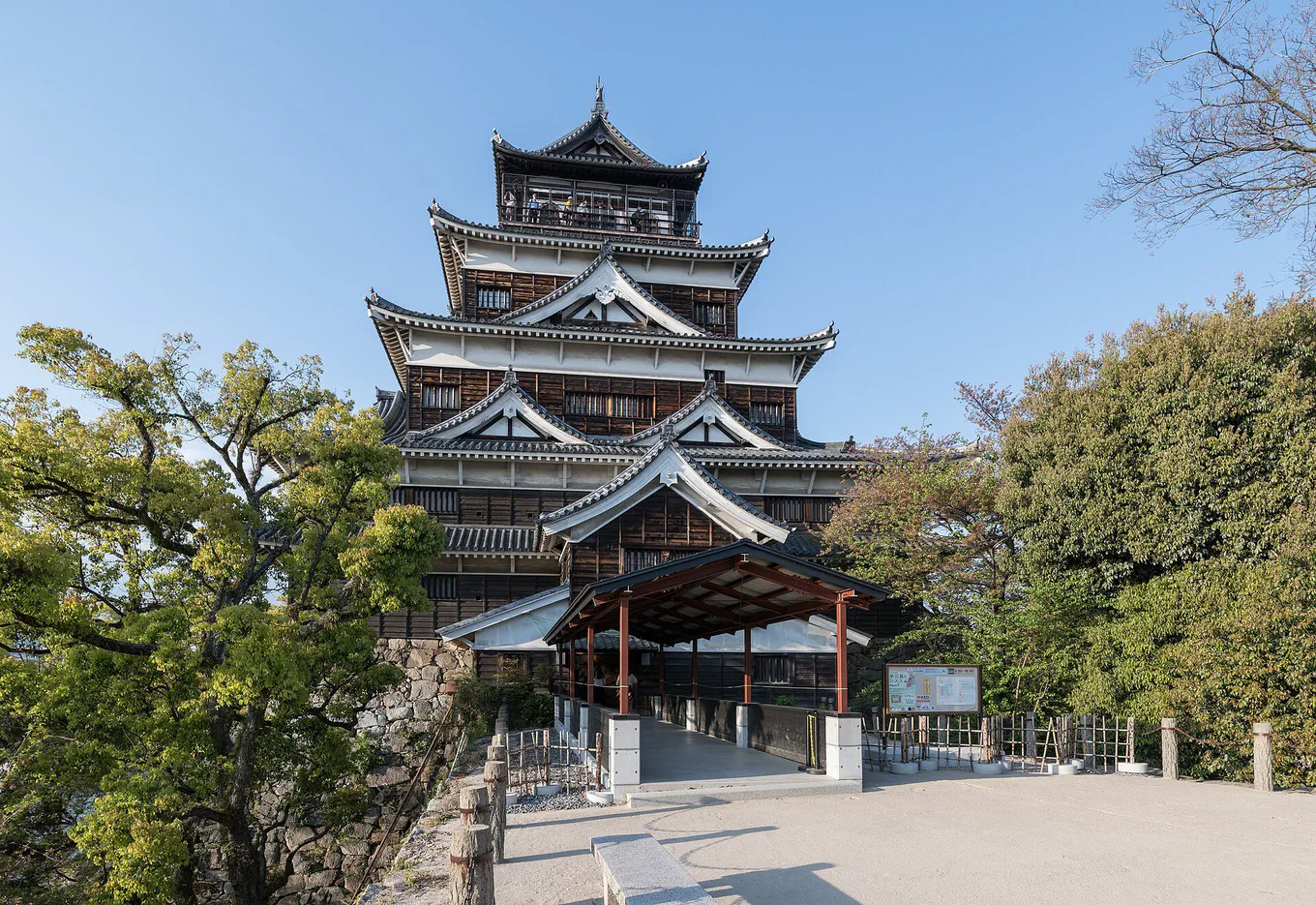
In 1589, Mōri Terumoto, a daimyō, or feudal lord, began building a castle on the flat delta of the Ōta River, and the town that grew around it became Hiroshima. He governed nine provinces from it. In 1600, he was general commander of the side fighting Tokugawa Ieyasu. But on the day the armies met at Sekigahara, Terumoto was in Osaka Castle. His side lost. The man who had founded Hiroshima was forced out of his own castle.
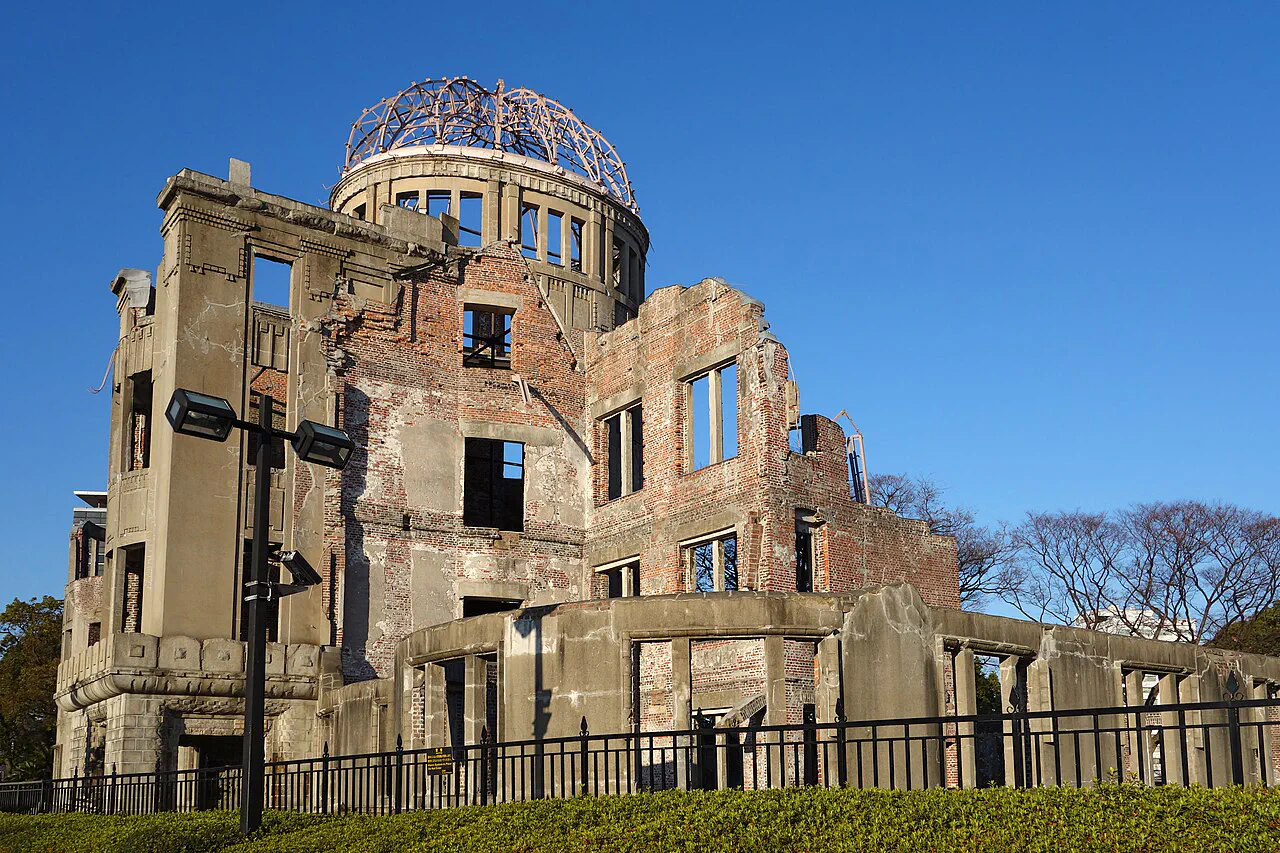
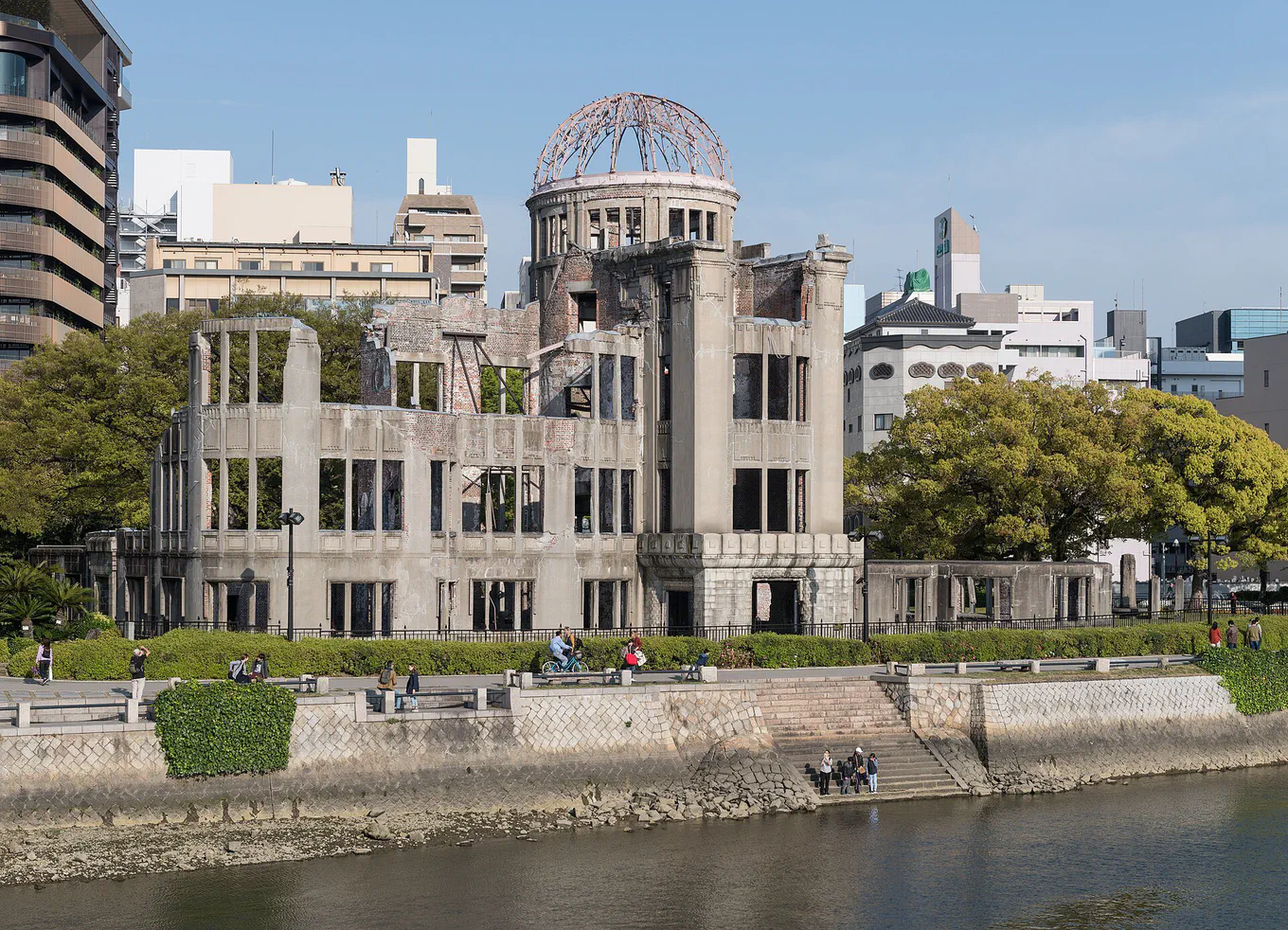
Before it was the A-Bomb Dome, it was an exhibition hall beside the Aioi Bridge, designed by a Czech architect, Jan Letzel. In 1923, Letzel watched an earthquake destroy many of the buildings he had designed in Japan. He went home to Prague, deeply disappointed, and died two years later, aged 45. On 6 August 1945, the bomb exploded almost directly above his hall, and everyone inside was killed. But because the blast came from overhead, the building kept its shape. Nothing else near the blast was left standing.
3 Dr Kaoru Shima and the hospital beneath the bomb
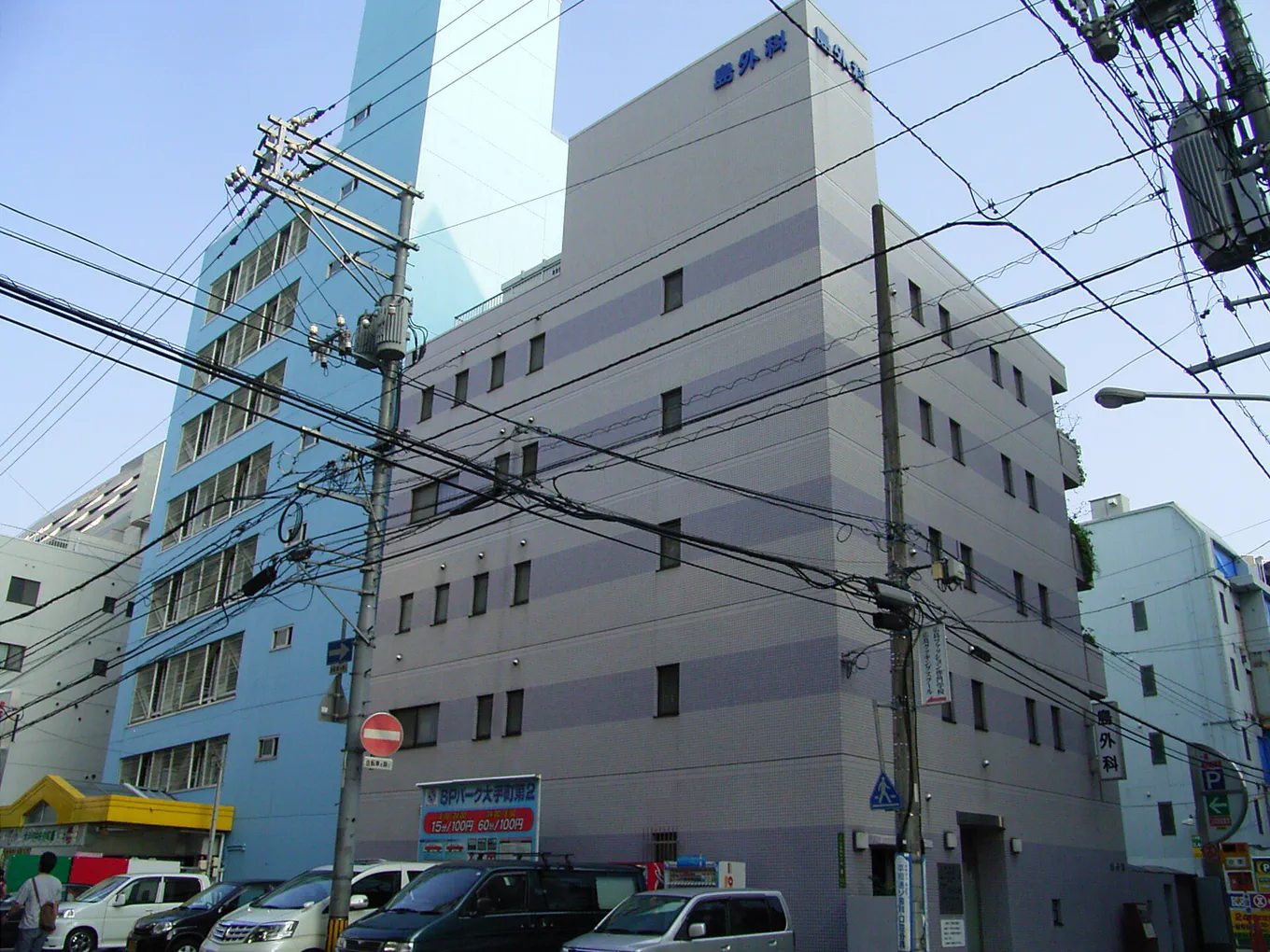
Stand here. Shima Naikai-in, a clinic about five minutes’ walk from the A-Bomb Dome. A monument beside it marks the spot beneath the blast.
The Enola Gay’s crew aimed at the Aioi Bridge, whose T shape was easy to spot from the air. But on 6 August 1945, a crosswind carried the bomb about 240 metres off, and it exploded directly over Shima Hospital. All 80 or so staff and patients inside died instantly. Its owner, the surgeon Kaoru Shima, was away, helping a colleague with a difficult operation in a nearby town. He and his nurse were the only staff to survive. In 1948, he rebuilt the hospital from the ground up.
4 Sadako Sasaki and her thousand paper cranes
Stand here. The Children’s Peace Monument, in Peace Memorial Park. Thousands of paper cranes, sent from all over the world, are offered around it.
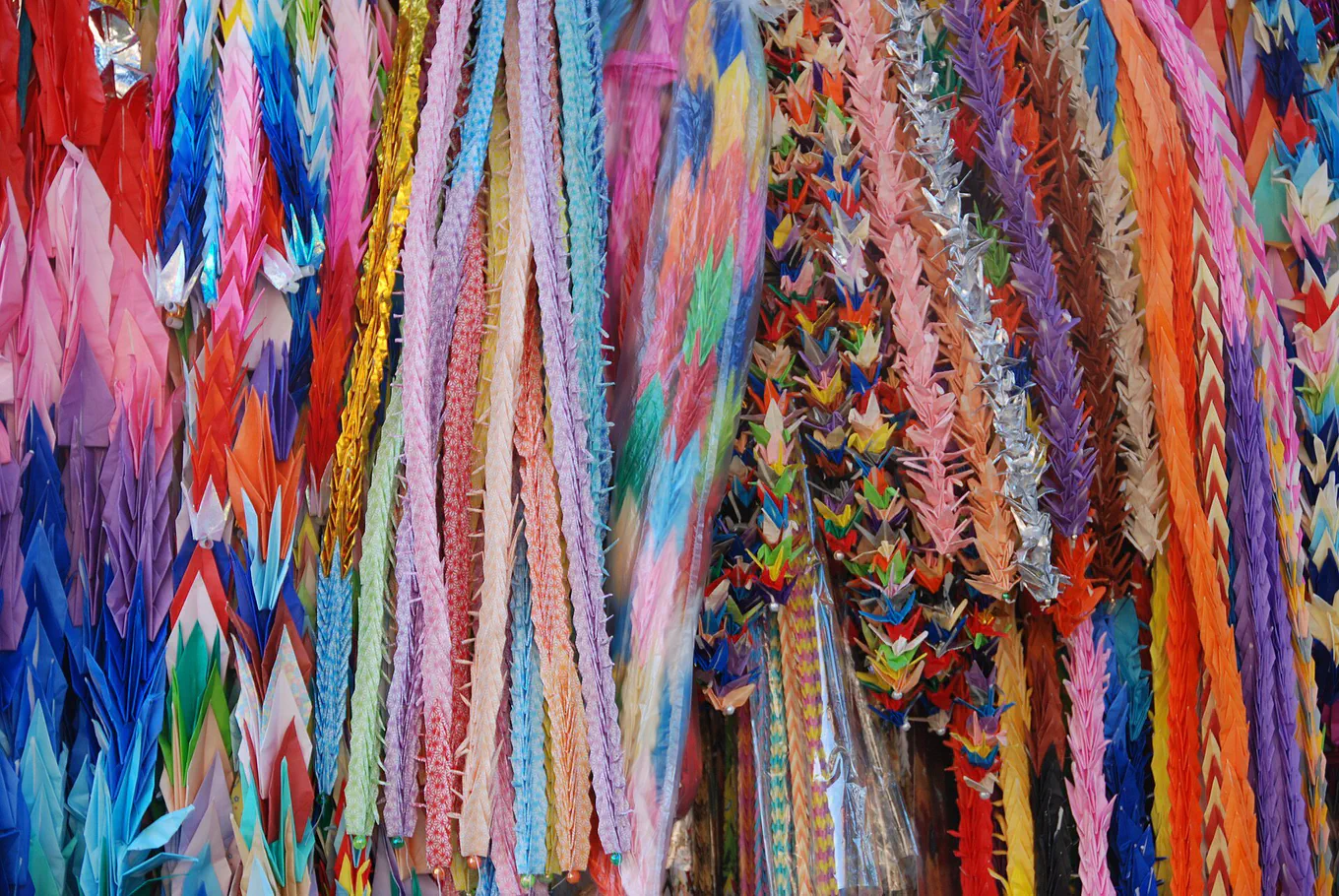
Sadako Sasaki, the girl in Eleanor Coerr’s novel Sadako and the Thousand Paper Cranes, was two when the bomb fell 1.6 kilometres from her home. Nine years later, she was diagnosed with leukaemia. In hospital, she began folding a thousand paper cranes, which legend says grants a wish, some on medicine wrappings. She passed a thousand and kept going, though the novel stops her at 644. She died in October 1955, aged twelve. Her classmates helped pay for this monument. On top, she holds a crane above her head.
5 Alain Resnais’s abandoned documentary that became Hiroshima mon amour
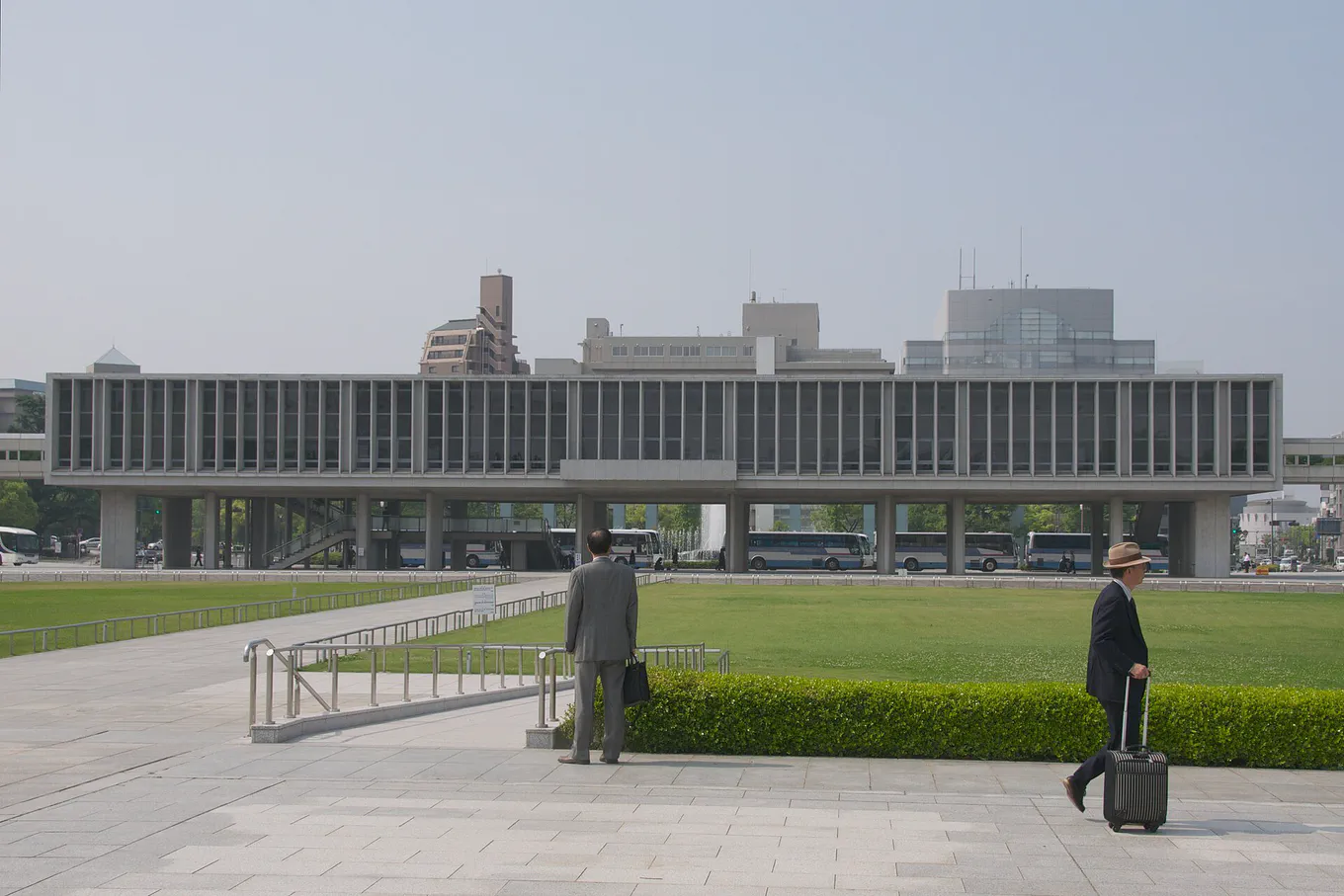
Stand here. The Hiroshima Peace Memorial Museum, in Peace Memorial Park, one of the film’s 1958 locations. Kenzō Tange designed its main building.
Alain Resnais’s Hiroshima mon amour, one of the most influential films of the French New Wave, was commissioned as a short documentary about the bomb. Resnais had made Night and Fog, about the Holocaust, and for months he couldn’t see how to avoid repeating it. He joked to his producer that it couldn’t be done without Marguerite Duras. She wrote a love affair between a French actress and a Japanese architect, shot on location in Hiroshima in 1958. In voice-over, the man keeps telling her she has seen nothing.
Pack nothing. Leave Friday.
Every Friday, I write a free letter, Journey, that takes us on a trip through places, stories, and ideas.
Hiroshima(John Hersey, 1946). Reportage. Six survivors of the bomb, among them a priest who sets off for Asano Park and a young surgeon at the Red Cross Hospital.
Barefoot Gen(Keiji Nakazawa, 1973–1987). A semi-autobiographical manga by an artist born in Naka-ku, who was in Hiroshima in August 1945 and lost most of his family.
In This Corner of the World(Fumiyo Kōno, 2007–2009). A manga. Suzu grows up in a seaweed-making family in Eba and runs errands to Nakajima-hon-machi, now Peace Memorial Park.
Sadako and the Thousand Paper Cranes(Eleanor Coerr, 1977). A children’s historical novel, the story of Sadako Sasaki, who folded her cranes at the Hiroshima Red Cross Hospital.
Films to watch before you visit Hiroshima
Hiroshima mon amour(Alain Resnais, 1959). A film, shot in the Hiroshima of 1958, from Hondōri shopping street to the A-Bomb Dome and the Ōta River.
In This Corner of the World(Sunao Katabuchi, 2016). An animated film. Suzu lives in seaside Eba, near Hiroshima, and the film’s backgrounds were detailed with help from aerial photographs and interviews with elderly residents.
Drive My Car(Ryusuke Hamaguchi, 2021). A Japanese drama film set in Hiroshima, where a director takes a residency to stage a multilingual Uncle Vanya. The setting moved there from Busan because of the pandemic.
Questions
What happens in Hiroshima on 6 August?
Every year on 6 August, the City of Hiroshima holds the Peace Memorial Ceremony in Peace Memorial Park, with a minute’s silence at 8.15 a.m., the moment the bomb exploded. The park’s Peace Flame has burned since 1964 and is to stay lit until every nuclear bomb on the planet is destroyed.
Is Hiroshima still radioactive?
No. The Radiation Effects Research Foundation says the practical answer is no. The radioactivity the bomb induced decayed very quickly, and what remains is so slight that it is hard to tell apart from the trace fallout left around the world by atomic-bomb tests in the atmosphere.
Is Miyajima in Hiroshima?
Not the city itself. Itsukushima, popularly known as Miyajima, or “Shrine Island”, is famous for the “floating” torii gate of Itsukushima Shrine, a Shinto shrine. It is part of the city of Hatsukaichi, in Hiroshima Prefecture.