I went out to Hong Kong for a while for work, and it was everything I’d dreamed it would be. And those were dreams created by James Clavell’s novels, Tai Pan and Noble House. I loved it all, from the soaring towers to swimming in the shark-netted beaches. What a place.
— Nick
Britain took Hong Kong Island in 1841 and handed the territory to China in 1997. With Kowloon and the New Territories, the island makes up Hong Kong, on China’s southern coast just south of Shenzhen. A sacked officer’s “barren island” is where the tales begin; a missionary with $10, Bruce Lee coming home and a film shot in a hurry follow, and the last governor’s last day closes them.
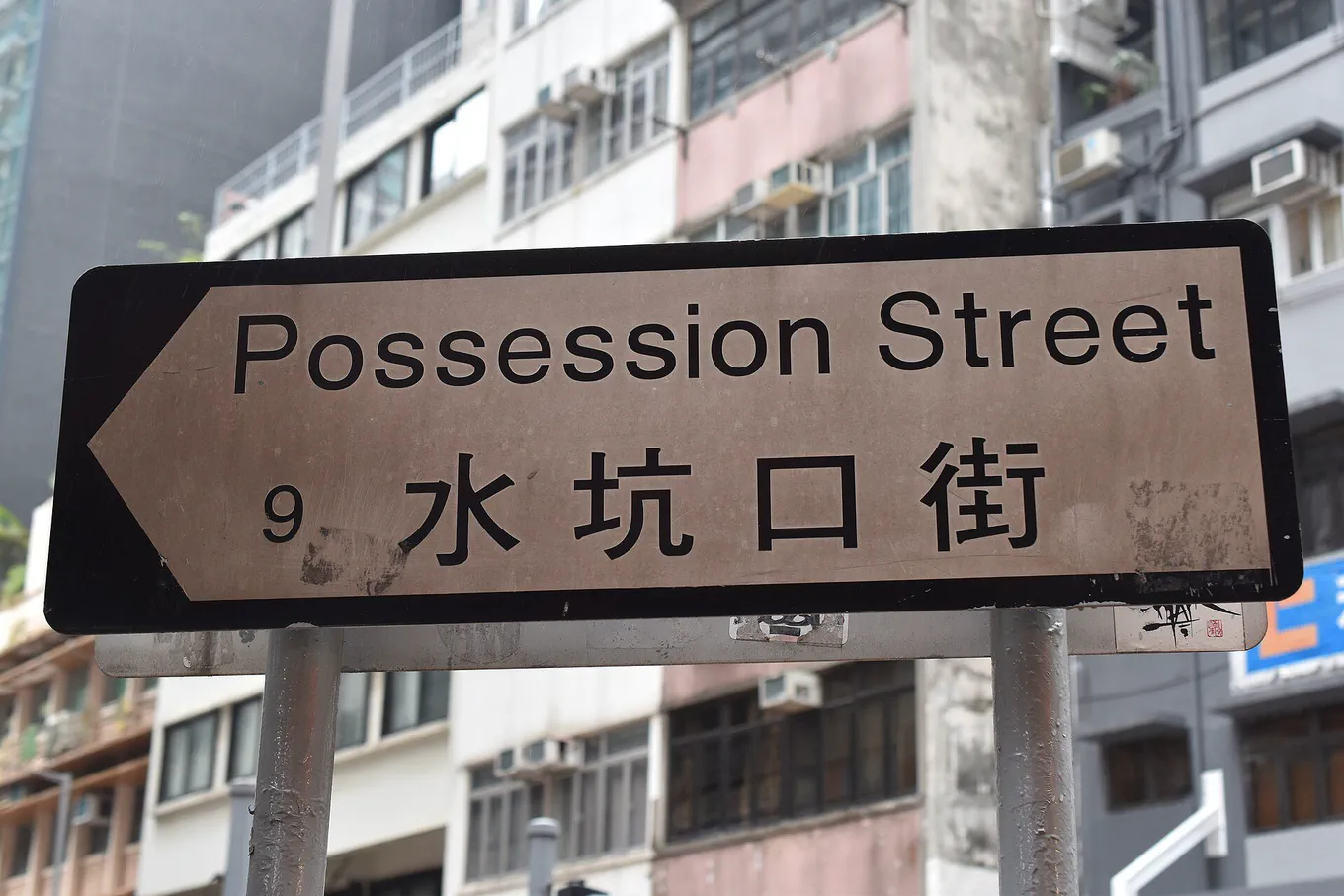
James Clavell’s novel Tai-Pan is set in 1841, as Hong Kong is founded. In January, Charles Elliot, Britain’s trade chief in China, agreed terms with China that gave Britain Hong Kong Island, and that month a British naval party raised the Union Jack here. But both governments rejected the deal. Lord Palmerston dismissed Hong Kong as “a barren island with hardly a house upon it” and sacked Elliot. Britain kept the island anyway, by treaty, the next year. Elliot was posted to the Republic of Texas.
2 Jackie Pullinger’s $10 and the Kowloon Walled City
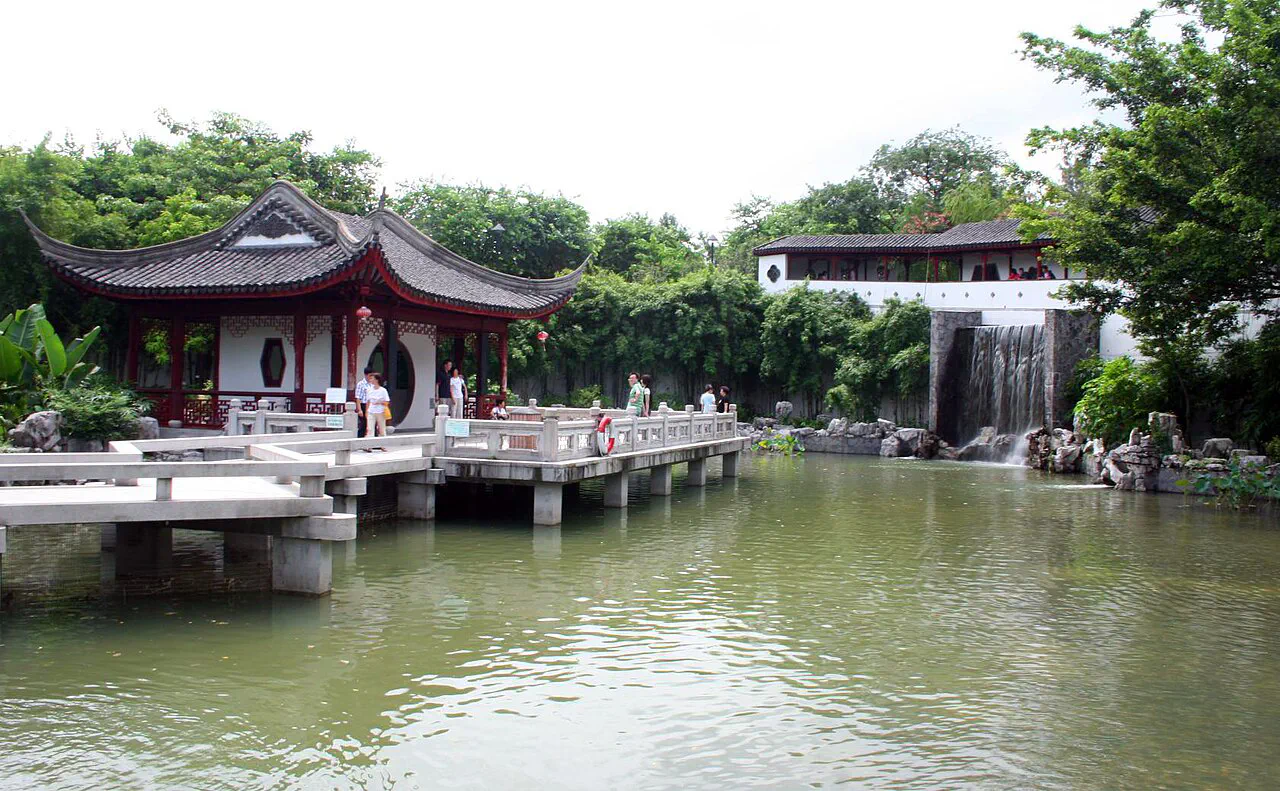
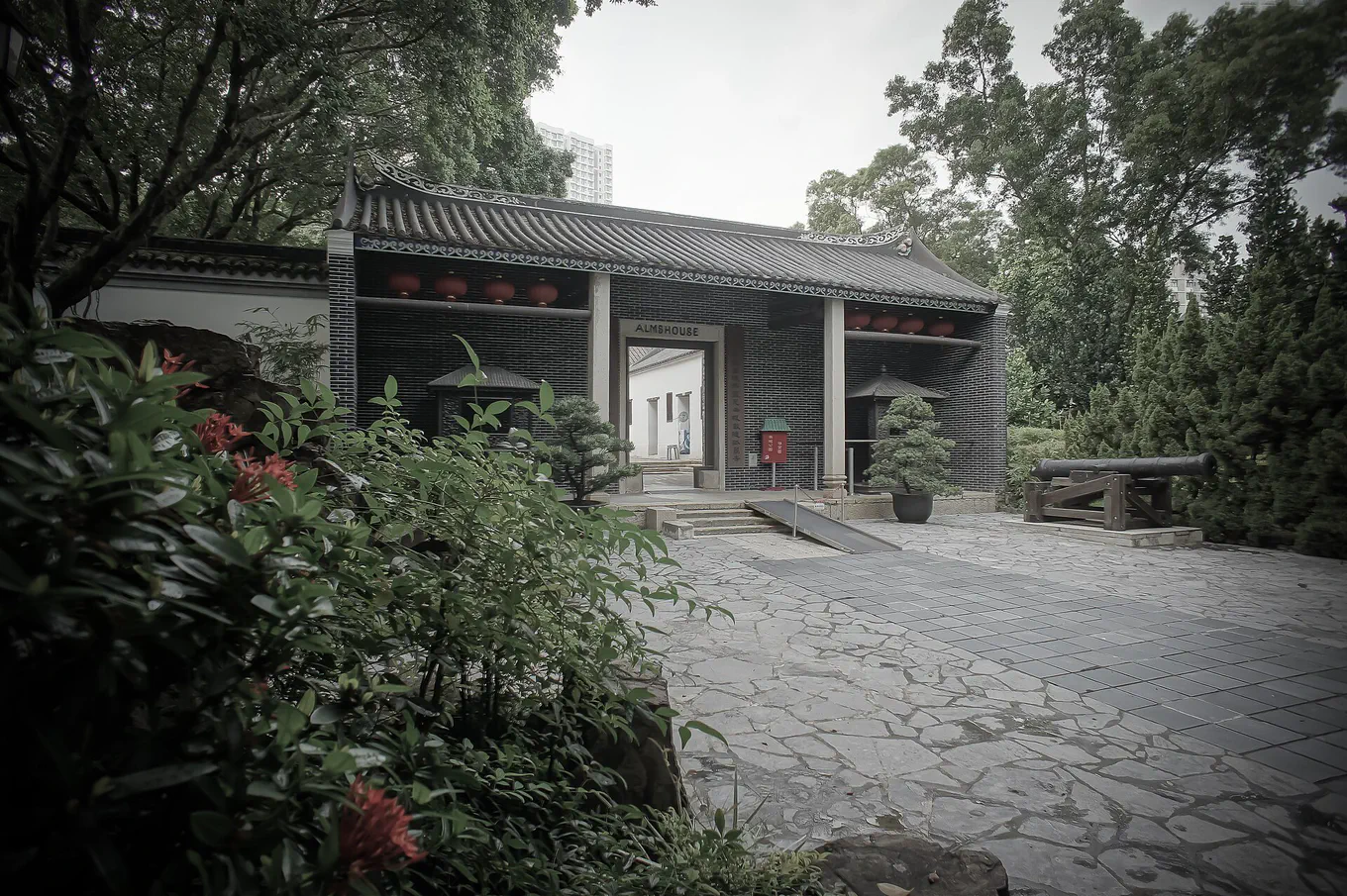
Stand here. Kowloon Walled City Park. The Walled City was demolished in 1993–94, and only its yamen, now the park office, still stands.
At 22, Jackie Pullinger wanted to be a missionary in Africa, but a dream turned her towards Hong Kong. She arrived by boat in 1966, knowing no one, with $10, and was let in only because her mother’s godson was a police officer. She found work teaching in the Kowloon Walled City, an ungoverned Chinese enclave run by triad gangs, where police went in only in large groups. She stayed, and opened a youth centre there for its drug addicts and street sleepers. She has worked in Hong Kong ever since.
3 Bruce Lee’s homecoming and the Avenue of Stars
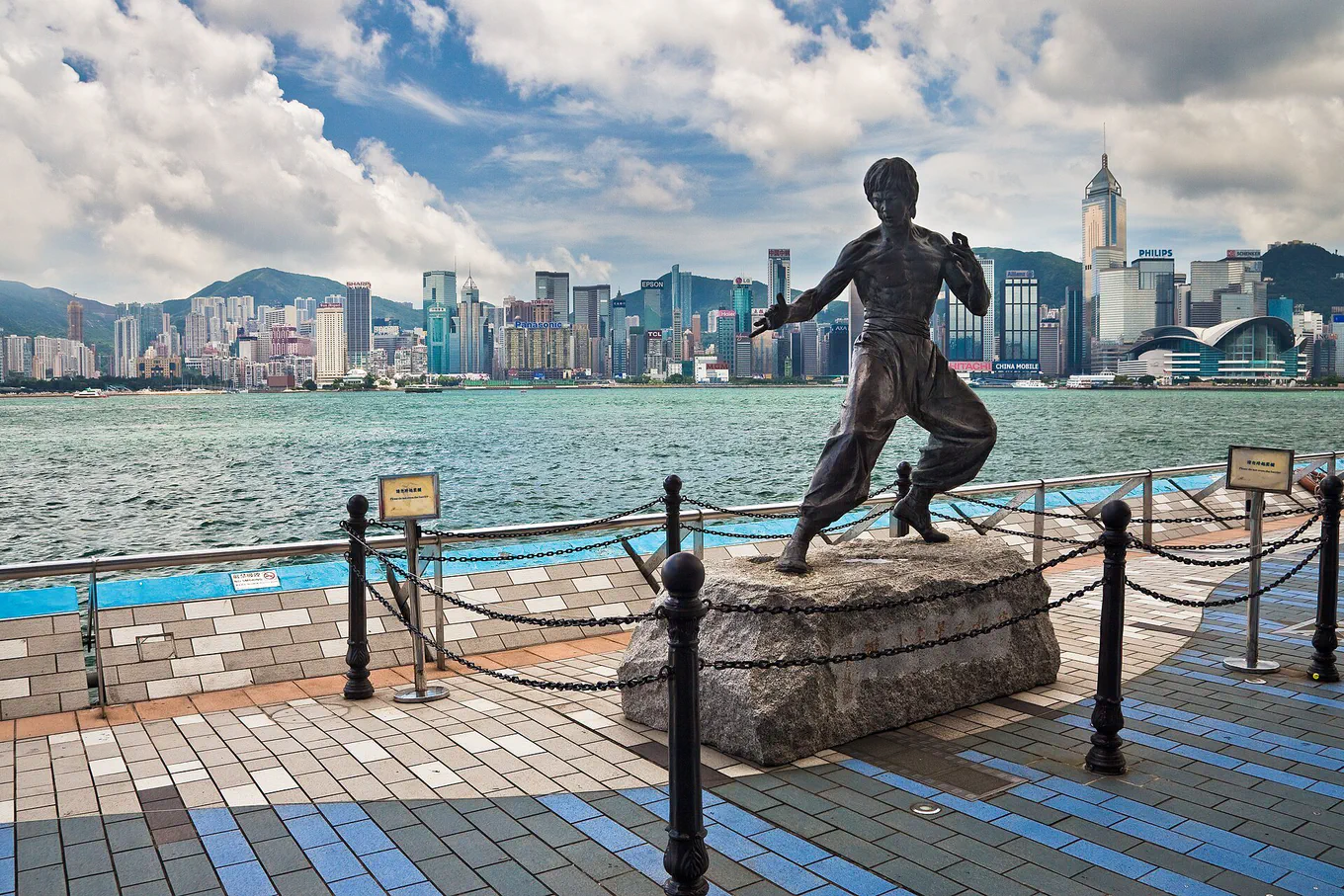
Stand here. The Avenue of Stars, on the Victoria Harbour waterfront in Tsim Sha Tsui, where a 2.5-metre bronze of Bruce Lee went up in 2005.
Bruce Lee grew up in Hong Kong as a child actor, and went to America at 18. There he played Kato in The Green Hornet, but the lead in the TV series Kung Fu went to David Carradine. Unhappy with supporting roles, he went back to Hong Kong, and in 1971 The Big Boss gave him his first lead. An estimated 1.2 million people, in a city of four million, paid to see it. Two years later, Lee died in Hong Kong, aged 32, six days before Enter the Dragon came out.
4 Chungking Express on the Mid-Levels escalator
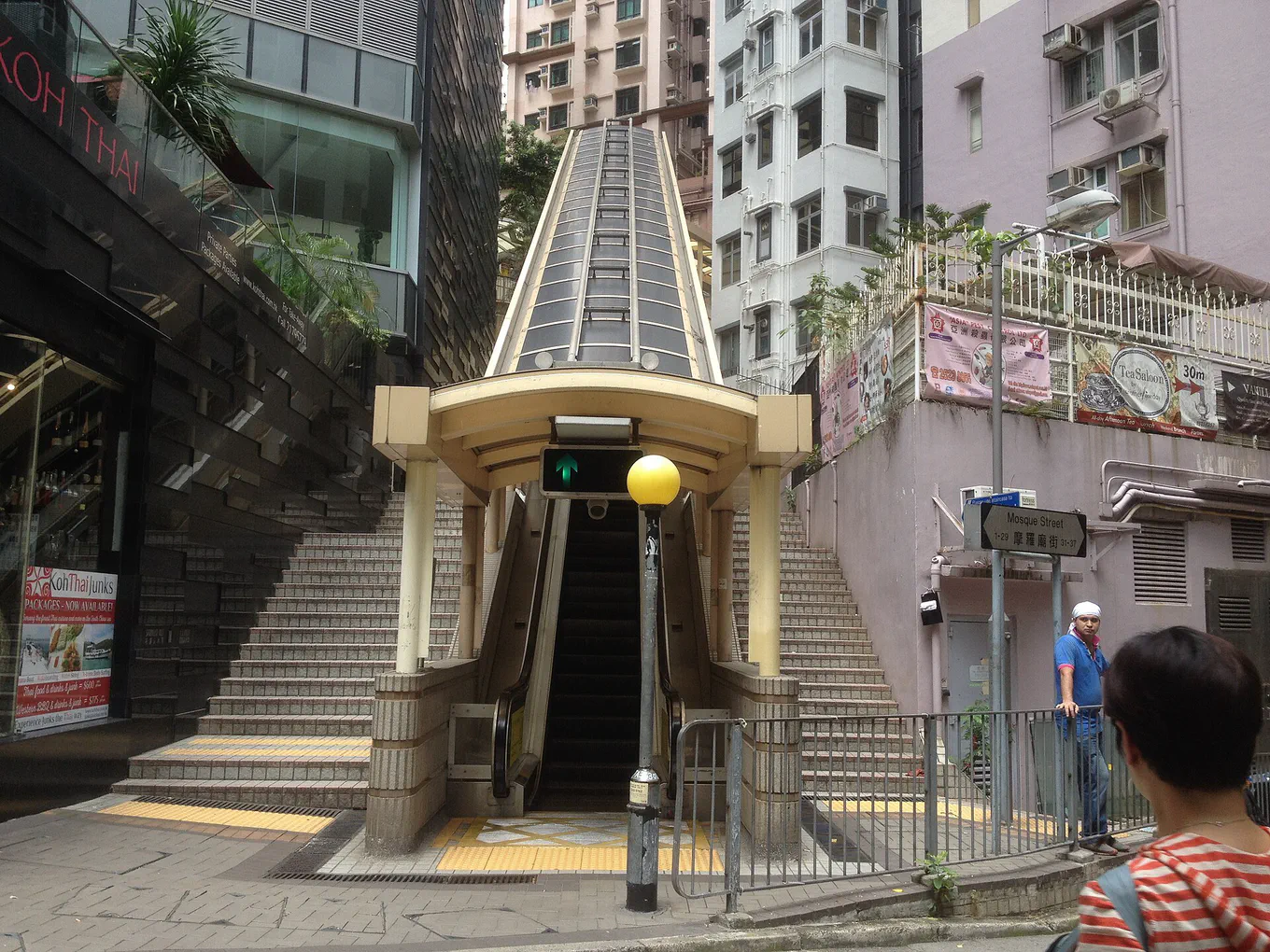
Stand here. The Central–Mid-Levels escalator, climbing from Queen’s Road Central to Conduit Road. It runs uphill from 10 a.m. to midnight.
Wong Kar-wai made his 1994 film Chungking Express fast, for money, in a break from editing another one. He started shooting without a finished script and wrote the second story in a day. He chose this escalator because nobody had filmed on it, and for its light. In that second story, Faye, who works at a Lan Kwai Fong food stand, lets herself into a policeman’s flat with his keys to clean and redecorate it. When he asks her out, to a restaurant called California, she goes to California instead.
5 Chris Patten’s last day at Government House
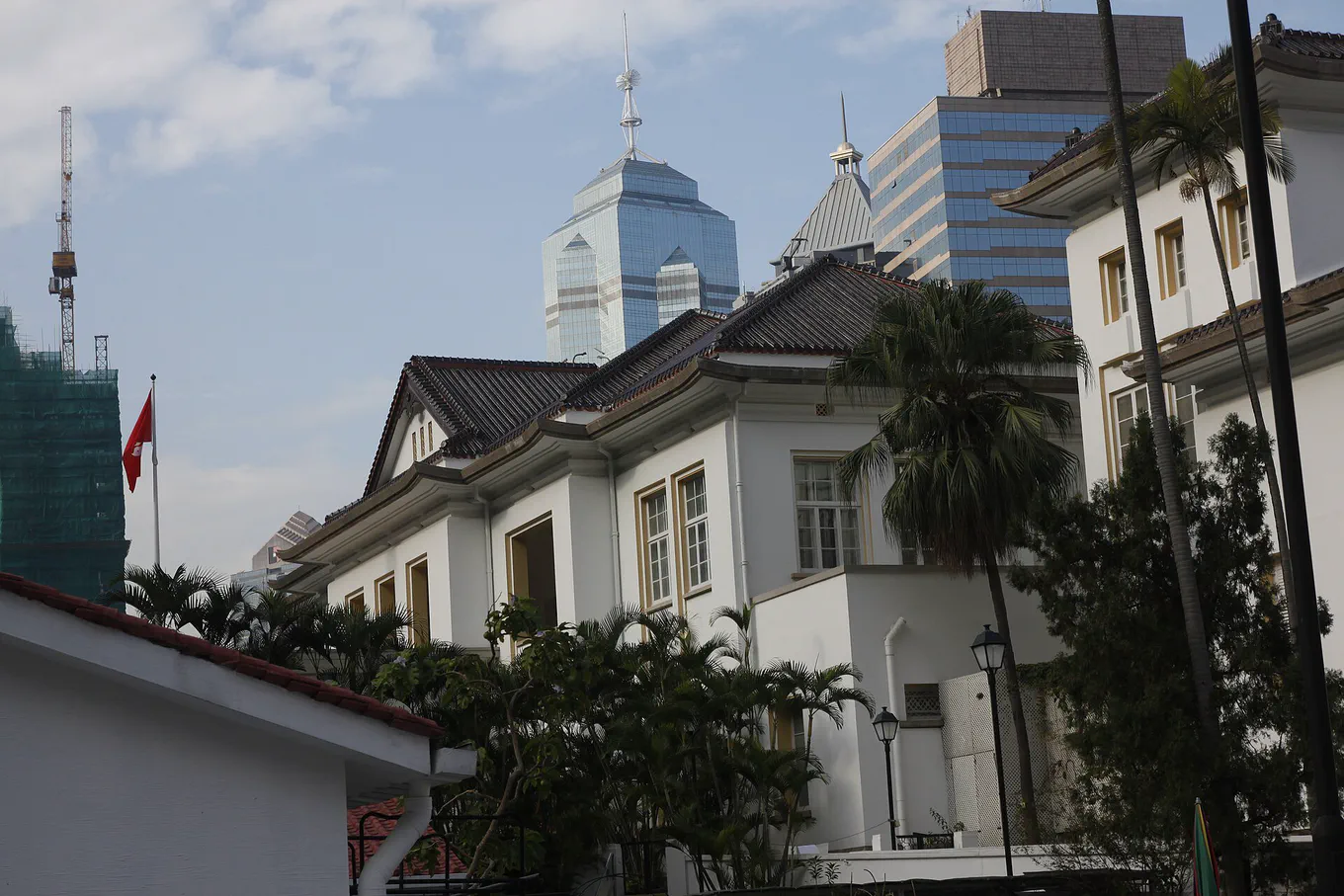
Stand here. Government House. The governors lived here from 1855 to 1997, and the Chief Executive lives here now.
On 30 June 1997, Chris Patten, Hong Kong’s last governor, saw his flag come down here. His democratic reforms had brought relations with China to a standstill, and a Chinese official had called him a “sinner who would be condemned for a thousand generations”. His last speech began, “Today is a day of celebration, not sorrow.” He was in tears all day. At midnight, he sent a telegram: “I have relinquished the administration of this government. God Save The Queen. Patten.”
Pack nothing. Leave Friday.
Every Friday, I write a free letter, Journey, that takes us on a trip through places, stories, and ideas.
Tai-Pan(James Clavell, 1966). A novel about European and American traders in Hong Kong, with its events unfolding from January to July 1841.
The World of Suzie Wong(Richard Mason, 1957). A novel. Its Nam Kok Hotel is based on the Luk Kwok Hotel on Gloucester Road, Wan Chai, where Mason stayed.
Noble House(James Clavell, 1981). A novel set in Hong Kong in 1963. Its landslide is modelled on the real Kotewall Road disaster of 1972.
The Honourable Schoolboy(John le Carré, 1977). A novel featuring the Foreign Correspondents’ Club, at 2 Lower Albert Road, Central.
Films to watch before you visit Hong Kong
Chungking Express(Wong Kar-wai, 1994). A film in two stories, the first around Chungking Mansions in Tsim Sha Tsui, the second in Lan Kwai Fong, Central.
The Dark Knight(Christopher Nolan, 2008). A film. Its last nine days of shooting were in Hong Kong, with aerial shots from the top of the International Finance Centre.
Questions
Can you visit the Kowloon Walled City?
Not as it was. The Walled City was demolished in 1993–94, and Kowloon Walled City Park opened on the site in 1995. The yamen, the only building left, stands at the centre of the park, with the foundations of the old South Gate.
Where is the escalator from Chungking Express?
It’s the Central–Mid-Levels escalator on Hong Kong Island, which opened in 1993 and runs for 800 metres from Queen’s Road Central up to Conduit Road. It runs downhill from 6 a.m. to 10 a.m. and uphill from 10 a.m. to midnight.
When did Hong Kong return to China?
At midnight on 1 July 1997, ending 156 years of British rule. The ceremony was held in the new wing of the Hong Kong Convention and Exhibition Centre in Wan Chai, with Prince Charles and China’s president, Jiang Zemin, among the guests.