Lost was shot on Oʻahu, and Wendy and I followed every twist. I’m still not over the ending, which reminded me the hardest part of any story is landing it. To be fair, we rewatched with our daughter in 2026, and still found a lot of craft there. If you watch interviews with the writers, you also learn that they wanted to do far fewer seasons. Sometimes, success is a noose.
— Nick
Honolulu, capital of the US state of Hawaii, is on Oʻahu’s south-east coast, and it has been a capital since 1845, when King Kamehameha III moved the Hawaiian Kingdom’s seat there from Lahaina, on Maui. Its stories are a queen imprisoned in her palace, the architect of the Arizona Memorial, a record swim the officials doubted, a princess and Robert Louis Stevenson, and a saint who took his brother’s place.
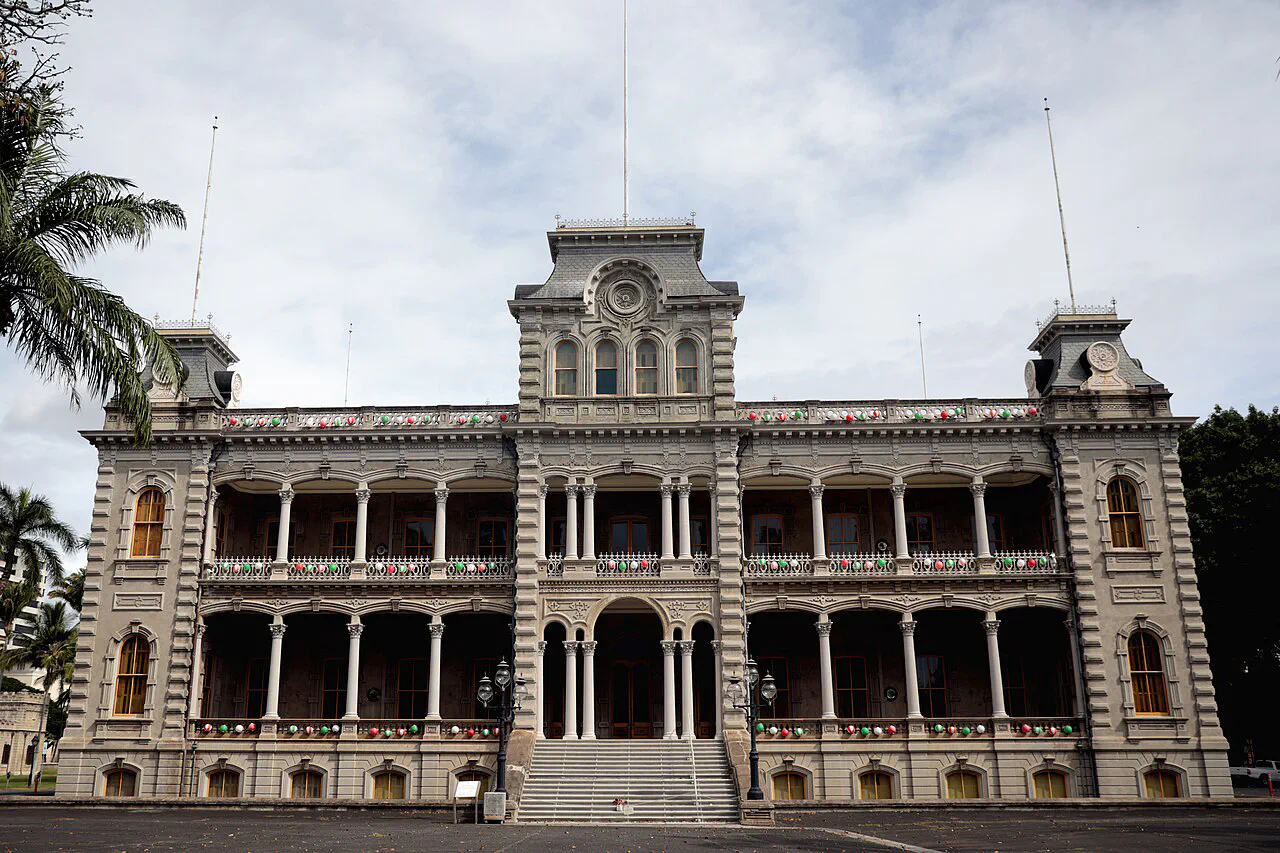
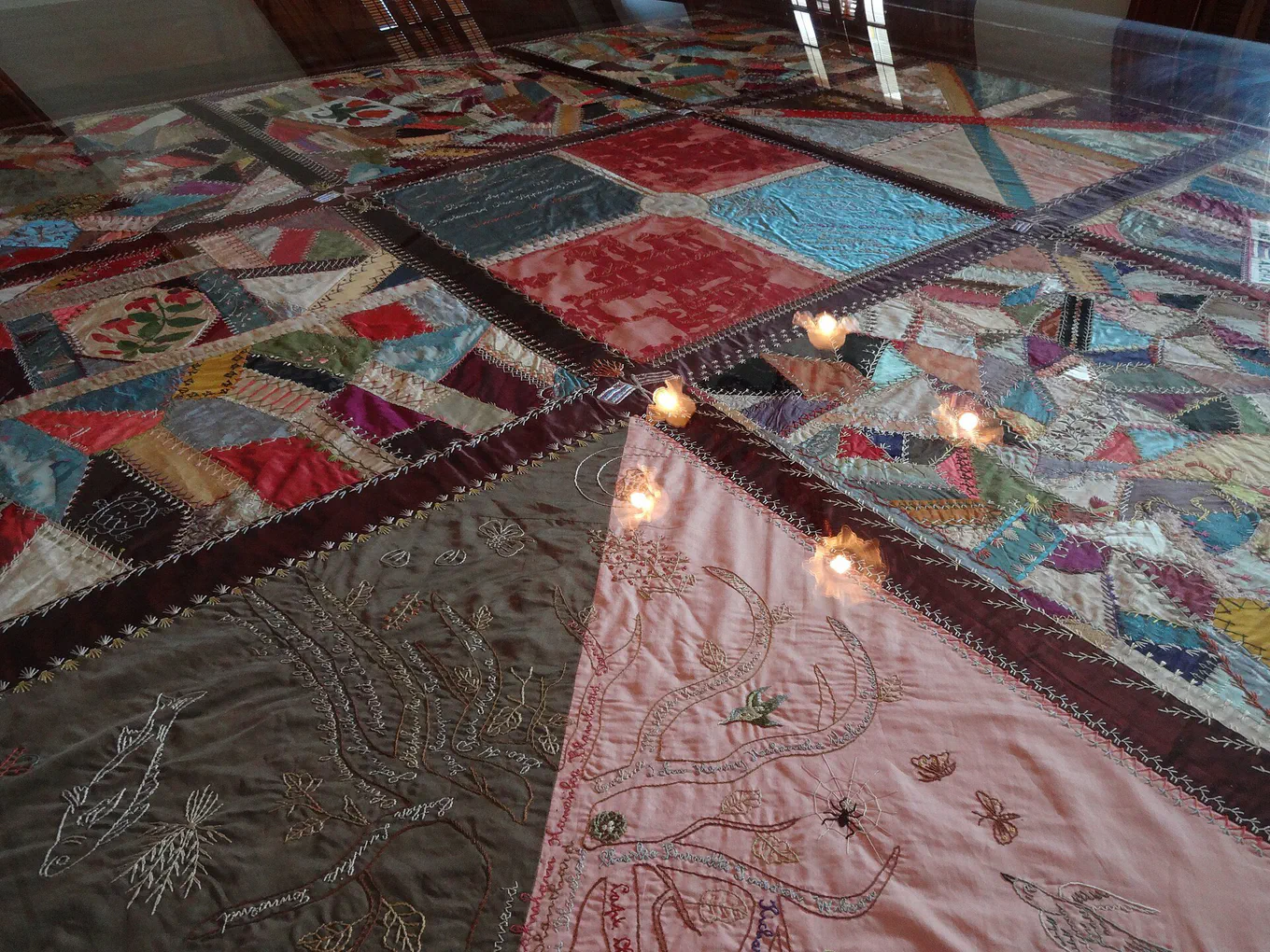
“Aloha ʻOe”, a symbol of Hawaii, was written by Liliʻuokalani, the kingdom’s last queen. In 1893, she was overthrown in a coup backed by US Marines. Two years later, a rising to restore her failed, firearms were found at her home, and she was locked upstairs in this palace, which her brother had built. To save her jailed supporters from death, she gave up her throne. For months she had no visitors but one lady companion, and she prayed, composed, and quilted. The quilt is still in the room.
2 Alfred Preis and the USS Arizona Memorial at Pearl Harbor
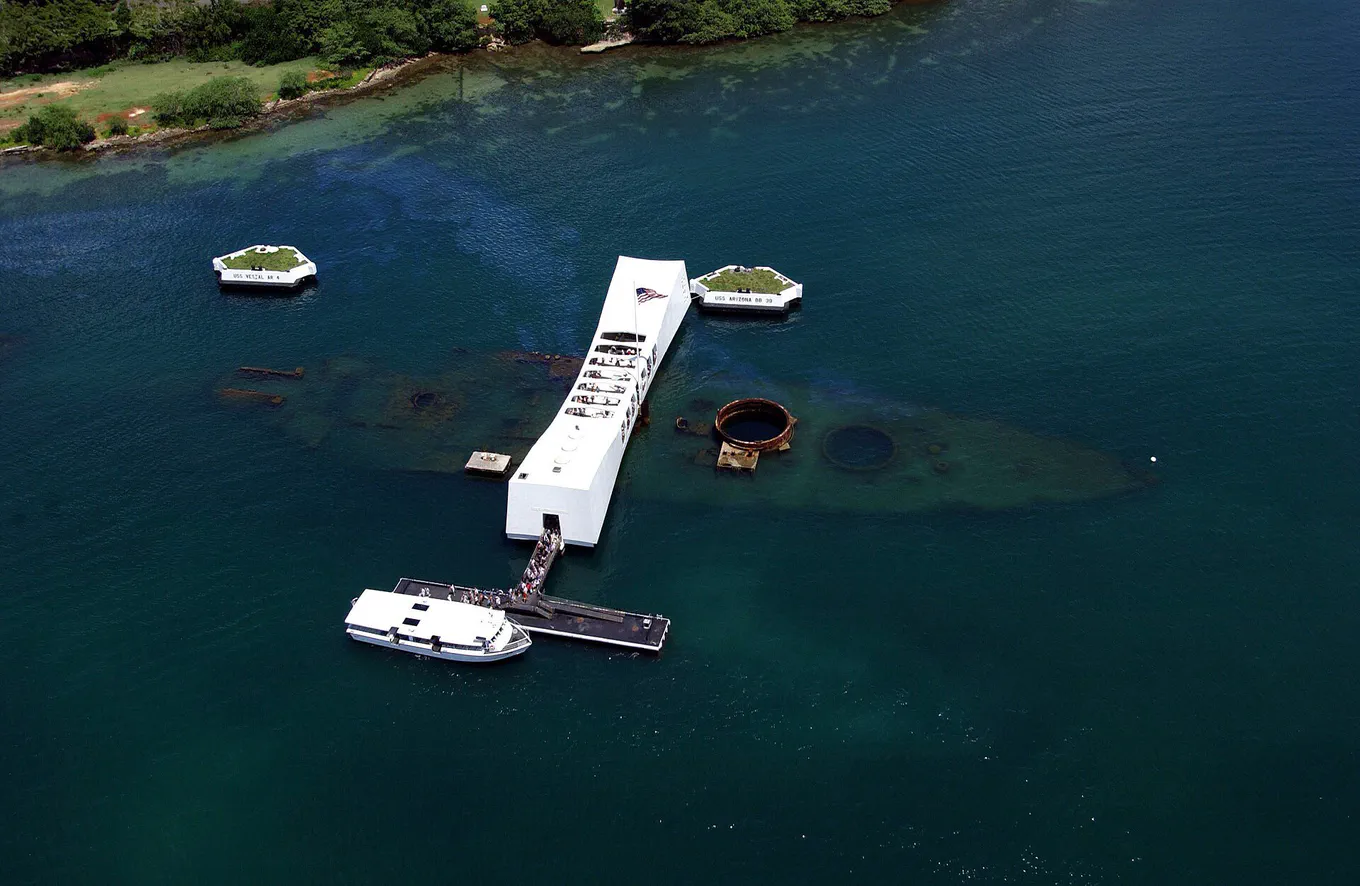
Stand here. The USS Arizona Memorial, at Pearl Harbor, reached only by Navy boat. It straddles the sunken battleship without touching it.
The attack on Pearl Harbor in 1941 killed 2,403 Americans. Afterwards, Alfred Preis, a Honolulu architect who had fled the German annexation of Austria, was held for three months at Sand Island as an enemy, because he was Austrian-born. Yet he designed the memorial over the sunken USS Arizona, the resting place of 1,102 of its men. It sags in the middle and rises at each end, and critics called it a “squashed milk carton”. Preis said it expressed initial defeat and ultimate victory. His ashes were scattered from the memorial.
3 Duke Kahanamoku’s doubted world record in Honolulu Harbor
Stand here. The bronze statue of Duke Kahanamoku on Waikīkī Beach, unveiled in 1990, faces the street, not the sea, beside a copy of his surfboard.
The sport’s officials refused to believe Duke Kahanamoku, the Hawaiian swimmer who popularised surfing, when he beat a world record by 4.6 seconds. On 11 August 1911, in the salt water of Honolulu Harbor, he swam 100 yards freestyle in 55.4 seconds. The Amateur Athletic Union claimed the judges must have used alarm clocks rather than stopwatches, and later blamed the ocean currents. It didn’t recognise the swim for many years. The next year, at the Olympics in Stockholm, he won gold in the 100 metres freestyle.
4 Princess Kaʻiulani and Robert Louis Stevenson under a Waikīkī banyan
Stand here. The Sheraton Princess Kaiulani Hotel, in Waikīkī, stands on the site of her family estate, ʻĀinahau. The house burned down in 1921.
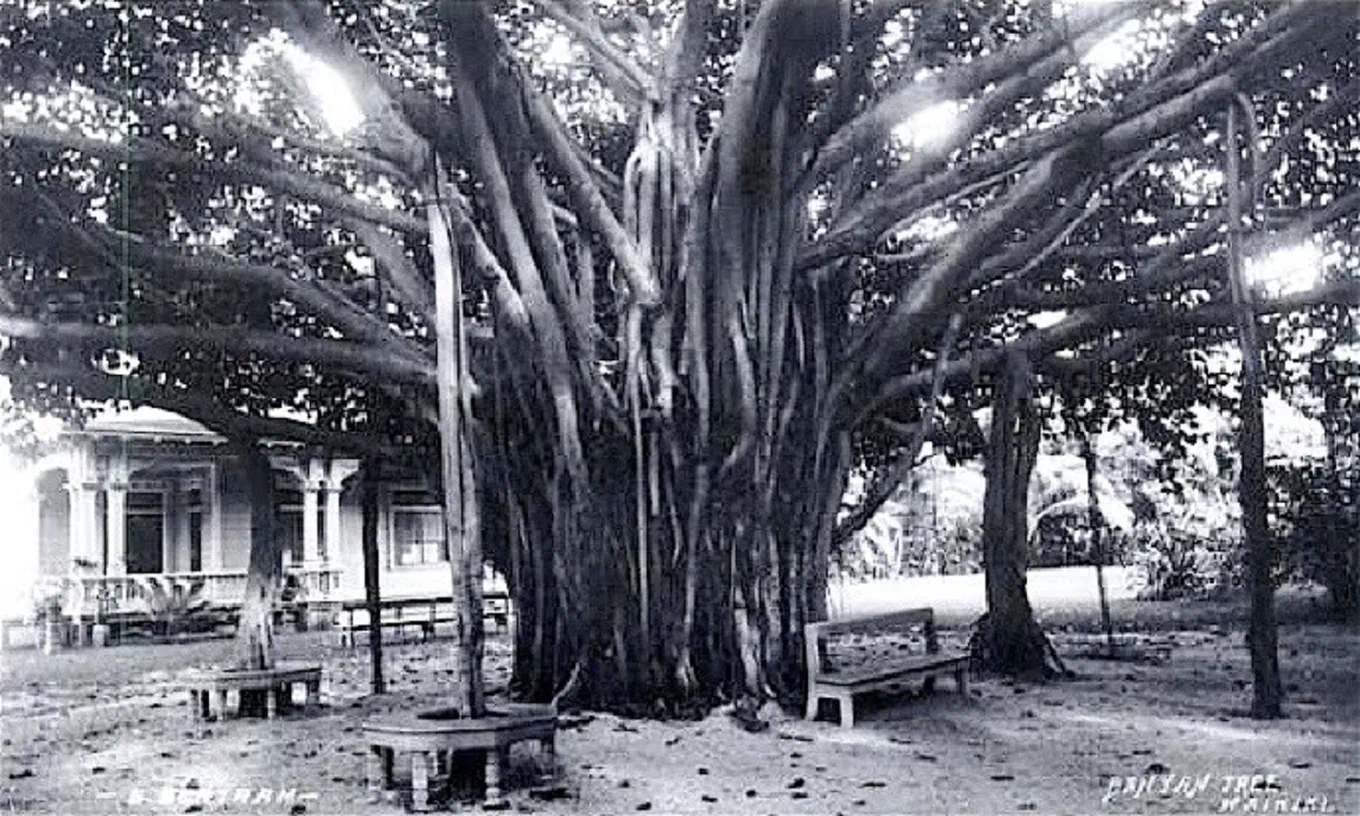
The banyan tree in the gardens of ʻĀinahau, Princess Kaʻiulani’s family estate in Waikīkī, in an early photograph.Unknown / Public domain.
Robert Louis Stevenson, author of Treasure Island, sat with Princess Kaʻiulani, heir to the Hawaiian throne, under the banyan at ʻĀinahau. When she left for school in England, he wrote her a poem calling her “the island maid, the island rose”. After the 1893 overthrow, she went to Washington to plead for her kingdom. President Cleveland received her at the White House, and every mention of her mission was carefully avoided. Hawaii was annexed anyway. Months later, she died at ʻĀinahau, aged 23, and her peacocks screamed in the night.
5 Father Damien, ordained at Our Lady of Peace in Honolulu
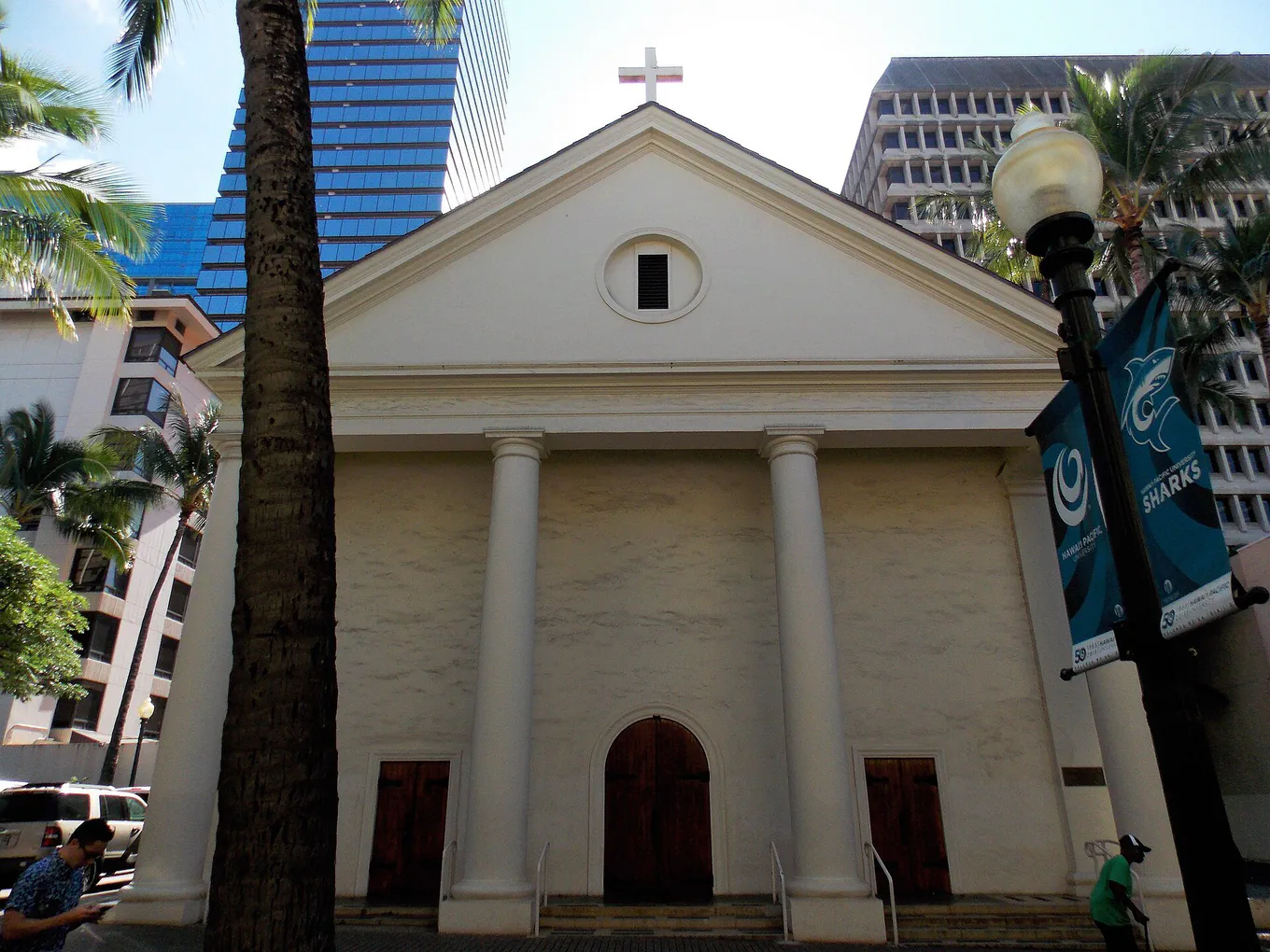
Stand here. The Cathedral of Our Lady of Peace, on Fort Street Mall, still Honolulu’s cathedral. A painting of Saint Damien hangs above its high altar.
Saint Damien of Molokaʻi went to Hawaii in his brother’s place. Auguste was meant to go as a missionary, but his health stopped him, and Damien was allowed to go instead. He arrived in Honolulu in 1864 and was ordained a priest here. In 1873, he went to Kalawao, on Molokaʻi, a settlement of 600 people with leprosy. Eleven years later, about to bathe, he put his foot into scalding water and felt no pain. He knew then that he had leprosy himself.
Pack nothing. Leave Friday.
Every Friday, I write a free letter, Journey, that takes us on a trip through places, stories, and ideas.
The House Without a Key(Earl Derr Biggers, 1925). A novel, the first Charlie Chan mystery, written at the Halekulani hotel on Waikīkī Beach, where a restaurant now carries its name.
Hawaii’s Story by Hawaii’s Queen(Liliʻuokalani, 1898). A memoir by the last monarch of the Hawaiian Kingdom, telling of her arrest and her trial in ʻIolani Palace’s former throne room.
Dreams from My Father(Barack Obama, 1995). A memoir. Obama’s account of his early years in Honolulu and Chicago, including Punahou School, which he attended from the fifth grade until 1979.
Films to watch before you visit Honolulu
Blue Hawaii(Norman Taurog, 1961). A musical comedy film starring Elvis Presley, partly shot on the grounds now called the Hilton Hawaiian Village, on Waikīkī Beach.
The Descendants(Alexander Payne, 2011). A tragicomedy film, from Kaui Hart Hemmings’s novel, about a Honolulu attorney and his family, who scatter ashes in the ocean off Waikīkī.
Hawaii Five-O(Leonard Freeman, 1968). A TV series. A police drama shot on location in Honolulu, its elite unit depicted as occupying a suite of offices at ʻIolani Palace.
Questions
How do you get to the USS Arizona Memorial?
Only by US Navy boat. The memorial stands in Pearl Harbor over the sunken USS Arizona, which it straddles without touching.
Is ʻIolani Palace the only royal palace in the United States?
It is the only official royal residence in the United States. King Kalākaua built it in 1882, and after the overthrow of the monarchy it served as the capitol for almost 80 years. It was restored and opened as a museum in 1978.
Why is it called Diamond Head, and can you hike it?
British sailors named it Diamond Hill in 1825, when they mistook sparkling volcanic calcite crystals in the sand for diamonds. Hawaiians call it Lēʻahi. A 0.8-mile trail, first built by the US Army in 1908, climbs 560 feet to the summit. Visitors who don’t live in Hawaii must book online and pay a small fee.