To me, Ibiza just meant Brits behaving badly on holiday and dance music… so I’m pleased to see that there’s more.
— Nick
Ibiza is a Spanish island in the Mediterranean. Ibiza Town sits on its southeast coast, and its old town, Dalt Vila, or Upper Town, stands on a fortified hilltop. Phoenicians founded the town, traditionally in 654 BC. Its stories here are an Ibizan corsair, a philosopher by a windmill, a forger in an Orson Welles film, a DJ under the open sky, and a film scored by Pink Floyd.
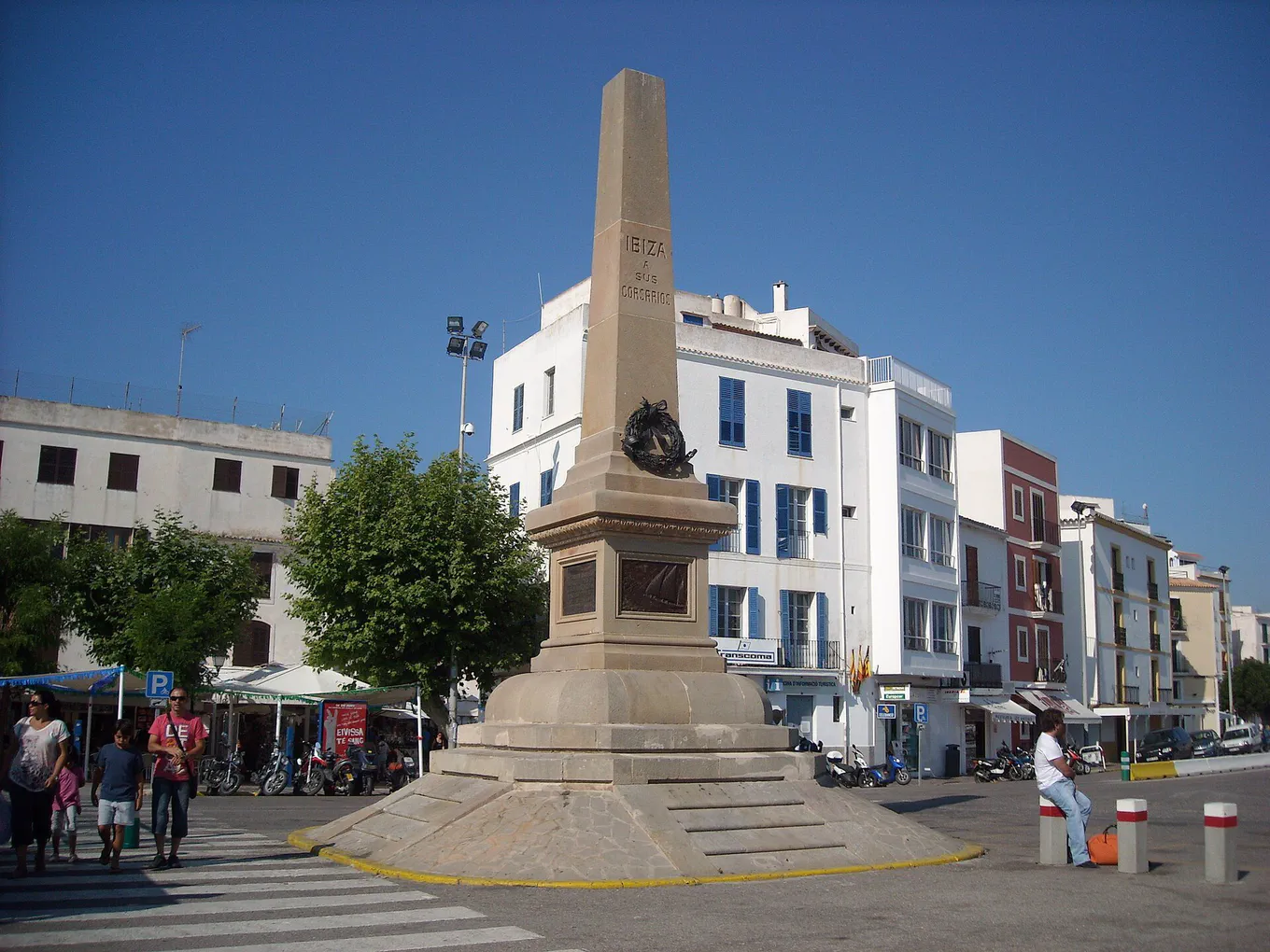
On 1 June 1806, an English corsair ship, the Felicity, was making slow, threatening passes in front of Ibiza’s town walls, out of range of the castle’s cannons. Her captain, known as El Papa, was a young Italian in England’s service. Antoni Riquer, an Ibizan corsair, went out against her in a much smaller ship. He took the Felicity and towed her into port, but among the dead was his own father.
2 Walter Benjamin’s summers by the windmill in Sant Antoni
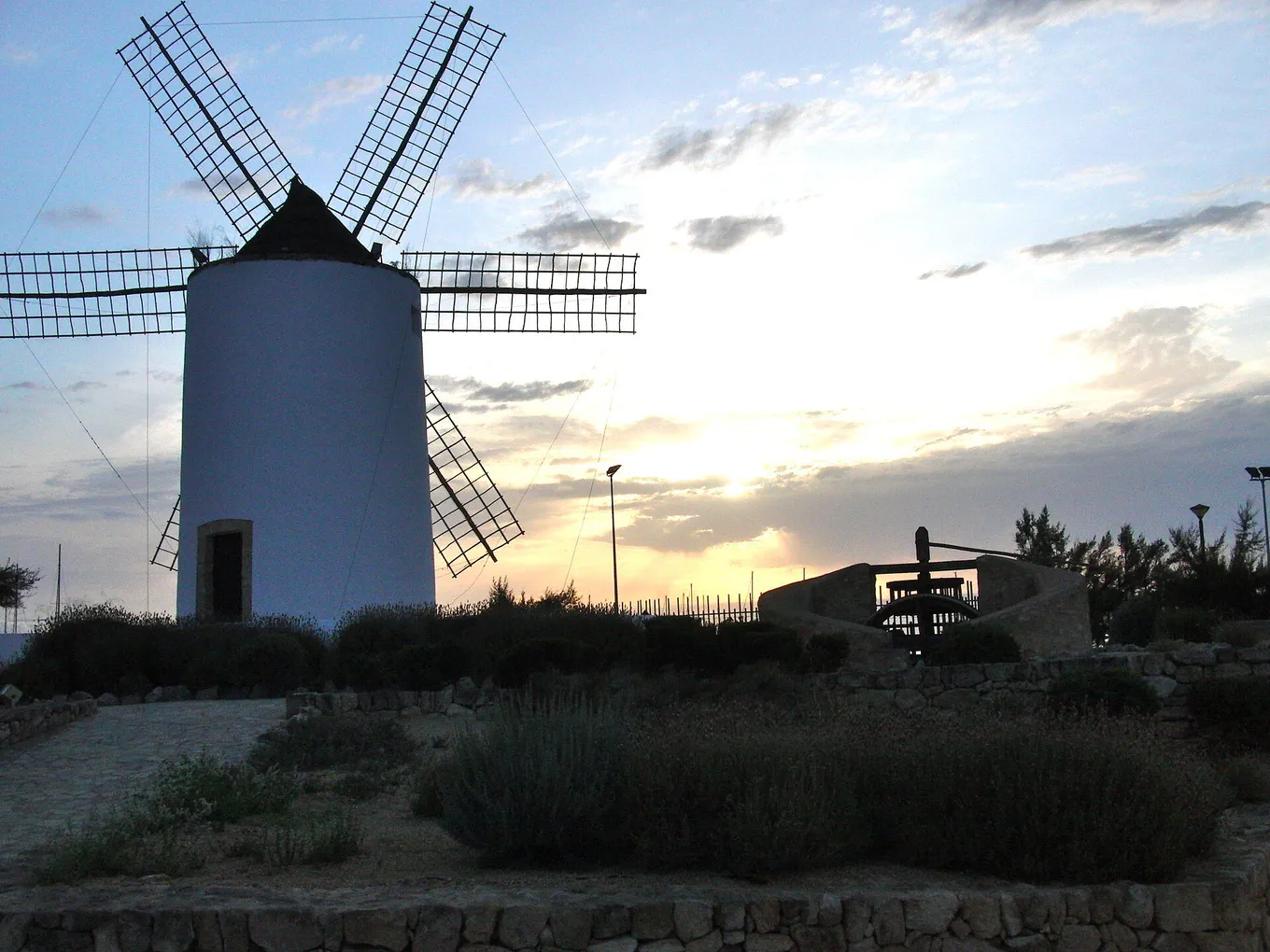
Stand here. The windmill at Sa Punta des Molí, Sant Antoni, now part of a cultural complex whose exhibition hall bears his name.
Walter Benjamin, the German philosopher, first landed on Ibiza in April 1932, as Nazism rose in Germany. He was short of money and in anguish. That summer he lived in a modest house called Can Frasquito, beside this windmill, and he came back the next summer too. On Ibiza he wrote Berlin Childhood around 1900. But he fell ill with malaria and left on 26 September 1933. Seven years later, fleeing into exile, he died at Portbou, on the French–Spanish border.
3 Elmyr de Hory, F for Fake’s forger, in Ibiza Town
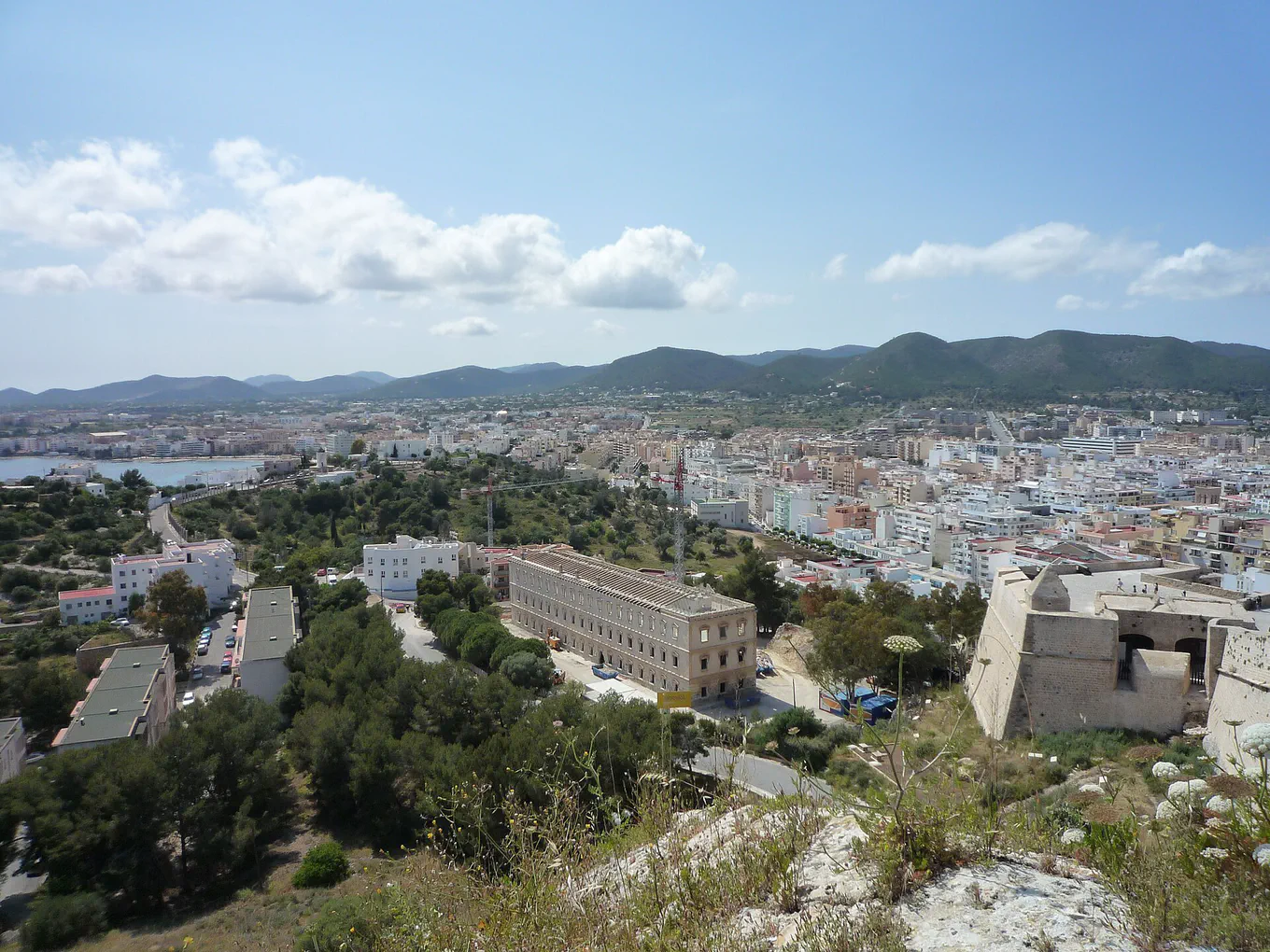
Stand here. Puig des Molins, in Ibiza Town, where de Hory lived in a house called La Falaise. The hill’s Phoenician cemetery is still there.
In Orson Welles’s F for Fake, Elmyr de Hory throws a dinner party at his home on Ibiza. The Hungarian-born forger had sold a “Matisse” drawing to Harvard’s Fogg Museum, and 1960s Ibiza was an island of artists and of people hiding from the law, like him. But Spain agreed to extradite him to France, and in December 1976 he died of a sleeping-pill overdose. Clifford Irving, jailed over a fake Howard Hughes autobiography, doubted the death was real.
4 DJ Alfredo and the open-air floor at Amnesia, Ibiza
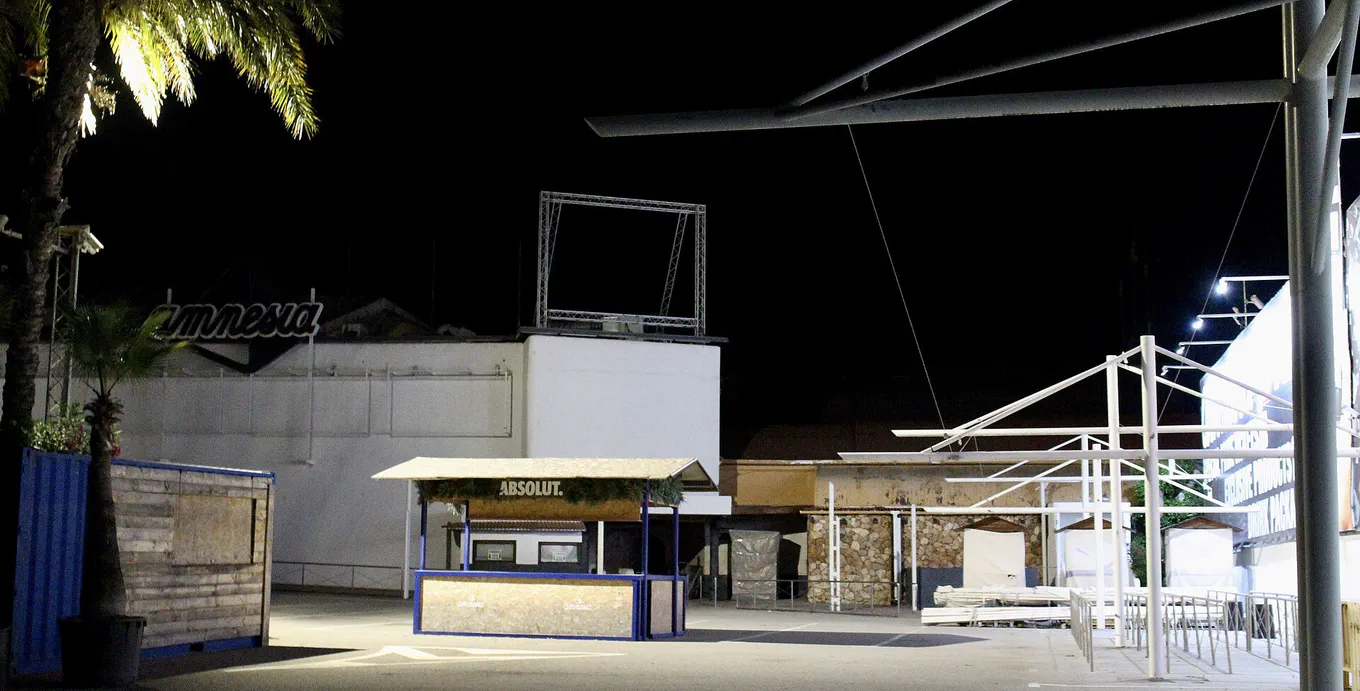
Stand here. Amnesia, near Sant Rafel on the road from Ibiza Town to Sant Antoni, still a club, run since 2005 by Cream, the Liverpool club.
Paul Oakenfold came to Ibiza for his 24th birthday in late August 1987, with three other London DJs, Danny Rampling among them. One night they went to Amnesia. Its DJ, Alfredo Fiorito, an Argentine, played everything — pop, rock, reggae, flamenco, and Italian records — on an open-air floor with no roof, to a crowd that danced under the stars until morning. Back in England, Oakenfold threw an “Ibiza Reunion” party, and Rampling founded Shoom. But around 1990, because of the noise, the island’s open-air clubs were made to build roofs.
5 More, the Pink Floyd film that ends in Dalt Vila
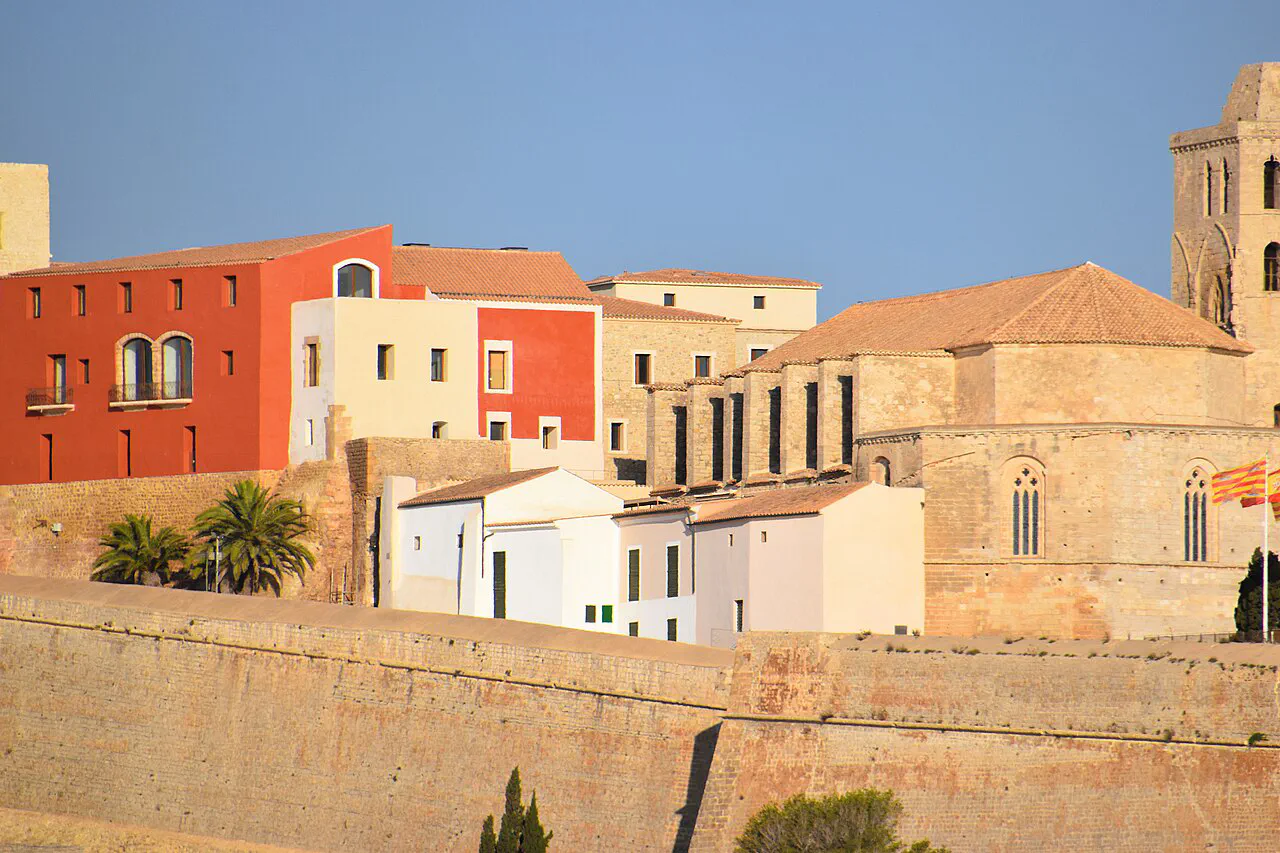
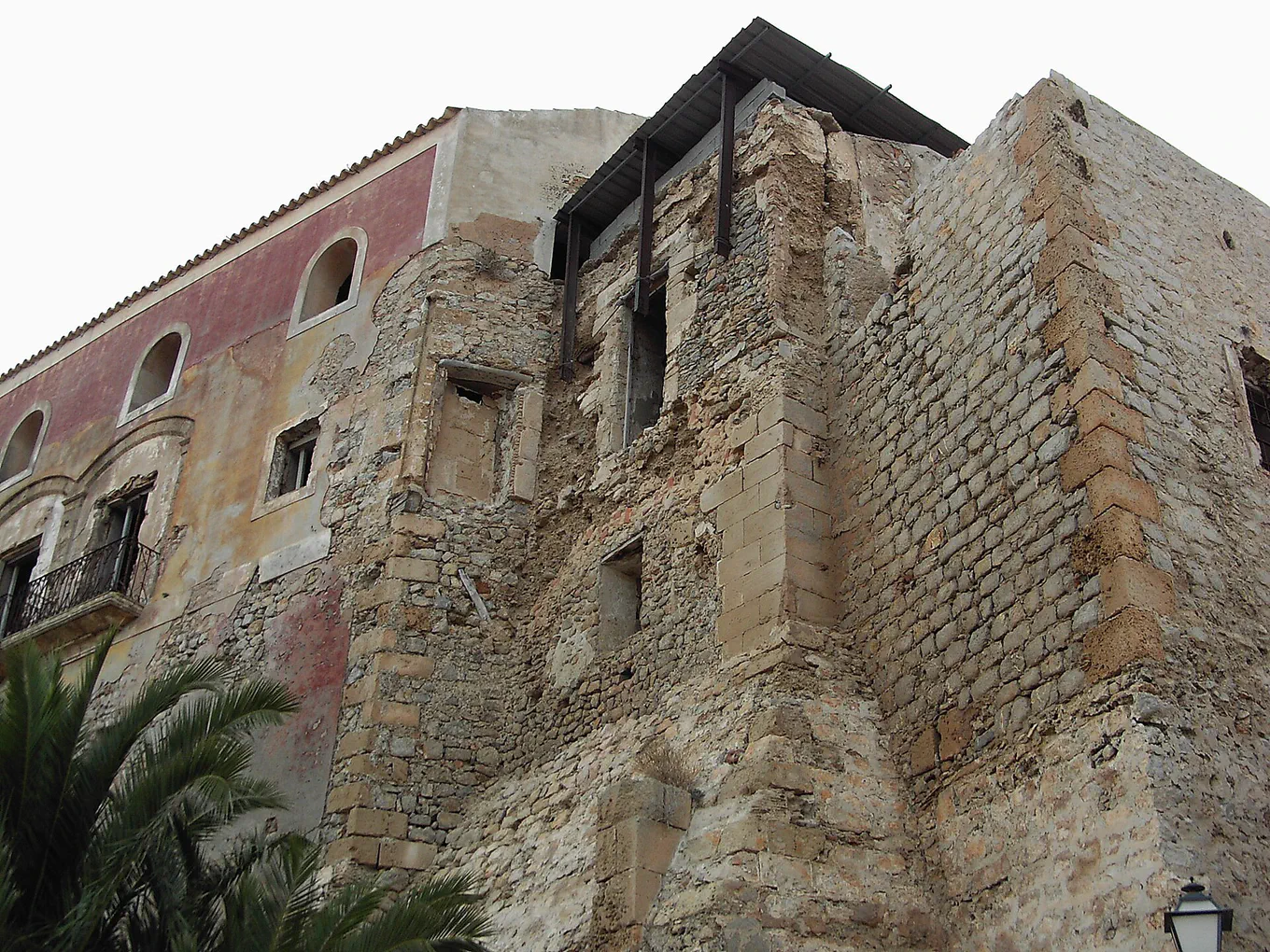
Stand here. The castle of Dalt Vila, the walled upper town above the harbour, part of a UNESCO World Heritage Site.
Pink Floyd wrote and played the music for More (1969), Barbet Schroeder’s first film, shot mostly on Ibiza. In it, Stefan finishes his mathematics studies in West Germany and decides to experience life. Estelle invites him to follow her to Ibiza, but soon the two are on a downward spiral of addiction. The final act plays out at the castle that dominates the harbour and the town. Stefan, warned by the dealer how strong the drug is, overdoses anyway, on purpose.
Life and Death of a Spanish Town(Elliot Paul, 1937). A history, set in and around the small town of Santa Eulària des Riu, on Ibiza.
Los muertos mandan(Vicente Blasco Ibáñez, 1909). A novel set on Ibiza and Mallorca. Its hero flees to Ibiza to take refuge in a small tower.
The Life Impossible(Matt Haig, 2024). A novel set in Ibiza. A retired British schoolteacher inherits a ramshackle home there and learns it’s never too late to have a happy life.
Films to watch before you visit Ibiza
More(Barbet Schroeder, 1969). A film. Stefan and Estelle spiral into addiction on Ibiza, and the final act plays out at the castle above the harbour.
F for Fake(Orson Welles, 1973). A film about the art forger Elmyr de Hory, who throws a dinner party at his home on Ibiza.
Kevin & Perry Go Large(Ed Bye, 2000). A film. Kevin’s parents’ apartment is in Santa Eulària des Riu, and the boys’ beach is Cala Benirràs.
It’s All Gone Pete Tong(Michael Dowse, 2004). A film shot at the clubs Pacha, Amnesia, Privilege, and DC10, at Pike’s Hotel, and on Cala Llonga beach.
Questions
Where did Walter Benjamin live on Ibiza?
In the summer of 1932 he lived in a modest house called Can Frasquito, beside the windmill at Sa Punta des Molí in Sant Antoni. The house hasn’t survived intact, but the 1818 windmill is part of a cultural complex whose exhibition hall is named after him.
What is Dalt Vila?
Dalt Vila, the Upper Town, is the high, fortified part of Ibiza Town’s old centre, and its walls mark the edge of the oldest part of the city. They were built in the 16th century against Turkish attack, starting in 1555, and took forty years.
Why is Ibiza a UNESCO World Heritage Site?
UNESCO declared the city a World Heritage Site on 4 December 1999. The listing takes in Ibiza’s marine and coastal ecosystems, home to a species found only in the Mediterranean; the archaeological sites at Sa Caleta and Puig des Molins; and the walled upper town, an outstanding example of Renaissance military architecture.