Indianapolis, United States, Indiana, North America
I know so little about this part of the US. Stranger Things is set in Indiana, so in my head, is bikes, walkie-talkies and a monster under the town. Indianapolis, I’m glad to report, has better stories than that.
— Nick
Indianapolis, the capital and most populous city of Indiana, sits on the west fork of the White River. It was laid out in 1821, on a one-square-mile grid, as a planned seat for the state government. Its stories here are Robert Kennedy on the night King died, Madam Walker’s building, a gangster’s concrete grave, a racing driver’s buttermilk, and a tiny school’s basketball title.
1 Robert Kennedy’s speech the night King died, 17th and Broadway
Stand here. Dr. Martin Luther King Jr. Park, 1702 N. Broadway St. The Landmark for Peace shows King and Kennedy as half-figures emerging from walls on either side of a path.
On 4 April 1968, Robert Kennedy, campaigning for the Democratic nomination, went ahead with a rally at 17th and Broadway, hours after Martin Luther King Jr. was killed. The police chief warned Kennedy that the police couldn’t give him adequate protection. Many in the crowd hadn’t heard the news. Standing on a flatbed truck, Kennedy told them, then spoke of his own brother’s assassination, something his aides had never heard him do in public. Riots broke out in more than a hundred American cities. Indianapolis stayed calm.
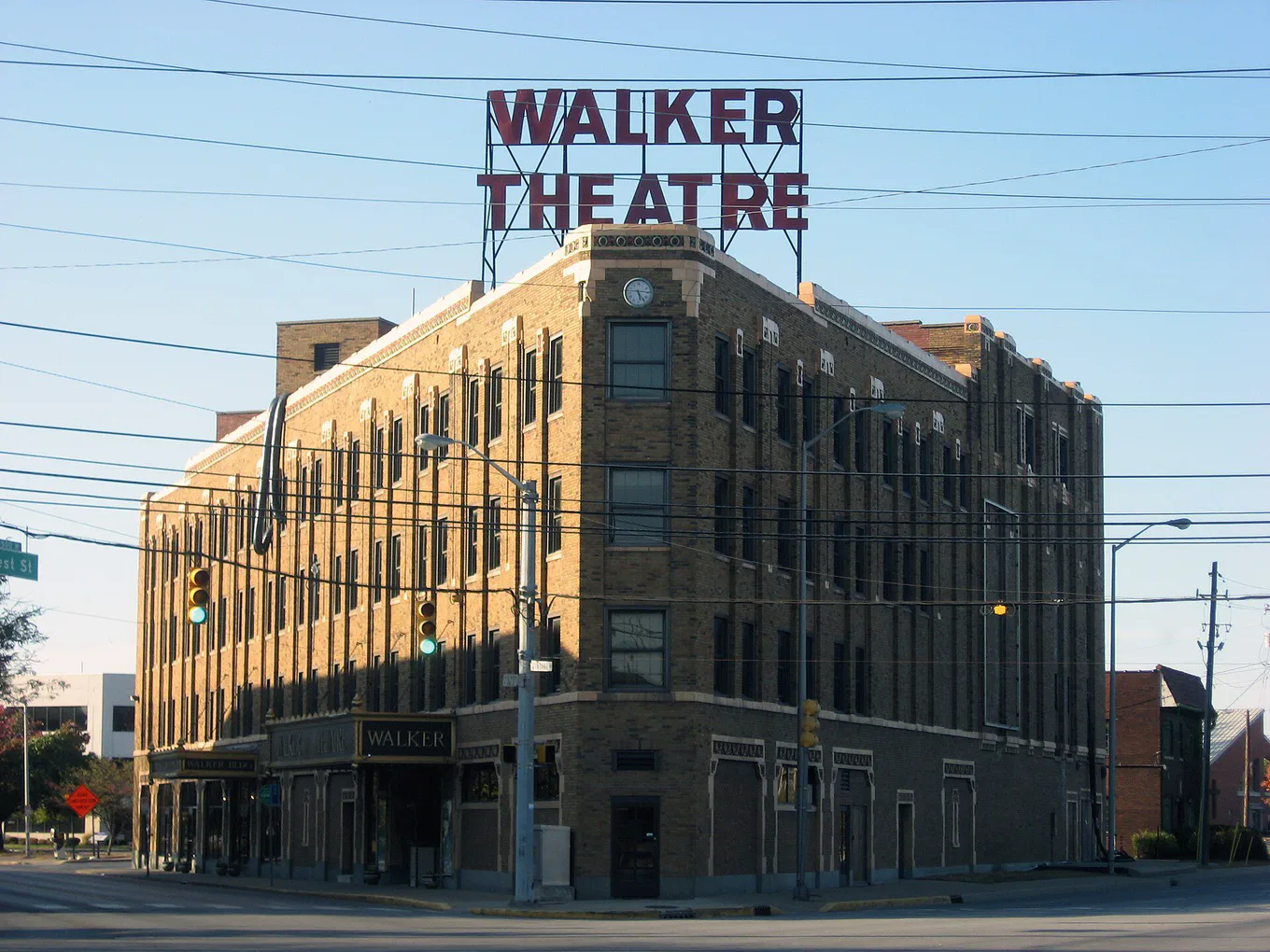
Stand here. The Madam Walker Legacy Center, 617 Indiana Avenue. The four-storey triangular building, a National Historic Landmark, was built with a theatre.
The Madame C. J. Walker Building at 617 Indiana Avenue, Indianapolis, with its rooftop “Walker Theatre” sign.Nyttend / Public domain.
Madam C. J. Walker, whom Guinness records as America’s first self-made woman millionaire, was the first child in her family born free. She made her fortune with hair-care products for Black women, moved her company to Indianapolis, and told a convention, “I have built my own factory on my own ground.” Next she began developing a building with a theatre, but she died in 1919, before it was done. Her daughter, A’Lelia, saw it finished. The Walker Building opened in December 1927, eight years after Madam Walker died.
3 John Dillinger’s grave under concrete at Crown Hill
Stand here. Crown Hill Cemetery, Section 44, Lot 94. The 555-acre cemetery, founded in 1863, is the third-largest non-governmental cemetery in the United States.
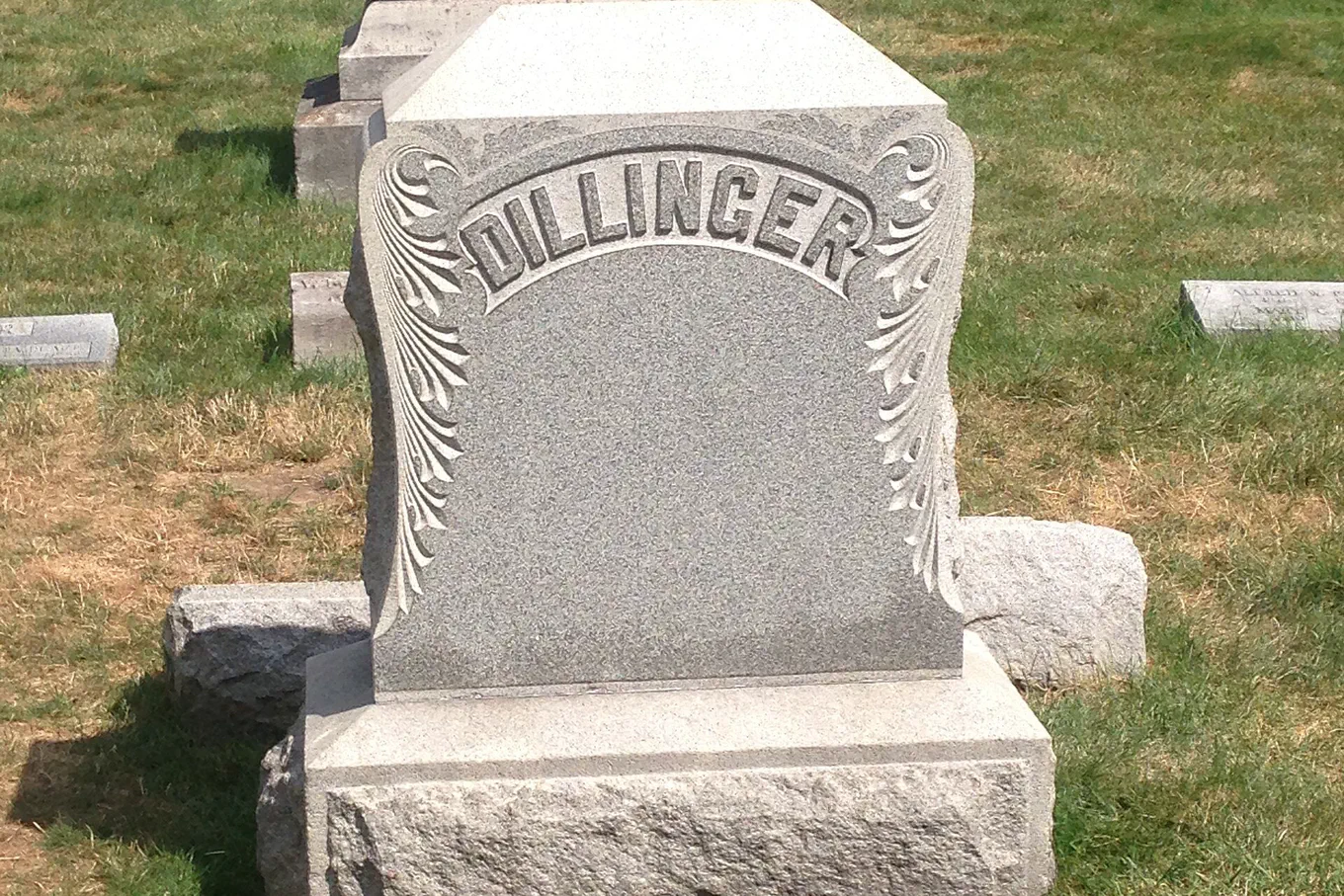
Federal agents shot John Dillinger, the Depression bank robber the newspapers made a Robin Hood, outside a Chicago cinema in 1934, and he was buried here, in the city where he was born. His family had been offered money to “lend out” his body for exhibits. So, days after the funeral, his father had the casket reburied under concrete and scrap iron, topped with four reinforced-concrete slabs. Souvenir hunters went for the headstone instead. They chipped off so many pieces that it has been replaced several times.
Indianapolis 500 winners drink milk, thanks to a mix-up. Louis Meyer asked for buttermilk after his second win. After his third, in 1936, he asked again and got a bottle. A photographer caught him swigging from it. A dairy executive saw the picture, didn’t know it was buttermilk, and offered milk to future winners. In 1993, Emerson Fittipaldi, an orange grower, won and drank orange juice instead. He was booed at the next race, at the Milwaukee Mile in dairy-farming Wisconsin. Some were still booing him in 2008.
5 Hoosiers and the Milan miracle at Hinkle Fieldhouse
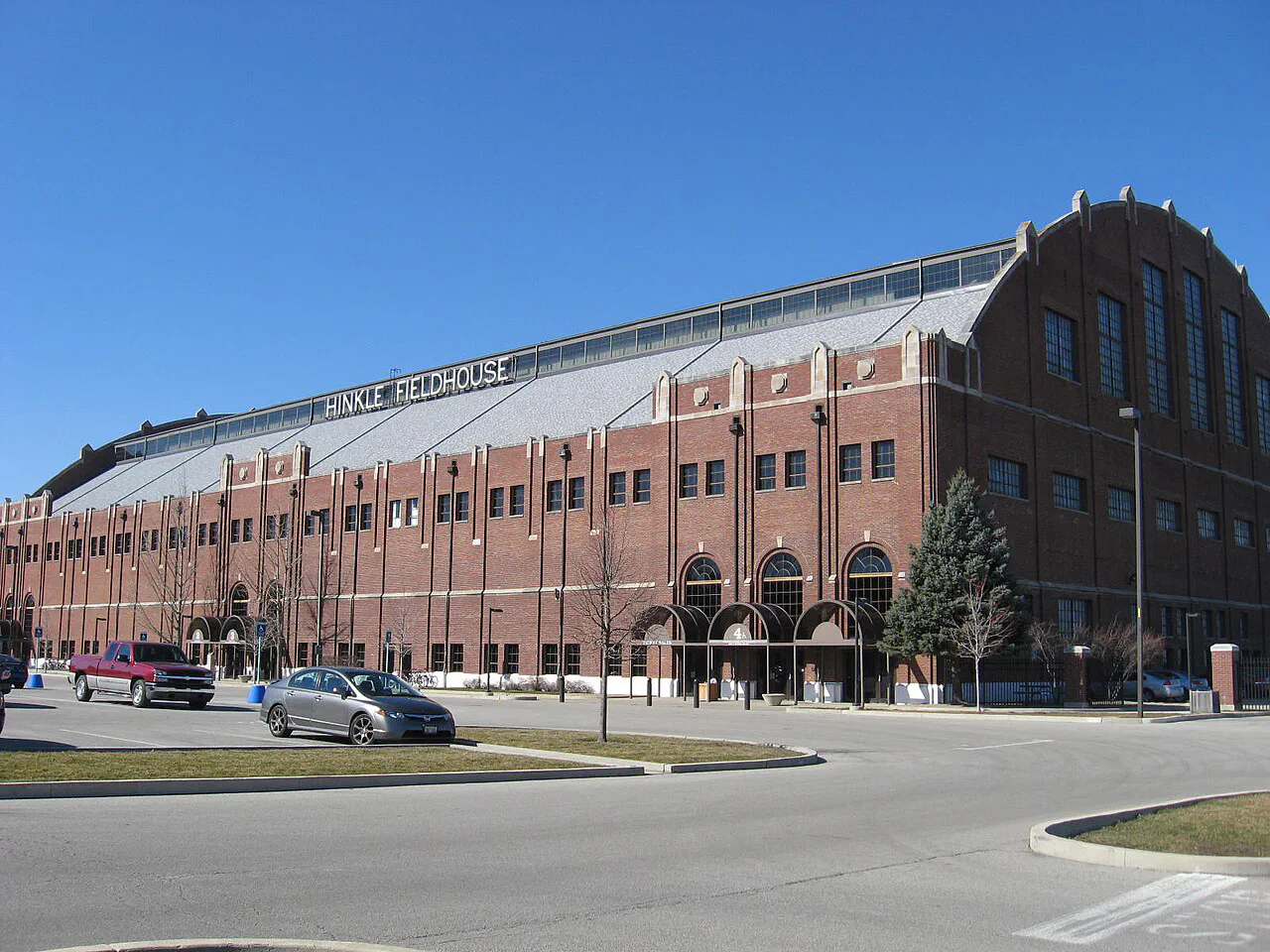
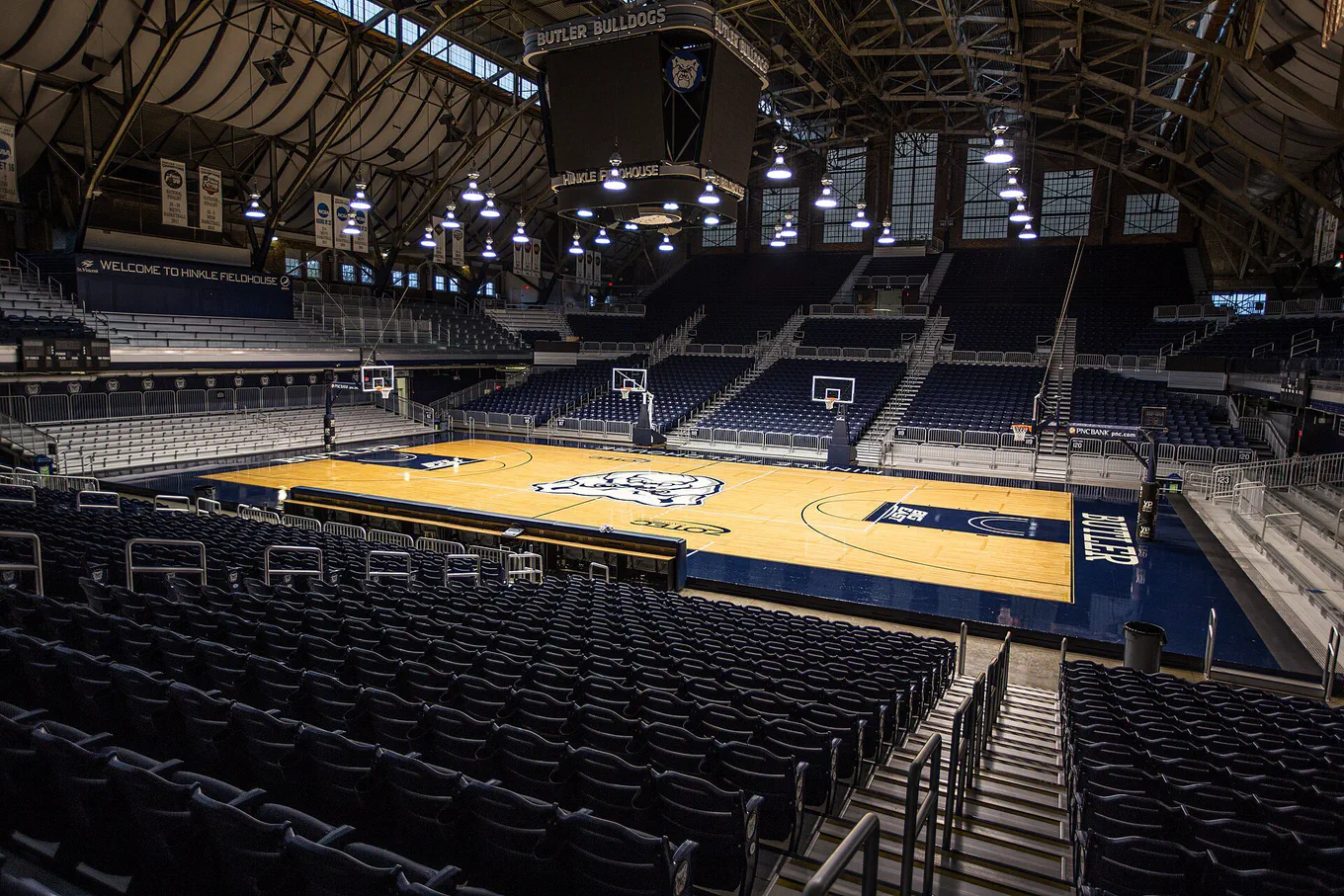
Stand here. Hinkle Fieldhouse, a National Historic Landmark since 1987.
Hoosiers, the 1986 film in which Gene Hackman coaches a tiny rural school to the state title, was inspired in part by a real team. In 1954, Indiana ran one basketball tournament for every high school. Milan, from a rural town in southern Indiana, was just as small, and in the final, in this gym, it met Muncie Central, ten times its size. Bobby Plump’s last shot won it, 32–30. When the film shot its own final here in 1985, the winning basket went in from virtually the same spot.
Pack nothing. Leave Friday.
Every Friday, I write a free letter, Journey, that takes us on a trip through places, stories, and ideas.
The Fault in Our Stars(John Green, 2012). A novel by an Indianapolis-based author. Two teenagers with cancer picnic on Funky Bones, the bone-shaped benches at Newfields, before a trip to Amsterdam.
Turtles All the Way Down(John Green, 2017). A novel. One of its scenes is an underground art exhibition inside an unfinished drainage tunnel off Pogue’s Run.
The Magnificent Ambersons(Booth Tarkington, 1918). A novel, set in a largely fictionalised Indianapolis, and much of it inspired by the neighbourhood of Woodruff Place.
Films to watch before you visit Indianapolis
Hoosiers(David Anspaugh, 1986). A film. Gene Hackman coaches a small-town team, and the final scenes of its championship game were shot at Hinkle Fieldhouse, at Butler University.
Winning(James Goldstone, 1969). A film that includes footage shot at the Indianapolis Motor Speedway, the 2.5-mile track where the Indianapolis 500 is run.
Eight Men Out(John Sayles, 1988). A film. In 1987, Bush Stadium was dressed up to stand in for both Comiskey Park and Crosley Field.
Questions
Where did Robert Kennedy speak on the night Martin Luther King Jr. died?
At 17th and Broadway, on the city’s north side. The site is now Dr. Martin Luther King Jr. Park, at 1702 N. Broadway St., where the Landmark for Peace shows King and Kennedy as half-figures emerging from walls on either side of a path. A marker near the spot where Kennedy spoke holds remnants of guns confiscated by the Indianapolis police.
Is the Indianapolis Motor Speedway actually in Indianapolis?
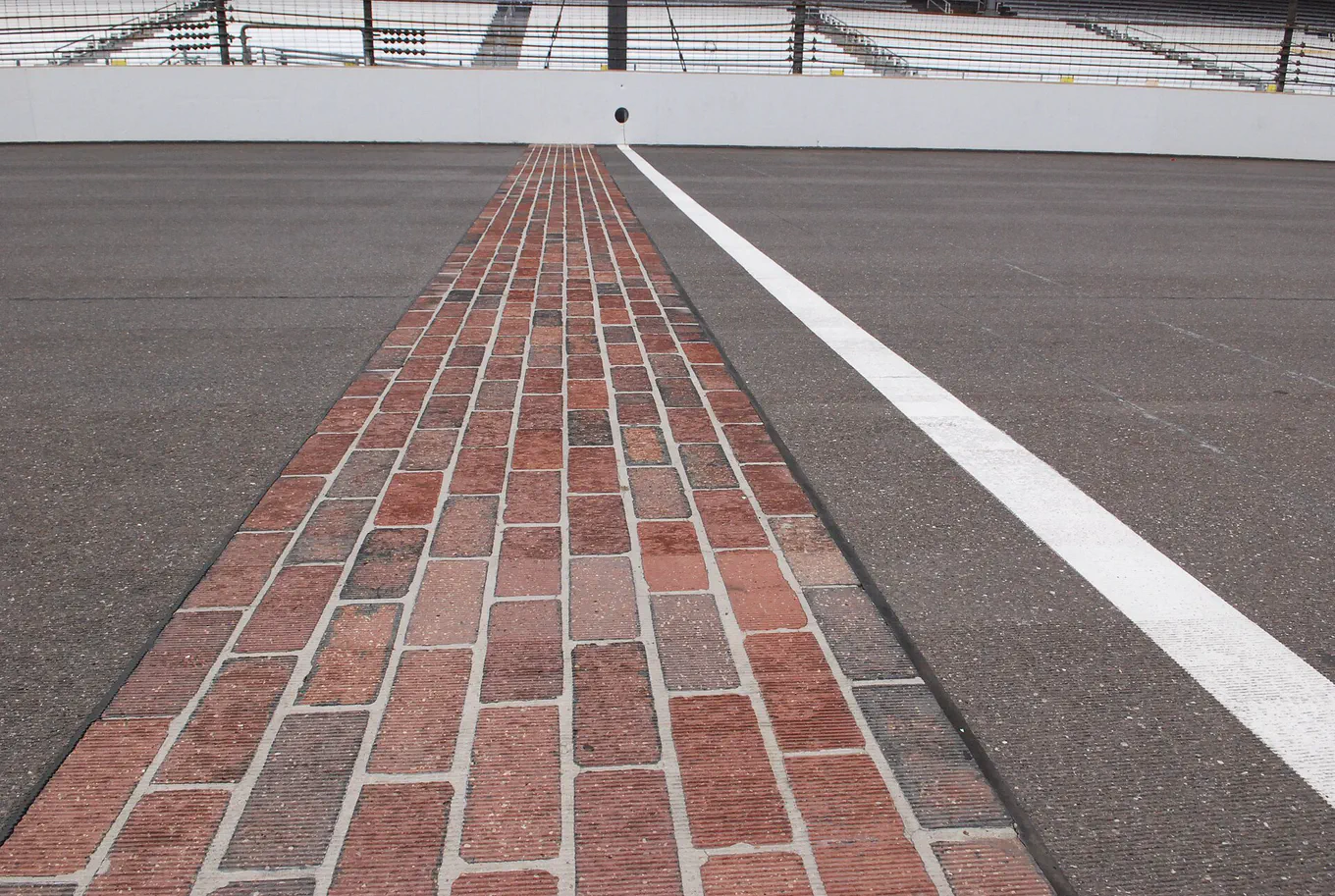
Not quite. It stands in the town of Speedway, an enclave suburb with Indianapolis all around it. The track is nicknamed the Brickyard because its racing surface was first paved in brick in 1909, and one yard of that brick is still exposed at the start/finish line.
Why is Indianapolis called the Crossroads of America?
It’s the city’s official slogan, and it reflects Indianapolis’s history as a transport hub. The city itself was planned from scratch in 1821, in central Indiana, as the new seat of the state government, and the legislature adopted the name Indianapolis on 6 January that year.