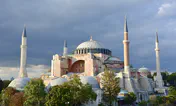
I was raised a Methodist, and although it didn’t stick, I felt all of that history come alive in Jerusalem. The stories and conflict feel visceral when you walk these streets.
— Nick
Judaism, Christianity, and Islam all count Jerusalem, in the Judaean Mountains, as a holy city. Both Israel and Palestine claim it as their capital, and its walled Old City has been a World Heritage Site since 1981. Schindler’s grave comes last, after a shaft found by a future police chief, the Dead Sea Scrolls for sale, a Nazi in a glass booth, and two psychologists at a seminar.
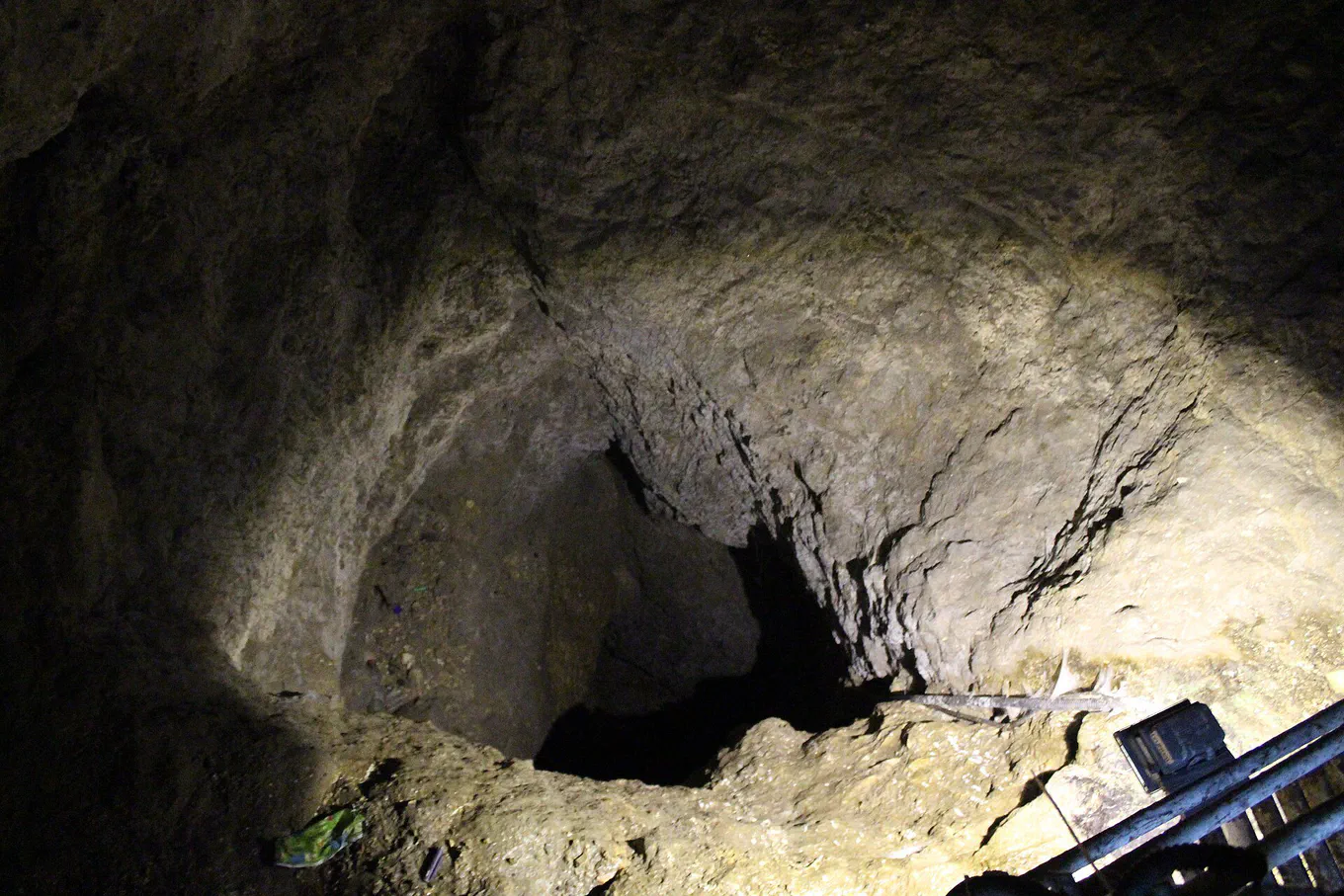
Before he ran London’s police through the Jack the Ripper murders, Charles Warren worked under Jerusalem. In 1867, the Palestine Exploration Fund recruited the army engineer for biblical archaeology, and beside the Gihon Spring, the ancient city’s water source, he found a 13-metre shaft. Some think it was a secret way into the town in a Bible story. In London, though, the Ripper case became his biggest difficulty, and he resigned just before the murder of Mary Jane Kelly, in November 1888. Under Jerusalem, the shaft still carries his name.
2 The Dead Sea Scrolls at the Shrine of the Book
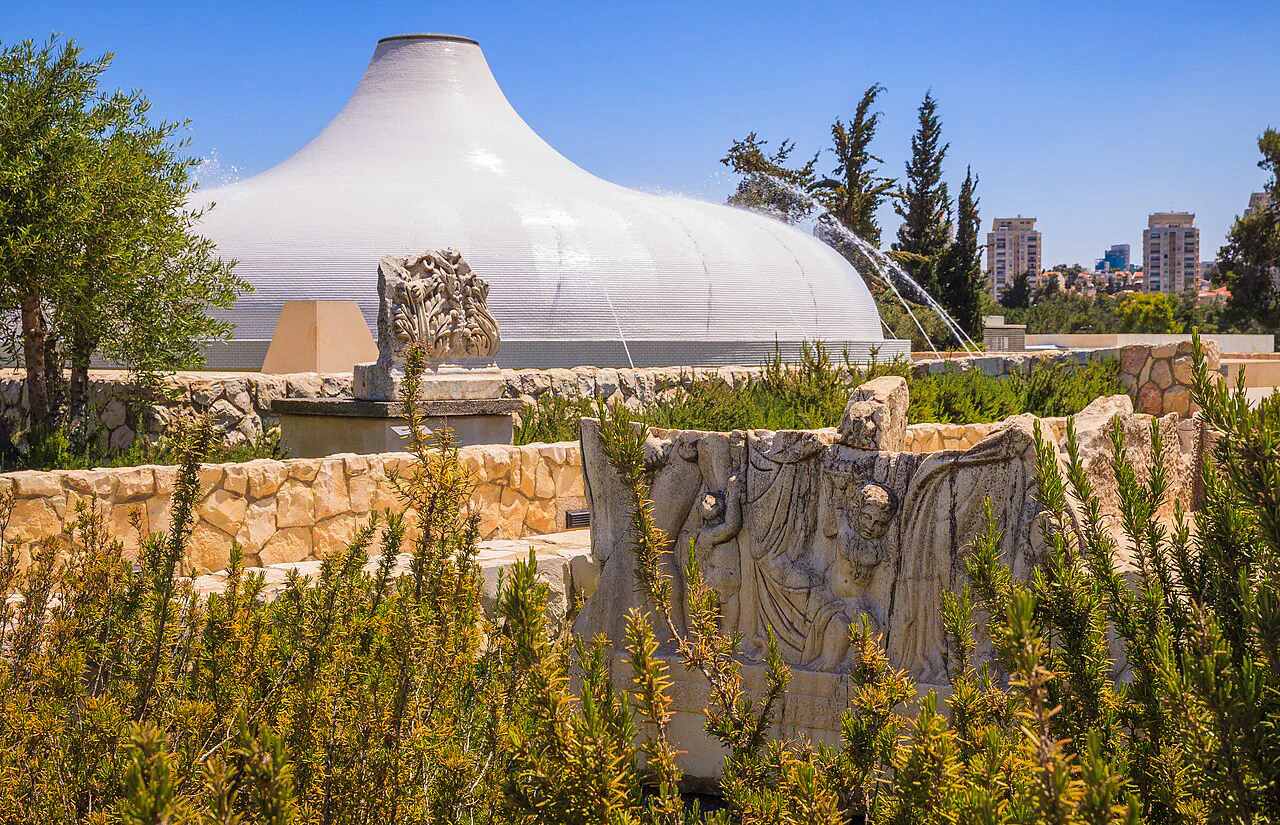
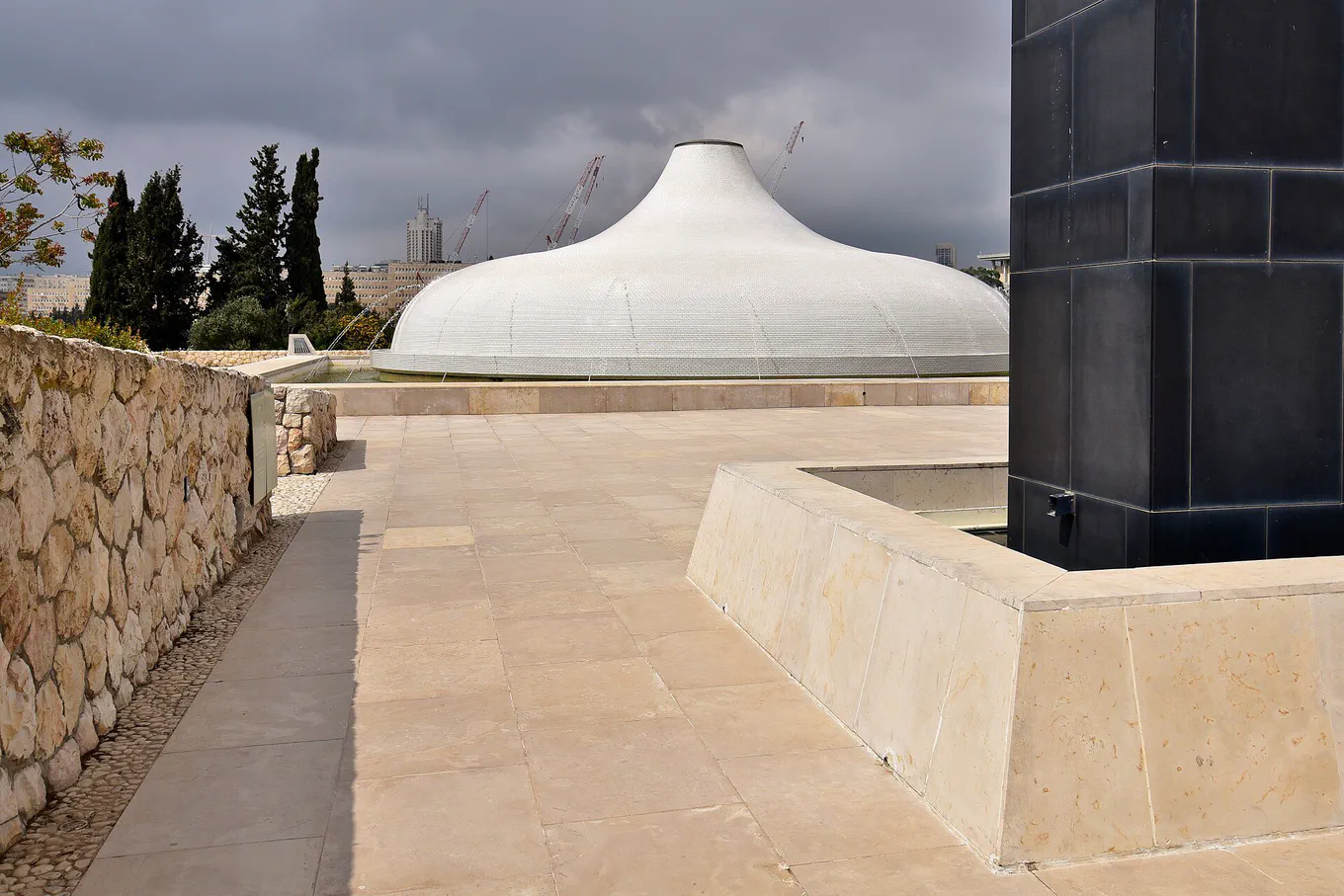
Stand here. The Shrine of the Book at the Israel Museum, in Givat Ram. Its white dome faces a black basalt wall.
The Dead Sea Scrolls came out of a cave near Qumran, where Bedouin shepherds found seven scrolls in jars in 1947. The archaeologist Eleazar Sukenik bought three. The other four came to a church leader, Mar Samuel, who took them to New York. Then, on 1 June 1954, they were advertised for sale in The Wall Street Journal. Sukenik’s son, the archaeologist Yigael Yadin, bought them in New York. Between them, father and son now had all seven.
3 Adolf Eichmann in a glass booth at Beit Ha’am
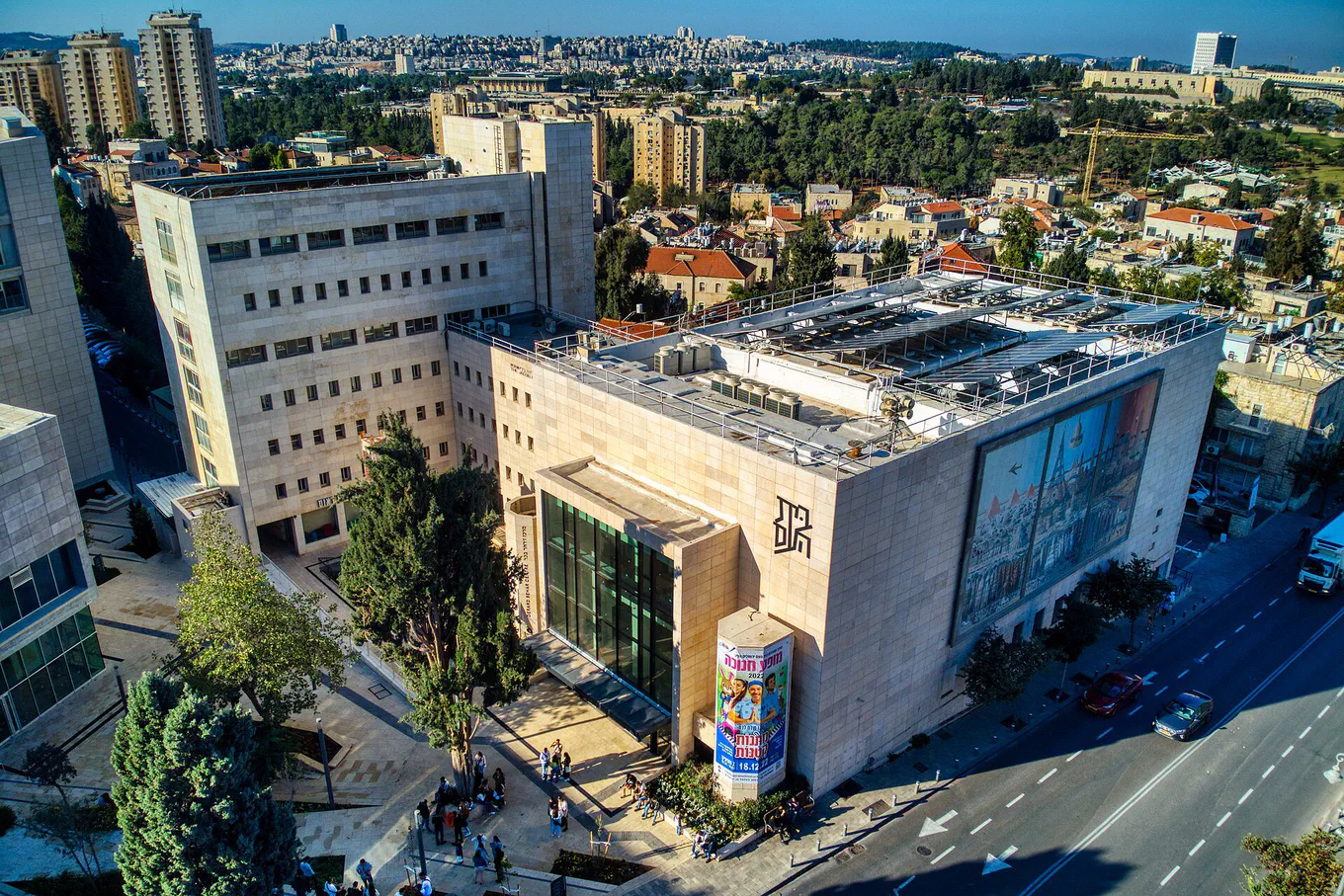
Stand here. Beit Ha’am, at 11 Bezalel Street, now the Gerard Behar Center, an arts centre for theatre, dance, and music.
Hannah Arendt’s phrase “the banality of evil” came from a trial held in a Jerusalem theatre. Adolf Eichmann, one of the major organisers of the Holocaust, was living in Buenos Aires as Ricardo Klement when a Mossad team captured him in 1960. In April 1961, he went on trial at Beit Ha’am, a community theatre turned into a courtroom for 750 observers, and sat inside a bulletproof glass booth. Eichmann was convicted and hanged. Today, the theatre carries the name of its donors’ son, murdered by the Nazis.
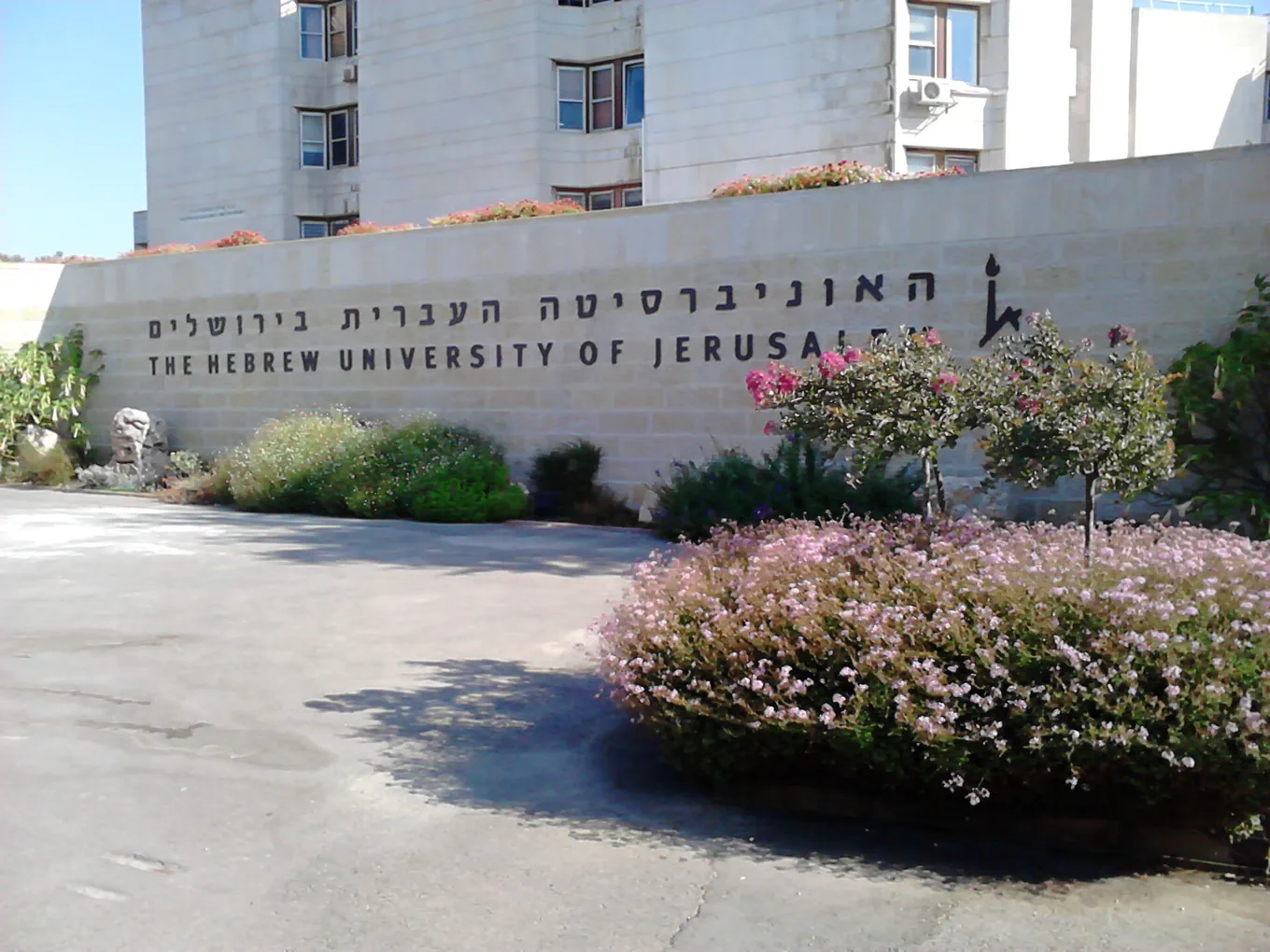
Long before Daniel Kahneman’s best-seller Thinking, Fast and Slow, his partnership with Amos Tversky began with a guest lecture in Jerusalem. In 1969, Tversky, a fellow psychologist at the Hebrew University, spoke at one of Kahneman’s seminars, and the two began working on how people make judgements and decisions. In 1996, Tversky died, aged fifty-nine. Nobel prizes aren’t awarded after death, so when their work won the economics prize in 2002, Kahneman accepted it alone. “It is a joint prize,” he said. “We were twinned for more than a decade.”
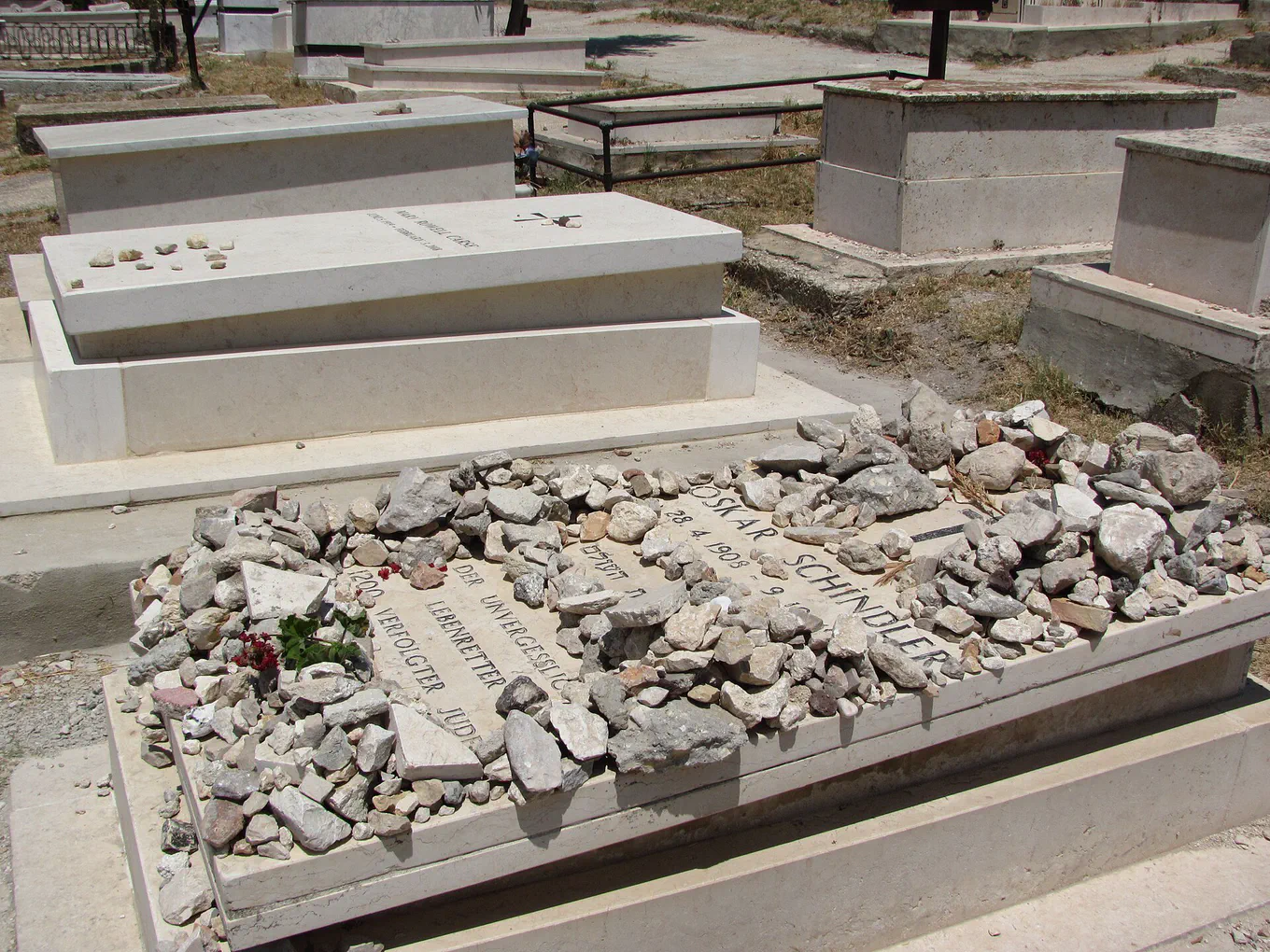
5 Oskar Schindler’s grave on Mount Zion
Stand here. The Catholic cemetery on Mount Zion, just outside the Old City walls to the south, where his grave still lies.
Schindler’s List ends here, as survivors and the actors who played them lay stones on Oskar Schindler’s grave. Schindler, a German industrialist and Nazi Party member, is credited with saving 1,200 Jews by employing them in his factories in occupied Poland. It cost him ever larger bribes, and finally his entire fortune. After the war, his businesses failed, and he relied on money from the people he had saved. When he died in Germany in 1974, he was buried here, the only former Nazi Party member honoured this way.
Pack nothing. Leave Friday.
Every Friday, I write a free letter, Journey, that takes us on a trip through places, stories, and ideas.
A Tale of Love and Darkness(Amos Oz, 2002). A memoir by the novelist who grew up at No. 18 Amos Street, in the poor Kerem Avraham neighbourhood.
My Michael(Amos Oz, 1968). A novel. A couple in 1950s Jerusalem rent a small flat in Mekor Barukh, a neighbourhood of religious Jews unlike themselves.
Eichmann in Jerusalem(Hannah Arendt, 1963). Non-fiction. Arendt reported on the trial at Beit Ha’am, now the Gerard Behar Center, for The New Yorker.
The Undoing Project(Michael Lewis, 2016). Non-fiction. The partnership of Daniel Kahneman and Amos Tversky, which began at a seminar at the Hebrew University in 1969.
Films to watch before you visit Jerusalem
Schindler’s List(Steven Spielberg, 1993). A film. It ends at Schindler’s grave on Mount Zion, where survivors lay stones and Liam Neeson lays two roses.
Kingdom of Heaven(Ridley Scott, 2005). A film about Balian of Ibelin defending the Crusader Kingdom of Jerusalem against Saladin. A large set of ancient Jerusalem was built for it.
Questions
Where is Oskar Schindler buried?
In the Catholic cemetery on Mount Zion, a hill just outside the Old City walls to the south. He died in Germany in 1974 and was buried in Jerusalem, the only former member of the Nazi Party honoured that way. His is the grave seen at the end of Schindler’s List.
Where can you see the Dead Sea Scrolls in Jerusalem?
In the Shrine of the Book, the white-domed wing of the Israel Museum in Givat Ram, which holds almost all the scrolls and fragments. Each original is shown for three to six months and then taken off display. A facsimile of the Isaiah Scroll, the most intact of them, is on show.
What are the four quarters of Jerusalem’s Old City?
Since the 19th century, the walled Old City has been divided into the Armenian, Christian, Jewish, and Muslim quarters. Its walls were rebuilt under the Ottoman sultan Suleiman the Magnificent in the 1530s, and the Old City and its walls became a UNESCO World Heritage Site in 1981.