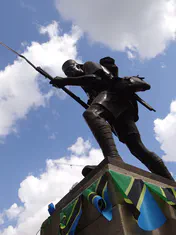
Kampala is the capital and largest city of Uganda, first built on seven hills north of Lake Victoria. It became the capital after independence in 1962, taking over from Entebbe. Its stories here are a king going over his palace wall, a girl who found chess while looking for food, a student asking Chinua Achebe to read his novel, a hospital burned by lightning, and a mosque that dropped Gaddafi’s name.
1 King Freddie’s escape over the wall of Mengo Palace
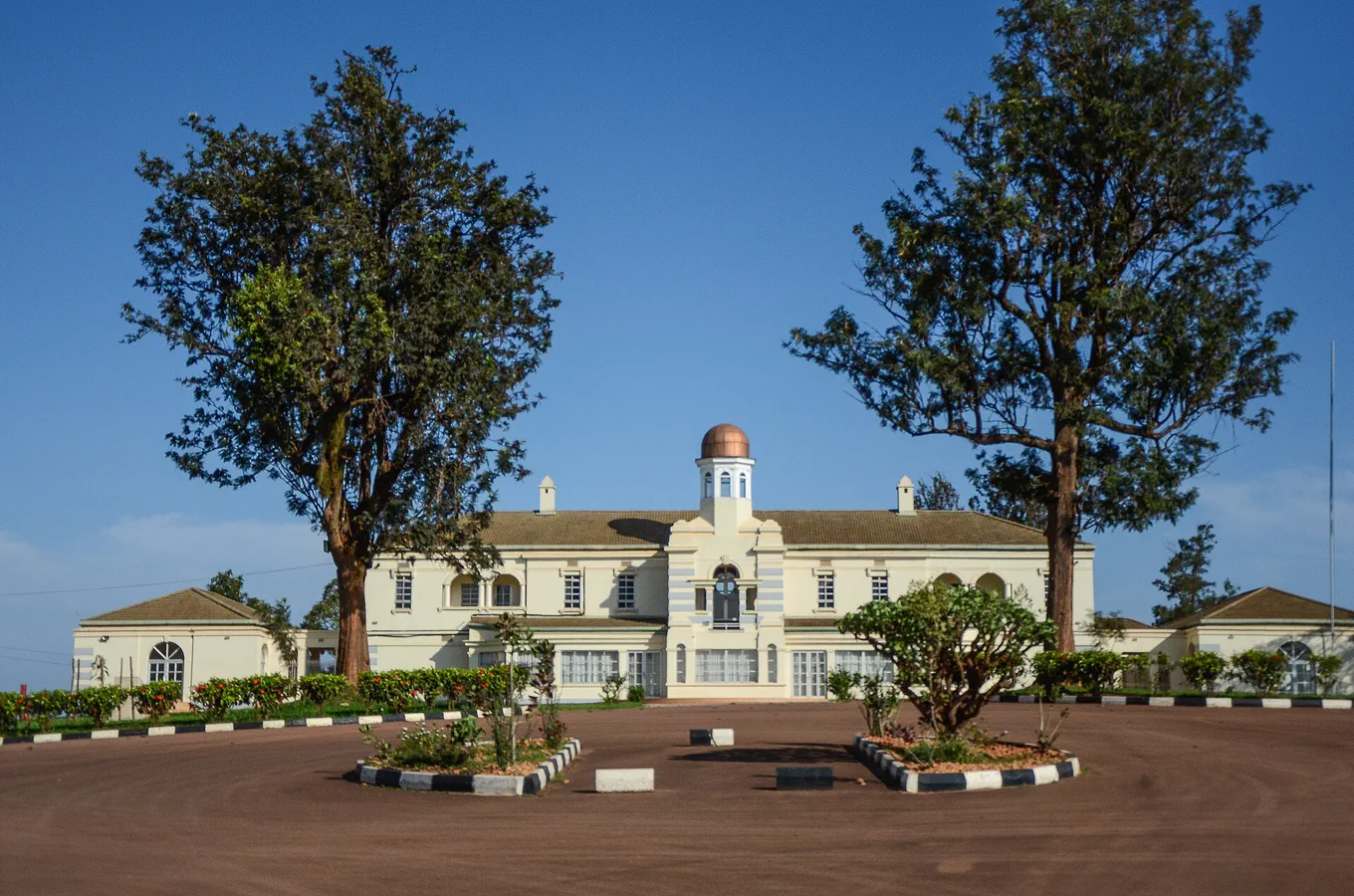
Stand here. Mengo Palace, the Lubiri, on Mengo Hill. Restored in 1993, it is joined by Kabaka Anjagala Road to the Bulange, the kingdom’s administrative seat.
In May 1966, Idi Amin led the army against this palace on the orders of Prime Minister Milton Obote. Inside was Obote’s rival, Mutesa II, Kabaka, or king, of Buganda, Uganda’s first president, and “King Freddie” to the foreign press. The king and twenty guards went over the palace wall, he hurt his back, and he hailed a passing taxi. He was given clerical robes, and he crossed the border to Burundi and exile. He died in London in 1969, and only his body came home.
2 Phiona Mutesi, the chess queen of Katwe
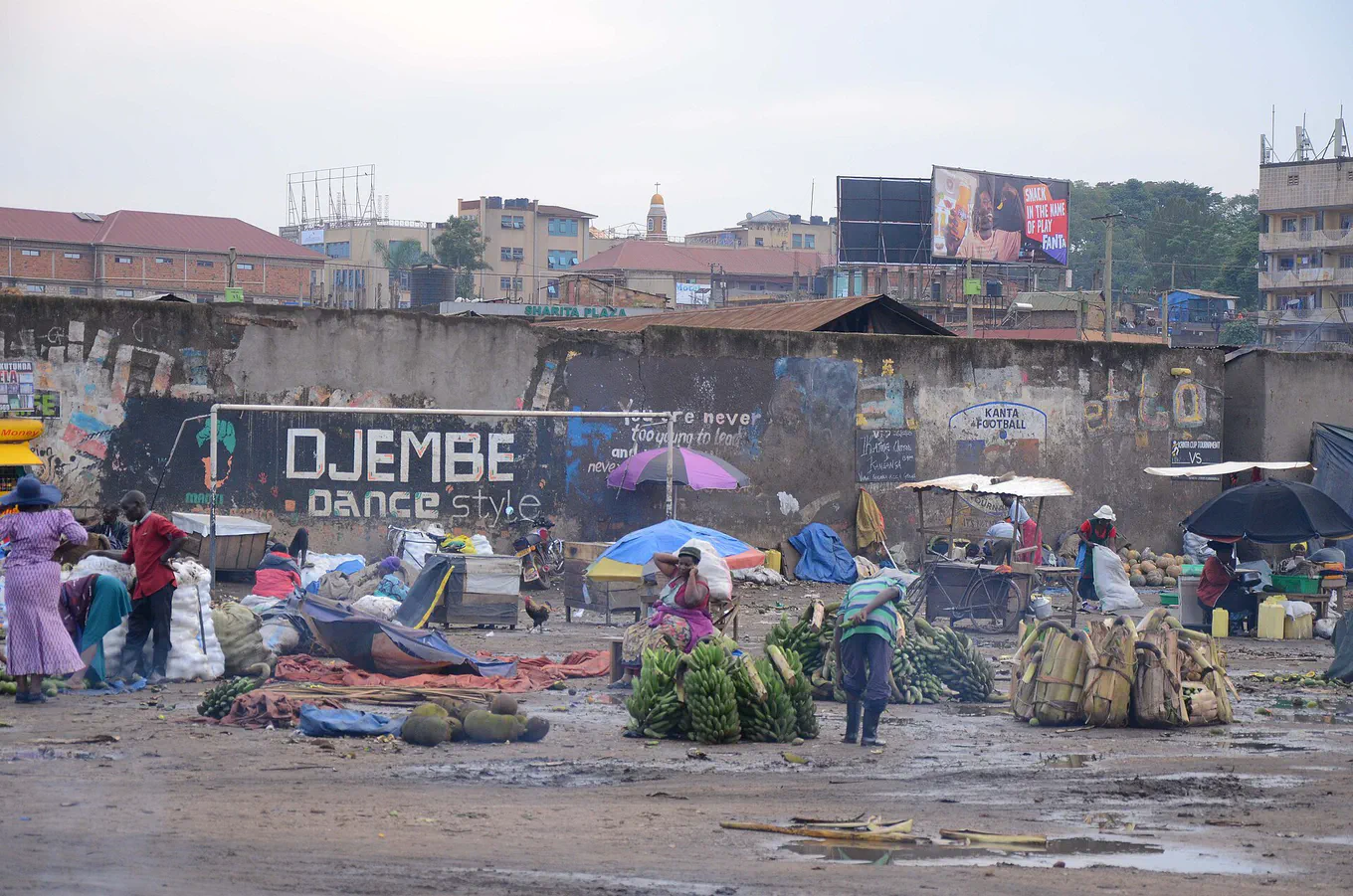
Stand here. Katwe, the Kampala neighbourhood where Phiona Mutesi was born and grew up, selling maize in a street market.
Queen of Katwe, Mira Nair’s 2016 film, was shot partly in these streets, and its queen was real. Phiona Mutesi was nine, and looking for food, when she followed her brother to an after-school programme that brought poor children food, sport, and religion. Robert Katende, whom David Oyelowo plays in the film, ran chess there. She became the first girl to win the open category of the national junior chess championship. In 2010, the girl who came looking for a meal played chess for Uganda.
3 Ngũgĩ wa Thiong’o hands Chinua Achebe a manuscript at Makerere
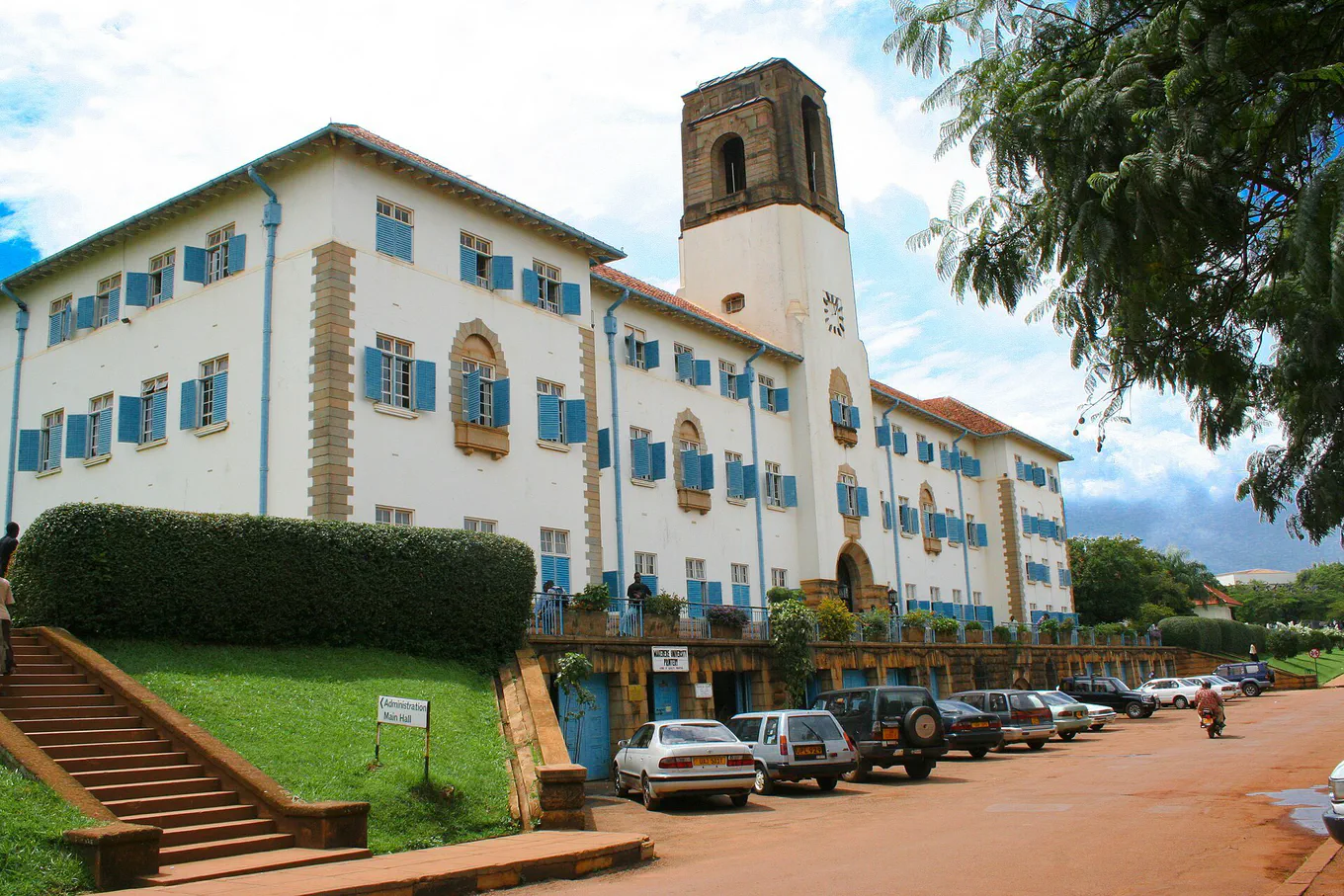
Stand here. Makerere University, in Kampala, where Ngũgĩ studied English from 1959 to 1963 and wrote Weep Not, Child.
Chinua Achebe, the Nigerian author of Things Fall Apart, came to Makerere in June 1962 for the African Writers Conference. A student called James Ngugi, the future Ngũgĩ wa Thiong’o, asked him to read his manuscripts. Achebe talked about one of them to his publishers, Heinemann, and they were interested. In 1964, it came out as Weep Not, Child, the fourth book in the African Writers Series that Achebe had begun with Heinemann. It was the first novel in English by an East African ever to be published.
4 Albert Cook and the Mengo Hospital that lightning burned
Stand here. Mengo Hospital, on Namirembe Hill, Uganda’s oldest hospital. Its founder is buried near the cathedral on the same hill.
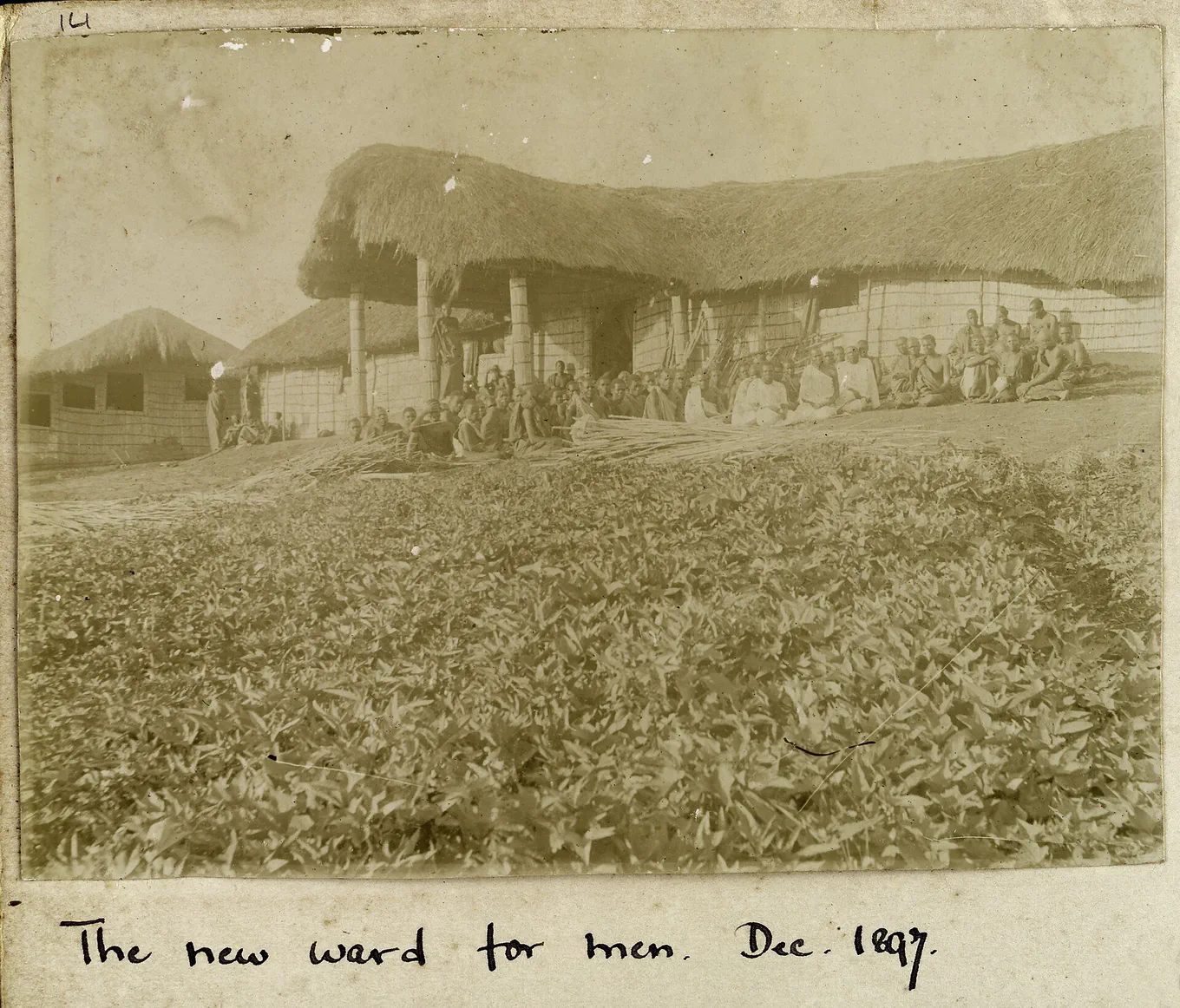
Albert Cook, a missionary doctor, reached Uganda on 19 February 1897, and two days later he was seeing patients in a shed. The hospital he founded that year had walls of reeds, a thatched roof, and floors of mud stamped hard and smooth, with one ward for men and one for women. In 1902, lightning set it on fire, and it burned down. Almost at once, a new Mengo Hospital went up, and it was twice as large.
5 Gaddafi’s mosque on Old Kampala Hill
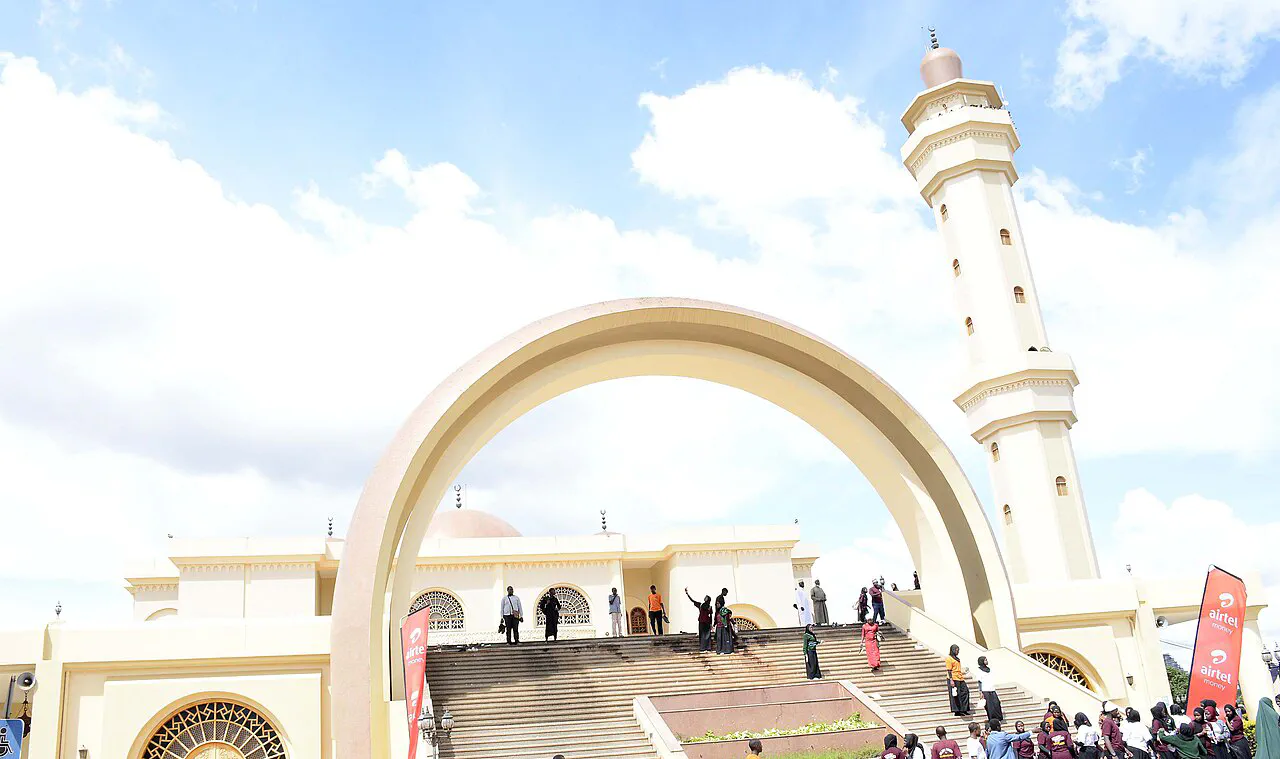
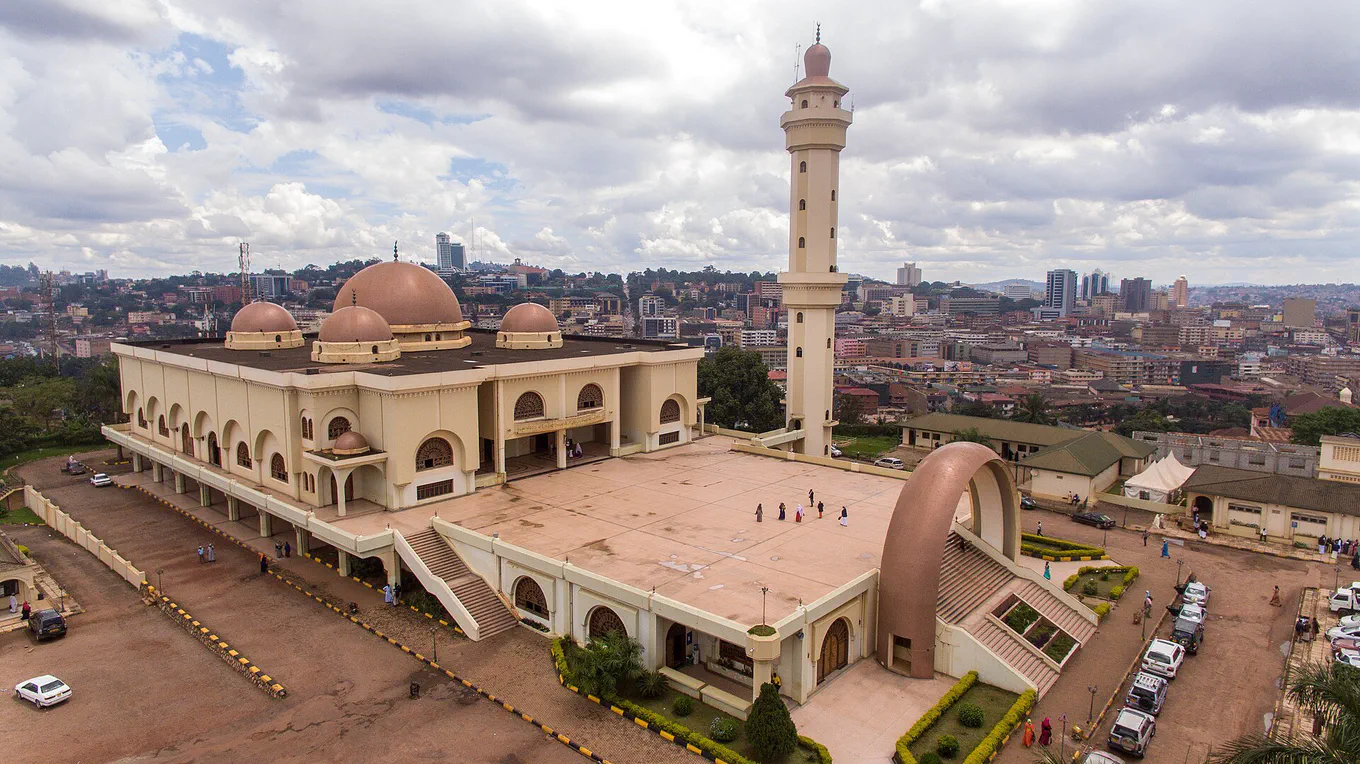
Stand here. The Uganda National Mosque, on Kampala Hill in Old Kampala. Its minaret rises 50.5 metres, with 272 stairs to the top.
Colonel Muammar Gaddafi’s name was on this mosque when it opened. Idi Amin had begun it in 1972, and Libya’s leader later offered to help finish it, as a gift to Islam in Uganda. In 2008, Gaddafi came to open it in person, before several heads of state, and his remarks drew the newspaper headline “Bible a forgery”. But in 2013, after Gaddafi’s death, it became the Uganda National Mosque.
Pack nothing. Leave Friday.
Every Friday, I write a free letter, Journey, that takes us on a trip through places, stories, and ideas.
The Queen of Katwe(Tim Crothers, 2012). Non-fiction. Phiona Mutesi and the Katwe chess programme that brought food, sport, and religion to poor children.
Kintu(Jennifer Nansubuga Makumbi, 2014). A novel. One of its characters is murdered by a mob at dawn in Bwaise, a suburb of Kampala.
Abyssinian Chronicles(Moses Isegawa, 1998). A novel by a Ugandan author, set partly in Kampala, where the family moves about the time Idi Amin comes to power in 1971.
Films to watch before you visit Kampala
Queen of Katwe(Mira Nair, 2016). A film. Phiona Mutesi’s story, with David Oyelowo as her coach, shot in the Katwe slums and in Johannesburg.
Who Killed Captain Alex?(Isaac Nabwana, 2010). A film. From an ultra-low-budget studio in Kampala, shot in the ghettos of Nateete.
Mississippi Masala(Mira Nair, 1991). A romantic drama film. A family of Ugandan Indians leaves its home in Kampala. The Uganda scenes were filmed in the city, including in Nair’s home.
Questions
Where is King Freddie buried?
At the Kasubi Tombs, on Kasubi Hill. His body was brought home in 1971 and given a state funeral there. Muteesa I built a palace on the hill in 1882, and it became a royal burial ground on his death in 1884. Four kings of Buganda lie there. Fire destroyed the tombs in 2010, and they were restored in 2023.
Was Queen of Katwe filmed in Katwe?
Partly. Mira Nair shot the 2016 film in the Katwe slums of Kampala, where Phiona Mutesi was born and grew up, and in Johannesburg, South Africa. David Oyelowo plays Robert Katende, the coach whose after-school programme taught her chess.
What does the name Kampala mean?
Hill of the Impala. Locally, the name is Akasozi k’empala. The city was first built on seven hills, and it became Uganda’s capital after independence on 9 October 1962, when the capital moved from Entebbe.