If you’ve played Uncharted 2, you may remember that Nathan Drake has to fight his way through a war-torn Nepalese city. That’s my mental model of Kathmandu. It also looked amazing in Dr Strange. (Man, I have to travel more.)
— Nick
Kathmandu is the capital and largest city of Nepal, in the Kathmandu Valley. After the Battle of Kathmandu in 1768, it became the capital of the Gorkha empire that took the name Nepal. Its stories here are the pavilion that named the city, a king said to have played dice with a goddess, a ballet dancer’s hotel, a Bollywood film among the hippies, and Doctor Strange after the earthquake.
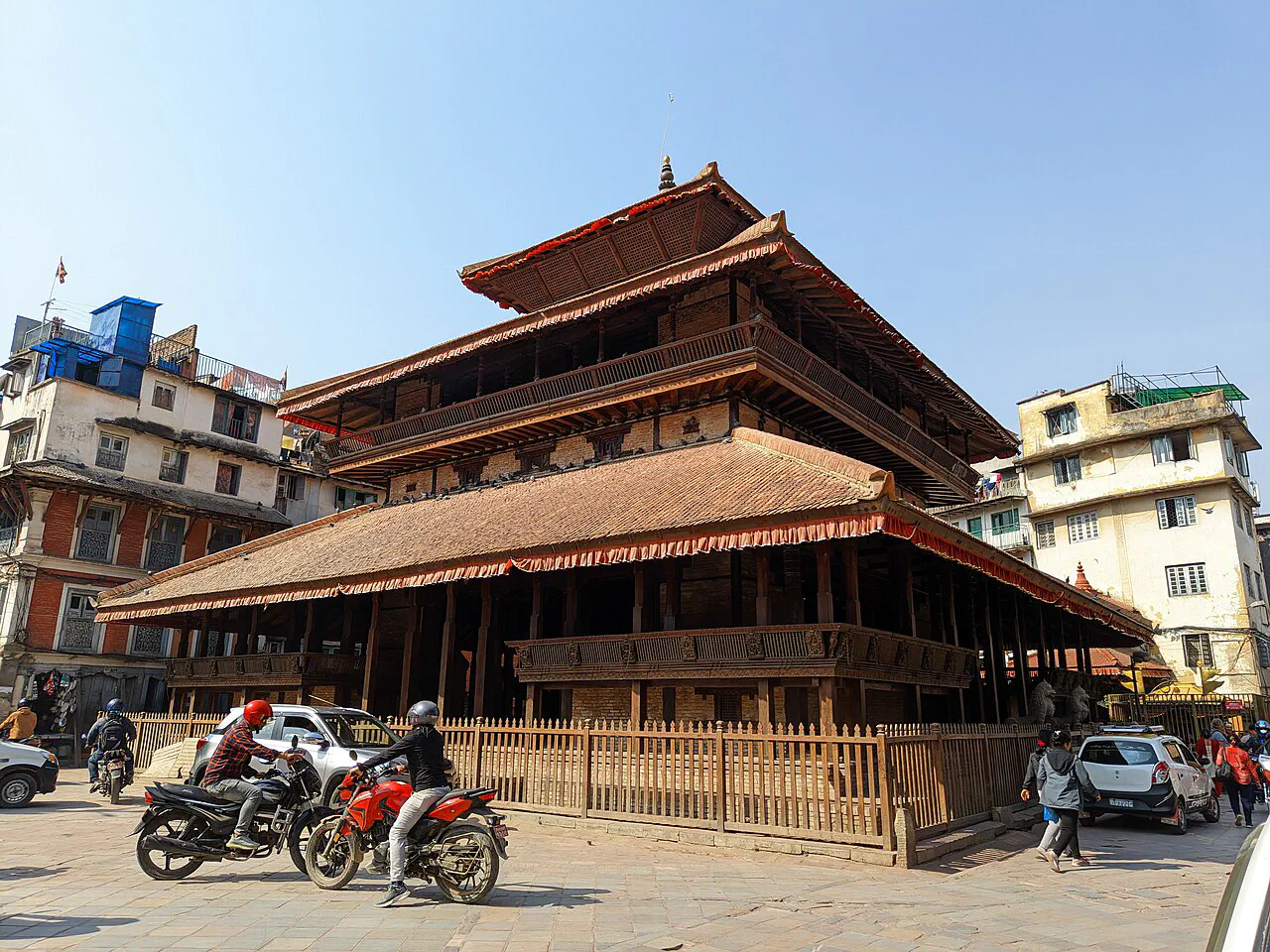
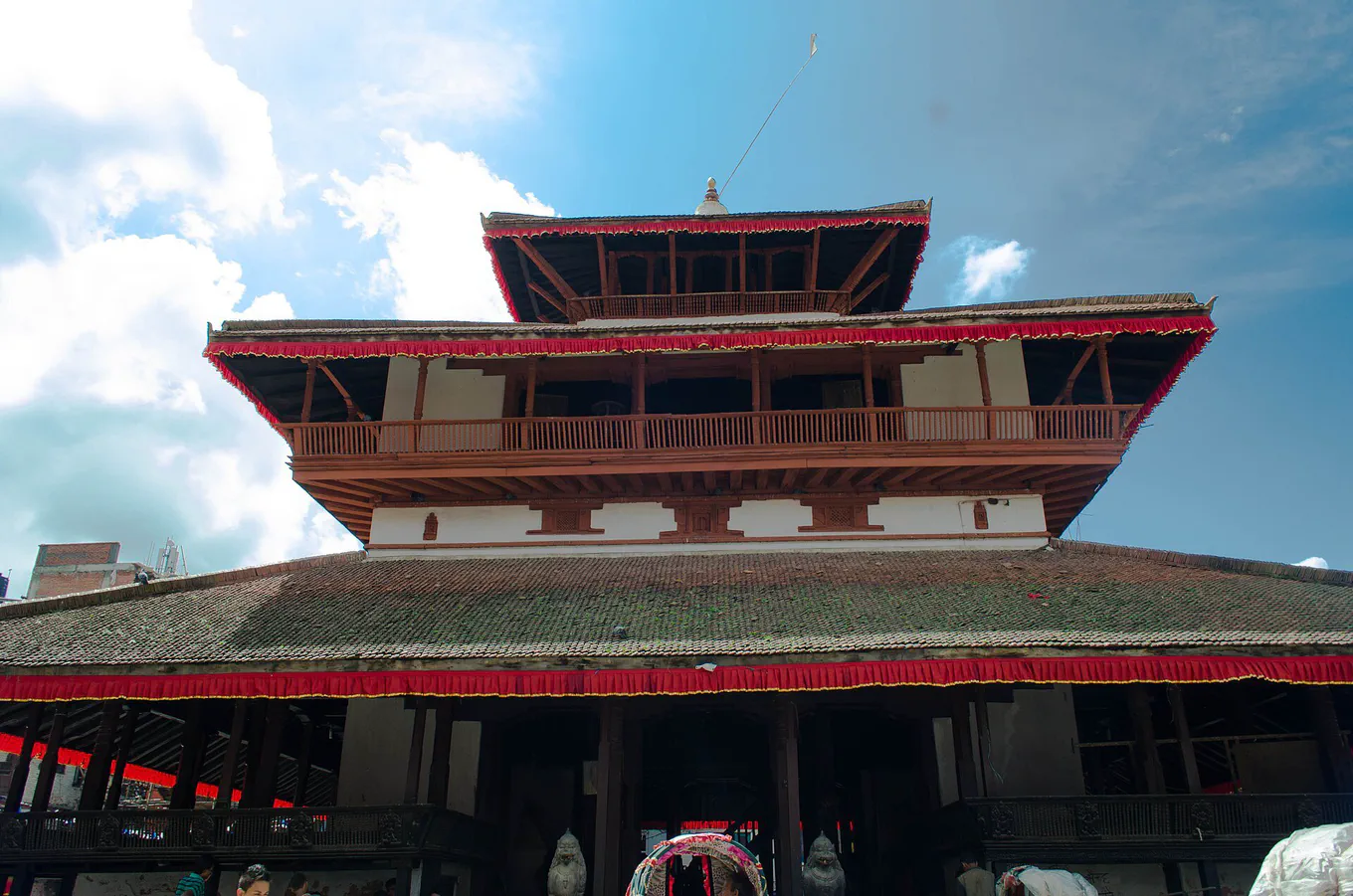
Kasthamandap, the wooden pavilion, gave Kathmandu its name. Parts of it dated to the 7th century, legend says all its timber came from one tree, and its three storeys stood without a single iron nail. On 25 April 2015, the earthquake left it in rubble. A community campaign refused a contractor, and steel and concrete, and turned to public donations and volunteer labour instead, which cut the cost by 83 million rupees. The city had rebuilt its own name.
2 The king, the dice game, and Kathmandu’s living goddess
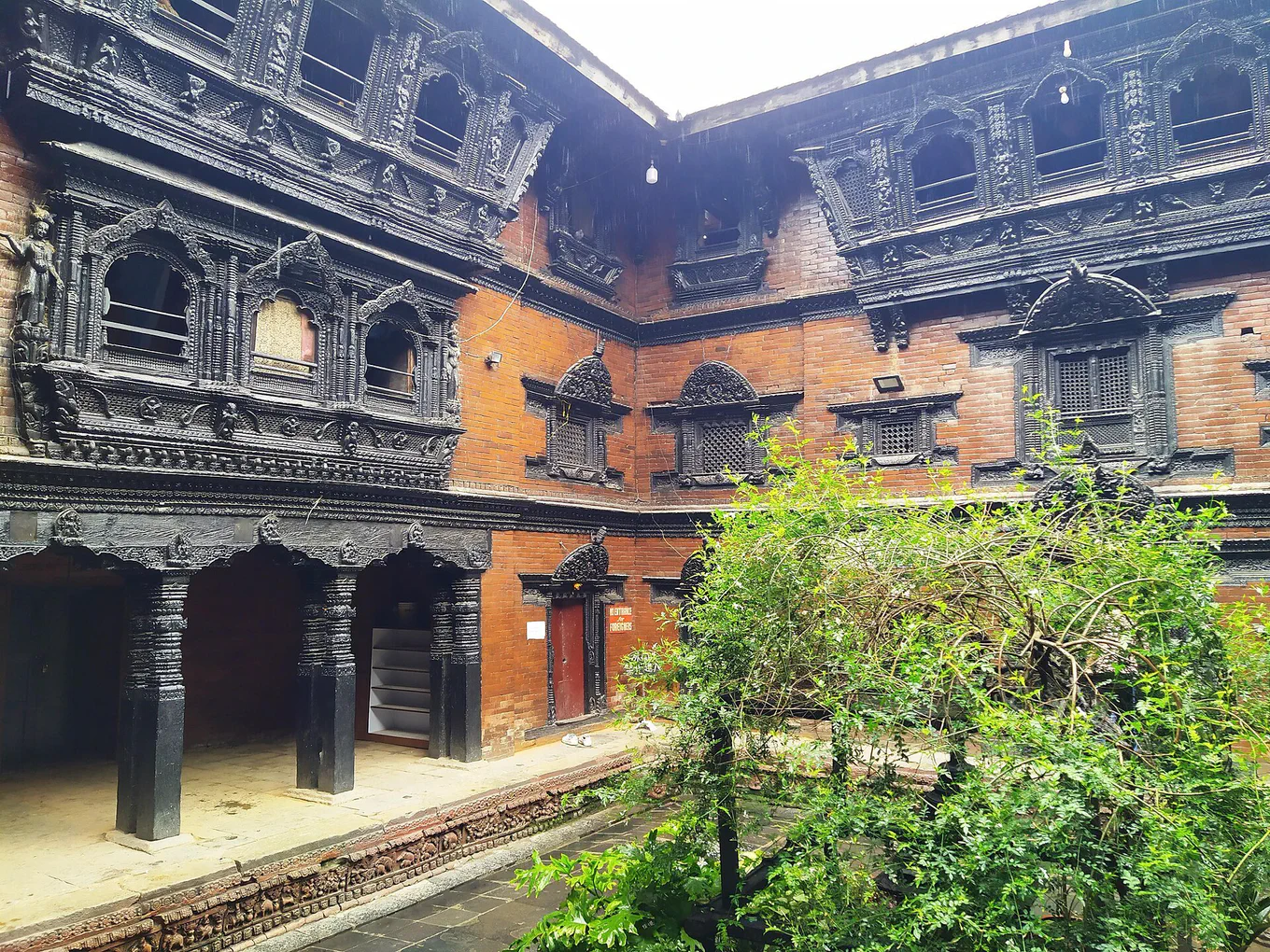
Stand here. The courtyard of the Kumari Ghar, at the southern edge of Durbar Square, where devotees wait to glimpse the living goddess at a latticed window.
The Kumari, Kathmandu’s living goddess, is a girl worshipped as the goddess Taleju. The best-known story says Taleju played dice nightly with King Jaya Prakash Malla, if he told no one. His daughter followed him, and the goddess vanished. In a dream, she sent him to find a girl she would live in. In 1756, the Kumari’s chariot procession began, and in 1757 the king built her a house. Later, a rival, Prithvi Narayan Shah, attacked during the Indra Jatra festival, and the king fled his city.
3 The ballet dancer who opened Nepal’s first hotel in Kathmandu
Stand here. Lal Durbar, where the Yak and Yeti hotel carries the name Boris invented. His first hotel, the Hotel Royal, closed in 1969.
Boris Lisanevich, born in Odessa, danced with Diaghilev’s Ballets Russes, then ran a club in Calcutta, where he befriended King Tribhuvan of Nepal, there for medical treatment. In 1951, the king invited him to Nepal, and Boris opened the country’s first hotel, the Hotel Royal, in a converted Rana palace. He talked twenty tourists from Calcutta into coming. But he spent a couple of months in prison over unpaid royalties, and he was obliged to cater extravagant parties and banquets, King Mahendra’s coronation in 1956 among them.
4 Kathmandu’s hippies, Freak Street, and ‘Dum Maro Dum’
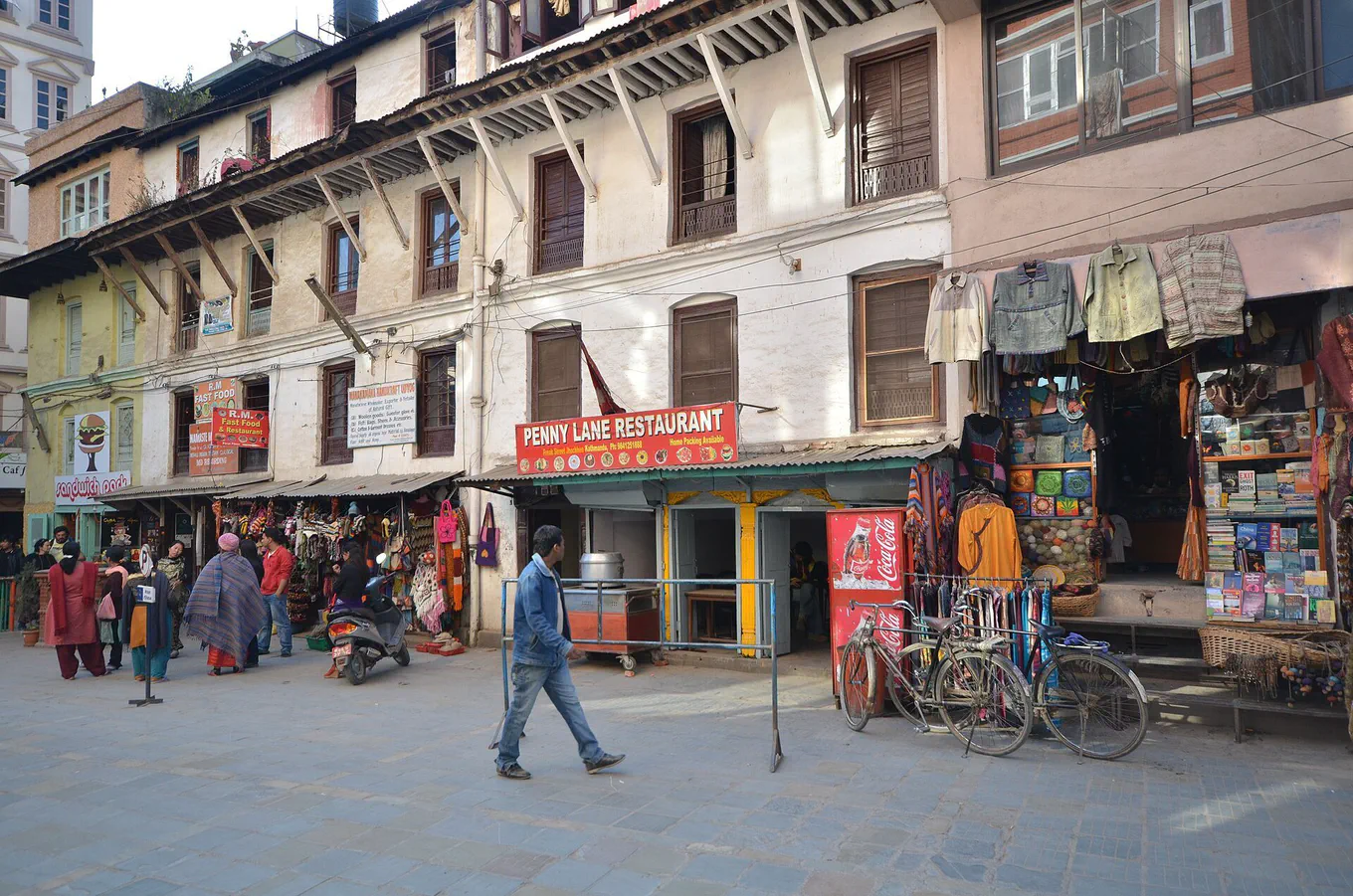
Stand here. Freak Street, or Jhochhen Tol, south of Durbar Square. Its old hashish shops are gone, and guest houses and souvenir shops took their place.
Haré Rama Haré Krishna, the 1972 Bollywood film behind the hit ‘Dum Maro Dum’, began with Dev Anand’s visit to Kathmandu. The city was usually the end of the hippie trail, and Freak Street was one of its centres, where government-run shops sold hashish openly. Anand met hippies in Kathmandu, then wrote, produced, and directed a film meant to carry an anti-drug message. But it made a star of Zeenat Aman, playing a westernised hippie. Nepal banned cannabis in 1976, and Freak Street has never got its old charm back.
5Doctor Strange in Kathmandu, months after the earthquake
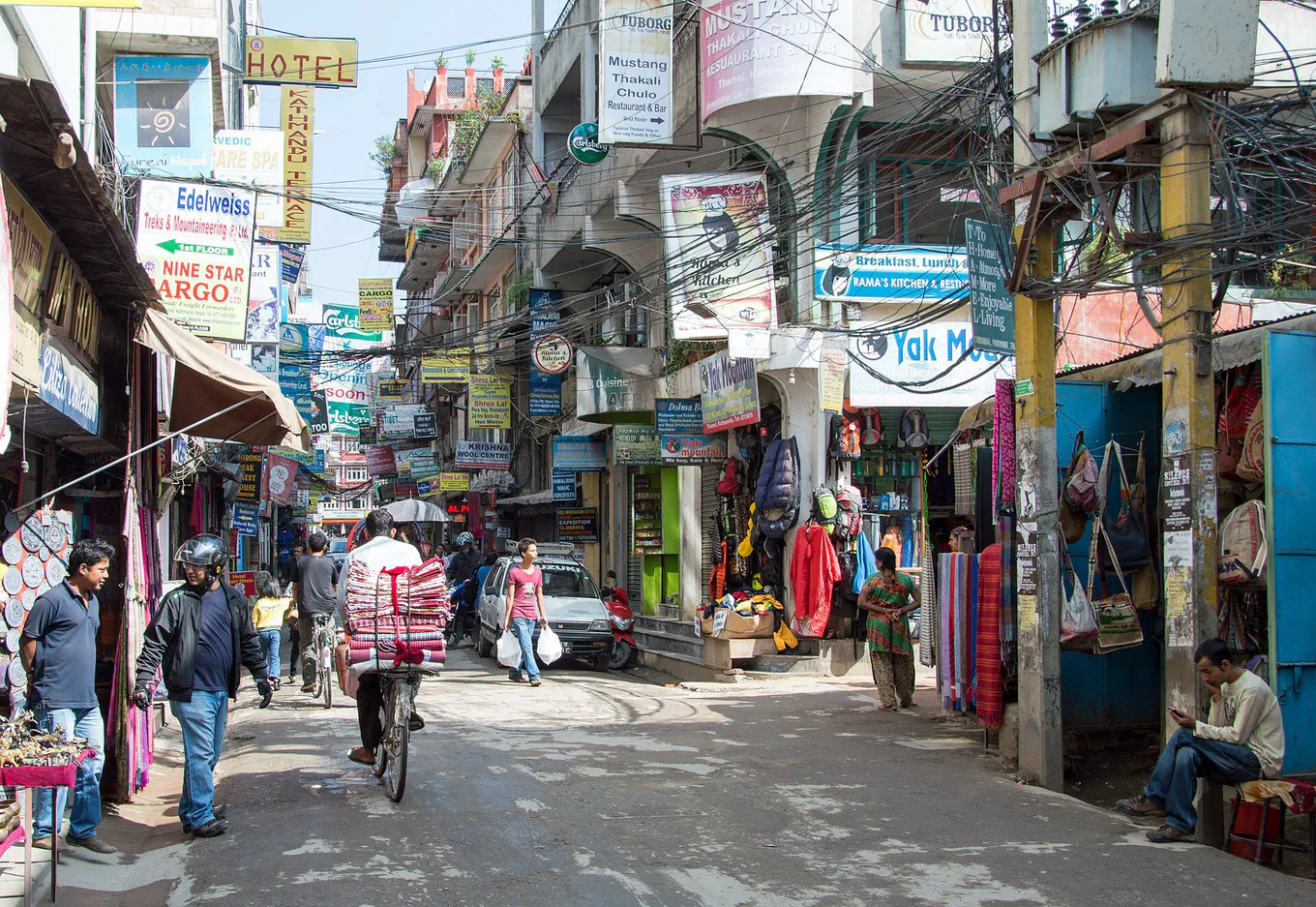
Stand here. Thamel, Kathmandu’s tourist quarter since the hippie days, about 1.4 km north of Durbar Square. Doctor Strange filmed there.
In Doctor Strange, Benedict Cumberbatch plays a neurosurgeon whose career ends in a car crash, and who comes to Kathmandu looking for Kamar-Taj, a secret compound of sorcerers. The director, Scott Derrickson, chose Nepal to show an ‘Eastern city’ most audiences wouldn’t know. He scouted his locations, and then, in April 2015, the earthquake destroyed many of them. He and Cumberbatch could have gone to another country. Instead, they decided that bringing attention and tourism to Nepal after the disaster was ‘all the more reason to shoot there’.
Pack nothing. Leave Friday.
Every Friday, I write a free letter, Journey, that takes us on a trip through places, stories, and ideas.
Video Night in Kathmandu(Pico Iyer). Non-fiction. Iyer writes about Freak Street as a new blending of East and West.
From Goddess to Mortal(Rashmila Shakya with Scott Berry). A memoir. A former Kumari on her eight years away from her parents in the Kumari Ghar.
Tiger for Breakfast(Michel Peissel, 1966). Non-fiction. The story of Boris Lisanevich, who opened Nepal’s first hotel, the Hotel Royal, in a converted Rana palace.
Films to watch before you visit Kathmandu
Doctor Strange(Scott Derrickson, 2016). A film. A surgeon looks for the sorcerers of Kamar-Taj, shot in Thamel, on New Road, and at the Pashupatinath and Swayambhunath temples.
Little Buddha(Bernardo Bertolucci). A film. Deep inside Hanuman Dhoka, the old royal palace on Durbar Square, a courtyard becomes the room where Queen Mayadevi dreams.
Haré Rama Haré Krishna(Dev Anand, 1972). A musical satire about Kathmandu’s hippies, in which a runaway is found living in the city with a group of them.
Questions
Can you see the Kumari, Kathmandu’s living goddess?
Sometimes. She lives in the Kumari Ghar, a three-storey Malla-era building at the southern edge of Durbar Square. Devotees gather in its courtyard hoping to glimpse her at a latticed window, but her public appearances are rare and brief, and outside her home her feet never touch the ground.
Where was Doctor Strange filmed in Kathmandu?
In Thamel and on New Road, and at the Pashupatinath and Swayambhunath temples, with Patan Durbar Square elsewhere in the Kathmandu Valley. Filming began in Nepal on 4 November 2015. The real Kathmandu street that leads into the fictional Kamar-Taj was copied as a set at Longcross.
Is Kathmandu Durbar Square a World Heritage Site?
Yes. It is one of three Durbar Squares, or royal palace squares, in the Kathmandu Valley that are UNESCO World Heritage Sites, and the valley was listed in 1979. The Nepal Tourism Board lists entry at NPR 1,000, including the Tribhuvan Museum.