Kochi, once called Cochin, is a port city on the Malabar Coast of India, in the state of Kerala, and has traded in spices since antiquity. In 1341, a massive flood of the Periyar destroyed the port of Muziris, and Kochi rose as a trading centre. Its stories here are an explorer’s empty grave, 150 men holding off an army, a synagogue floored with Chinese tiles, a biennale borrowed from Venice, and an airport that turned to the sun.
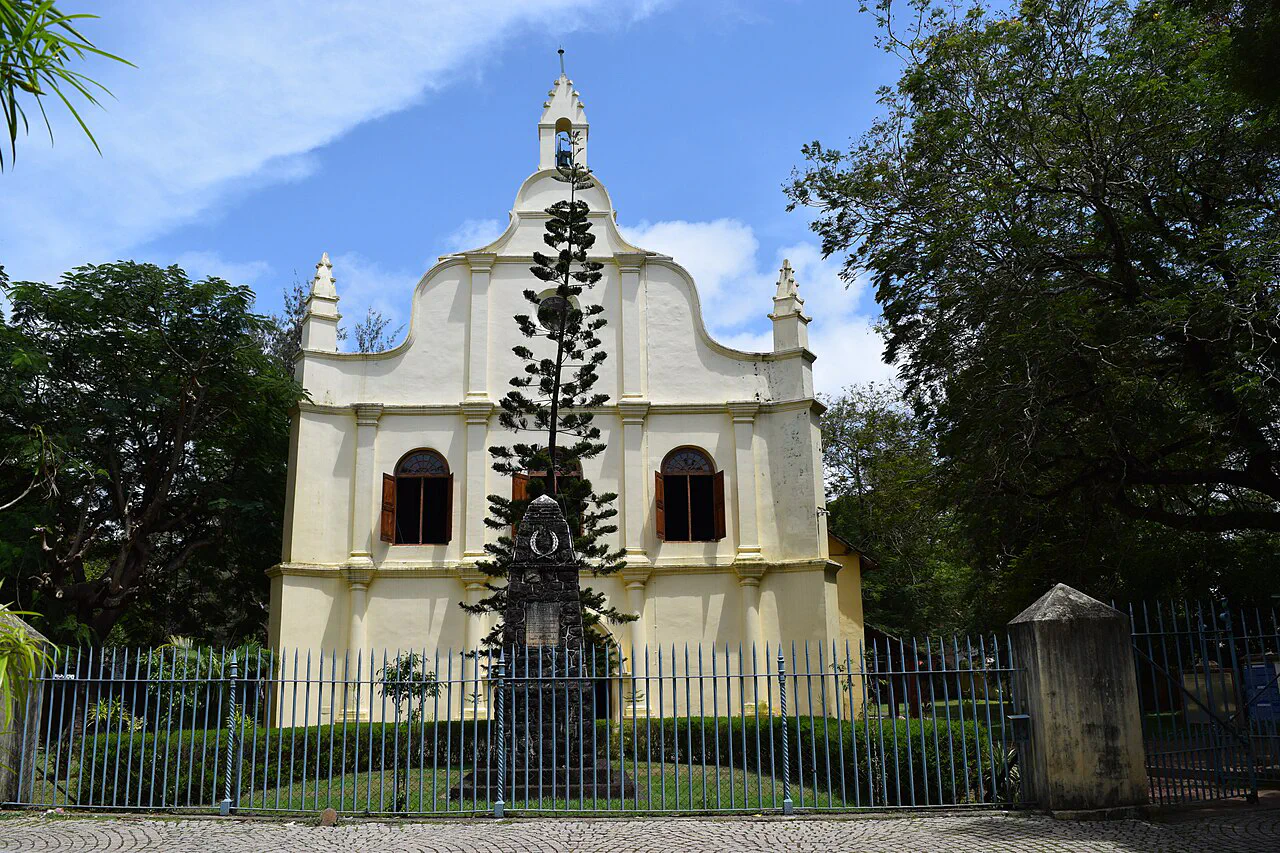
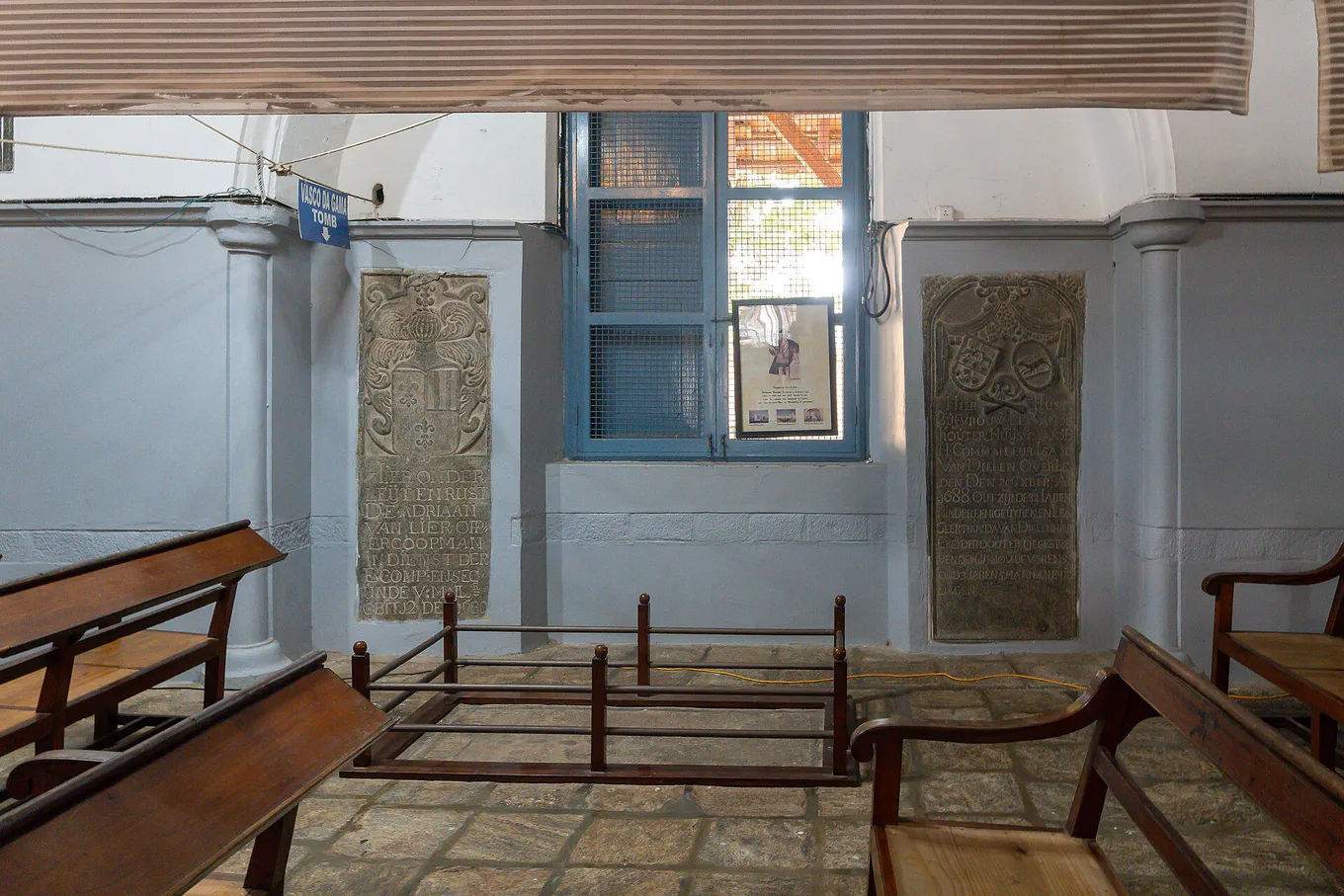
Vasco da Gama, the Portuguese explorer who opened the sea route from Europe to India, came back in 1524 as Viceroy of Portuguese India. He was sent to replace a corrupt governor, and he swapped every old official for his own man. But he caught malaria soon after he landed, and on Christmas Eve, three months after he arrived, he died in Cochin. He was buried in this church. Fourteen years later, his remains went home to Portugal, and today they lie in Lisbon. The grave in Kochi is empty.
2 Duarte Pacheco Pereira holds Cochin with 150 men
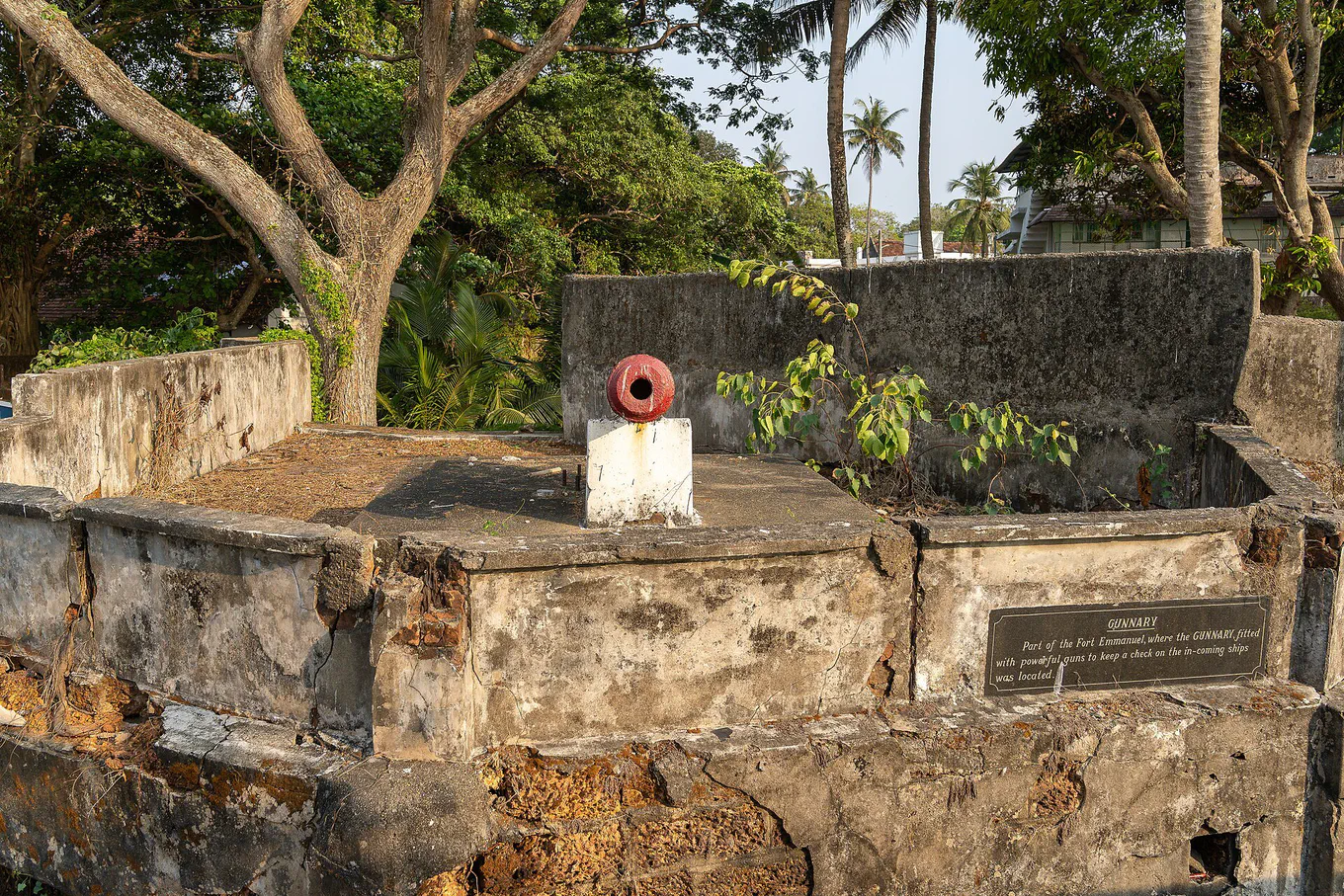
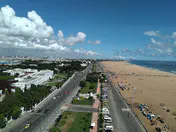
Stand here. The remains of Fort Emmanuel, on Fort Kochi Beach, the first European fort built in Asia. A partly restored gun battery survives.
In 1504, Calicut’s ruler, the Zamorin, marched on Cochin with tens of thousands of men, because its Raja would not abandon the Portuguese. Duarte Pacheco Pereira held the town with about 150 Portuguese. He drove sharpened poles into the narrow ford at Kumbalam, and used the tides to guard two crossings in turn. Five months later, the humiliated Zamorin gave up, and not one Portuguese defender was reported killed. Back in Lisbon, the man who saved Cochin was feted, then slandered as a thief and jailed until he was cleared.
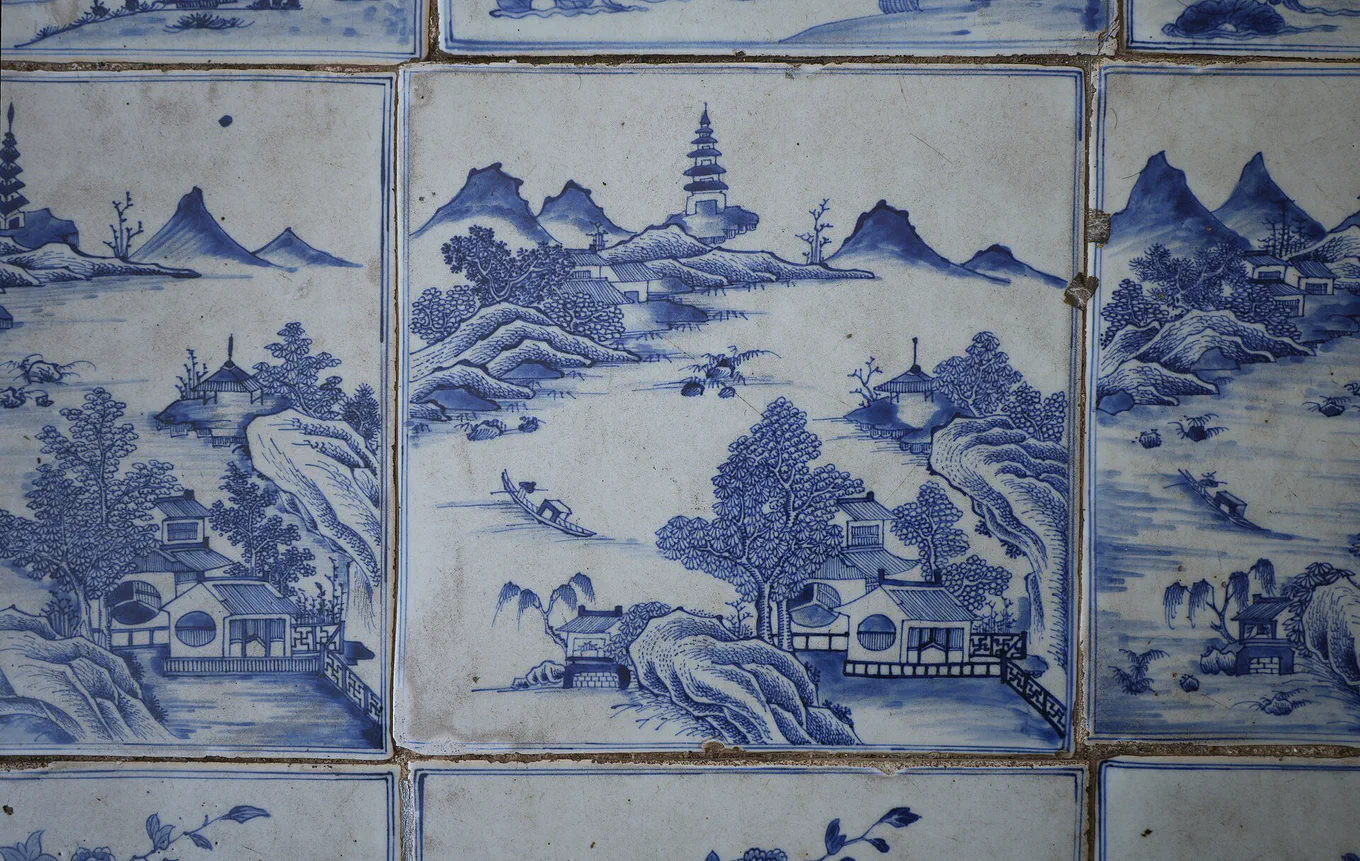
3 Ezekiel Rahabi’s Canton tiles in the Paradesi Synagogue, Jew Town
Stand here. The Paradesi Synagogue, in Jew Town, Mattancherry. It shares a wall with the temple of Mattancherry Palace next door.
The Raja of Kochi gave the Paradesi Jews land beside his palace temple, and they built their synagogue there. In 1662, the Portuguese sacked Jew Town and destroyed the synagogue. Two years later, under the Dutch, it rose again. A century later, Ezekiel Rahabi, the Dutch East India Company’s principal merchant, built a clock tower beside it whose faces carry Malayalam numerals towards the palace and Hebrew towards the synagogue. He also brought hand-painted blue tiles from Canton for its floor, about 1,100 of them, no two alike.
4 Two artists bring a Venice-style biennale to Kochi
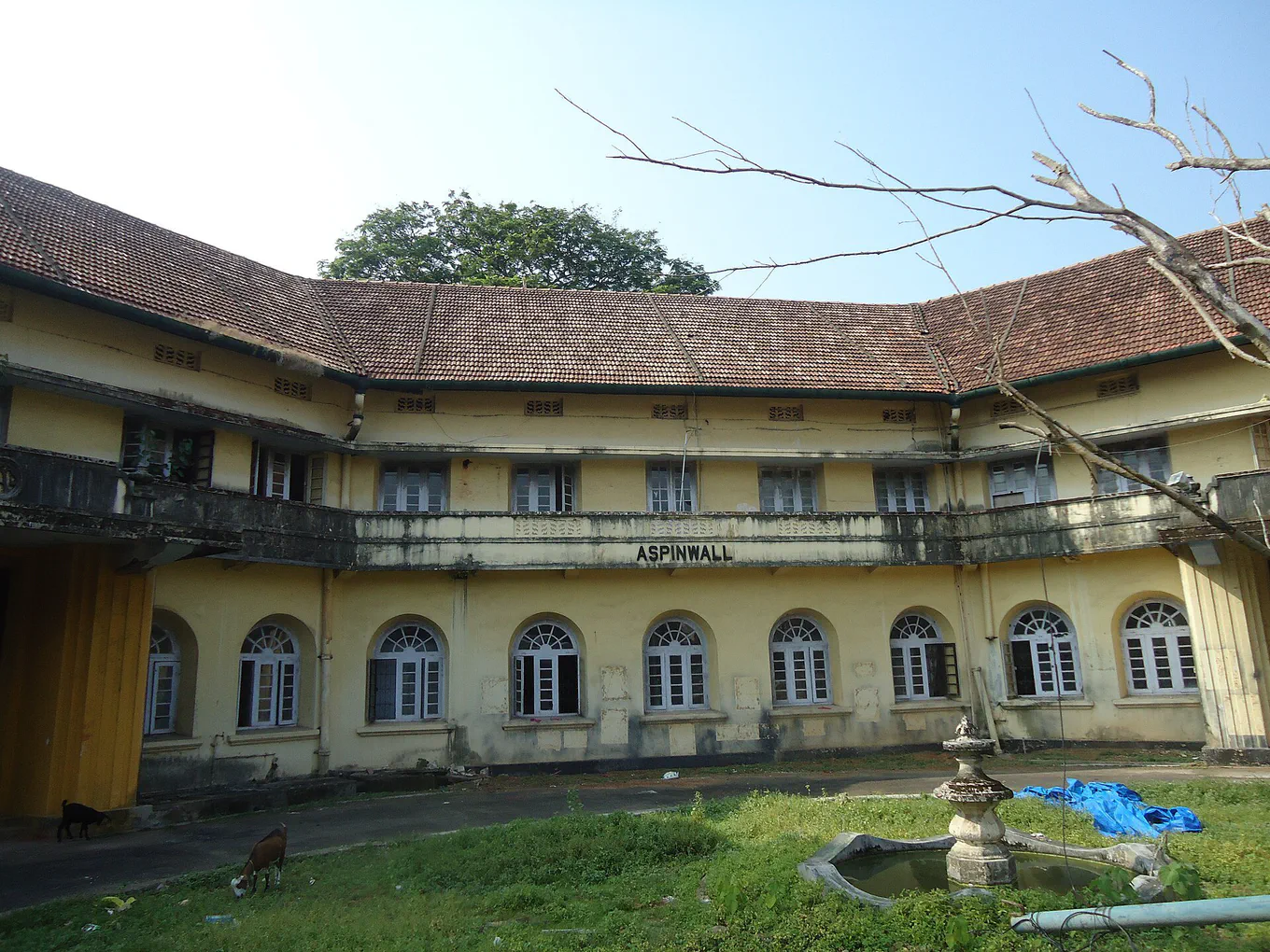
Stand here. Aspinwall House, one of the main venues of the Kochi-Muziris Biennale.
Kochi’s biennale was modelled on the Venice Biennale. Kerala’s culture minister asked two Mumbai-based artists from the state, Bose Krishnamachari and Riyas Komu, for an international art project, and since India had no international platform for contemporary art, they proposed a biennale. The first opened on 12 December 2012, across 13 revived heritage sites. But for the second, the state cut its money by two-thirds, and the organisers turned to sponsors and crowdfunding. Later, the Biennale was promised ₹7.5 crore, the most an Indian state government had ever given.
5 How Cochin International Airport turned to the sun
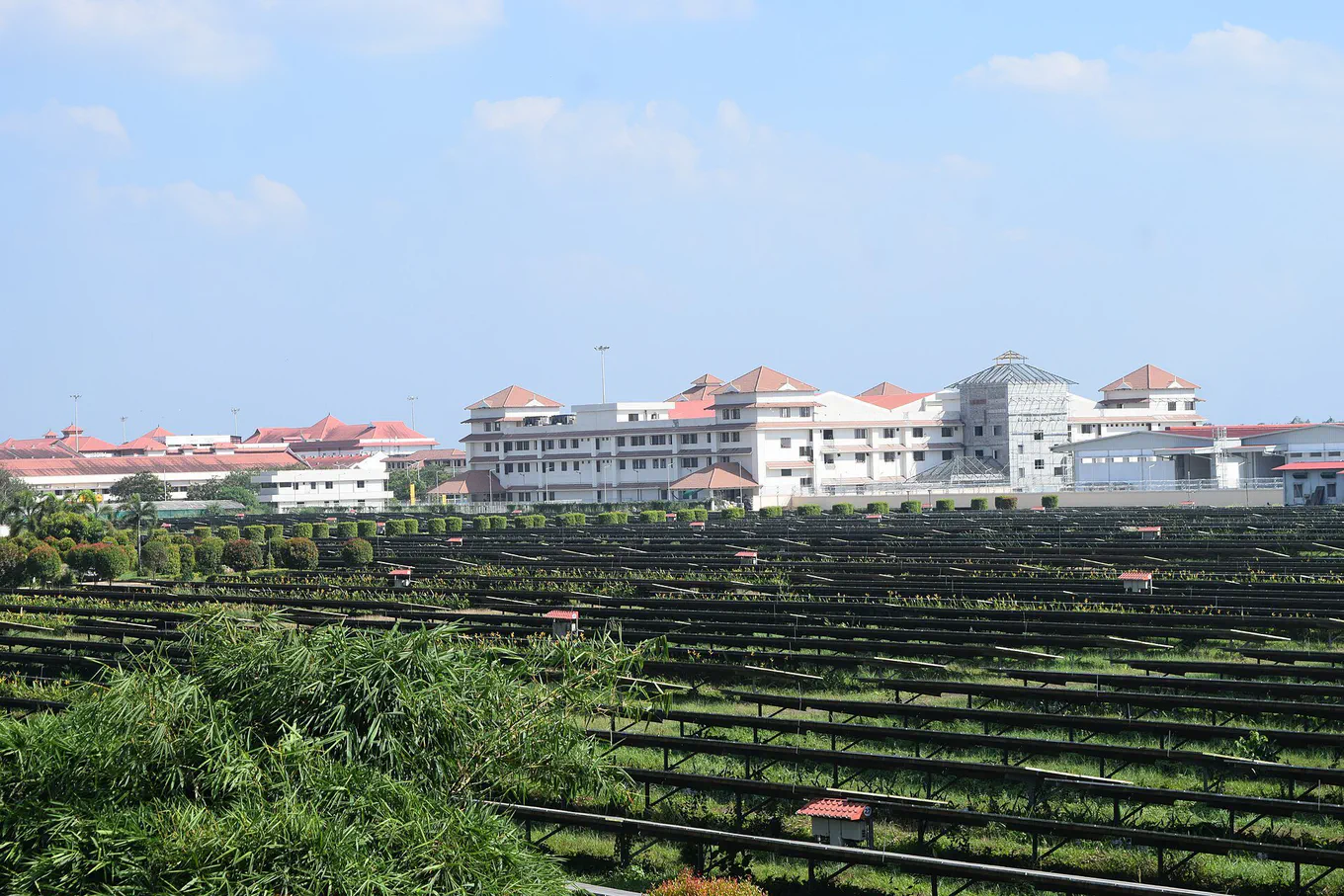
Stand here. Cochin International Airport, at Nedumbassery, about 25 km north-east of the city centre, built with money from nearly 10,000 Indians living abroad.
When the state electricity board raised Cochin International Airport’s power tariff from 4 rupees a unit to 7, the airport turned to solar to save money. V. J. Kurian, the airport’s mastermind, insisted on the first solar project in 2012. In 2013, a trial of panels on the roof of the international arrivals terminal began working, and it ran without a glitch. Land kept for cargo expansion went to panels instead. Not many imagined how far it would go. In 2015, Cochin became the world’s first fully solar-powered airport.
Pack nothing. Leave Friday.
Every Friday, I write a free letter, Journey, that takes us on a trip through places, stories, and ideas.
Litanies of Dutch Battery(N. S. Madhavan, 2003). A novel set between 1951 and 1967 on an imaginary island in the Kochi backwaters, named after a 17th-century Dutch battery of five cannons.
Cochin Saga(Robert Bristow, 1959). A first-hand account by the British harbour engineer regarded as the architect of modern Kochi port, recording events there from 1920 to 1941.
Ruby of Cochin(Ruby Daniel, 1995). A memoir. Ruby Daniel, born in Kochi, writes about the city’s Jews, including their marriage customs and her experience in India’s armed forces as a Jewish woman.
Films to watch before you visit Kochi
Chotta Mumbai(Anwar Rasheed, 2007). A film. Mohanlal plays a small-time gang leader in Fort Kochi named Vasco da Gama, and the climax comes during the Cochin Carnival.
Annayum Rasoolum(Rajeev Ravi, 2013). A film. Its hero, Rasool, is a tourist-taxi driver from Mattancherry, and it was shot in Fort Kochi and on Vypin Island.
Kammatipaadam(Rajeev Ravi, 2016). A film. Set in Kammattippaadam, a slum in Kochi, it shows how the modern city grew over the plight of the Dalits.
Ee.Ma.Yau.(Lijo Jose Pellissery, 2018). A satirical film set in Chellanam, a coastal fishing village in Kochi.
Kumbalangi Nights(Madhu C. Narayanan, 2019). A film. Four brothers and their strained relationship, in the fishing village of Kumbalangi in Kochi.
Questions
Can you see Vasco da Gama’s tomb in Kochi?
Yes. His tombstone is on the south-east side of the nave floor in St Francis Church, Fort Kochi, but the grave is empty. His remains were taken to Portugal fourteen years after his death in 1524, and he now lies in Lisbon’s Jerónimos Monastery. Another slab in the church, the grave of Vasco Fernandes Pimentel, a later Governor of Cochin, was once pointed out as da Gama’s because it bore the name Vasco.
Why is Mattancherry Palace called the Dutch Palace?
Because the Dutch renovated it. The Portuguese built it around 1545 as a present for King Veera Kerala Verma of Kochi, to appease him after they plundered a temple nearby, and the Dutch took over Mattancherry in 1663. The rulers of Kochi held ceremonies such as coronations there, and murals in the royal bedchamber tell the whole Ramayana.
Where did Kochi’s Chinese fishing nets come from?
The nets on the Fort Kochi waterfront are believed to have been introduced by Chinese traders in the early 14th century. Each one is worked by a team of up to six fishermen, and it is balanced so finely that the weight of a man walking along the main beam is enough to lower the net into the sea.