Kuala Lumpur, Malaysia, Federal Territory of Kuala Lumpur, Asia
Kuala Lumpur, the capital of Malaysia, stands where the Klang and Gombak rivers meet. The official account dates it to 1857, when Chinese miners were sent upriver to open tin mines. Its stories are a film heist at the Petronas Towers, a tin chief who kept rebuilding the town, an architect missing from a foundation stone, a running club that spread worldwide, and a stadium built for independence.
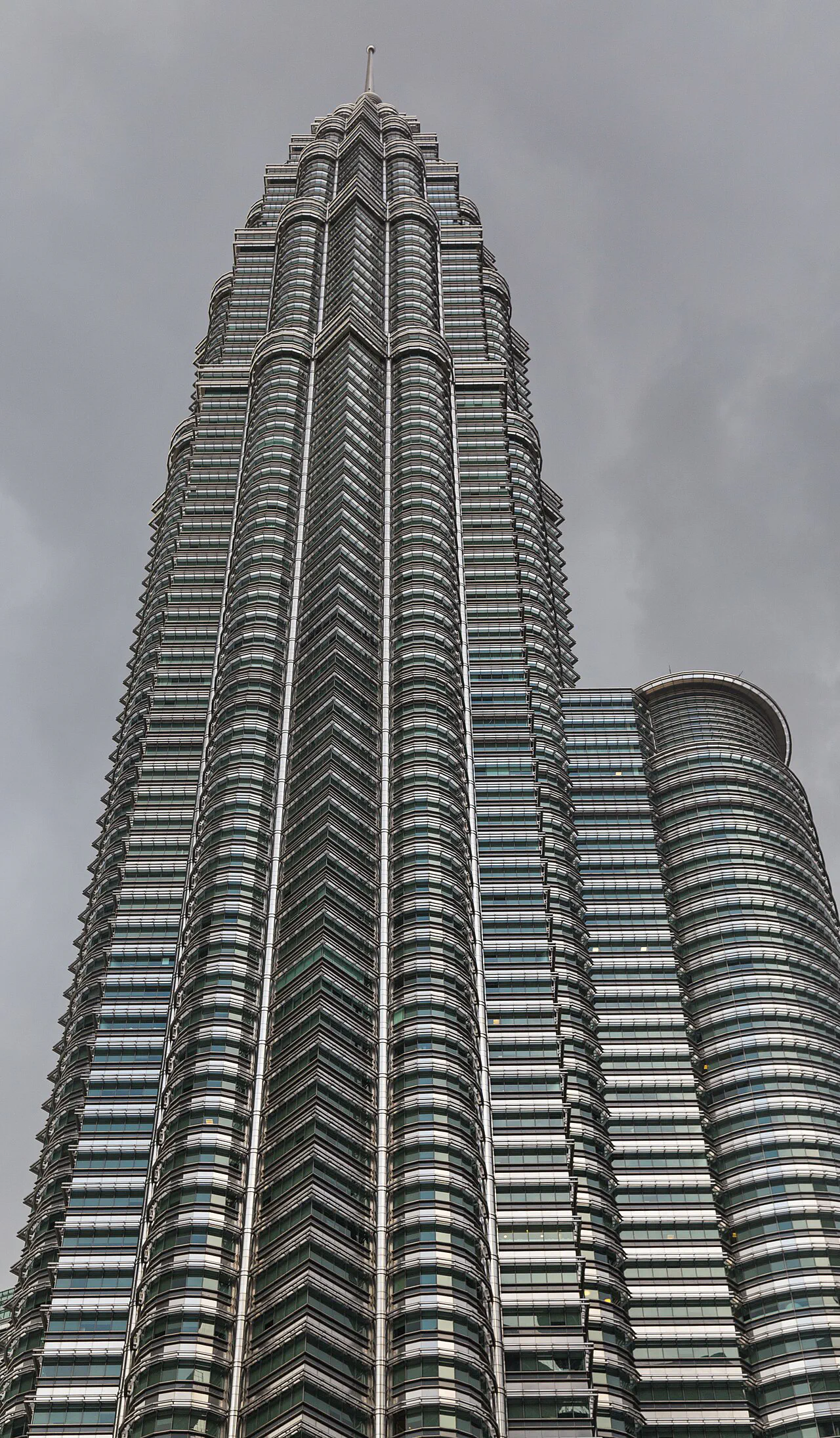
In Entrapment, Sean Connery’s thief and Catherine Zeta-Jones’s insurance investigator break into a bank inside the Petronas Towers at midnight on the millennium New Year’s Eve, during a thirty-second computer shutdown. Malaysia’s government had helped the shoot with visas, customs, and security, hoping to sell the country as a film location. But when the film opened in June 1999, Prime Minister Mahathir Mohamad accused it of presenting a distorted image of Malaysia. The film had spliced the towers with slums from Malacca. That August, Mahathir opened the towers himself.
2 Yap Ah Loy, the tin chief who kept rebuilding Kuala Lumpur
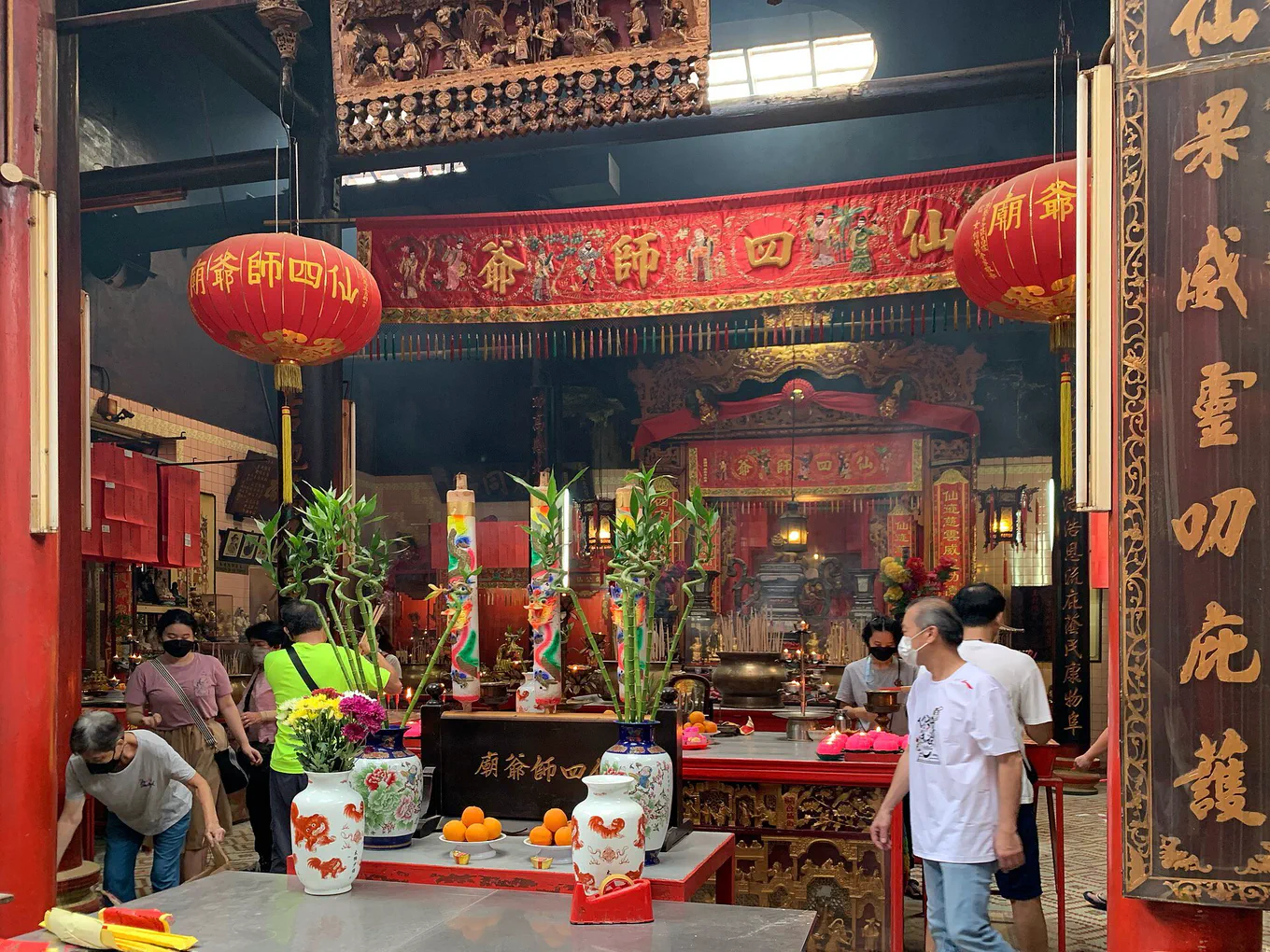
Stand here. The Sin Sze Si Ya Temple, at 14A Lebuh Pudu near Central Market, is the city’s oldest Taoist temple.
Yap Ah Loy came from a poor village in southern China to become Kapitan China, or Chinese headman, of Kuala Lumpur. In 1872, during the Selangor Civil War, his enemies captured the town and burnt it to the ground. Yap fled, his side won it back the next year, and he rebuilt it. In 1881, fire and then flood destroyed it again, and he rebuilt it again. He built a temple for two gods he believed had guided him through the war. One of them had been his own general.
3 The Sultan Abdul Samad Building and its uncredited architect
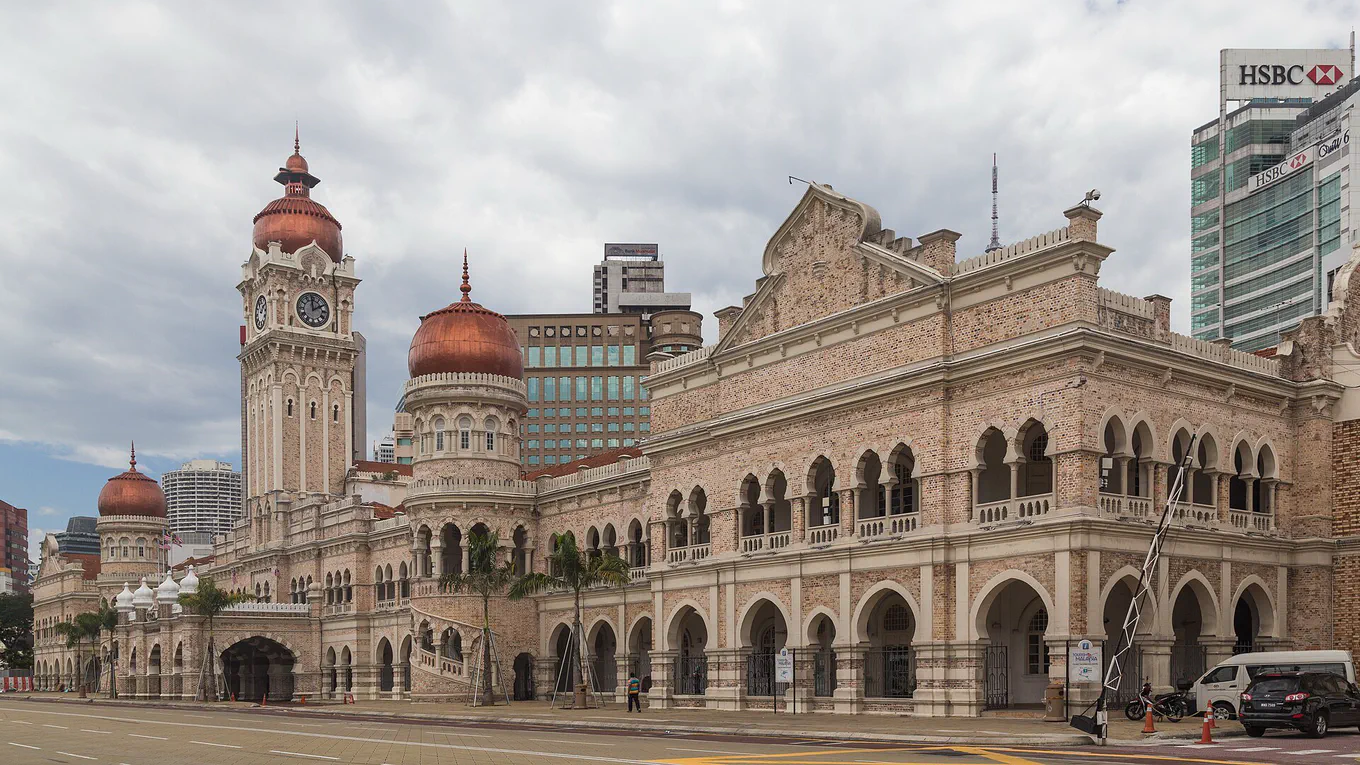
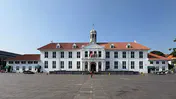
Stand here. The Sultan Abdul Samad Building, on Jalan Raja facing Merdeka Square. Restored, its first block reopened in February 2026 with galleries, exhibition spaces, and cafés.
The building’s clock tower was designed to echo Big Ben, and it first chimed for Queen Victoria’s Jubilee in June 1897. A state engineer had wanted government offices down on the plain by the river, to spare the public the climb up the hill. A. C. Norman and his assistant, R. A. J. Bidwell, drew a Classical Renaissance design. The engineer disliked it, and Bidwell reworked it in the Moorish style, with copper-clad onion domes, that the building wears today. But only Norman’s name is on the foundation stone.
4 How the Hash House Harriers began at the Selangor Club
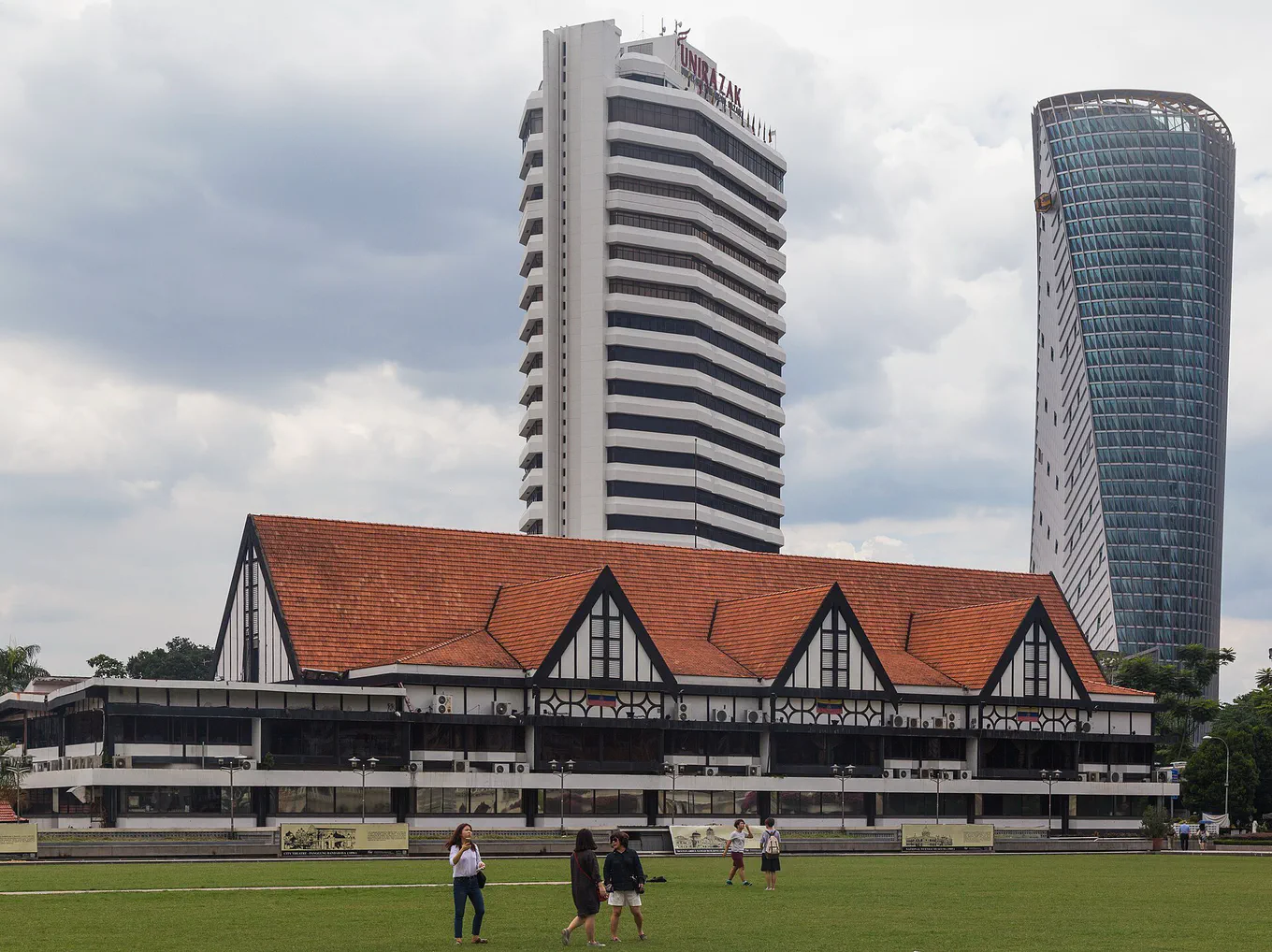
Stand here. The Royal Selangor Club, a mock-Tudor club beside Merdeka Square. Its main section burned in 1970 and was rebuilt in the same style.
Hashing, the running game played by more than a thousand clubs worldwide, began in Kuala Lumpur in December 1938. British expatriates met on Friday evenings to play hare and hounds, following a trail of cut paper. A. S. Gispert named the group after the Selangor Club Annex, the “Hash House”, where several lived and ate. Hash was slang for bad food. The war stopped the runs, and Gispert was killed when Japan invaded Singapore. Several founders started again in 1946. Many chapters still hold a Gispert Memorial Run every year.
5 Tunku Abdul Rahman and the seven shouts at Stadium Merdeka
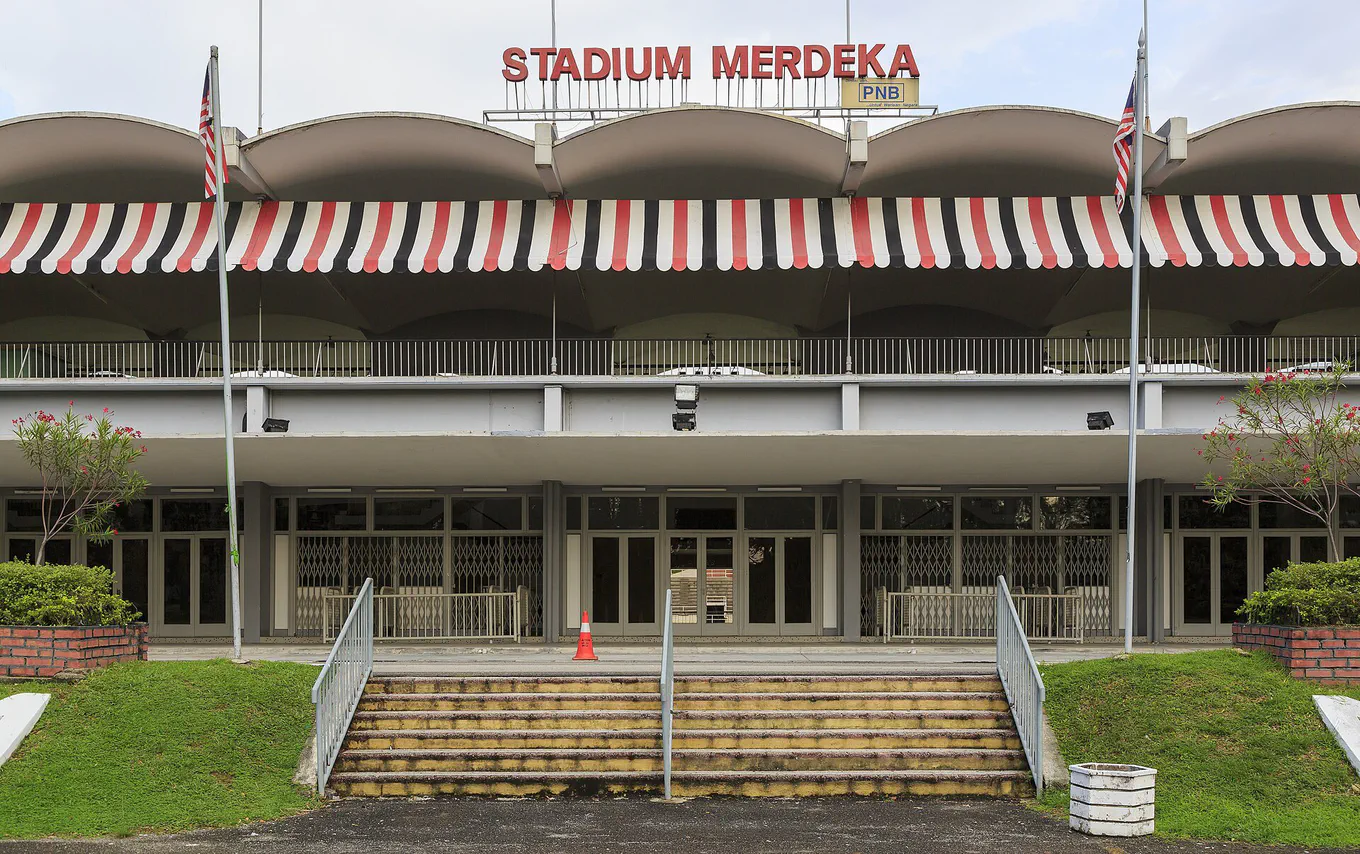
Stand here. Stadium Merdeka, or Independence Stadium, a national heritage building since 2003.
Malaya’s independence was declared here on 31 August 1957. Tunku Abdul Rahman, a prince of Kedah who became the first prime minister, had chosen the site and insisted on building a stadium for the day. Before more than 20,000 people, the Queen’s representative handed him the instrument of independence, the declaration was read, and the stadium chanted “Merdeka!” seven times. Later, the stadium and its land were given to a developer for an RM1 billion complex. Public outcry stopped it.
Pack nothing. Leave Friday.
Every Friday, I write a free letter, Journey, that takes us on a trip through places, stories, and ideas.
The Weight of Our Sky(Hanna Alkaf, 2019). Historical fiction for teenagers, set in Kuala Lumpur. Sixteen-year-old Melati Ahmad, who has obsessive-compulsive disorder, searches for her mother during the race riots of 1969.
Once We Were There(Bernice Chauly, 2017). A novel set in Kuala Lumpur at the height of the 1990s Reformasi era, following Del, a magazine journalist swept up in the rallies and protests.
We, the Survivors(Tash Aw, 2019). A novel of broken family life set between Kuala Lumpur and the provinces. Ah Hock rises to manage a fish farm, then is convicted of murder.
Films to watch before you visit Kuala Lumpur
Kabali(Pa. Ranjith, 2016). A Tamil-language action drama film. A Kuala Lumpur crime boss walks free after 25 years in prison; major portions were shot at the Kuala Lumpur Convention Centre.
Snow in Midsummer(Chong Keat Aun, 2023). A Malaysian historical drama film set in Kuala Lumpur. Ah Eng and her mother lose contact with her father and brother amid the riots of 13 May 1969.
Entrapment(Jon Amiel, 1999). A heist film. Its final heist takes place in Kuala Lumpur’s Petronas Twin Towers, and it was partly filmed there and at Bukit Jalil LRT station.
Questions
Can you walk across the Petronas Towers skybridge?
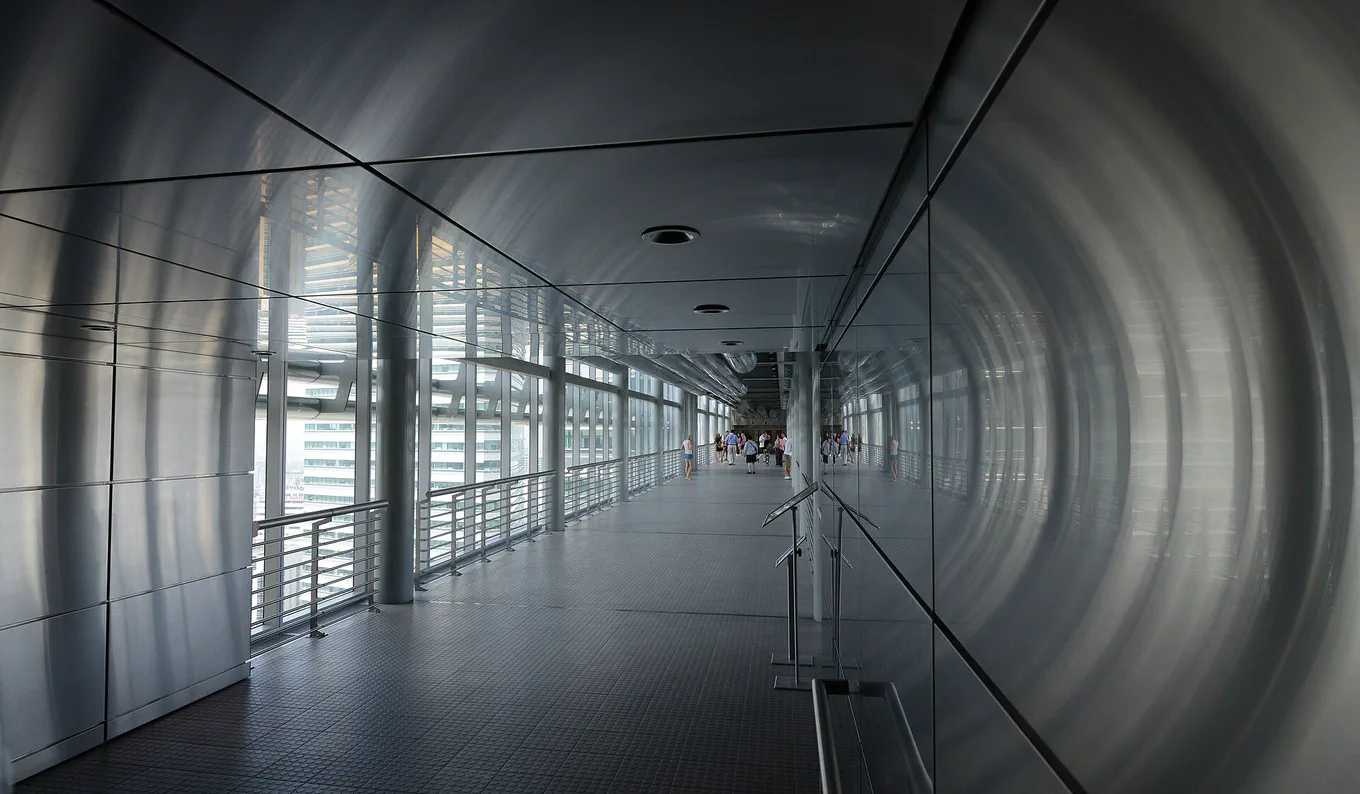
Yes. The skybridge joins the towers at the 41st and 42nd floors, 170 metres up, and visitors cross on the 41st. An observation deck sits higher still, on Level 86.
What does Kuala Lumpur mean?
It means “muddy confluence” in Malay. A kuala is the point where two rivers join, and the city stands where the Klang and Gombak meet. Some have argued it should really be Kuala Gombak, or that it began as Pengkalan Lumpur, “muddy landing place”, but there is no firm evidence for either.
Is Kuala Lumpur still the capital of Malaysia?
Yes. In 2001, Putrajaya was declared a federal territory and the seat of the federal government, and the government’s administrative and judicial work moved there. Kuala Lumpur kept its legislative role and remains the capital.