Two of his band quit, the studio was half built, and he was robbed at knifepoint. But… Paul McCartney still made Band on the Run. Then again, if you’ve seen the video of him coming up with Get Back, that may not surprise you.
— Nick
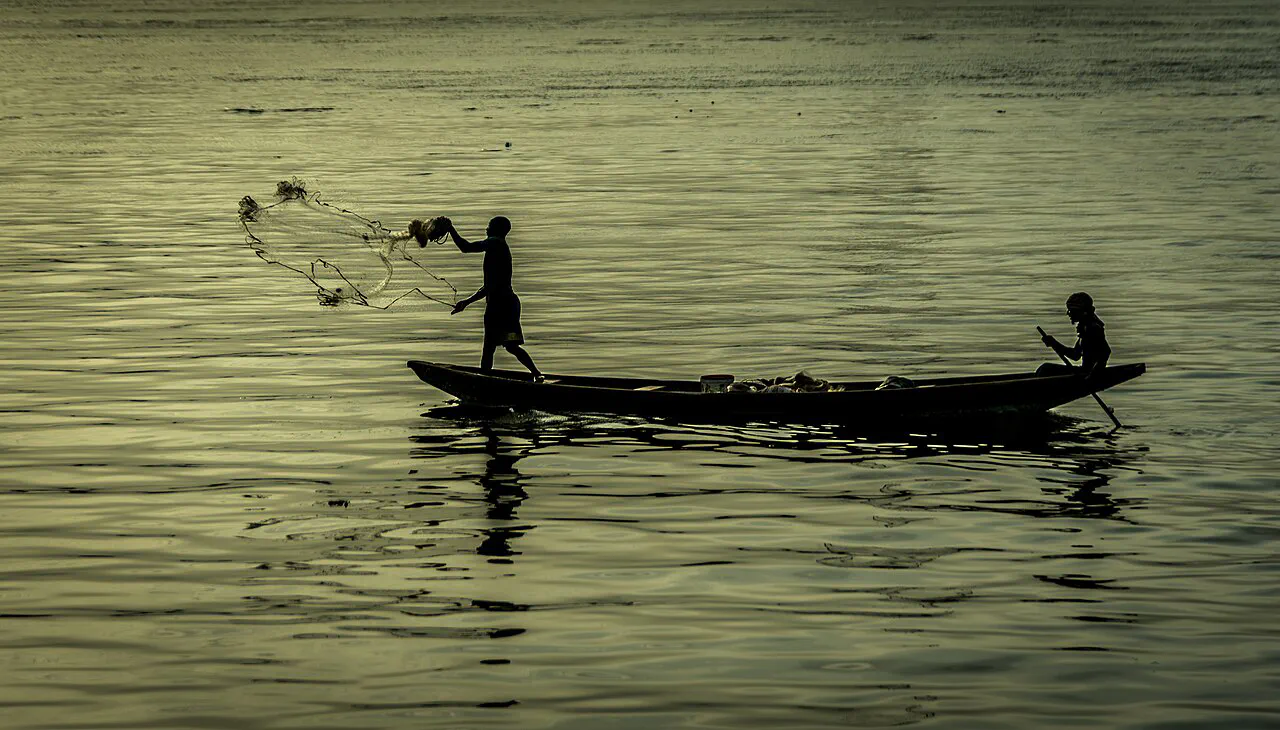
Creeks cut the land at the mouth of Lagos Lagoon, where the port city of Lagos stands in south-western Nigeria. Britain annexed it in 1861, it was Nigeria’s capital until 1991, and it is the most populous urban area in Africa. Paul McCartney’s stolen lyrics come with an enslaved Yoruba man who became a bishop, a mask the British Museum kept, a freed man’s well, and a banished trader.
Stand here. 7 Wharf Road, in Apapa, where EMI had its studio.
Paul McCartney came to Lagos in 1973 to record Band on the Run. He had chosen it from EMI’s list of studios abroad, picturing days on the beach and nights recording. Then two members of his band, Wings, quit before the flight, and the studio, he said, was only half built. Walking out one night against advice, the McCartneys were robbed at knifepoint of a bag holding his notebook of lyrics and the demo tapes. As he put it, “It meant I had to remember the album.”
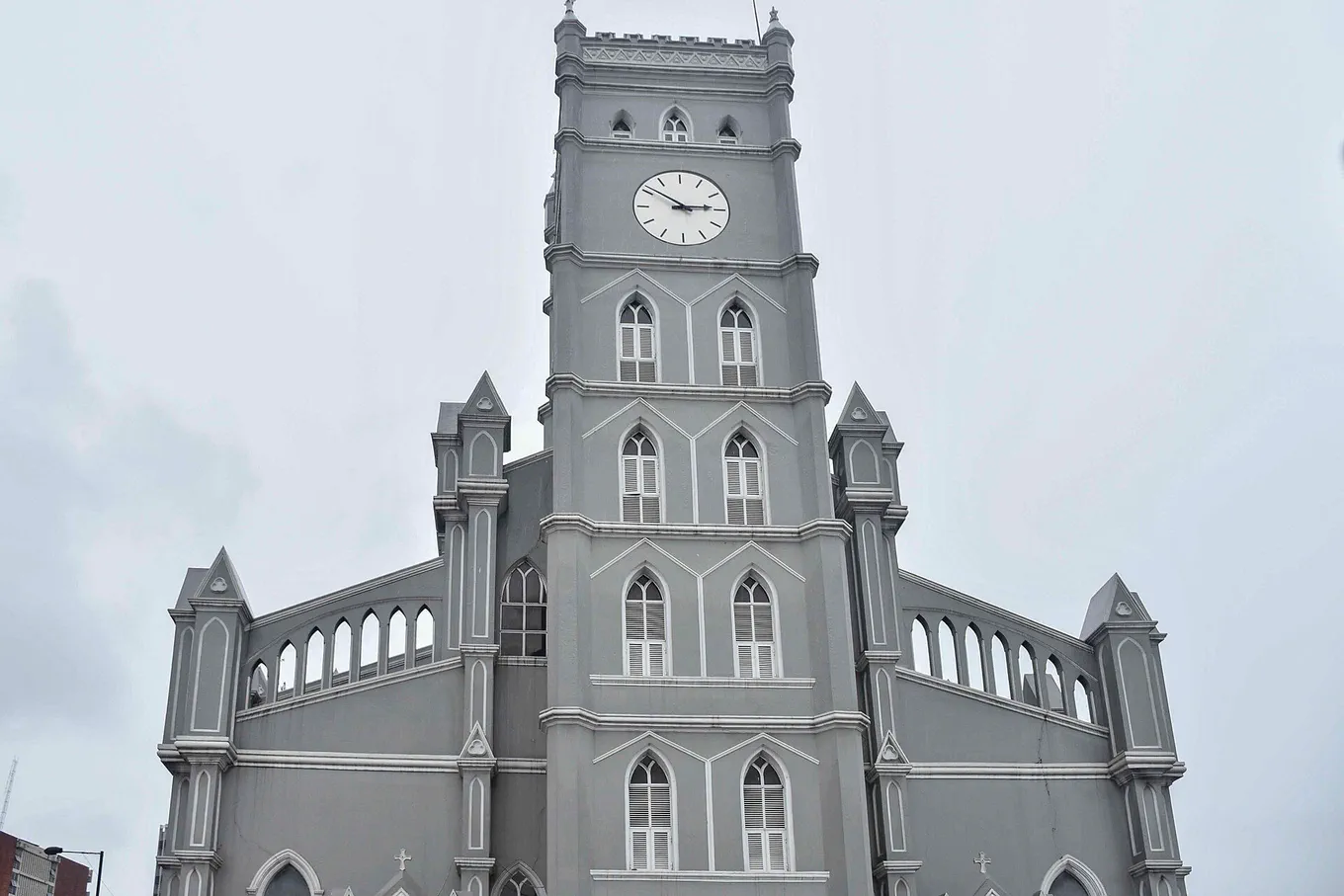
In 1864, Samuel Ajayi Crowther became the first African bishop of the Anglican Church, in a packed Canterbury Cathedral. In 1821, he had been seized with his whole village by slave raiders, sold to Portuguese traders, and freed by the Royal Navy. Years later, in Abeokuta, he learned that his mother was alive in a nearby village. He wrote of their meeting, “We could not say much, but sat still, casting many an affectionate look towards each other.”
3 FESTAC 77 and the mask the British Museum kept
Stand here. The National Theatre at Iganmu, Surulere, built for FESTAC in the shape of a military hat. It reopened in 2025 as the Wole Soyinka Centre.
For FESTAC, its 1977 festival of arts and culture, Nigeria asked the British Museum for its Queen Idia mask. The ivory portrait of Benin’s first queen mother, probably from the early 1500s, was looted by the British. The museum refused, saying it could not give up the mask and it was too fragile to lend. The king of Benin is said to have told officials that Benin’s forefathers made the first bronzes, and they would do it again. Erhabor Emokpae, an Edo artist, remade the mask in bronze, twenty feet tall.
4 The Water House on Kakawa Street, Lagos Island
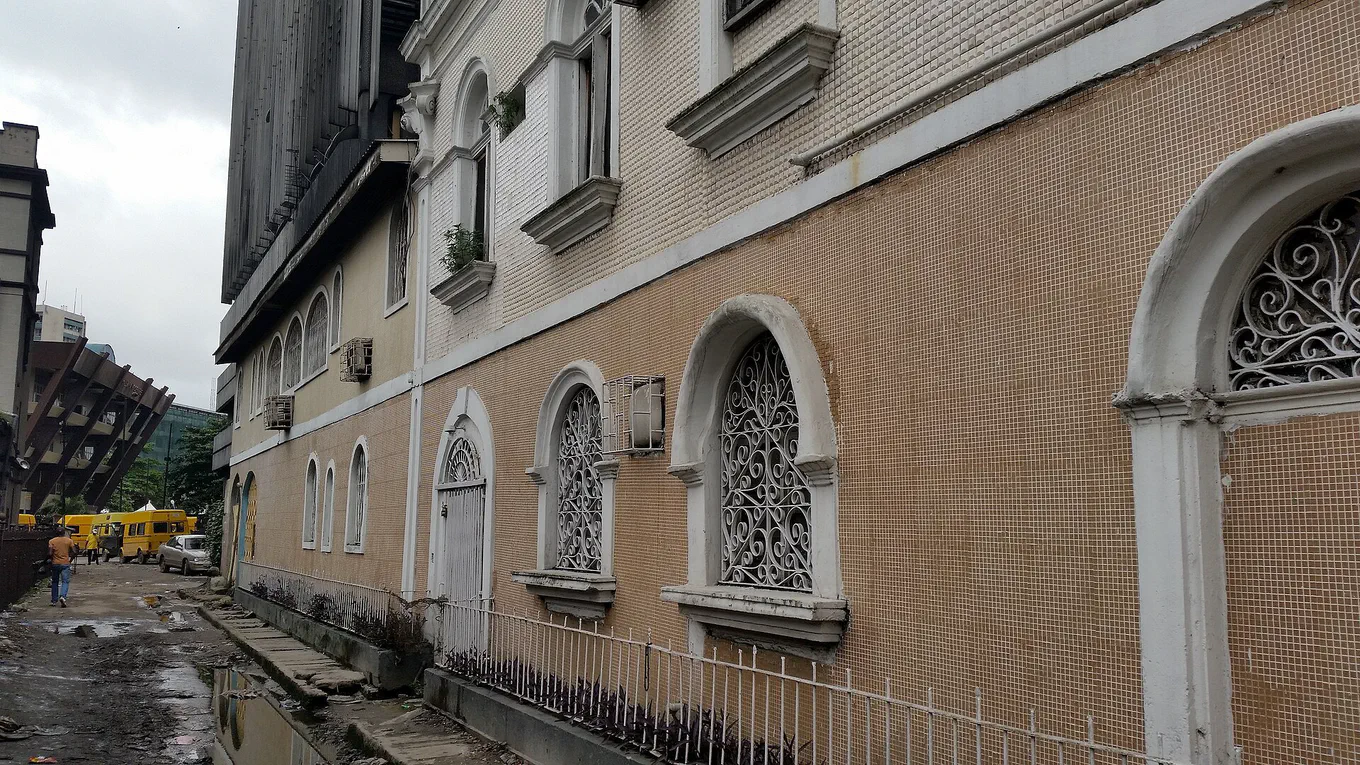
Stand here. The Water House, Kakawa Street, in the Brazilian Quarter of Lagos Island, one of Nigeria’s few surviving Brazilian-style homes.
Captured at about ten, João Esan da Rocha was sold into slavery and taken to Brazil. Freed there, he returned to Lagos in the 1870s and was granted land on Kakawa Street. He built a house, dug a well in the backyard, and sold some of the water to Lagosians. The well gave the Water House its name, and his son Candido, born in Bahia, became known as the “first water millionaire”. Today the well sits unused in the yard.
5 Madam Tinubu, banished from Lagos, back on her square
Stand here. Tinubu Square, on Lagos Island, once called Independence Square. It is iron-fenced, with two fountains, flowers, and tropical trees.
When Dosunmu became oba, or king, of Lagos, the trader Efunroye Tinubu backed him. She also kept trading in slaves, in secret, with Brazilian and European merchants. In 1856, the British consul pressed Dosunmu to banish her, and the man she had backed sent her away to Abeokuta. There her part in a war earned her the chieftaincy title of Iyalode of all Egbaland. Back in Lagos, the city that banished her has named a square after her, and her life-size statue stands in it.
Pack nothing. Leave Friday.
Every Friday, I write a free letter, Journey, that takes us on a trip through places, stories, and ideas.
GraceLand(Chris Abani, 2004). A novel. It is set in Maroko, a swampy settlement on Victoria Island that has since been demolished.
The Water House(Antônio Olinto, 1969). A novel. A family returning from Brazil is given rough shelter in the Brazilian Quarter of Lagos. It echoes the da Rocha story.
Everything Good Will Come(Sefi Atta, 2005). A novel. It takes in the Ikoyi waterfront and the sights and smells of Sandgrouse Market.
Lagos: A Cultural and Historical Companion(Kaye Whiteman, 2012). A history. It calls a visit to the National Arts Theatre, at Iganmu, “a sobering exercise”.
Films to watch before you visit Lagos
Welcome to Lagos(BBC Two, 2010). A documentary series in three parts. It meets people living on the Olusosun rubbish dump and in Makoko.
Eyimofe (This Is My Desire)(Arie and Chuko Esiri, 2020). A film. It was shot on location in Lagos, from an apartment in Mushin to Lekki and Ikoyi.
Questions
Where did Paul McCartney record Band on the Run?
Mostly at EMI’s studio on Wharf Road in Apapa, Lagos, where the sessions began on 3 September 1973. The studio was poorly equipped, with a faulty control desk and a single eight-track tape machine. One track, “Picasso’s Last Words (Drink to Me)”, was recorded at Ginger Baker’s ARC studio.
Is the National Theatre in Lagos shaped like a hat?
Yes. Its exterior was designed to look like a military hat. A Bulgarian company built it at Iganmu, in Surulere, finishing in 1976, in time for the FESTAC festival of 1977. After a full renovation, it was reopened on 1 October 2025 as the Wole Soyinka Centre for Culture and Creative Arts.
Is Lagos still the capital of Nigeria?
No. Abuja officially replaced Lagos as Nigeria’s capital on 12 December 1991, although the decision to move had been made fifteen years earlier, in 1976. Lagos is still the country’s largest city, and the most populous urban area in Africa.