Leeds is where our son trained, at the Northern School of Contemporary Dance. At his graduation show, the principal told the dancers, ‘You haven’t come this far to only get this far.’ I’m fairly sure the line landed harder with the parents.
— Nick
Leeds is a city in West Yorkshire, England, built around the River Aire in the eastern foothills of the Pennines. Before the Industrial Revolution, it became a centre of the woollen cloth trade, and Queen Victoria made it a city in 1893. Its stories are a vanished film pioneer, a penny stall that became Marks & Spencer, soda water beside a brewery, Brian Clough’s 44 days, and The Who’s second-choice live album.
1 Louis Le Prince films Roundhay Garden Scene in Leeds
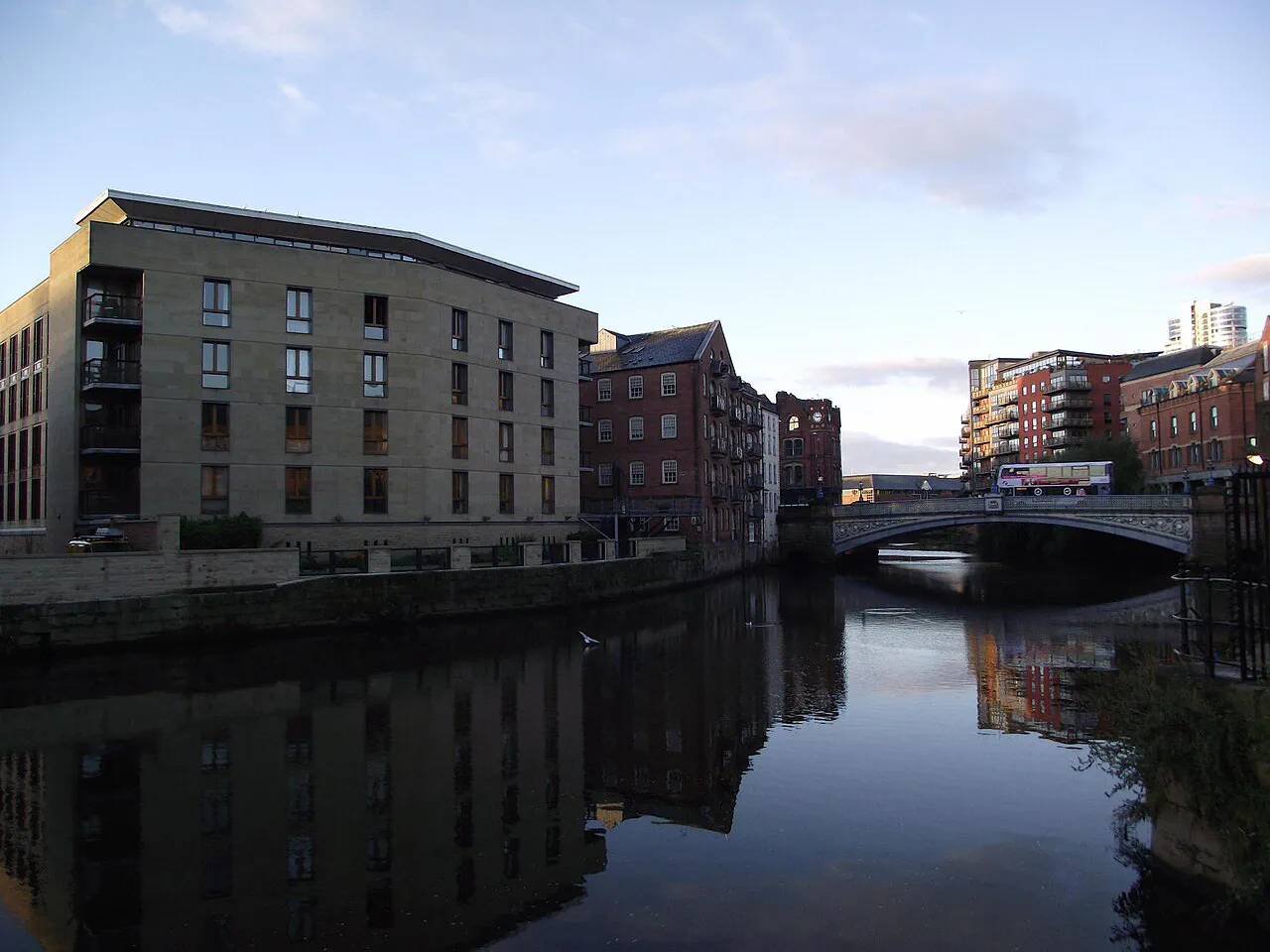
Stand here. The south-east corner of Leeds Bridge, where a Civic Trust plaque marks his filming spot. His in-laws’ Roundhay house was demolished in 1972.
What is believed to be the world’s oldest surviving film was shot in Leeds. On 14 October 1888, a French inventor, Louis Le Prince, pointed his single-lens camera at his in-laws walking in their Roundhay garden. From an upstairs window, he also filmed the traffic crossing Leeds Bridge. In September 1890, he planned to show his camera in America. He visited his brother in Dijon, then boarded a train for Paris. He never arrived. The French police, Scotland Yard, and his family searched, and nobody ever found him.
2 Michael Marks and the penny stall in Kirkgate Market
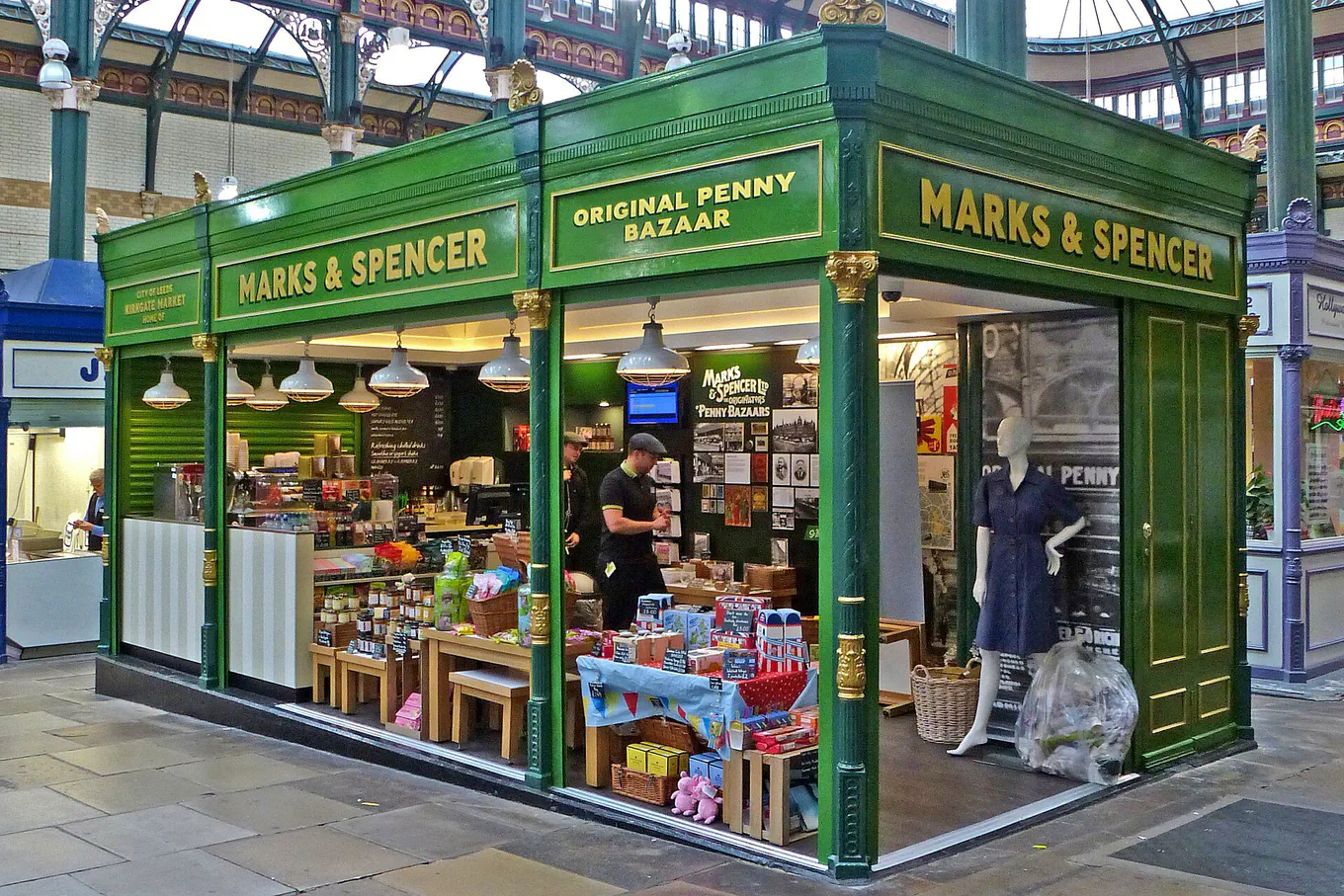
Stand here. The 1904 Hall of Kirkgate Market, where a clock bearing the Marks & Spencer name was unveiled for the centenary in 1984.
Marks & Spencer began on a market stall in Leeds. Michael Marks came from Slonim, in the Russian Empire, to escape anti-Semitism, speaking Yiddish and only a few words of English. In 1884, he opened his first Penny Bazaar outdoors at Kirkgate Market, under the slogan “Don’t ask the Price, It’s a Penny”. When he wanted a partner, the Yorkshireman he had met within days of arriving said no, and suggested his cashier. In 1894, that cashier, Thomas Spencer, put in his life savings, and Marks & Spencer was born.
3 Joseph Priestley invents soda water beside a Leeds brewery
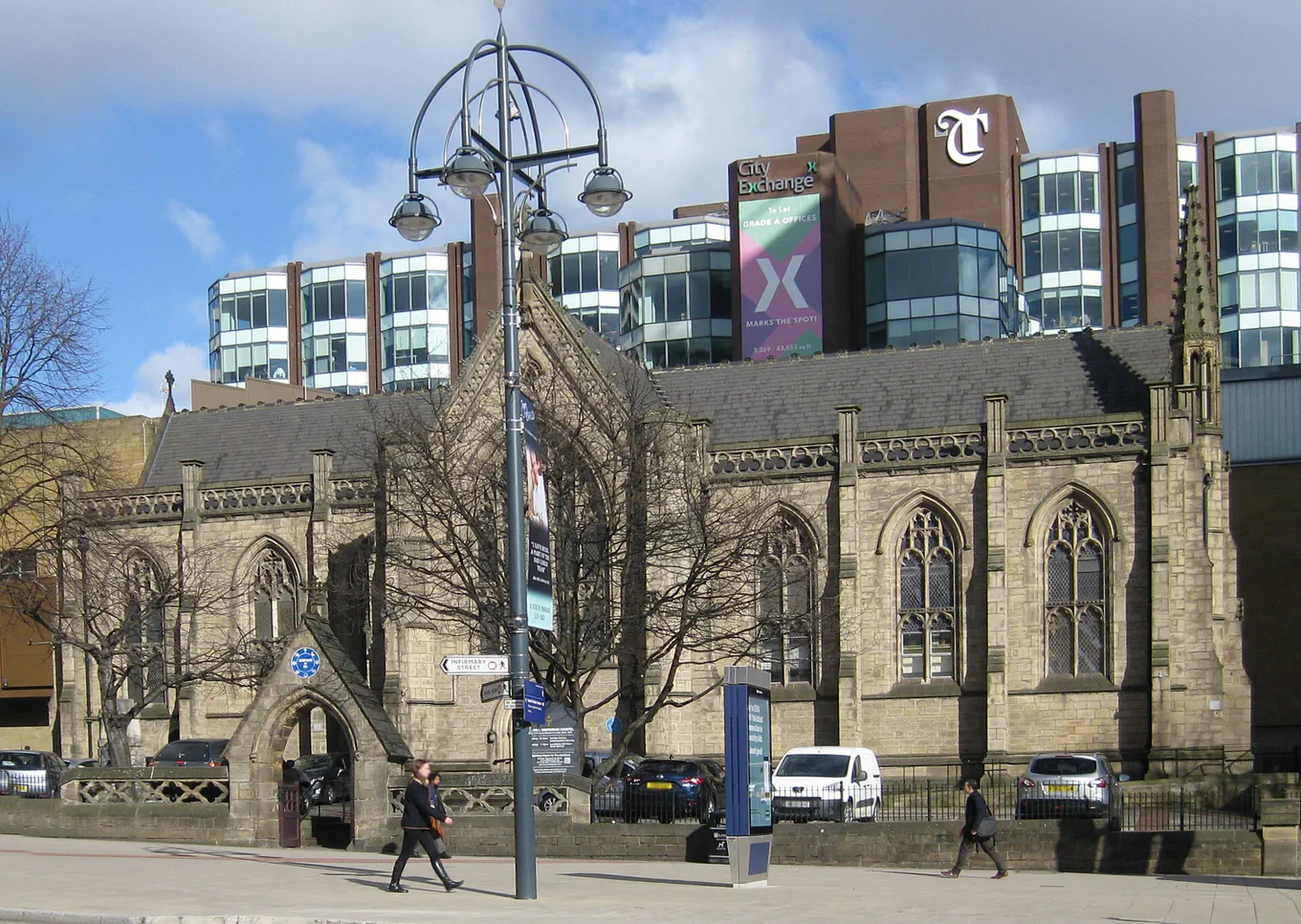
Stand here. Mill Hill Chapel on City Square, rebuilt on the same site from 1847 and still a Unitarian church. Priestley’s statue stands in the square.
Before Schweppes sold a single bottle, a Leeds minister had worked out how to make soda water. Joseph Priestley became minister of Mill Hill Chapel in 1767, and lived next to a brewery. The gas over fermenting beer, ‘fixed air’, was known to kill mice. Priestley hung a bowl of water above a beer vat, and the water took in the gas. He hoped it would cure scurvy, and gave Captain Cook’s crew the method. It didn’t. Schweppe made a fortune from soda water. Priestley made nothing.
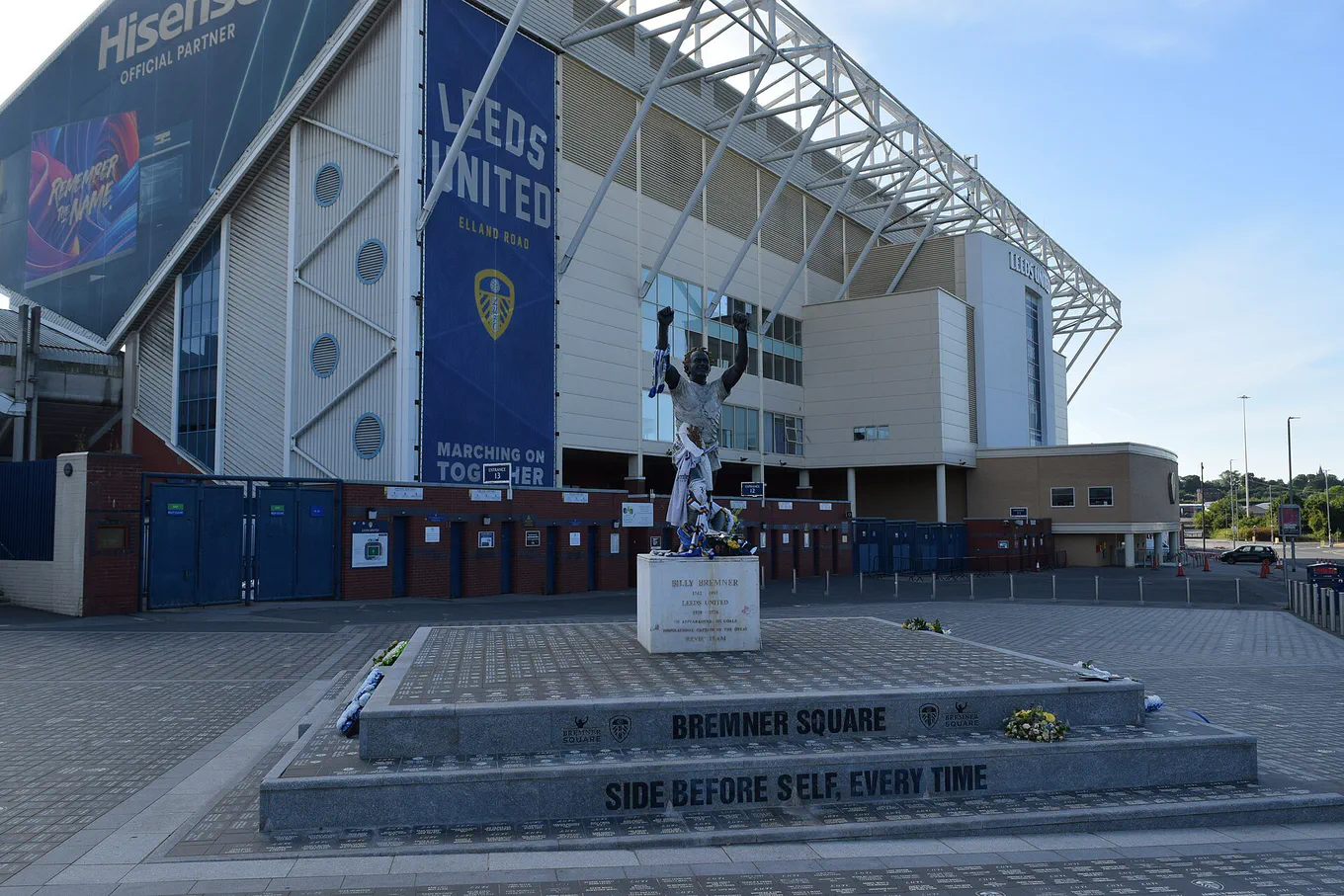
If you’ve seen The Damned United, with Michael Sheen as Brian Clough, you’ve seen older parts of Elland Road. In July 1974, Clough became manager of Leeds United, though he had publicly called Revie’s team “dirty” and “cheating”. At one of his first training sessions, he reportedly told the players they could throw their medals in the bin. The Leeds directors sacked him on 12 September. He had lasted 44 days.
5 The Who record Live at Leeds in the University Refectory
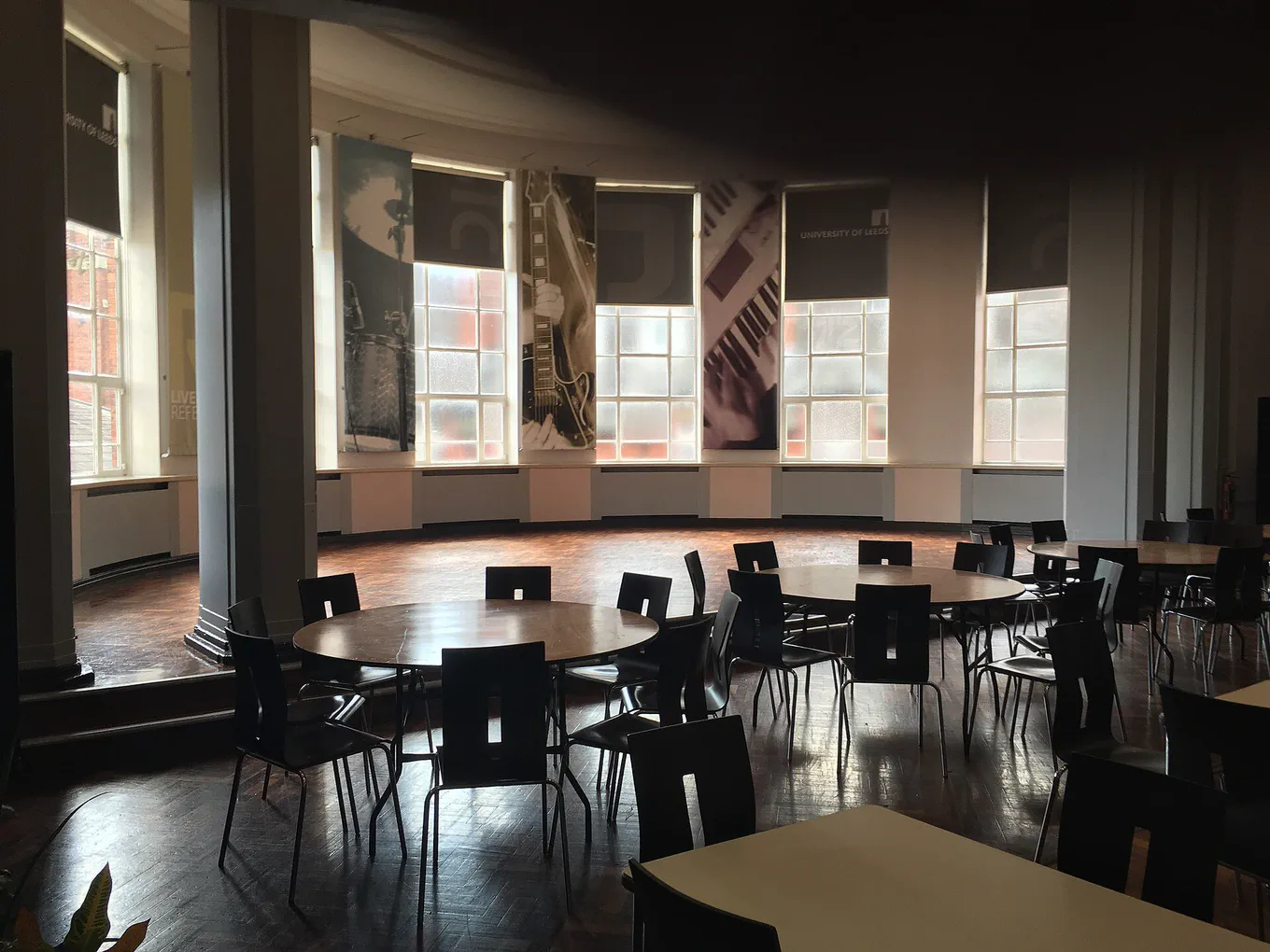
Stand here. The University of Leeds Refectory, on the main campus, still a canteen and music venue, with a blue plaque for Live at Leeds.
Live at Leeds by The Who was a second choice. The band came home at the end of 1969 wanting a live album from their American concerts. Pete Townshend balked at listening to all the recordings and, by one biographer’s account, told the sound engineer to burn them. So on 14 February 1970, the band recorded a show in the Refectory instead. Townshend later called the burning “one of the stupidest decisions of my life”. A New York Times critic called the result “the best live rock album ever made”.
Pack nothing. Leave Friday.
Every Friday, I write a free letter, Journey, that takes us on a trip through places, stories, and ideas.
A Woman of Substance(Barbara Taylor Bradford, 1979). A novel. After a year of working two jobs, its heroine, Emma, rents a shop in Armley.
Enjoy(Alan Bennett, 1980). A play about an elderly couple living in one of the last back-to-back houses in Leeds.
v.(Tony Harrison, 1985). A poem, set in Holbeck Cemetery in the Beeston area of Leeds.
Untold Stories(Alan Bennett, 2005). A memoir of his family and of growing up in Leeds.
Films to watch before you visit Leeds
The First Film(David Nicholas Wilkinson, 2015). A documentary about Louis Le Prince and the making of Roundhay Garden Scene in Leeds in 1888.
The Damned United(Tom Hooper, 2009). A film, with Michael Sheen as Brian Clough. Older parts of Elland Road were used in the filming.
Red Riding(Channel 4, 2009). Television films from David Peace’s novels. One meeting takes place at Millgarth Station in Leeds, and the Brudenell Social Club was a location.
Questions
Can you see where the world’s oldest surviving film was shot?
Only in part. Oakwood Grange in Roundhay, where Louis Le Prince filmed Roundhay Garden Scene in 1888, was demolished in 1972 and replaced with housing, but its garden walls survive at the end of Oakwood Grange Lane. His Leeds Bridge filming spot is marked by a plaque on the bridge’s south-east corner.
Where was The Who’s Live at Leeds recorded?
At the University of Leeds Refectory, on 14 February 1970. The Refectory is still a canteen and 2,100-capacity music venue on the main campus. A blue Civic Trust plaque marks the recording, and The Who came back to play there again in June 2006.
When did Leeds become a city?
Queen Victoria granted Leeds a city charter in 1893. Before the Industrial Revolution, it had already become a centre of the woollen cloth trade, and the Queen had opened its town hall, designed by Cuthbert Brodrick, back in 1858.