On our Peru trip, the guide kept coming back to the Incas’ three rules for everyone. Don’t lie. Don’t steal. Don’t be lazy. Imagine a world where those were the rules.
— Nick
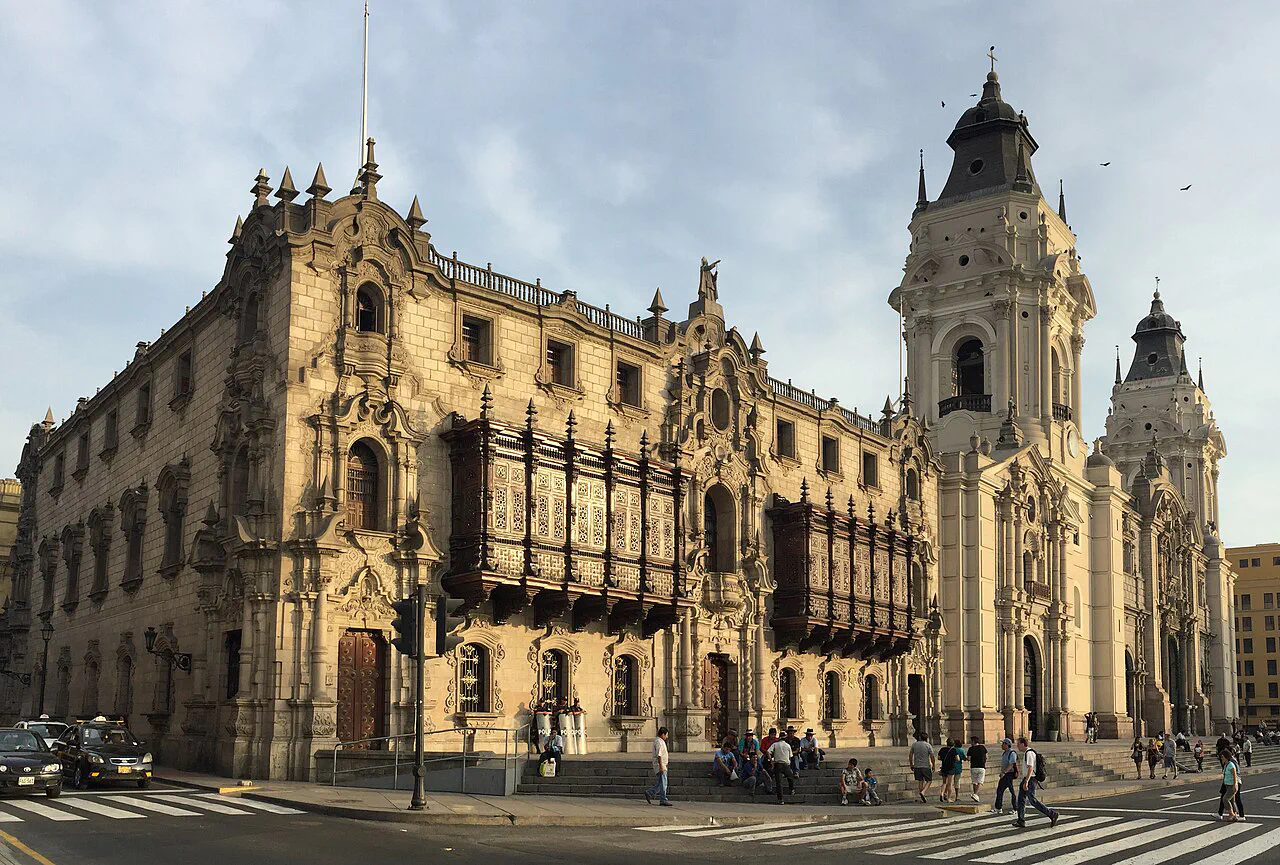
Lima is the capital and largest city of Peru, built in the valleys of three rivers on the desert coast, overlooking the Pacific. Francisco Pizarro founded it in 1535 as the City of Kings. Its stories here are Paddington’s Aunt Lucy, Pizarro’s murder and the body that wasn’t his, a saint’s well of letters, an actress and a viceroy, and the American credited with the pisco sour.
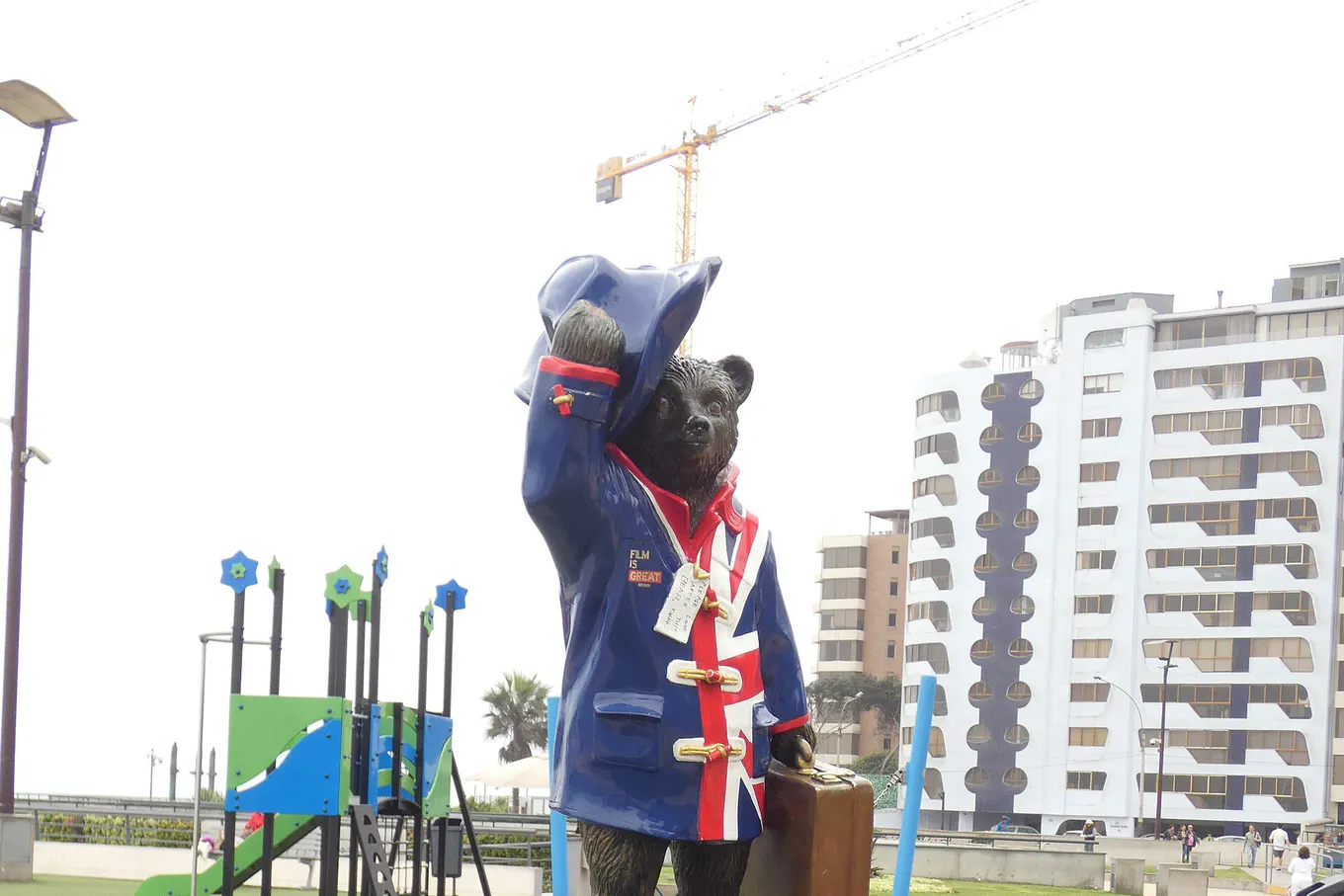
Paddington Bear was meant to come from darkest Africa. Michael Bond, whose first Paddington book came out in 1958, changed his mind when his agent told him there were no bears in Africa, so Paddington became a stowaway from darkest Peru, home of the spectacled bear. He turns up with a note on his coat: “Please look after this bear. Thank you.” His Aunt Lucy had sent him. She had been his guardian until she had to move into the Home for Retired Bears, in Lima.
2 Francisco Pizarro’s murder and the skull in Lima Cathedral
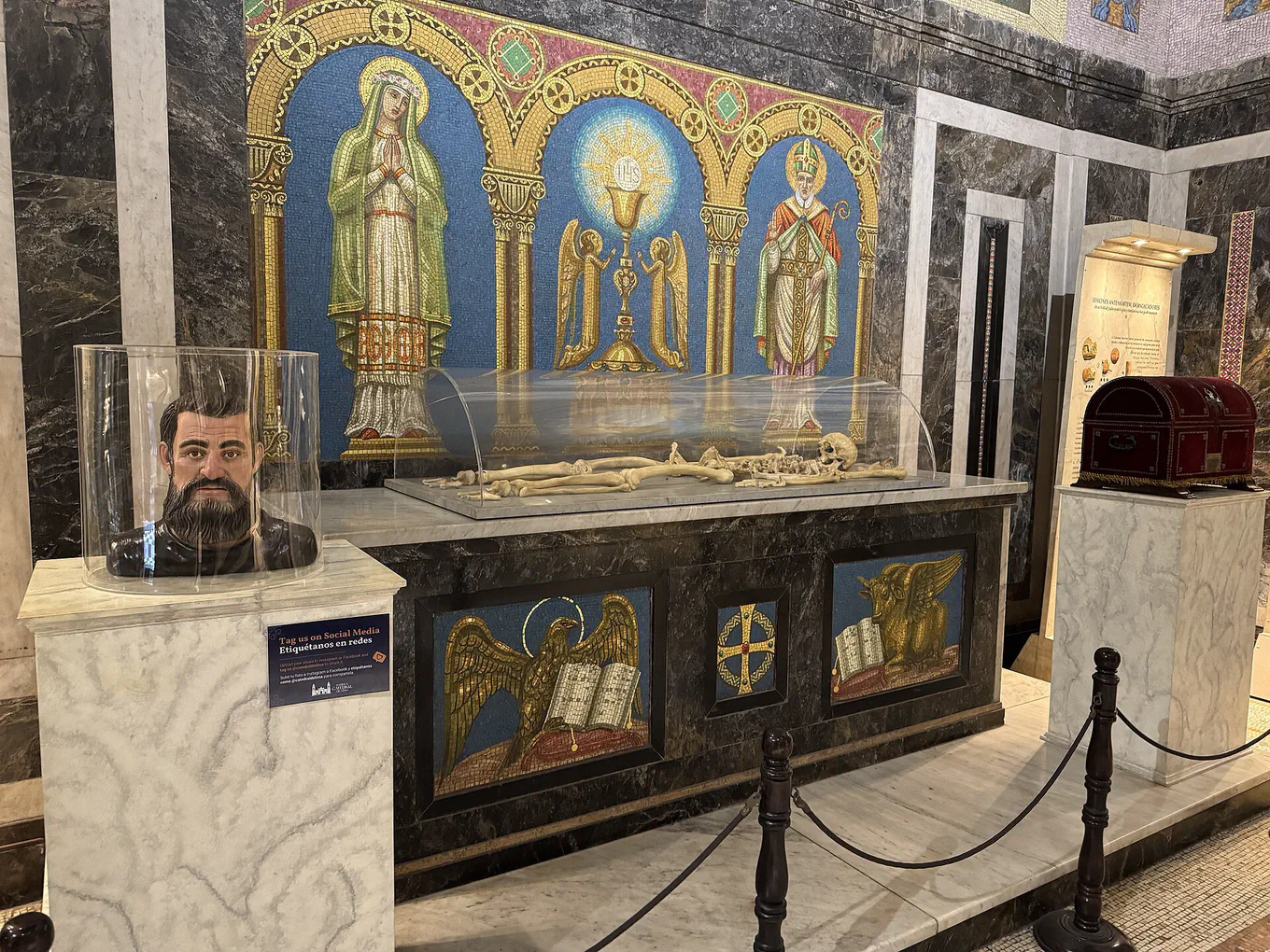
Stand here. Lima Cathedral, on the Plaza Mayor. Pizarro’s crypt is the first chapel in the right-hand nave as you come in.
Francisco Pizarro, conqueror of the Incas, was in his Lima palace on 26 June 1541 when supporters of his executed partner’s son stormed in. Pizarro killed two of them before he was stabbed in the throat, then repeatedly on the floor. For nearly a century, the cathedral displayed a body in a glass case as his. But in 1977, workers cleaning a crypt found a lead box holding a skull, inscribed as Pizarro’s. Scientists examined both sets of remains. The body in the case showed no sign of a wound.
3 Saint Rose of Lima and the well of letters
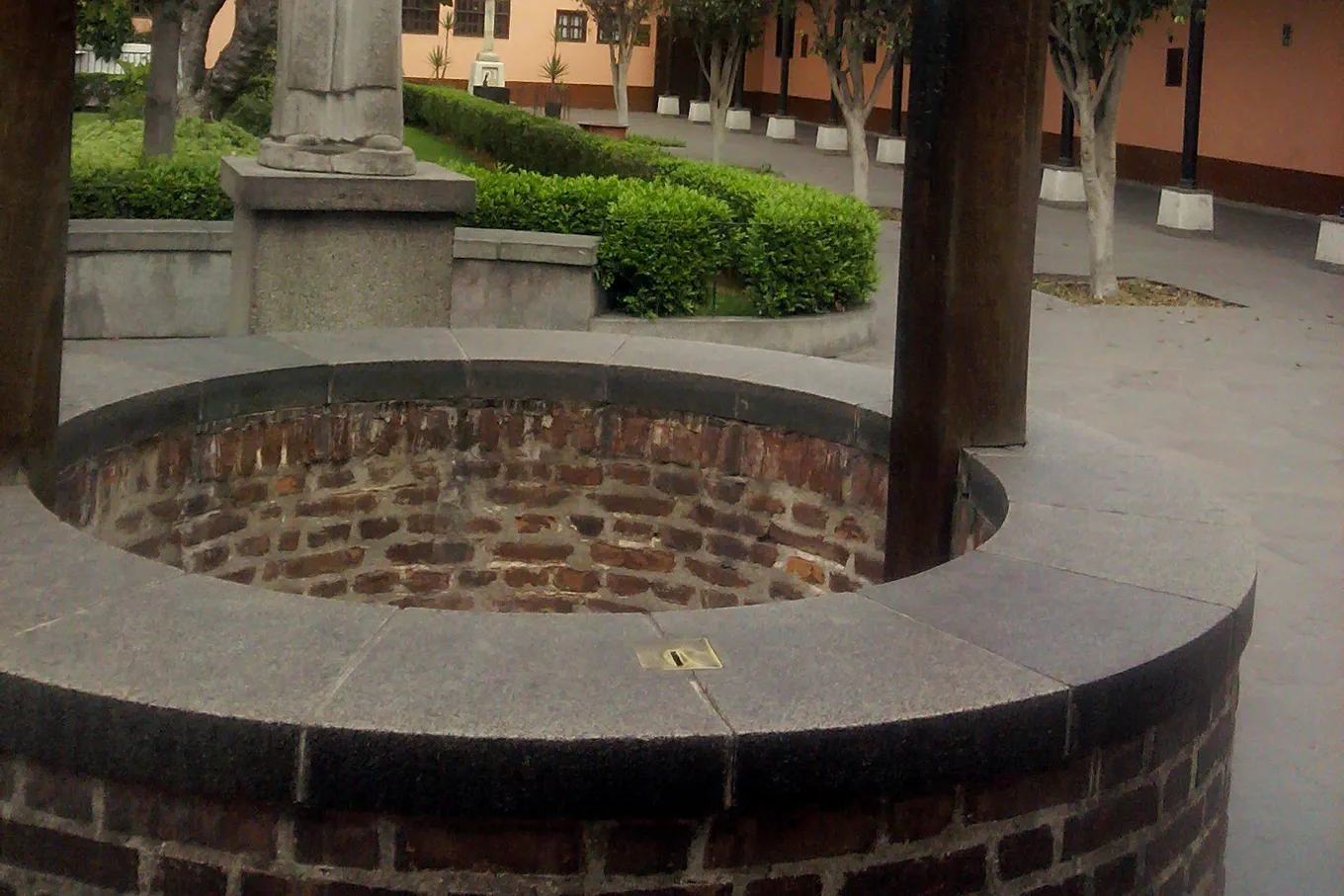
Stand here. The Sanctuary of Saint Rose, on the first block of Avenida Tacna, stands in the remains of her family’s house, well and all.
Saint Rose of Lima wanted to be a nun, but her father forbade it and her parents wanted her married. She turned down every suitor and lived a religious life at home. Admired for her beauty, she cut off her hair and rubbed peppers on her face. Tradition says she padlocked a chain round her waist and threw the keys into the well. She died in 1617 and was later made the first saint of the Americas. People began writing her letters, and they still drop them into that well.
4 La Perricholi, the viceroy, and the Paseo de Aguas
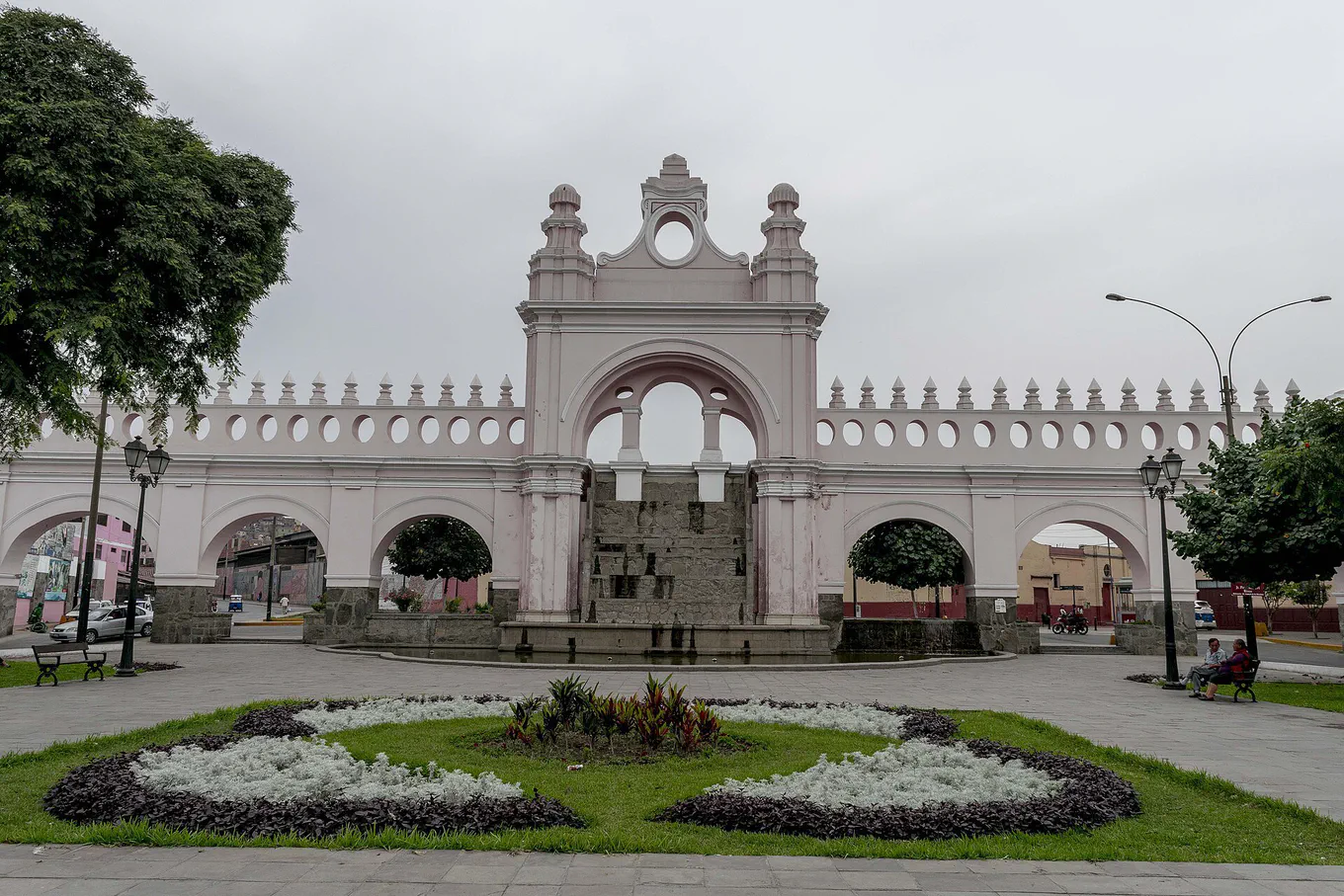
Stand here. The Paseo de Aguas, a promenade on Jirón Madera in the Rímac district, with gardens, fountains, and waterfalls.
Offenbach’s 1868 opera La Périchole takes its heroine from a Peruvian actress, the mistress of Peru’s viceroy. Legend says she promised to be his when he laid the moon at her feet, so he built the Paseo de Aguas in front of her house. But in a quarrel he called her perra chola, “native bitch”, and the insult became her name, La Perricholi. The viceroy went home to Barcelona and, at 72, married a woman of 24. Her son by him signed Peru’s declaration of independence from Spain.
5 Victor Morris and the pisco sour at Morris’ Bar
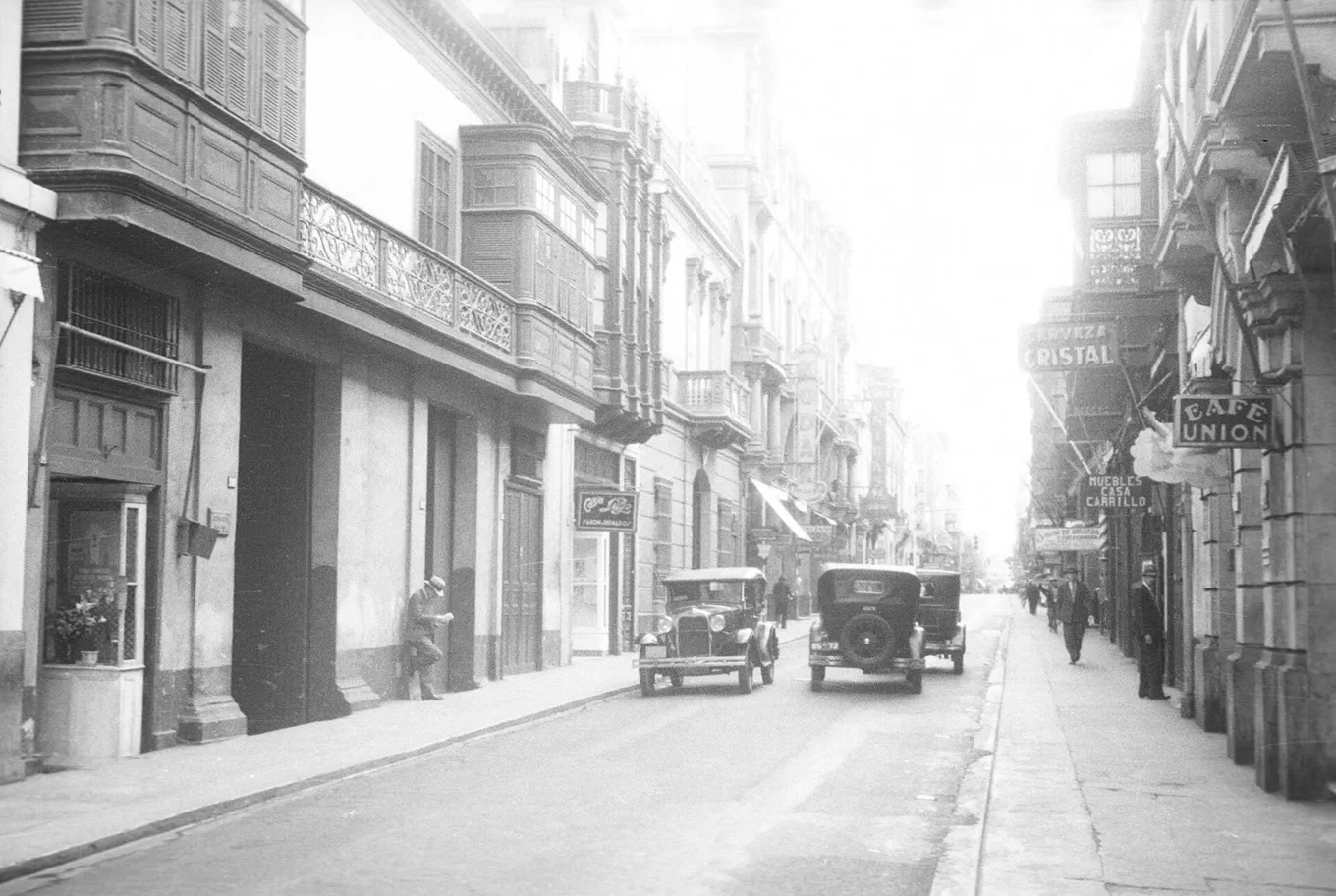
Stand here. Calle Boza, near the Plaza Mayor, where Morris’ Bar stood until 1929. A bust of Morris now stands in Santiago de Surco.
Calle de Boza in central Lima, the street where Morris’ Bar stood, in a period photograph.Unknown / Public domain.
Most historians credit the pisco sour to Victor Morris, an American from Salt Lake City. In 1916, he opened Morris’ Bar in Lima, and it became a favourite of Peru’s upper class. His bartender, Mario Bruiget, created the modern recipe by adding egg white and bitters. But competition from nearby bars, and Morris’s failing health, brought him down. He went bankrupt, closed the bar, and died of cirrhosis months later. Bruiget took his recipe to the Hotel Maury, and Lima tradition made the hotel the drink’s first home.
Pack nothing. Leave Friday.
Every Friday, I write a free letter, Journey, that takes us on a trip through places, stories, and ideas.
Conversation in The Cathedral(Mario Vargas Llosa, 1969). A novel. A journalist and his father’s chauffeur talk in La Catedral, a vanished poor men’s bar on Avenida Alfonso Ugarte.
The Bridge of San Luis Rey(Thornton Wilder, 1927). A novel. Its Camila Perichole, drawn from La Perricholi, becomes the most honoured actress in Lima.
A World for Julius(Alfredo Bryce Echenique, 1970). A novel. A lonely, curious boy from a very rich Lima family, in its palace-house on Avenida Salaverry.
The Time of the Hero(Mario Vargas Llosa, 1963). A novel. Cadets at the Leoncio Prado Military Academy in Lima, the school Vargas Llosa attended as a teenager.
A Bear Called Paddington(Michael Bond, 1958). A novel, the first Paddington book. In the Paddington stories, the bear’s Aunt Lucy moves into the Home for Retired Bears in Lima.
Films to watch before you visit Lima
The Milk of Sorrow(Claudia Llosa, 2009). A film, shot mostly in Manchay, a poor suburb of Pachacámac on Lima’s south-eastern edge.
Magallanes(Salvador del Solar, 2015). A film. Driving Lima’s streets, a taxi driver picks up a woman he met as a soldier in Ayacucho over 20 years earlier, and tries to help her.
Al fondo hay sitio(Efraín Aguilar, 2009). A comedy TV series. The Gonzales family from Huamanga, Ayacucho, shakes up “Las Lomas”, one of Lima’s most exclusive areas. It was made in Lima’s Lince District.
Questions
Can you see Pizarro’s tomb in Lima Cathedral?
Yes. Pizarro’s crypt is the first chapel in the right-hand nave as you enter the cathedral on the Plaza Mayor. It holds the remains found in a crypt beneath the altar in 1977, which replaced a body wrongly shown as his for nearly a century.
Was the pisco sour invented in Lima?
Most historians credit Victor Morris, an American who opened Morris’ Bar near Lima’s Plaza Mayor in 1916. His bartender, Mario Bruiget, added the egg white and bitters of today’s Peruvian recipe. Chile also claims the drink, and the dispute continues.
Why is Lima called the City of Kings?
Francisco Pizarro founded Lima in January 1535 as the City of Kings, Ciudad de los Reyes in Spanish. The founding was decided on 6 January, the feast of the Epiphany. The official founding date is 18 January 1535.