As a small kid in the 70s, I supported Liverpool FC because they won everything. Twenty years later, I applied for a writing job at Psygnosis, a Liverpool-based games company, and fell in love with the idea of moving there. Didn’t get it.
— Nick
At least 40% of world trade passed through Liverpool in the 19th century; in the 18th, it was the European port most heavily involved in the Atlantic slave trade. It is a port city in Merseyside, England, on the Mersey Estuary. A forbidden garden and the Titanic’s head office lead on to a woman with a boiler, a young man’s cathedral and a record seller in a cellar.
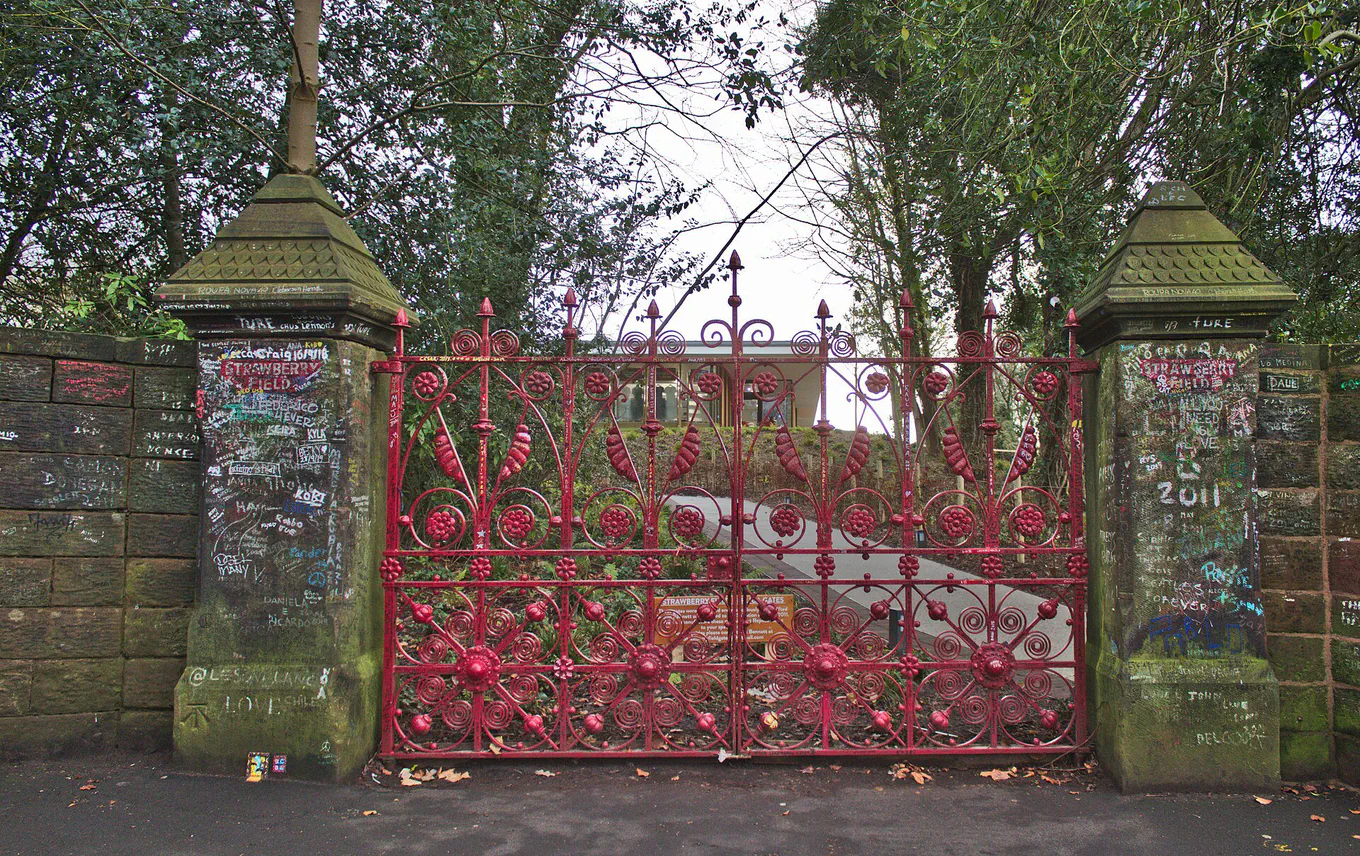
Strawberry Fields Forever, the Beatles’ song, has its roots in this place, then a Salvation Army children’s home in Woolton. John Lennon grew up nearby, on Menlove Avenue, raised by his Aunt Mimi. She strictly forbade him to play in the home’s grounds. He is said to have replied, “They can’t hang you for it,” and went anyway, to play, reflect, and escape. In 1966, on a film set in Spain, Lennon began writing about the garden he’d been told to keep out of.
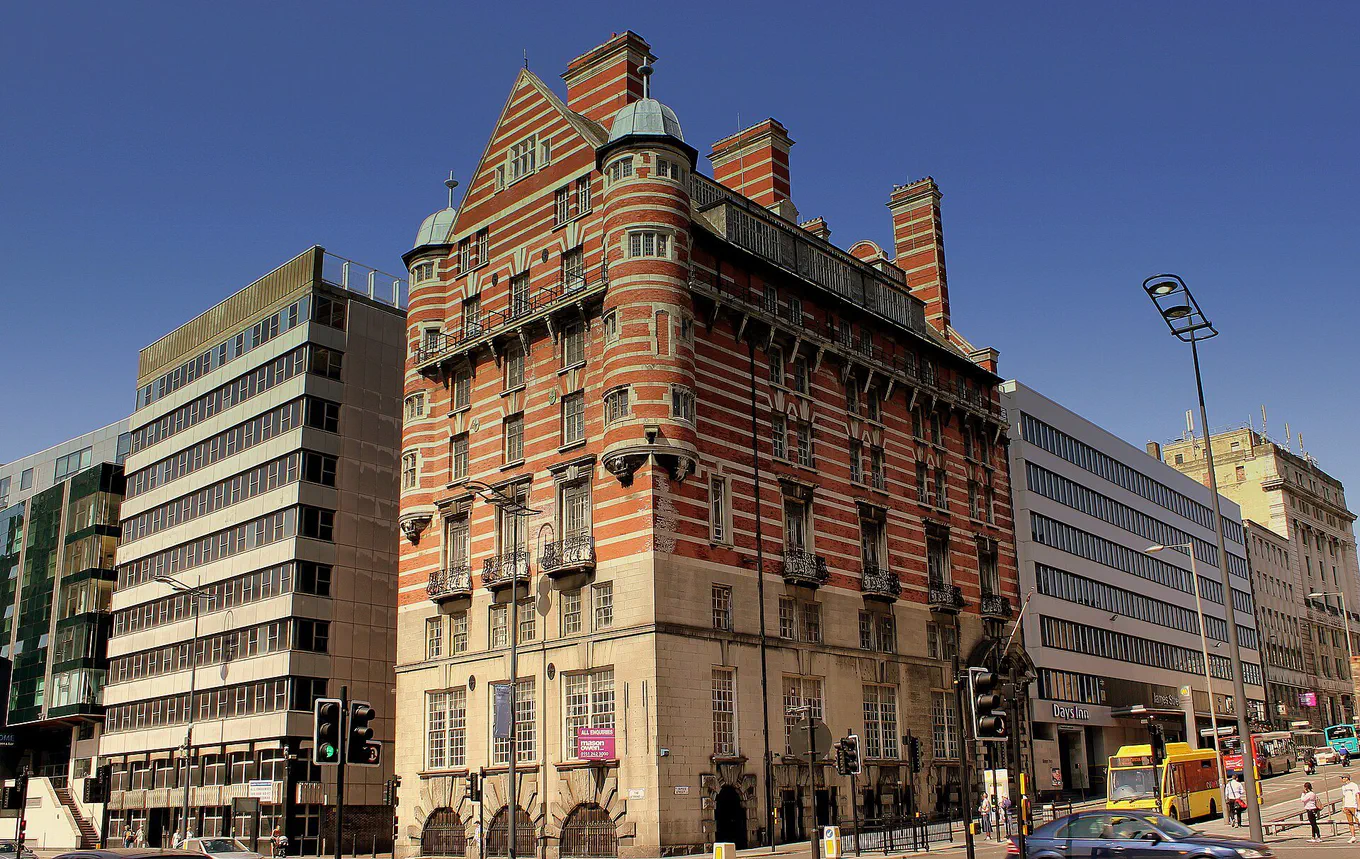
The Titanic inquiry called her “the British steamship Titanic, of Liverpool”, and this was the White Star Line’s head office. The line’s J. Bruce Ismay had his office here, and he was on board. Less than 20 minutes before she went down, on 15 April 1912, he stepped into a collapsible lifeboat and lived. When the news reached Liverpool, officials read the survivors’ names from the balcony to the crowd outside. The papers savaged Ismay for leaving women and children behind. Some called him “J. Brute Ismay”.
3 Kitty Wilkinson’s boiler and Liverpool’s cholera year
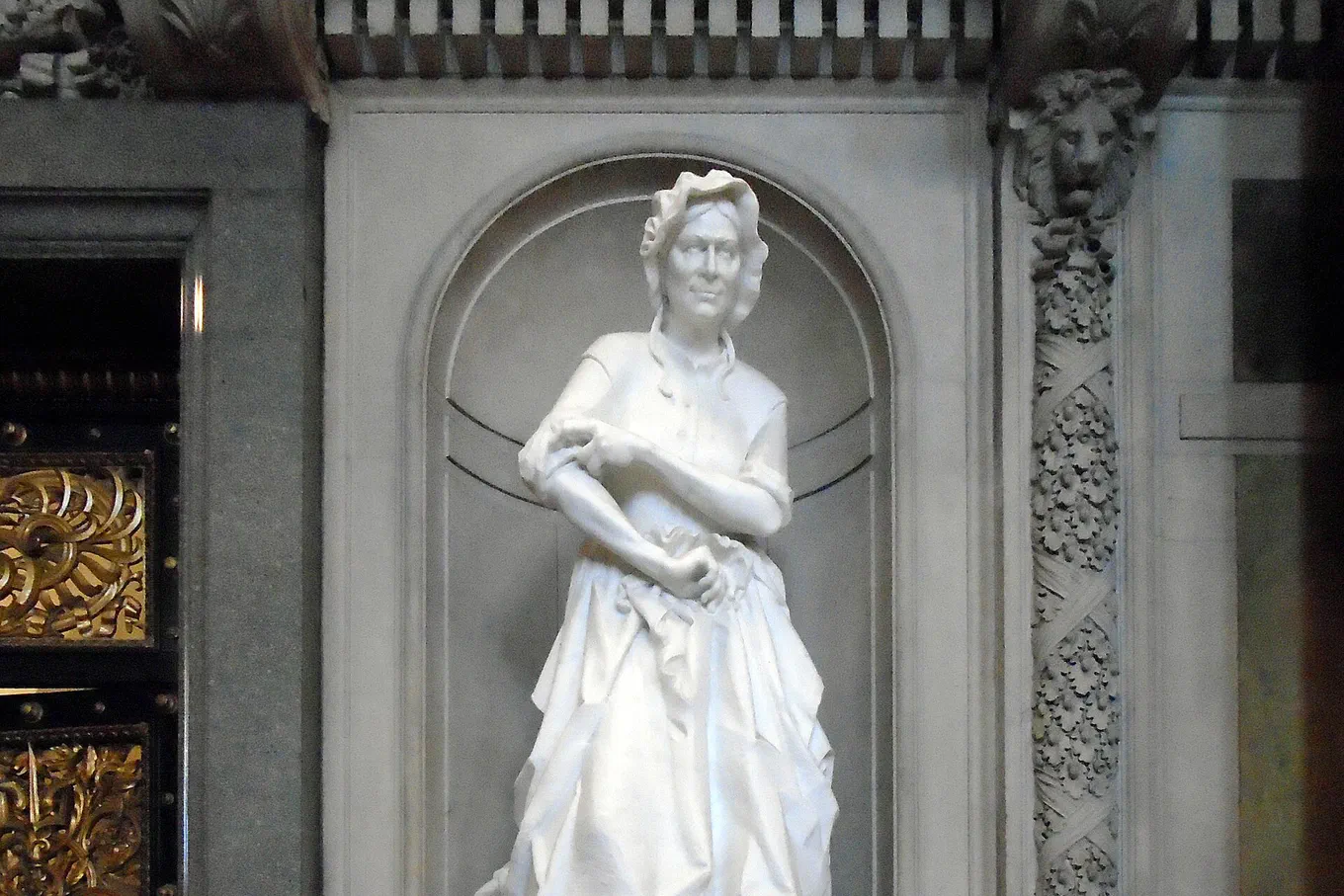
Stand here. St George’s Hall, a neoclassical hall of concert halls and law courts opened in 1854. Her statue stands inside.
This hall’s exterior appears in The Batman, but the hero inside is Kitty Wilkinson, an Irish migrant from Londonderry. In the cholera epidemic of 1832, she had the only boiler in her neighbourhood, and boiling killed the bacteria. So she opened her house and yard to neighbours with infected clothes, for a penny a week. Ten years later, public baths and a wash house opened in the city. In 2012, her statue became the first in this hall for 101 years, and the first of a woman.
4 Giles Gilbert Scott, aged 22, and Liverpool Cathedral
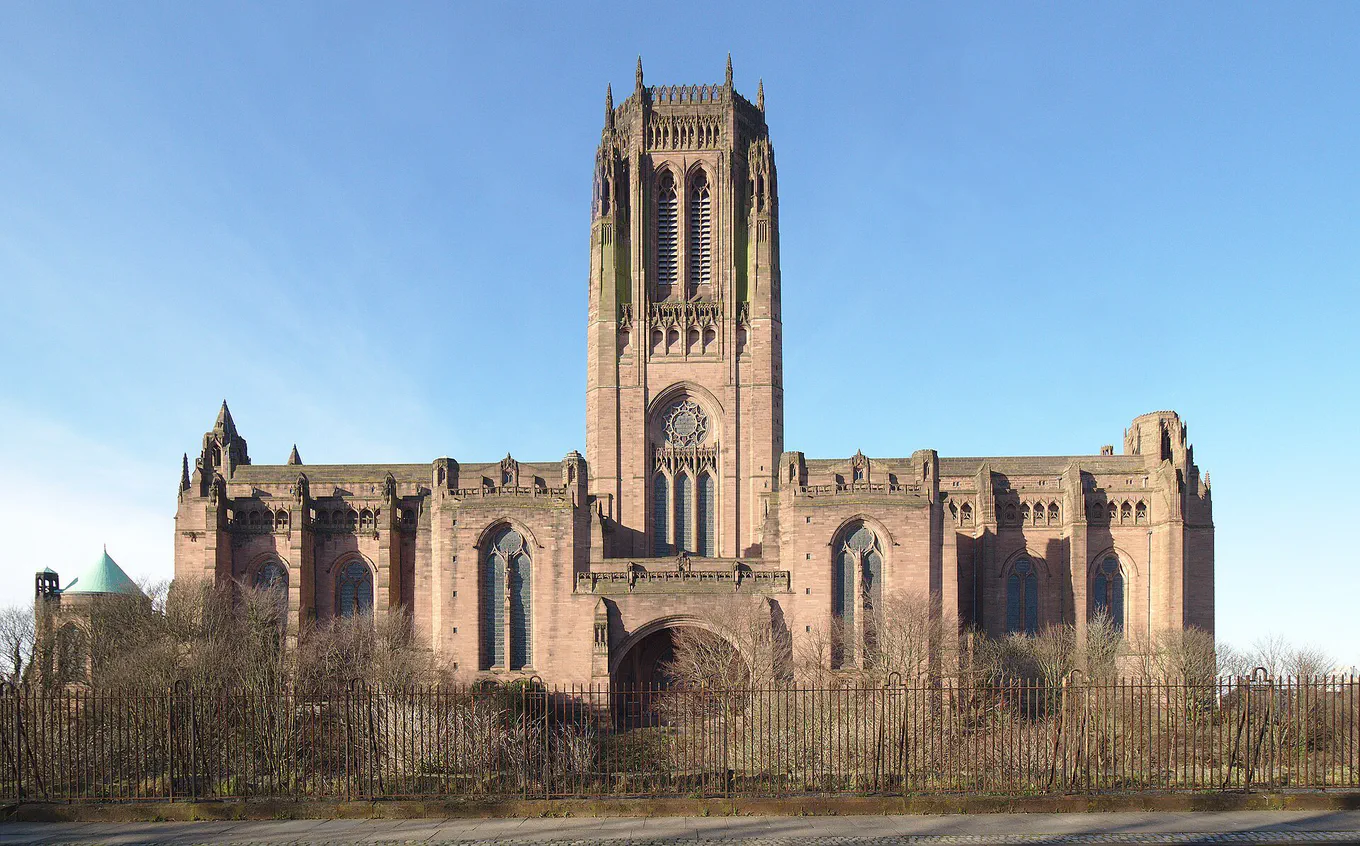
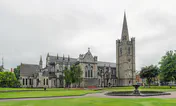
Stand here. Liverpool Cathedral, now Britain’s largest. Scott is buried outside the west entrance.
Giles Gilbert Scott, who designed the red telephone box, was 22 when the assessors recommended his plan for this cathedral, in 1903. He told them his only major work so far was a pipe-rack. Worse, it emerged that he was a Roman Catholic. The choice stood, but because of his age the committee gave him a joint architect, G. F. Bodley. Scott was about to resign when Bodley died suddenly. He worked on the cathedral until he died, nearly two decades before it was finished.
5 Brian Epstein goes down into the Cavern Club
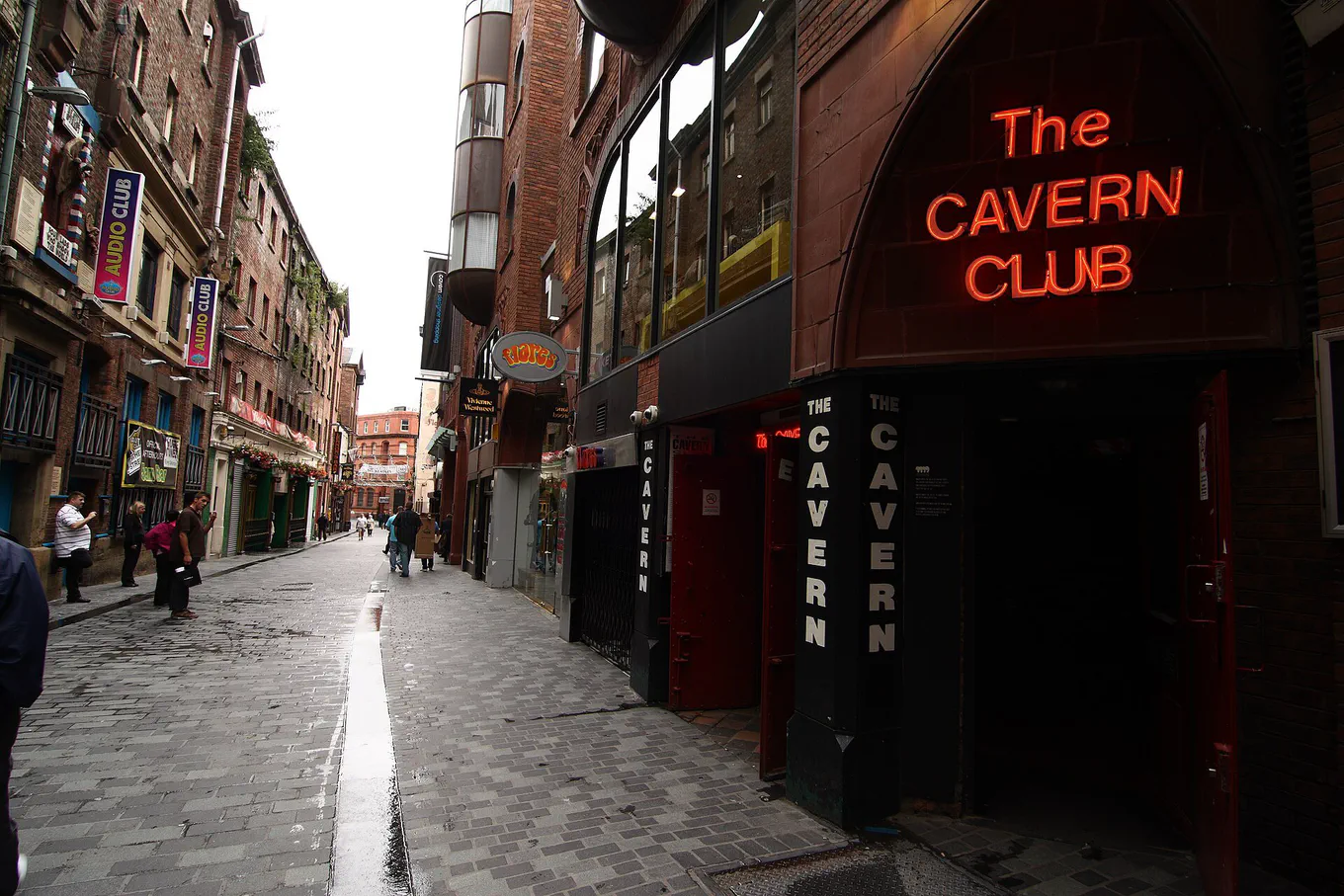
Stand here. The Cavern Club, on Mathew Street. The original cellar closed in 1973 and was filled with rubble, and today’s club is a 1984 reconstruction.
By his own account, Brian Epstein, who ran his family’s NEMS record shop nearby, got curious about the Beatles when a customer asked for a single, “My Bonnie”. Paul McCartney later disputed it, saying Epstein already knew of them. On 9 November 1961, Epstein went down into the Cavern for their Thursday lunchtime set. He said he was “immediately struck by their music, their beat and their sense of humour”. Within a month he offered to manage them. The Beatles signed his contract in January. Epstein himself did not.
Redburn(Herman Melville, 1849). A novel. On his first voyage, the narrator hears “a feeble wail” from a cellar beneath an old warehouse in Launcelott’s Hey, a Liverpool street.
An Awfully Big Adventure(Beryl Bainbridge, 1989). A novel, inspired by Bainbridge’s own experiences working at the Liverpool Playhouse in her youth.
Films to watch before you visit Liverpool
Letter to Brezhnev(Chris Bernard, 1985). A film. Two young women from Kirkby, a suburb of Liverpool, meet two Russian sailors. Scenes were shot at the State Nightclub.
Of Time and the City(Terence Davies, 2008). A documentary. Davies looks back on growing up in Liverpool in the 1950s and 1960s.
Ferry Cross the Mersey(Jeremy Summers, 1964). A musical film. Gerry and the Pacemakers on a Mersey ferry, at the Albert Dock, and in the Cavern Club.
Blood Brothers(Willy Russell, 1983). A stage musical, set in Liverpool’s inner-city slums. It opened at the Liverpool Playhouse on 8 January 1983.
The 51st State(Ronny Yu, 2001). A film shot almost entirely in Liverpool, at the Pier Head, the India Building, Water Street, and Anfield stadium.
Questions
Can you visit Strawberry Field?
Yes. The Salvation Army opened Strawberry Field to the public for the first time in September 2019, with an exhibition on its history, a café, and a shop. The children’s home had closed in 2005, after nearly 70 years. Its address is Beaconsfield Road, Liverpool L25 6EJ.
Is the Cavern Club the one the Beatles played in?
Not quite. The original cellar closed in 1973 to make way for a railway ventilation shaft that was never built, and it was filled with rubble. A reconstruction opened in 1984 at 90 degrees to the original, over 70% of its footprint, using 15,000 of its bricks. The fire exit by the Cilla Black statue is the original entrance.
What is the legend of the Liver birds?
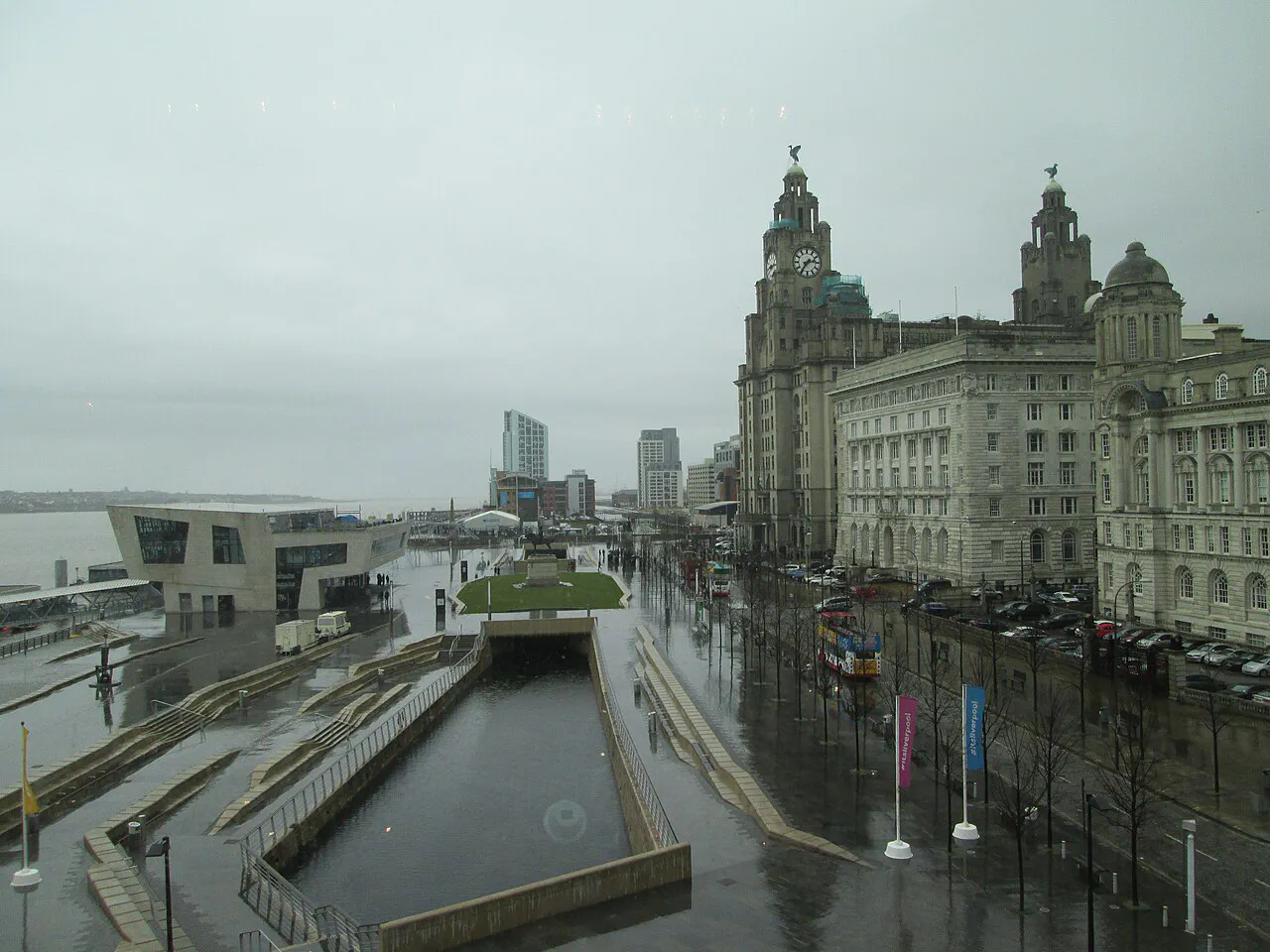
Two 18-foot copper Liver birds, the city’s mythical symbol, stand on the clock towers of the Royal Liver Building. Local legend says they are a pair, the female looking out to sea for returning sailors and the male watching over the city, and that if they ever flew away, the city would cease to exist.