Hemingway ends The Sun Also Rises with lunch at Botín and one of the great unhappy last lines. “Isn’t it pretty to think so?” I’ve struggled to finish his books in the past, but I do so often love his words.
— Nick
In 1561, Philip II set his court in Madrid, and the city became its permanent home. It stands on the River Manzanares, in the middle of the Iberian Peninsula, and is the capital and largest city of Spain. Cervantes’s lost bones open the stories, followed by the red cross on Velázquez’s chest, the lunch that ends a Hemingway novel, a coup in parliament, and a TV heist that Netflix rescued.
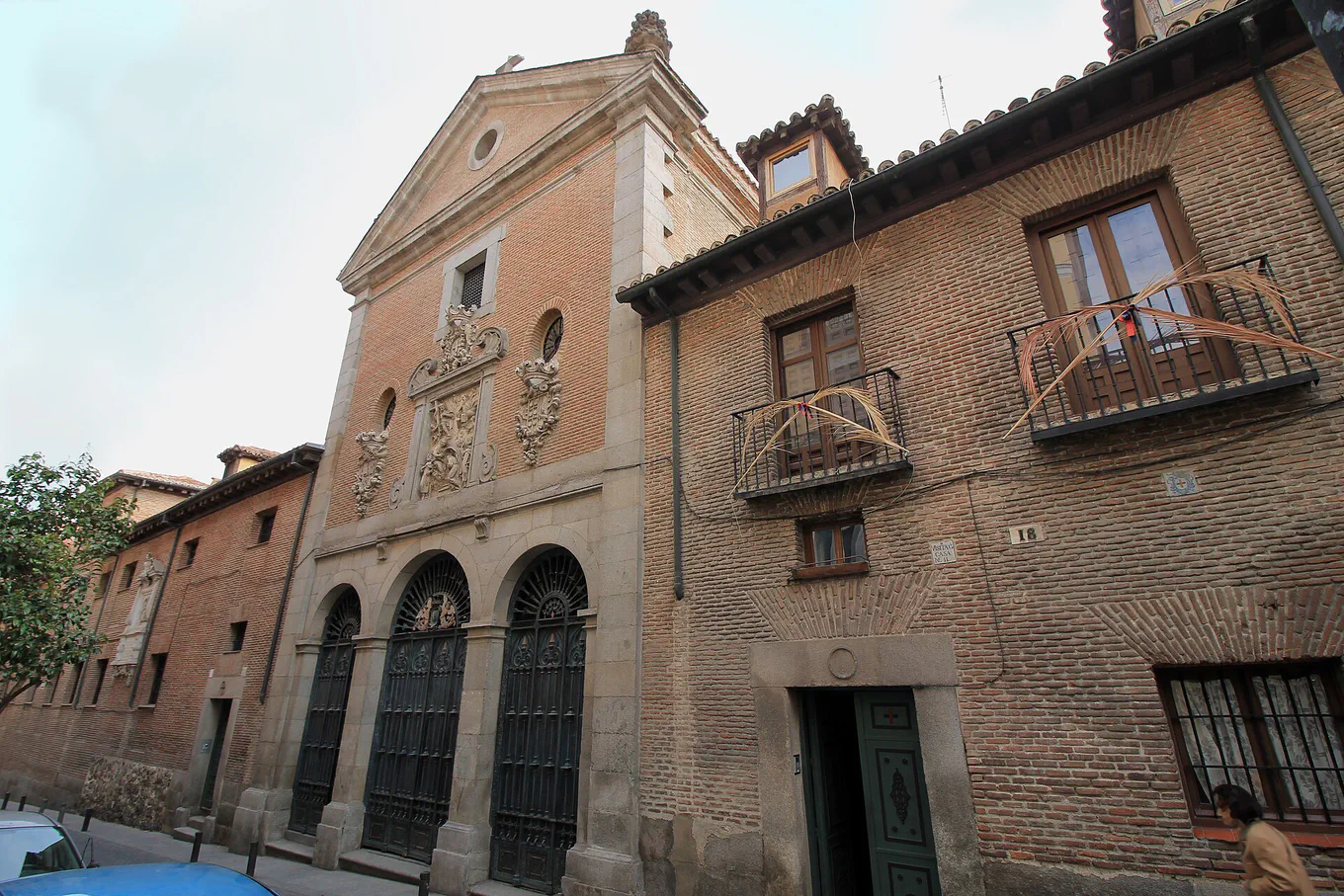
Before he wrote Don Quixote, Miguel de Cervantes was a soldier, captured and held in Algiers for almost five years. The Trinitarians, a religious order, paid his ransom. When he died in 1616, his will asked for burial in their Madrid convent. Half a century later, the convent was rebuilt, his chapel was pulled down, and his bones were lost. In 2015, searchers found part of a board marked “M.C.” and caskets of bone fragments. His soldier’s wounds convinced them he was among the bones, with his wife’s and others’.
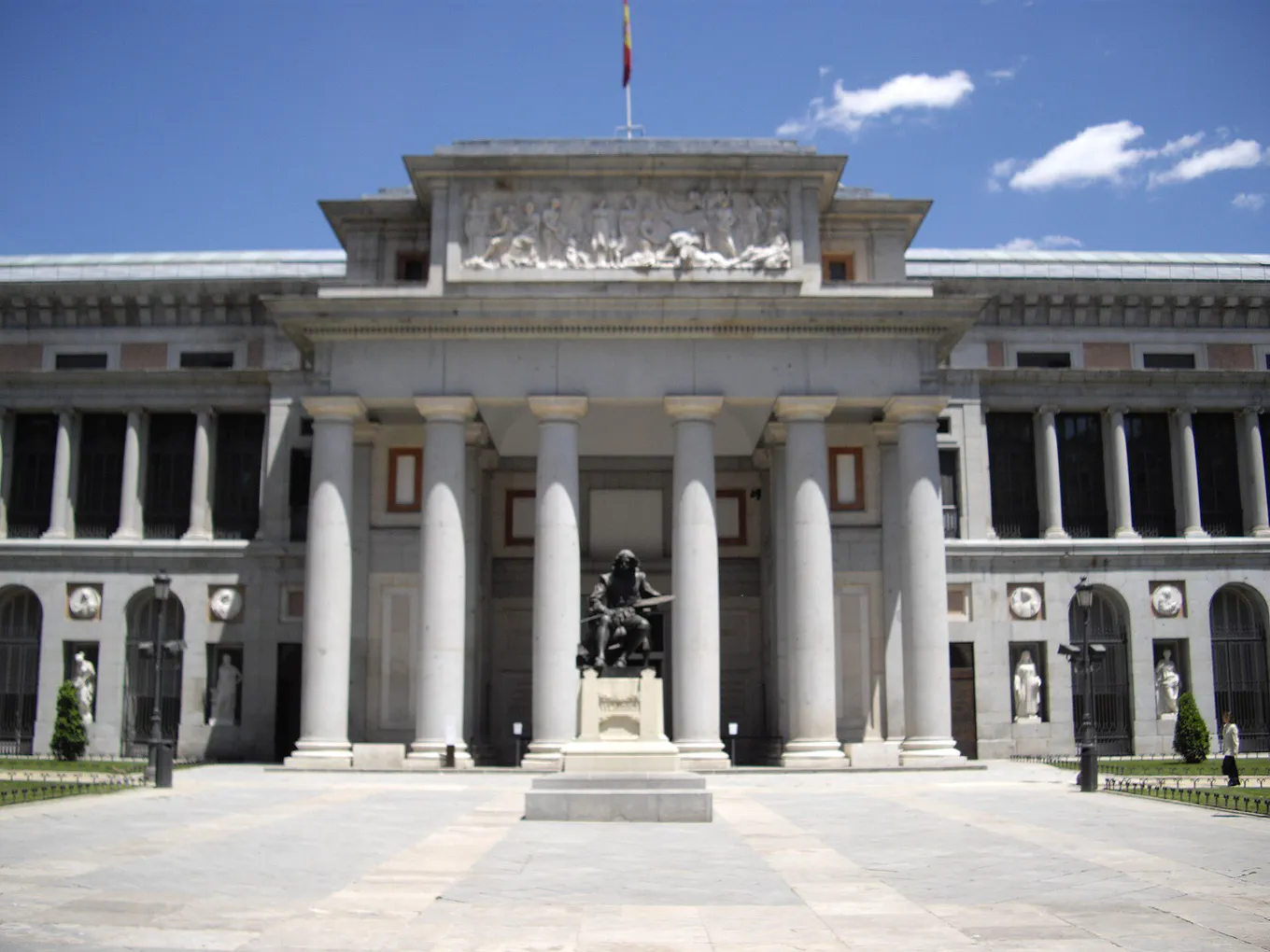
Diego Velázquez painted himself into Las Meninas in 1656, at his easel. As court painter to Philip IV, he wanted a knighthood in the Order of Santiago. But its rules shut out anyone whose work was “mechanical”, and a commission looked into his family line. He was admitted three years after the painting, and died within a year. Philip wrote, “I am crushed.” By one account, Philip had the order’s red cross added to Velázquez’s painted chest after he died, and some said the king painted it himself.
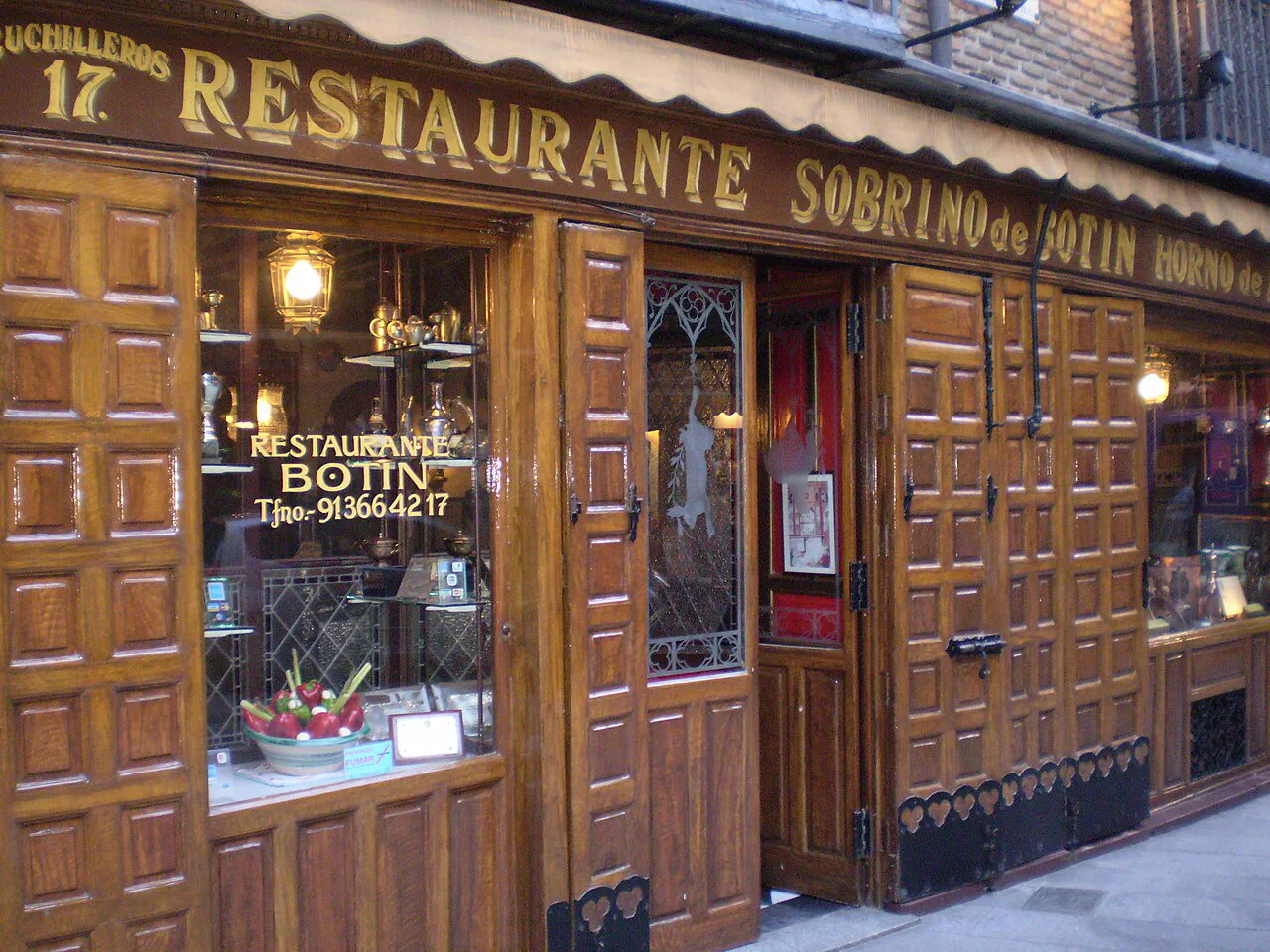
3 Hemingway and the last lunch at Botín
Stand here. Sobrino de Botín, at 17 Calle de Cuchilleros. It is still a working restaurant, owned by the González family since the 1930s.
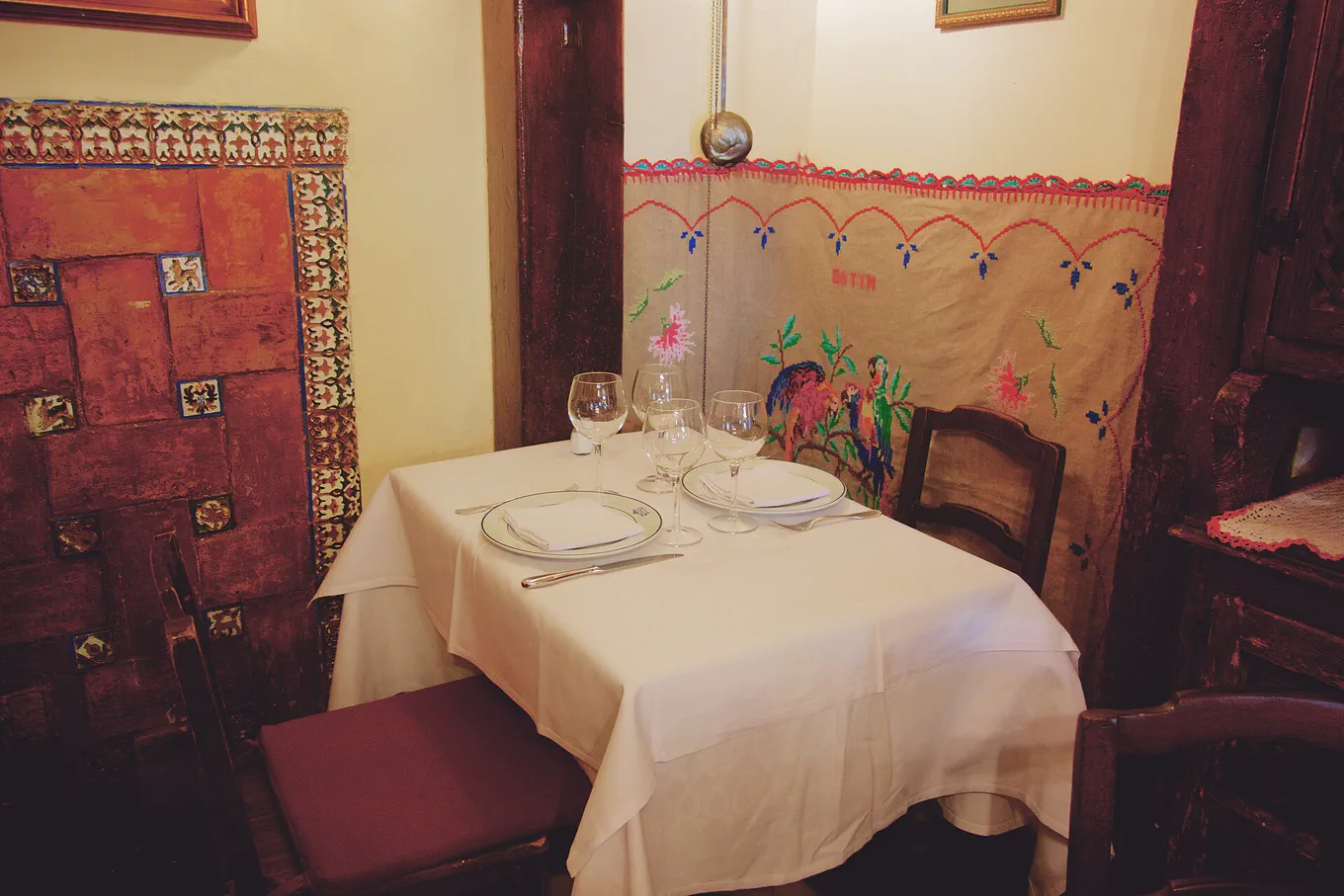
Ernest Hemingway’s 1926 novel The Sun Also Rises ends with lunch at Botín. Jake Barnes and Brett Ashley love each other, but his war wound means they can never be lovers. Brett goes off to Madrid with a bullfighter, and Jake finds her broke and alone in a cheap hotel. Over roast suckling pig, he drinks three bottles of rioja alta. In a taxi on the Gran Vía, Brett says, “We could have had such a damned good time together.” Jake answers, “Isn’t it pretty to think so?”
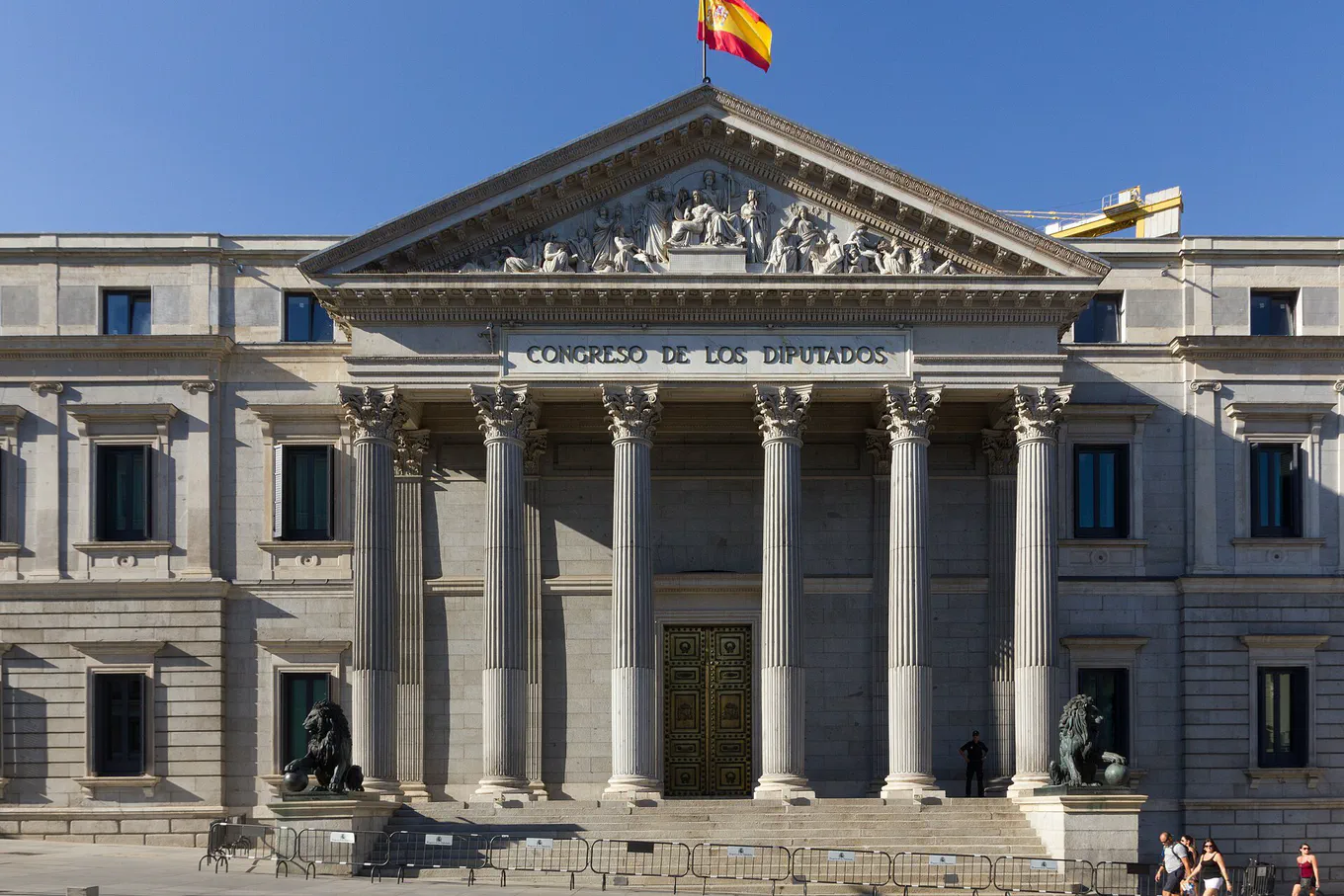
The coup that King Juan Carlos ended with a broadcast began in this chamber, on 23 February 1981. Lieutenant-Colonel Antonio Tejero stormed in with 200 Civil Guards during a vote and shouted, “Everyone stay still!” His men fired into the ceiling. Deputies dived to the floor, but the Communist leader lit a cigarette and stayed seated. At 01:14 that night, the king spoke on television in uniform, and the coup collapsed. The deputies were freed, and Tejero went to prison. The bullet holes are still in the ceiling.
5Money Heist and the Mint that wasn’t the Mint
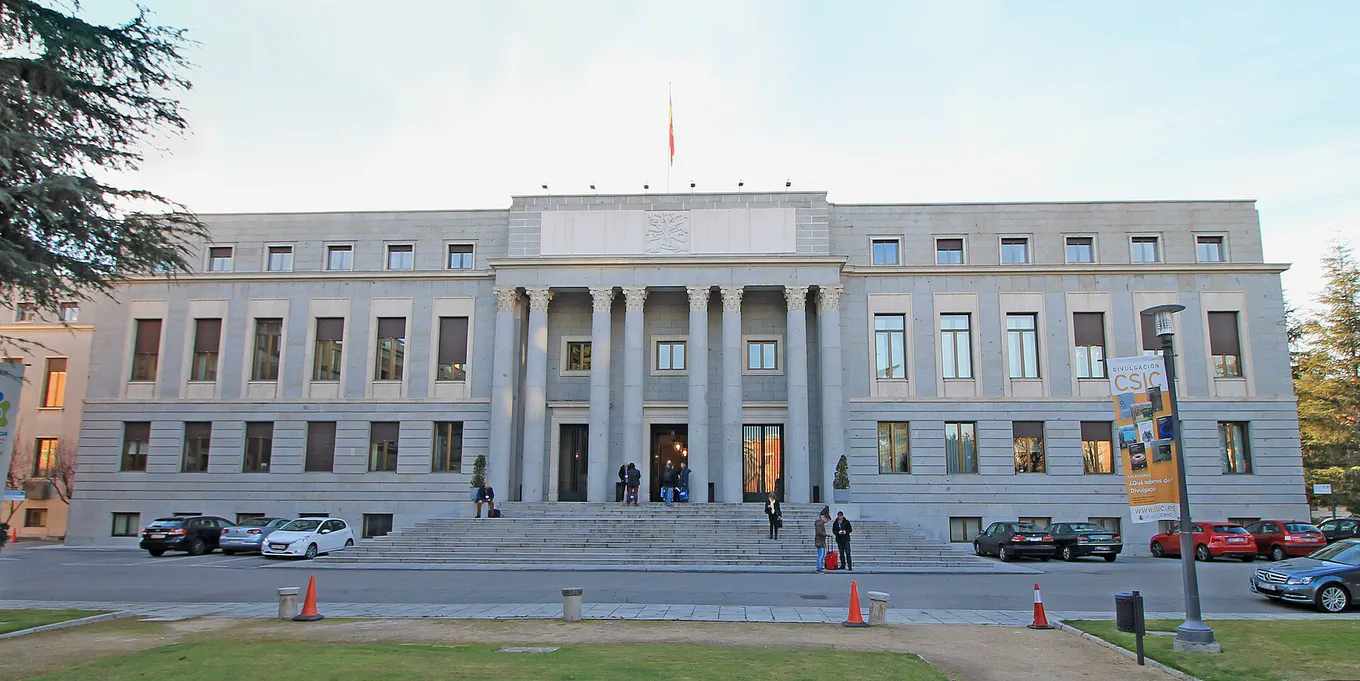
Stand here. The headquarters of the Spanish National Research Council, Serrano 117, played the outside of the Mint on screen. The real Mint is on Calle del Doctor Esquerdo.
In Money Heist, eight robbers in red jumpsuits and Salvador Dalí masks take 67 hostages in Spain’s Royal Mint and start printing money. Álex Pina made it for Antena 3 as a two-part series, and when filming ended, every set was destroyed. Viewers fell from over four million to under 1.5 million, and the channel shelved it. In December 2017, Netflix bought the global streaming rights. Within months it was the most-watched non-English series on Netflix, and “Bella ciao”, the song of their escape, became a summer hit across Europe.
Pack nothing. Leave Friday.
Every Friday, I write a free letter, Journey, that takes us on a trip through places, stories, and ideas.
The Hive(Camilo José Cela, 1950). A novel. Doña Rosa’s café is modelled on the real Café Europeo, at 1 Glorieta de Bilbao, which closed in 1949.
Bohemian Lights(Ramón María del Valle-Inclán, 1920). A play. The concave and convex mirrors of the Callejón del Gato inspired his esperpento, a distorted view of reality.
Captain Alatriste(Arturo Pérez-Reverte, 1996). A novel. In 1623, Diego Alatriste is paid by two masked strangers and lives at the Tavern of the Turk, near the Plaza Mayor.
The Forging of a Rebel(Arturo Barea, 1941–1946). A memoir. Barea goes from school in Lavapiés to work as a censor and broadcaster.
Films to watch before you visit Madrid
Women on the Verge of a Nervous Breakdown(Pedro Almodóvar, 1988). A film. Pepa’s street door is Calle de Montalbán 7, but her terrace penthouse was a studio set.
Open Your Eyes(Alejandro Amenábar, 1997). A film. It opens with César on a deserted Gran Vía. The American remake is Vanilla Sky.
Questions
Are the bullet holes from the 1981 coup still in Congress?
Yes. The holes Tejero’s men fired into the chamber ceiling on 23 February 1981 have been kept as a reminder, and more can be seen in the walls. Congress runs guided visits.
Is Botín really the oldest restaurant in the world?
The Guinness Book of Records lists it as the oldest, founded in 1725. Wikipedia calls that date a legend and says the restaurant opened in 1865, as a pastry shop. It has even been argued that Hemingway meant another restaurant, the Antigua Casa Botín in Plaza de Herradores.
What is Kilometre Zero in the Puerta del Sol?
It’s a plaque in the ground directly north of the Post Office, marking the symbolic centre of Spain. All the country’s radial roads are measured from it. The same square has the clock whose bells mark the traditional eating of twelve grapes as the new year begins.