Málaga sits on the Costa del Sol in southern Spain, the capital of its province in Andalusia. Phoenicians from Tyre founded it as Malaka around 770 BC, most scholars say. Its stories here are a newborn Picasso and a puff of smoke, a siege that ended in the hilltop castle, a Derryman lured into a trap, a writer arrested in the Spanish Civil War, and Antonio Banderas’s theatre in the city where he was born.
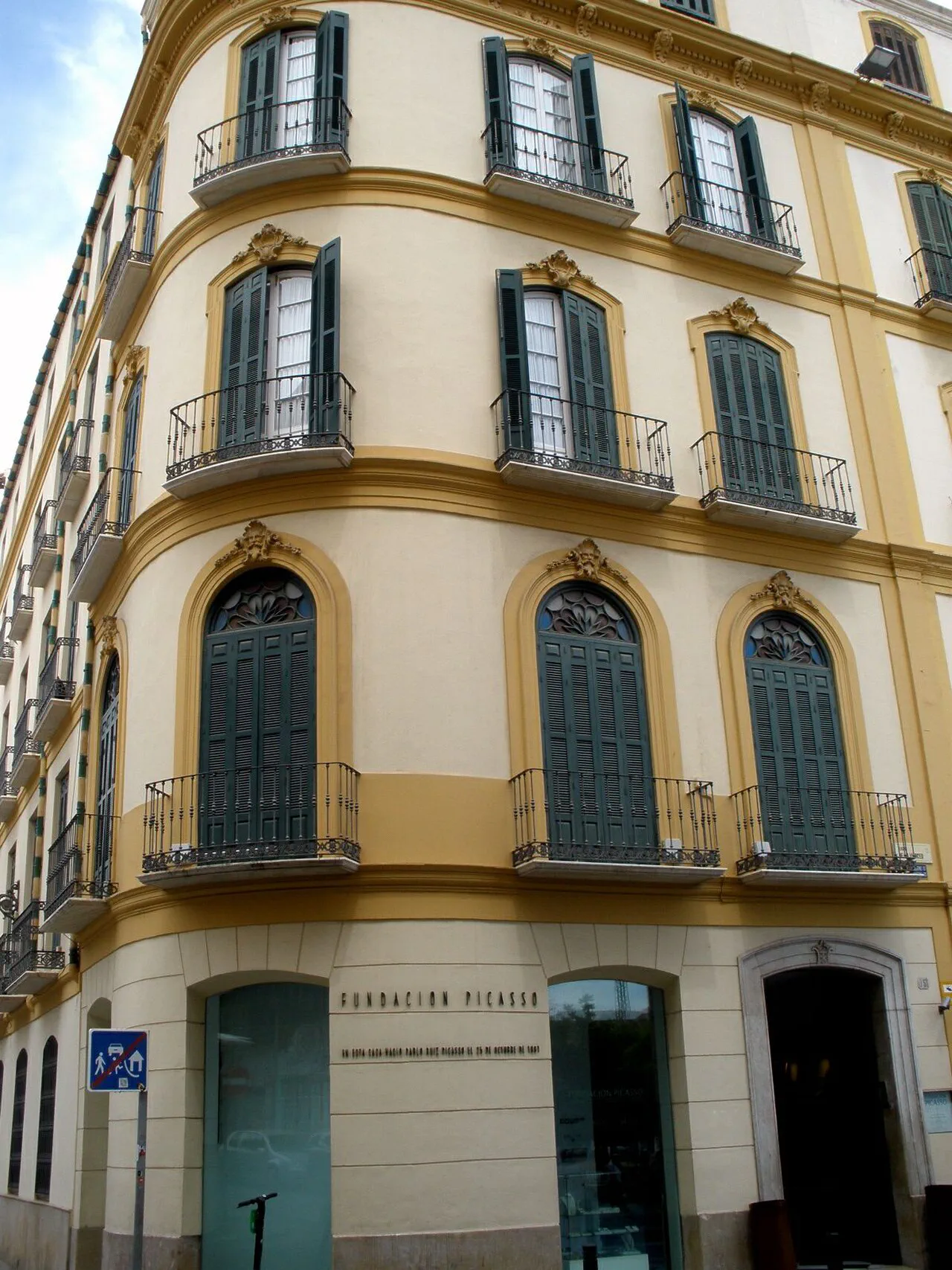
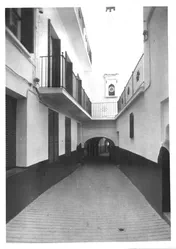
Pablo Picasso was born in this house on 25 October 1881, the first child of an art professor. The birth was difficult, and the baby was so lethargic he was feared stillborn. By Picasso’s own account, his uncle Salvador, who was smoking, blew out a puff of smoke, and the baby revived. Barcelona’s Picasso Museum thinks the story only half true. It suited him perfectly all the same, as a way to explain the presence of death in his work.
2 Hamet el Zegrí, Gibralfaro, and the siege of 1487
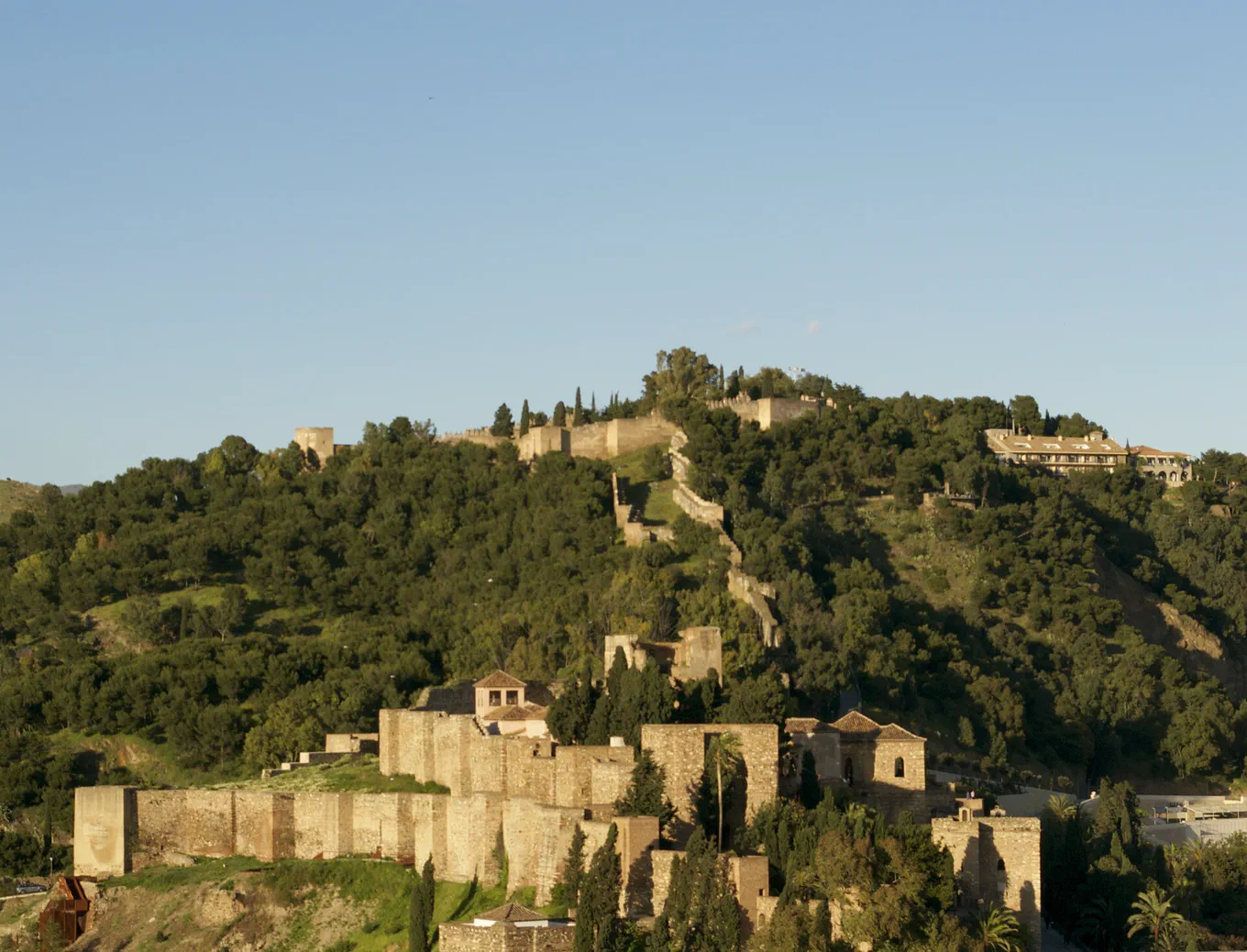
Stand here. The Castle of Gibralfaro, at the top of the hill over the city and the sea, joined by a walled corridor to the Alcazaba below.
King Ferdinand laid siege to Málaga in 1487, and Queen Isabella joined him there with her court. Holding the city against the Catholic Monarchs was Hamet el Zegrí, who had already defended Ronda. He held out for months. In the end he agreed to withdraw with his soldiers up the hill to the Gibralfaro, and the city surrendered on 13 August. The castle gave in the next day. Hamet el Zegrí was executed, and the city’s survivors, 11,000 to 15,000 people, were enslaved.
3 Robert Boyd, General Torrijos, and the trap at Málaga
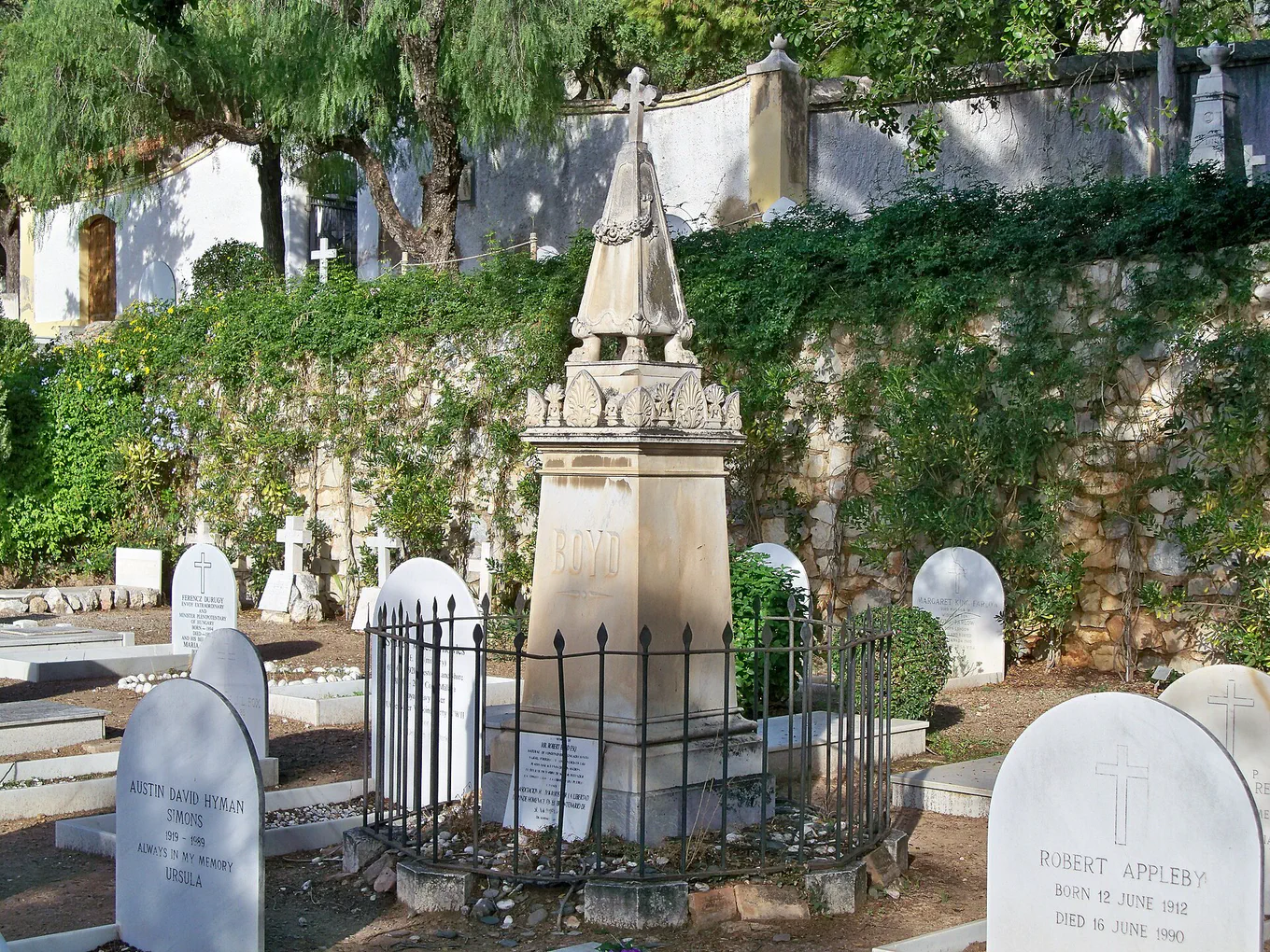
Stand here. The English Cemetery, Avenida de Pries 1. A gothic obelisk marks Boyd’s grave.
London liberals, including the poet Alfred Tennyson, introduced Robert Boyd, a rich young Derryman, to General Torrijos. Torrijos wanted to overthrow King Ferdinand VII, and Boyd’s money largely bought their ship. Málaga’s governor, posing as a liberal, told them to land on its coast. It was a trap. On 11 December 1831, Torrijos, Boyd, and 47 others were shot without trial on the beach. The British consul’s son covered Boyd’s body with the British flag, and Boyd was the first person buried inside the consul’s new cemetery.
4 Arthur Koestler arrested at Villa Julia in El Limonar
Stand here. The Limonar hill, in the El Limonar district, where Koestler stayed at Villa Julia. Whether the house still stands hasn’t been confirmed.
In February 1937, the writer Arthur Koestler was in Málaga, reporting the Spanish Civil War and staying at Villa Julia with a retired Scottish zoologist. They climbed the hill to watch Nationalist and Italian troops enter the city. Two days later, Franco’s chief propagandist arrested them both. The zoologist got out on a ship to Gibraltar. Koestler spent four months in a Seville prison under sentence of death before he was exchanged. Few authors have been sentenced to death, and Koestler wrote a book about it, Dialogue with Death.
5 Antonio Banderas brings a theatre to Málaga
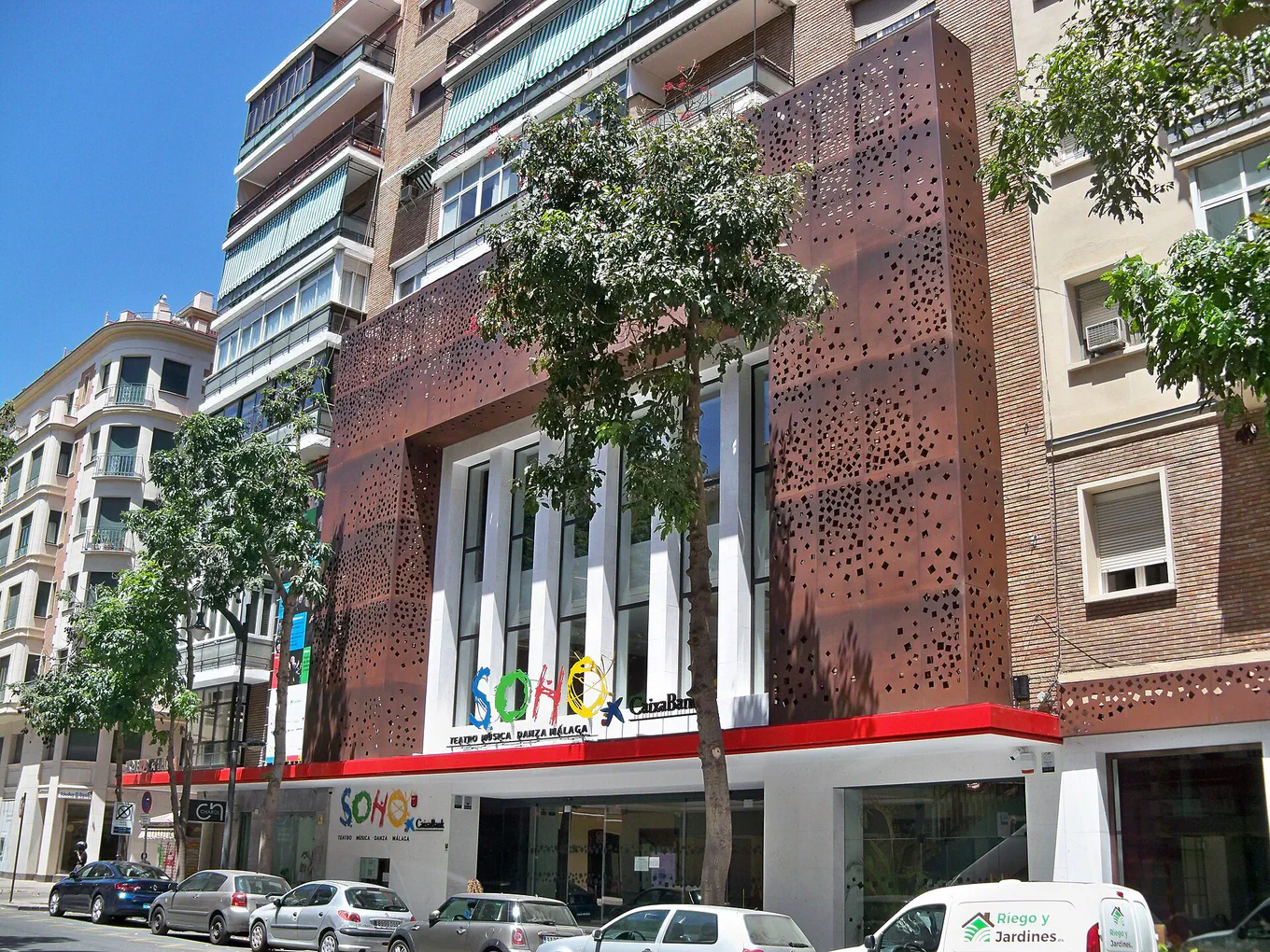
Stand here. Teatro del Soho CaixaBank, on Calle Córdoba in the Soho district, a working theatre in the old Alameda theatre’s building.
Antonio Banderas wanted to be a footballer, until a broken foot ended that at 15. Later, acting with a theatre company, he caught the attention of the director Pedro Almodóvar. In Málaga, the old Alameda theatre had fallen into disuse and disrepair. Banderas took on the lease, and on 15 November 2019 he opened it as the Teatro del Soho, with the musical A Chorus Line. Almodóvar, who had first noticed him on a stage, came to support him.
Pack nothing. Leave Friday.
Every Friday, I write a free letter, Journey, that takes us on a trip through places, stories, and ideas.
Sur(Antonio Soler, 2018). A novel set in Málaga over one day, through a cast of some 250 characters enduring the oppressive heat of the terral wind.
As I Walked Out One Midsummer Morning(Laurie Lee, 1969). A memoir, partly set in Málaga, in which Lee follows the coast round Spain, stopping in Gibraltar. During his last days in Málaga his violin breaks.
My House in Málaga(Peter Chalmers Mitchell, 1938). A memoir of his last days in Málaga in the Spanish Civil War, until Italian troops took the city, including his arrest with Arthur Koestler.
Films to watch before you visit Málaga
Summer Rain(Antonio Banderas, 2006). A romantic drama film, set in Málaga in 1978, depicting the life of teenager Miguelito Dávila. Antonio Soler wrote the screenplay.
The Snow Girl(David Ulloa and Laura Alvea, 2023). A mystery thriller TV series based on Javier Castillo’s novel. Journalist Miren searches for Amaya Martín, who disappeared during the 2010 Cavalcade of Magi in Málaga.
Malaka(Daniel Corpas Hansen and Samuel Pinazo, 2019). A Spanish thriller TV series set in Málaga, where the story starts with the disappearance of Noelia Castañeda. It was shot in Málaga in 2019.
Questions
Where was Picasso born, and can you visit?
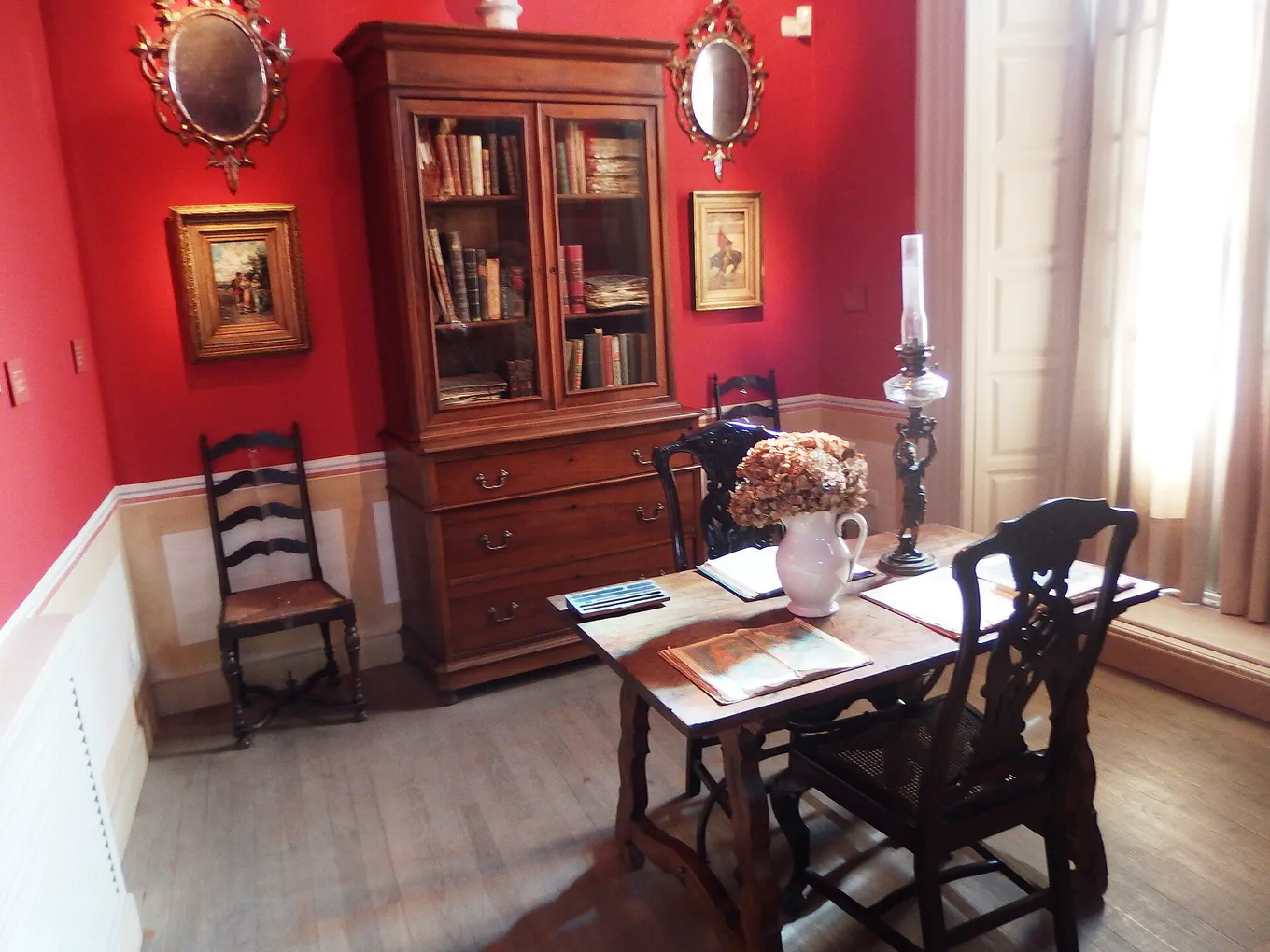
Yes. Picasso was born in the building at Plaza de la Merced 15, where his father rented the first floor from 1880 to 1883. The Picasso Foundation took it over in 1998, and it is now his birthplace museum, with nine rooms of his ceramics, prints, and illustrated books.
Where is the English Cemetery, and who is buried there?
It is at Avenida de Pries 1. It is the oldest non-Catholic Christian cemetery founded on mainland Spain, and it holds more than a thousand graves. The first person buried inside its walls was Robert Boyd, shot with General Torrijos in 1831.
Why is Málaga Cathedral called La Manquita?
La Manquita means the one-armed lady. The cathedral was built between 1528 and 1782, and its south tower was never finished. Where the money raised to finish it went is disputed. A popular story says it helped the American revolutionaries, while the parish registers point to a road, the Way of Antequera.