Minneapolis, United States, Minnesota, North America
Zen and the Art of Motorcycle Maintenance is a book I loved in my late teens, and again in my early 50s. It’s an extraordinary road trip through America and through ideas. Its author, Robert Pirsig, was born here. Thank you, Minneapolis.
— Nick
Saint Anthony Falls, the only natural waterfall on the Upper Mississippi, is where Minneapolis grew up, on both banks of the river. Minnesota’s most populous city, it was known from 1880 to about 1930 as the flour milling capital of the world. That era supplies a mill explosion; a pop star’s film, a hat in the air, a poet who never came, and a student’s new name complete the set.
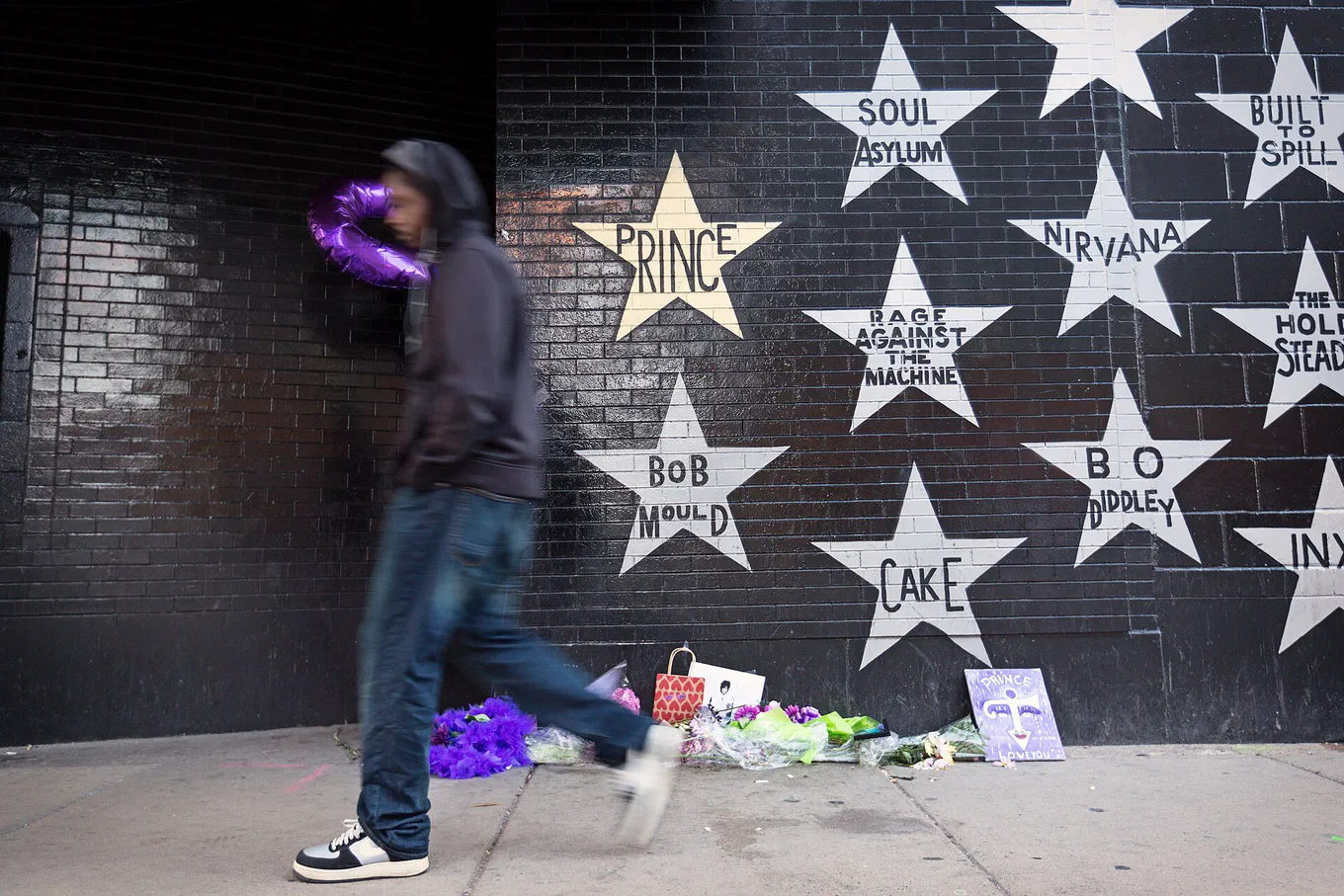
Purple Rain began with Prince wanting to star in a studio film. He told his manager he would not renew the manager’s contract without one. Every studio refused a musician-led film, and one even asked whether John Travolta could replace him. So the manager produced it himself, and this club shut for 25 days of filming. In 1984, Prince became the first singer with a number-one film, album, and single in America at once. When he died in 2016, his star was gilded overnight. It is still gold.
2 Cadwallader Washburn and the flour mill that exploded
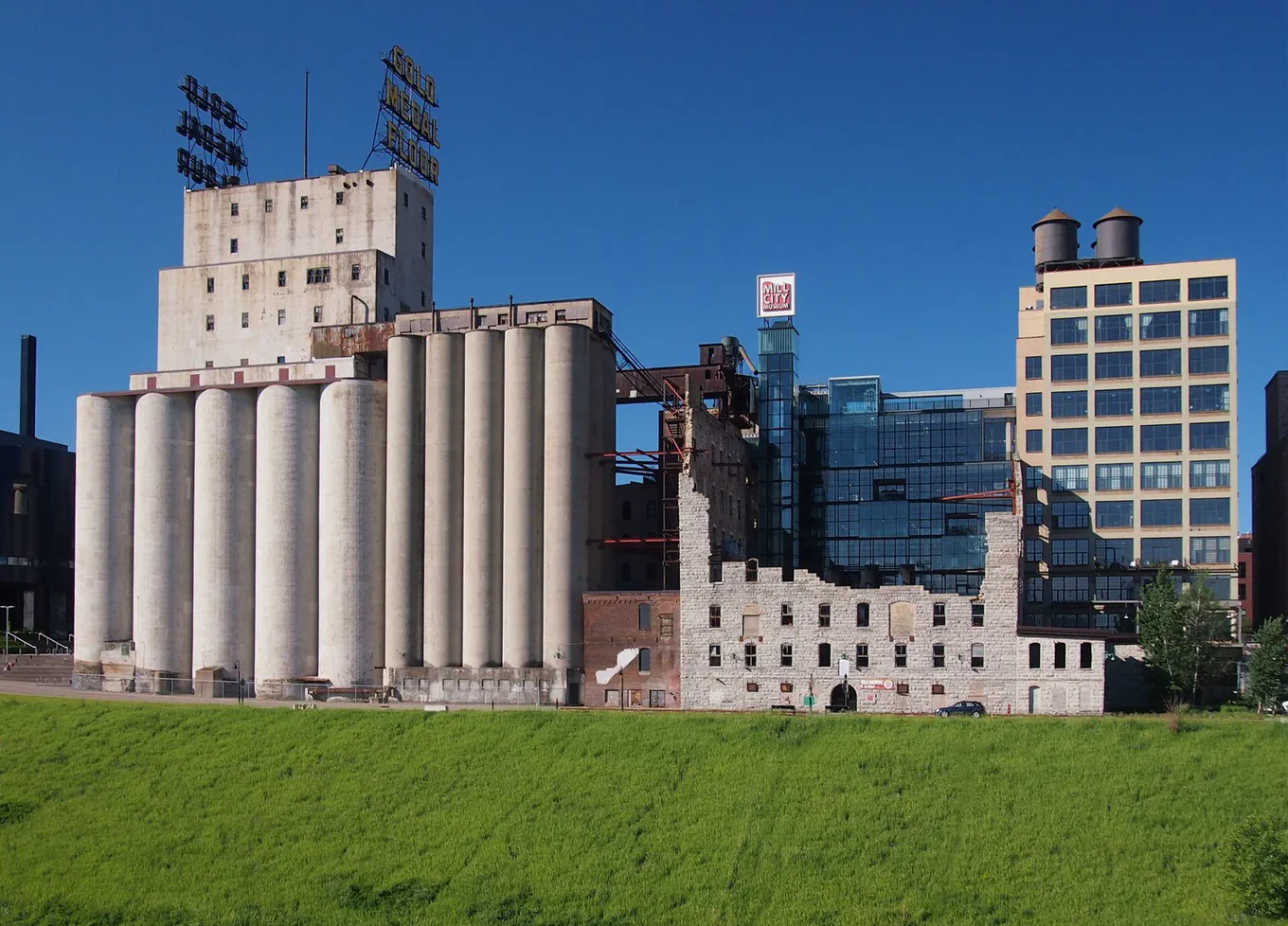
Stand here. Mill City Museum, 704 South 2nd Street, built into the Washburn A Mill’s ruins. The Gold Medal Flour sign shines at night next door.
General Mills grew from the business of Cadwallader Washburn, whose Washburn A Mill was declared the largest flour mill in the world. On 2 May 1878, a spark lit the flour dust in the air. The blast levelled the mill and killed 14 workers, and the fire that followed killed four more. Washburn would not let it happen again. He hired an Austrian engineer to fit ventilation and dust collectors. Two years later, the new mill was the largest in the world.
3 Mary Tyler Moore’s hat toss on Nicollet Mall
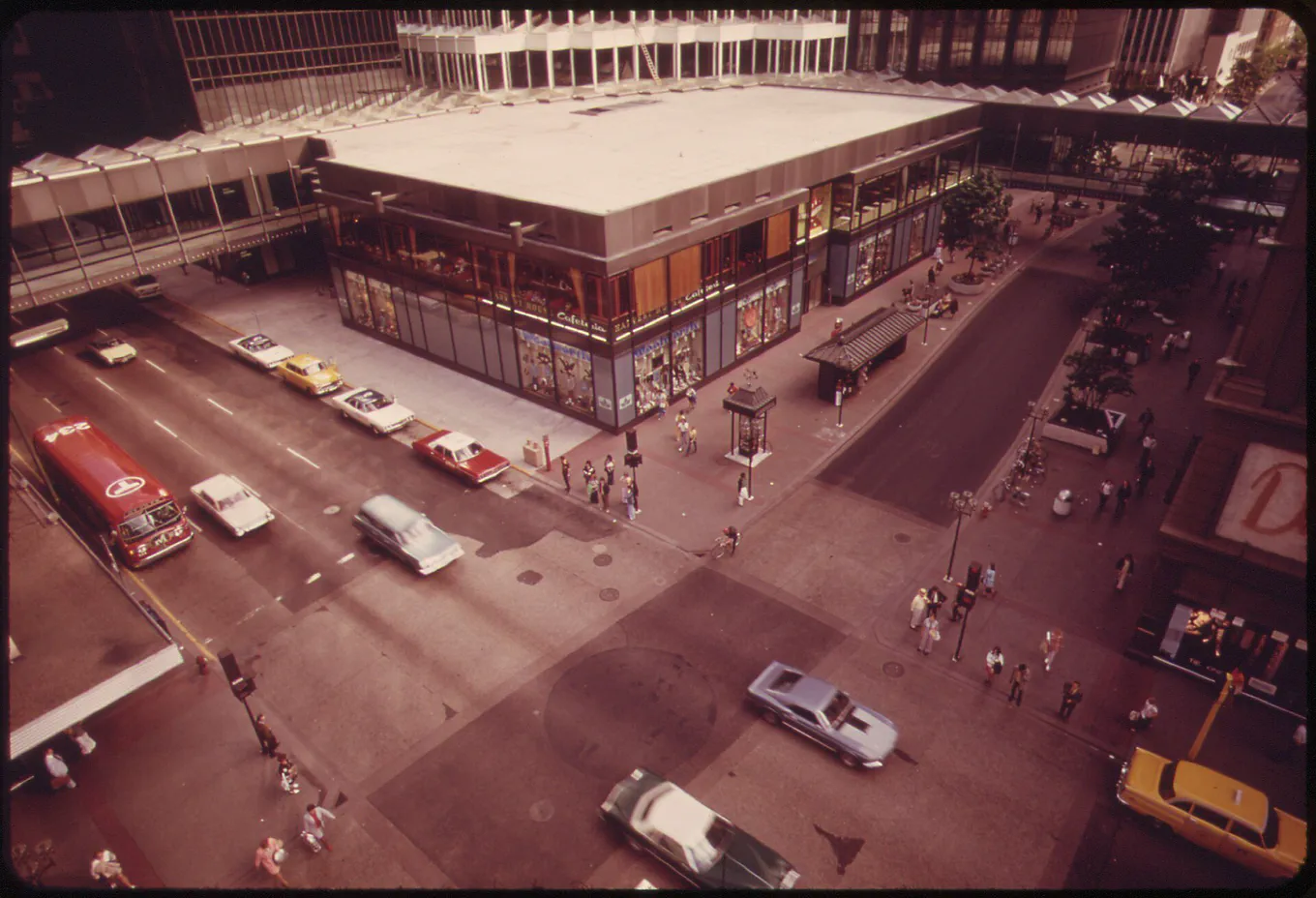
Stand here. The corner of South 7th Street and Nicollet Mall, downtown. A bronze of Mary throwing her hat, dedicated in 2002, stands there today.
Nicollet Mall’s skyway between Dayton’s and the IDS Center, near the corner of 7th Street, in the early 1970s.Donald Emmerich / Public domain.
Every opening of The Mary Tyler Moore Show ended on this corner. The show followed Mary Richards, a single woman of 30 starting over in Minneapolis after a broken engagement. Most of it was filmed in Los Angeles, but the opening was shot here in March 1970, and the director had the idea of Mary throwing her hat in the air. “So I did as I was told,” Moore recalled. Behind her, a woman named Hazel Frederick was caught looking puzzled. In fact, she had been worried for Moore’s safety.
4 Longfellow’s Minnehaha, named for a waterfall he never saw
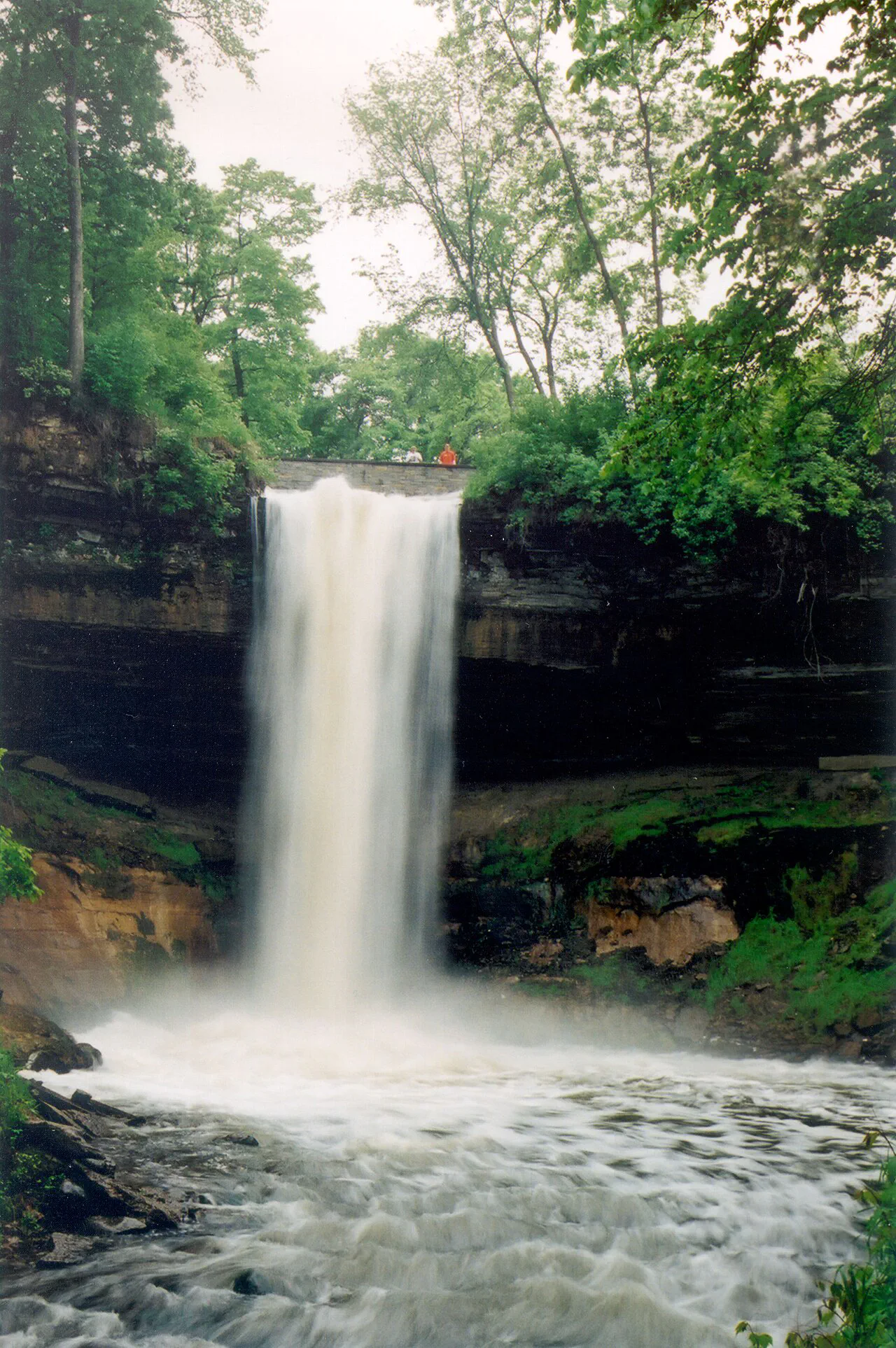
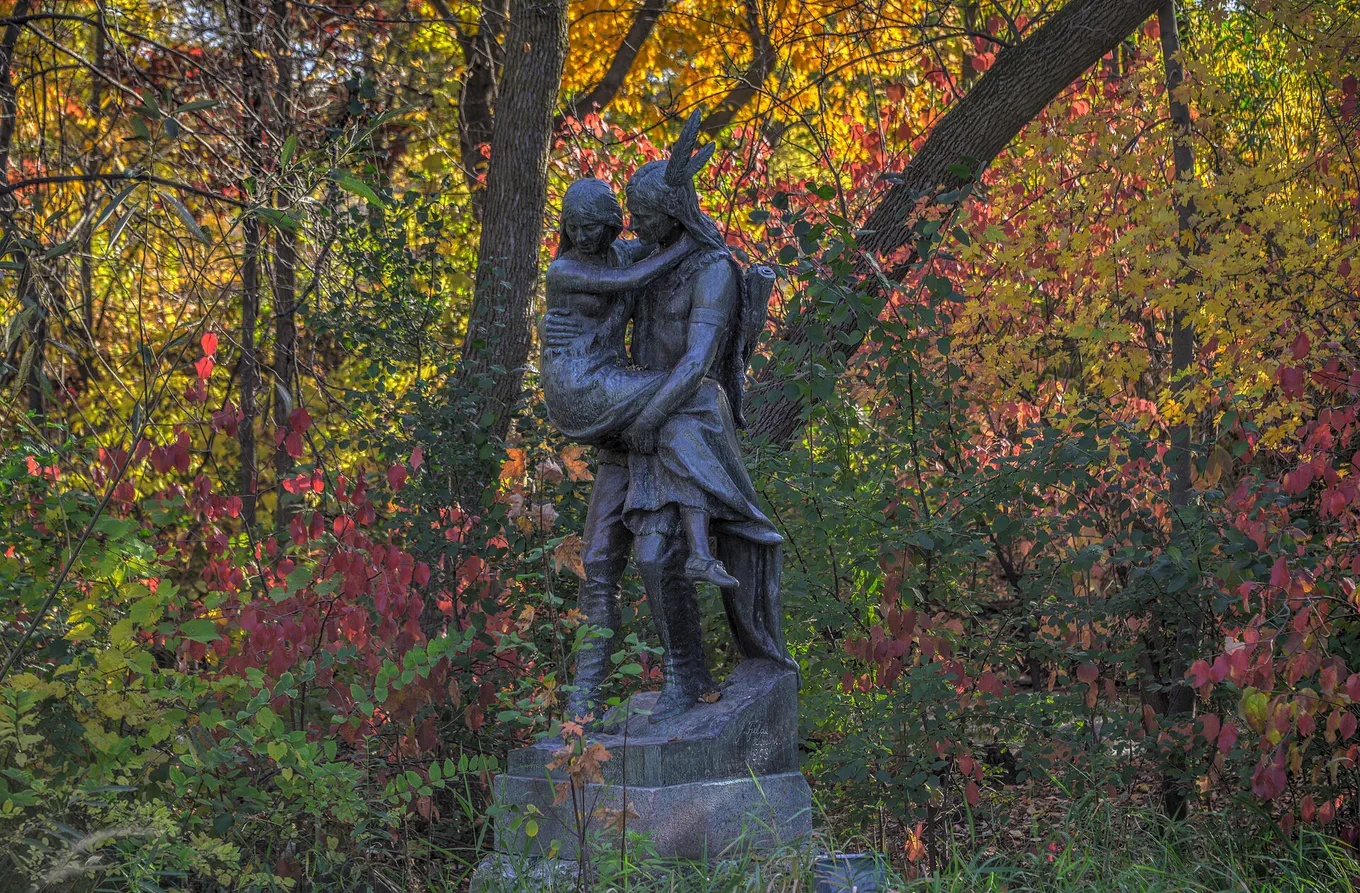
Stand here. Minnehaha Falls, in a city park near the Mississippi. The falls freeze in winter, and a bronze of Hiawatha and Minnehaha stands close by.
Henry Wadsworth Longfellow, the most popular American poet of his day, needed a name for Hiawatha’s love in The Song of Hiawatha, his epic poem of 1855. He called her Minnehaha, after this waterfall, inspired partly by a photographer’s daguerreotype, an early kind of photograph. But he never came here. The poem was an immediate success, with 50,000 copies sold by 1857, and it made the falls famous around the world. They were not named for Minnehaha. She was named for them.
5 Robert Zimmerman becomes Bob Dylan in Dinkytown
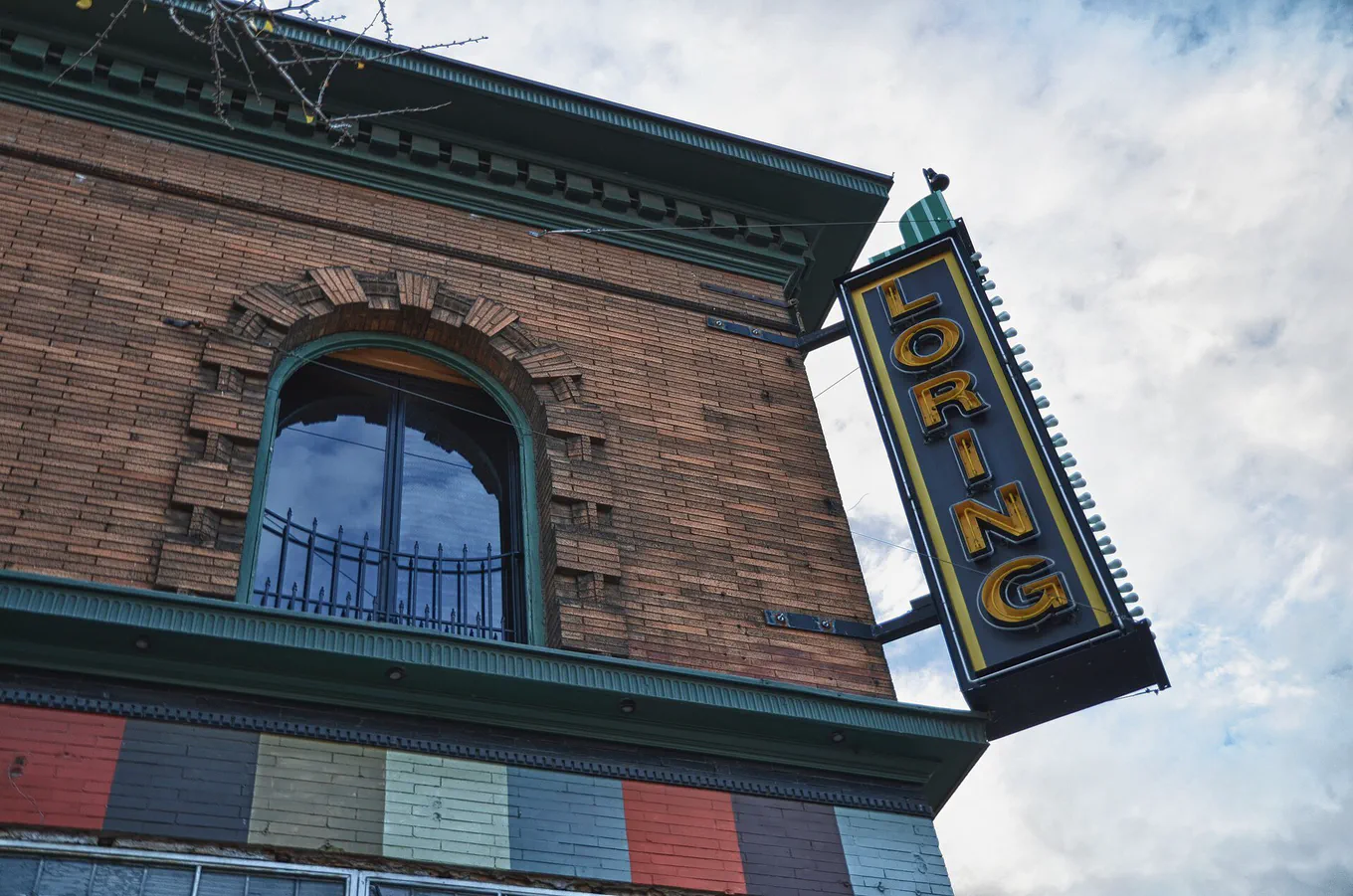
Stand here. The Loring Pasta Bar in Dinkytown, by the University of Minnesota. It was once Gray’s Campus Drug, and Dylan rented a room above it.
Long before his Nobel Prize, Bob Dylan was Robert Zimmerman, from Hibbing, Minnesota. In September 1959, he enrolled at the university here. He rented a room above the drugstore for thirty dollars a month. Playing at the Ten O’Clock Scholar, a coffeehouse near campus, he swapped rock and roll for folk and began calling himself Bob Dylan. “I just made up the name one night,” he said later. He dropped out after a year. When he left for New York, Robert Zimmerman stayed behind.
Pack nothing. Leave Friday.
Every Friday, I write a free letter, Journey, that takes us on a trip through places, stories, and ideas.
The Sentence(Louise Erdrich, 2021). A novel. It is set in Birchbark Books, the Kenwood bookshop for Native books that Erdrich owns in real life.
Wolf Hour(Jo Nesbø, 2025). A crime novel set in Minneapolis, following Bob Oz, a detective in the homicide division of the Minneapolis Police Department, as he investigates several murders.
Films to watch before you visit Minneapolis
Purple Rain(Albert Magnoli, 1984). A film starring Prince. Its hero, The Kid, escapes an abusive home life by playing nights at First Avenue, and the IDS Center’s Crystal Court appears too.
Untamed Heart(Tony Bill, 1993). A film with Marisa Tomei and Christian Slater, built around Jim’s Coffee Shop at 4th Street and Central Avenue, Northeast Minneapolis, where only a faded sign hints at its part in the film.
The Mighty Ducks(Stephen Herek, 1992). A film. District 5’s first games against the Hawks were shot at Parade Ice Garden, and an office scene in the IDS Center downtown.
Questions
Is First Avenue in Minneapolis the club from Purple Rain?
Yes. First Avenue, at 701 First Avenue North downtown, has put on shows since 1970. Prince recorded the song “Purple Rain” there live in 1983 and filmed scenes for the film inside. More than 400 stars on its outside walls name the acts who have played there, and Prince’s is gold.
Where is the Mary Tyler Moore statue in Minneapolis?
At the corner of 7th Street and Nicollet Mall, downtown, where the hat toss was filmed in 1970. TV Land dedicated the bronze in 2002, with Moore there. It spent more than two years at the visitor information building while the mall was renovated, and is now back on the corner.
Why is Minneapolis called the Mill City?
The city grew up around the energy of Saint Anthony Falls, the only natural waterfall on the Mississippi. For a time in the 19th century, it was the lumber and flour milling capital of the world, and its growing mill industries earned it the nickname.