Montevideo, Uruguay, Montevideo Department, South America
Montevideo is the capital and largest city of Uruguay, on the Río de la Plata. Spain founded it in the 1720s as a walled city on a peninsula. Of the walls, only the Citadel gateway survives. Its stories are a shy student’s tango, a one-armed striker in the first World Cup final, a captain who sank his own ship, a prison tunnel, and a rugby team’s crash in the Andes.
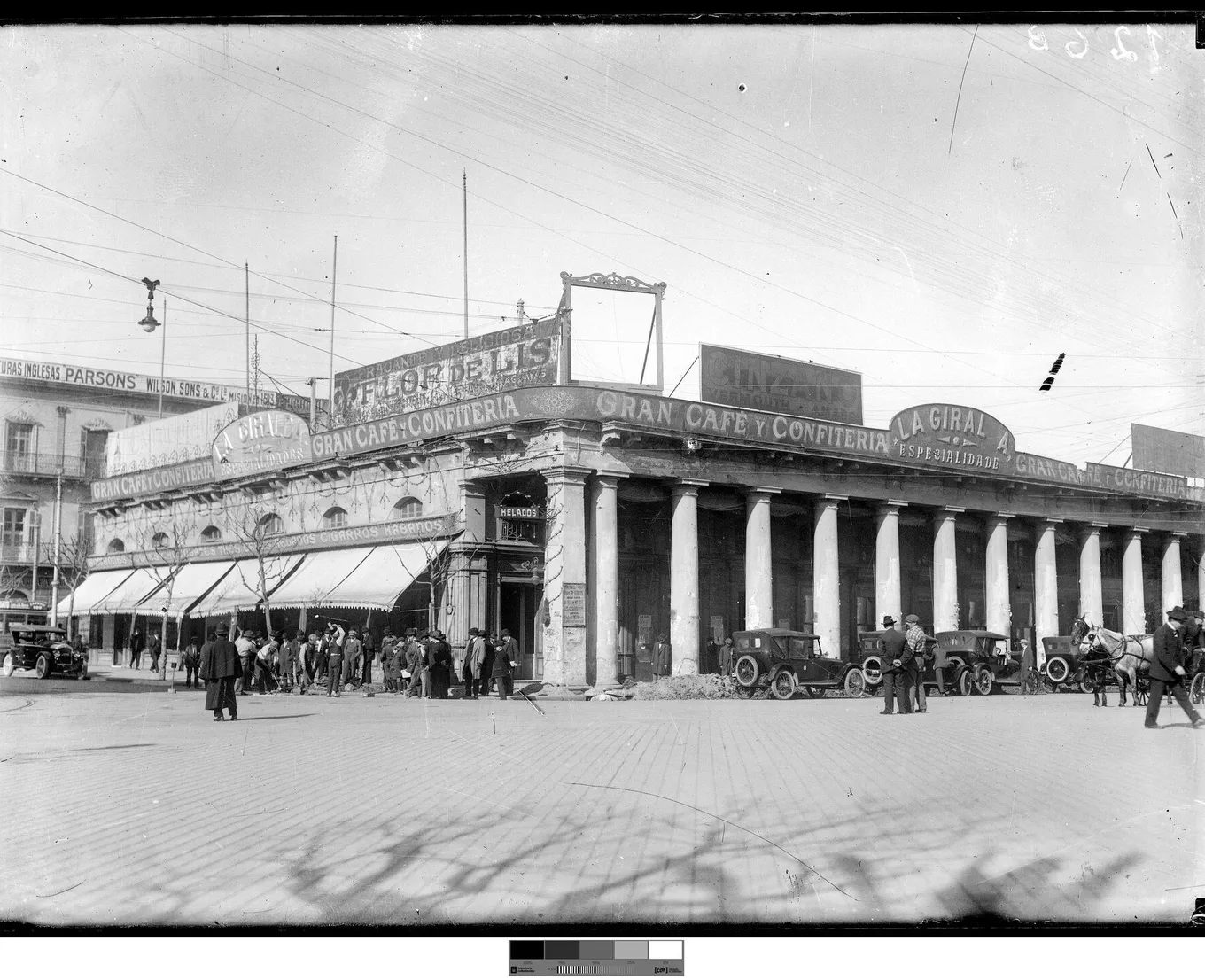
1 La Cumparsita, the shy student’s tango at La Giralda
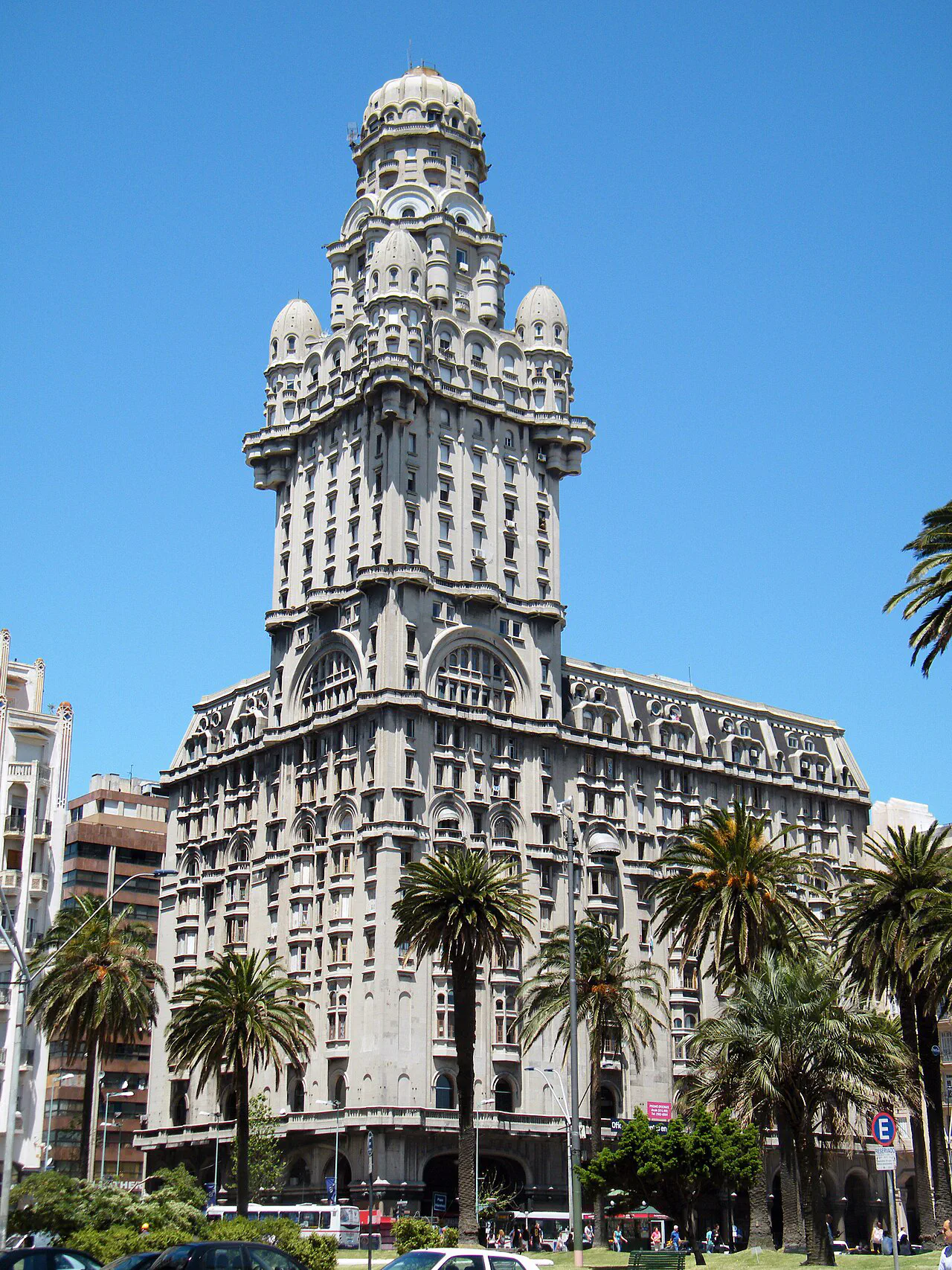
Stand here. Palacio Salvo, on Plaza Independencia, built where Café La Giralda stood. Its Tango Museum has an exhibition on the song.
Confitería La Giralda, the café on Avenida 18 de Julio at Plaza Independencia where La Cumparsita was first played.Unknown / Public domain.
In 1916, an 18-year-old architecture student, Gerardo Matos Rodríguez, wrote a carnival march that became La Cumparsita, one of the most famous tangos of all time. Matos was too shy to play it himself. A friend took it to bandleader Roberto Firpo at Café La Giralda, where Firpo first played it. “It was an apotheosis,” he said. But Argentine lyrics made it a hit, and Matos spent two decades in court over royalties and the title. Today, by law, the shy student’s march is Uruguay’s cultural and popular anthem.
2 One-armed Castro and the first World Cup final
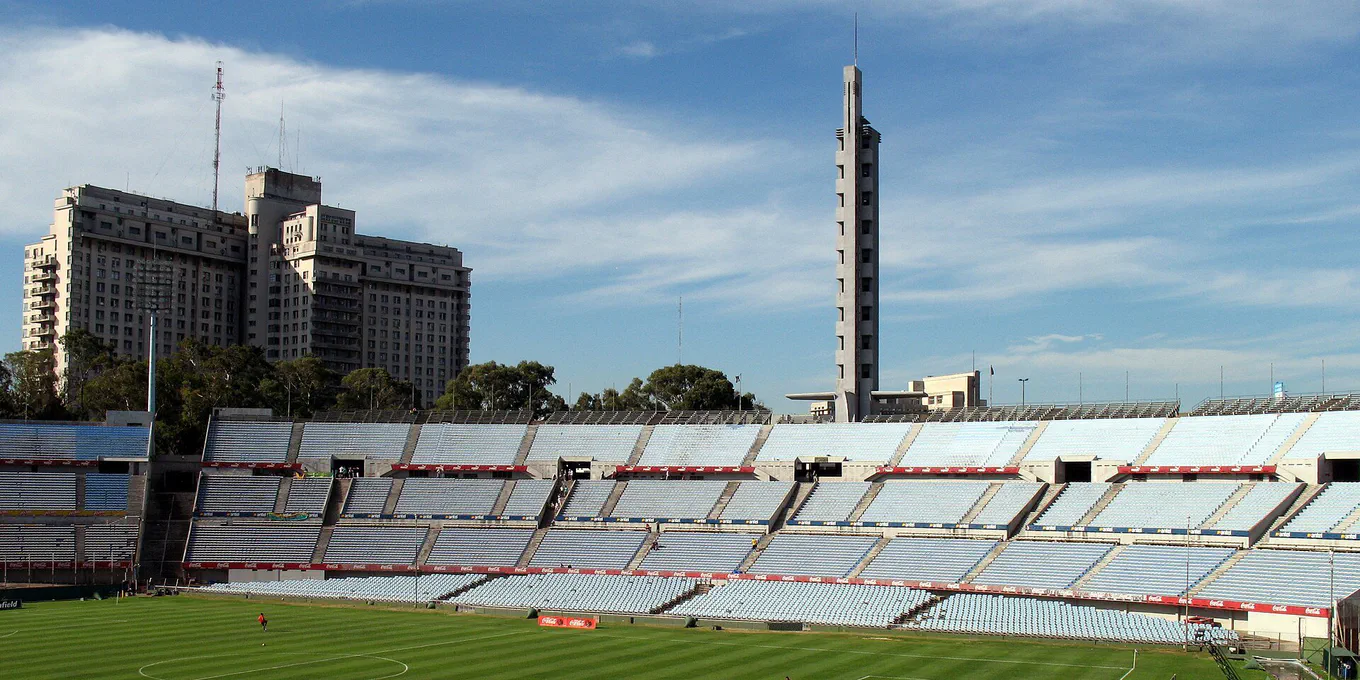
Stand here. The Estadio Centenario, in Parque Batlle, built for the first World Cup and the only building FIFA has named a Historical Monument of World Football.
Uruguay and Argentina reached the first World Cup final, on 30 July 1930, and couldn’t agree on a ball. FIFA ruled Argentina’s for the first half and Uruguay’s for the second. With their own ball, Argentina led 2–1 at the break. With their own, Uruguay scored three. The last, with a minute left, came from Héctor Castro, El Manco, “the one-armed”, who had lost his right forearm to an electric saw at 13. The next day was a national holiday, and in Buenos Aires a mob stoned the Uruguayan consulate.
3 Captain Langsdorff and the Graf Spee off Montevideo
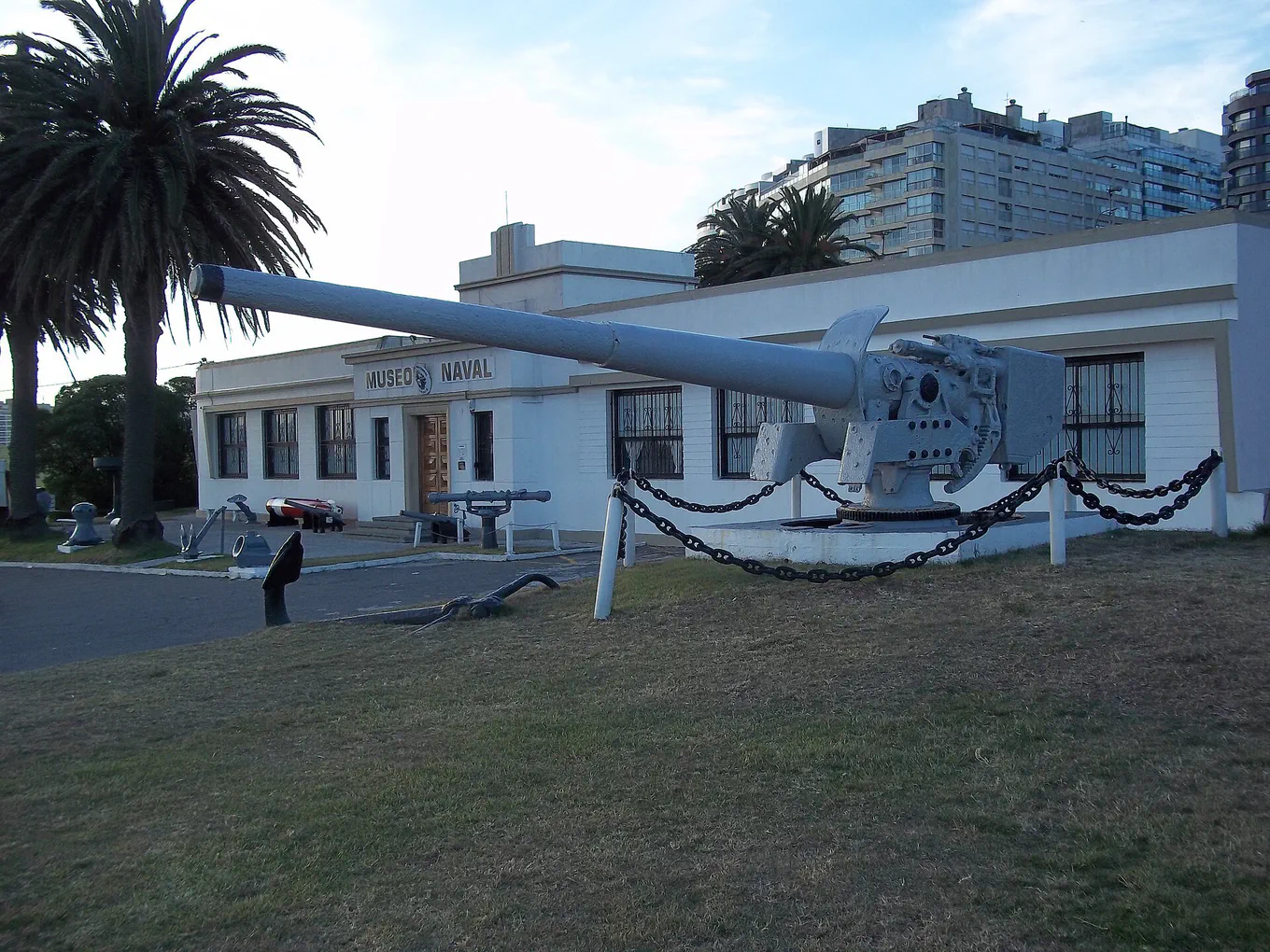
Stand here. The Naval Museum on the Rambla, where a gun raised from the Graf Spee in 1997 stands at the entrance.
Peter Finch plays Hans Langsdorff in the 1956 film The Battle of the River Plate. In December 1939, the real Langsdorff brought his damaged pocket battleship, the Admiral Graf Spee, into neutral Montevideo. Repairs needed up to two weeks, but neutrality rules allowed 72 hours. British signals, meant for German ears, convinced him a superior fleet was waiting. The nearest heavy ships were 2,500 nautical miles away. Unwilling to risk his crew, he sank his own ship as 20,000 people watched. Three days later, in a Buenos Aires hotel, he shot himself.
4 José Mujica and the tunnel out of Punta Carretas
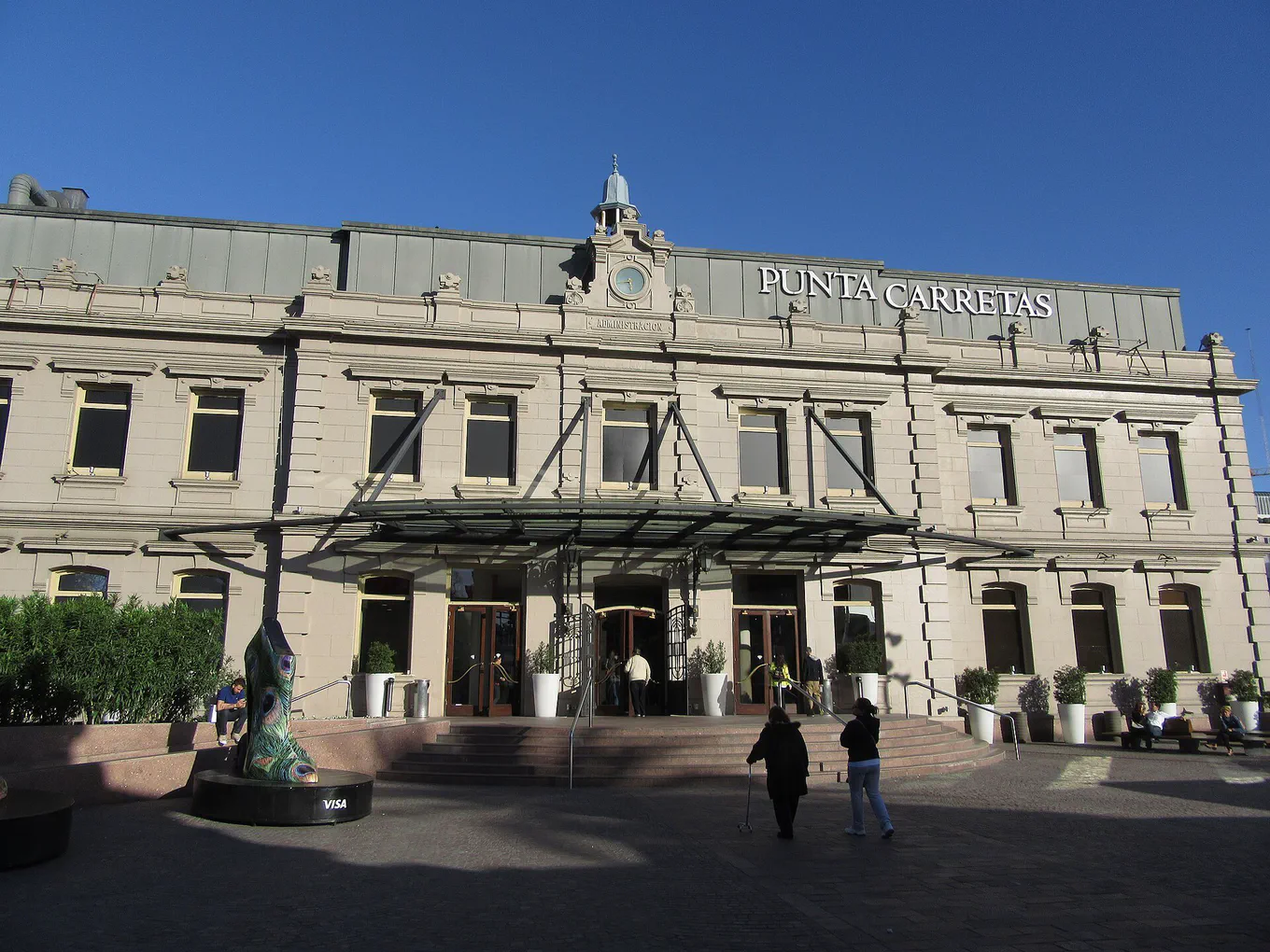
Stand here. Punta Carretas Shopping. The prison became a shopping centre in 1994, and its arch and outer façade still stand.
José Mujica, a future president of Uruguay, escaped from this building through a tunnel. In 1971, he was one of the Tupamaros, a Marxist–Leninist urban guerrilla group, held in Punta Carretas prison. Prisoners dug 45 metres from cell 73 to the living room of a house nearby, and in the early hours of 6 September more than 100 got out, in an escape that entered the Guinness Book of Records. Within a month, Mujica was caught again. The next April, he escaped from Punta Carretas once more.
5 The Old Christians’ flight from Montevideo into the Andes
Stand here. Museo Andes 1972, at Rincón 619 in Ciudad Vieja, a museum that sets out to represent all 45 people aboard.
The story told in the film Society of the Snow began in Montevideo. The Old Christians, the alumni rugby team of Stella Maris College, were due to play in Santiago, Chile, and the club chartered an air force plane. It left Carrasco airport on 12 October 1972 and crashed in the Andes the next day, with 45 people aboard. To stay alive, the survivors ate the flesh of the dead. Three set out across the mountains, and after nine days saw a man on horseback. Sixteen of the 45 came home.
Pack nothing. Leave Friday.
Every Friday, I write a free letter, Journey, that takes us on a trip through places, stories, and ideas.
The Invisible Mountain(Carolina De Robertis, 2009). A novel of Uruguay and De Robertis’s debut, partly set in Montevideo, as miracles, poetry, and guerrilla fighters march through the twentieth century.
La uruguaya (The Woman from Uruguay)(Pedro Mairal, 2016). A novel by an Argentine writer. In the thick of a crisis at forty, its main character travels to Montevideo to collect royalties.
La tregua (The Truce)(Mario Benedetti, 1960). A novel. Set in Montevideo from February 1957 to February 1958, it follows Martín Santomé, a widower close to retirement who falls in love with his secretary.
Films to watch before you visit Montevideo
Gigante (Giant)(Adrián Biniez, 2009). A comedy-drama film set in Montevideo. Its hero watches Julia on the television cameras monitoring the supermarket, then pursues her across the city.
La vida útil (A Useful Life)(Federico Veiroj, 2010). A drama film, shot in black and white and set in the Cinemateca Uruguaya, about the cinematheque’s fictional closure. Its real director, Manuel Martínez Carril, plays himself.
Miami Vice(Michael Mann, 2006). A crime action film adapted from the 1980s television series, shot partly on the Rambla waterfront avenue and in Montevideo’s Old City.
Questions
Can you visit the stadium where the first World Cup final was played?
Yes. The Estadio Centenario stands in Parque Batlle, and the Uruguayan Football Museum, opened in 1975, is under its Olympic grandstand. FIFA declared the stadium the first Historical Monument of World Football in 1983, and it is still the only building with that status.
Can you see the Graf Spee in Montevideo?
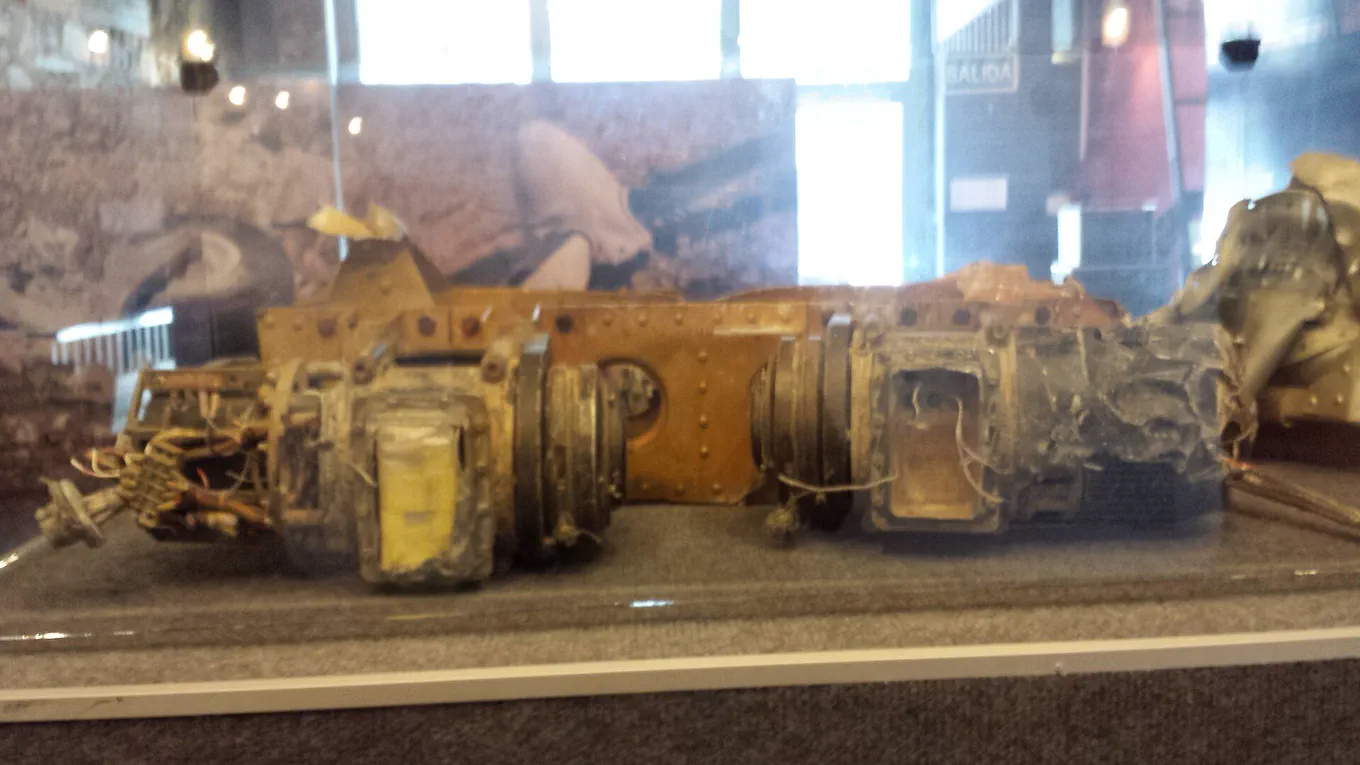
Not the wreck itself, which lies less than 12 metres down off Montevideo, its site marked by two buoys. The ship’s rangefinder is at the Port of Montevideo, and the Naval Museum on the Rambla holds more pieces of the ship. Its anchor went to a memorial site in Punta del Este in 2021.
What is the Rambla in Montevideo?
The Rambla is the avenue that runs along the whole of Montevideo’s coastline, on the Río de la Plata. At 27 kilometres, it is one of the longest esplanades in the world, and the Naval Museum stands on it.