Toyota began with a loom, and eventually sold its patent to a British firm so they could start making cars. I’ve been low-key obsessed with the Toyota Production System (commonly known as lean) for years.
I’m a strange boy.
— Nick
Nagoya is the capital of Aichi Prefecture, on the Pacific coast of central Honshu in Japan, north of Ise Bay. It became the capital of Owari Province in 1610, when the shogun Tokugawa Ieyasu moved it there from Kiyosu. Its stories are a sword no one may see, a warlord’s thank-you wall, the loom that paid for Toyota, a thief on the castle roof, and the castle model Godzilla couldn’t completely destroy.
1 Yamato Takeru and the Kusanagi sword at Atsuta Shrine
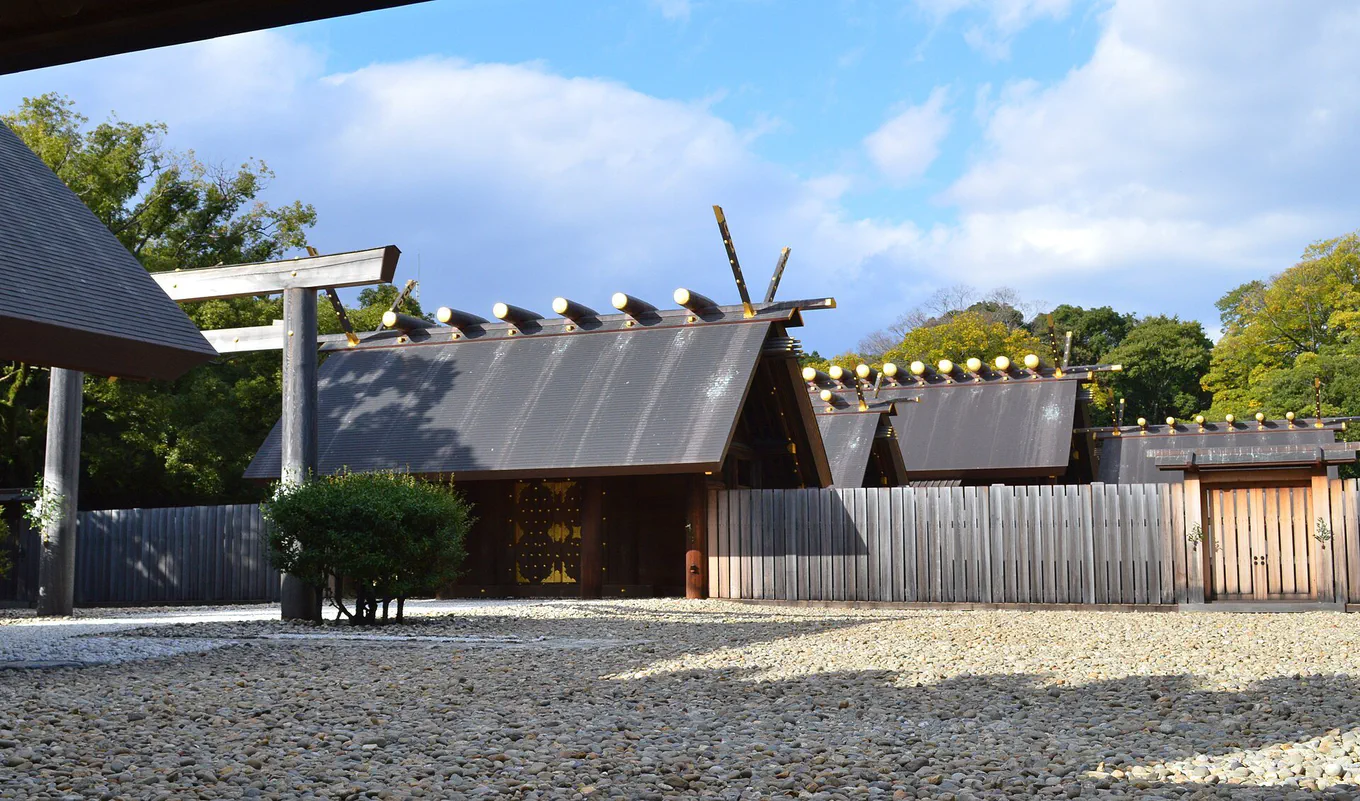
Stand here. Atsuta Shrine, in Atsuta-ku. Many of its buildings were destroyed by fire, and its main hall was rebuilt by 1955.
The main sanctuary of Atsuta Shrine, in Nagoya’s Atsuta ward, seen across its gravel forecourt.Saigen Jiro / CC0.
Kusanagi, one of Japan’s Three Sacred Treasures, is said to be kept at Atsuta. In legend, the prince Yamato Takeru cut his way out of a grass fire with it and named it the Grass Cutting Sword. He married Miyasuhime, then went to fight the god of Mount Ibuki and left the sword with her. The god cursed him with disease, and he died. Miyasuhime enshrined the sword at Atsuta. No one is allowed to look at it, so its shape has never been confirmed.
2 Oda Nobunaga’s thank-you wall at Atsuta Shrine
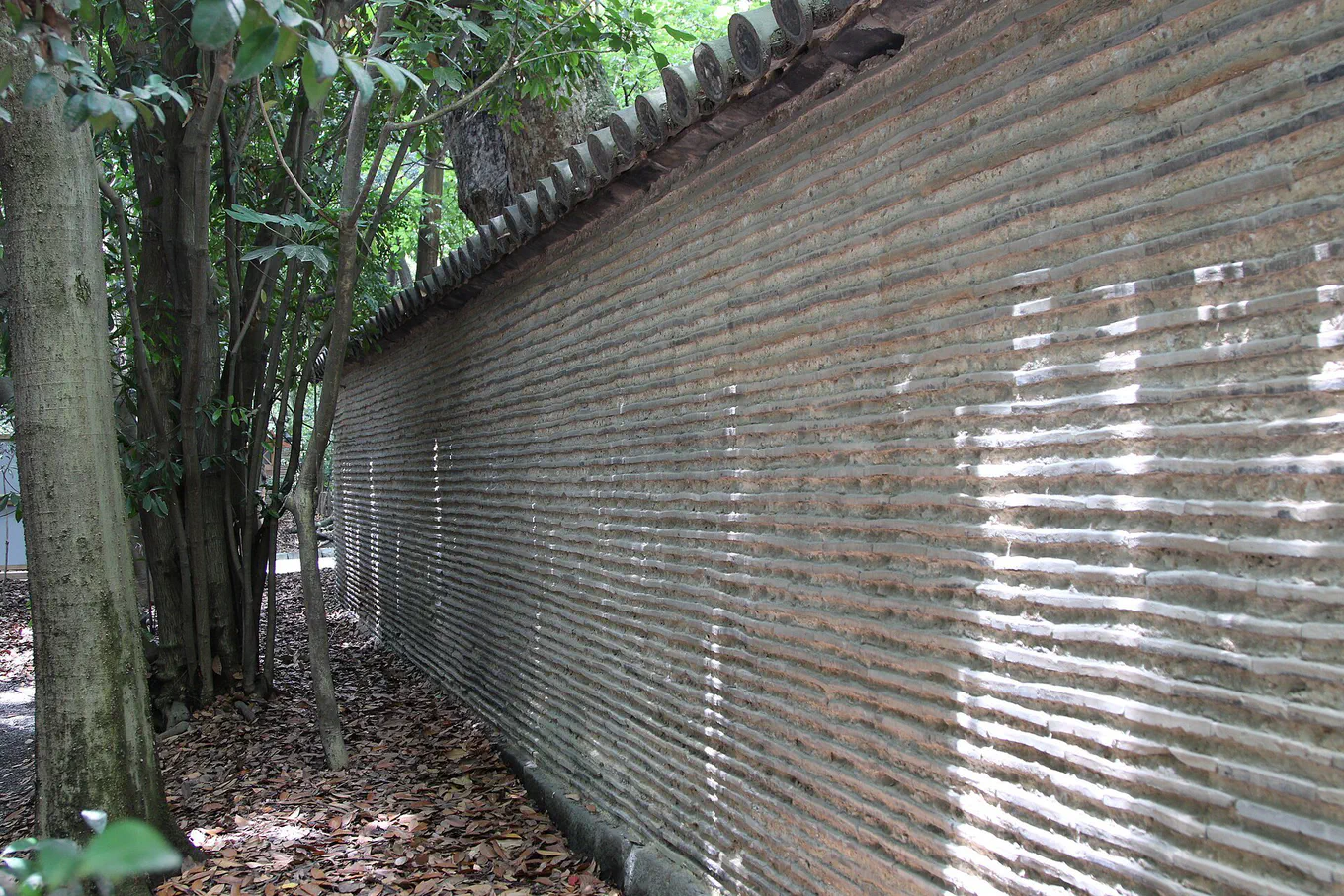
Stand here. The Nobunaga Wall, in the grounds of Atsuta Shrine, counted among the three greatest earthen walls in Japan.
In 1560, Oda Nobunaga, the warlord of western Aichi, faced an army of 25,000 men on its way to Kyoto, with about a tenth as many of his own. He led them out by way of Atsuta and prayed here for victory. Under cover of a thunderstorm, the story goes, his men fell on the enemy at Okehazama, and one of them took the enemy general’s head. Nobunaga had won at odds of ten to one. In thanks, he gave the shrine a wall.
3 Sakichi Toyoda’s loom factory, where Toyota’s money began
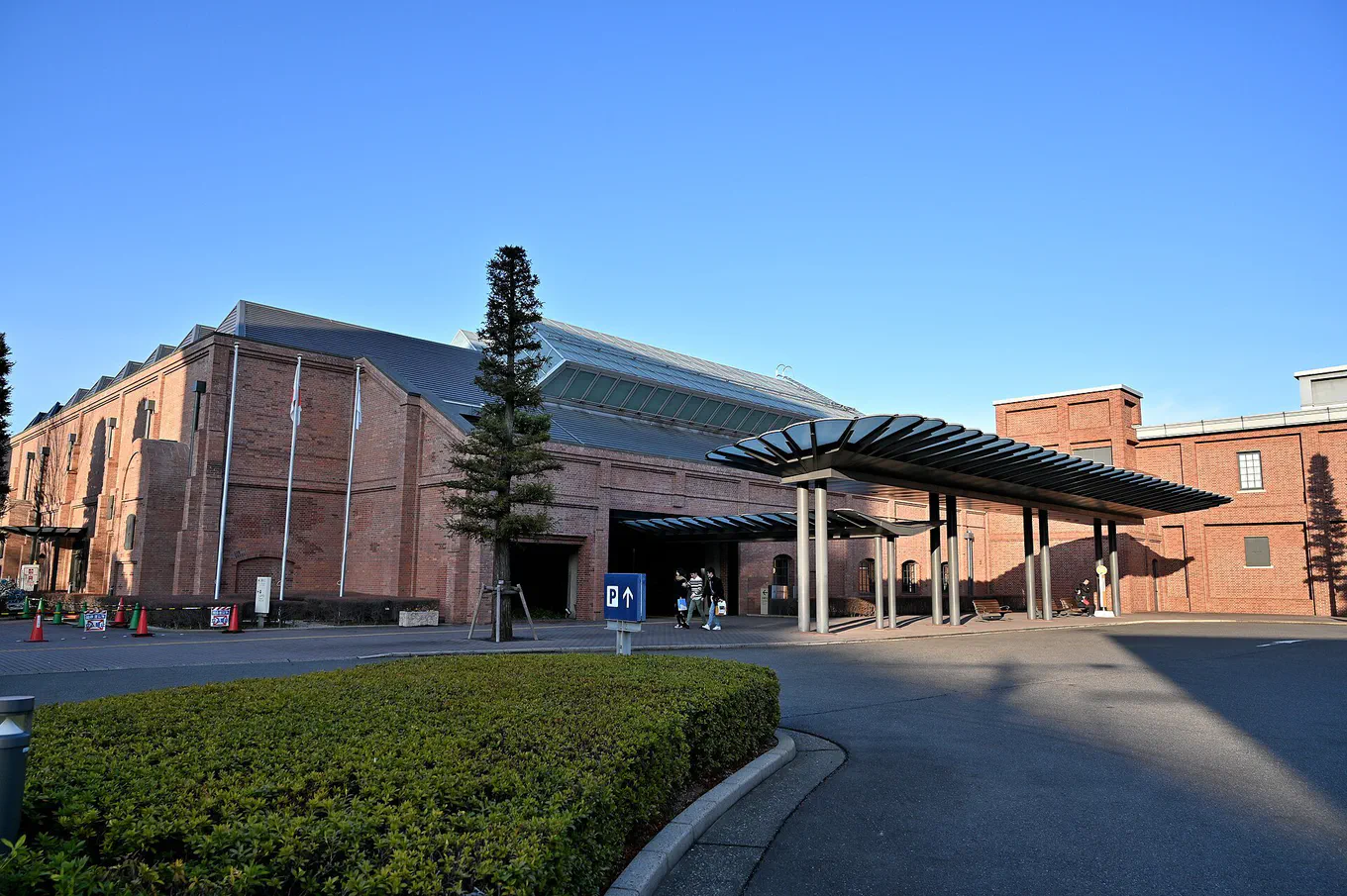
Stand here. The Toyota Commemorative Museum of Industry and Technology, in Nishi-ku, in the red-brick factory Sakichi Toyoda built in 1911 to develop looms.
The carmaker Toyota began with a loom. Sakichi Toyoda set out to build a better one for the women weavers of his community, and his automatic looms earned him the name “father of the Japanese industrial revolution”. In 1929, he sold the patent for one of them to Platt Brothers, a British firm, to give his son Kiichiro the money to start making cars. But Sakichi died in Nagoya the next year. It was Kiichiro who would build Toyota.
4 The 1937 theft of Nagoya Castle’s golden scales
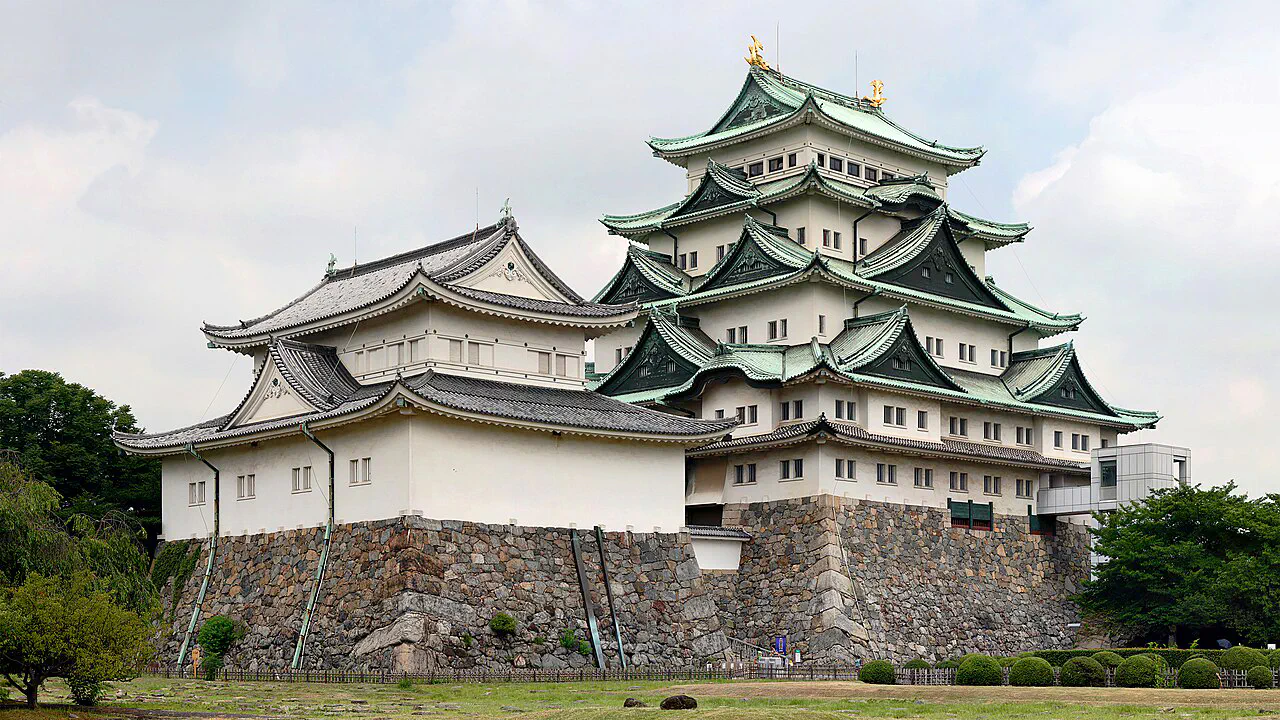
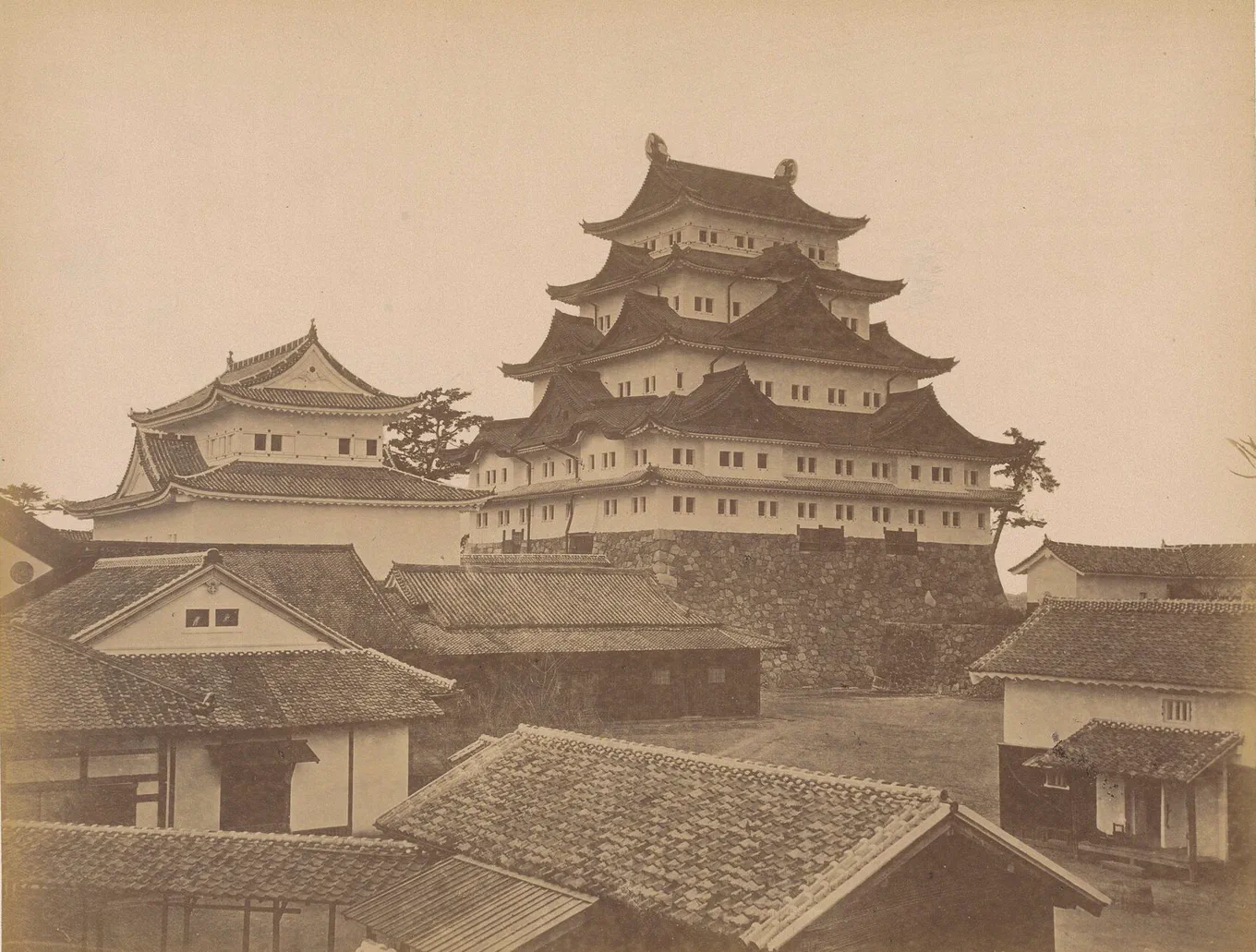
Stand here. Nagoya Castle’s main keep. The keep that was robbed, and its golden shachi, burned in the air raids of May 1945.
Nagoya Castle’s original main keep, golden shachi on its roof, which burned in the air raids of May 1945.Rijksmuseum / CC0.
An Edo legend tells of a thief who rode a giant kite to steal scales from Nagoya Castle’s golden shachi, the tiger-headed fish on its roof. One night in January 1937, an Osaka sewing-machine worker needed no kite. Scaffolding was up for a survey, so he climbed it and stripped gold equal to 58 scales. But he couldn’t melt it down. He was arrested within weeks and later given ten years. Newspapers said he wanted money to find the wife and children he had parted from.
5 Godzilla and the Nagoya Castle model that wouldn’t fall
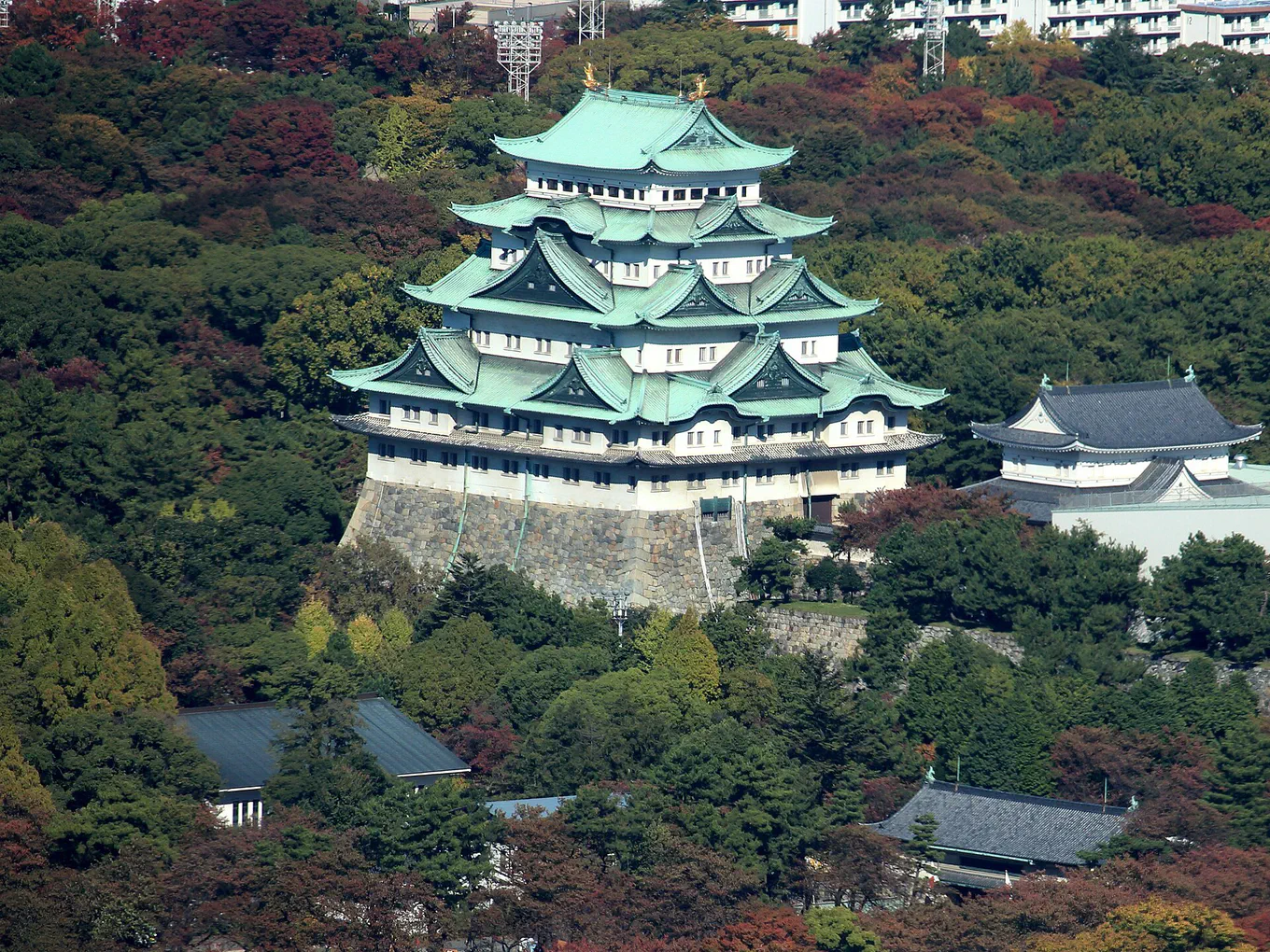
Stand here. Nagoya Castle’s main keep again. Its replacement, in steel-reinforced concrete, went up in 1959, five years before the film.
Godzilla wrecks Nagoya in Mothra vs. Godzilla (1964), and the castle was meant to fall with it. Haruo Nakajima, the stuntman who played Godzilla in twelve films in a row, had to smash a model of the keep. But he couldn’t destroy it completely. So the filmmakers rebuilt the model, designed this time to crumble more easily, and shot the scene again. The real keep had burned in 1945. On film, the castle had to be built twice to fall once.
Colorless Tsukuru Tazaki and His Years of Pilgrimage(Haruki Murakami, 2013). A novel. Tsukuru first travels to his hometown of Nagoya and meets his high-school friend Ao, the former football jock who is now a successful Lexus dealer.
Sanshirō(Sōseki Natsume, 1908). A novel. A young woman on the train asks Sanshirō for help with lodgings when they stop in Nagoya, and they share a room with a single futon.
Asadora!(Naoki Urasawa, 2018). A manga series. In 1959, moments before Typhoon Vera makes landfall at the Port of Nagoya, 12-year-old Asa Asada seeks help to deliver her mother’s twelfth child.
Films to watch before you visit Nagoya
Mothra vs. Godzilla(Ishirō Honda, 1964). A kaiju film. Citizens evacuate as Godzilla wreaks havoc on Yokkaichi and Nagoya, and one scene shows him destroying Nagoya Castle.
Mr. Baseball(Fred Schepisi, 1992). A sports comedy film. Tom Selleck plays a Yankees first baseman traded to the Chunichi Dragons. Its most prominent scenes were filmed at Nagoya Stadium, in Otobashi.
Gamera vs. Gyaos(Noriaki Yuasa, 1967). A kaiju film in which Gyaos, despite claims it is nocturnal, ignores military flares and attacks Nagoya.
Questions
Can you see the Kusanagi sword at Atsuta Shrine?
No. The sword is said to be kept at Atsuta Shrine, but it is never put on public display. Shinto tradition holds it too sacred for anyone to see, so its exact shape and condition have never been confirmed.
Where was Toyotomi Hideyoshi born?
In Nakamura, in Owari Province, which is now Nakamura Ward in Nagoya. The son of a peasant foot soldier, he rose to rule Japan. In Nakamura Park, beside Toyokuni Shrine, which is dedicated to him, a stone memorial marks the spot claimed as his birthplace.
What is Nagoya known for?
Nagoya is the fourth-most populous city in Japan, with about 2.3 million people in 2025, and the largest city in the Chūbu region. Its main industry is automotive, and Sakichi Toyoda’s looms are where Toyota began. The Tokaido Shinkansen links it to Tokyo, Osaka, and Kyoto.