Nairobi, Kenya’s capital and largest city, lies in the south-central part of the country and began as a depot on the Uganda Railway, which reached it on 30 May 1899. Its stories here are a writer’s failing coffee farm, an earl shot dead on the Ngong road, a hanged freedom fighter cast in bronze, two young giraffes, and a tower that never rose.
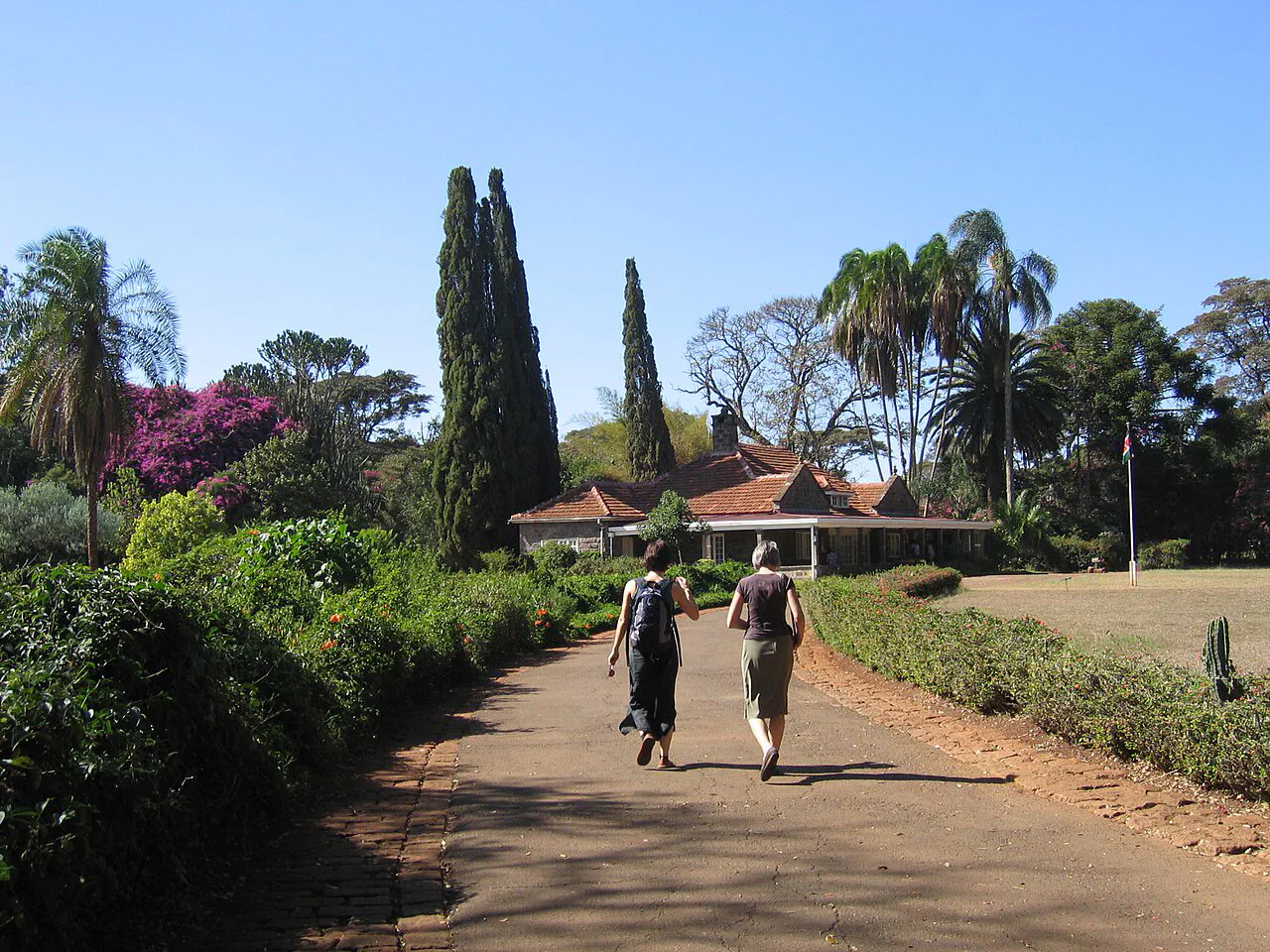
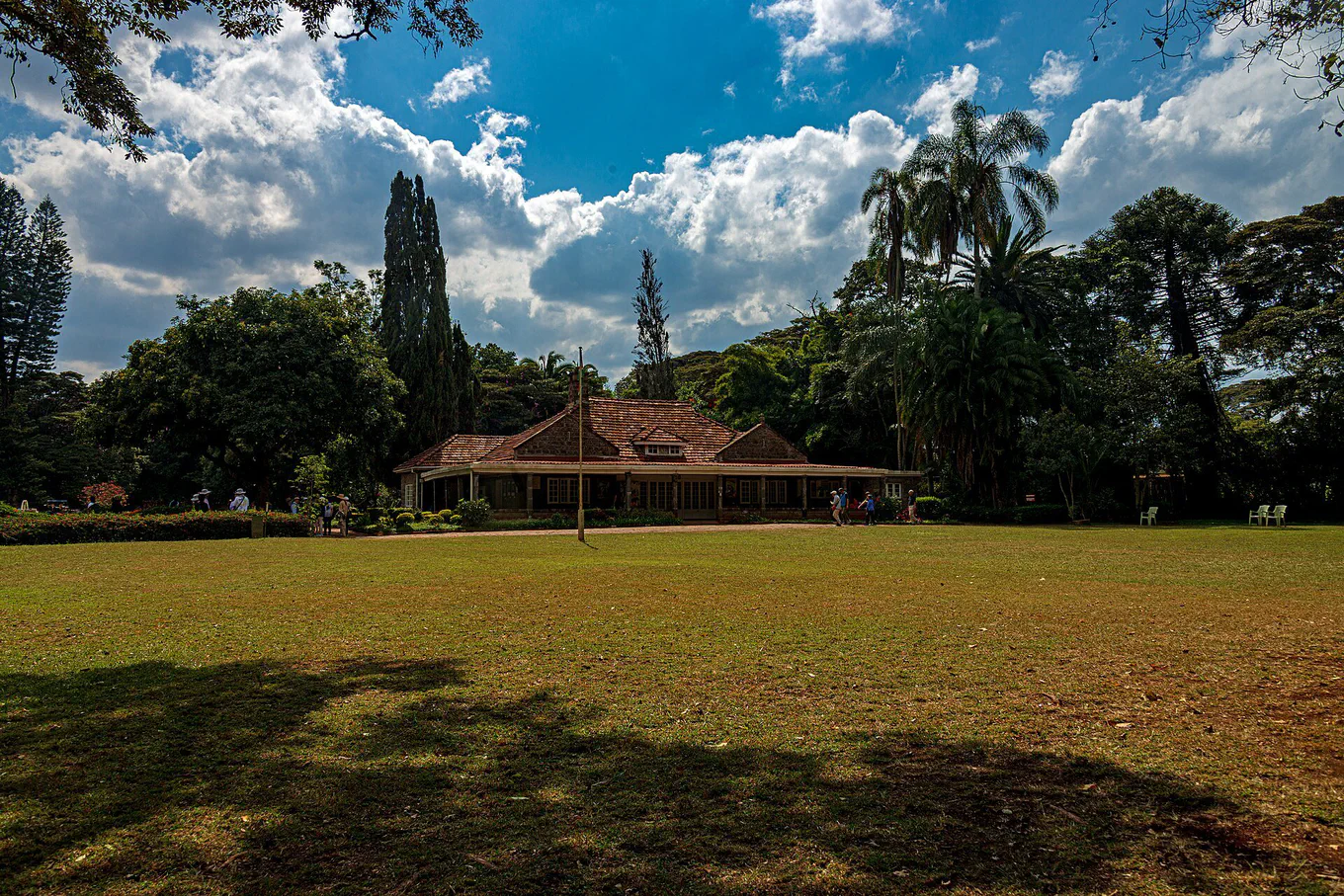
Karen Blixen’s memoir Out of Africa, filmed in 1985 with Meryl Streep, opens “I had a farm in Africa, at the foot of the Ngong Hills.” This was her farmhouse. But the land was too high for the coffee she grew. Drought and the Depression’s falling prices sank the farm into debt, and in 1931 she was forced to sell. That year, her lover Denys Finch Hatton died when his plane crashed, and she went home to Denmark. The suburb that grew on her land is named Karen.
2 Lord Erroll, the Muthaiga Club, and White Mischief
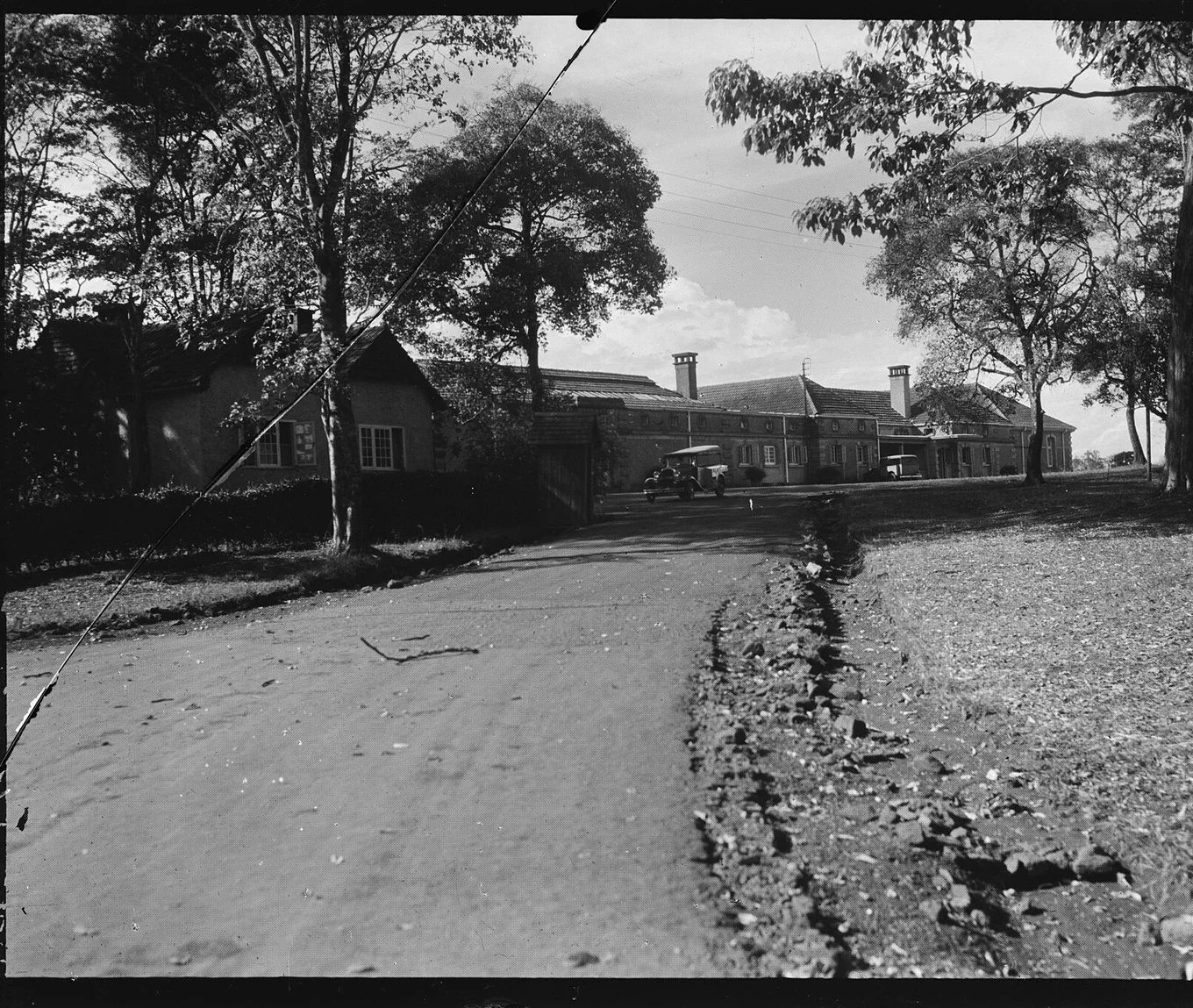
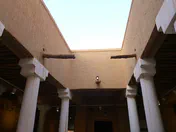
Stand here. The Muthaiga Country Club, in the suburb of Muthaiga. Opened in 1913, it is still frequented by Kenya’s upper class.
The exterior of the Muthaiga Club in Nairobi in the colonial era, from the Matson photograph collection.Matson Collection / Public domain.
The story behind White Mischief, James Fox’s book and 1987 film, begins with a marriage pact. Sir Jock Delves Broughton’s new wife, Diana, could leave him for another man. At this club she met Josslyn Hay, Earl of Erroll, and they began an affair. In January 1941, Erroll was found shot dead in his car on the Nairobi–Ngong road. Broughton was acquitted, because his Colt had six grooves and the fatal bullet five. He later died of a morphine overdose in Liverpool. Material found in 2007 suggests he did it.
3 Dedan Kimathi, hanged in 1957, back on Kimathi Street
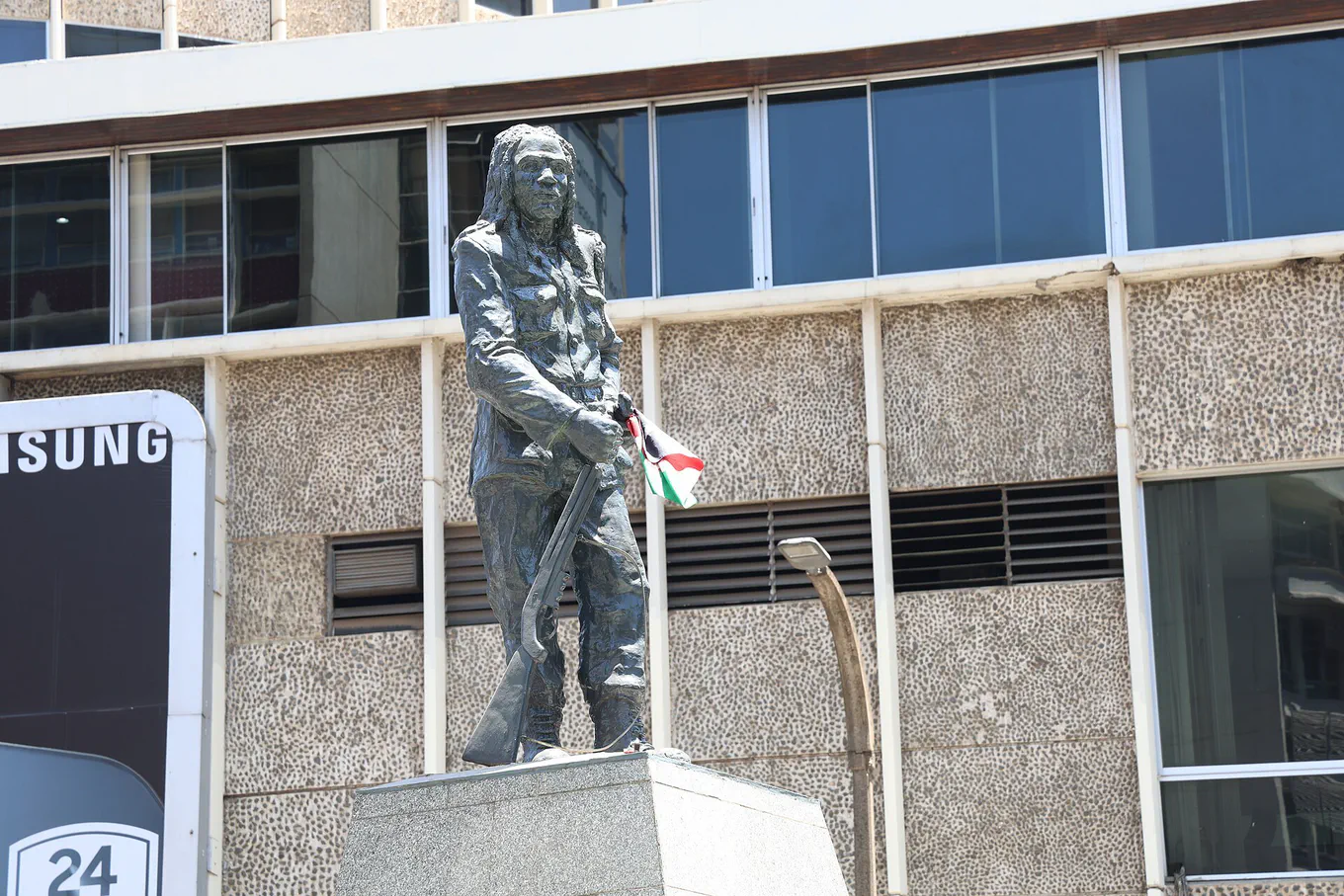
Stand here. The bronze statue of Dedan Kimathi, at the junction of Kimathi Street and Mama Ngina Street in the city centre.
Dedan Kimathi led the Kenya Land and Freedom Army in the Mau Mau rising against British rule. In 1956, he was shot in the leg and captured in the forest. He was sentenced to death in a hospital bed, hanged, and buried in an unmarked grave. When Nelson Mandela visited Nairobi, he asked to see it, and the request was not met. But in 2007, fifty years to the day after the hanging, Kenya’s president unveiled his statue here, rifle in his right hand and dagger in his left.
4 Daisy the giraffe and the Leslie-Melvilles’ home in Lang’ata
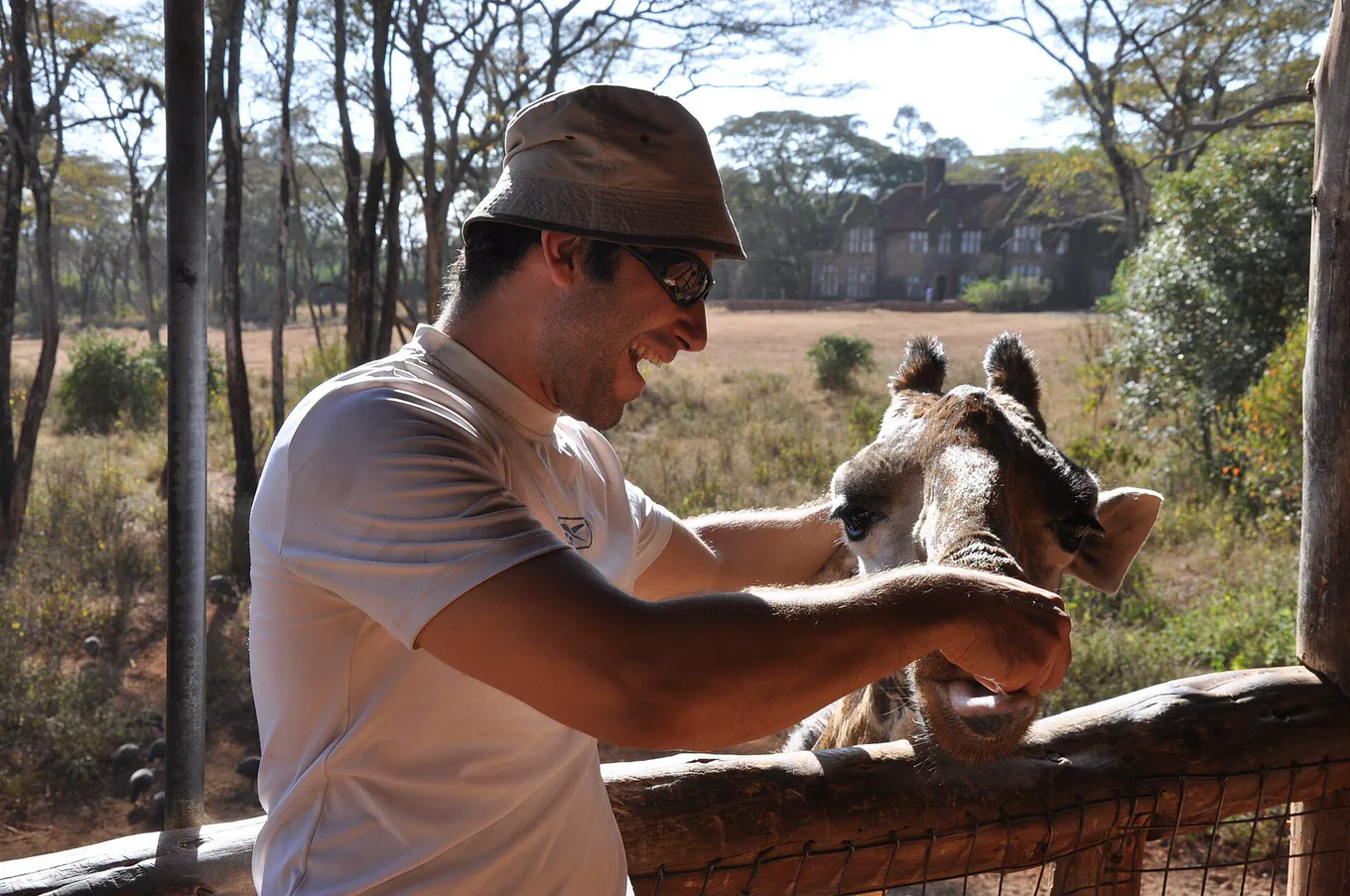
Stand here. The Giraffe Centre in Lang’ata, where visitors feed giraffes from a raised platform. Giraffe Manor, the Leslie-Melvilles’ old house, is a hotel.
In 1979, 130 Rothschild’s giraffes were left on a ranch in western Kenya that was being divided up to resettle squatters. Betty Leslie-Melville, born in Baltimore, and her husband Jock, a Kenyan, set out to save them. They brought two young giraffes home to Lang’ata: Daisy, a baby eight feet tall, and Marlon, named after Marlon Brando. There they began breeding giraffes. Today more than 300 Rothschild’s giraffes breed in Kenya’s national parks, and one of the giraffes here is Daisy IV, named after the first.
5 Wangarĩ Maathai saves Uhuru Park from a tower
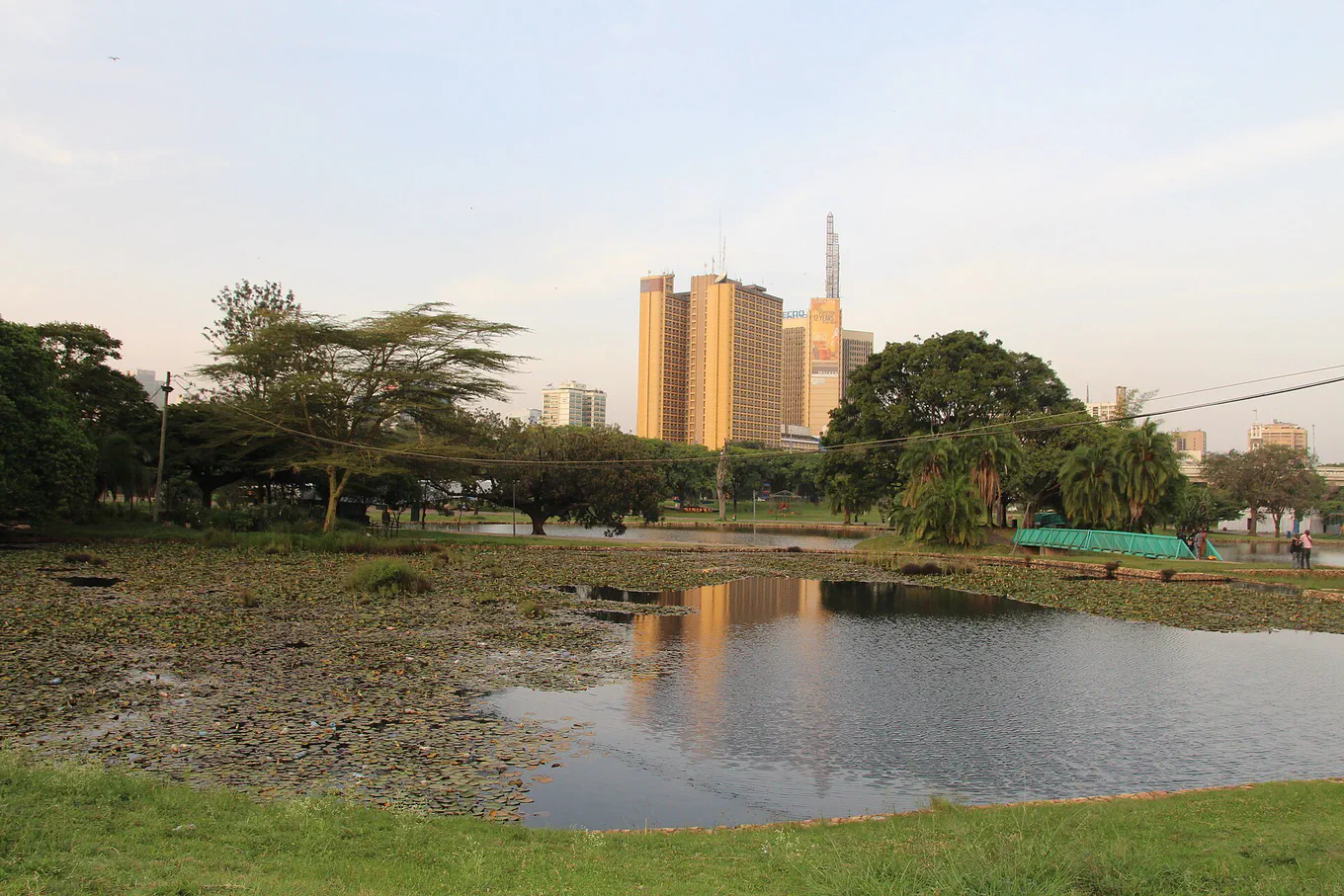
Stand here. Uhuru Park, beside the central business district, a 32-acre park with an artificial lake and several national monuments.
In October 1989, Wangarĩ Maathai, later the first African woman to win the Nobel Peace Prize, learned of a plan to build a 60-storey tower here. It was to house the ruling party’s headquarters, with a large statue of President Moi. She protested, comparing it to building in Hyde Park or Central Park. The government called her “a crazy woman”, and Moi said opponents had “insects in their heads”. But her protests, and the coverage of the government’s response, led the foreign investors to cancel the project in January 1990.
Pack nothing. Leave Friday.
Every Friday, I write a free letter, Journey, that takes us on a trip through places, stories, and ideas.
Out of Africa(Karen Blixen, 1937). A memoir. Her eighteen years in Kenya, on the coffee farm below the Ngong Hills that became the suburb of Karen.
White Mischief(James Fox, 1982). Non-fiction. The unsolved 1941 murder of Lord Erroll, found shot dead in his car on the Nairobi–Ngong road.
Going Down River Road(Meja Mwangi, 1976). A novel. Ben and Ocholla, two young men, work as casual labourers at a construction site and hustle for survival along River Road in Nairobi, among factories, bars, and brothels.
Films to watch before you visit Nairobi
Out of Africa(Sydney Pollack, 1985). A film. Meryl Streep as Blixen and Robert Redford as Finch Hatton, much of it shot in Karen and Lang’ata near the Ngong Hills.
White Mischief(Michael Radford, 1987). A film. Greta Scacchi, Charles Dance, and Joss Ackland in the Erroll affair, shot at Shepperton Studios and on location in Kenya.
The Constant Gardener(Fernando Meirelles, 2005). A film, shot partly on 16mm on location in the slums of Kibera, a section of Nairobi.
Nairobi Half Life(David “Tosh” Gitonga, 2012). A film, in which a character is told to go to the National Theatre in Nairobi.
Questions
Can you visit Karen Blixen’s house in Nairobi?
Yes. Her farmhouse at the foot of the Ngong Hills, about 10 km from the city centre, is now the Karen Blixen Museum, one of Kenya’s national museums. The house was given to the new Kenyan government as an independence gift, and it opened to the public in 1986, after the success of the film Out of Africa.
Where can you feed giraffes in Nairobi?
At the Giraffe Centre in Lang’ata, about 20 km from the city centre, where visitors feed Rothschild’s giraffes from a raised platform. It opened to the public in 1983 at the Leslie-Melvilles’ old home, where they raised Daisy and Marlon and began breeding giraffes.
Is there really a national park inside Nairobi?
Yes. Nairobi National Park, about 7 km from the city centre, opened in 1946 as Kenya’s first national park, and Nairobi is the only capital city in the world with a national park within its boundaries. Its sights include the Ivory Burning Site Monument, where twelve tons of ivory were burned in 1989.