Robin Hood, Prince of Thieves was the movie that convinced me to have an adventure of my own, and travel after uni. Alan Rickman stole it, of course, mostly by chewing the scenery. My favourite line: ‘Because it’s dull, you twit. It’ll hurt more.’ (Smiling as I write this.)
— Nick
Nottingham, a city since 1897, sits on low hills along the River Trent, in the East Midlands of England. Its name goes back to a man called Snot. Its stories here are a king’s banner blown down, a novelist and his professor’s wife, a factory novel filmed with Raleigh’s blessing, a painkiller tested on a hangover, and an Olympic dance begun on the knees.
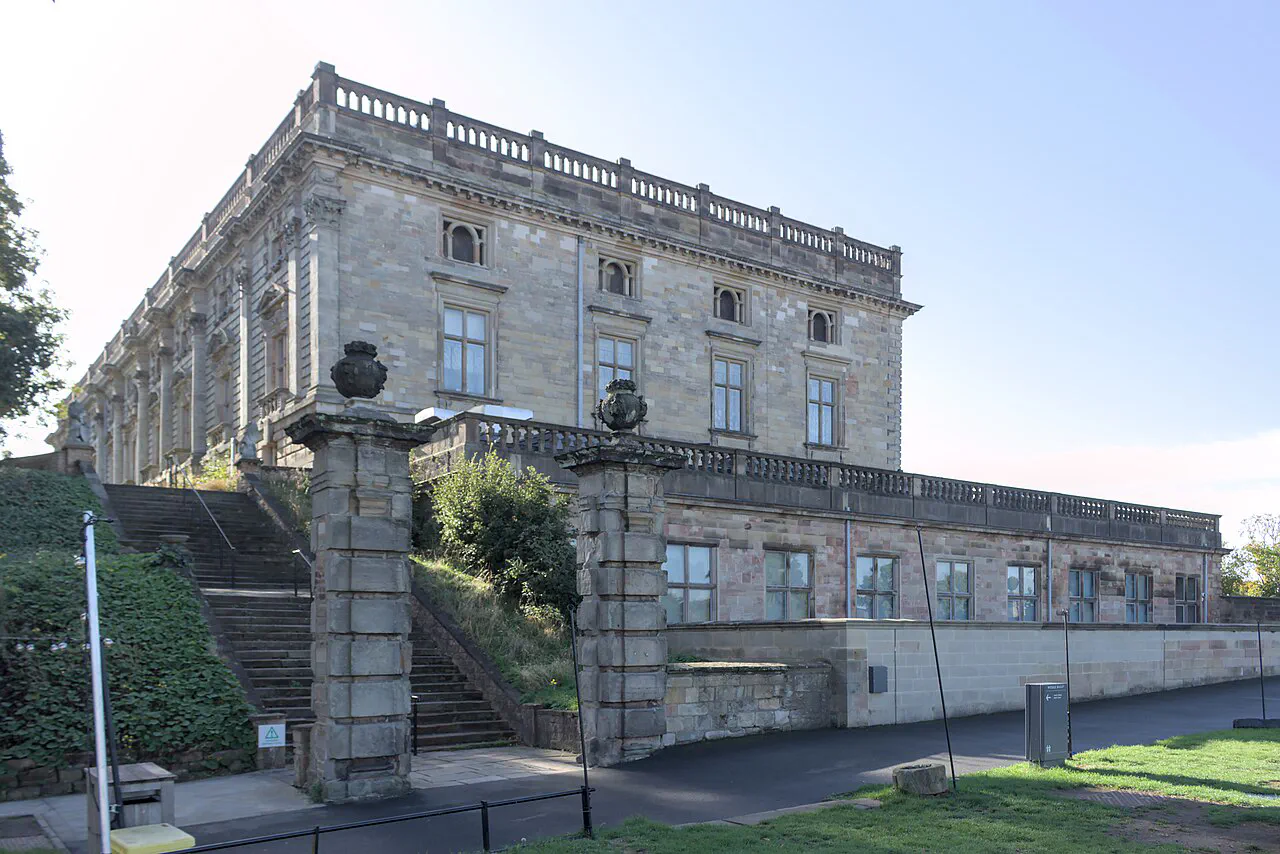
The English Civil War began, in effect, on this hill. On 22 August 1642, after talks with Parliament failed, King Charles I raised his royal standard here, the banner calling his supporters to his side. But Nottingham proved a town of divided loyalties, and the weather was wet and gloomy. Later that week, the standard blew down. Accounts differ on when, but nobody on either side missed the omen. Charles soon left for Shrewsbury. He lost the war, and in 1649 he was executed.
2 D. H. Lawrence falls for his professor’s wife in Nottingham
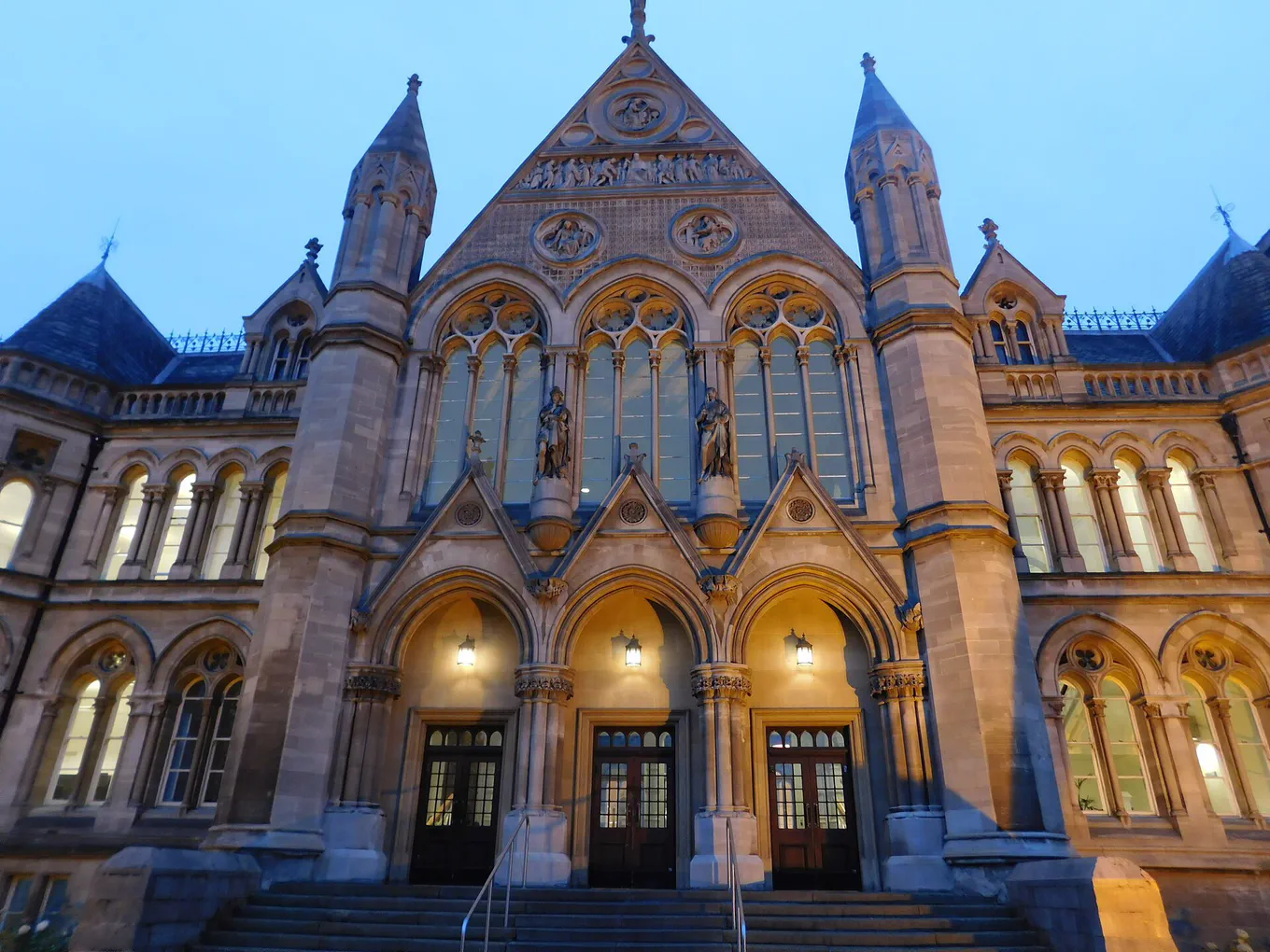
Stand here. The Arkwright Building, Shakespeare Street, once home to University College Nottingham. It is now part of Nottingham Trent University.
D. H. Lawrence, who would write Lady Chatterley’s Lover, trained as a teacher in this building. Around March 1912, he called on his old professor, Ernest Weekley, for advice about his future. Instead, he fell in love with Weekley’s wife, Frieda, six years older than him. When she left for Germany that May, Lawrence went with her, persuading her to leave her husband. It meant leaving her three young children too. She did, and as the guilty party in the divorce, she had to leave them with Weekley.
3 Alan Sillitoe, Raleigh, and Saturday Night and Sunday Morning
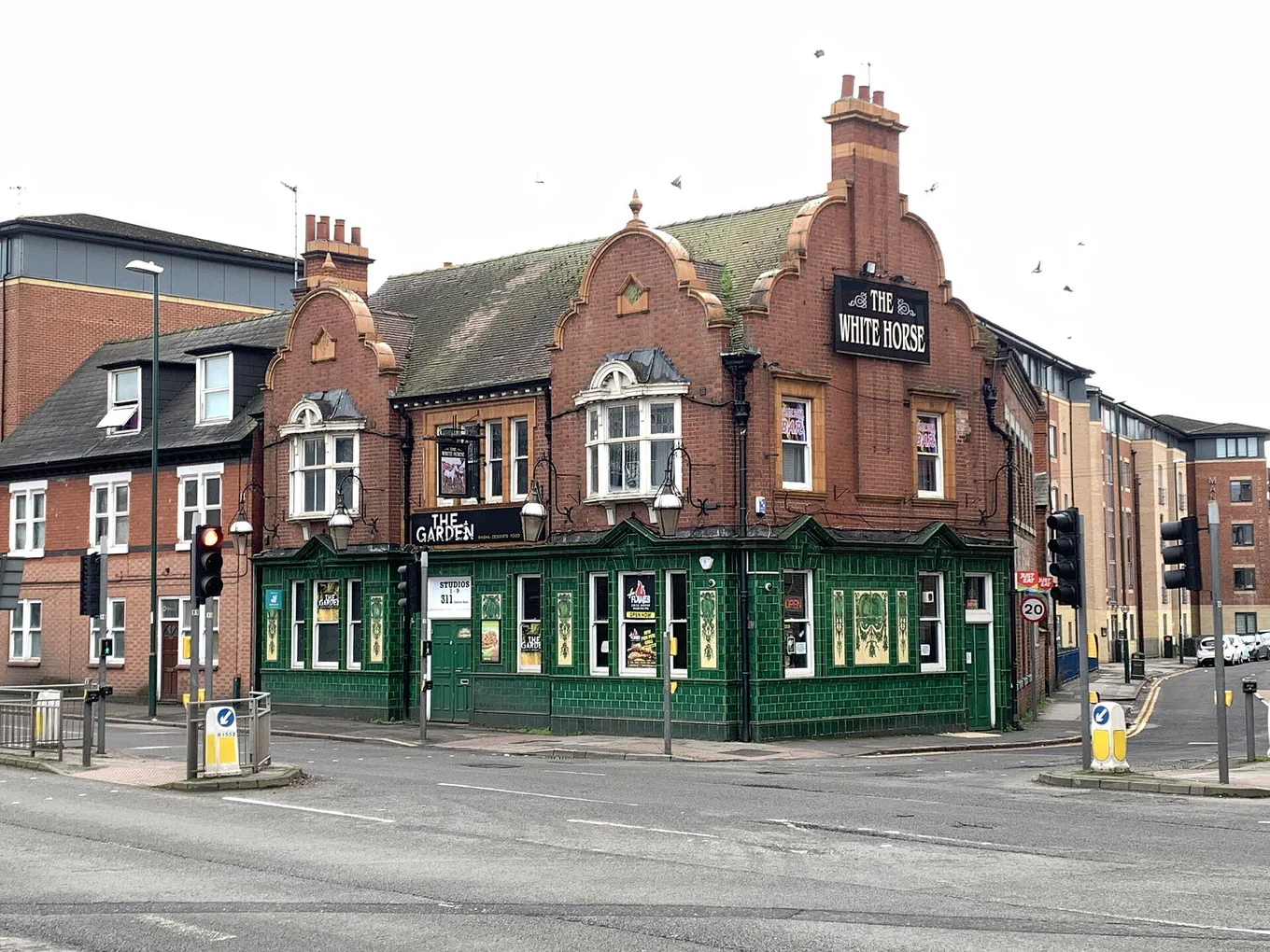
Stand here. The White Horse, 313 Ilkeston Road, Radford, Arthur Seaton’s pub in the film. It is now the White Horse Cafe.
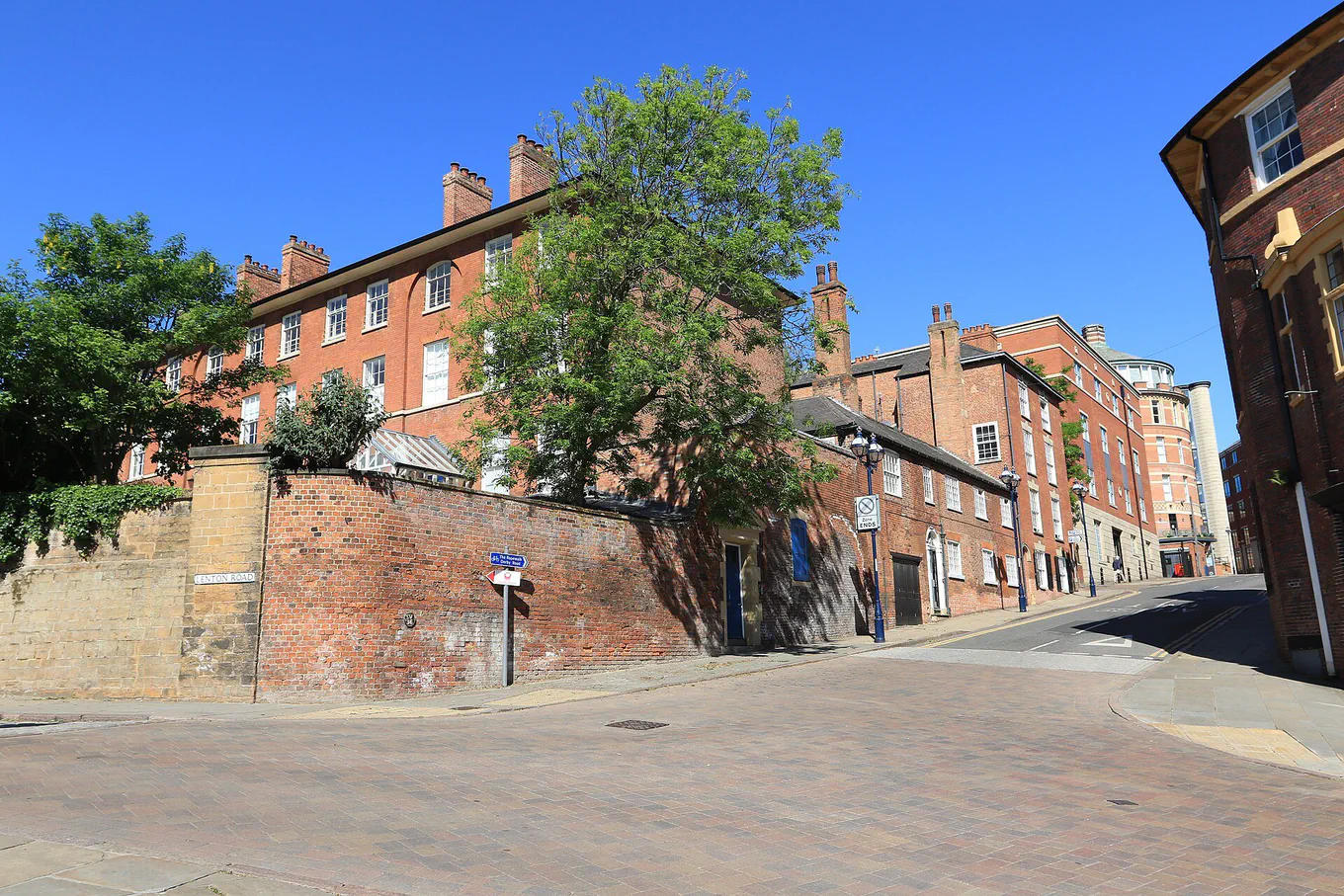
Arthur Seaton, the hero of Saturday Night and Sunday Morning, works a lathe in a bicycle factory. Alan Sillitoe left school at 14 and spent four years at the Raleigh bicycle factory, where his father worked too. The novel came out in 1958, and Raleigh had misgivings. But when it was filmed in 1960, with Albert Finney as Arthur, the company urged the producers to use its real name instead of the invented ‘Trentside Industries Ltd’. Sillitoe’s old house, where his mother still lived, became a location too.
4 Stewart Adams, ibuprofen, and a Nottingham hangover
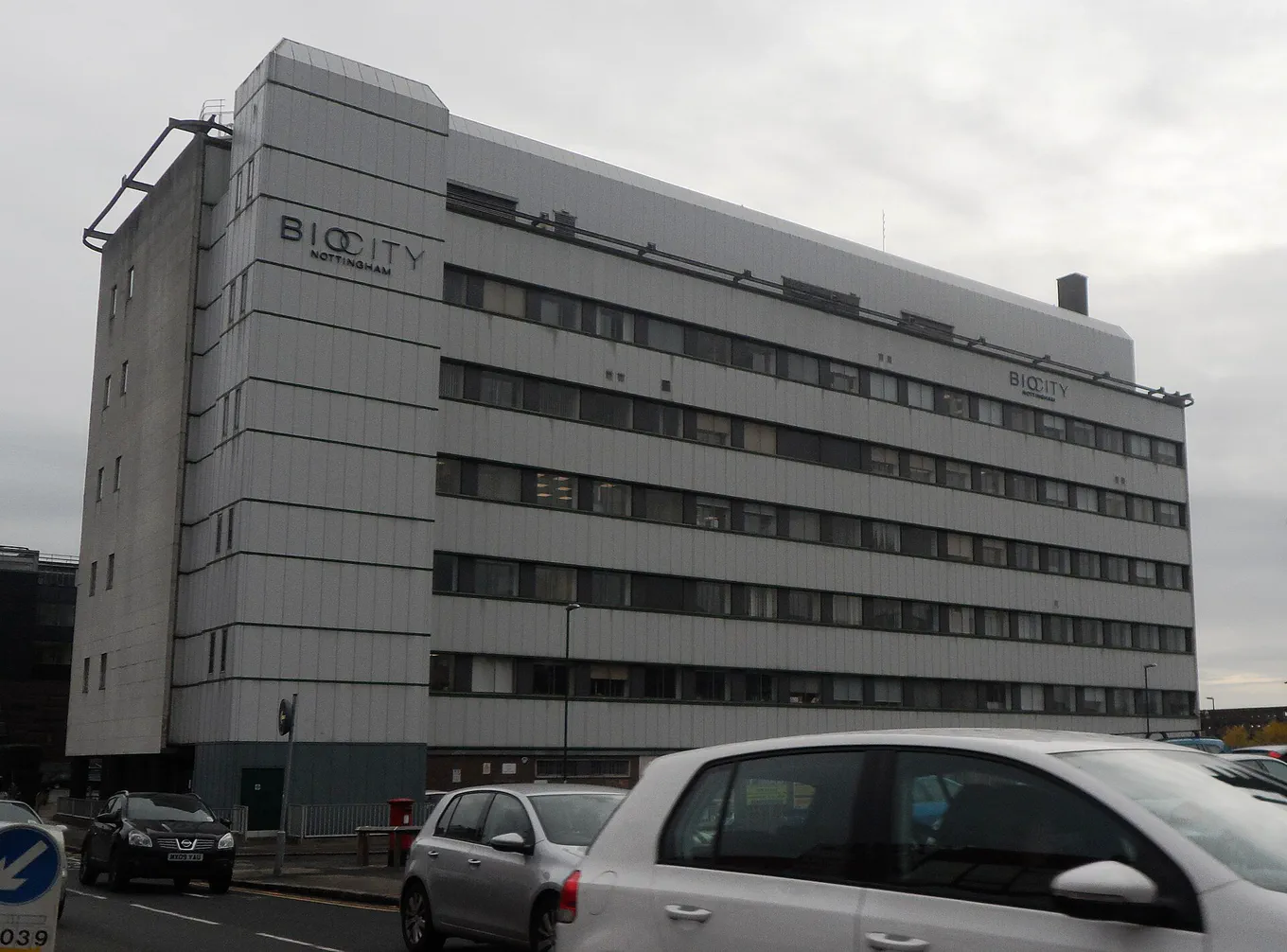
Stand here. BioCity Nottingham, on Pennyfoot Street, once Boots’ new laboratory building. A blue plaque honours the research that led to ibuprofen.
Ibuprofen was discovered in Nottingham in 1961, by the Boots pharmacist Stewart Adams and a colleague. He wanted an arthritis treatment as good as steroids, without their side effects. Four compounds went to clinical trial and failed. The last, ibuprofen, worked. Adams knew they had a winner, he told the BBC, when he had a headache after a night out and was first up to speak. “So I took a 600mg dose, just to be sure,” he said, “and I found it was very effective.”
5 Torvill and Dean’s Boléro, from a Nottingham ice rink
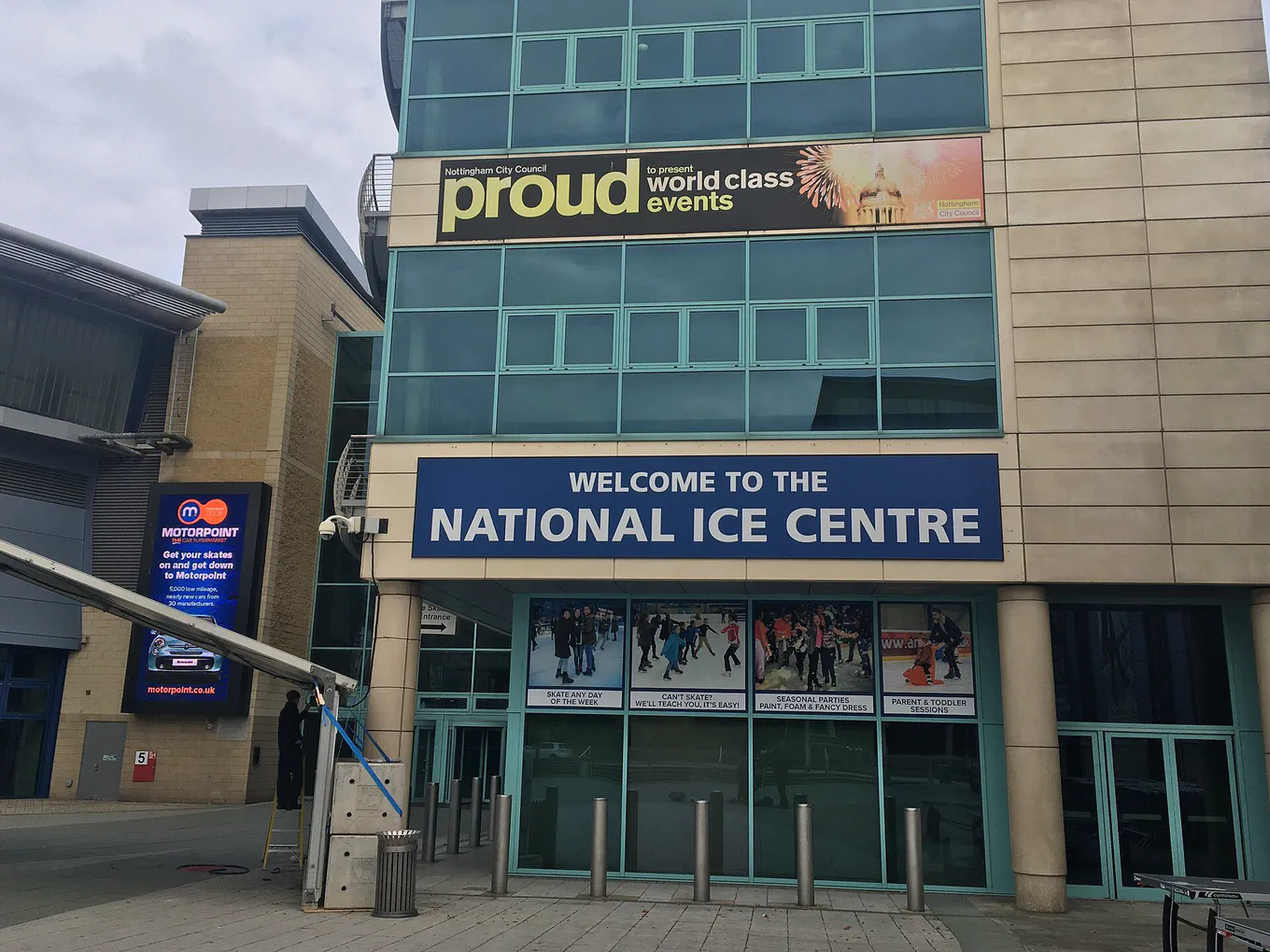
Stand here. Bolero Square, outside the National Ice Centre, which replaced the rink where they trained. Its own rink now carries their names.
On Valentine’s Day 1984, 24 million viewers watched Jayne Torvill and Christopher Dean dance to Ravel’s Boléro at the Sarajevo Olympics. Nottingham grants had freed them from jobs as an insurance clerk and a policeman. But a free dance had to last four minutes, give or take ten seconds, and Boléro couldn’t be cut below 4 minutes 28 seconds. Then they found timing began only when skaters started skating. So they opened on their knees, blades off the ice for 18 seconds. They won gold, with 12 perfect sixes.
Pack nothing. Leave Friday.
Every Friday, I write a free letter, Journey, that takes us on a trip through places, stories, and ideas.
Saturday Night and Sunday Morning(Alan Sillitoe, 1958). A novel. Arthur Seaton works at a lathe in a bicycle factory. Sillitoe himself had spent four years at Raleigh, whose works were on Faraday Road, Lenton.
The Loneliness of the Long-Distance Runner(Alan Sillitoe, 1959). Short stories. In one story, two neighbours come home to The Meadows after watching Notts County lose to Bristol City.
Lonely Hearts(John Harvey, 1989). A novel. The first of John Harvey’s Charlie Resnick crime novels, set in Nottingham, and named by The Times one of the 100 Greatest Crime Novels of the Century.
Films to watch before you visit Nottingham
Saturday Night and Sunday Morning(Karel Reisz, 1960). A film. Albert Finney as Arthur Seaton, a Raleigh machinist whose pub is the White Horse on Ilkeston Road, Radford.
This Is England(Shane Meadows, 2006). A film. Set in an unnamed Midlands town, but with much of it shot in Nottingham’s St Ann’s, Lenton, and The Meadows.
The Dark Knight Rises(Christopher Nolan, 2012). A superhero film. Wollaton Hall in Nottingham was used as Wayne Manor, Bruce Wayne’s residence, during filming in 2011.
Questions
Was Robin Hood a real person?
No one knows. Robin Hood is a legendary outlaw of English folklore, first found in ballads of the 15th century, and whether he existed has been debated for centuries. His chief enemy’s post is real, though. The city first appointed its own Sheriff of Nottingham in 1449, and the role is now ceremonial.
Is Ye Olde Trip to Jerusalem really England’s oldest pub?
It claims to date from 1189, but no documents support that date, and the oldest parts of the building are generally dated to 1650–1660. It is one of several pubs that claim the title. The caves cut into Castle Rock behind it are believed to have been the castle’s brewhouse.
Where did Torvill and Dean train in Nottingham?
At the Nottingham Ice Stadium, which opened in 1939. It closed in 2000 and was demolished soon after to make way for the National Ice Centre, built on the same site. The square in front is Bolero Square, named in their honour, and in July 2025 the rink was renamed the Torvill & Dean Rink.