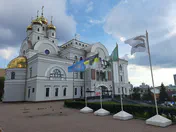
Novosibirsk stands on the Ob River in south-western Siberia, and it is Russia’s third-most populous city. It was founded in 1893 where the Trans-Siberian Railway was to cross the river, and took its present name in 1926. Its stories here are an engineer choosing that crossing, a Moon theorist arrested as a saboteur, Moscow’s paintings sheltering in an unfinished opera house, foxes bred to be tame, and a song for Pasternak.
Where should the Trans-Siberian Railway cross the Ob? In 1891, the writer and engineer Nikolai Garin-Mikhailovsky led the survey party sent to decide. Building at Tomsk was one option, but he rejected it. He wanted the only place on a long stretch where the river ran narrow, “in a pipe”, as the peasants said. Most accounts give him the credit, though not all. The bridge went up, and the settlement that grew around it is now Novosibirsk. The square outside its station is named after him.
2 Yuri Kondratyuk, the Moon, and Neil Armstrong’s handful of soil
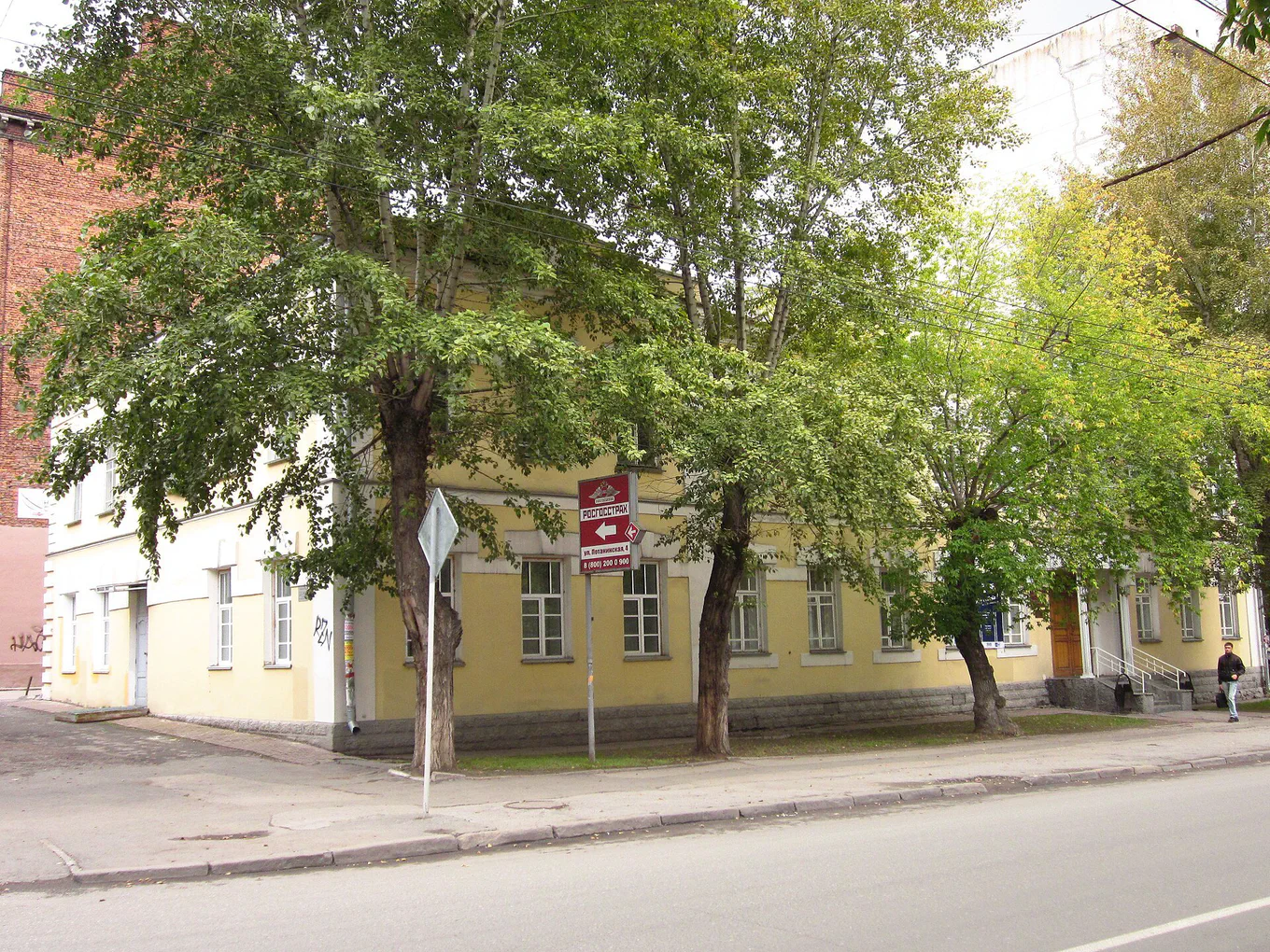
Stand here. Sovetskaya Street 24. Kondratyuk’s house stood here, later a memorial centre to him, until it was demolished in 2023.
Decades before Apollo, Yuri Kondratyuk argued that a craft going to the Moon should not land directly, the first known plan for a lunar orbit rendezvous. He was born Aleksandr Shargei and lived under a stolen name. He settled in Novosibirsk and self-published the idea in a book. But in 1930 he was arrested as a saboteur and sent to a sharashka, a prison research unit. Whether Apollo’s route owed him anything is disputed. In 1970, though, Neil Armstrong reportedly collected a handful of soil outside Kondratyuk’s old house.
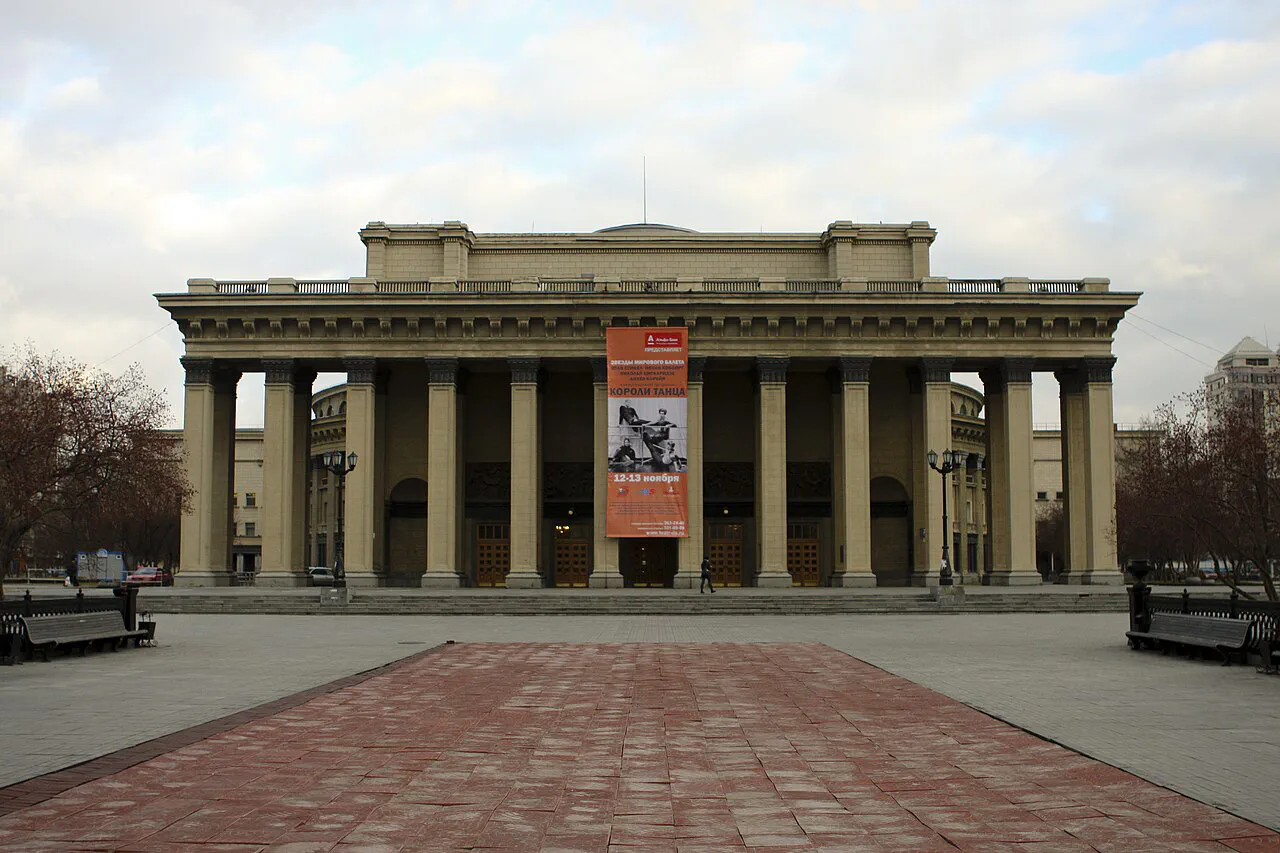
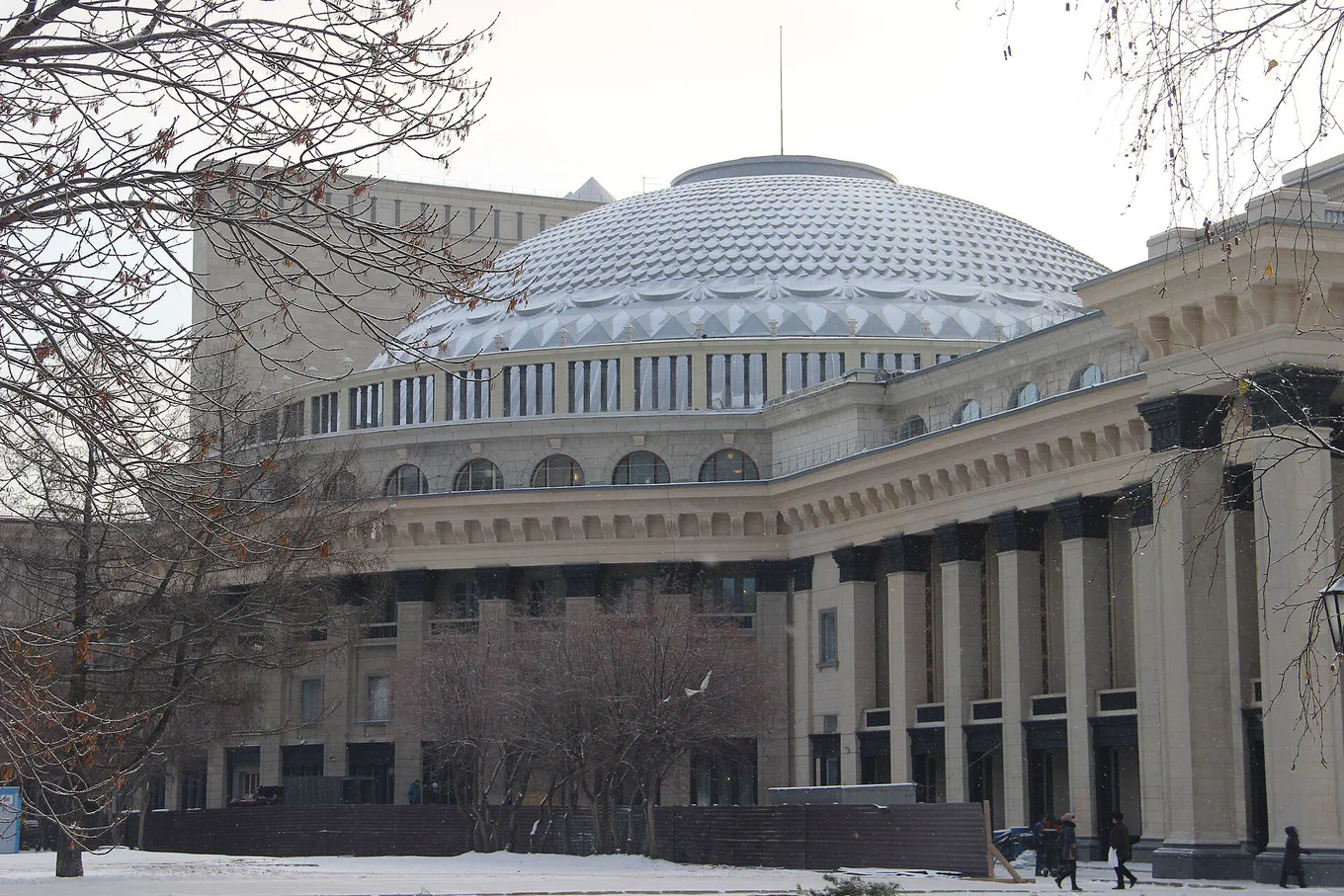
Moscow’s Tretyakov Gallery spent most of the war in Novosibirsk. In July 1941, the first train of evacuated art left Moscow, and the gallery’s director, Alexander Zamoshkin, took charge at this end. Staff and crates moved into an opera house still being built. The crates stood two and three high, and that winter it was often five or six degrees Celsius inside. Even so, the gallery put on about twenty exhibitions, seen by more than 500,000 people. In November 1944, 572 crates went home. None of the paintings was damaged.
4 Dmitry Belyaev’s tame silver foxes in Novosibirsk
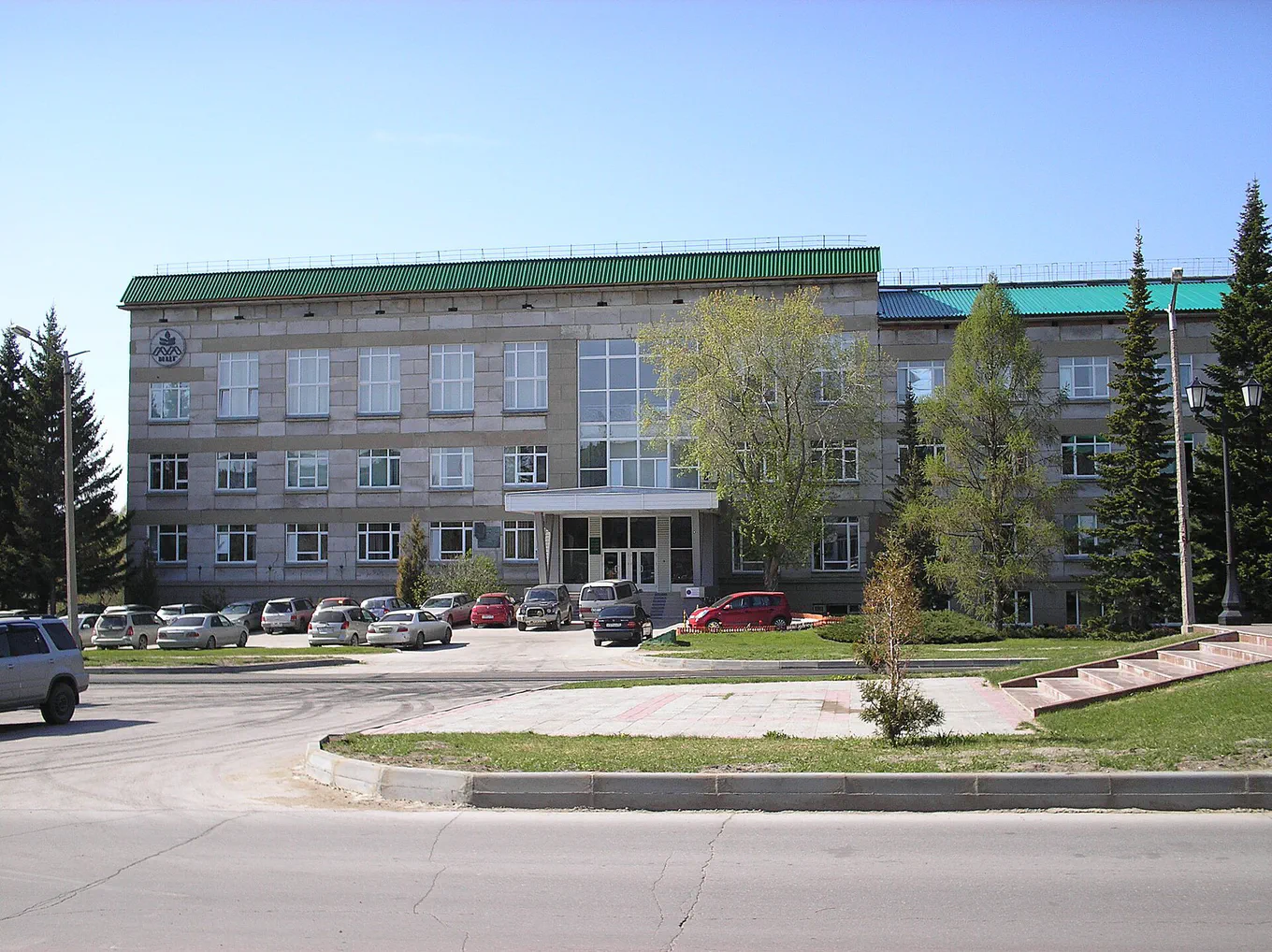
Stand here. The Institute of Cytology and Genetics, in Novosibirsk. In the park in front, a bronze lab mouse in pince-nez knits a DNA double helix.
The New York Times called Dmitry Belyaev’s work with silver foxes “arguably the most extraordinary breeding experiment ever conducted”. Under Stalin, genetics was declared a pseudoscience in 1948, and Belyaev lost his post for his interest in it. So he hid his experiment inside a project to breed better foxes for fur, choosing only the foxes least afraid of people. Later he became director of the Institute of Cytology and Genetics here. By the fourth generation, one male was wagging his tail. Others whimpered for attention and licked their keepers.
5 Alexander Galich sings for Pasternak in Akademgorodok
Stand here. Lavrentyev Avenue 16, in Akademgorodok, once home to the Under the Integral club-café. A plaque put up in 2003 marks Galich’s concert.
In March 1968, the poet Alexander Galich sang a song for Boris Pasternak, the author of Doctor Zhivago, in public for the first time. He had at last been allowed to perform at Under the Integral, a club-café in Akademgorodok, the Soviet science town. “To the Memory of Boris Pasternak” attacked the hypocrisy of the literary establishment, and the audience rose in silent solidarity. But the song brought official censure, and in 1974 Galich emigrated. The Akademgorodok concert had been his only public one in the Soviet Union.
Pack nothing. Leave Friday.
Every Friday, I write a free letter, Journey, that takes us on a trip through places, stories, and ideas.
New Atlantis Revisited: Akademgorodok, the Siberian City of Science(Paul R. Josephson, 1997). A history. In 1958, construction began on Akademgorodok, a scientific utopian community carved out of a Siberian forest, formed by Soviet scientists with Khrushchev’s full support.
How to Tame a Fox (and Build a Dog): Visionary Scientists and a Siberian Tale of Jump-Started Evolution(Lee Alan Dugatkin and Lyudmila Trut, 2017). A history. Lyudmila Trut, lead researcher on the domestication experiment, and the biologist Lee Alan Dugatkin tell of the Siberian silver foxes at Novosibirsk’s Institute of Cytology and Genetics.
Red Plenty(Francis Spufford, 2010). A novel, or perhaps a short story cycle, about Soviet central planning, in which a biologist arrives in Akademgorodok, a specially constructed research city in Siberia.
Films to watch before you visit Novosibirsk
Yolki 3 (Ёлки 3)(Dmitry Kiselev, Alexander Kott and others, 2013). A Russian New Year comedy film. Filming began in Novosibirsk, and in the story Denis, a trauma doctor, learns that his school sweetheart has come to the city.
Long Road on a Short Day (Длинная дорога в короткий день)(Timofey Levchuk, 1972). A Soviet feature film, shot partly at the House of Scientists in Novosibirsk’s Akademgorodok, as well as in Serpukhov, Kharkiv, and East Germany.
Questions
Can you see the original Trans-Siberian bridge in Novosibirsk?
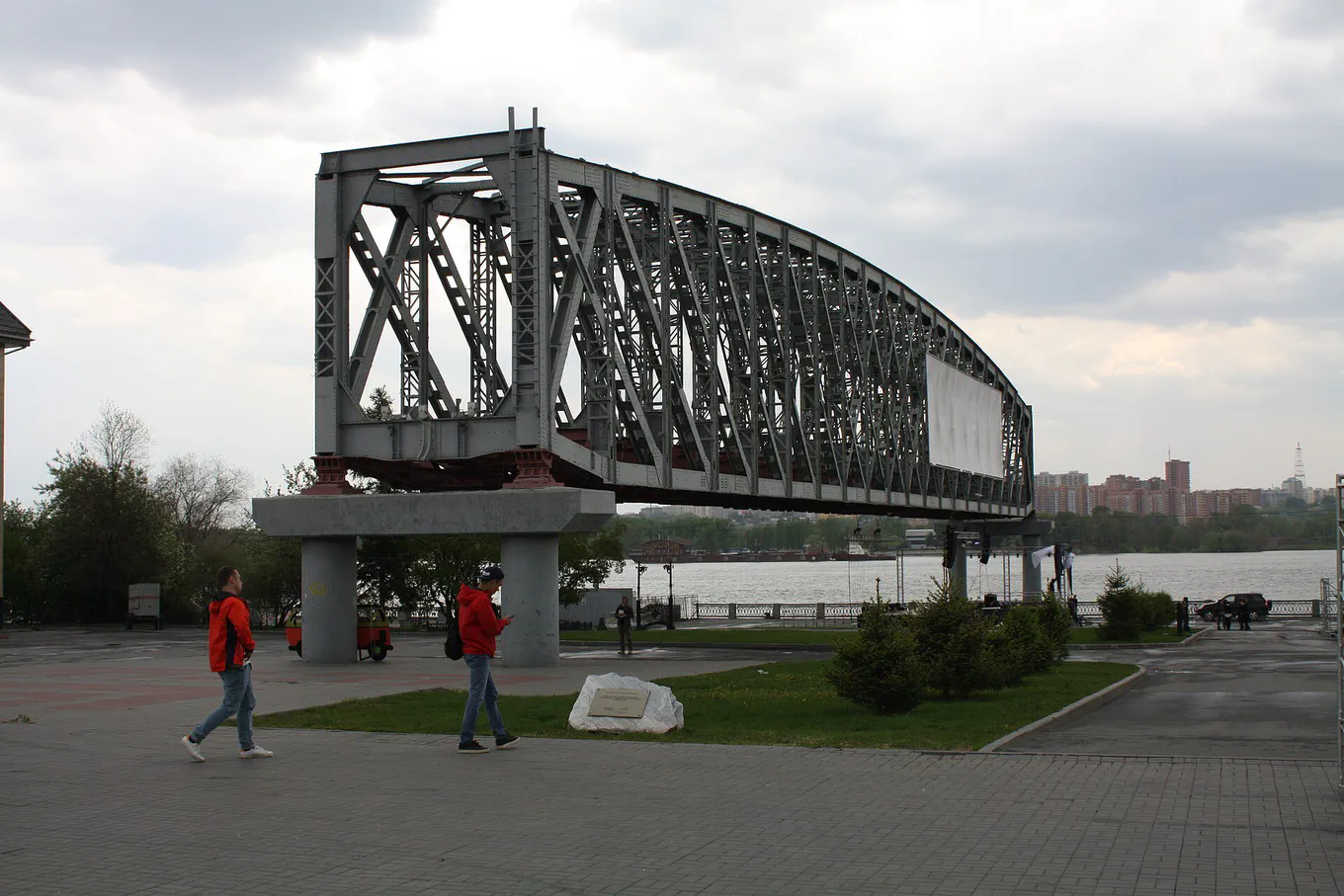
Part of it. The rail bridge over the Ob, built from 1893 to 1897 to a design by Professor Nikolai Belelubsky, later stopped carrying trains, and its demolition began in 2000. One original span was kept, as an exhibit on the riverside promenade in Gorodskoye Nachalo (City Beginning) park.
When did the Novosibirsk opera house open?
Building began on 22 May 1931 and was finished in February 1944, and the theatre opened on 12 May 1945 with Glinka’s opera Ivan Susanin. During the war, the unfinished building sheltered art evacuated from Moscow’s Tretyakov Gallery and from the Hermitage.
What is Akademgorodok?
It is Novosibirsk’s science town, south of the city centre, founded in 1957 under the Academy of Sciences of the USSR. Building began in 1958 under the mathematician Mikhail Lavrentev, who promised it would be done within five years. Novosibirsk State University is there.