I was born here and grew up in the nearby countryside. Thank you, Oxford.
— Nick
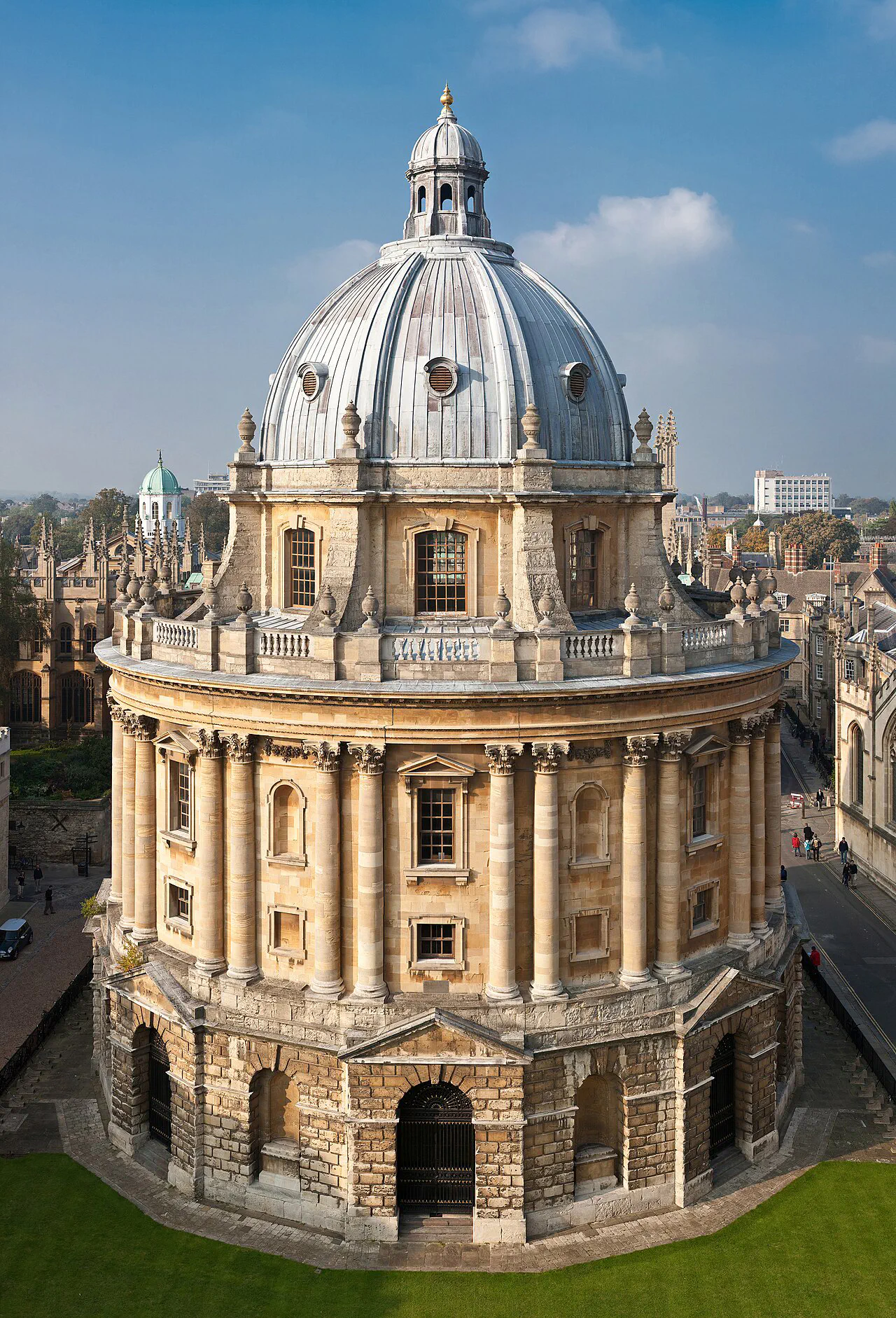
Teaching began in Oxford in the 11th century, and its university is the oldest in the English-speaking world. Oxfordshire’s county town, in England, it stands where the Thames meets the Cherwell, 56 miles north-west of London. Bannister’s four-minute mile is the last story, after Alice’s boat trip, Tolkien’s blank exam page, an archbishop’s hand in the fire, and a poet thrown out and brought back in marble.
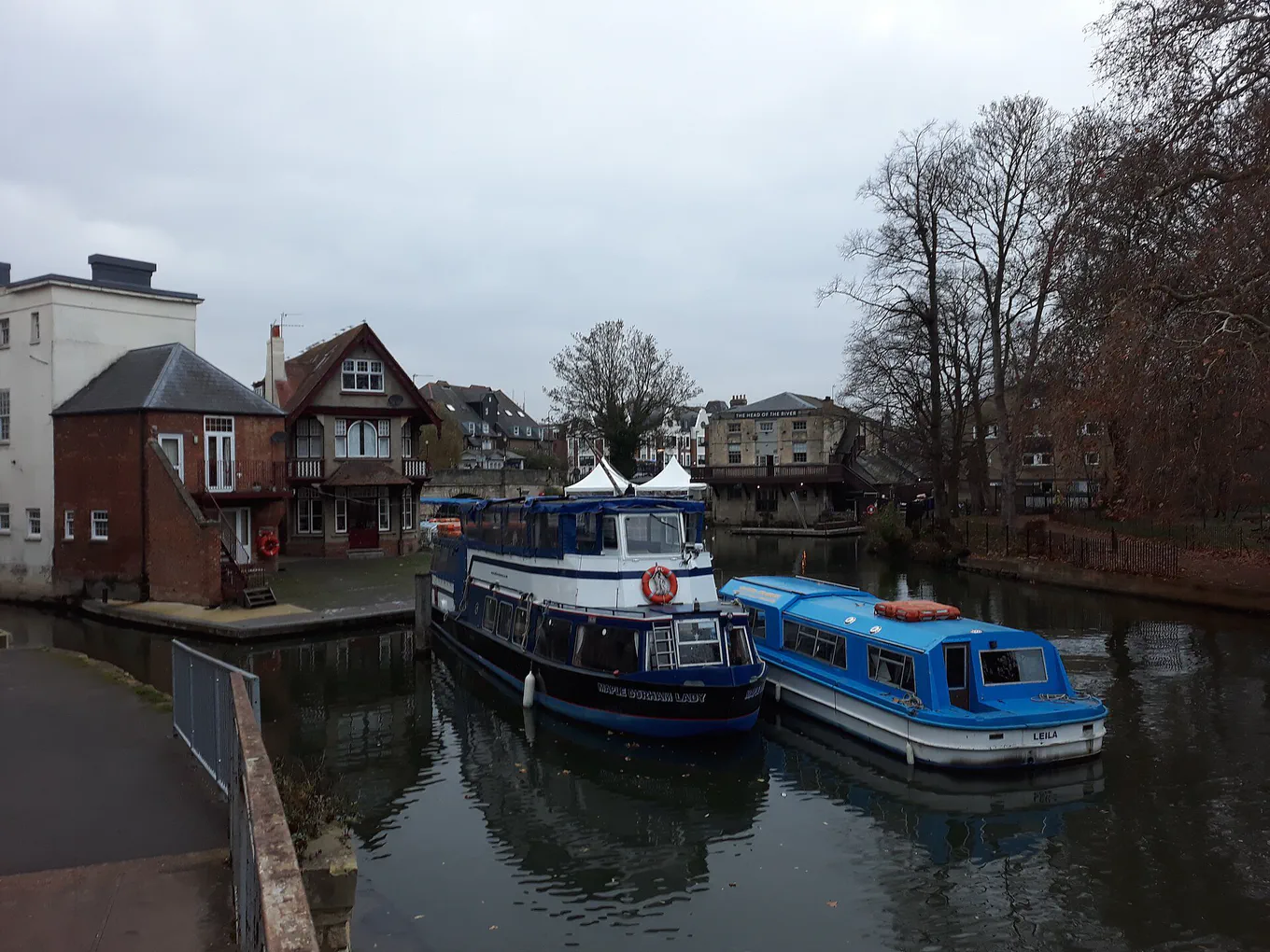
Alice’s Adventures in Wonderland began on a boat trip from here, on 4 July 1862. Charles Dodgson, who wrote as Lewis Carroll, was rowing three daughters of the Dean of Christ Church to a picnic, and ten-year-old Alice asked for a story. This one, unlike his others, she wanted written down. Two years later he gave her the manuscript, though the friendship had suffered a sudden break. Decades later, widowed and needing money for her home, Alice sold the manuscript he had dedicated “in Memory of a Summer’s Day”.
2 Tolkien’s first hobbit, on a blank exam page
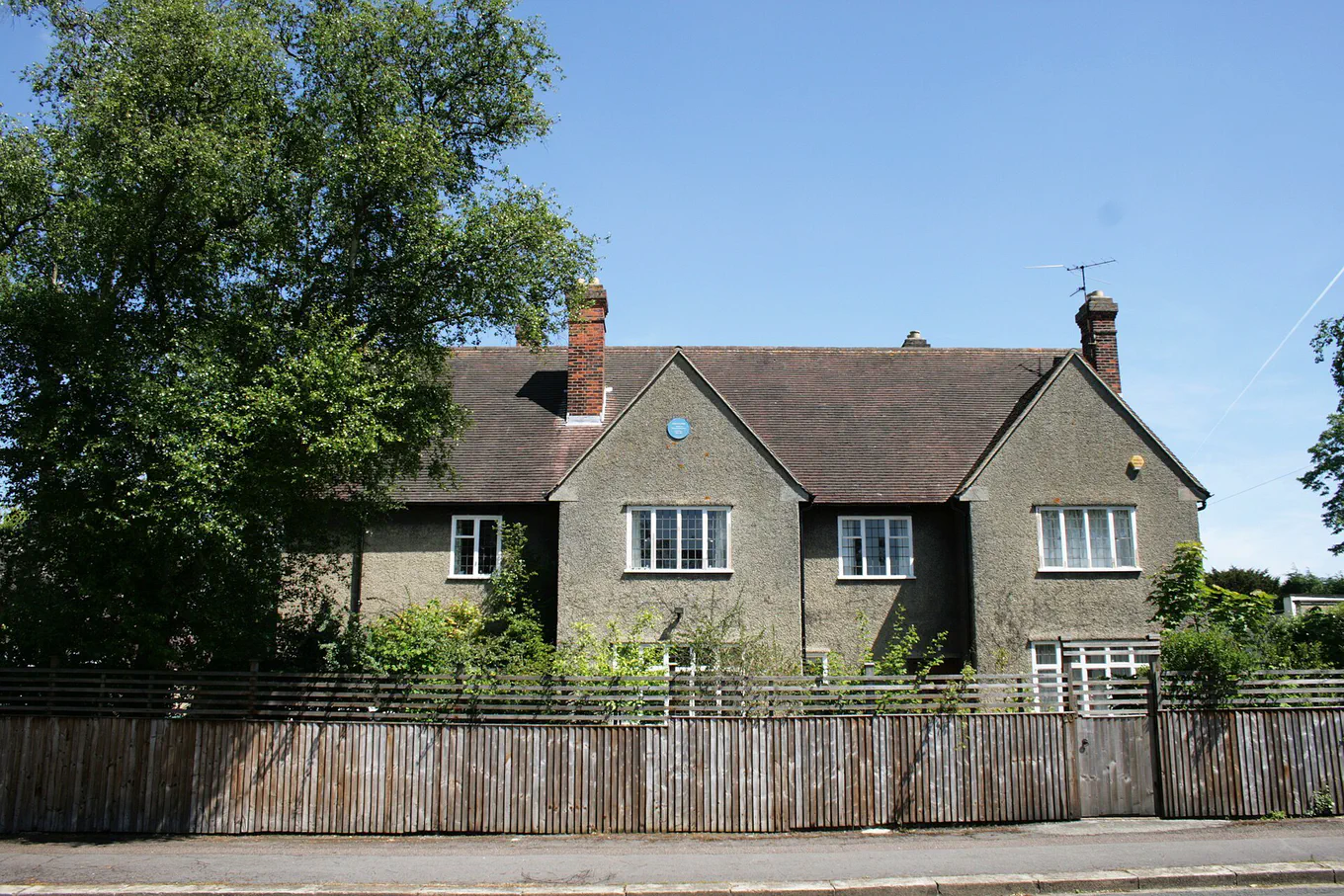
Stand here. 20 Northmoor Road, North Oxford. It’s a private house, so look from the street. His daughter unveiled its blue plaque in 2002.
Marking School Certificate papers one day early in the 1930s, J. R. R. Tolkien, Oxford’s professor of Anglo-Saxon, came to a blank page. Suddenly inspired, as he remembered it, he wrote “In a hole in the ground there lived a hobbit.” He wrote the book that grew from that line, The Hobbit, while living in this house. When it was done, the publisher Stanley Unwin, deciding whether to take it, asked his son Rayner to review it. Rayner was ten. His favourable report settled it.
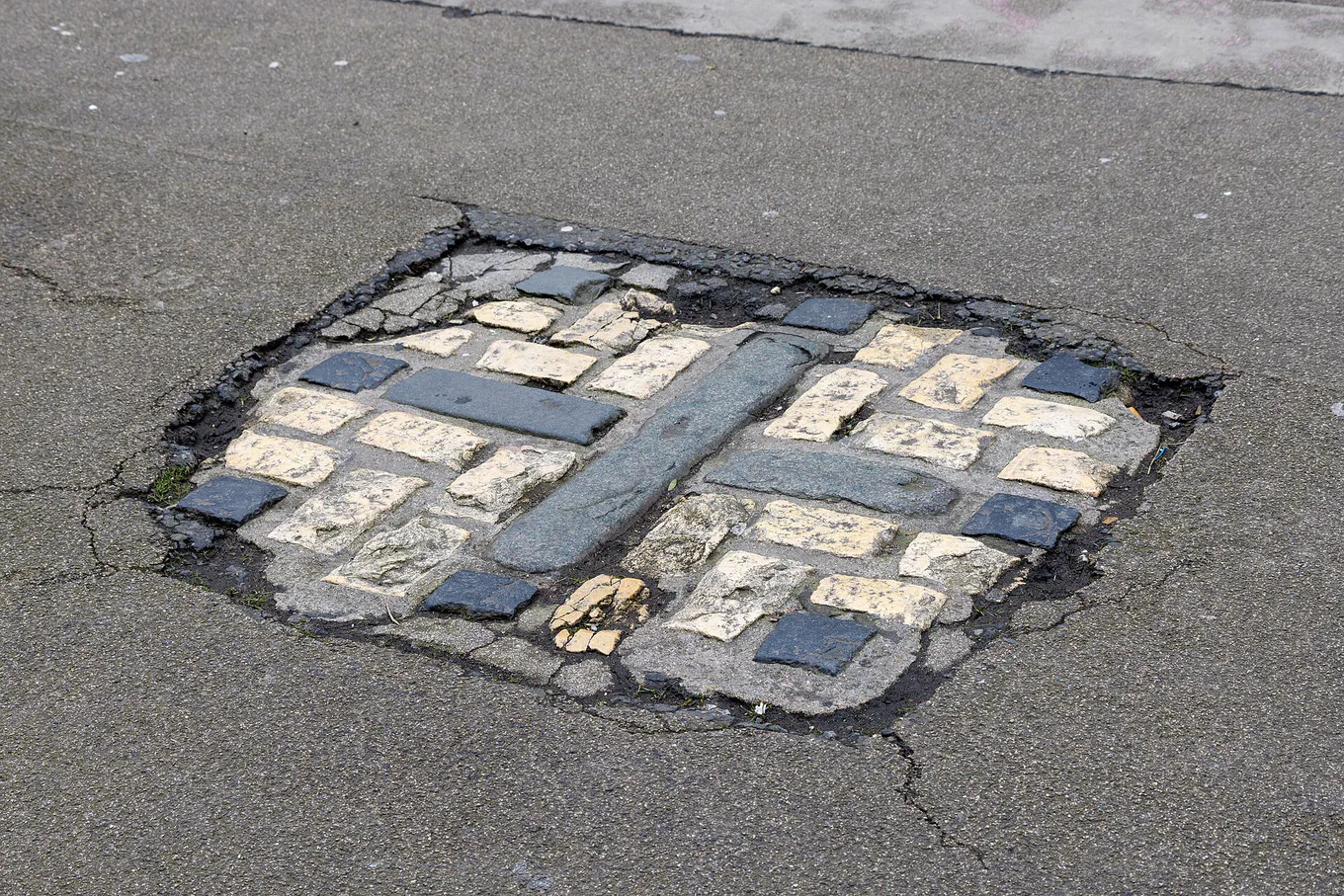
Under the Catholic Queen Mary I, Thomas Cranmer, who had been Henry VIII’s Archbishop of Canterbury, was tried for heresy in Oxford. He was taken to a tower to watch two bishops tried with him burn here. Afterwards he signed recantations. But on 21 March 1556, the day of his burning, he publicly withdrew them and said the hand that had signed would burn first. At the stake, he put his right hand into the heart of the fire, calling it “that unworthy hand”.
4 Shelley, expelled from University College, comes back in marble
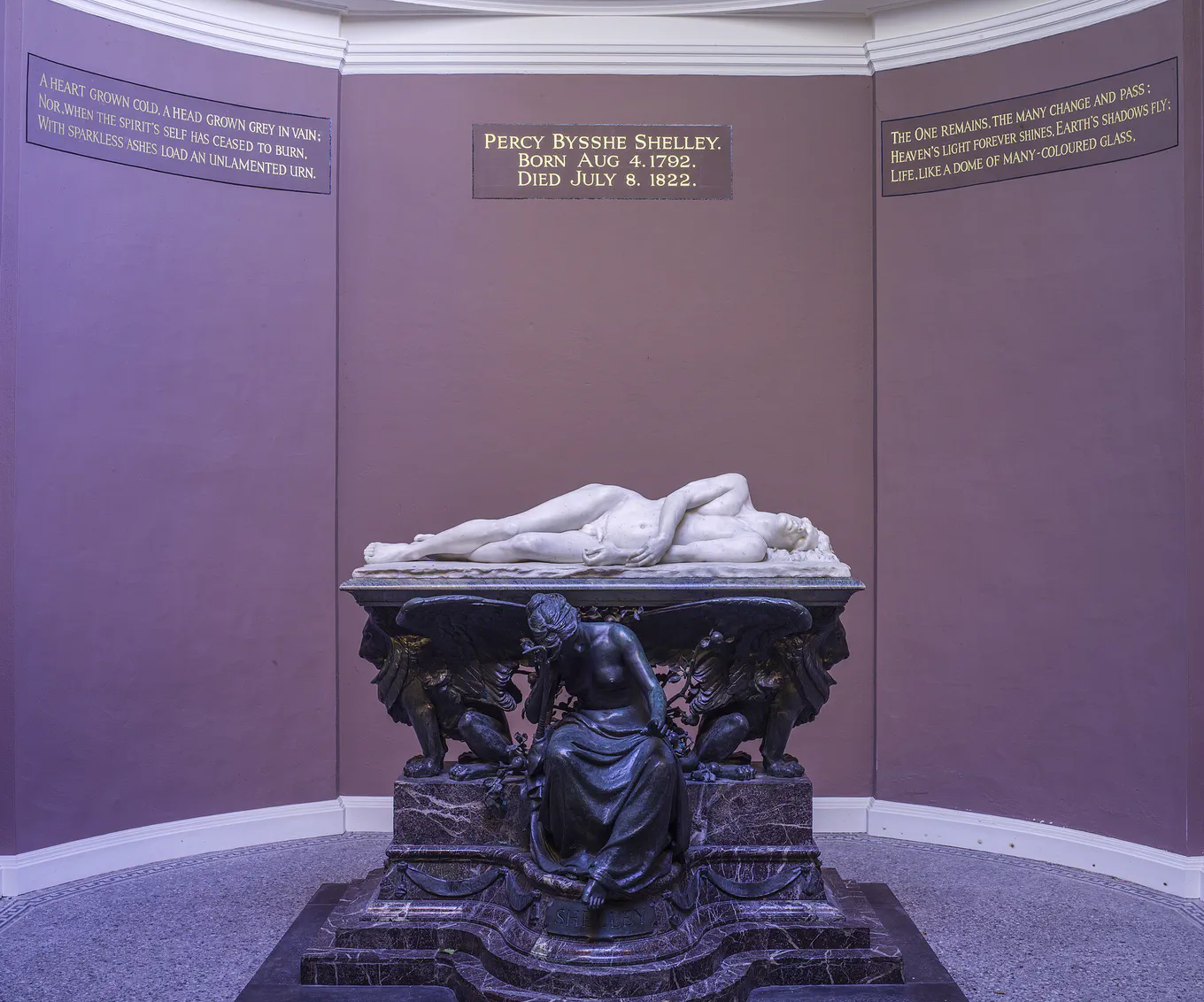
Stand here. University College, on the High Street. Inside the college, a white marble figure of the drowned poet lies behind railings.
In 1811, University College expelled Percy Bysshe Shelley, the poet whose second wife, Mary, wrote Frankenstein. He and a friend had written a pamphlet, The Necessity of Atheism, and Shelley posted it to every bishop and head of college in Oxford. Asked if he wrote it, he refused to answer. Shelley drowned eleven years later. His marble memorial proved too big for his grave in Rome, so in 1893 the college that had thrown him out took it in. Railings protect it from the students.
5 Roger Bannister’s four-minute mile on Iffley Road
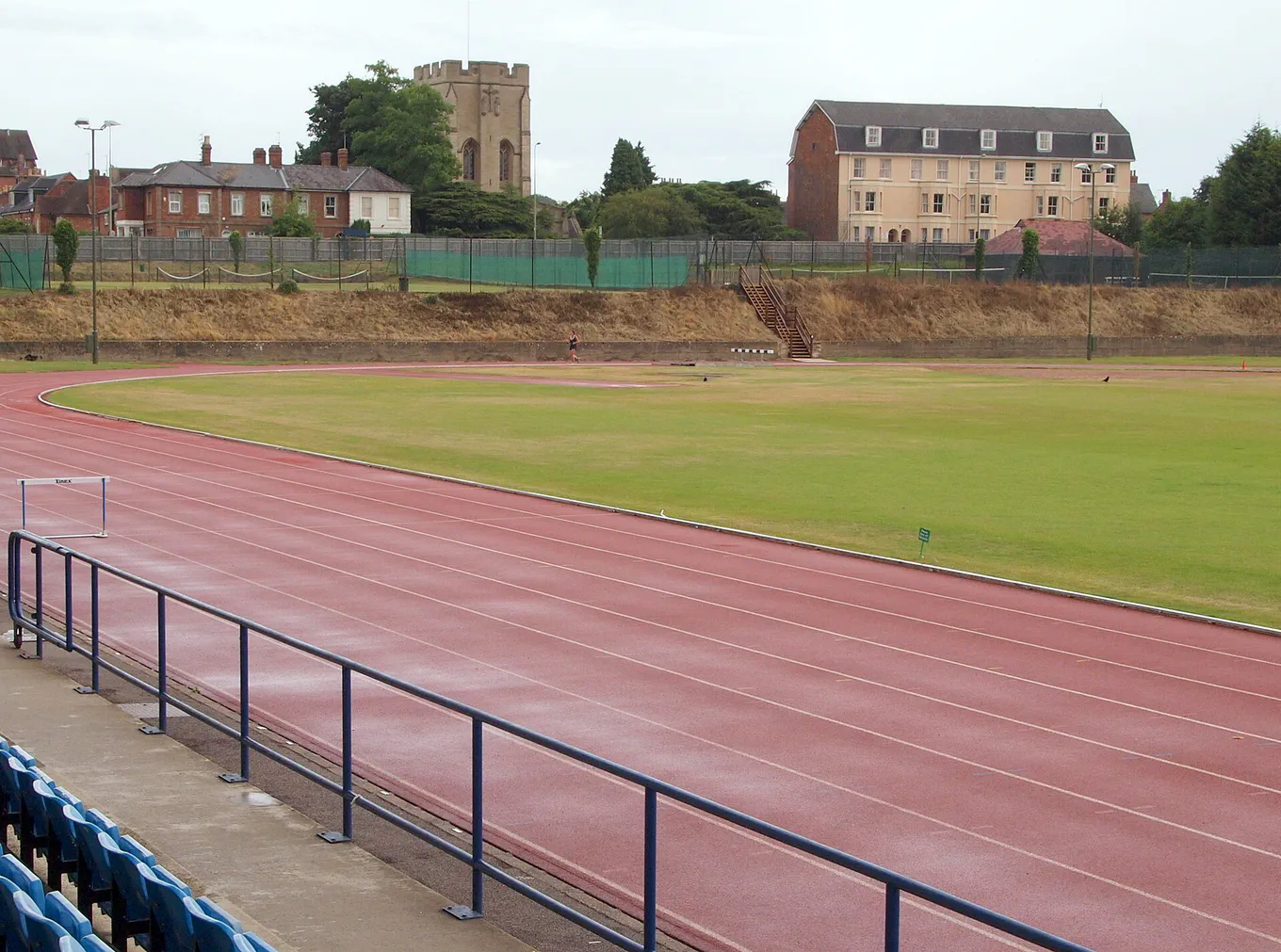
Stand here. The Iffley Road track, owned by the University of Oxford and renamed for him in 2007. A blue plaque marks the mile.
Roger Bannister ran the first mile in under four minutes here, on 6 May 1954. He was a 25-year-old medical student. That day, the wind was blowing at up to 25 miles an hour, and twice he said he would rather not try. Then, just before the start, it dropped. As the result was announced, the crowd’s roar drowned out the rest. His time was 3 minutes 59.4 seconds. He retired from running that year, spent forty years in neurology, and said he would rather be remembered for that.
Pack nothing. Leave Friday.
Every Friday, I write a free letter, Journey, that takes us on a trip through places, stories, and ideas.
Brideshead Revisited(Evelyn Waugh, 1945). A novel. Charles reads history at a college much like Hertford, and Sebastian, a marquess’s younger son, is at Christ Church.
The Amber Spyglass(Philip Pullman, 2000). A novel. Will and Lyra promise to visit a bench in the Oxford Botanic Garden every midsummer’s day, the wooden one at the back.
Gaudy Night(Dorothy L. Sayers, 1935). A novel set in the women’s Shrewsbury College, which Sayers based on her own Somerville College.
Zuleika Dobson(Max Beerbohm, 1911). A novel. Its Judas College is based on Merton, and a duke drowns himself in the river during the Eights Week boat races.
Films to watch before you visit Oxford
Shadowlands(Richard Attenborough, 1993). A film, shot in Oxford at Magdalen College, the Randolph Hotel, Duke Humfrey’s Library, and the Radcliffe Camera reading room.
Saltburn(Emerald Fennell, 2023). A film, shot in Oxford at Magdalen College, St Hugh’s College, and Brasenose College.
Questions
Where did Roger Bannister run the first four-minute mile?
On the Iffley Road track in Oxford, on 6 May 1954. The track belongs to the University of Oxford. It was renamed the Roger Bannister running track in 2007, and a blue plaque there commemorates the mile.
Can you visit the Eagle and Child, the pub of Tolkien and C. S. Lewis?
The pub in St Giles’, nicknamed the Bird and Baby, is where the Inklings, the literary group around Tolkien and C. S. Lewis, met in a back room called the Rabbit Room.
How old is the University of Oxford?
Teaching began in Oxford in the 11th century, and by the late 12th century the town had a fledgling university, the oldest in the English-speaking world. The Bodleian Library, founded by Sir Thomas Bodley in 1602, is one of the oldest in Europe.