J. K. Rowling taught English in Porto by night and wrote by day, then left with the first Harry Potter in her suitcase. Apparently, thousands now queue for the bookshop said to have inspired Hogwarts, although she says she’d never heard of it. (That’s some enterprising bookshop marketing, though. I’m okay with it.)
— Nick
Porto, also called Oporto in English, is Portugal’s second-largest city, on the Douro estuary in northern Portugal. Port wine is named after it, and its historic centre has been a UNESCO World Heritage Site since 1996. Its stories here are a prince’s fleet and the city’s tripe, a crossing in wine barges, an emperor’s heart, a bridge Eiffel lost, and the café where J. K. Rowling wrote.
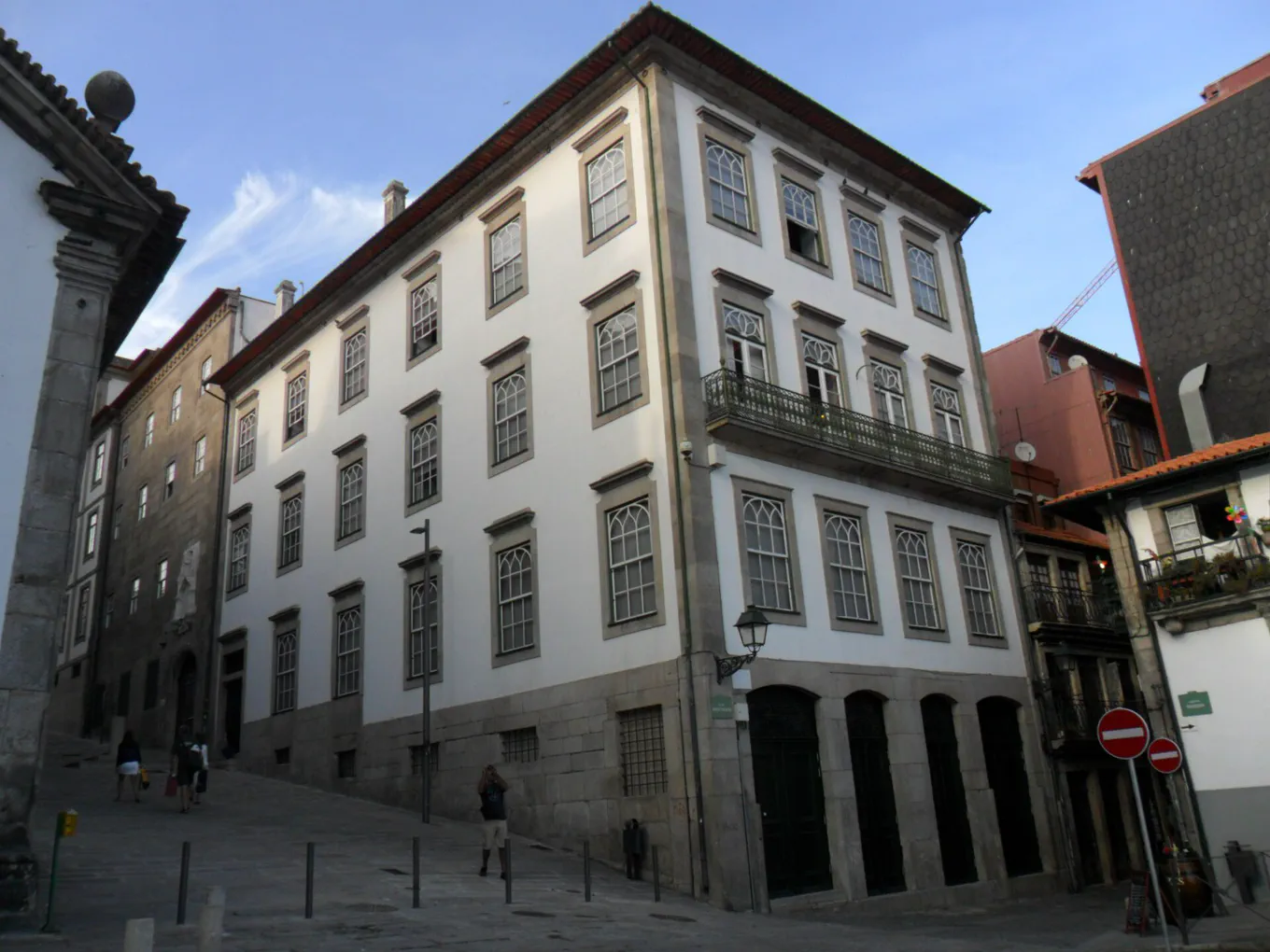
Tradition says Henry the Navigator was born in this house. In 1415, aged 21, he was made responsible for raising ships and men across northern Portugal and gathering them at Porto, for the attack on Ceuta, in Morocco, that began Portugal’s Age of Discovery. The story goes that he turned up unannounced at the shipyard to check on the work, and the city gave all its best meat to the sailors. Porto kept only the innards. Its people are still called tripeiros, the tripe-eaters.
2 Wellesley, a barber and four wine barges on the Douro
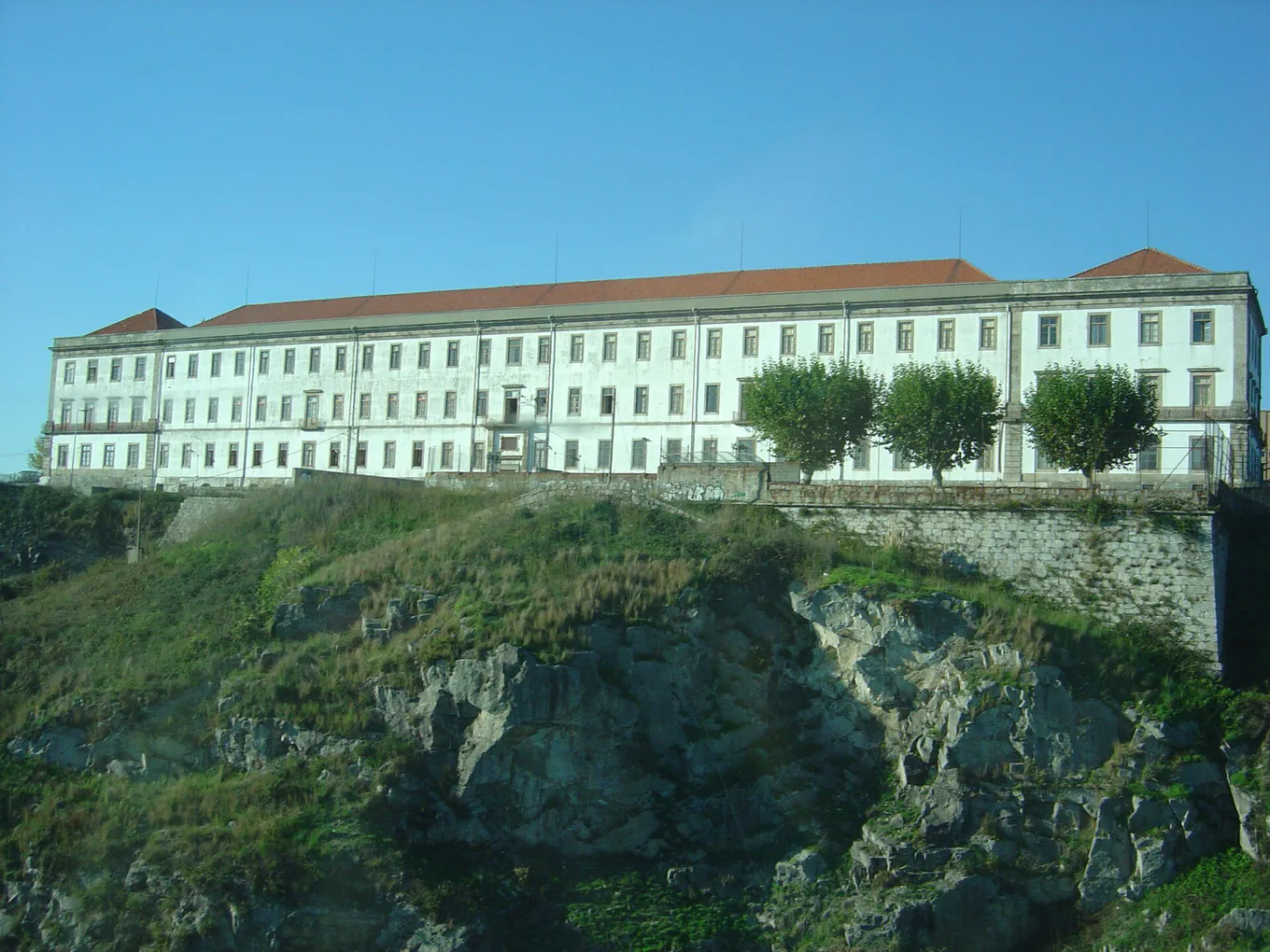
Stand here. The old Bishop’s Seminary above the river, now the Porto Orphan’s College, with a plaque to the battle.
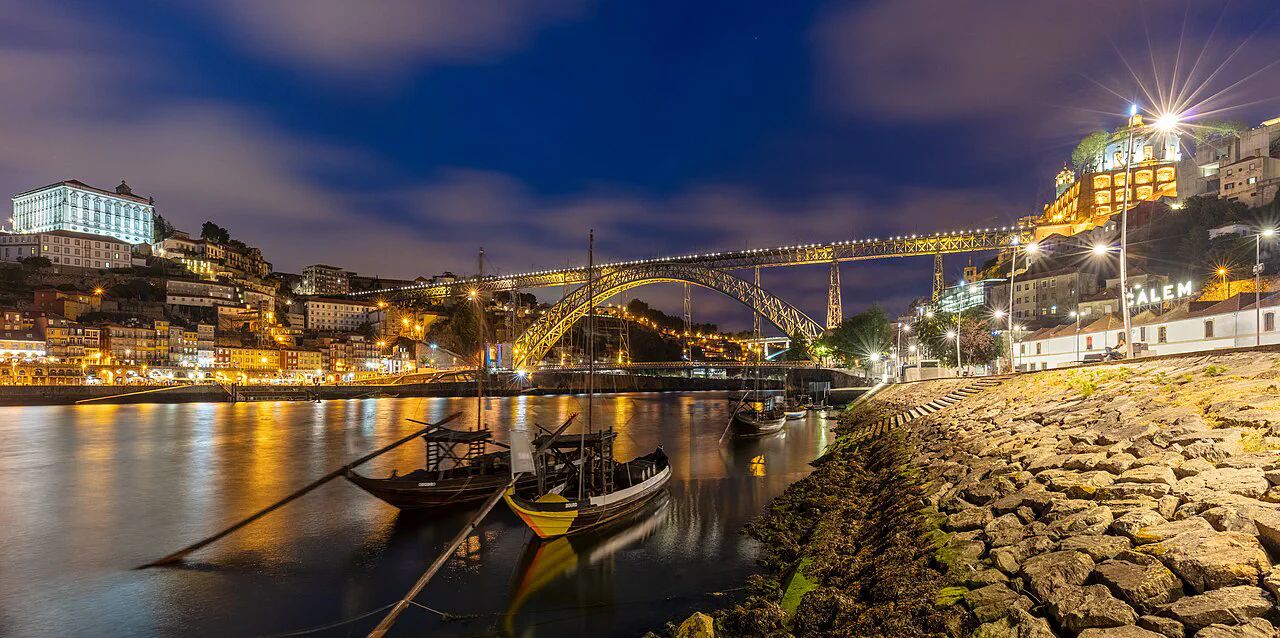
Six years before Waterloo, on 12 May 1809, Arthur Wellesley, the future Duke of Wellington, needed to cross the Douro from Gaia. The only bridge was gone, and Marshal Soult’s French had destroyed or taken across every boat on Wellesley’s side. Then a local barber led one of Wellesley’s officers to a skiff hidden in brush. With the barber, a prior, and some boatmen, the officer slipped over and brought back four apparently unguarded wine barges. Wellesley’s troops were inside the seminary before Soult, sleeping in, knew they had crossed.
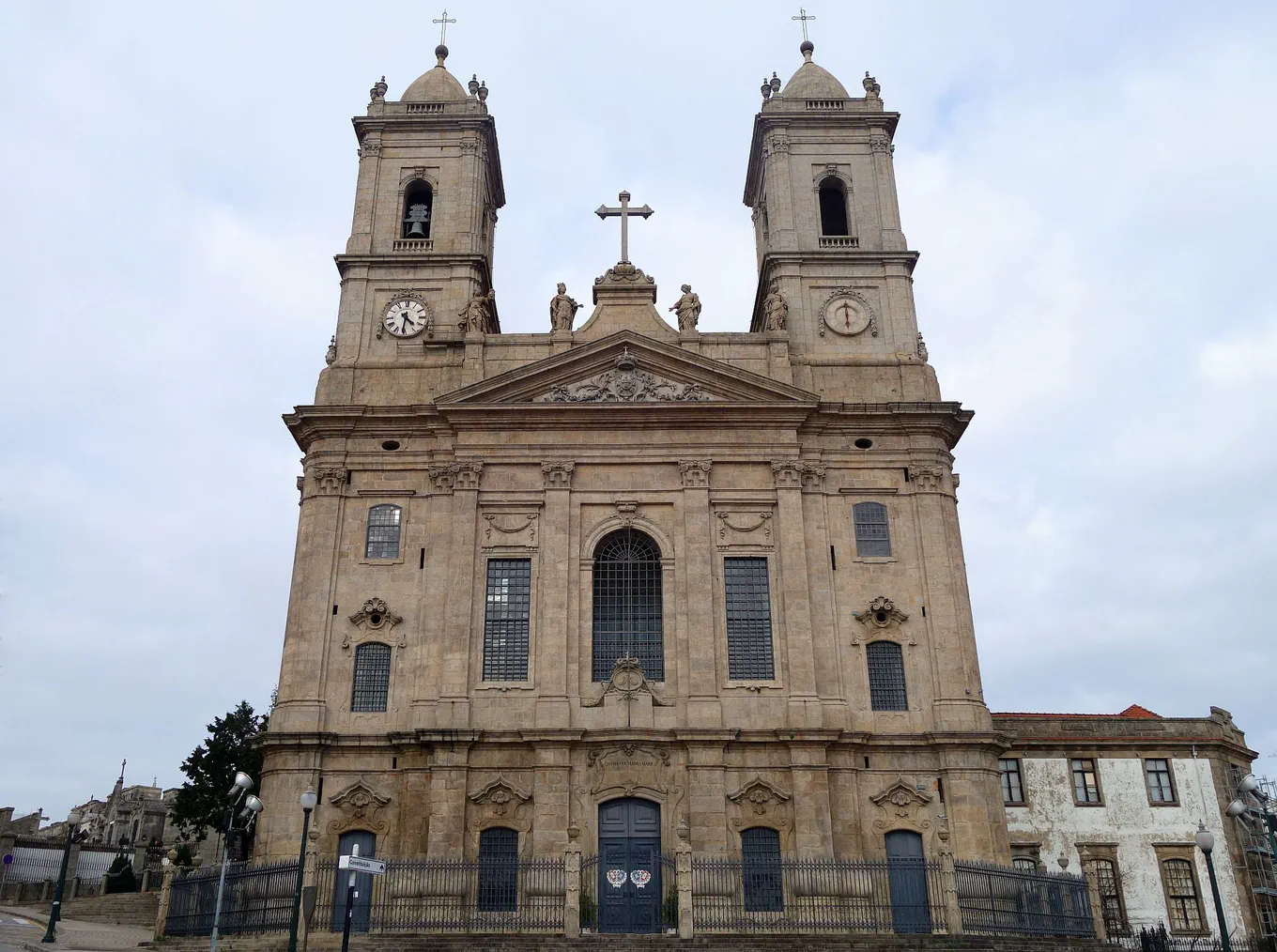
Pedro declared Brazil’s independence from Portugal and became its first emperor. Then his younger brother, Miguel, took the Portuguese throne from Pedro’s daughter. In 1832, Pedro invaded Portugal and entered Porto unopposed, and Miguel’s troops besieged the city for more than a year. Pedro held it and won, but the war had worn down his health, and within months of victory he was dead of tuberculosis, aged 35. He wrote to Brazilians, “I leave my heart to the heroic City of Porto, theater of my true glory.”
4 Théophile Seyrig beats Eiffel to Porto’s Dom Luís I Bridge
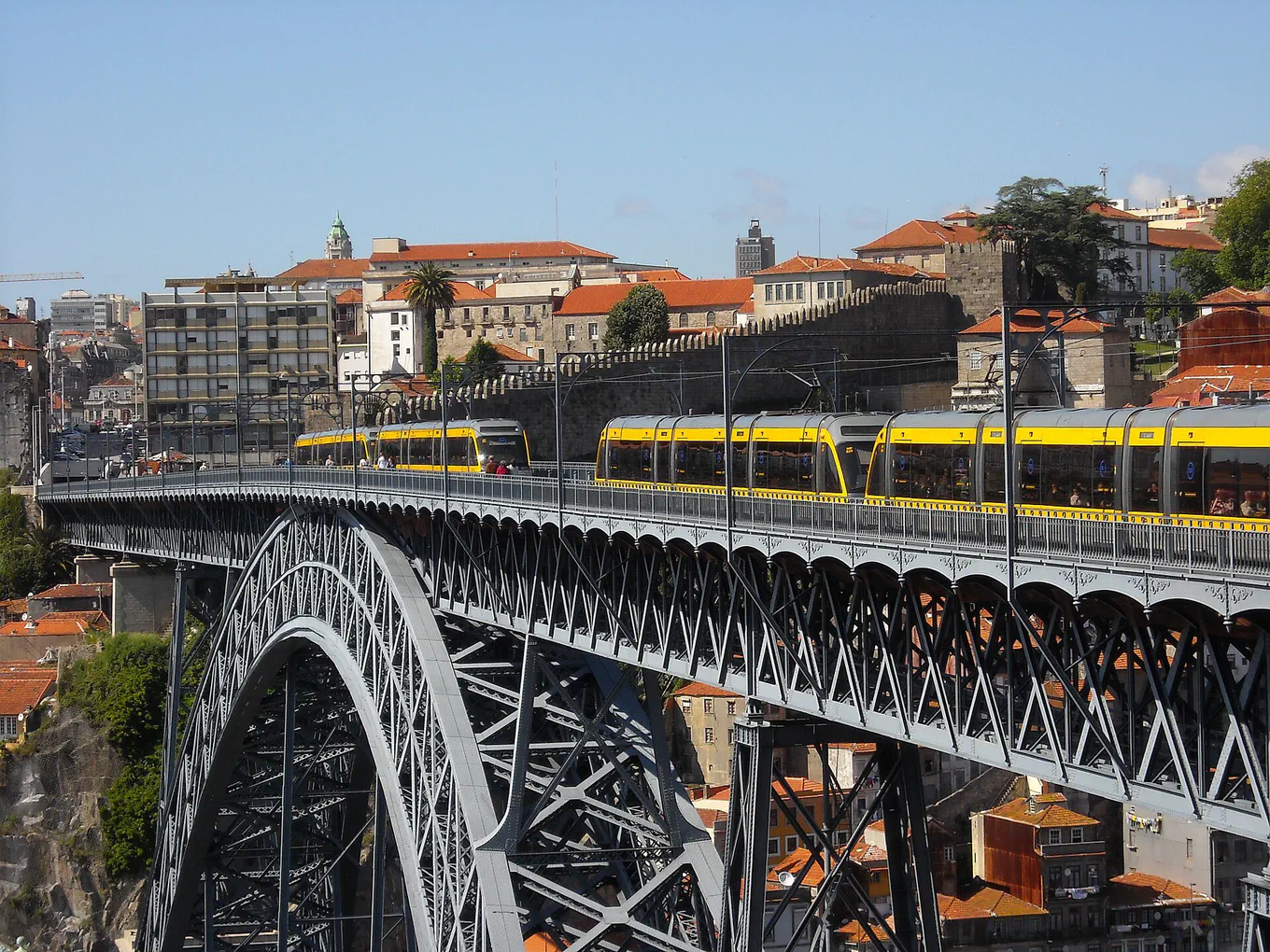
Stand here. The Dom Luís I Bridge. Walkers share its upper deck with the Metro, its lower with buses.
Porto’s Maria Pia railway bridge is credited to Gustave Eiffel, whose company would design the Eiffel Tower, though his partner, Théophile Seyrig, was probably largely responsible for the design. The partnership ended. When a competition opened for a double-deck bridge across the Douro, Eiffel entered. So did Seyrig, now working for a Belgian firm in Brussels, and Seyrig won. His bridge opened in 1886 with the longest span of its kind in the world. If it reminds you of the Maria Pia, that’s because the same man drew both.
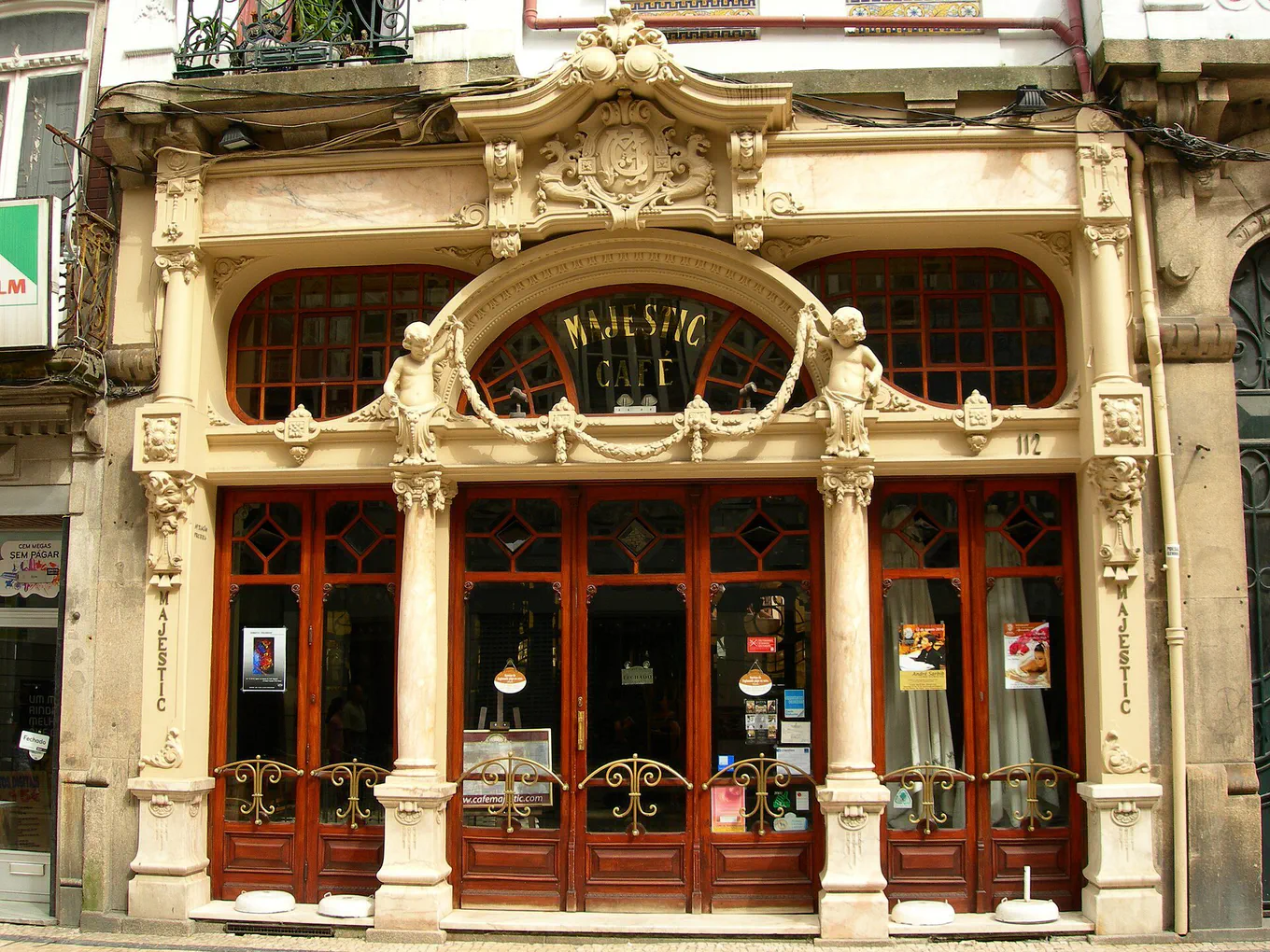
Livraria Lello became world-famous as the Porto bookshop said to have inspired Hogwarts, and the Harry Potter link put it on tourist itineraries. J. K. Rowling had taught English in Porto at night and written by day, and she later left for Edinburgh with a draft of the first book in her suitcase. In May 2020, she wrote, “I never visited this bookshop in Oporto. Never even knew of its existence!” The Majestic was different. She wrote here sometimes, and called it “probably the most beautiful café I ever wrote in”.
Pack nothing. Leave Friday.
Every Friday, I write a free letter, Journey, that takes us on a trip through places, stories, and ideas.
Amor de Perdição(Doomed Love) (Camilo Castelo Branco, 1862). A novel of doomed lovers, written in fifteen days while Camilo was jailed for adultery in Porto’s Relação prison.
Uma Família Inglesa(An English Family) (Júlio Dinis, 1868). A novel. Its English merchant, the widowed Mr Richard Whitestone, trades from Rua Nova dos Ingleses in Porto.
Memórias do Cárcere(Prison Memoirs) (Camilo Castelo Branco). A memoir of the Relação prison, where Camilo and Ana Plácido, the married woman he had run away with, were both held.
Films to watch before you visit Porto
Douro, Faina Fluvial(Labour on the Douro River) (Manoel de Oliveira, 1931). A short documentary of the river’s daily work on the Ribeira quay, the Dom Luís I Bridge, and the Barredo district.
Aniki-Bóbó(Manoel de Oliveira, 1942). A film whose adventures play out in the old streets of a poor neighbourhood and along Porto’s riverside.
Porto da Minha Infância(Manoel de Oliveira, 2001). A documentary, narrated by Oliveira, with staged dramatic scenes of memories and stories told to him during his childhood in Porto.
Questions
Did Livraria Lello inspire Harry Potter?
No. On 21 May 2020, J. K. Rowling wrote that she had never visited the bookshop, had not even known it existed, and that it had nothing to do with Hogwarts. She did say she sometimes wrote at the Majestic Café on Rua de Santa Catarina.
Where is Dom Pedro IV’s heart kept?
In the Igreja da Lapa, in Porto. Since 1837, it has rested in a monument in the chancel, sealed in a glass jar of formaldehyde inside a silver urn, under lock and key. In 2022, Portugal lent it to Brazil for the bicentenary of independence, and it was returned afterwards.
Is port wine named after Porto?
Yes. Port wine, one of Portugal’s best-known exports, takes its name from the city, which was and still is the hub of the port wine trade. In 1809, the trade’s wine barges carried Wellesley’s troops across the Douro.